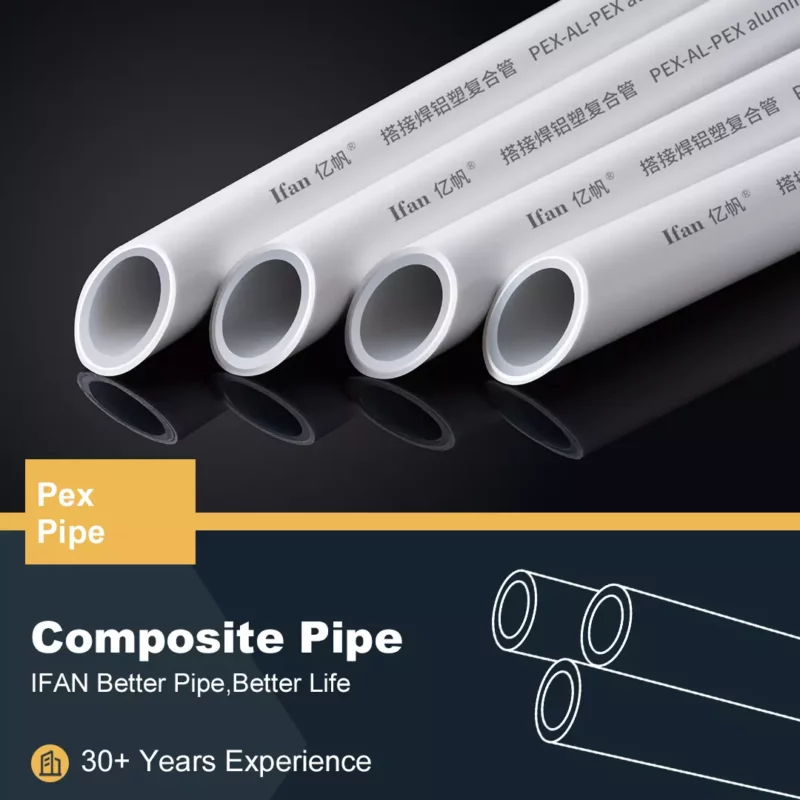
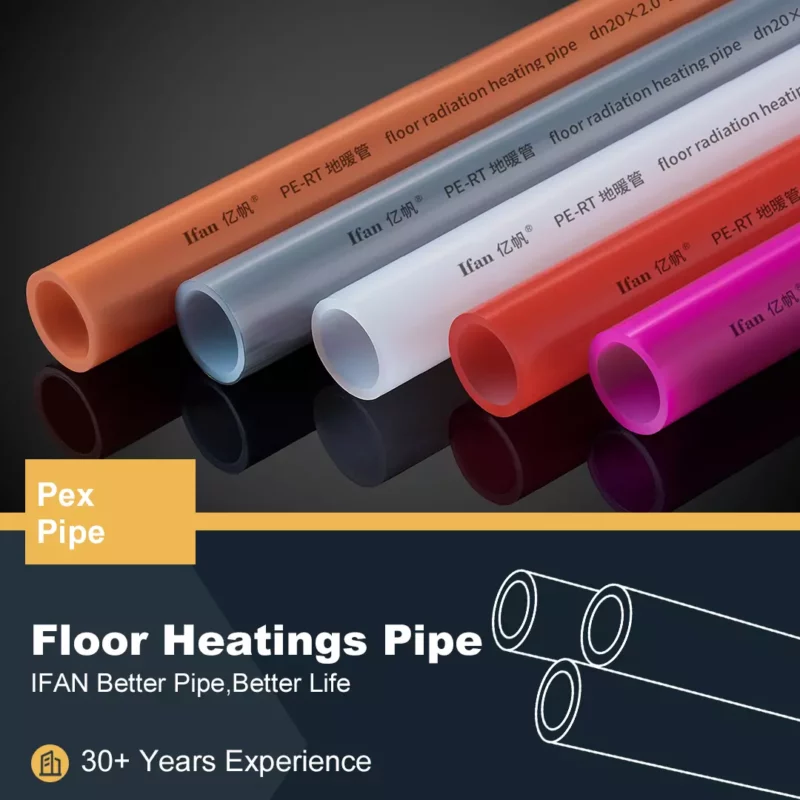
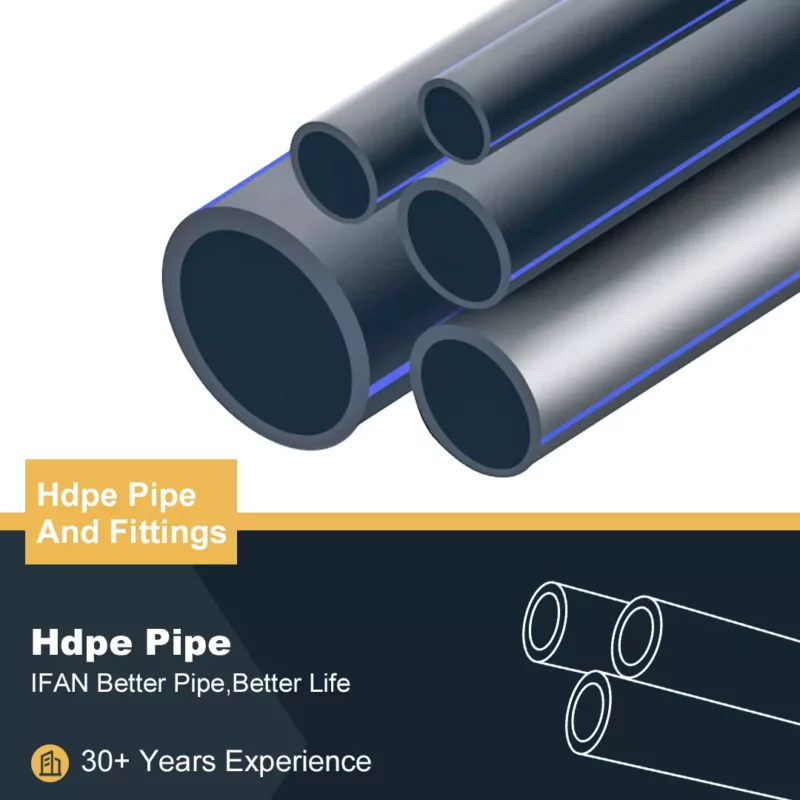
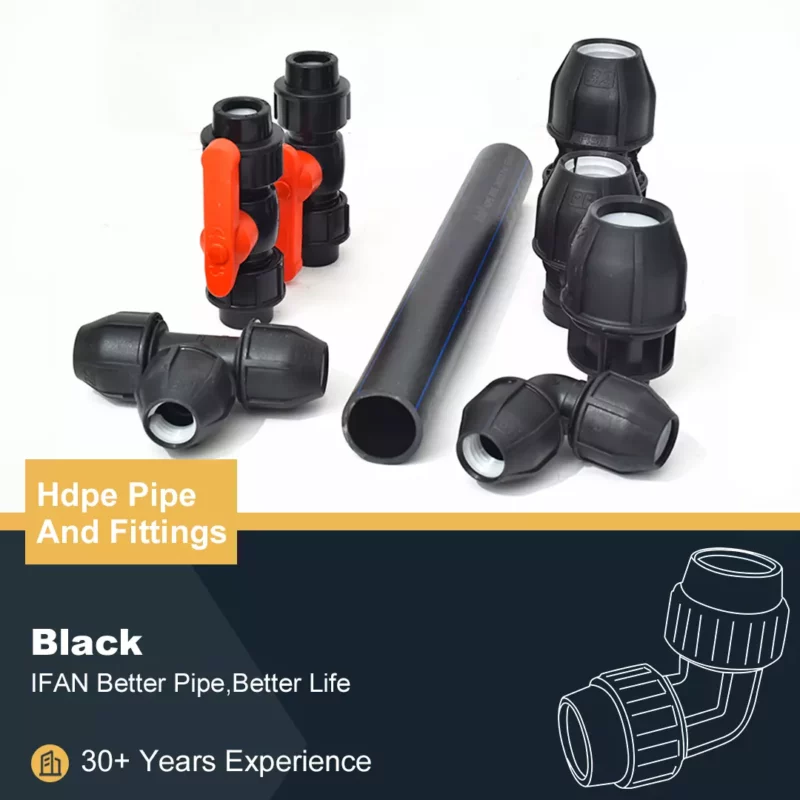
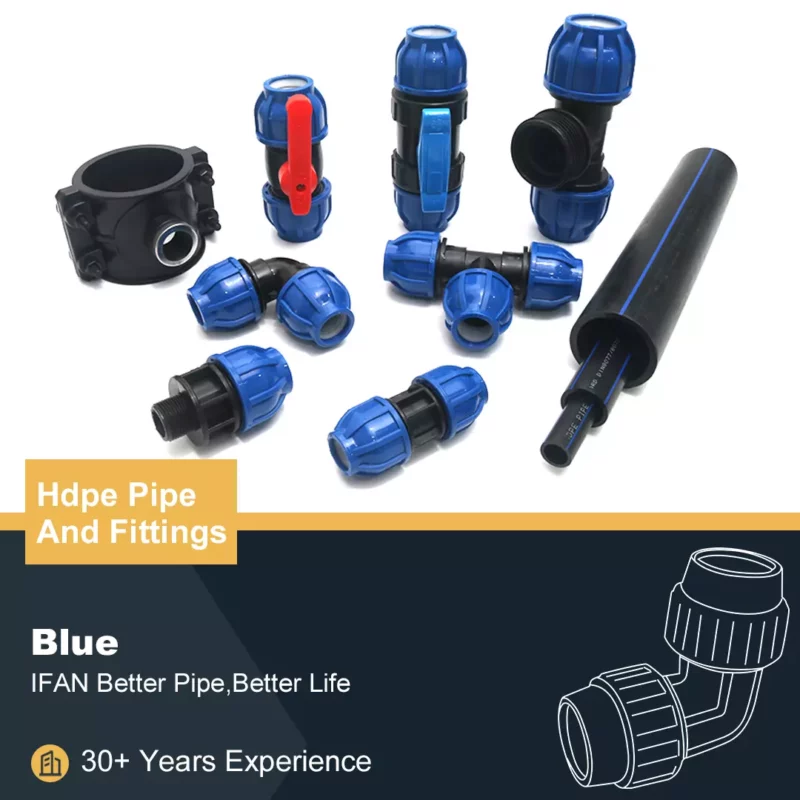
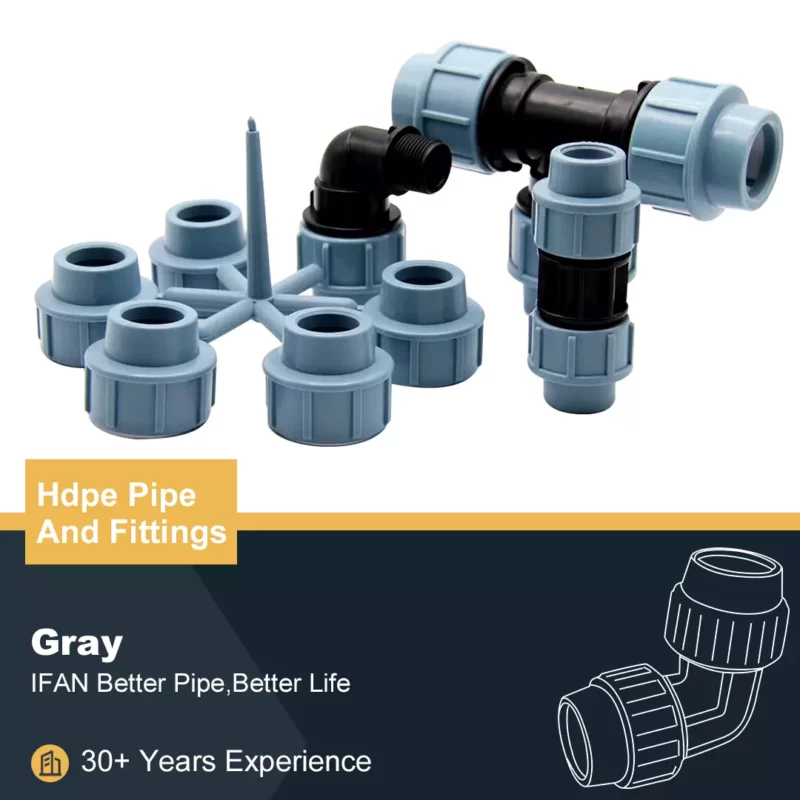



PEX (cross-linked polyethylene) pipes have become a popular choice for plumbing systems due to their flexibility, ease of installation, and resistance to freezing. However, choosing the right type of PEX pipe for your specific needs can be challenging. Different types of PEX pipes come with varying features, and understanding these features will help you make an informed decision. In this article, we will discuss the factors you need to consider when choosing the right type of PEX pipe for your plumbing system.
Understanding PEX Pipe Types
PEX pipes come in three main types: PEX-A, PEX-B, and PEX-C. Each type has its own advantages and disadvantages. PEX-A is the most flexible and durable, but it also comes at a higher price. PEX-B offers good flexibility at a more affordable price, while PEX-C is the least flexible but is suitable for applications where stiffness is not a concern.
PEX-A: The Most Flexible Option
PEX-A is created using the peroxide method, which results in a highly cross-linked structure. This method provides the pipe with superior flexibility and resistance to cracking. It can expand and contract without risk of damage, making it ideal for areas with freezing temperatures. PEX-A also has the best memory, meaning it can return to its original shape after being bent or deformed.
However, PEX-A can be more expensive compared to the other types. It is commonly used in applications where flexibility and durability are crucial. The pipe’s ability to expand and contract also makes it a preferred choice for retrofitting plumbing systems in homes.
PEX-B: The Budget-Friendly Option
PEX-B uses the silane method for cross-linking, which results in a pipe that is more rigid than PEX-A but still flexible enough for most plumbing needs. While it doesn’t have the same level of flexibility or freeze resistance as PEX-A, it is still a reliable option for residential plumbing.
PEX-B pipes are generally more affordable than PEX-A and offer good durability. They are resistant to chlorine, which makes them suitable for use in areas with chlorinated water. PEX-B pipes are commonly used for hot and cold water supply lines, radiant floor heating systems, and other plumbing applications.
PEX-C: The Most Rigid Option
PEX-C is manufactured using the electron beam method, which results in a pipe with less flexibility compared to PEX-A and PEX-B. While it is not as flexible, PEX-C still offers good resistance to temperature fluctuations and is a durable choice for certain applications.
PEX-C is often used in commercial or industrial applications where flexibility is less of a concern. It is also the most affordable type of PEX pipe, making it an economical choice for budget-conscious projects. However, because it is stiffer, it can be harder to install in tight spaces or around bends.
Factors to Consider When Choosing PEX Pipe
Several factors should guide your decision when selecting the right type of PEX pipe. These factors include the specific application, climate conditions, pipe size, and budget.
Application: Residential vs. Commercial Use
The application plays a significant role in determining the type of PEX pipe you need. For residential use, PEX-A or PEX-B is often the preferred choice. PEX-A offers the best flexibility, making it easier to install in tight spaces or around corners. It is also more resistant to freezing, making it suitable for areas with cold winters.
For commercial or industrial applications, PEX-C may be a more suitable option. Its rigidity makes it less prone to damage in large installations or in situations where flexibility is not required. PEX-C is also a more cost-effective choice for large-scale plumbing projects.
Climate: Freeze Resistance
One of the primary benefits of PEX pipes is their resistance to freezing. However, some types of PEX are better equipped to handle freezing temperatures. PEX-A offers the best freeze resistance because of its flexibility. It can expand if the water inside freezes, reducing the risk of burst pipes.
If you live in an area with harsh winters, it’s essential to choose a type of PEX pipe that can handle freezing conditions. PEX-B and PEX-C are less flexible than PEX-A and are more likely to crack or burst if the water inside them freezes. While these pipes may still perform well in mild climates, PEX-A is the better option in colder regions.
Pipe Size and Pressure Rating
When choosing PEX pipe, consider the size and pressure rating required for your plumbing system. PEX pipes come in a variety of sizes, from small-diameter pipes for low-flow applications to larger-diameter pipes for high-flow systems. Make sure to choose the right size to ensure adequate water flow and pressure.
Additionally, each type of PEX pipe has a specific pressure rating. For most residential applications, PEX pipes with a pressure rating of 160 psi are suitable. However, for high-pressure systems or commercial applications, you may need a pipe with a higher pressure rating.
Budget: Cost vs. Durability
PEX-A, PEX-B, and PEX-C vary in price. PEX-A is generally the most expensive, while PEX-C is the most affordable. When selecting a type of PEX pipe, consider your budget and weigh it against the durability and performance you need.
While PEX-A offers the best flexibility and durability, it may not always be necessary for every project. PEX-B provides a good balance between cost and performance, making it a great choice for most residential applications. If you are working on a tight budget, PEX-C can be a cost-effective solution without sacrificing too much in terms of performance.
Installing PEX Pipes
PEX pipes are relatively easy to install compared to traditional copper or PVC pipes. They do not require special tools or fittings, and they can be bent around corners, reducing the need for elbows and joints. However, it’s essential to follow proper installation guidelines to ensure the longevity and safety of the system.
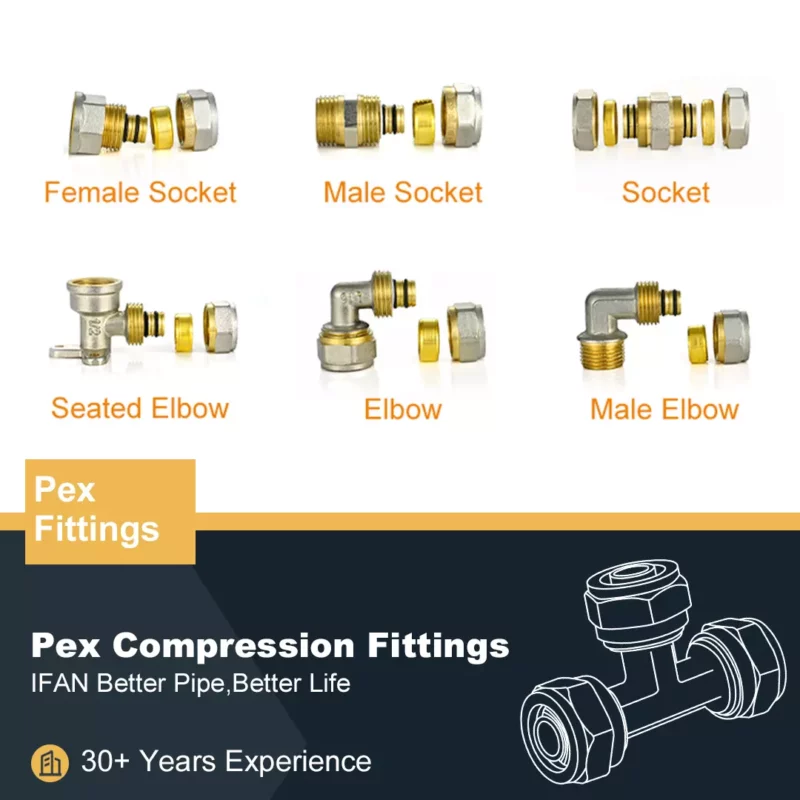
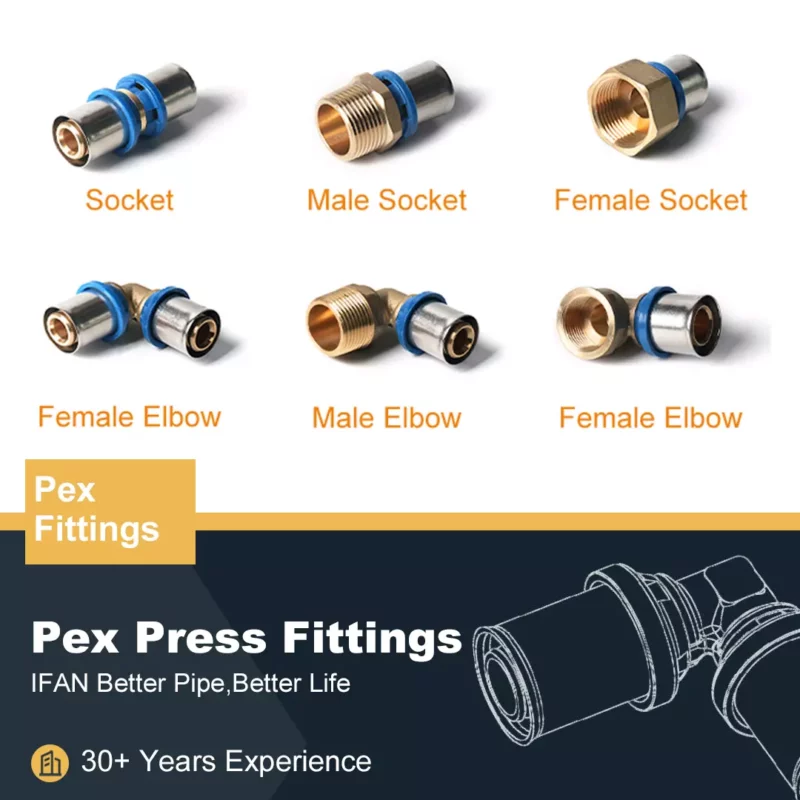
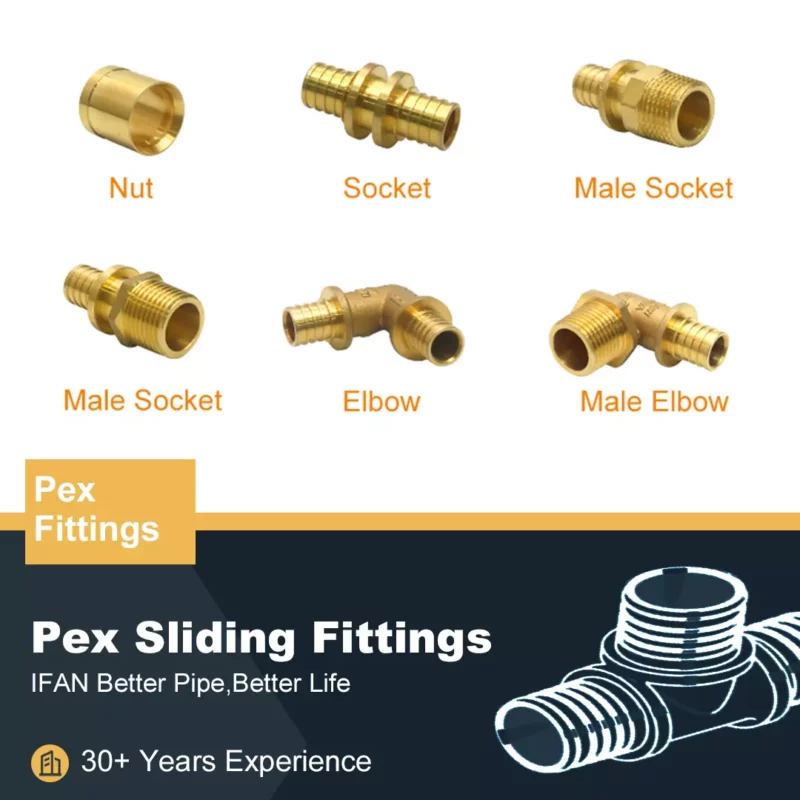
Make sure to use the correct fittings and connectors for the type of PEX pipe you choose. For example, PEX-A pipes may require expansion fittings, while PEX-B and PEX-C pipes may use crimp or clamp fittings. Always check local building codes and regulations before starting your installation.
Conclusion
Choosing the right type of PEX pipe is an important decision that affects the performance and longevity of your plumbing system. PEX-A offers the best flexibility and freeze resistance, making it ideal for cold climates and tight spaces. PEX-B is a budget-friendly option that still provides good durability and flexibility for most residential applications. PEX-C, while less flexible, offers a cost-effective solution for large-scale or commercial plumbing projects.
Consider factors such as the application, climate conditions, pipe size, and budget when making your decision. By understanding the differences between each type of PEX pipe and their advantages, you can choose the right option to meet your needs. With the proper installation and care, PEX pipes can provide reliable and long-lasting performance for your plumbing system.
If you have read this article and have any questions, please feel free to contact IFAN. Below is our contact information:
Whatsapp:+86 13373827623
Email:[email protected]