




Brass check valves play a vital role in plumbing systems and fluid control applications. These valves allow water to flow in one direction while preventing reverse flow. This function helps maintain pressure, prevent contamination, and protect pumps. In this article, we will explore how brass check valves impact water pressure in various systems and discuss their importance.
What Is a Brass Check Valve?
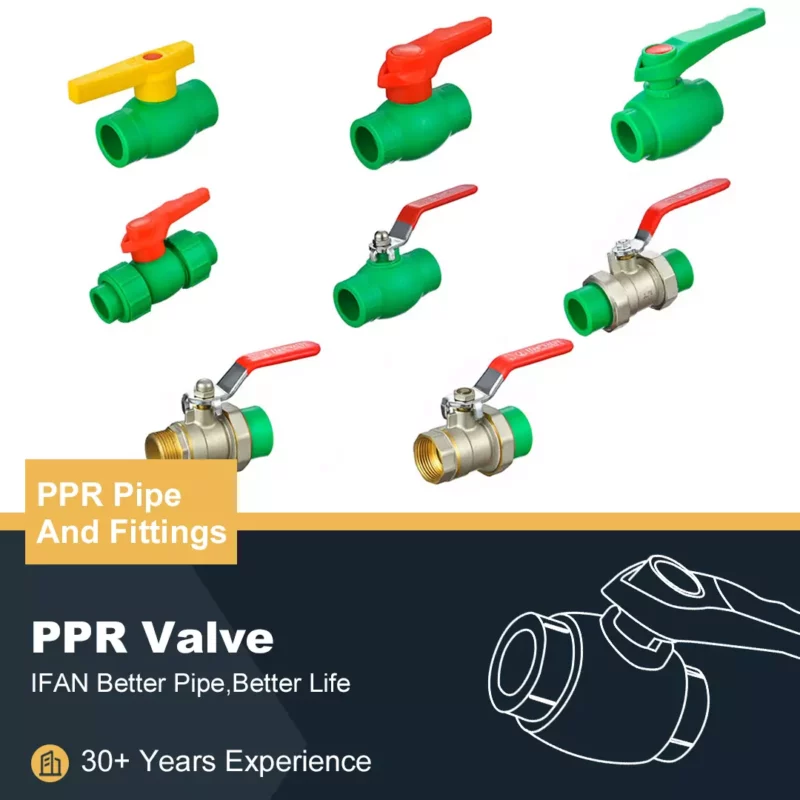
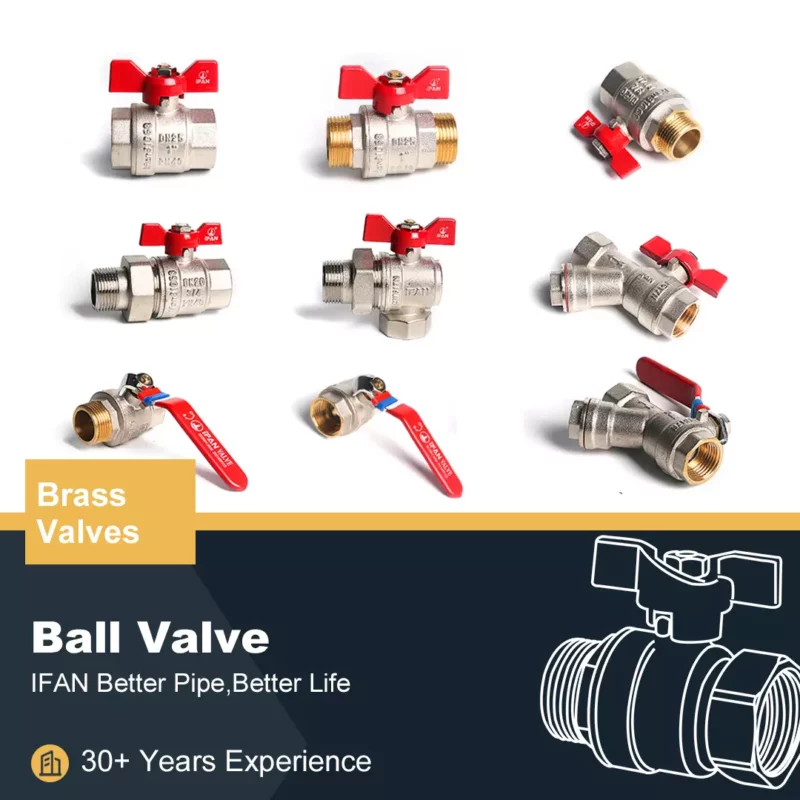
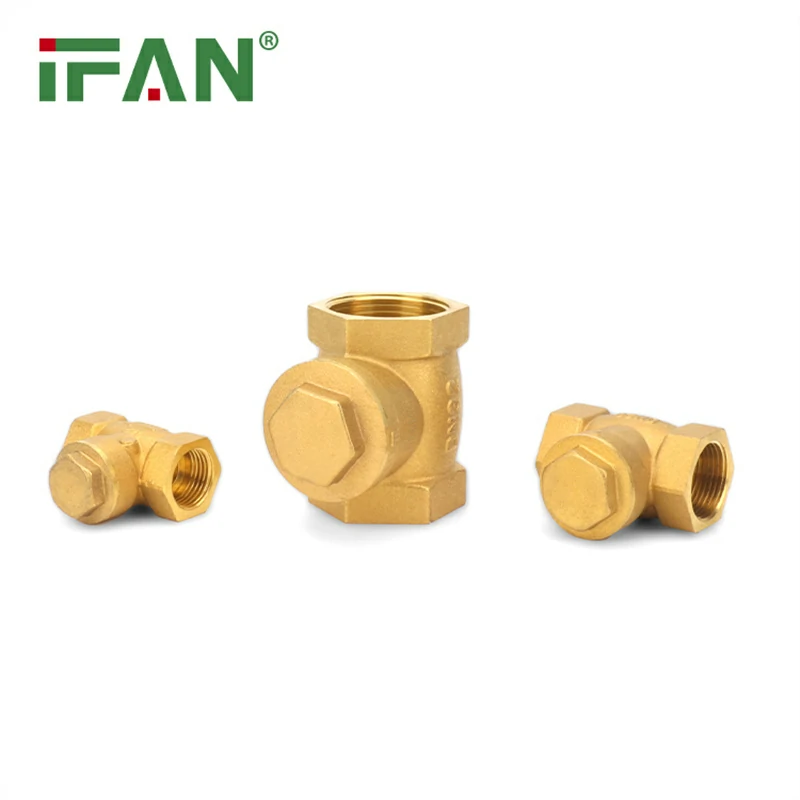
A brass check valve is a type of one-way valve made from durable brass. It allows water to flow in a single direction and automatically closes when reverse flow occurs. These valves are commonly used in pipelines, water distribution systems, and pumps. Brass is preferred for its corrosion resistance, strength, and longevity.
How Brass Check Valves Regulate Water Pressure
Brass check valves help maintain consistent water pressure in plumbing systems. By preventing backflow, these valves prevent the loss of pressure that may occur due to reverse flow. When water starts to flow in the wrong direction, the valve closes, keeping the pressure intact. This regulation ensures the system operates smoothly and efficiently.
Preventing Water Hammer and Pressure Surges
Water hammer and pressure surges can cause significant damage to plumbing systems. Brass check valves minimize these issues by preventing sudden backflows. The valve closes immediately when reverse flow starts, reducing the chances of pressure spikes and water hammer. This contributes to a more stable and reliable water pressure.
The Role of Brass Check Valves in Pump Protection
In pump systems, maintaining water pressure is crucial. Brass check valves protect pumps from the harmful effects of reverse flow, which can lead to pressure drops or even damage. When the valve prevents backflow, it ensures the pump operates under consistent pressure, extending its lifespan and improving efficiency.
How Backflow Affects Water Pressure Without Brass Check Valves
Without a brass check valve, water can flow backward through the system. This backflow reduces pressure and disrupts normal water flow. In severe cases, backflow can cause water contamination or damage to equipment. A brass check valve eliminates these risks by ensuring water flows only in the desired direction.
Factors That Influence the Effectiveness of Brass Check Valves
Several factors influence how well a brass check valve regulates water pressure. These include the valve’s size, design, and the flow rate of water. The installation and maintenance of the valve also play a significant role. A properly sized valve ensures optimal pressure regulation and prevents pressure loss.
Proper Installation and Maintenance of Brass Check Valves
Correct installation and regular maintenance are essential for brass check valves to function properly. Ensure the valve is installed in the correct orientation to avoid improper flow direction. Routine checks for debris, corrosion, or wear can help maintain the valve’s performance, allowing it to effectively manage water pressure.
The Benefits of Brass Check Valves in Residential Systems
In residential plumbing systems, brass check valves are essential for maintaining consistent water pressure. They prevent backflow, protect appliances, and ensure a steady water supply. These valves contribute to energy efficiency by preventing unnecessary pressure fluctuations, which could cause wear on pipes and fixtures.
Applications of Brass Check Valves in Industrial Systems
In industrial applications, brass check valves are used to control water flow in large pipelines and machinery. These valves ensure steady water pressure in systems where consistent flow is critical. They also protect expensive equipment from backflow and pressure fluctuations, making them essential in many industries.
Choosing the Right Brass Check Valve for Your System
Selecting the right brass check valve is crucial for maintaining optimal water pressure. Consider the specific needs of your system, such as the pipe diameter, flow rate, and pressure requirements. Consulting with a professional can help ensure that the valve you choose is appropriate for your application.
Common Issues with Brass Check Valves and How to Solve Them
Even the best brass check valves can experience issues over time. Common problems include wear and tear, mineral buildup, or valve failure. Regular inspections can identify early signs of trouble, such as leaks or inconsistent pressure. If the valve is damaged or clogged, cleaning or replacement is necessary.
How to Ensure Longevity of Brass Check Valves
To extend the lifespan of your brass check valve, keep it clean and free from debris. Regular maintenance, such as checking for leaks and ensuring proper seating, can help the valve last longer. Using the valve within its designed pressure limits will also prevent undue stress and wear.
The Cost-Effectiveness of Brass Check Valves
While brass check valves are a bit more expensive than plastic alternatives, they offer superior durability and reliability. Their resistance to corrosion and long lifespan make them a cost-effective choice in the long run. Brass check valves reduce the need for frequent replacements and minimize damage to plumbing systems.
Conclusion: The Importance of Brass Check Valves in Managing Water Pressure
Brass check valves are essential for controlling water pressure in plumbing and industrial systems. They prevent backflow, reduce pressure surges, and protect sensitive equipment. By maintaining stable water flow, brass check valves ensure the efficiency and longevity of your plumbing system. Regular maintenance and proper installation can help maximize their benefits and keep water pressure stable.
If you have read this article and have any questions, please feel free to contact IFAN. Below is our contact information:
Whatsapp:+86 13373827623
Email:[email protected]