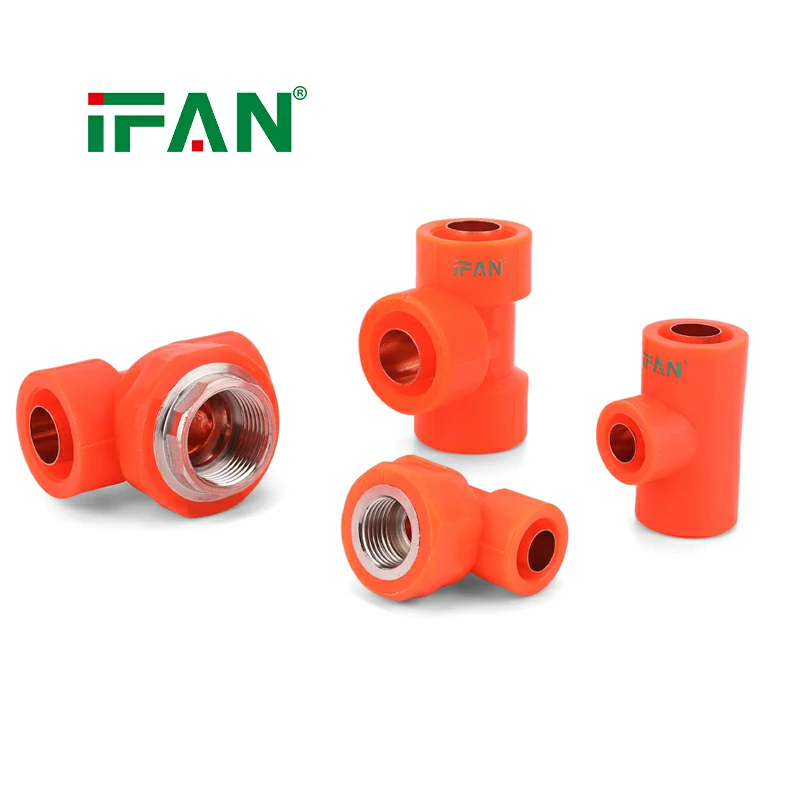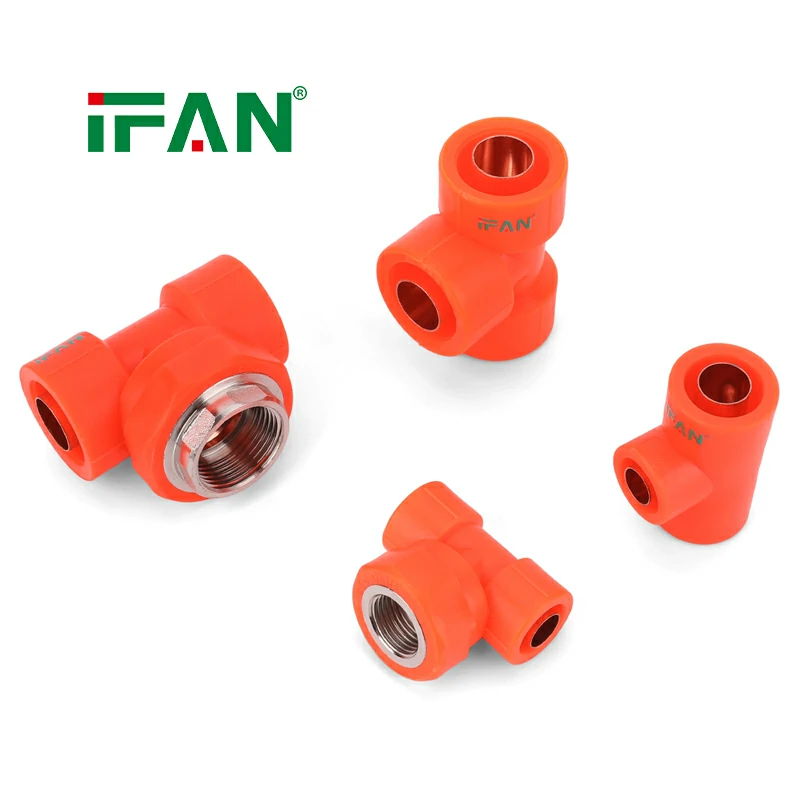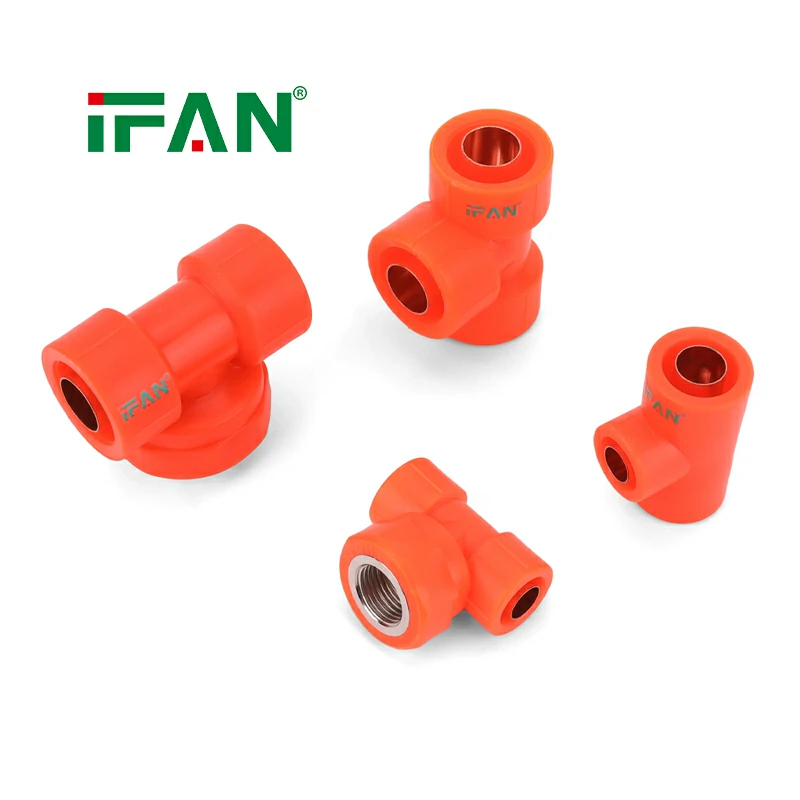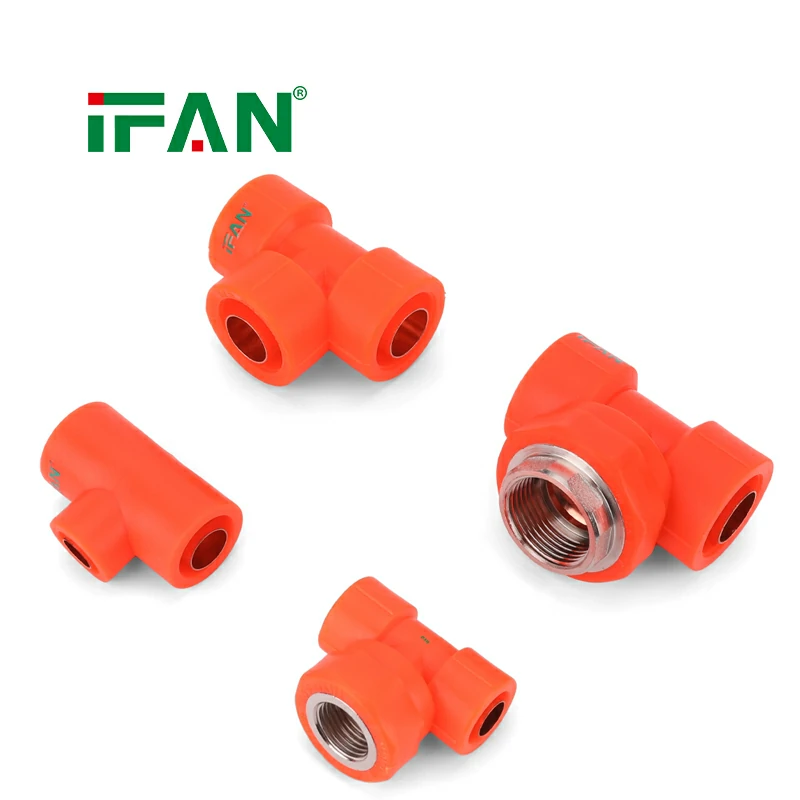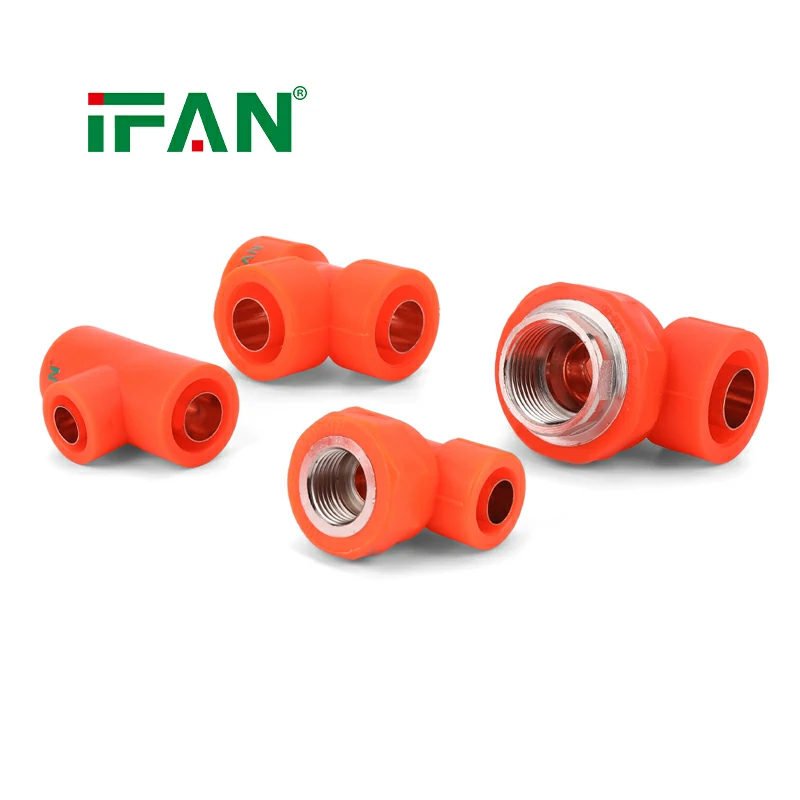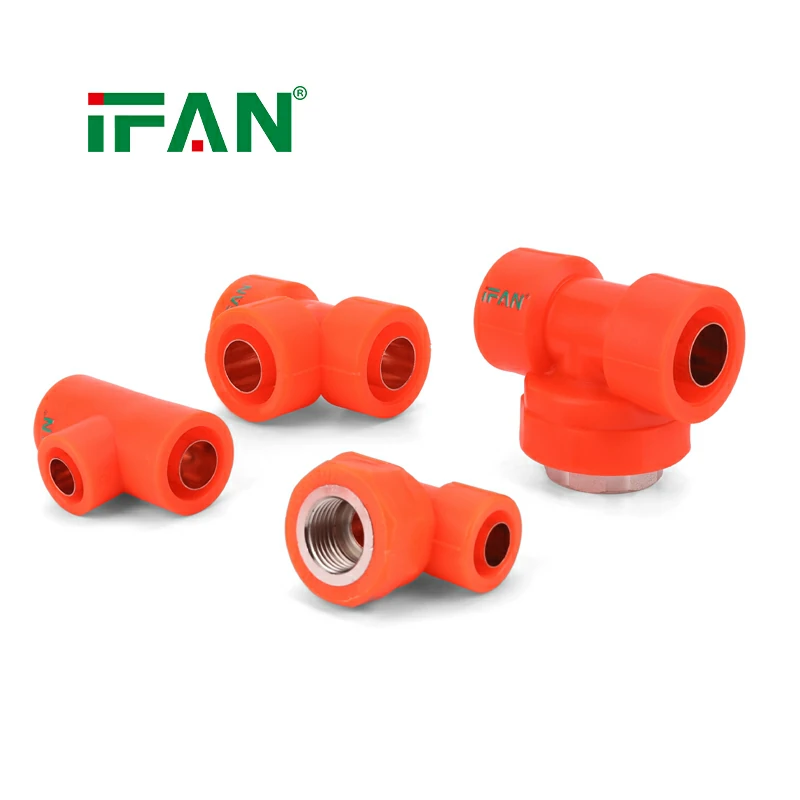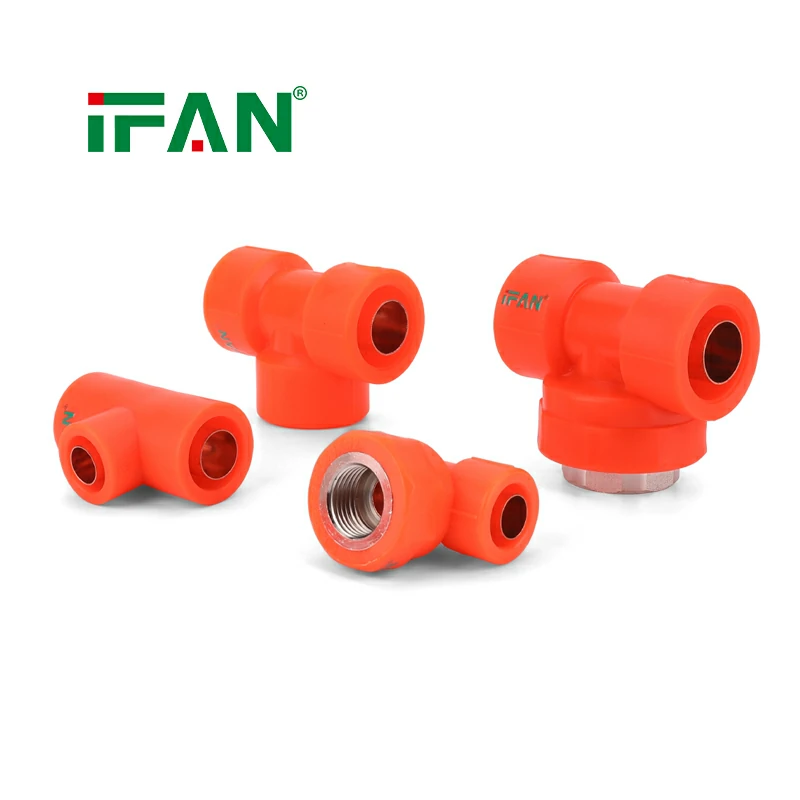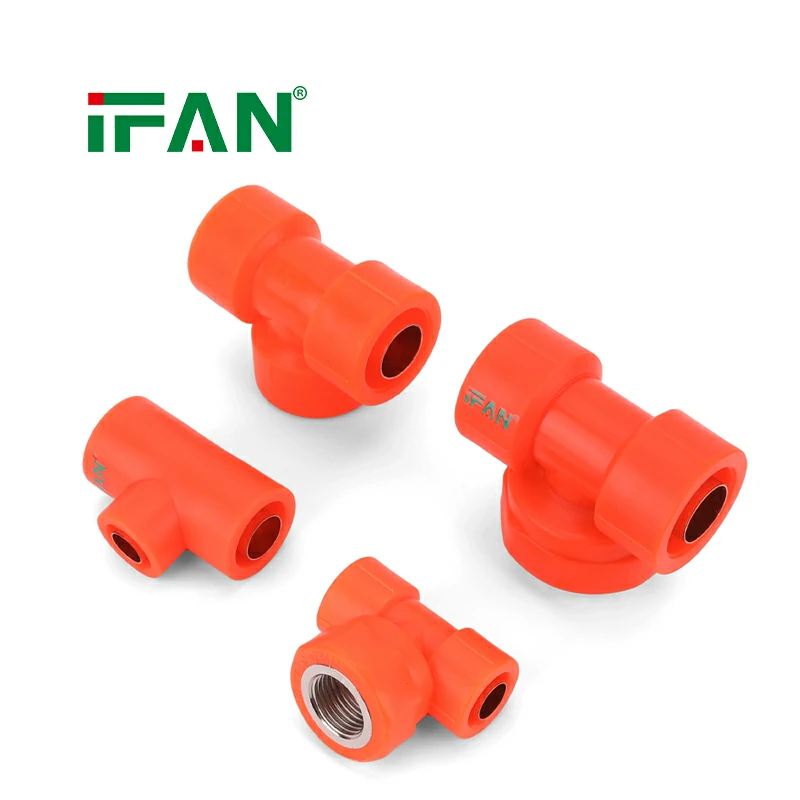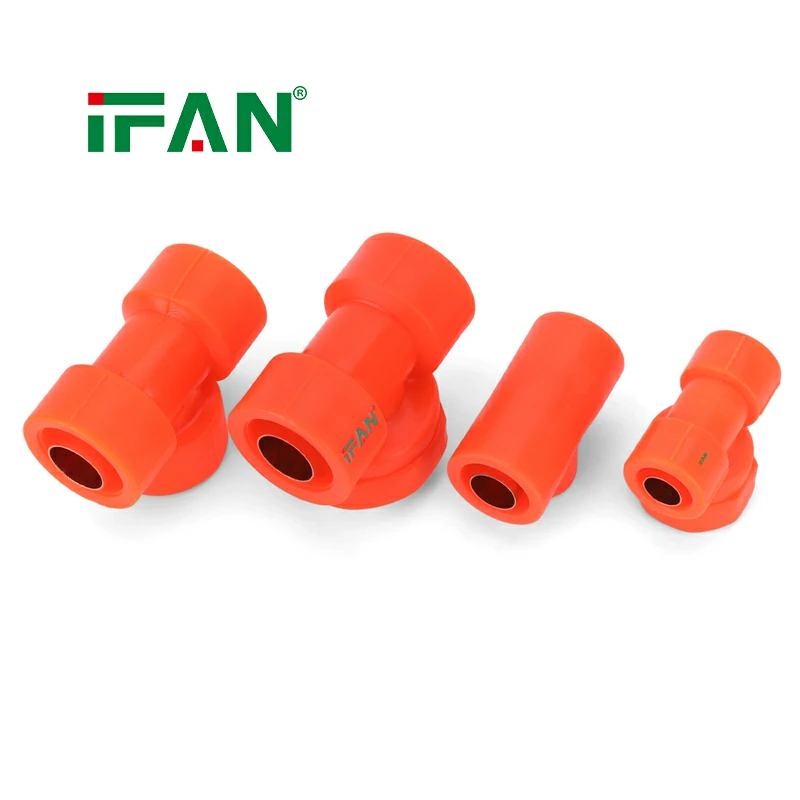
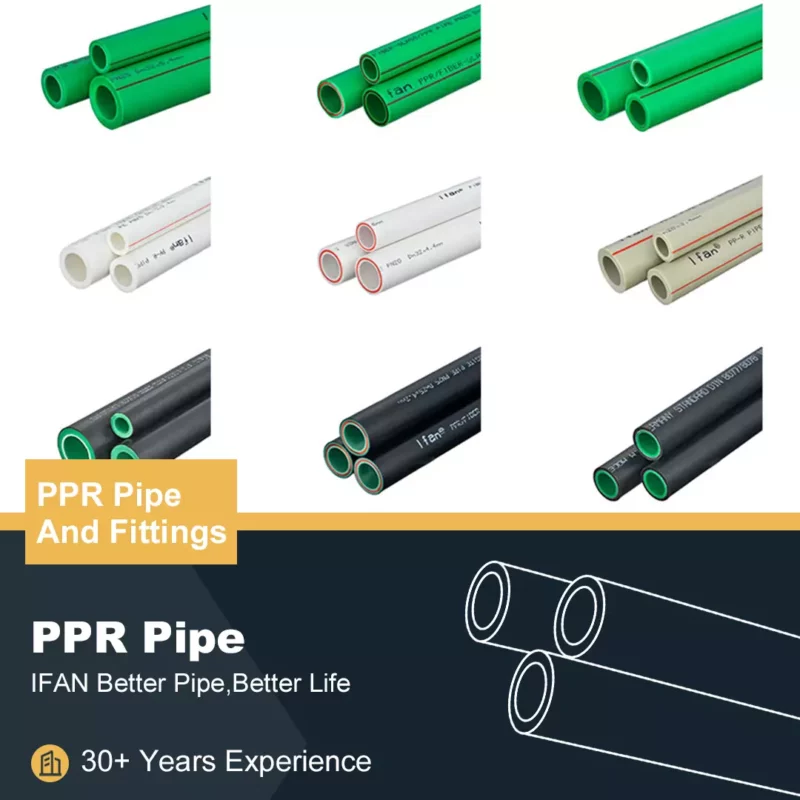
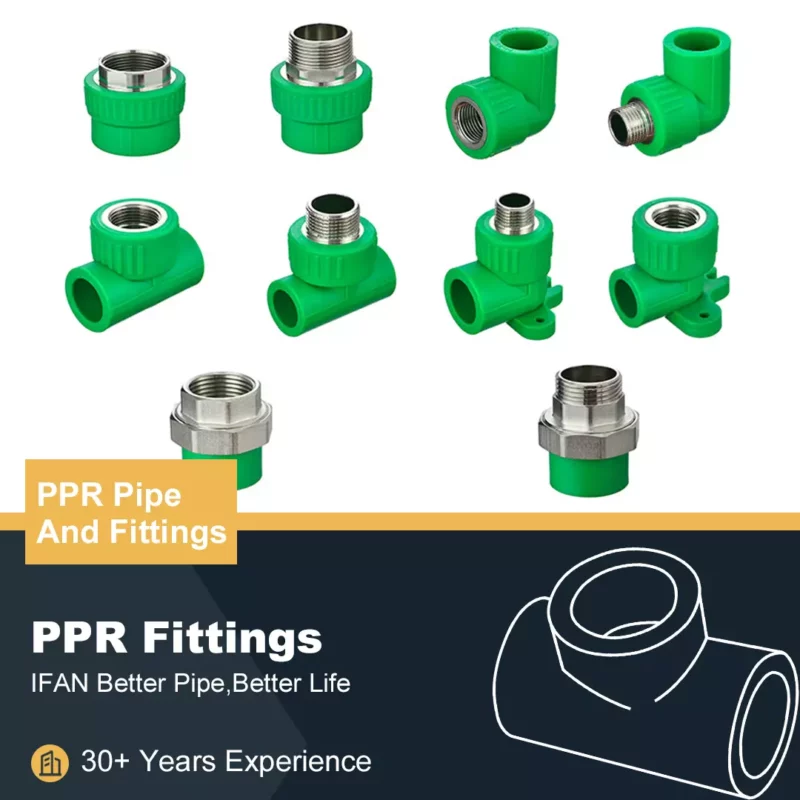
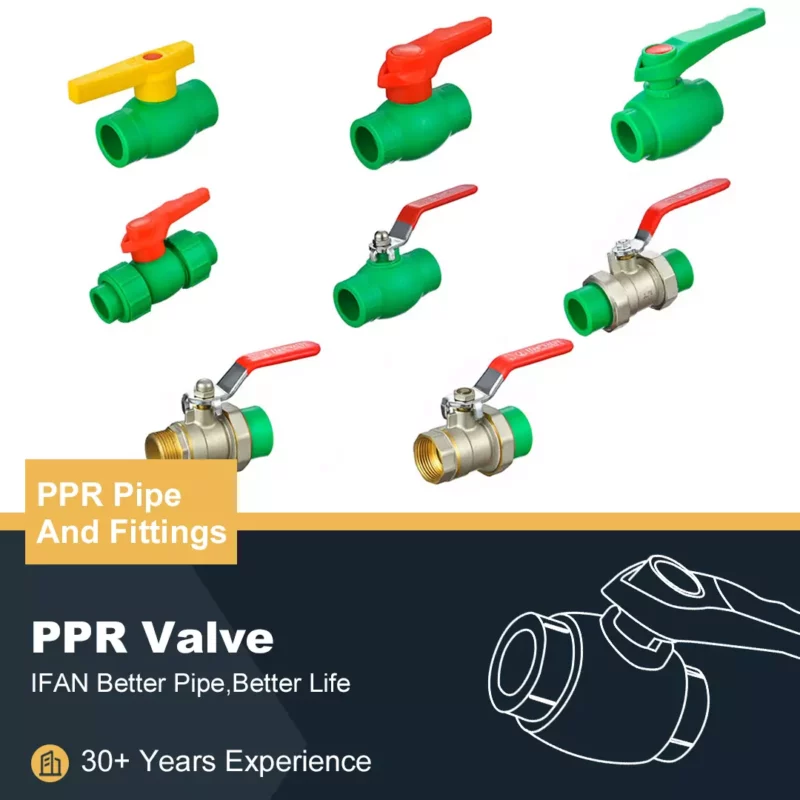
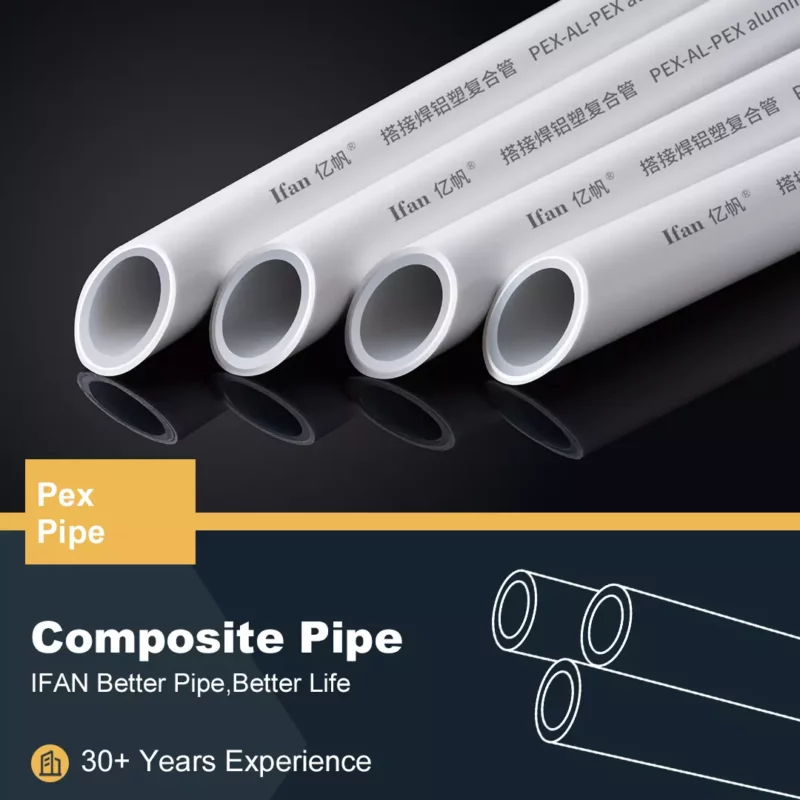



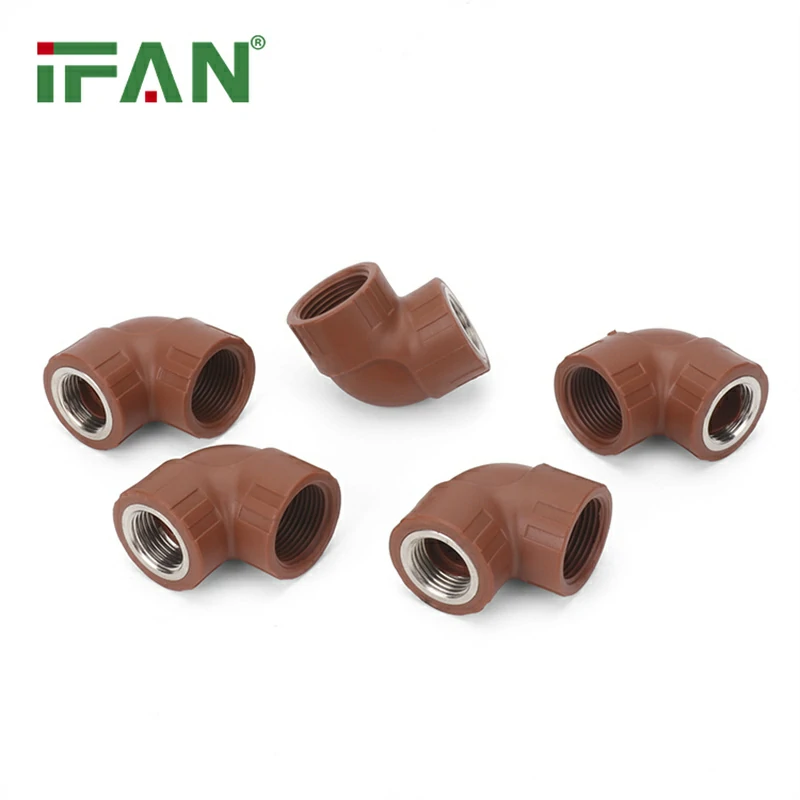
Polypropylene Homopolymer (PPH) fittings have become a popular choice for various industrial applications due to their excellent chemical resistance and robust mechanical properties. One of the most notable features of PPH fittings is their ability to withstand high temperatures. In this article, we will explore how PPH fittings perform in high-temperature environments, their advantages, and key considerations when using them.
Understanding PPH and Its High-Temperature Performance
Polypropylene Homopolymer, or PPH, is a type of plastic that stands out for its superior strength and resistance to harsh chemicals. Unlike other materials, PPH has a high melting point, making it ideal for use in systems where temperatures exceed those typically managed by standard plastics.
PPH fittings maintain their integrity even in demanding thermal conditions. They can handle temperatures up to 140°C (284°F) without significant deformation or loss of mechanical properties. This makes PPH fittings suitable for high-temperature environments, particularly in the chemical and pharmaceutical industries.
Key Advantages of PPH Fittings in High-Temperature Systems
PPH fittings offer several benefits when used in high-temperature applications. These advantages make them highly valuable in industrial settings that require reliability under extreme conditions.
High Temperature Resistance:
PPH fittings perform well in high-temperature settings, typically up to 140°C. This feature allows PPH to be used in hot water systems, chemical reactors, and industrial heating processes.
Chemical Resistance:
PPH is resistant to many harsh chemicals, including acids, bases, and solvents. This makes it particularly useful in industries where chemical exposure is common, such as in the pharmaceutical, food processing, and chemical manufacturing sectors.
Durability:
PPH fittings exhibit excellent durability under heat stress. They can withstand thermal cycling without cracking or becoming brittle, ensuring long-term reliability in high-temperature systems.
Lightweight and Easy to Install:
PPH fittings are lighter than metal alternatives, making installation easier and faster. Their lower weight also reduces transportation costs, making them an economical choice for large-scale projects.
Cost-Effectiveness:
Compared to metals like stainless steel, PPH fittings are generally more cost-effective. They offer high performance at a fraction of the price of metallic fittings.
Industries That Benefit from PPH Fittings in High-Temperature Environments
Several industries rely on PPH fittings for high-temperature applications. These sectors require materials that can handle extreme conditions while maintaining performance over time.
Chemical Industry:
In chemical plants, PPH fittings are often used in pipelines that carry corrosive and hot chemicals. The ability of PPH to resist both high temperatures and chemicals makes it an ideal choice for these systems.
Pharmaceutical Industry:
PPH fittings are used in pharmaceutical manufacturing systems where both temperature and sterility are crucial. These fittings can withstand the heat generated during sterilization processes without degradation.
Food and Beverage Industry:
The food processing sector requires piping systems that can endure high temperatures. PPH’s high temperature resistance makes it suitable for hot water lines, steam systems, and pasteurization processes.
Water Treatment Systems:
In water treatment plants, PPH fittings are used in high-temperature applications such as reverse osmosis (RO) systems, where water is heated to a certain temperature for optimal filtration and disinfection.
Thermal Expansion and Contraction of PPH Fittings
Like all materials, PPH fittings experience thermal expansion and contraction when exposed to temperature changes. This characteristic can impact the performance of the system, particularly in high-temperature environments.
Expansion Considerations:
When temperatures increase, PPH fittings expand. It’s important to account for this expansion when designing piping systems. Proper installation techniques, such as leaving room for expansion or using expansion loops, can help avoid system strain.
Contraction During Cooling:
When the system cools, PPH fittings contract. Designers must ensure that the fittings remain securely fastened and properly aligned to prevent leaks or structural issues during the cooling phase.
Managing Thermal Stress:
In high-temperature environments, thermal stress can cause wear over time. Engineers must take steps to minimize the impact of these stresses, such as using flexible joints or considering the specific temperature fluctuations the system will experience.
Installation Tips for High-Temperature PPH Systems
Proper installation is critical to ensuring the long-term performance of PPH fitting in high-temperature systems. The following tips can help optimize the durability and reliability of the installation.
Choose the Right Fitting Size:
Select PPH fittings that match the size and flow requirements of your system. Proper sizing ensures that the system can handle the desired temperature and flow without putting unnecessary strain on the fittings.
Use Expansion Joints:
To account for thermal expansion and contraction, consider incorporating expansion joints into the system. These joints absorb the movement caused by temperature changes, preventing damage to the fittings.
Avoid Overheating During Installation:
Avoid exposing PPH fitting to extreme temperatures during installation. Excessive heat during installation can compromise the integrity of the fittings and may lead to failures later.
Inspect Fittings Regularly:
In high-temperature applications, regular inspection of PPH fitting is essential. Check for signs of wear, cracking, or warping, which may indicate that the material has been exposed to temperatures beyond its tolerance.
Potential Challenges with PPH Fittings in High-Temperature
Applications
Despite their many advantages, there are some challenges when using PPH fitting in high-temperature systems. Understanding these challenges is key to ensuring a successful installation and long-lasting performance.
Temperature Limits:
Although PPH can withstand temperatures up to 140°C, it is not suitable for extreme heat above this threshold. Systems that operate at higher temperatures, such as those found in some power plants, may require alternative materials like metal alloys.
Brittleness at Low Temperatures:
While PPH is excellent in high-temperature applications, it becomes more brittle at low temperatures. It’s essential to assess the full range of temperature conditions that the system will experience.
Compatibility with Other Materials:
When combining PPH with other materials in a piping system, ensure that there is no adverse reaction between materials under high temperatures. For example, thermal expansion rates can differ significantly between materials, which can cause leaks or fractures.
Conclusion
PPH fitting offer an effective solution for high-temperature applications across various industries. Their combination of high thermal resistance, chemical durability, and cost-effectiveness makes them a preferred choice for many engineers. By understanding the material’s properties, challenges, and best installation practices, companies can ensure that PPH fittings deliver reliable performance and longevity in even the most demanding systems. Whether used in chemical plants, pharmaceutical manufacturing, or water treatment facilities, PPH fittings are a critical component for safely and efficiently managing high-temperature environments.
If you have read this article and have any questions, please feel free to contact IFAN. Below is our contact information:
Whatsapp:+86 13373827623
Email:[email protected]