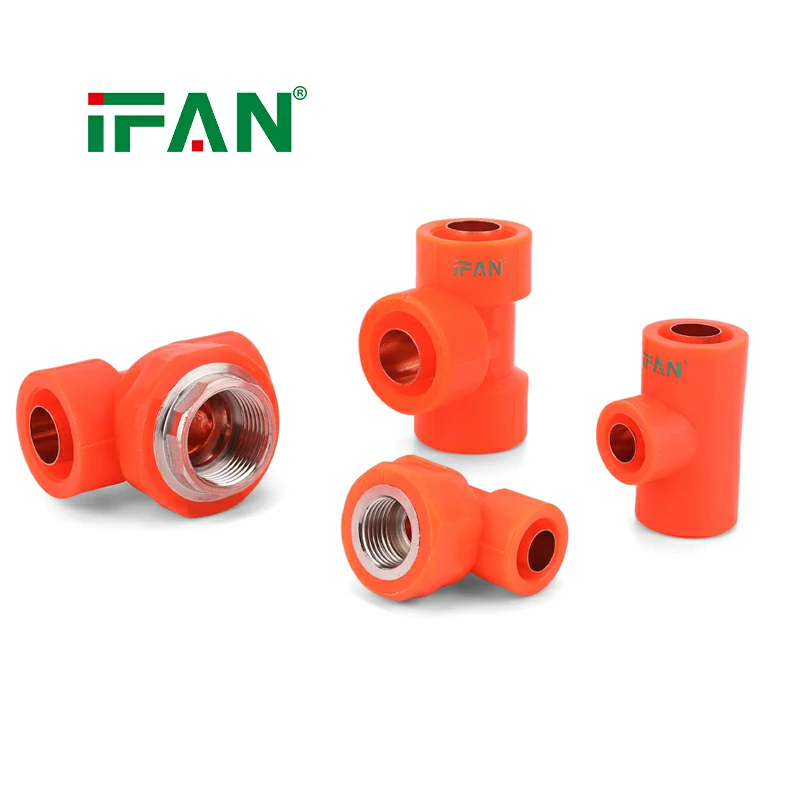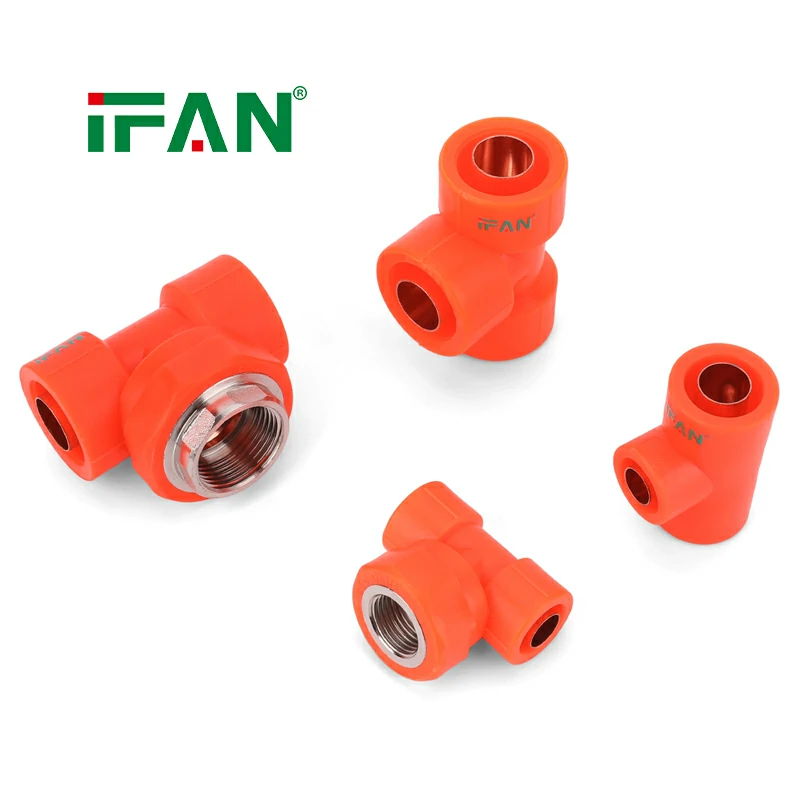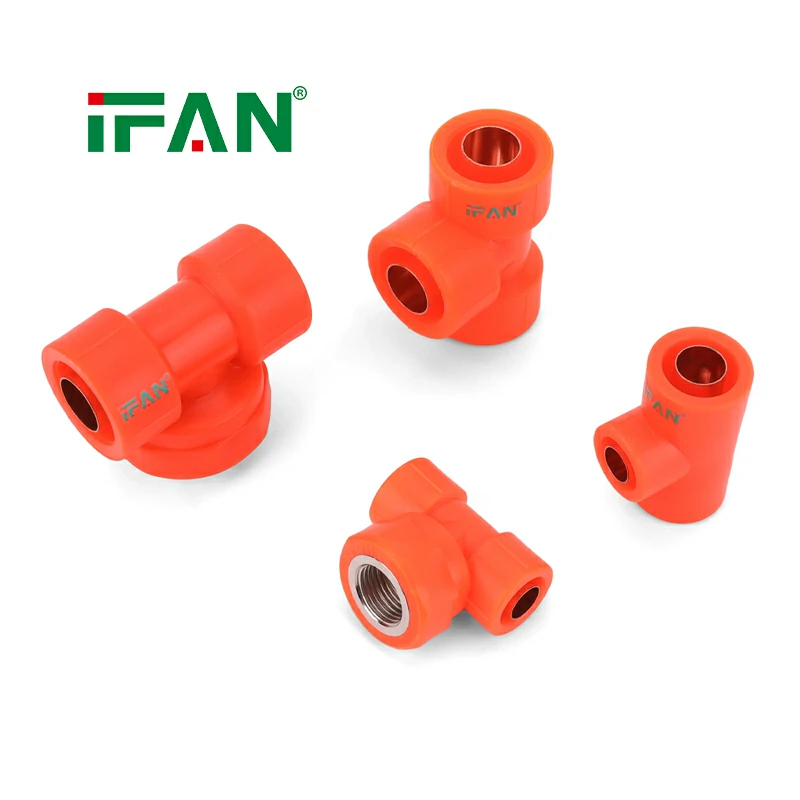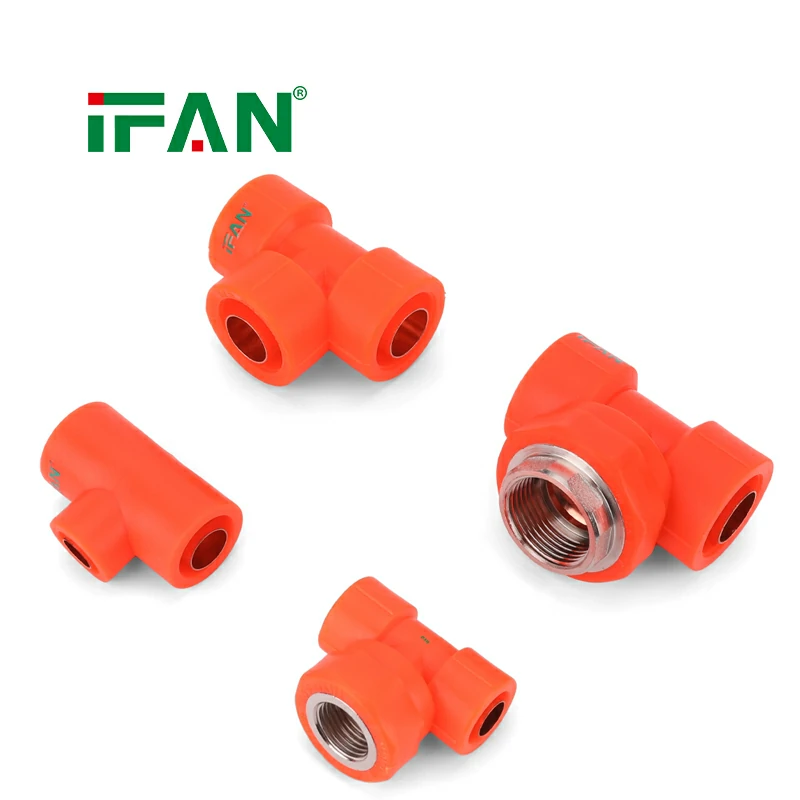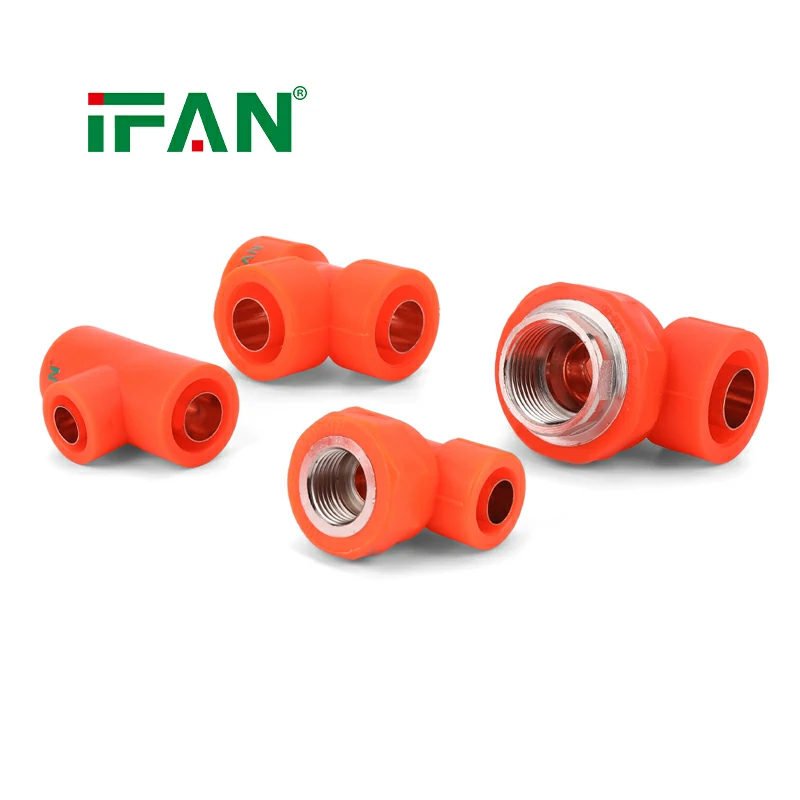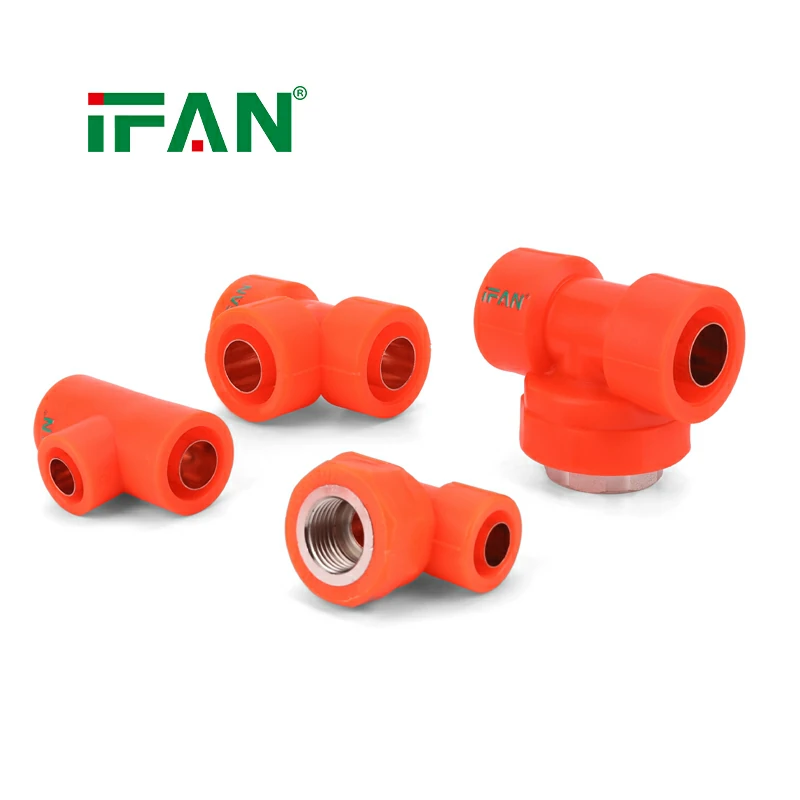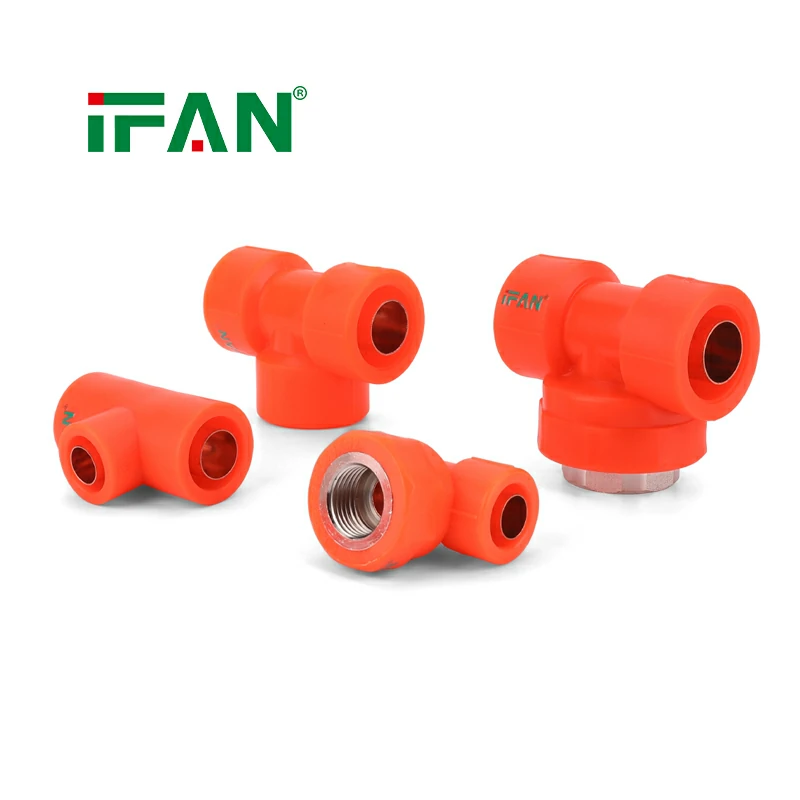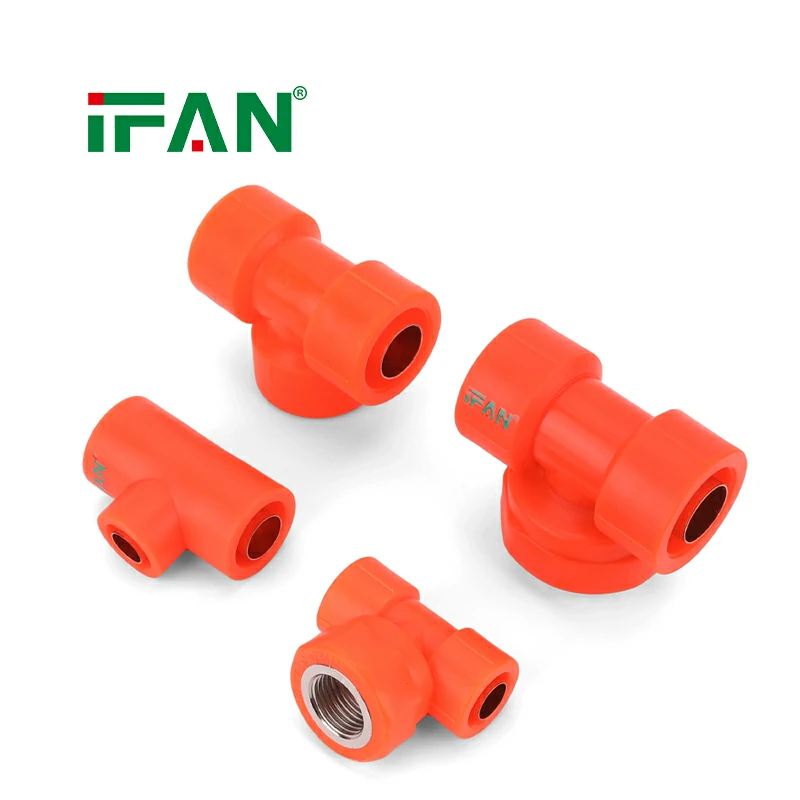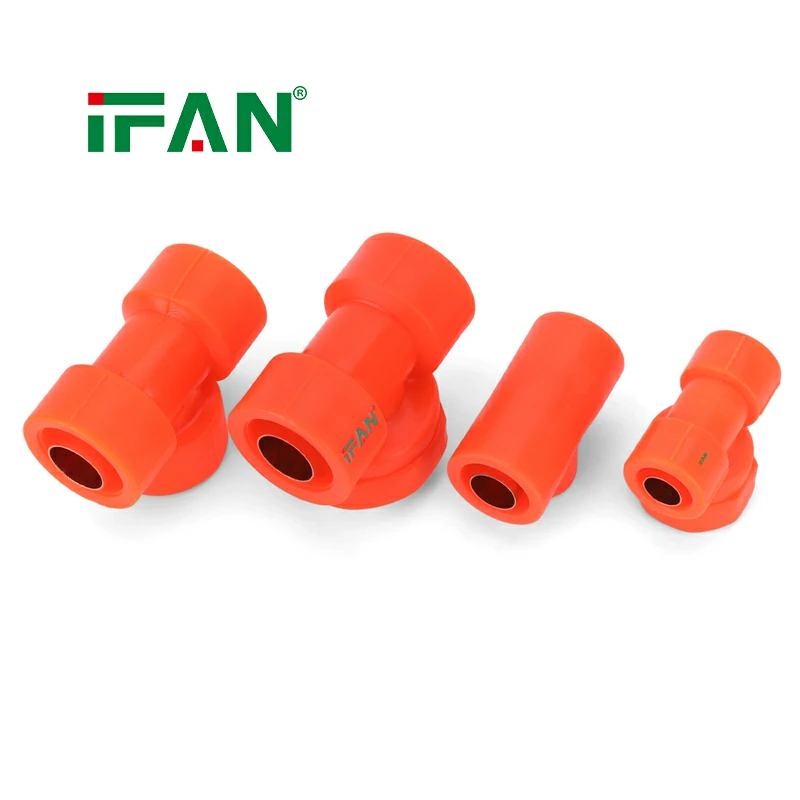
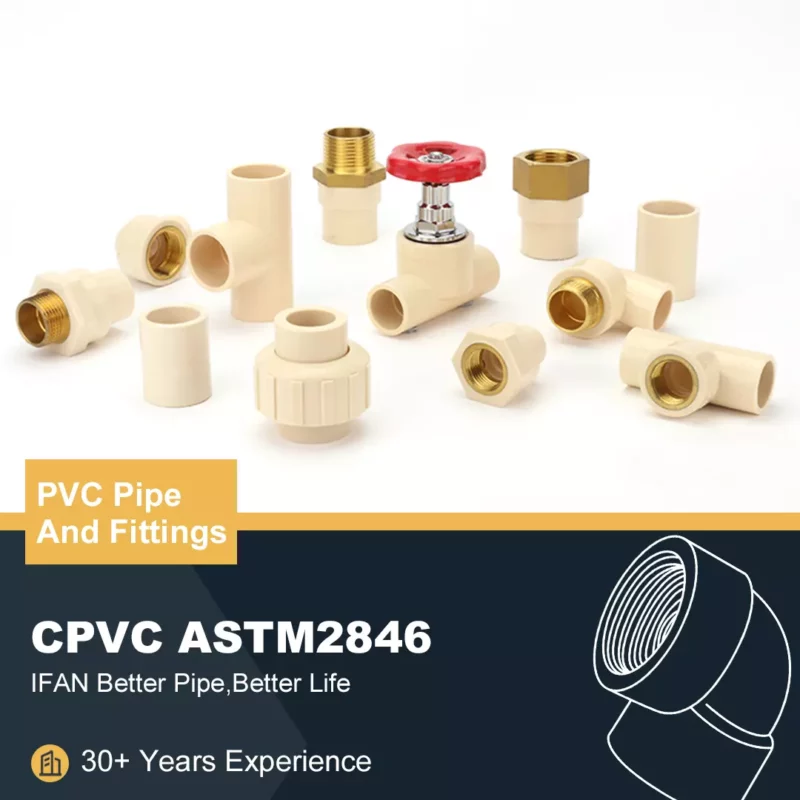
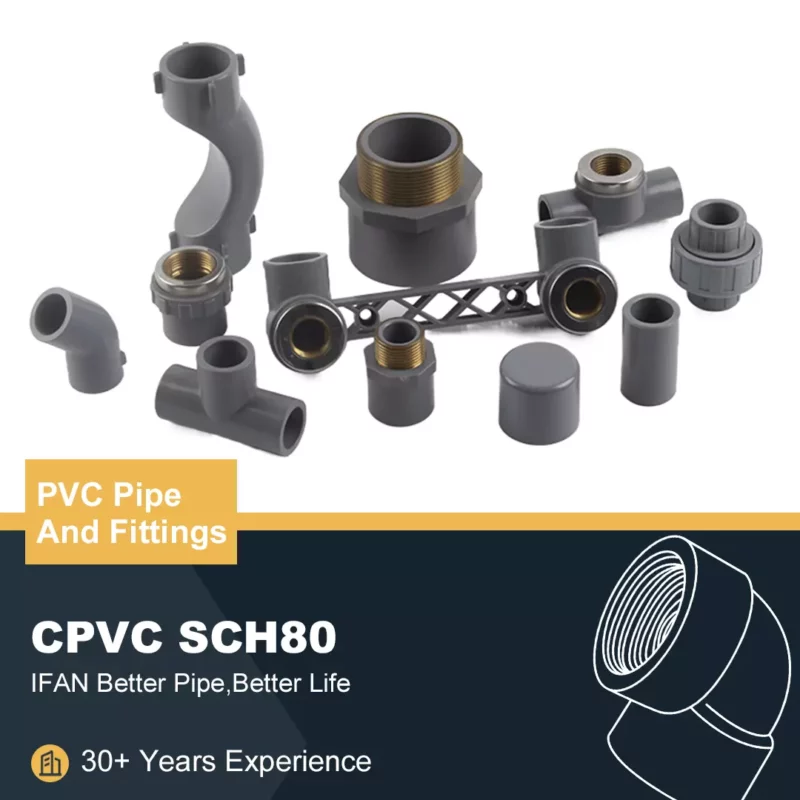
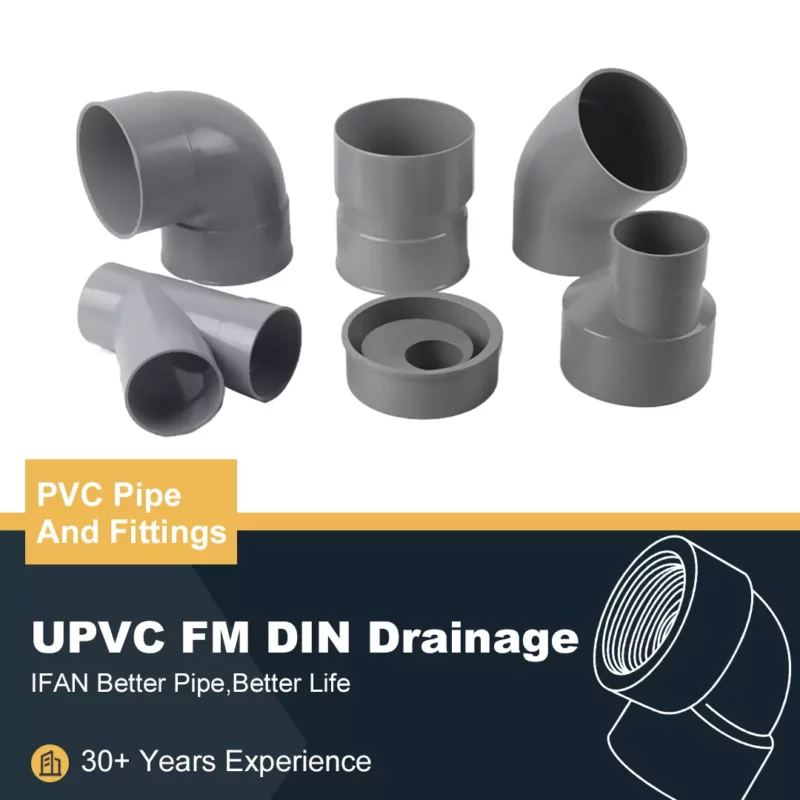
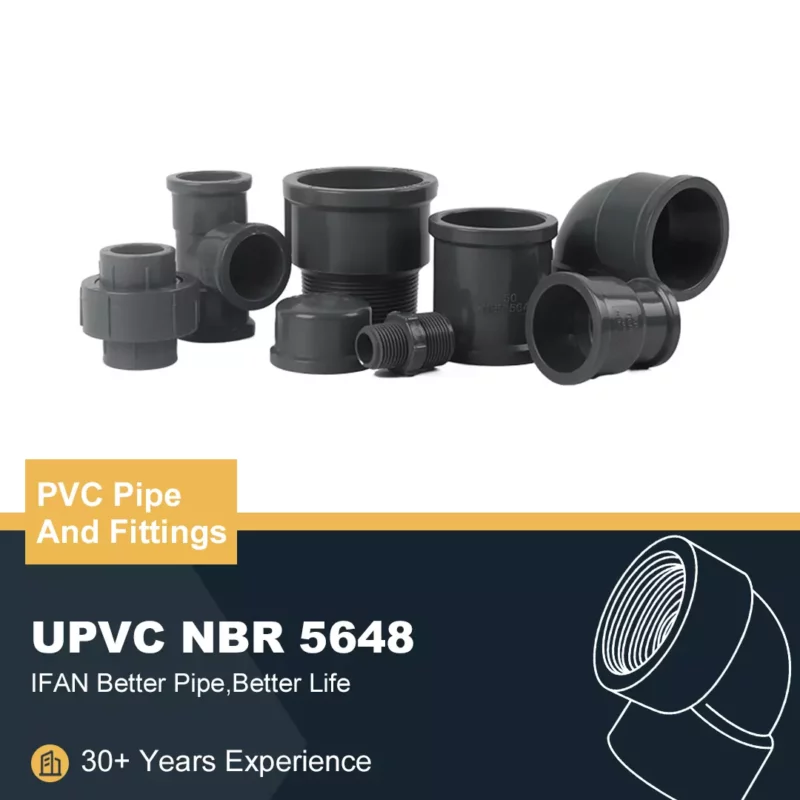
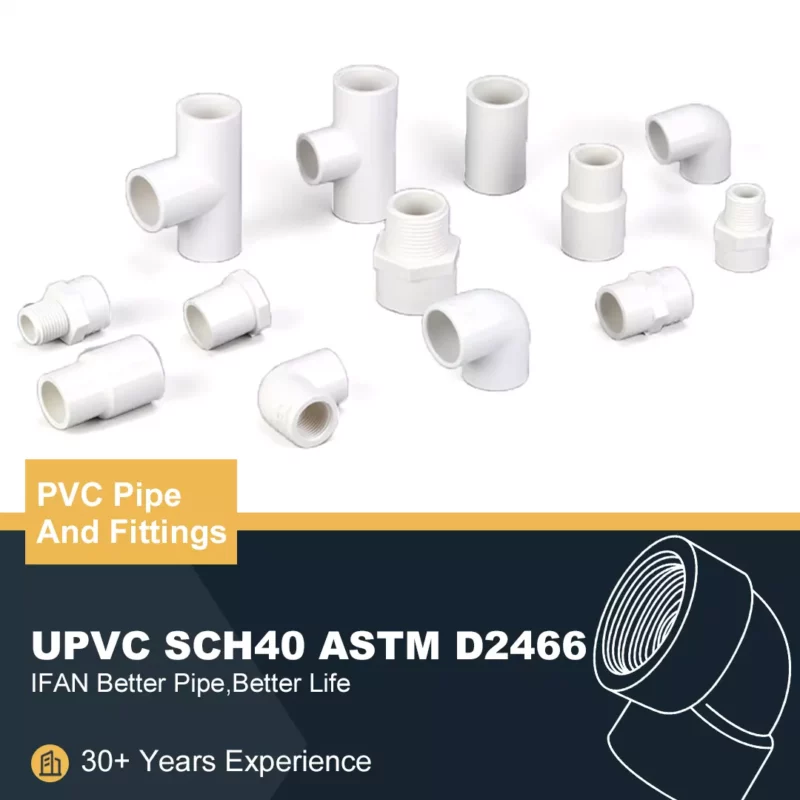
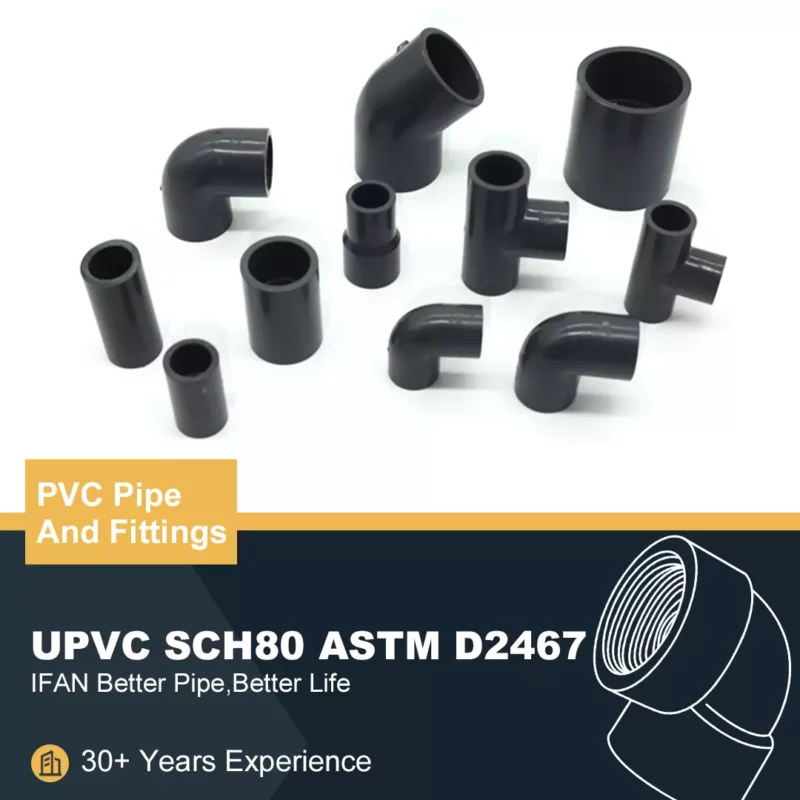
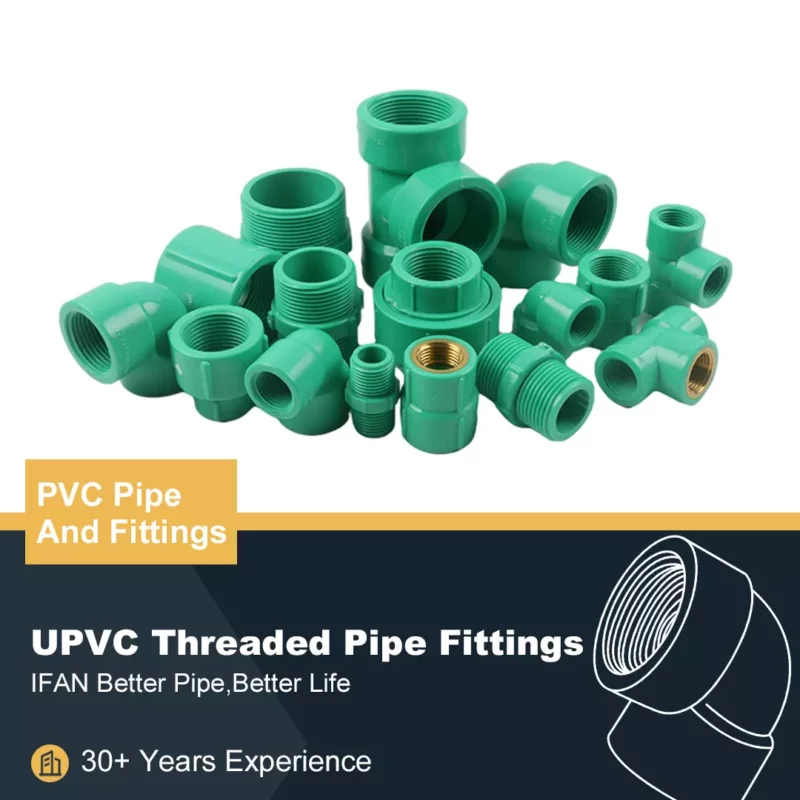
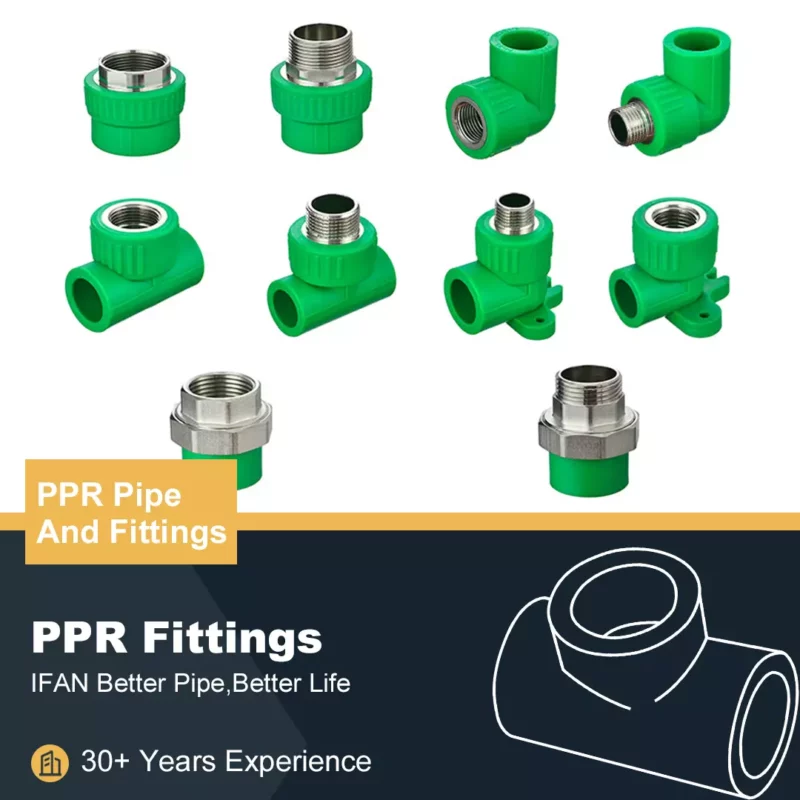
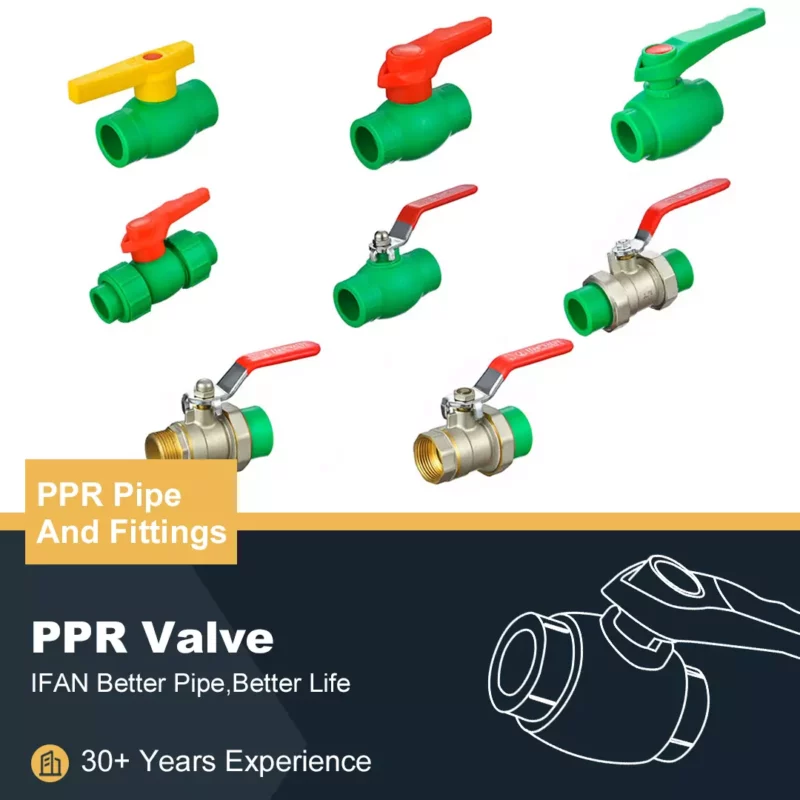
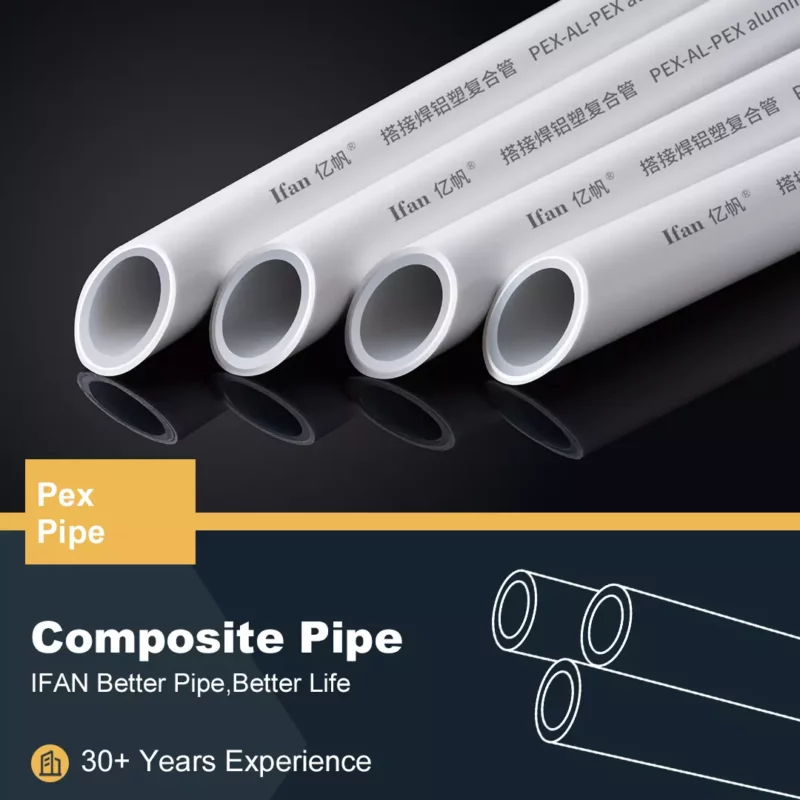
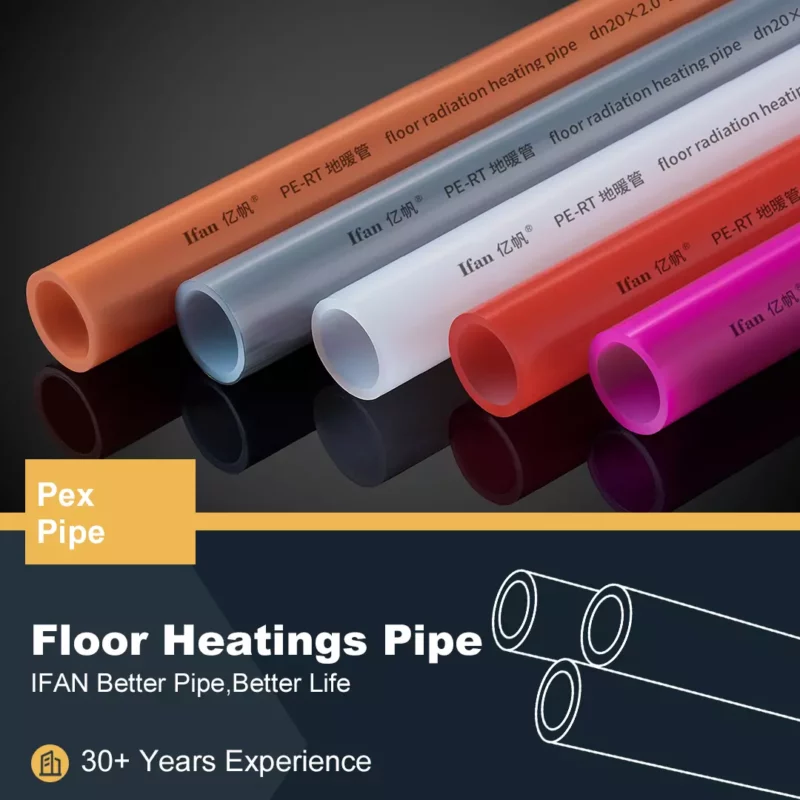
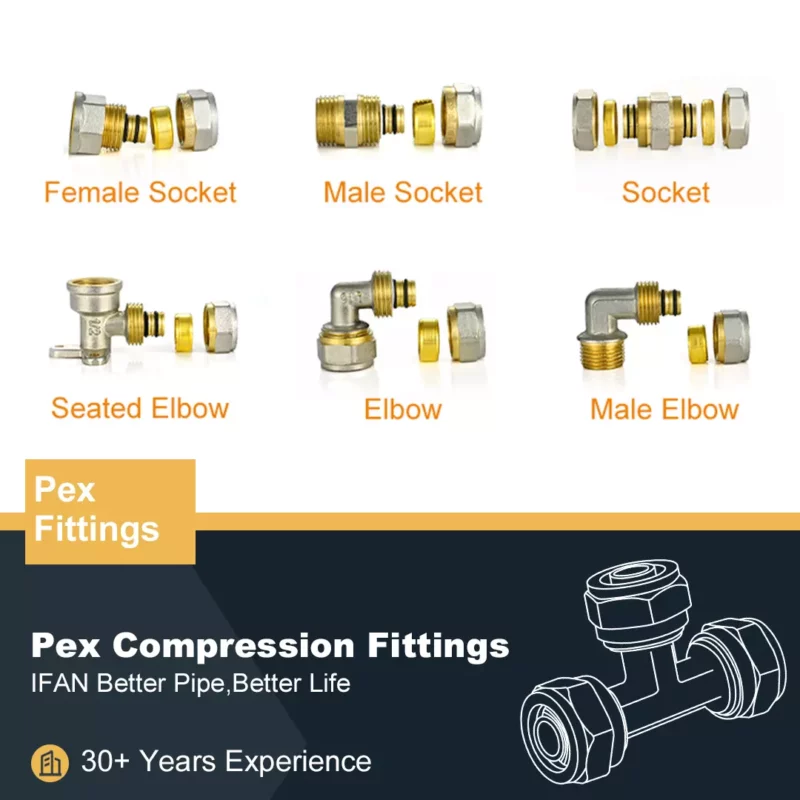
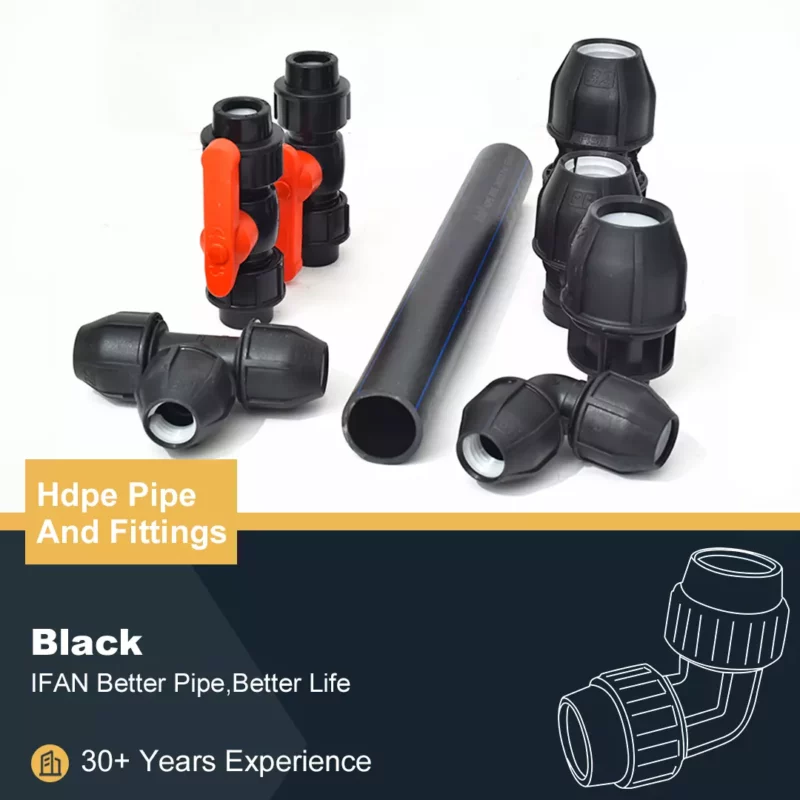
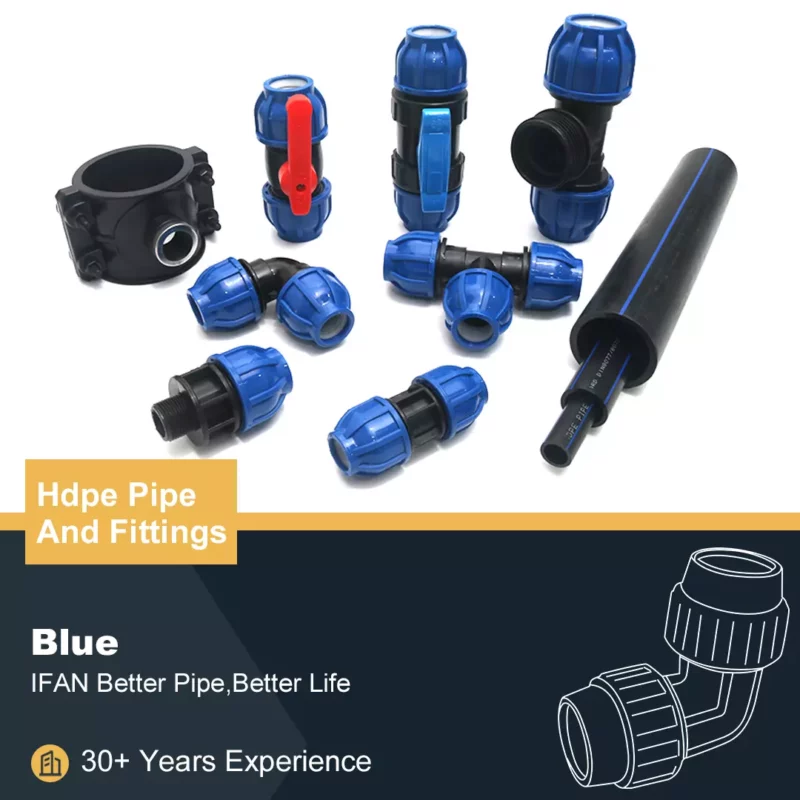
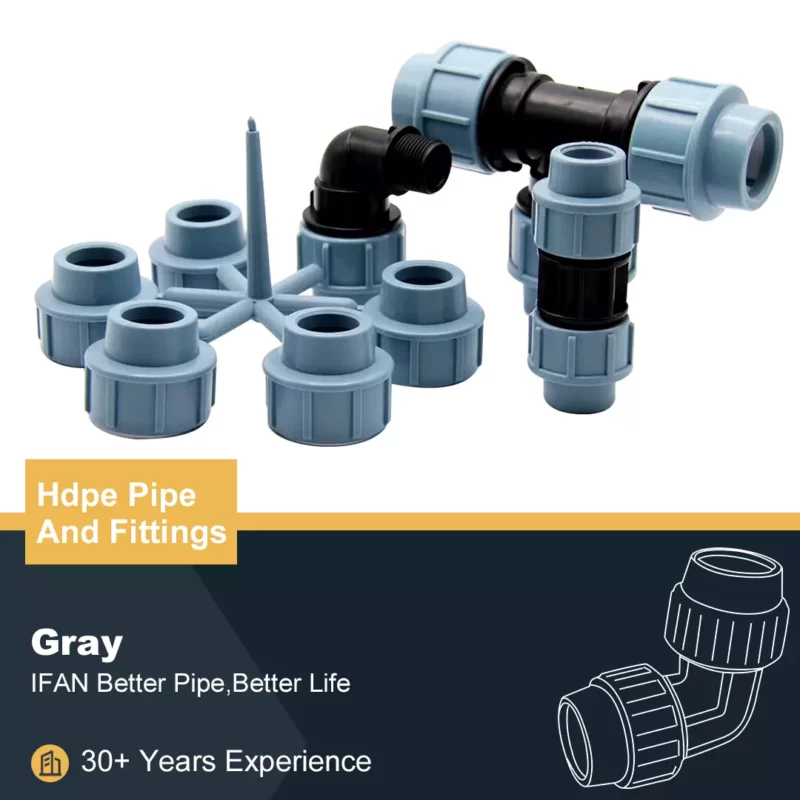



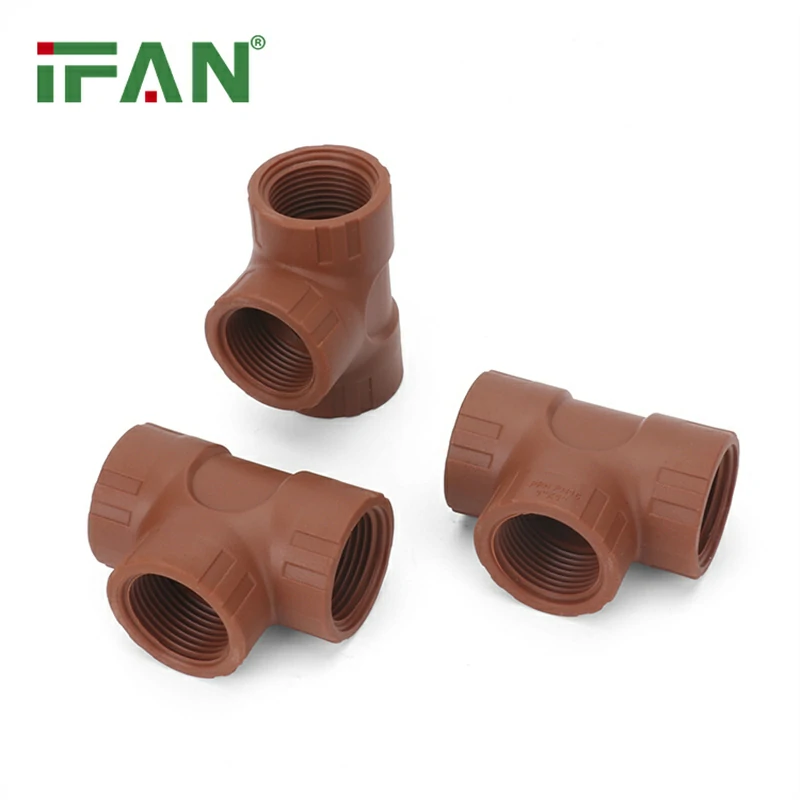
Polypropylene Homopolymer (PPH) fittings have proven to be effective in many industries, including water treatment systems. Their unique properties, such as chemical resistance, strength, and durability, make them ideal for managing water in various stages of treatment. This article explores the common applications of PPH fittings in water treatment systems, highlighting their advantages, specific uses, and why they are an excellent choice for handling both fresh and wastewater.
Introduction to PPH Fittings in Water Treatment
PPH fittings are widely used in water treatment systems due to their outstanding chemical resistance and mechanical properties. Water treatment involves several stages, including filtration, disinfection, and distribution, all of which require reliable and durable piping systems. PPH fittings play a crucial role in ensuring that these processes operate efficiently and safely.
PPH, as a material, offers excellent resistance to corrosion, high temperatures, and chemicals. These characteristics make PPH fittings ideal for managing harsh water conditions, whether in potable water systems or wastewater treatment plants.
Key Advantages of PPH Fittings in Water Treatment Systems
PPH fittings provide multiple advantages for water treatment applications. Understanding these benefits can help operators and engineers choose the right materials for their systems.
Chemical Resistance:
PPH fittings resist corrosion from a wide range of chemicals found in water treatment processes. This includes acids, alkalis, and other aggressive substances used for cleaning and disinfecting water.
High-Temperature Tolerance:
PPH can tolerate temperatures up to 140°C (284°F), making it suitable for hot water systems used in certain water treatment processes.
Long Service Life:
PPH fittings exhibit excellent durability under continuous exposure to water and chemicals. Their resistance to wear and degradation extends the lifespan of piping systems.
Lightweight and Easy to Handle:
PPH fitting are much lighter than metal alternatives, simplifying installation, maintenance, and transportation. Their lightweight nature also reduces transportation costs.
Cost-Effectiveness:
Compared to materials like stainless steel or copper, PPH fittings are generally more cost-effective, making them an ideal choice for large-scale water treatment projects.
Applications of PPH Fitting in Drinking Water Treatment
In drinking water treatment, maintaining water quality and ensuring safety is of utmost importance. PPH fittings offer reliable solutions throughout the treatment process.
Filtration Systems:
In filtration systems, PPH fittings transport raw water through filters to remove sediments, debris, and larger particles. These systems require fittings that can withstand frequent cleaning and chemical exposure.
Disinfection Systems:
Disinfection processes often involve chemicals like chlorine, ozone, or UV light. PPH’s chemical resistance ensures that the fittings can endure the harsh substances used to disinfect water without corrosion or breakdown.
Reverse Osmosis (RO) Systems:
PPH fittings are commonly used in reverse osmosis systems, where water is passed through membranes to remove impurities. The fittings handle the pressures and chemicals used in the filtration process, ensuring long-term system efficiency.
Water Storage and Distribution:
After treatment, water is often stored in tanks or distributed via pipelines. PPH fittings are used in storage and distribution systems, ensuring that the water remains free from contamination while being transported.
Role of PPH Fitting in Wastewater Treatment Systems
Wastewater treatment involves more complex processes due to the higher levels of contaminants and pollutants. PPH fitting play a critical role in handling wastewater, which requires durable and chemically resistant materials.
Wastewater Pre-Treatment:
In the initial stages of wastewater treatment, PPH fitting transport raw wastewater to screening and sedimentation tanks. The fittings need to withstand high volumes of dirty water and harsh chemicals used in pre-treatment.
Chemical Dosing Systems:
Chemical dosing is common in wastewater treatment to neutralize pH levels or remove certain contaminants. PPH fittings are used in dosing systems because of their chemical resistance, especially when handling acidic or alkaline solutions.
Biological Treatment Systems:
PPH fittings are also used in biological treatment systems, such as activated sludge tanks. The material resists chemical exposure from nutrients, aeration, and other chemicals involved in the biological treatment processes.
Sludge Management:
Wastewater treatment often generates sludge that needs to be pumped and transported to disposal sites. PPH fittings are used in sludge handling pipelines, where the material’s durability and resistance to wear and chemicals are essential.
PPH Fitting in Desalination Plants
Desalination is the process of removing salt and minerals from seawater to produce fresh water. PPH fittings are extensively used in desalination plants, where they must handle high temperatures and highly saline water.
Reverse Osmosis (RO) in Desalination:
PPH fittings are crucial in reverse osmosis systems used in desalination plants. The fittings resist the high pressure and saline water conditions, making them perfect for brine rejection systems and fresh water pipelines.
Brine Disposal Systems:
Desalination plants generate brine, which contains high concentrations of salts and other chemicals. PPH fitting are used in brine disposal pipelines, where they effectively resist the corrosive nature of brine.
Pre-Treatment Filtration Systems:
Before desalination, seawater undergoes pre-treatment to remove large particles and microorganisms. PPH fittings are commonly used in filtration systems to transport seawater through various filtration stages.
PPH Fitting in Ultra-Pure Water Systems
Ultra-pure water systems are critical in industries like pharmaceuticals, electronics, and biotechnology. In these applications, even the smallest contamination can disrupt production or cause quality issues. PPH fittings are used in ultra-pure water systems to ensure high purity and prevent contamination.
Ultra-Pure Water Filtration:
In ultra-pure water systems, PPH fitting help move water through filtration units that remove ions, bacteria, and organic matter. PPH’s resistance to chemicals ensures no contamination from the piping material.
Deionization Systems:
Deionization is a process used to remove mineral ions from water. PPH fittings are commonly used in these systems because they resist the high purity requirements and the chemicals involved in the ion-exchange process.
Storage and Distribution of Ultra-Pure Water:
Once treated, ultra-pure water is stored and distributed to end users. PPH fitting are used in tanks and pipelines to prevent any contamination, ensuring that the water remains free from impurities.
Challenges of Using PPH Fitting in Water Treatment Systems
While PPH fitting offer many benefits, they also present challenges that need to be addressed to ensure optimal performance in water treatment systems.
Temperature Limitations:
Although PPH can withstand temperatures up to 140°C, it is not suitable for very high-temperature applications. For systems requiring higher temperatures, alternative materials like stainless steel may be necessary.
UV Degradation:
While PPH is resistant to many chemicals, prolonged exposure to UV radiation can degrade the material. In outdoor installations, UV-resistant coatings or additional protection may be required.
Expansion and Contraction:
Like most plastic materials, PPH fittings can expand and contract with temperature changes. Proper installation techniques and expansion joints are required to accommodate these changes and prevent damage to the system.
Best Practices for Installing PPH Fittings in Water Treatment Systems
Correct installation ensures that PPH fittings perform optimally in water treatment systems. Following best practices during installation can minimize risks and improve system reliability.
Proper Sizing:
Ensure that PPH fitting match the pipe sizes and flow requirements of your system. Proper sizing reduces the risk of pressure loss or system failure.
Use of Expansion Joints:
Install expansion joints in areas where temperature fluctuations occur. These joints help absorb thermal expansion and prevent stress on the fittings.
Regular Maintenance and Inspection:
Routine checks for signs of wear, corrosion, or damage to the fittings are important. Regular maintenance ensures that any issues are identified early and repaired promptly.
Avoid Overheating During Installation:
Exposing PPH fittings to excessive heat during installation can cause deformation. Follow manufacturer guidelines for temperature limits during installation.
Conclusion
PPH fittings are an excellent choice for water treatment systems due to their chemical resistance, durability, and cost-effectiveness. From filtration and disinfection in drinking water treatment to complex wastewater management, PPH fittings ensure that systems operate efficiently and reliably. Understanding the various applications, challenges, and best practices for installation will help engineers and operators maximize the benefits of using PPH in water treatment systems. Whether dealing with potable water, wastewater, desalination, or ultra-pure water, PPH fittings continue to play a crucial role in maintaining high standards of water quality and system performance.
If you have read this article and have any questions, please feel free to contact IFAN. Below is our contact information:
Whatsapp:+86 13373827623
Email:[email protected]