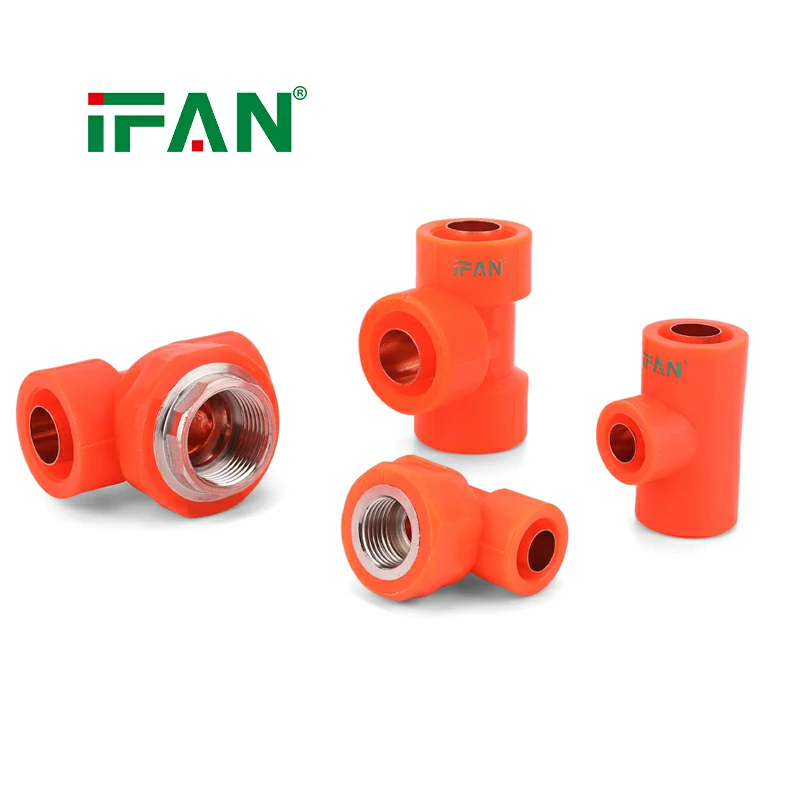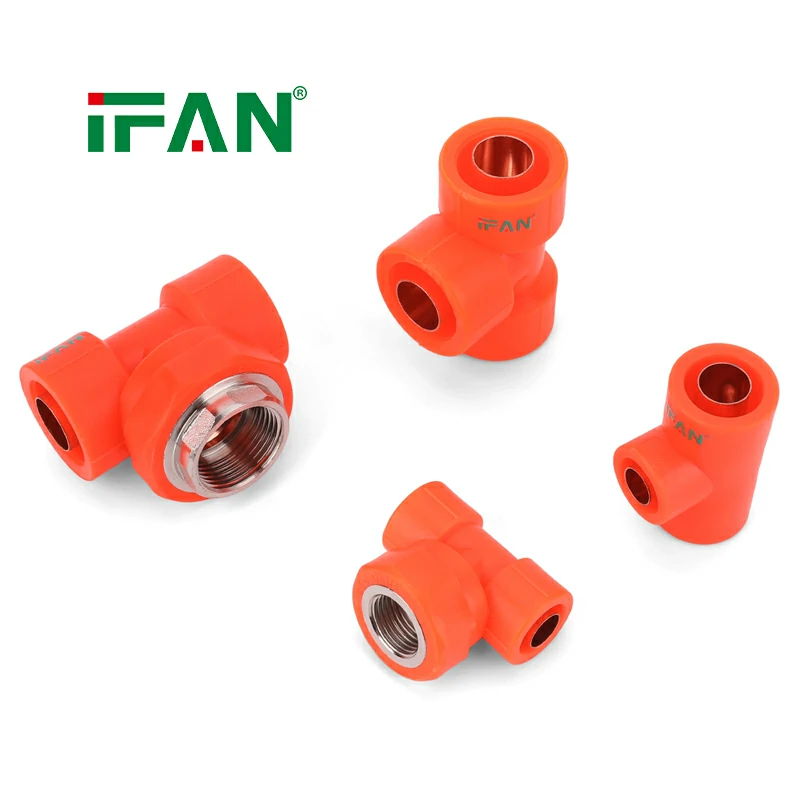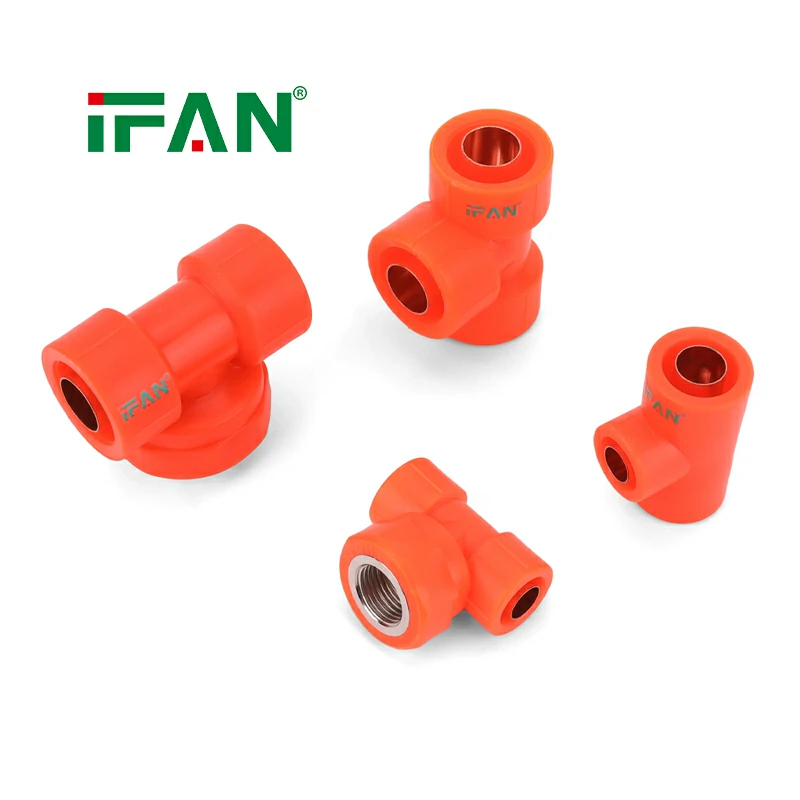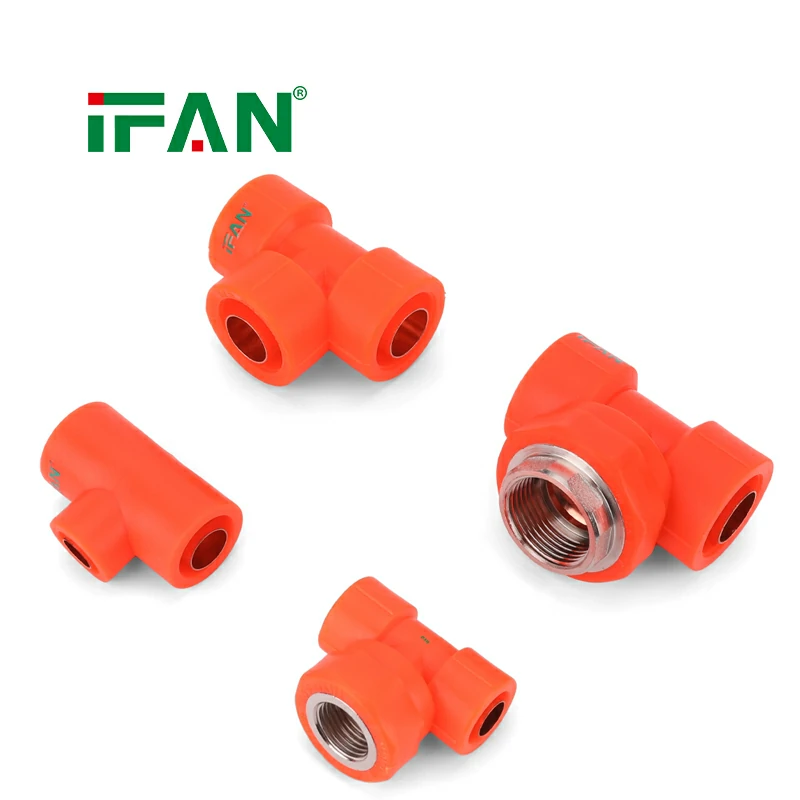



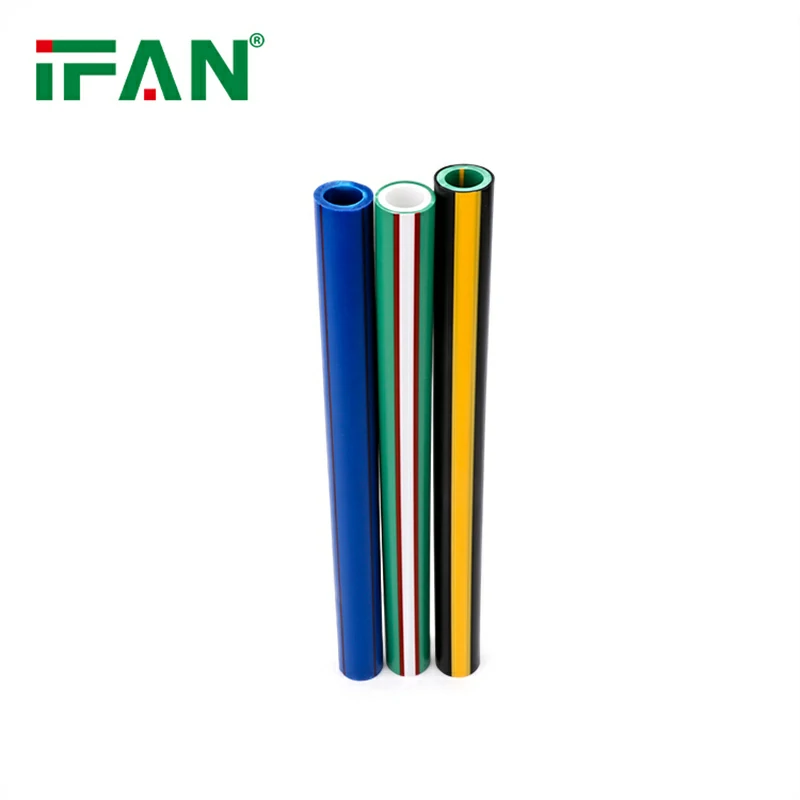
When deciding on plumbing materials, you may wonder whether to use CPVC pipes, PPR pipes, or other types. Each pipe material has distinct advantages and disadvantages. This guide will compare these options to help you make the right choice for your project.
Understanding CPVC Pipes
CPVC pipes offer specific advantages for certain plumbing applications.
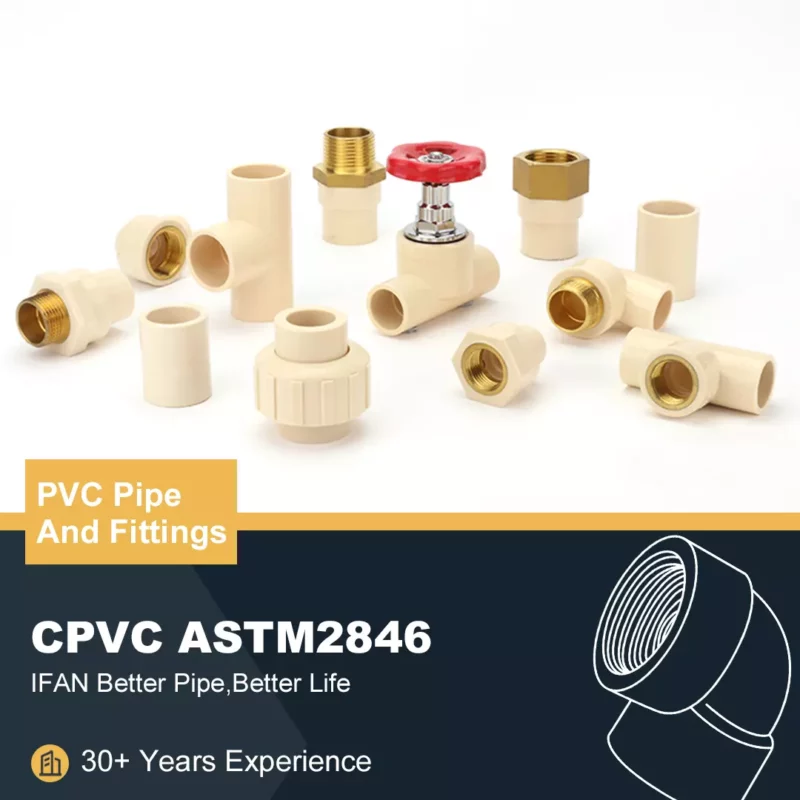
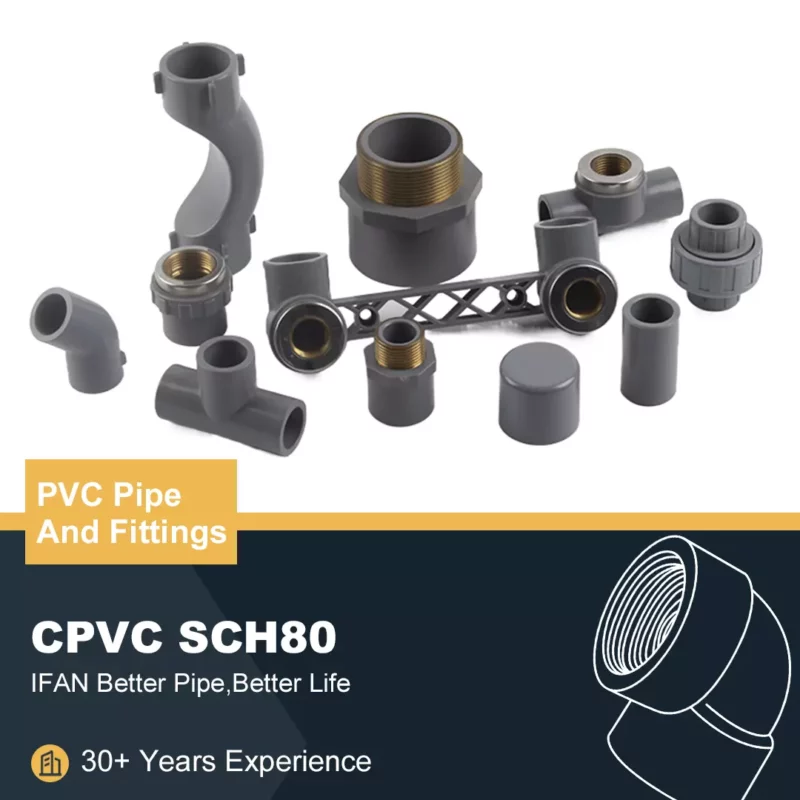
Chlorinated Polyvinyl Chloride (CPVC) pipes are widely used in residential and commercial plumbing. These pipes are durable, resistant to corrosion, and can withstand higher temperatures compared to regular PVC. CPVC is commonly used for hot and cold water distribution.
CPVC pipes come in various sizes, and their installation is relatively simple. They require solvent cement to join, ensuring a strong seal. However, CPVC pipes are more prone to damage from UV exposure, so they are often installed inside walls or underground.
Understanding PPR Pipes
PPR pipes are known for their durability and reliability.
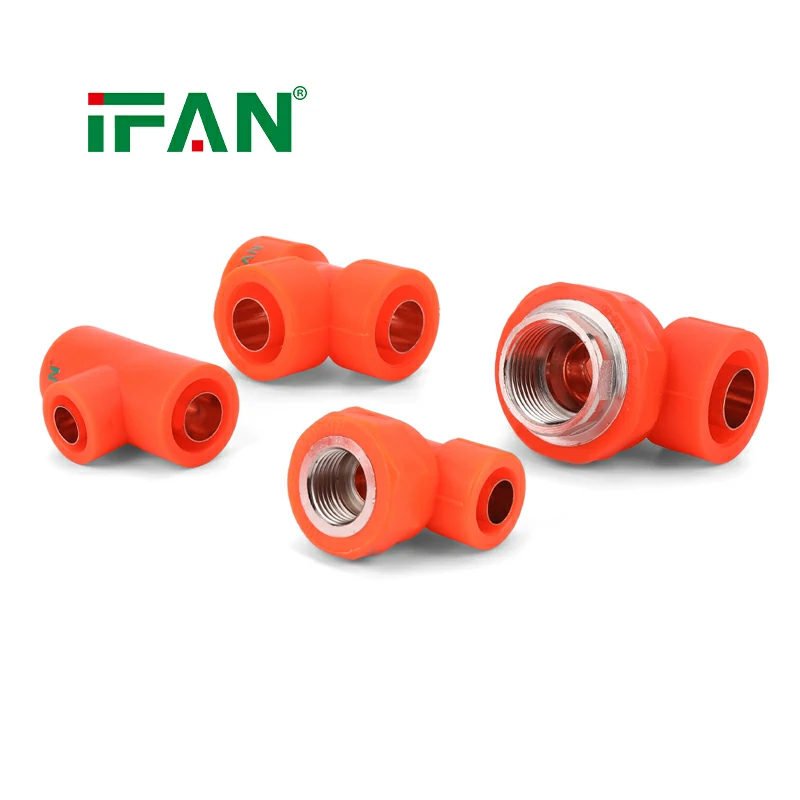
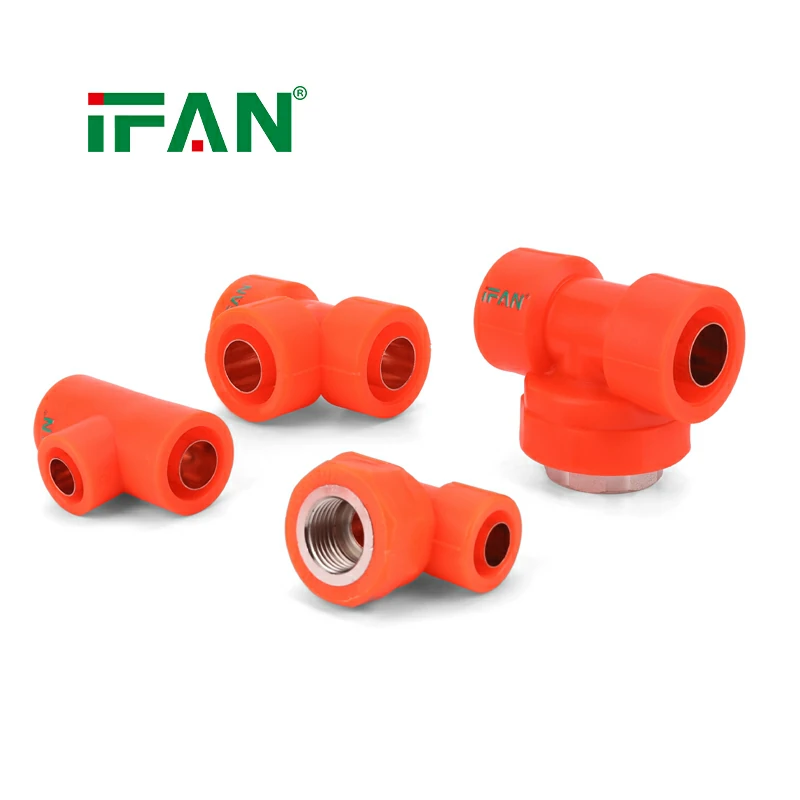
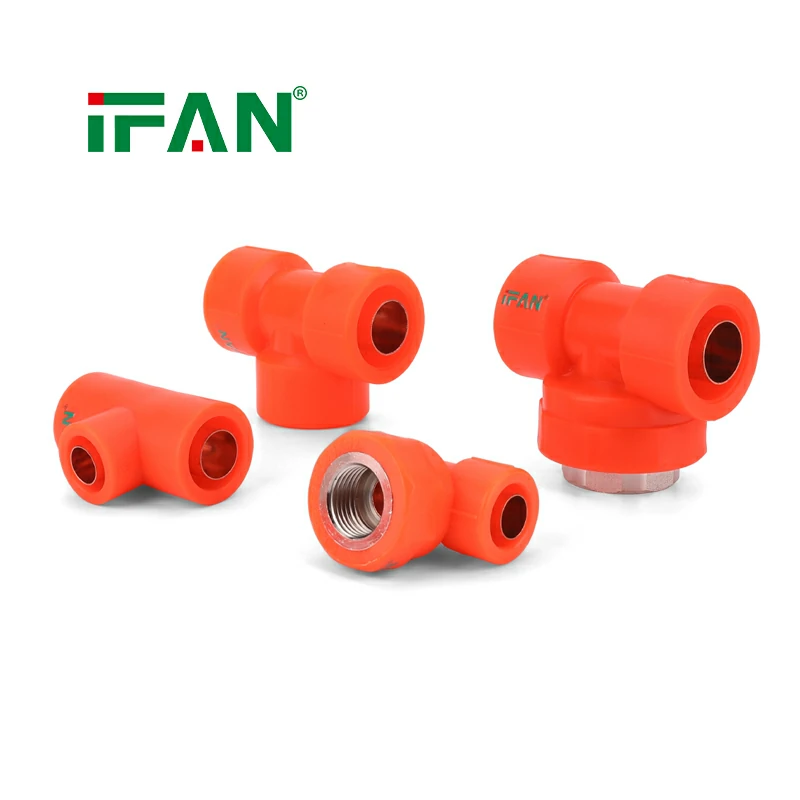
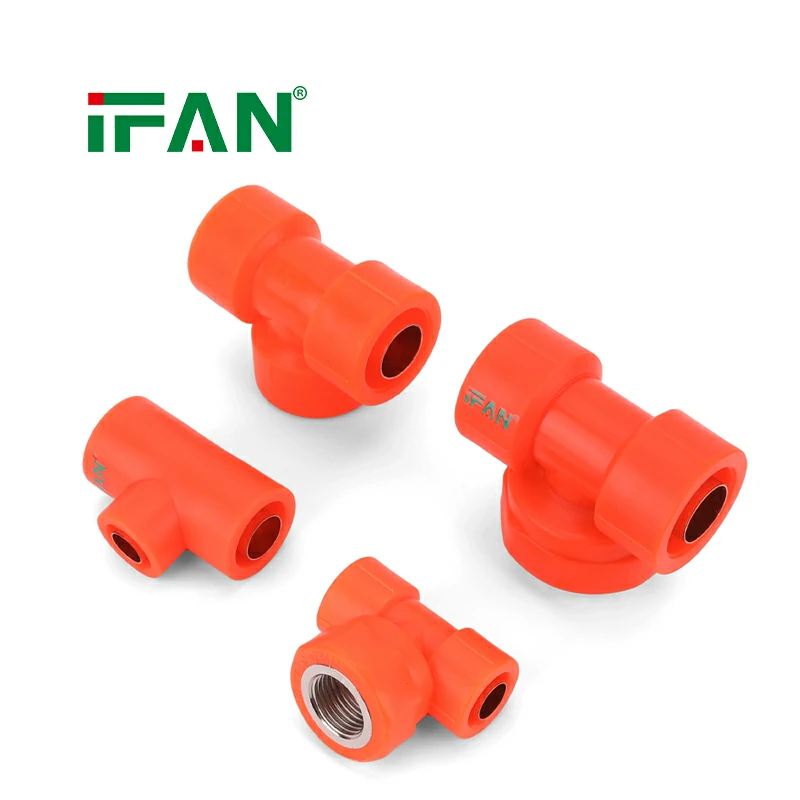
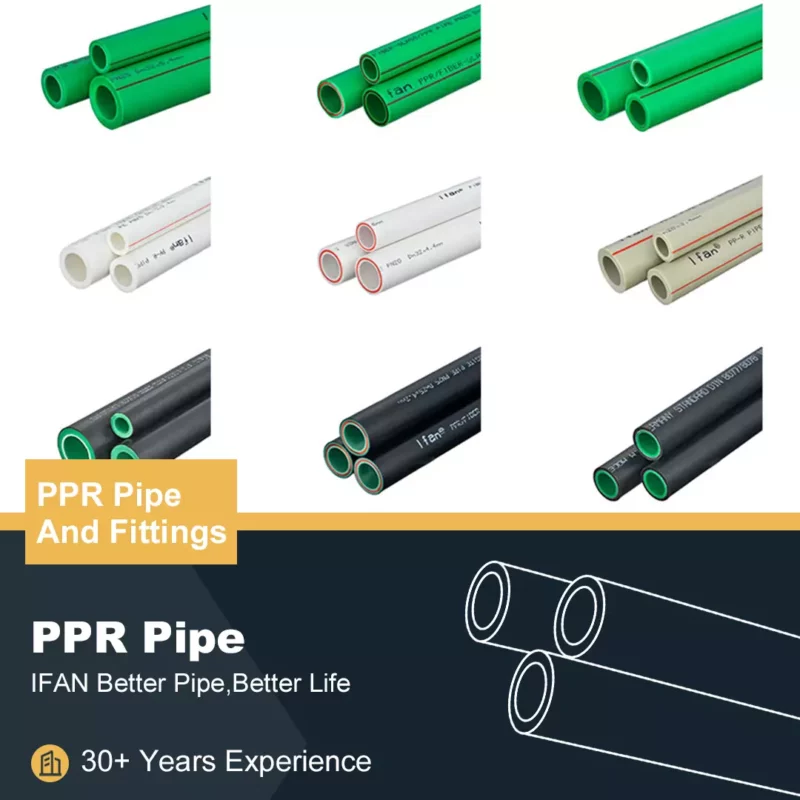
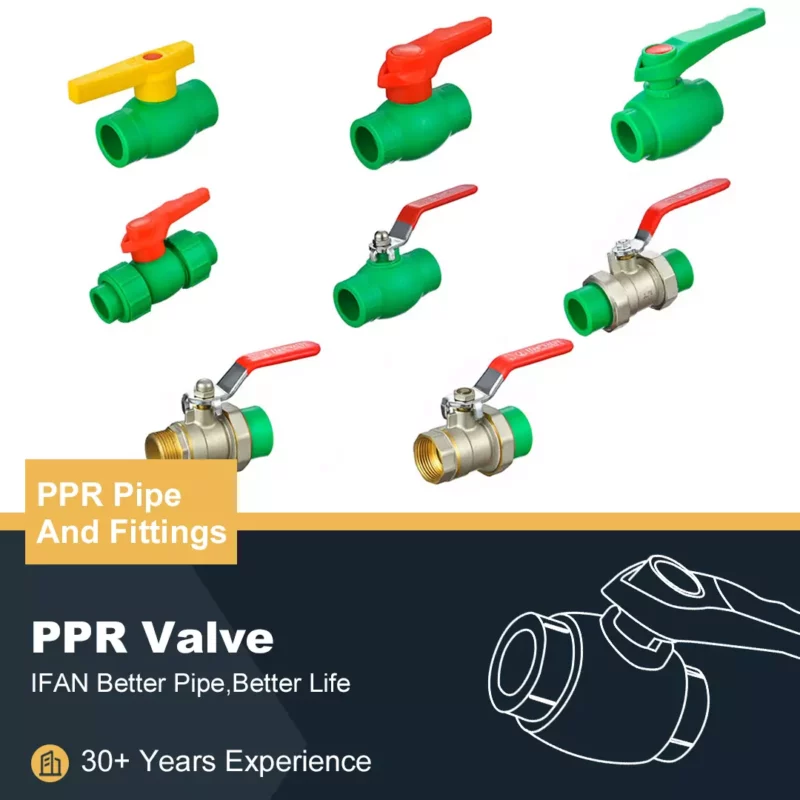
Polypropylene Random Copolymer (PPR) pipes are made from a high-performance plastic material. These pipes are highly resistant to corrosion, making them an excellent choice for both cold and hot water systems. PPR pipes also have a high resistance to chemical damage, making them suitable for various industrial applications.
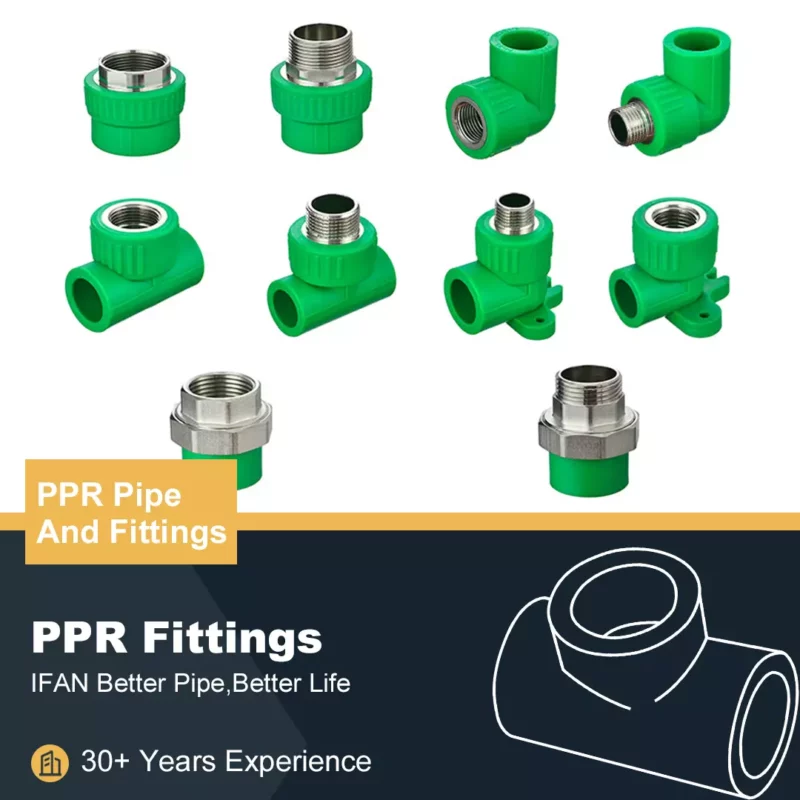
PPR pipes are typically welded together using heat fusion, ensuring a strong and leak-proof joint. They are flexible, lightweight, and durable, offering long-lasting performance in most environments. However, their installation process requires specialized tools for heat fusion.
Key Differences Between CPVC and PPR Pipes
Each material offers unique benefits.
CPVC pipes perform well in both hot and cold water systems. They are easy to install and can withstand high temperatures. PPR pipes, on the other hand, offer better flexibility and longer lifespan. PPR pipes are also more resistant to high pressures, making them suitable for larger plumbing systems.
While CPVC pipes are generally cheaper and more readily available, PPR pipes provide better insulation and energy efficiency. PPR pipes also have higher resistance to chlorine and other chemicals, which makes them ideal for use in areas with harsh water conditions.
Other Pipe Options: PVC and PE
PVC and PE pipes are common alternatives to CPVC and PPR pipes.
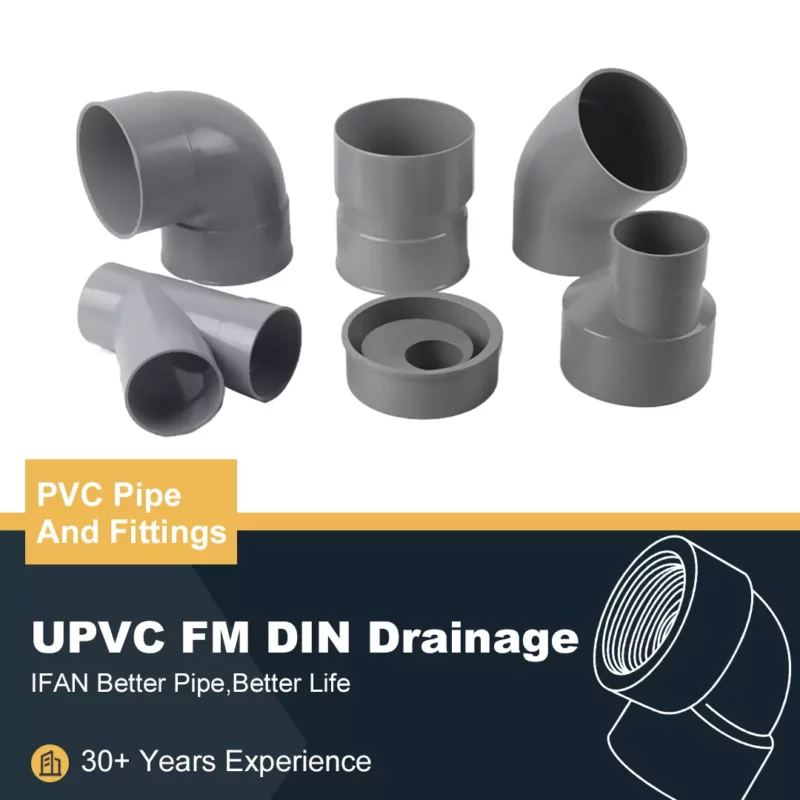
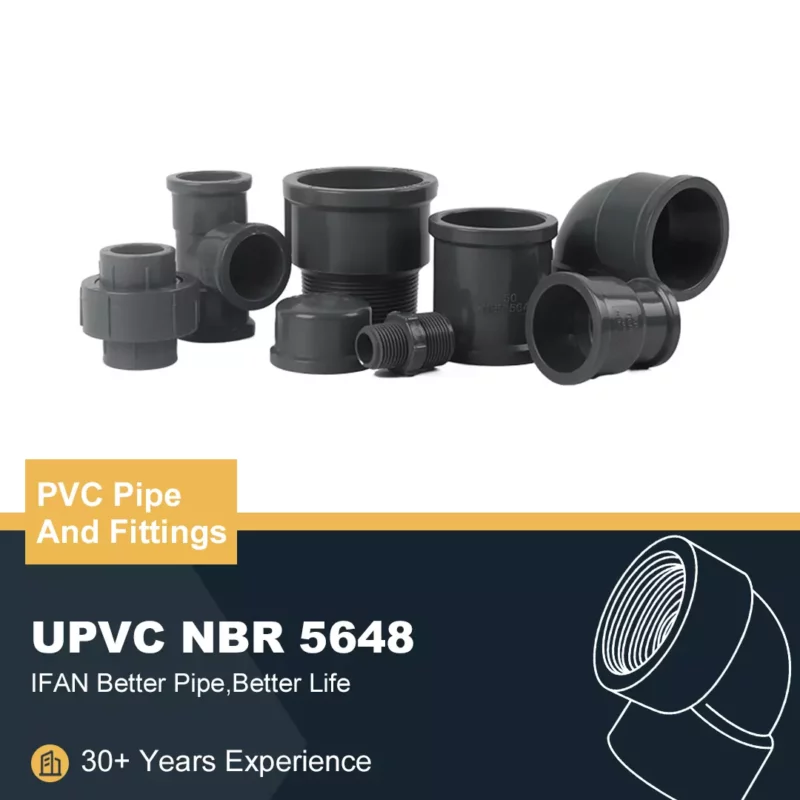
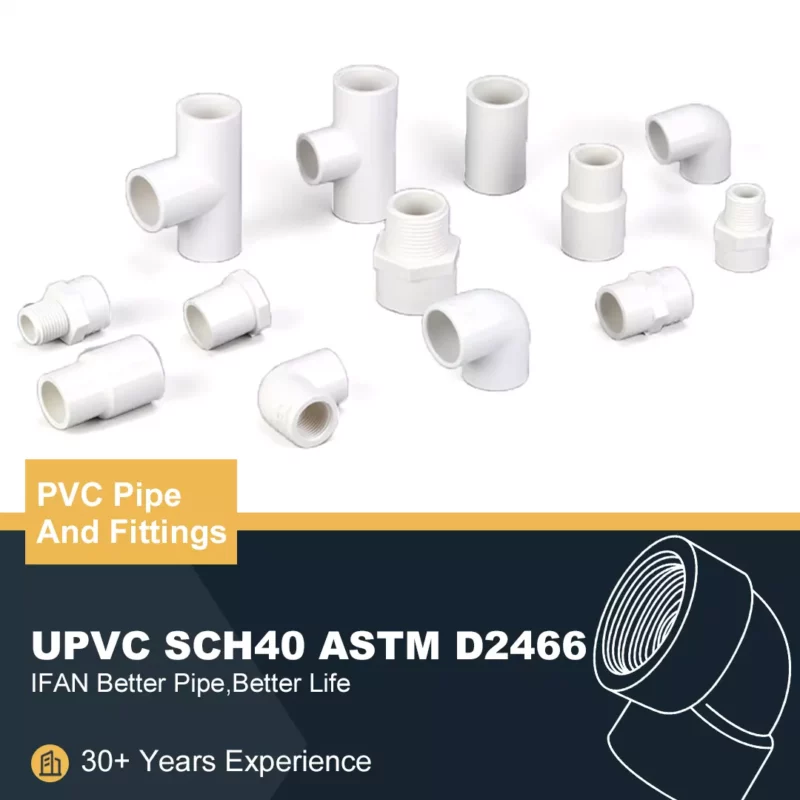
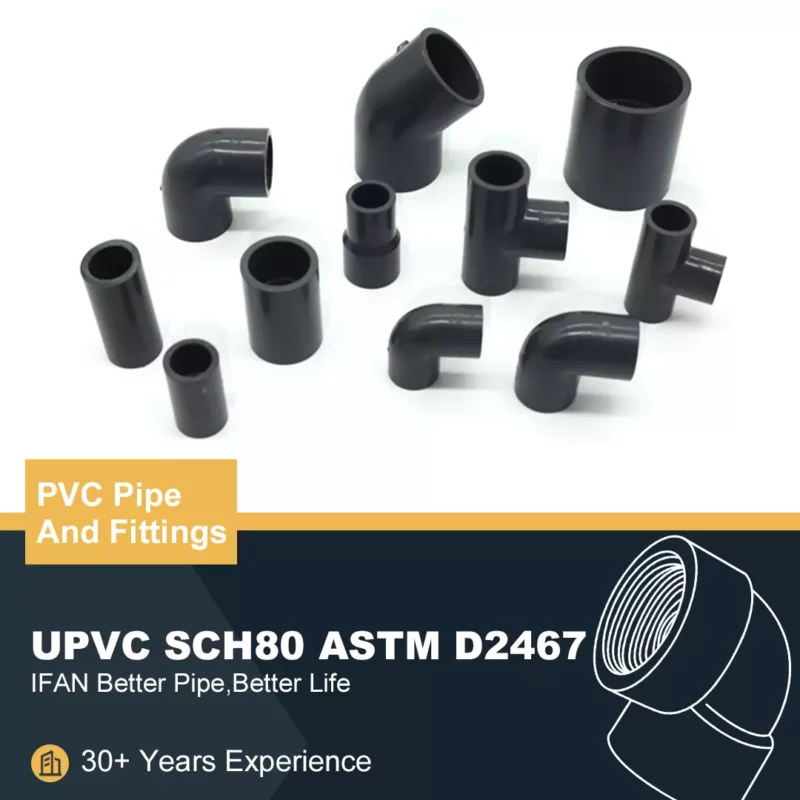
Polyvinyl Chloride (PVC) pipes are commonly used for cold water systems and drainage. PVC pipes are affordable, lightweight, and easy to handle. However, they cannot withstand high temperatures, limiting their use for hot water plumbing. Additionally, PVC pipes can become brittle over time, especially when exposed to UV light.
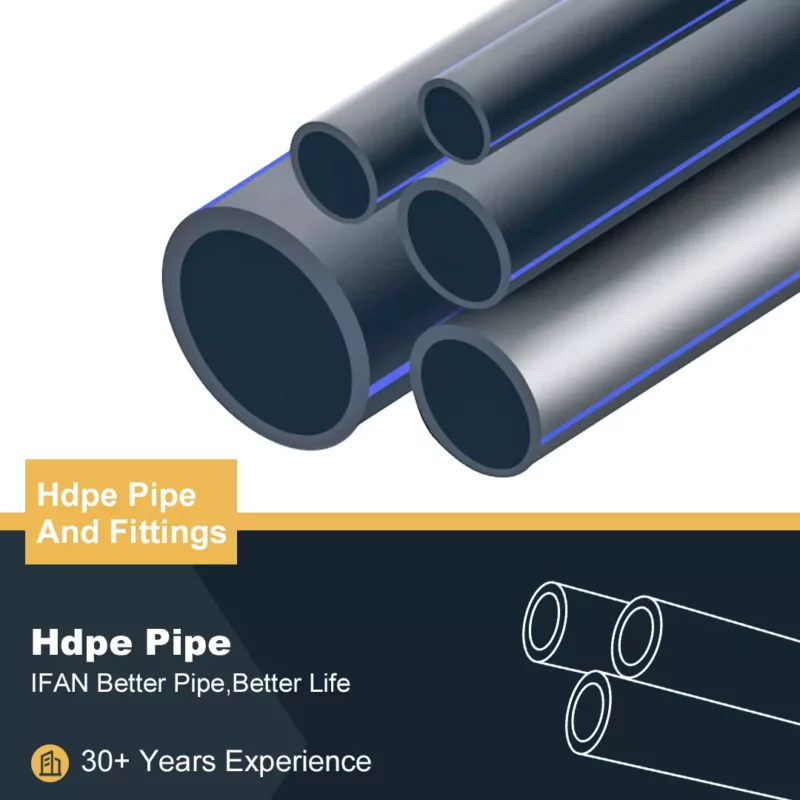
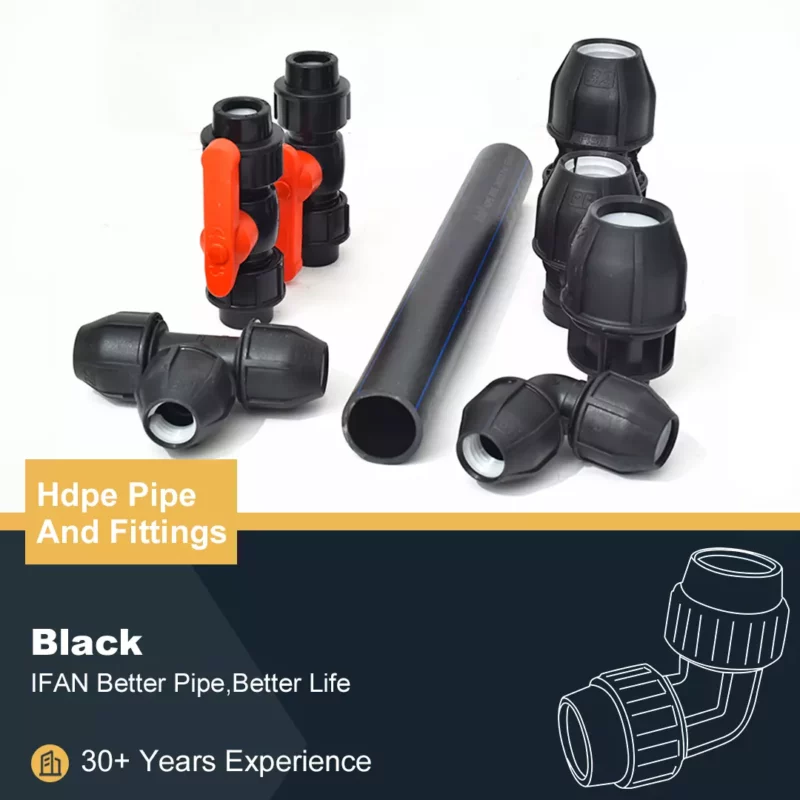
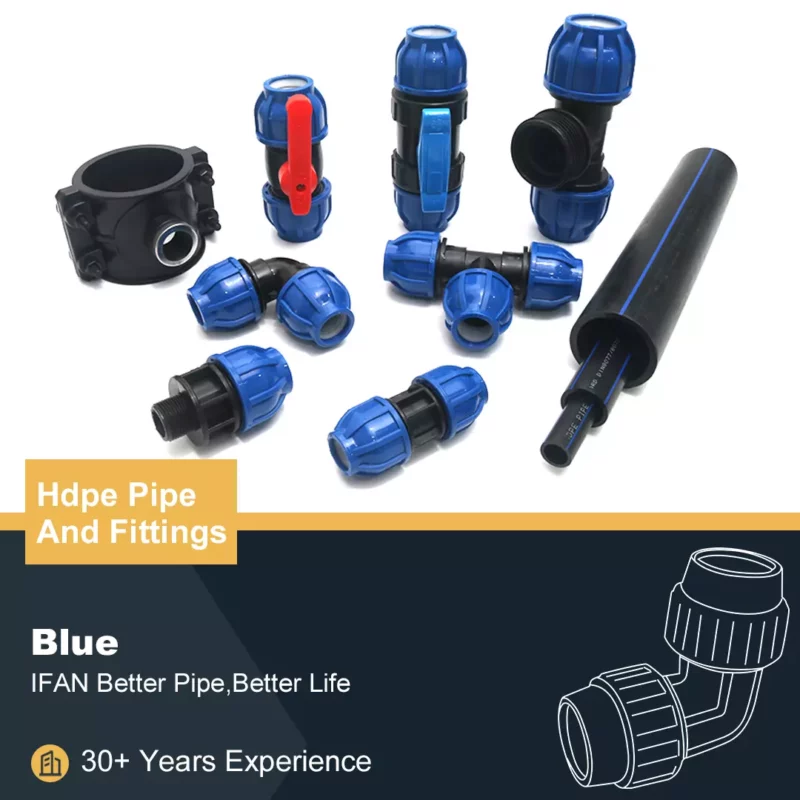
Polyethylene (PE) pipes are another option for plumbing. These pipes are highly flexible and are commonly used for underground applications, such as water distribution networks. PE pipes offer excellent resistance to environmental stress and are suitable for outdoor use. However, they are not ideal for hot water systems due to their lower heat resistance.
Durability and Longevity: Which Material Lasts Longer?
Durability is a key factor when choosing pipes for your plumbing system.
PPR pipes are known for their exceptional durability. They can last for decades without significant wear, making them ideal for long-term plumbing solutions. CPVC pipes also offer good durability but may degrade faster when exposed to UV light. The lifespan of CPVC pipes can be extended with proper insulation and installation.
PVC and PE pipes, while durable in the short term, tend to have a shorter lifespan compared to PPR and CPVC pipes. PVC pipes can crack and degrade over time, especially in outdoor applications. PE pipes are more flexible but can be prone to stress cracks under extreme conditions.
Cost Comparison: Which Pipe Is More Affordable?
Cost is a significant factor in choosing the right pipe for your project.
CPVC pipes are generally the least expensive option among the four. They are affordable and widely available, making them a popular choice for residential plumbing. PPR pipes are more expensive upfront but offer better long-term value due to their durability and energy efficiency.
PVC pipes are often cheaper than CPVC pipes, but their limited applications (especially in hot water systems) may require additional investments for certain projects. PE pipes, while versatile and long-lasting, tend to be more expensive due to their flexibility and specialized applications.
Installation Process: Ease and Complexity
The installation process can affect your choice of piping.
Installing CPVC pipes requires solvent welding, which is relatively simple but requires some skill to ensure tight, leak-proof connections. PPR pipes, on the other hand, require heat fusion welding. This method can be more complex and typically requires specialized tools, but it results in very strong joints.
PVC pipes are easy to install with simple solvent cement. PE pipes require heat or mechanical joints, which can make the installation process a bit more involved. Regardless of the material you choose, ensure you have the necessary tools and skills to perform a proper installation.
Resistance to Corrosion and Chemicals
Resistance to corrosion and chemicals is crucial for maintaining plumbing systems.
PPR pipes excel in this area. They are highly resistant to most chemicals, including chlorine and acids, making them ideal for industrial applications or areas with corrosive water. CPVC pipes also perform well in resisting corrosion, although they may degrade in harsh outdoor conditions over time.
PVC pipes are less resistant to corrosion compared to PPR and CPVC pipes, but they still perform adequately for many cold-water applications. PE pipes offer excellent resistance to environmental factors but are less resistant to certain chemicals, limiting their use in specific applications.
Heat Resistance and Thermal Insulation
Heat resistance is important for hot water systems.
CPVC pipes are designed to handle higher temperatures than regular PVC pipes. They can withstand temperatures of up to 200°F (93°C), making them suitable for hot water applications. PPR pipes can also withstand high temperatures, withstanding water temperatures up to 180°F (82°C), which is ideal for residential hot water systems.
PVC and PE pipes cannot handle high temperatures and are not suitable for hot water systems. Using these pipes in high-heat applications may result in warping, cracking, or failure.
Environmental Impact and Sustainability
Consider the environmental impact of your pipe material.
PPR pipes are known for being more eco-friendly than other types. They are made from recyclable materials, and their long lifespan helps reduce waste. CPVC pipes also have a lower environmental impact than PVC, though they contain chlorine, which can have some negative effects on the environment.
PVC pipes are not as environmentally friendly as PPR and CPVC due to their production process and the presence of harmful chemicals. PE pipes are more sustainable than PVC but still have environmental drawbacks due to the resources used in production.
Which Pipe Is Right for You?
Choosing the right pipe depends on your specific needs.
If you need a budget-friendly solution for cold water systems, CPVC pipes may be the best choice. They are easy to install and cost-effective for smaller projects. If you’re planning a hot and cold water system with a focus on durability, PPR pipes may offer the best performance and longevity.
For larger projects or industrial applications, PPR pipes offer superior chemical resistance and pressure handling. If you need an affordable option for cold-water applications, PVC or PE pipes might be a better choice. Always consider your project’s specific requirements, including heat resistance, corrosion, and longevity, before making your decision.
Conclusion
Each pipe material offers distinct advantages and drawbacks.
In the end, choosing between CPVC, PPR, PVC, or PE pipes depends on the specific needs of your plumbing project. While CPVC pipes are cost-effective and easy to install, PPR pipes offer superior durability and chemical resistance. PVC and PE pipes are also viable options for cold water or underground systems.
Take your time to weigh the pros and cons of each material. Consider your budget, installation process, and long-term needs. A well-informed choice will ensure that your plumbing system performs optimally for years to come.
If you have read this article and have any questions, please feel free to contact IFAN. Below is our contact information:
Whatsapp:+86 13373827623
Email:[email protected]