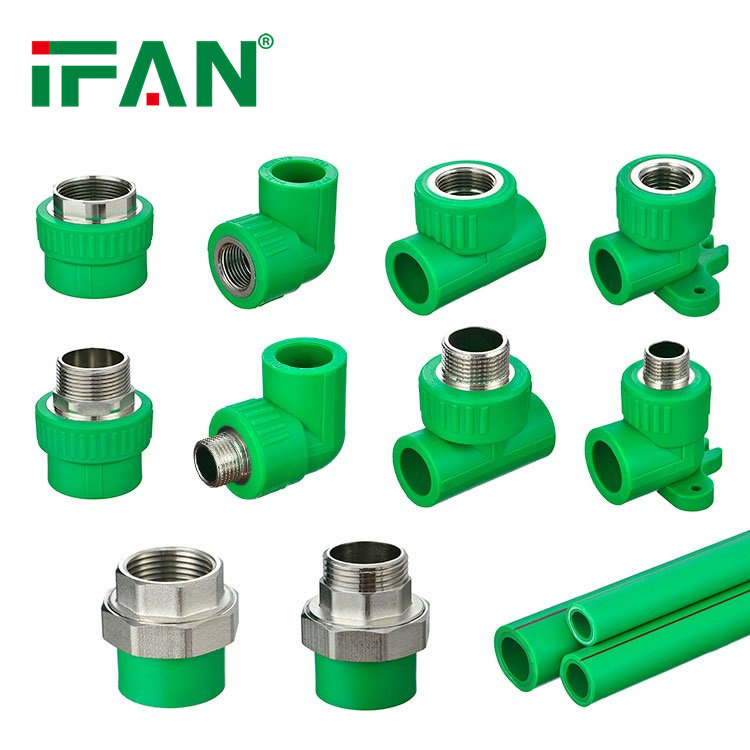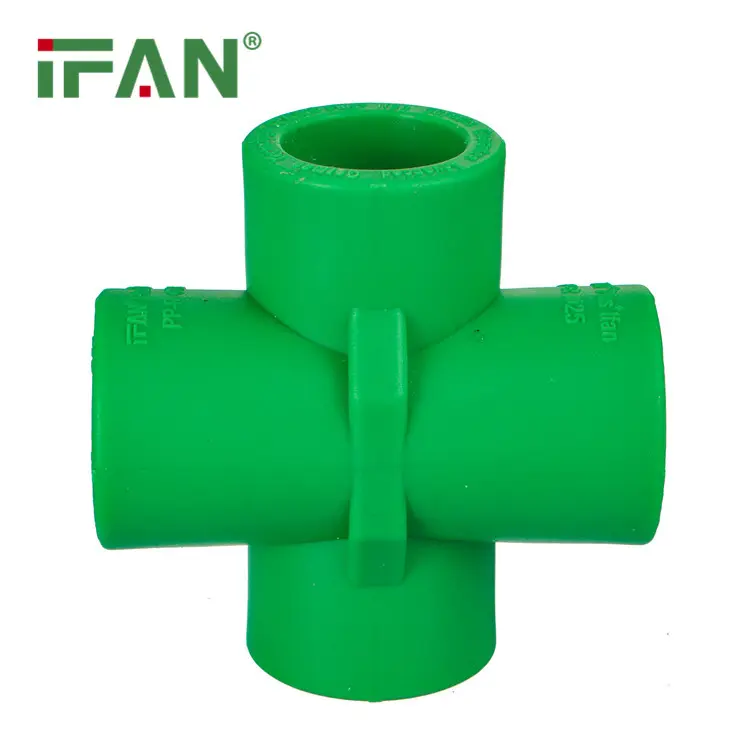
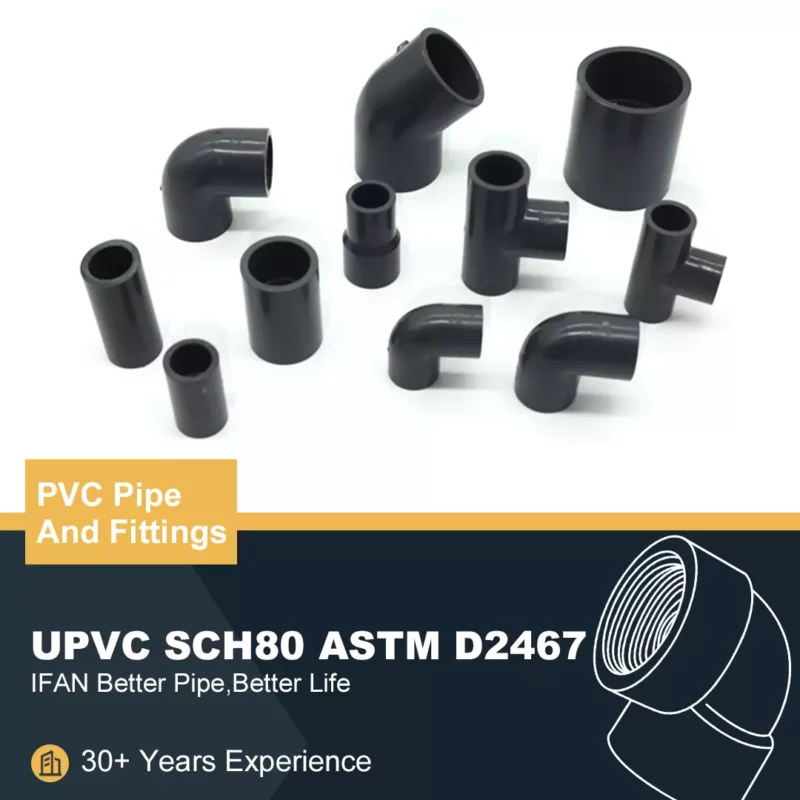
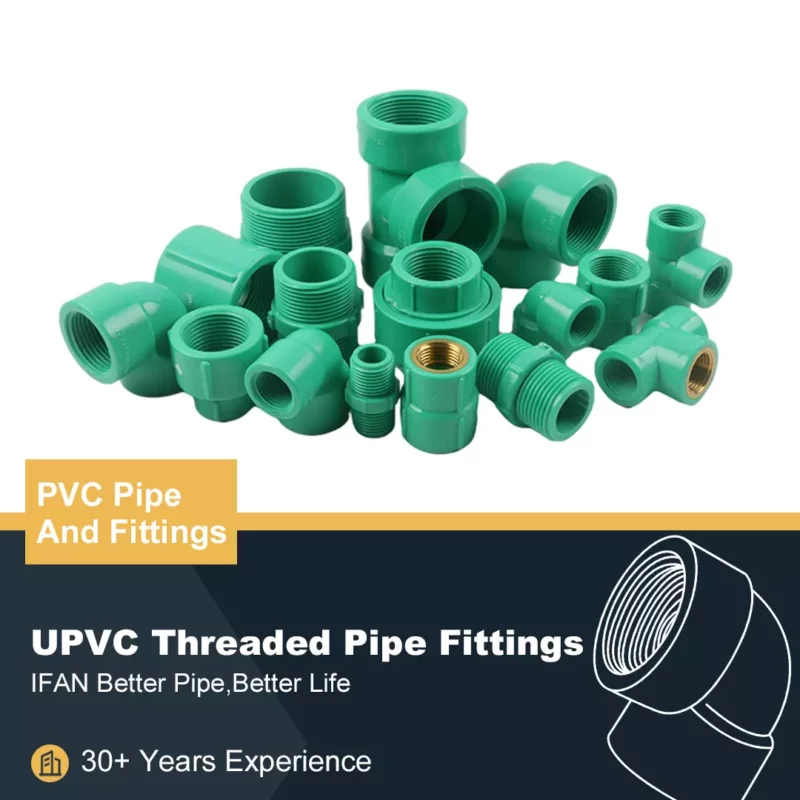
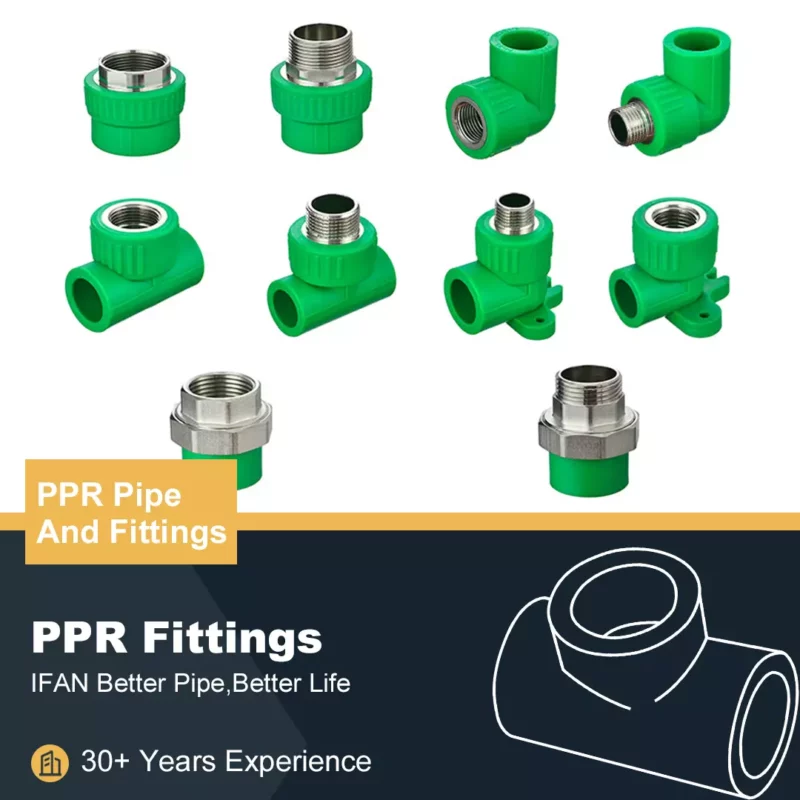
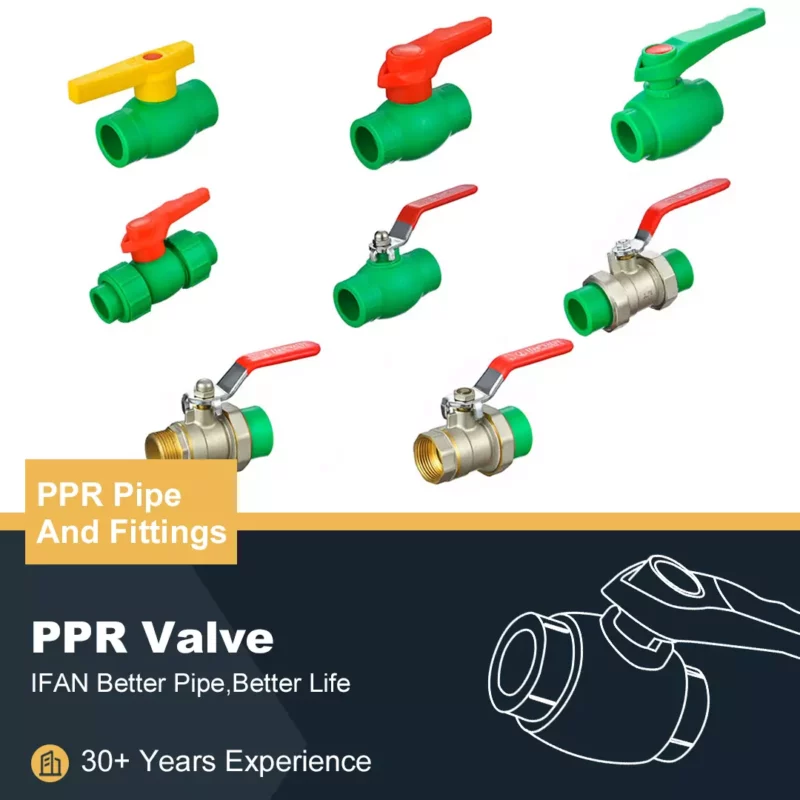
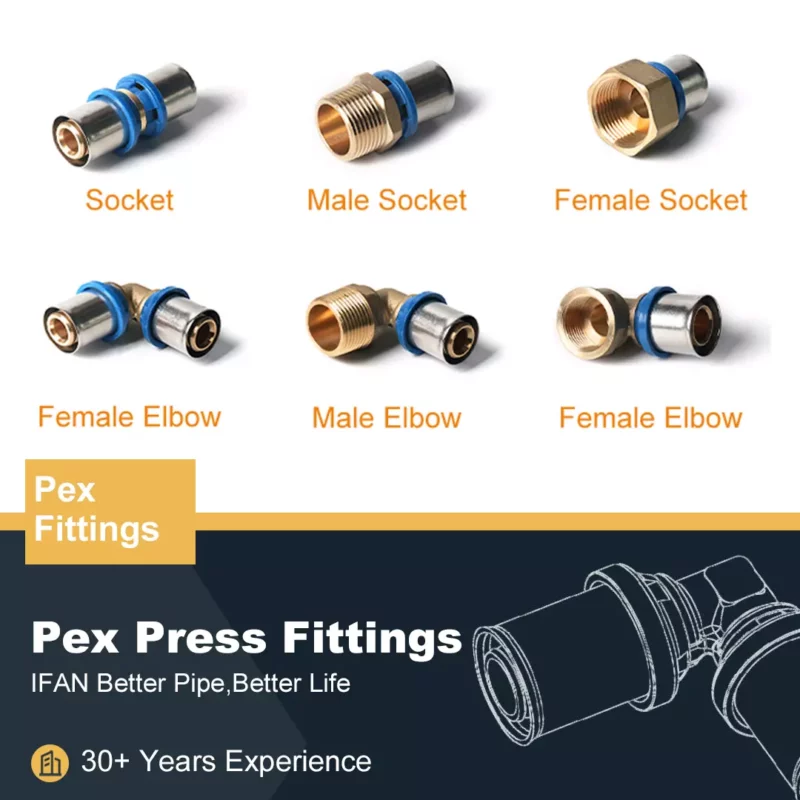
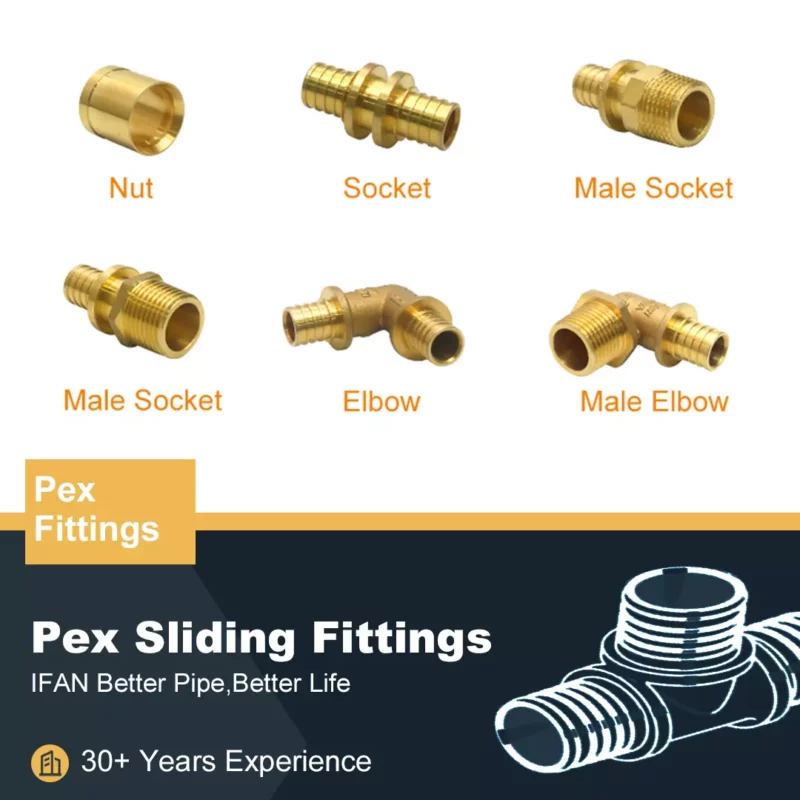
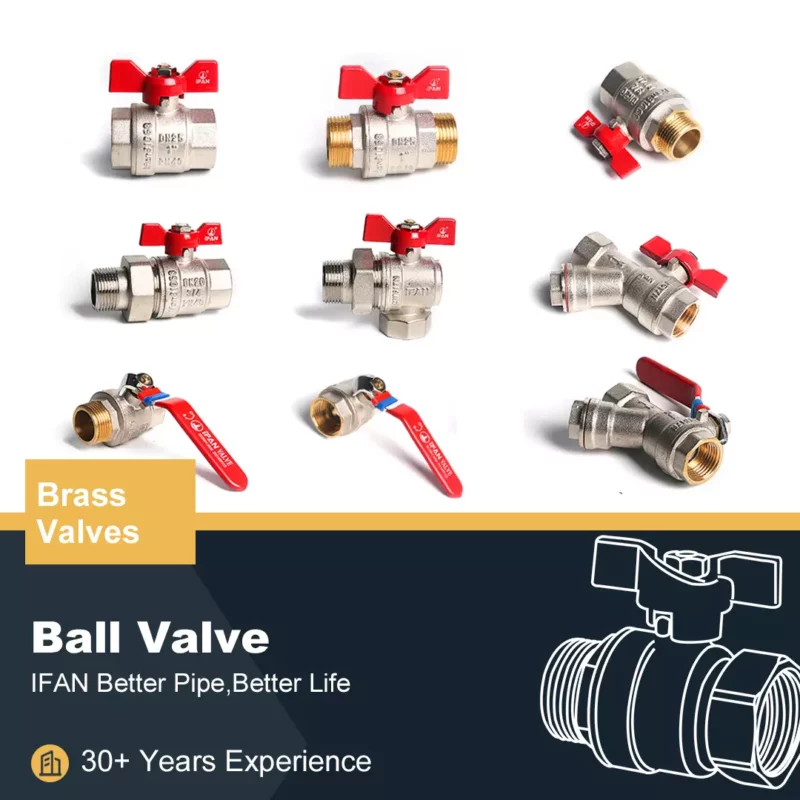
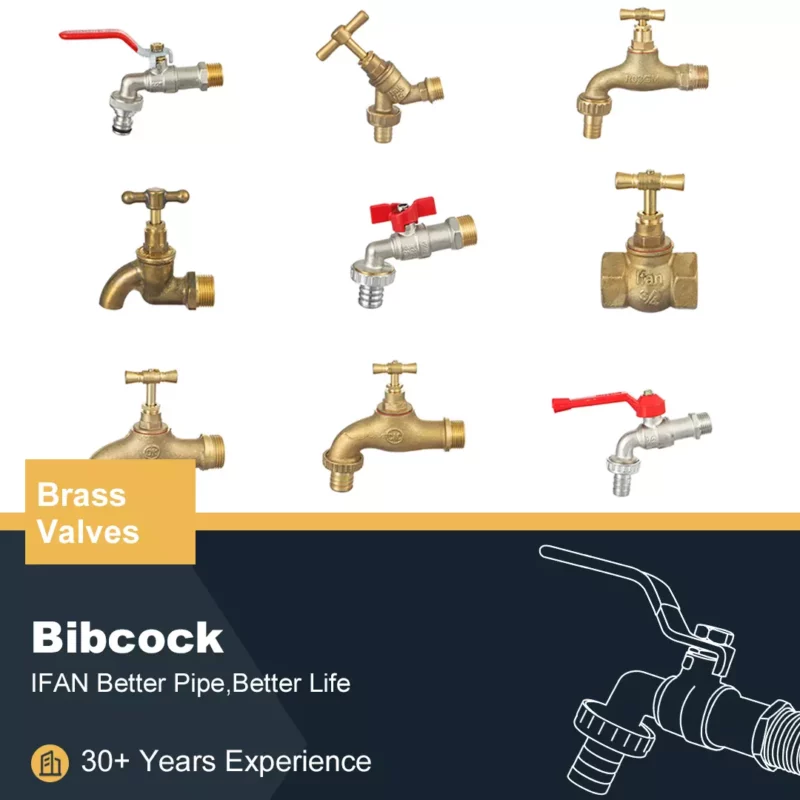
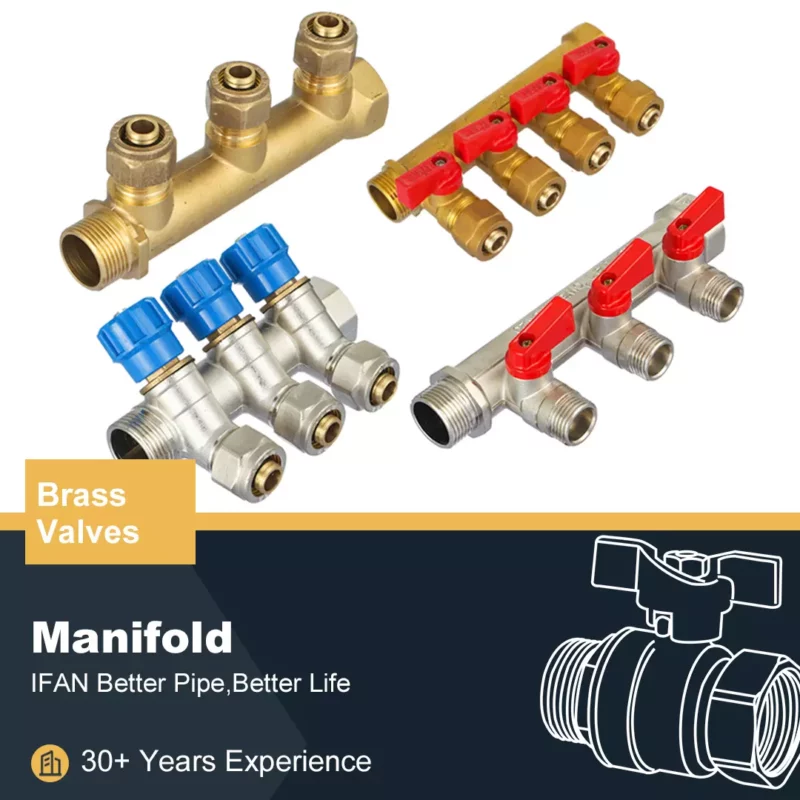
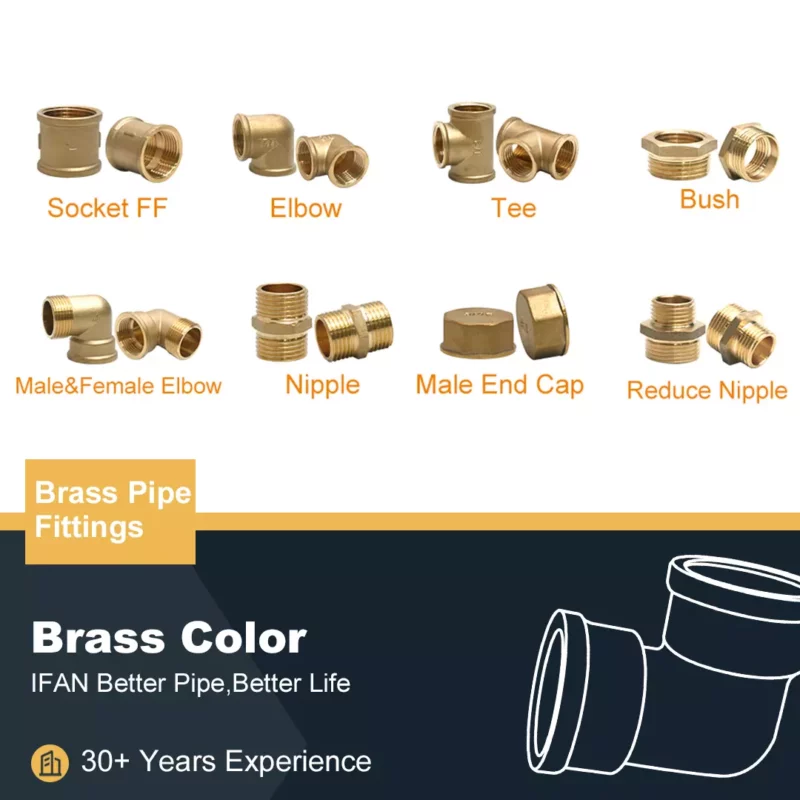
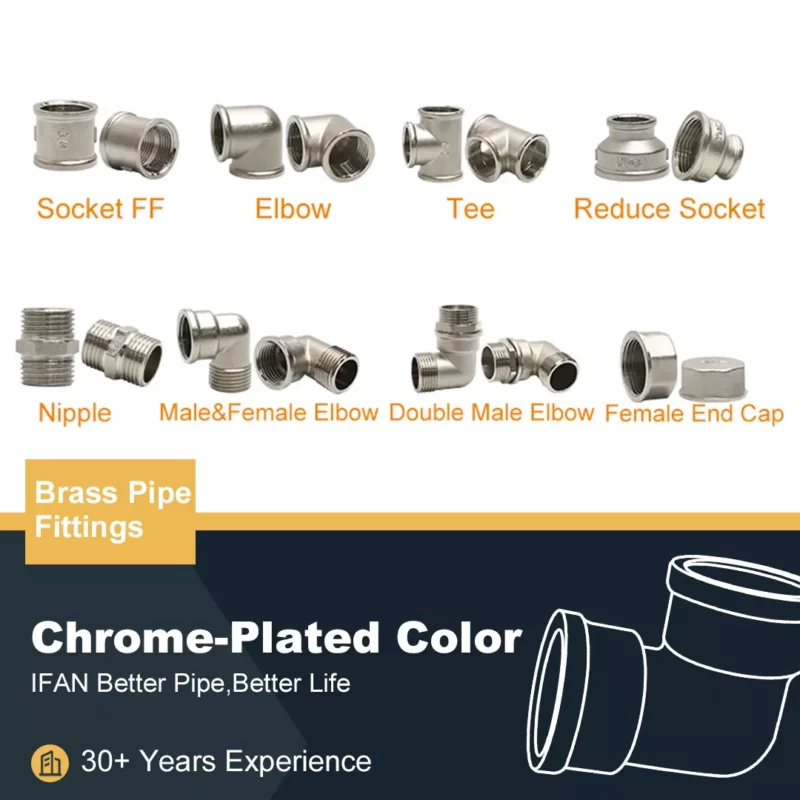
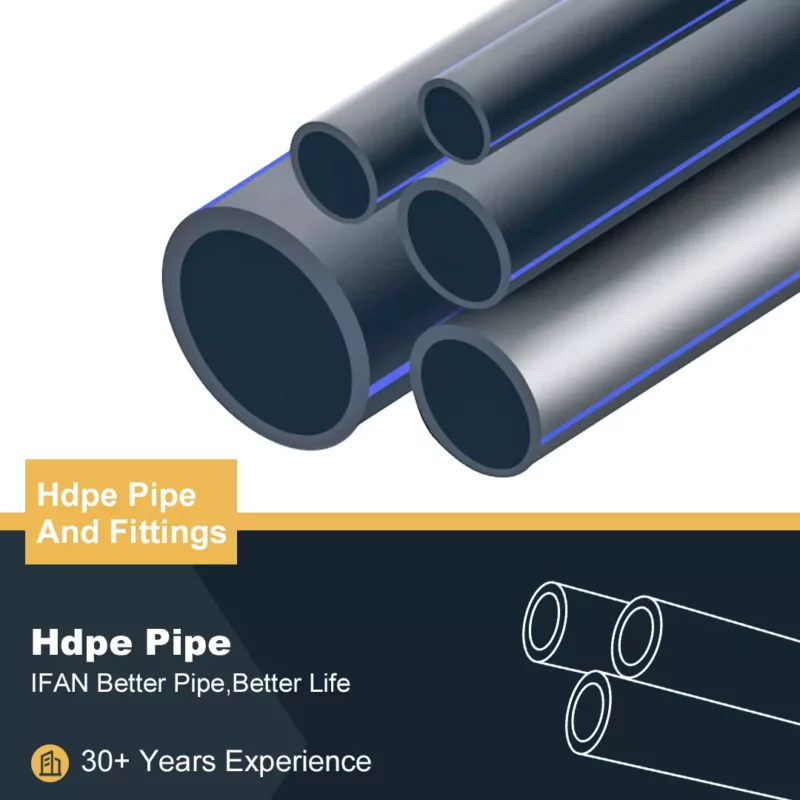



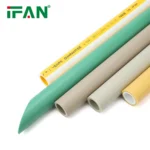
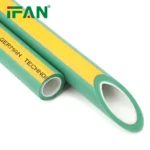
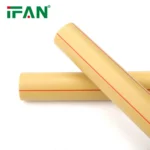
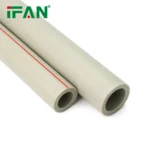
PPR Concealed Valve hides inside walls or fixtures. Designers prefer it for aesthetic and space-saving reasons. Installers connect it to PPR pipes using heat fusion. This method ensures a strong, leak-free joint. Homeowners enjoy clean looks without visible pipes or bulky valves.
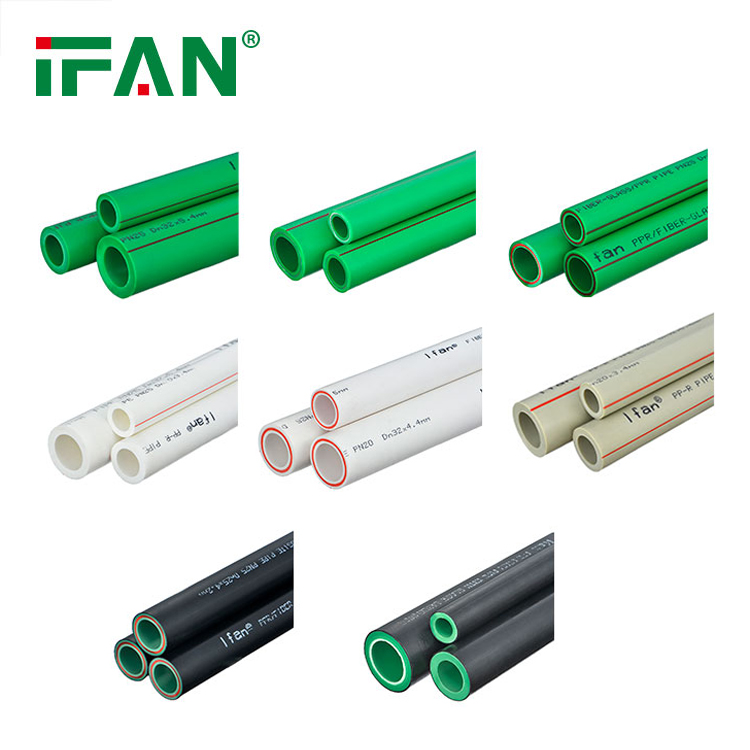
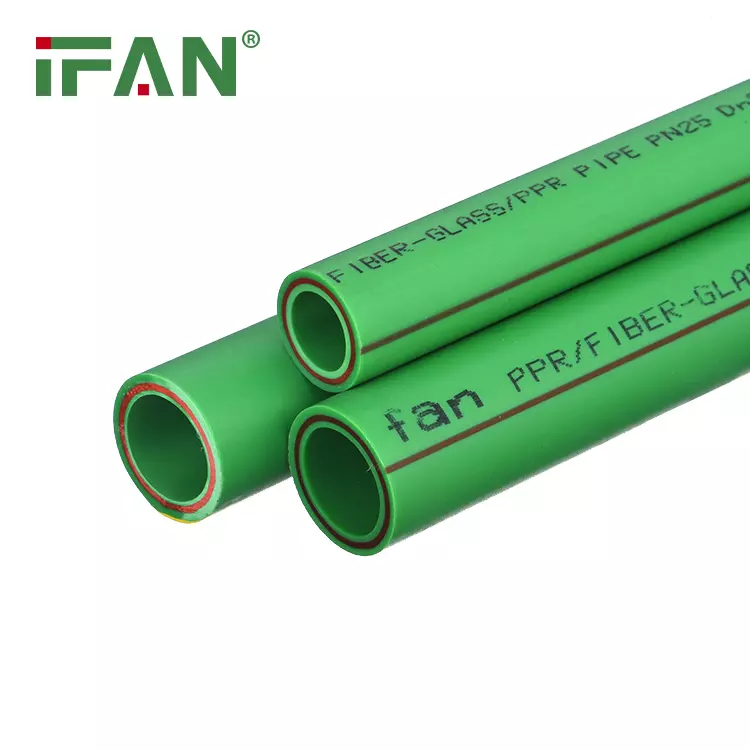
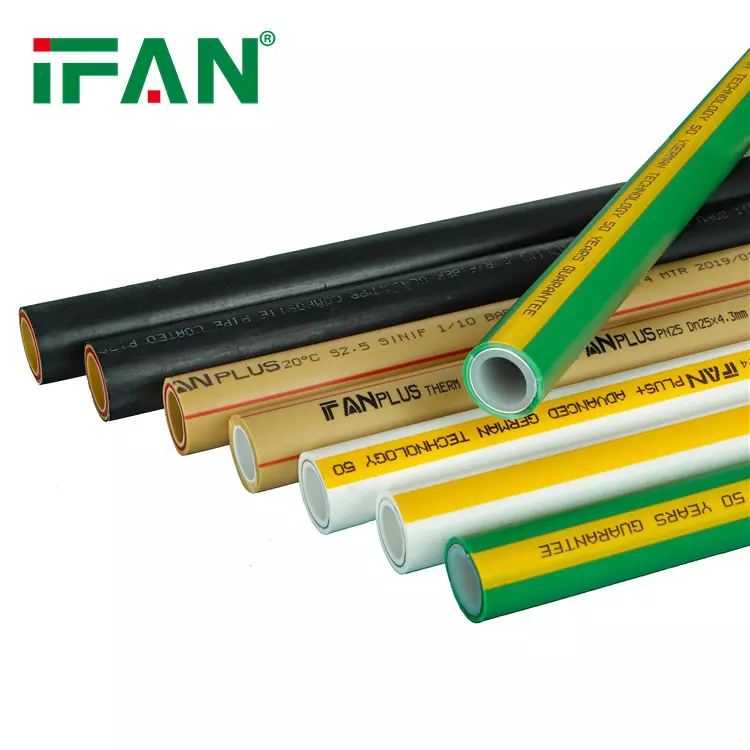
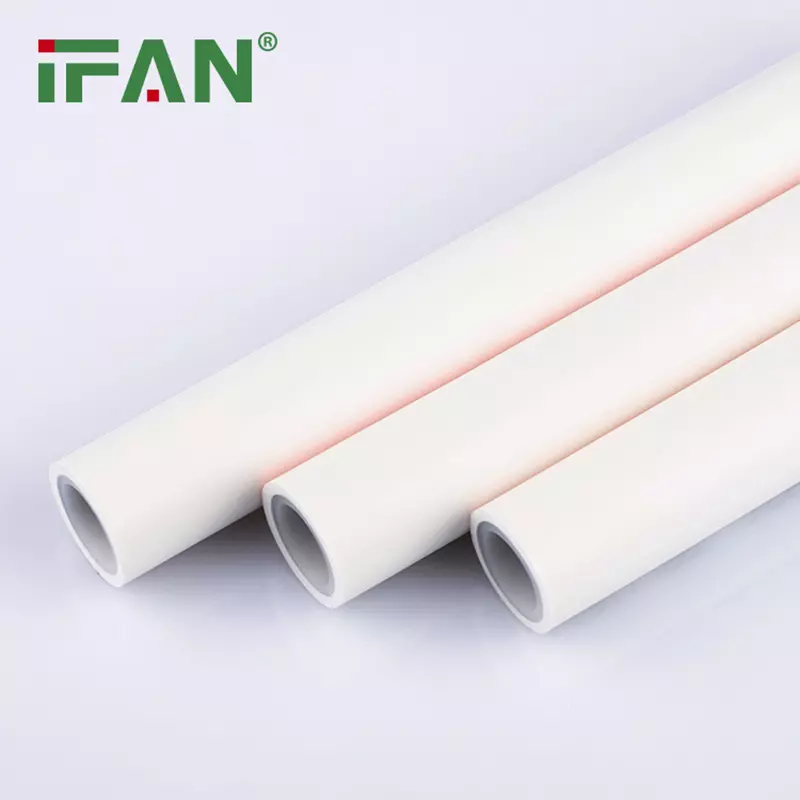
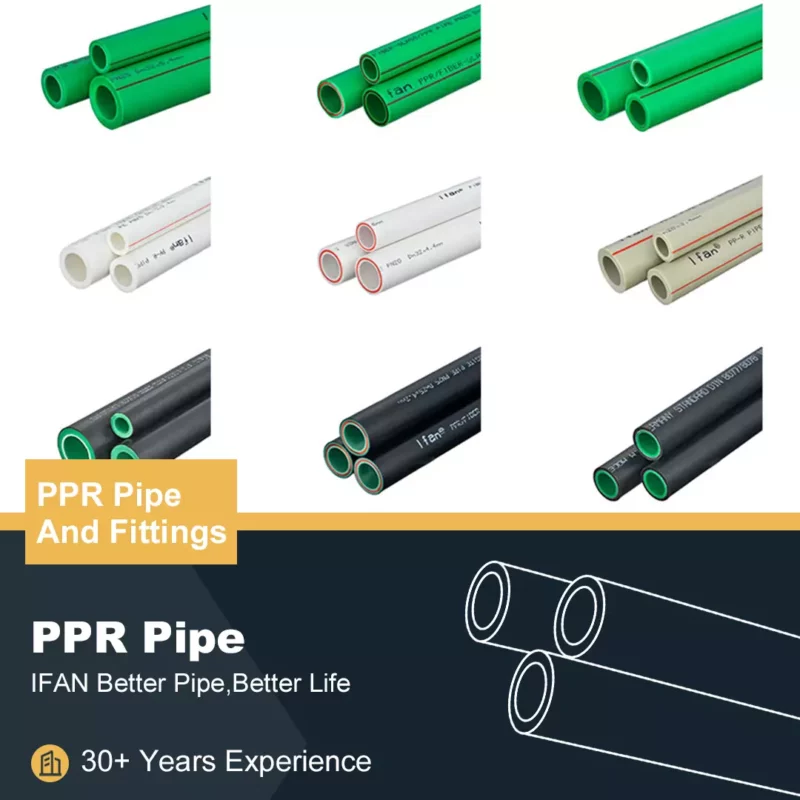
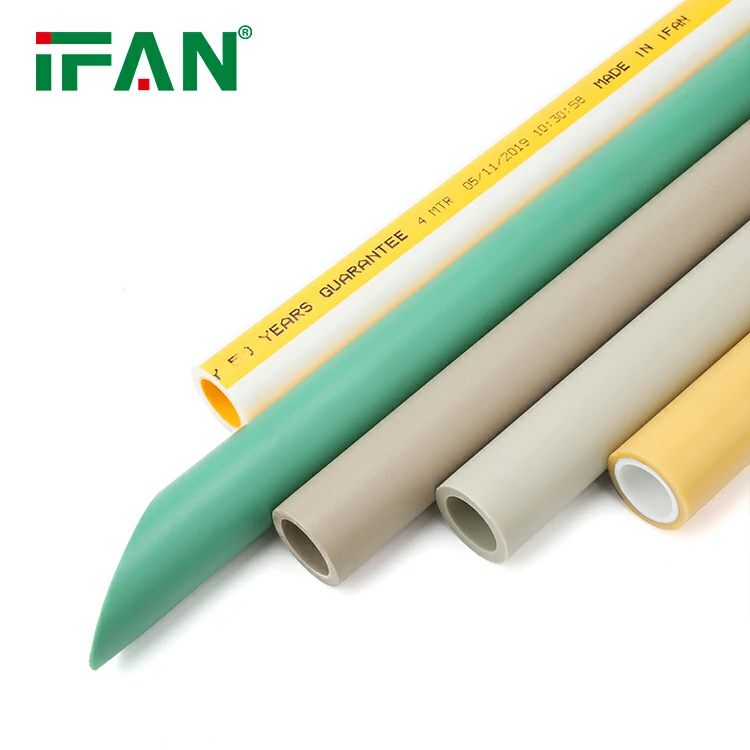
| Product Name | IFAN PPR Pipe |
| Color | Green,White Color Or Customized |
| Size | 20-160mm Or Customized |
| Material | PPR |
| Package | Opp Bag+Cartoon |
| OEM | Aviable |
| Sample | Free Provide |
| Contact US | Whatsapp:+8613373827623 E-mail:[email protected] |
If you are interested in IFAN’s Products, please feel free to send us a message; we will send you the price list and product catalogue in time.
PPR (Polypropylene Random Copolymer) pipes are an ideal choice for HVAC (Heating, Ventilation, and Air Conditioning) systems. These pipes offer unique advantages for both residential and commercial applications. PPR is known for its high durability, flexibility, and chemical resistance. HVAC systems rely on efficient piping solutions to handle hot and cold water, refrigerants, and air. PPR pipes are well-suited for these environments due to their ability to resist corrosion and scaling. Their smooth surface prevents buildup, maintaining the flow of air and water. PPR pipes are also lightweight, making installation easier and faster. In HVAC systems, where longevity and reliability are key, PPR provides a cost-effective solution. Its resistance to high temperatures, pressure, and UV degradation makes it a durable option. This article explores why PPR pipes are becoming the preferred choice in modern HVAC systems.
PPR pipes offer several key benefits for HVAC systems. First, they are highly resistant to corrosion. Unlike metal pipes, PPR does not rust or corrode over time. This resistance ensures that pipes maintain their integrity for years. HVAC systems, particularly those dealing with water, are vulnerable to corrosion from minerals or chemicals in the environment. PPR pipes eliminate this concern, reducing the risk of leaks and failures. Additionally, PPR pipes are resistant to scale and mineral buildup. This is particularly important in HVAC systems with water circulating through them, as mineral buildup can impede flow and reduce efficiency. The smooth interior surface of PPR pipes prevents such issues, promoting optimal system performance. Furthermore, PPR pipes are resistant to chemical reactions. They can safely transport water, refrigerants, and other fluids without degrading or leaching harmful substances. These properties make PPR pipes a safe and reliable option for HVAC systems.
One of the standout features of PPR pipes is their ability to withstand extreme temperatures and pressure. HVAC systems often experience fluctuations in temperature and pressure, especially in heating and cooling systems. PPR pipes can handle temperatures up to 95°C, making them ideal for hot water systems in HVAC applications. Additionally, PPR pipes can handle high pressure without bursting or deforming. This is critical in HVAC systems that operate under high-pressure conditions. Whether transporting hot water for heating or coolants for air conditioning, PPR pipes maintain their structural integrity. Their resistance to both temperature and pressure ensures a long service life, reducing the need for repairs and replacements. This makes PPR an efficient and durable choice for HVAC installations, especially in areas that experience extreme temperature variations.
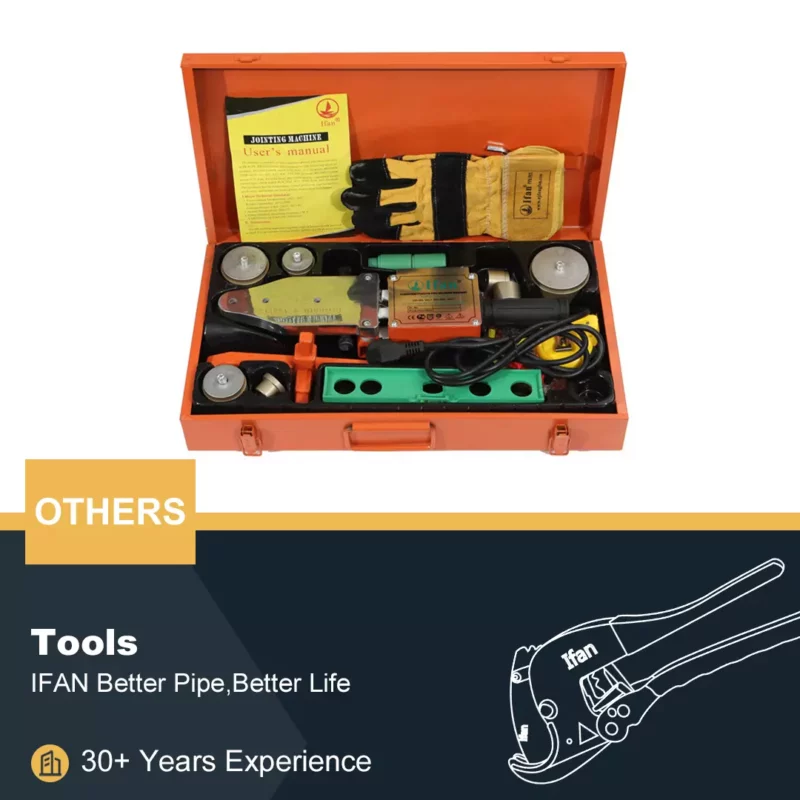
PPR pipes are known for their ease of installation. Unlike traditional metal pipes, PPR pipes are lightweight and easy to handle. This reduces the labor costs and time associated with installation. PPR pipes are joined using a fusion method that creates strong, leak-free connections. The fusion process involves using heat to join the pipe and fitting, ensuring a smooth, durable bond. This method also eliminates the need for glue, seals, or mechanical fittings, further simplifying the installation process. PPR pipes are available in a wide range of sizes, making them versatile for various HVAC applications. Once installed, PPR pipes require minimal maintenance. Their resistance to corrosion, scaling, and chemical degradation ensures that the system remains efficient over time. This reduces the need for costly repairs and prolongs the lifespan of the HVAC system. In the long term, the durability and low-maintenance nature of PPR pipes contribute to cost savings and a reliable HVAC system.
Another significant benefit of PPR pipes in HVAC systems is their thermal insulation properties. PPR has low thermal conductivity, meaning it can maintain the temperature of fluids as they pass through the pipes. This reduces energy loss, especially in hot water and heating systems. In HVAC systems, energy efficiency is crucial for reducing operational costs and environmental impact. By minimizing heat loss or gain, PPR pipes help to keep energy consumption low. PPR pipes also help HVAC systems maintain more consistent temperatures, improving overall system efficiency. In cooling systems, PPR helps to maintain the temperature of refrigerants as they flow through the pipes. This contributes to better energy conservation, reducing the workload of air conditioning units. As a result, buildings equipped with PPR pipe systems are more energy-efficient and cost-effective over time.
PPR pipes are known for their remarkable durability. In HVAC systems, durability is a critical factor due to the high demands placed on the pipes. PPR pipes are resistant to cracking, chipping, and wear, even under extreme pressure and temperature conditions. Their long lifespan, often exceeding Long-term durability according to standards, makes them an excellent investment. HVAC systems require pipes that can endure constant use without frequent maintenance or replacement. PPR pipes meet this need, providing a long-term solution that reduces maintenance costs. In addition to their physical strength, PPR pipes are resistant to UV degradation. This makes them ideal for use in outdoor HVAC systems or areas with high exposure to sunlight. The long service life and UV resistance ensure that PPR pipes continue to perform efficiently without the need for frequent replacements.
The cost-effectiveness of PPR pipes makes them an attractive option for HVAC installations. While the initial cost of PPR pipes may be slightly higher than some alternatives, their long lifespan and low maintenance costs make them a smart investment in the long run. PPR pipes are not prone to corrosion or scaling, meaning they won’t need to be replaced or repaired as often as metal pipes. This significantly reduces lifetime costs. The easy installation process also helps save on labor costs, further improving the overall affordability of the system. Additionally, the energy efficiency provided by PPR pipes leads to reduced energy consumption, lowering operating costs over time. These factors make PPR pipes an economically viable option for both residential and commercial HVAC installations. By offering durability, efficiency, and low-maintenance performance, PPR pipes contribute to the overall cost-effectiveness of the HVAC system.
IFAN integrates R&D, production, sales and service, and provides comprehensive plumbing system solutions. The company’s main product lines cover construction engineering, municipal pipelines, agricultural irrigation, home improvement, fire protection, industrial pipelines, gas pipelines, bathrooms and other systems, providing water supply, drainage, waterproofing, floor heating, bathing, hardware plumbing and other modules. The company provides a variety of products such as pipes, pipe fittings, valves, etc., covering PP-R, PVC-U, Ball Valve, Water Tap, PEX, CPVC, PP and other series.
No. 3, Central Road, Diankou Town, Zhuji City, Shaoxing City, Zhejiang Province
1. Our outer boxes are generally in the format of IFAN unified boxes, and OPP bags and cartons are uniformly packaged.
2. Our products usually use different packaging according to different product types.
3. In addition, we can also customize packaging according to different needs. Adopt customer opinions on product packaging, design packaging and customize Logo.
1. IFAN products have deeply covered many countries around the world, with rich product varieties, complete qualifications, and strong brand influence, helping you to expand the market faster.
2. We have a stable sales team and long-term experience, and can grasp customer needs in time.
3. Mutual benefit and win-win can lead to sustainable development.
4. Provide customers with perfect after-sales service
1. From production to shipment, we have advanced production machines and a very strict management system.
2. Our products are designed, molded, and produced in accordance with international standards. Quality control mainly includes the inspection of the first piece, process, packaging, and finished products. Only qualified products are packaged.
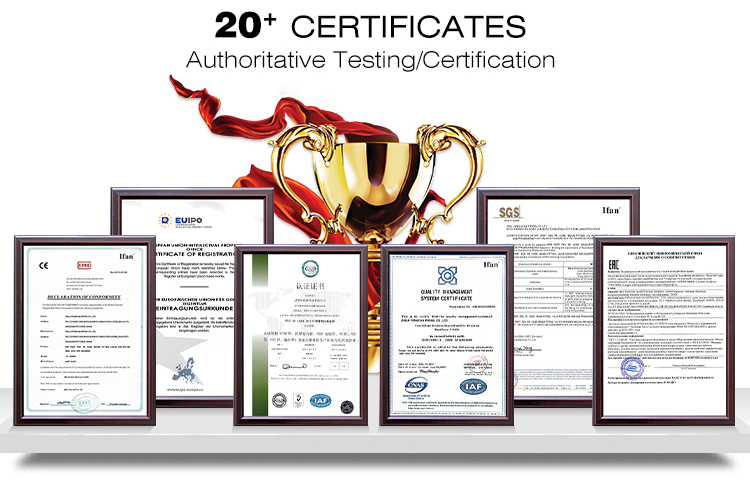
3. We not only have our own laboratory for testing, but also send samples to authoritative certification agencies every year to ensure the long-term quality of products.
4. Our products have different connection methods, including glue, hot melt, electric fusion, thread, etc., which can meet different needs.
5. Our product prices are very competitive, and the company provides free samples to let customers see the quality of the products.