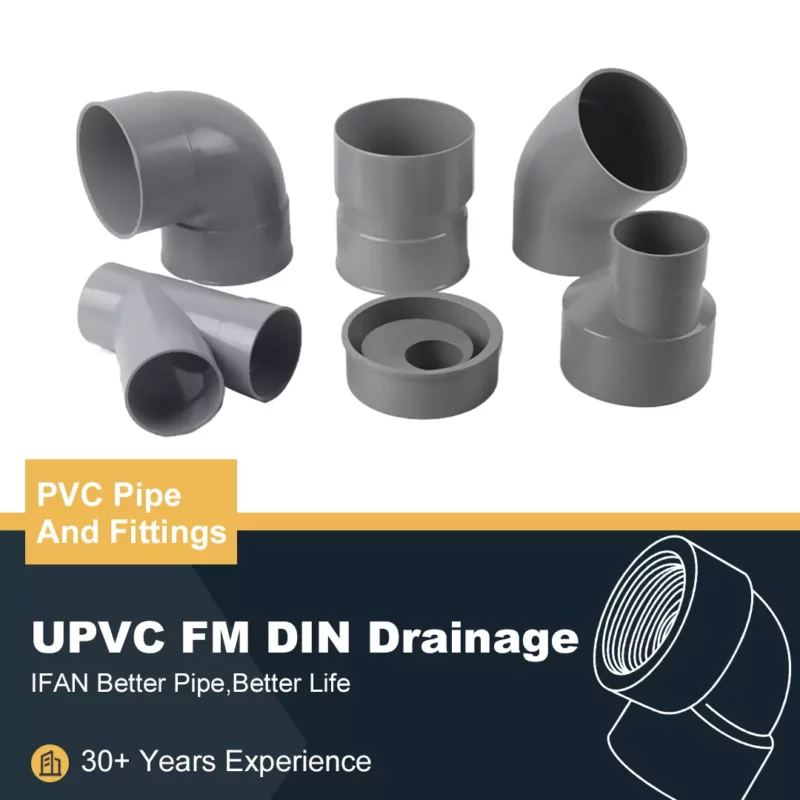
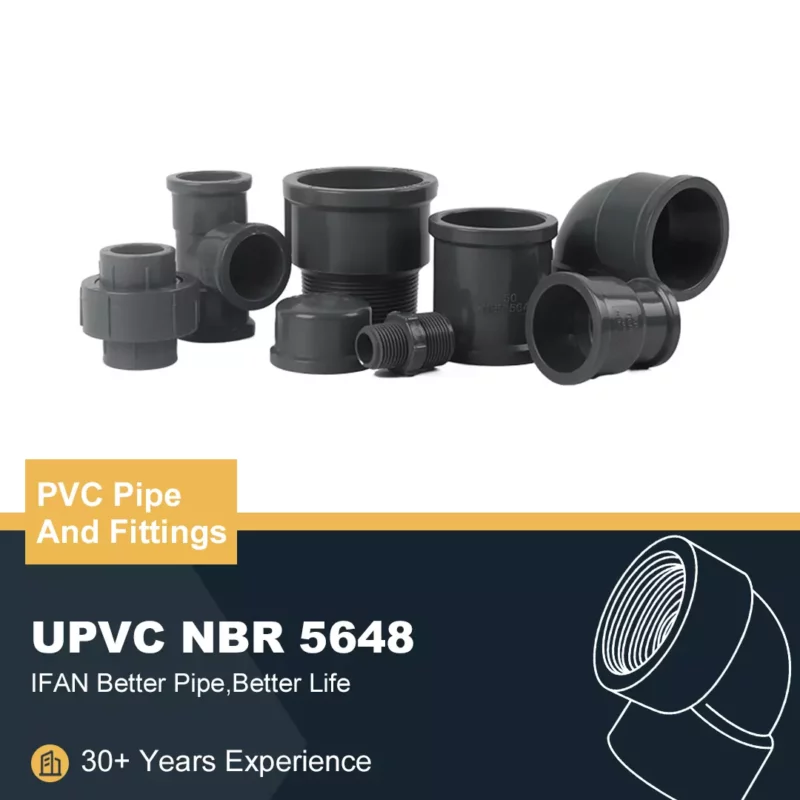
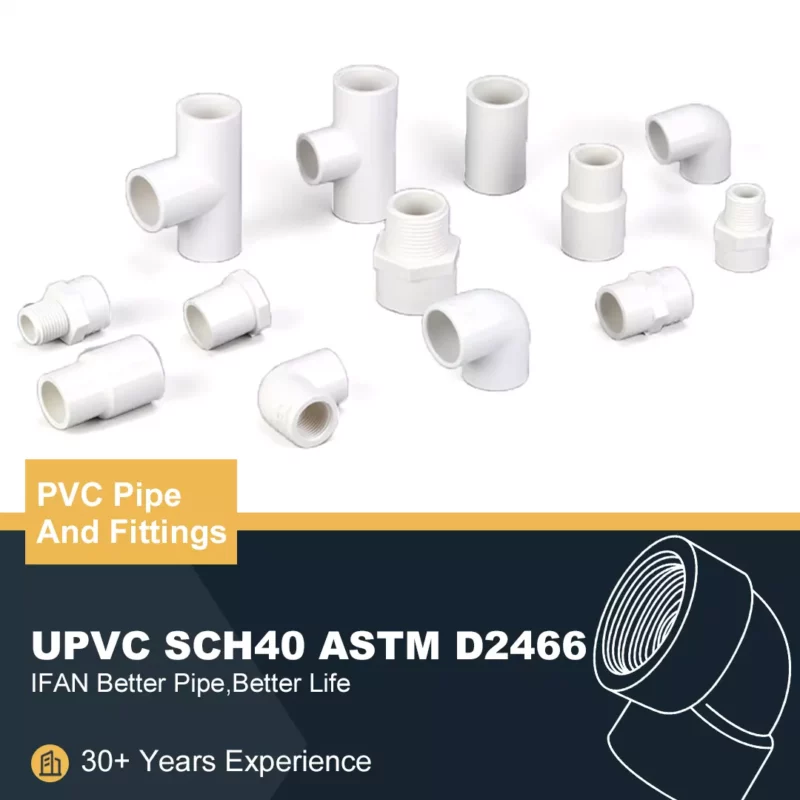
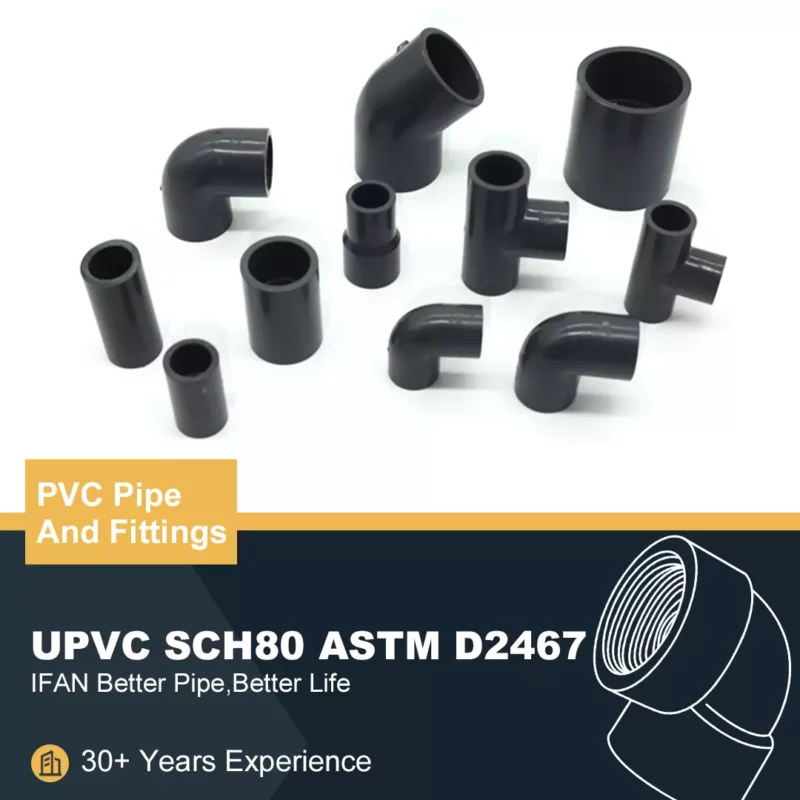




Fermentum scelerisque hendrerit parturient nullam enim lobortis litora parturient dictumst.

Potenti a quisque tincidunt venenatis adipiscing parturient fermentum nisl tincidunt amentu.

Scelerisque conubia lobortis a condimentum ad eleifend dui integer maecenas habitant nostra.
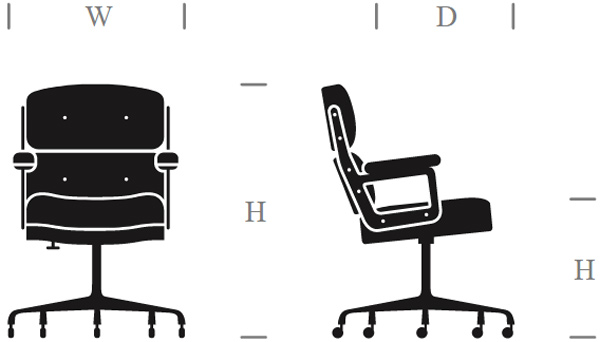
| Specification | Chair | Armchair | Sofas |
| Height | 37" | 42" | 42" |
| Width | 26.5" | 32.5" | 142" |
| Depth | 19.5" | 22.5" | 24.5" |
| Assembly Required | No | No | Yes |
| Packaging Type | Box | Box | Box |
| Package Weight | 55 lbs. | 64 lbs. | 180 lbs. |
| Packaging Dimensions | 27" x 26" x 39" | 45" x 35" x 24" | 46" x 142" x 25" |
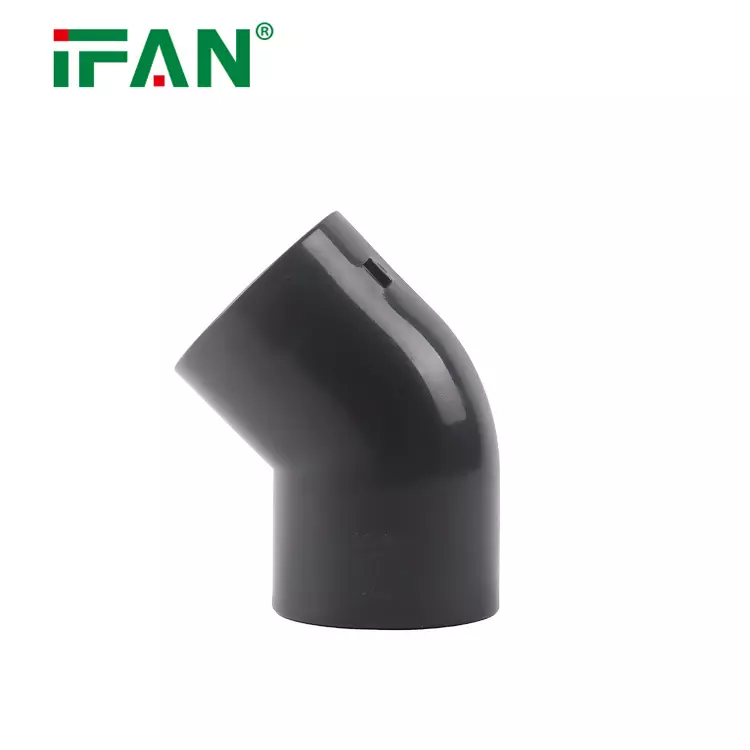
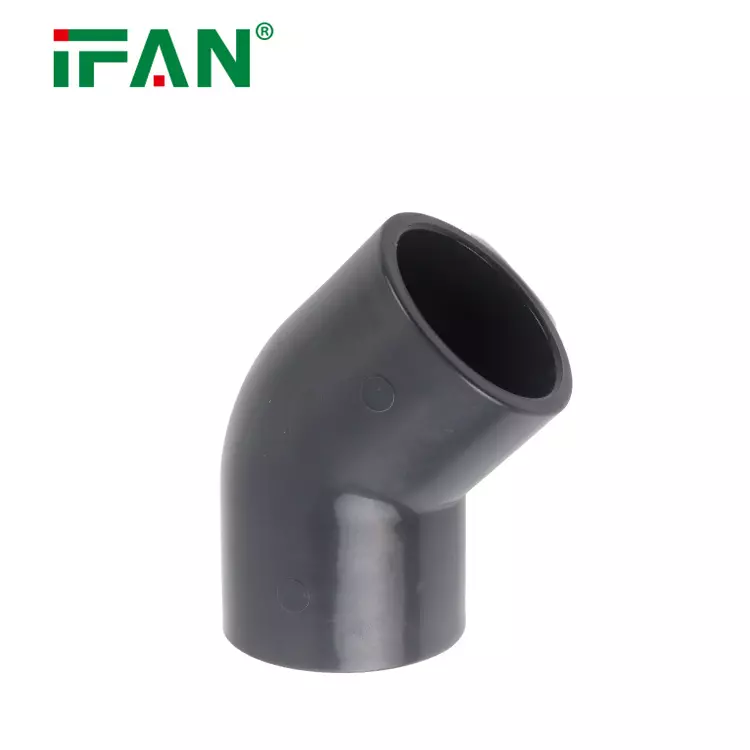
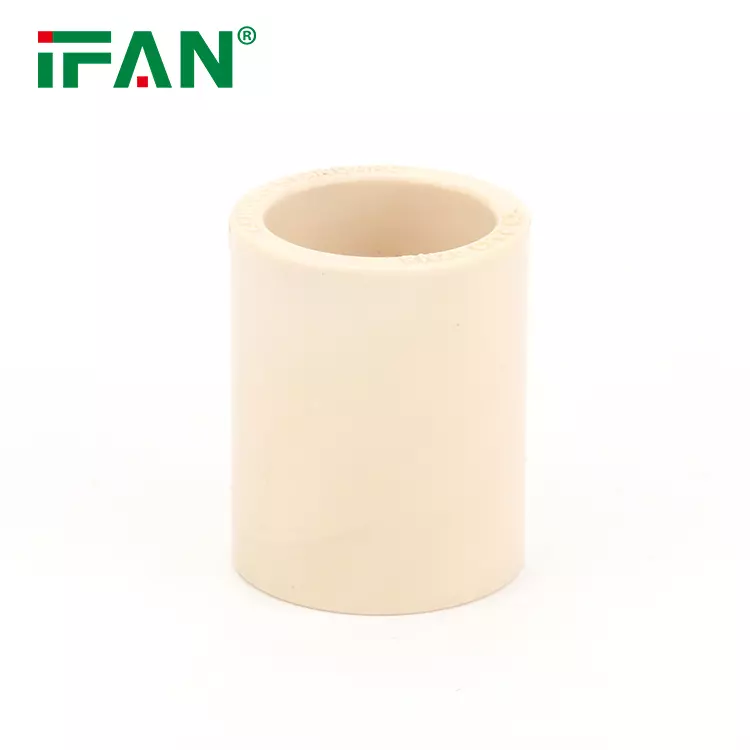
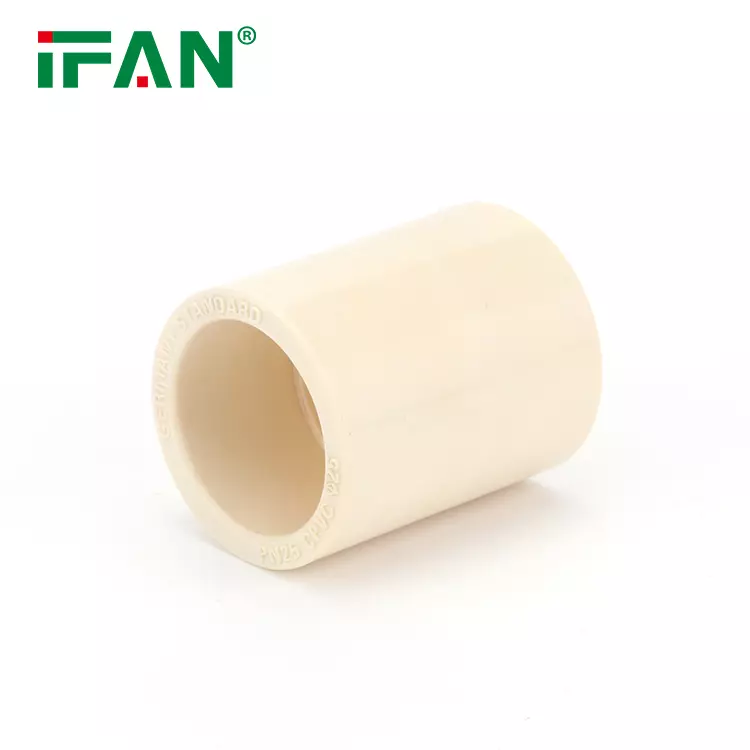


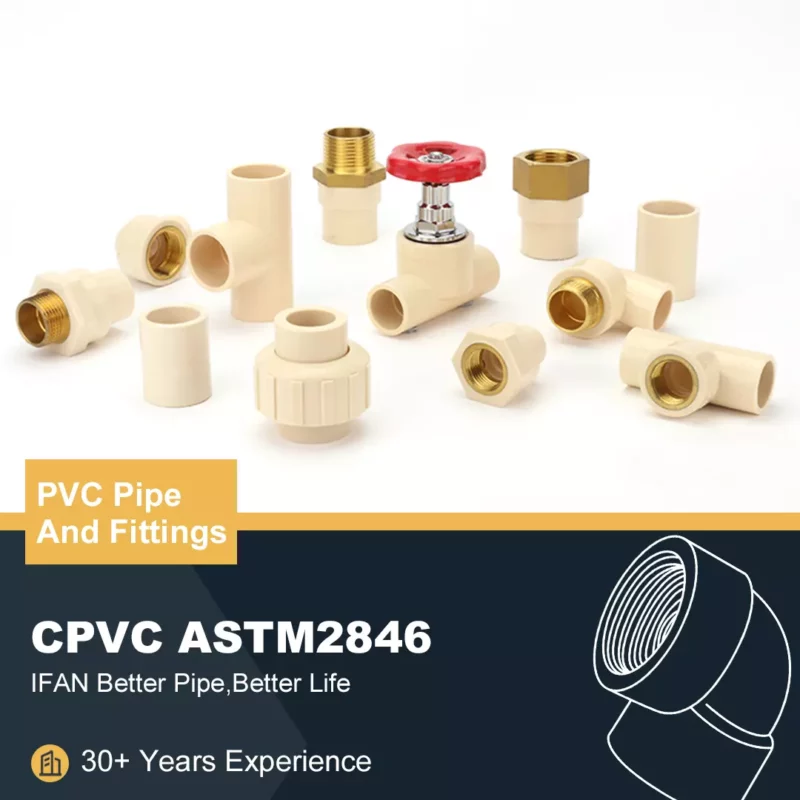
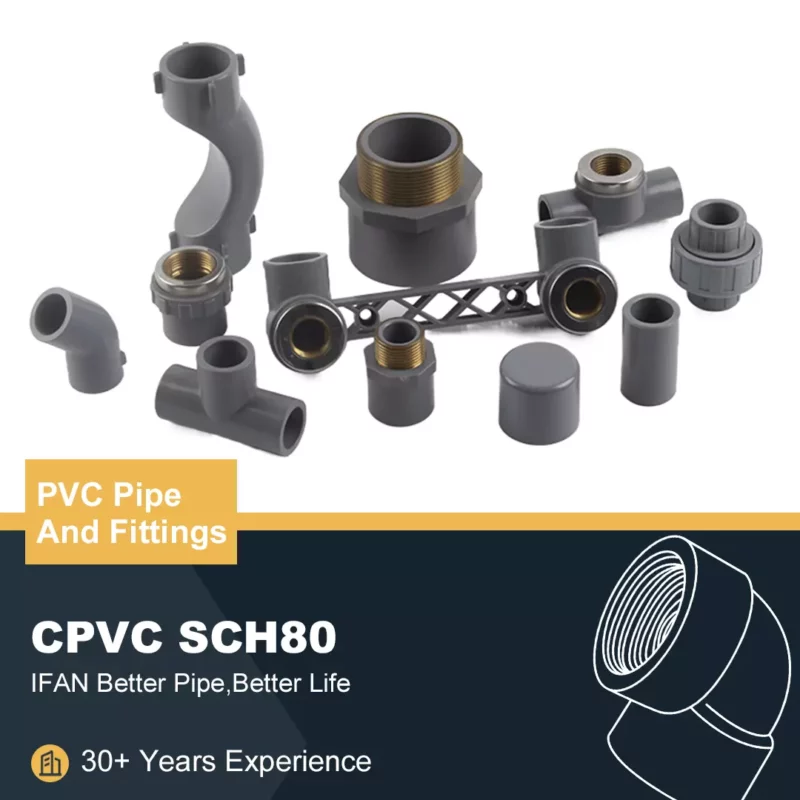
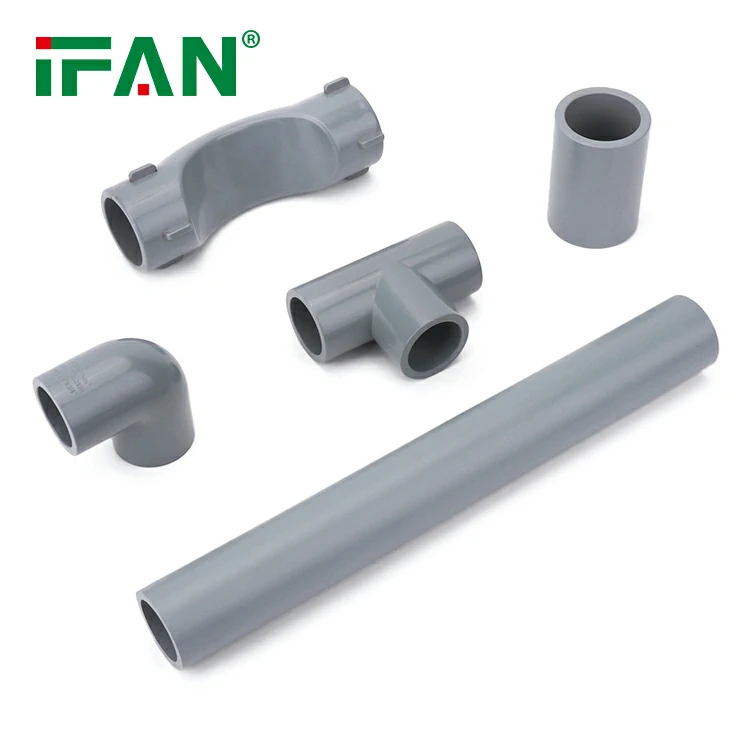
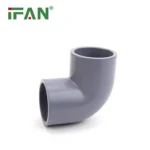
CPVC stands for Chlorinated Polyvinyl Chloride. It is a strong and heat-resistant thermoplastic material. CPVC is commonly used in plumbing systems. It is ideal for hot and cold water distribution. The fittings connect pipes to allow water flow in different directions. CPVC fittings are durable, affordable, and easy to install. They have a long lifespan and require little maintenance. Because of these properties, CPVC is popular in residential and commercial settings. It offers a safe and effective solution for transporting hot water. CPVC fittings meet safety standards and are widely accepted worldwide.
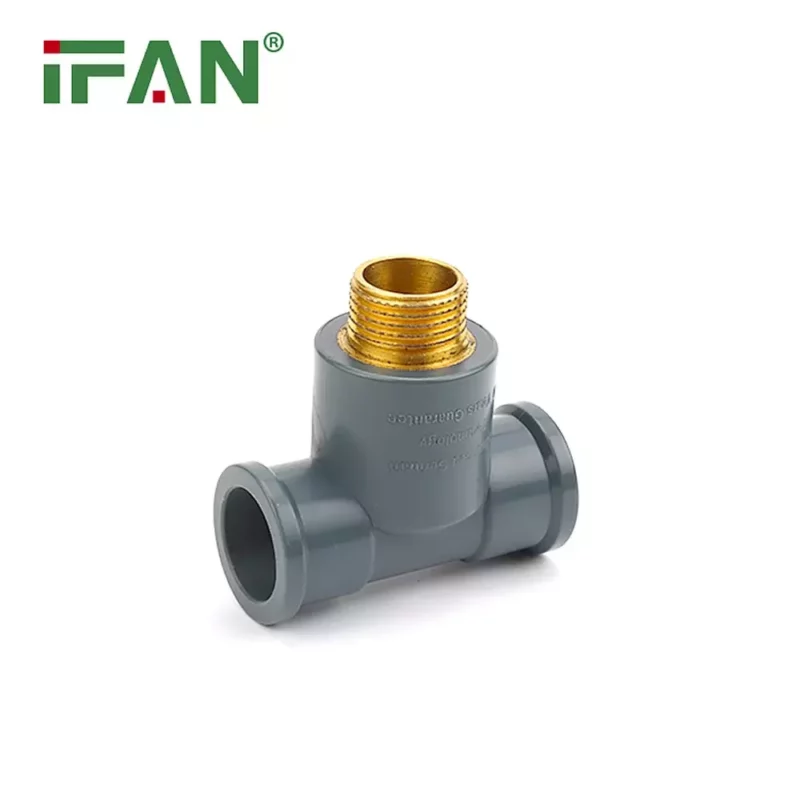
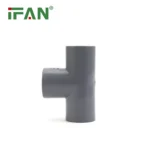
| Product Name | IFAN CPVC Tee SCH80 Pipe Fittings |
| Color | Cream Color Or Customized |
| Size | 1/2”-2” Or Customized |
| Material | PVC |
| Package | Opp Bag+Cartoon |
| OEM | Aviable |
| Sample | Free Provide |
| Contact US | Whatsapp:+8613373827623 E-mail:[email protected] |
CPVC can handle higher temperatures than regular PVC. It remains stable at temperatures up to 200°F (93°C). This makes it perfect for hot water applications. Unlike metal pipes, CPVC does not corrode or scale. It resists damage from chemicals in the water. This ensures a clean and reliable water supply. CPVC fittings do not deform easily under heat. This prevents leaks and other safety hazards. These features make CPVC a preferred choice for hot water systems. It offers peace of mind in both homes and businesses.
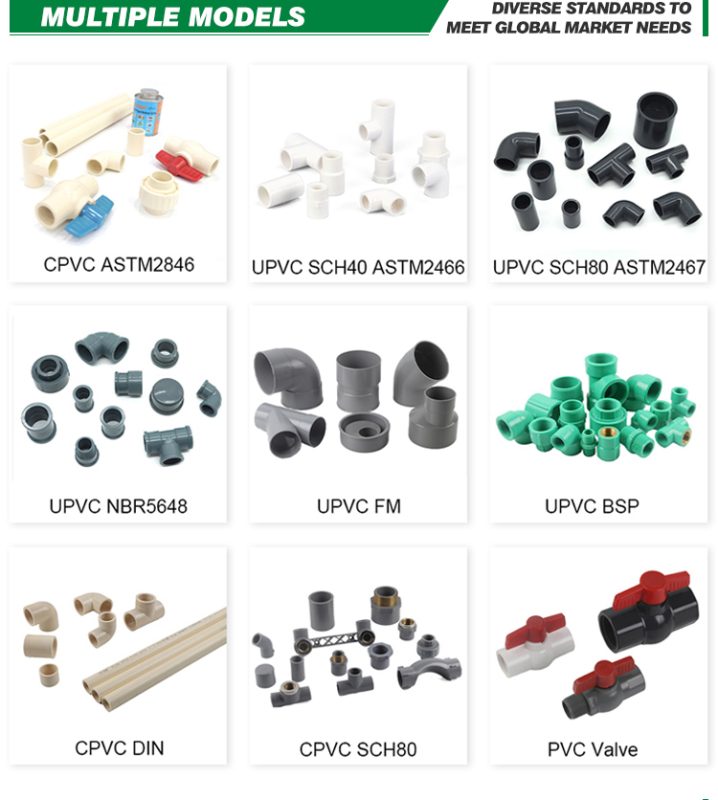
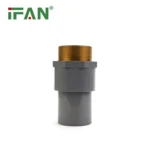
CPVC fittings come in many shapes and sizes. Common types include elbows, tees, couplings, and adapters. Elbows change the direction of the pipe flow. Tees allow the connection of three pipes at a junction. Couplings connect two straight pipes together. Adapters link CPVC pipes to other materials like metal. Some fittings include threaded ends for easy removal. Others use solvent cement for permanent bonds. Each type serves a specific function in plumbing systems. Choosing the right fitting ensures efficiency and safety. All CPVC fittings are designed to withstand hot water pressure.
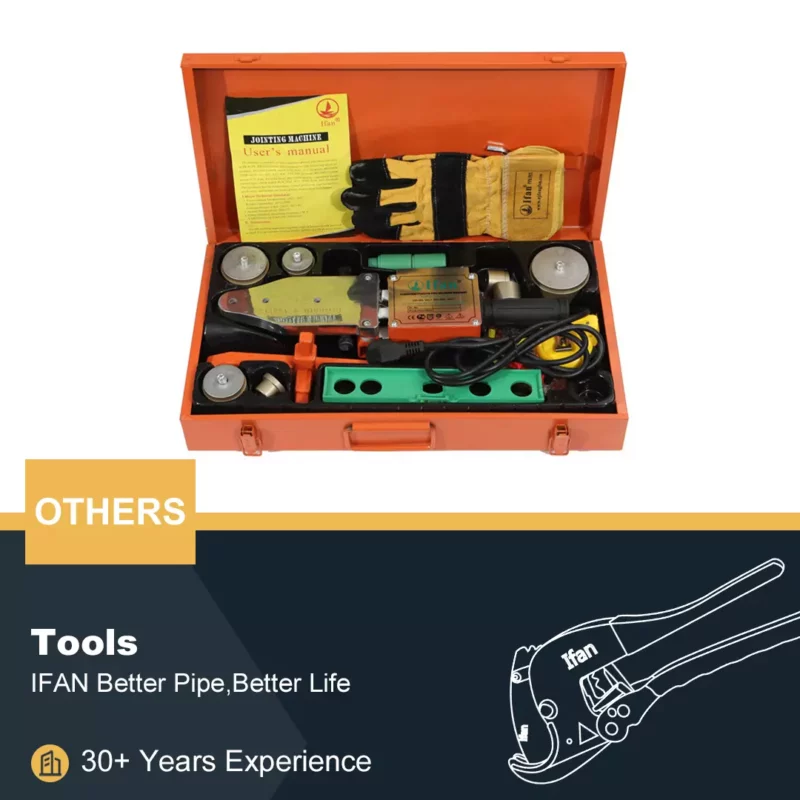
CPVC fittings are easy to install with basic tools. First, the pipe is cut to the required length. Then, the ends are cleaned and primed. Solvent cement is applied to both the pipe and fitting. The parts are joined and held together for a few seconds. The joint sets quickly and forms a permanent bond. The system must be left undisturbed for curing. This usually takes 24 hours before pressurizing with water. No heat or special tools are needed. Always follow manufacturer instructions for best results.
CPVC fittings offer many advantages for hot water use. They are lightweight and easy to handle. The installation is quick and cost-effective. CPVC is resistant to corrosion, scaling, and microbial growth. This ensures water remains clean and safe. CPVC does not conduct heat like metal. This reduces heat loss and improves energy efficiency. The material is durable and can last over Long-term durability according to standards. CPVC fittings also reduce noise from water flow. These benefits make CPVC a smart choice for hot water systems.
CPVC fittings have advantages over copper, PEX, and PVC. Copper is strong but expensive and prone to corrosion. PEX is flexible but less heat resistant. Regular PVC cannot handle hot water temperatures. CPVC combines strength, heat resistance, and low cost. It is easier to install than metal pipes. It also performs better under pressure than PEX. CPVC fittings are more stable at high temperatures. This makes them more reliable for long-term hot water use. For many, CPVC offers the best value and performance.
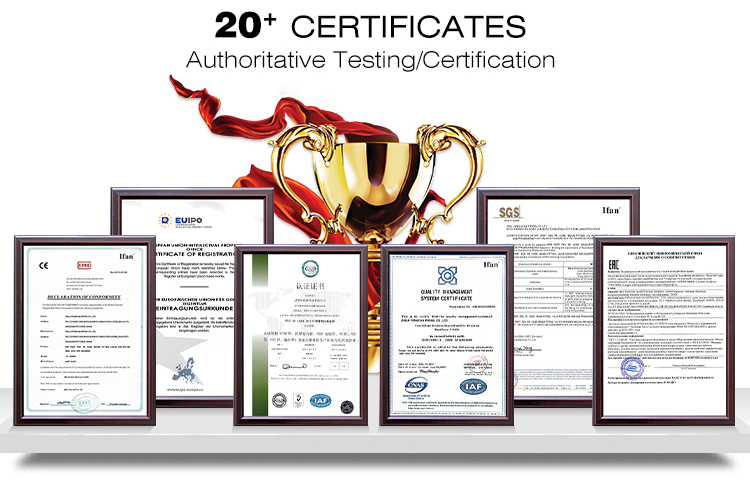
CPVC fittings meet strict safety and quality standards. They are certified by organizations like NSF and ASTM. These certifications ensure the material is safe for drinking water. CPVC also meets fire resistance standards in many regions. It does not support combustion and limits flame spread. Proper installation and testing ensure a safe system. CPVC pipes and fittings are approved in most building codes. Always check local regulations before installation. Using certified fittings guarantees compliance and peace of mind.
CPVC fittings are used in many hot water systems. Homes use them for kitchens, bathrooms, and laundry rooms. Hotels and hospitals rely on CPVC for safe hot water delivery. Schools and offices also benefit from CPVC plumbing systems. The material performs well in both small and large buildings. CPVC is also used in industrial settings for heated fluids. The fittings are suitable for both potable and non-potable systems. Their versatility makes CPVC fittings a universal choice.
CPVC systems require little maintenance over time. The fittings resist damage from hard water and chemicals. They do not rust or degrade like metal pipes. This helps avoid leaks and system failures. CPVC does not require regular replacement or repairs. If installed correctly, the system can last for decades. Routine inspections help catch any issues early. Replacing a fitting is simple and inexpensive. Overall, CPVC offers a long-lasting and low-maintenance plumbing solution.
While CPVC has many strengths, it also has some limits. It can become brittle in extremely cold temperatures. It must be protected from UV light when installed outdoors. CPVC is not flexible like PEX, so it needs more fittings. It is also sensitive to impact damage during installation. Harsh chemicals or incompatible substances may weaken the material. CPVC should not be used in compressed air systems. Despite these limitations, it remains reliable for hot water use. Proper design and care can minimize risks.
Always use tools designed for CPVC installation. Cut the pipe square and smooth the edges. Clean and prime the surfaces before applying cement. Use only CPVC-approved solvent cement. Allow the joints to cure properly before turning on the system. Avoid striking or stressing the fittings. Use proper support to avoid sagging or movement. Store CPVC away from direct sunlight. Follow all local codes and safety guidelines. Proper handling ensures a strong and lasting system.
CPVC has a lower environmental impact than some materials. It requires less energy to produce than metal. Its long lifespan reduces the need for replacements. This helps reduce waste over time. CPVC does not leach harmful substances into water. Its chemical resistance reduces contamination risks. It can be recycled in some facilities. Always dispose of scraps according to local regulations. Overall, CPVC is a safe and efficient choice for the environment.
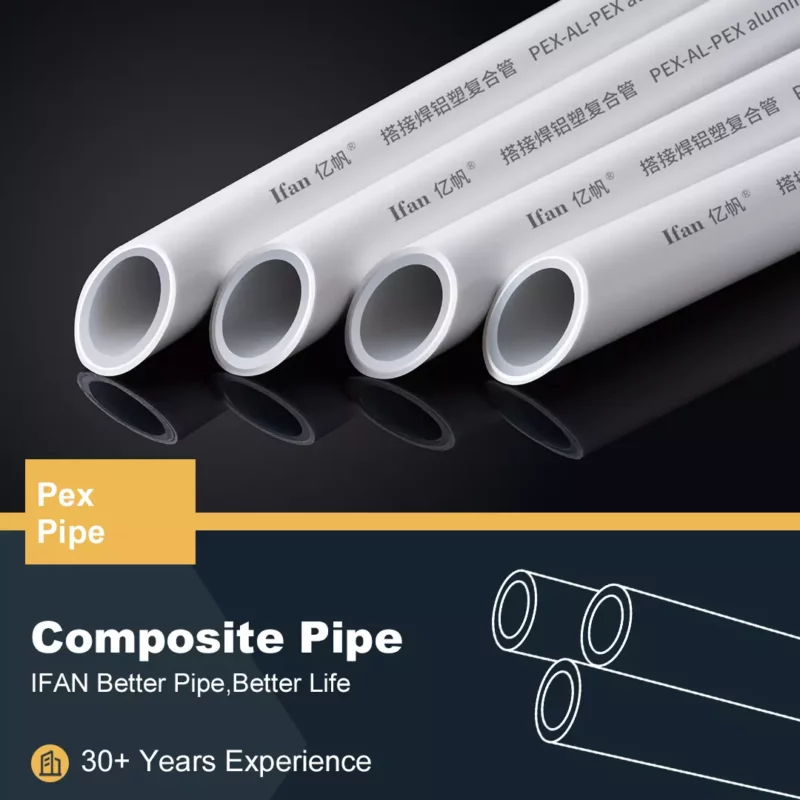
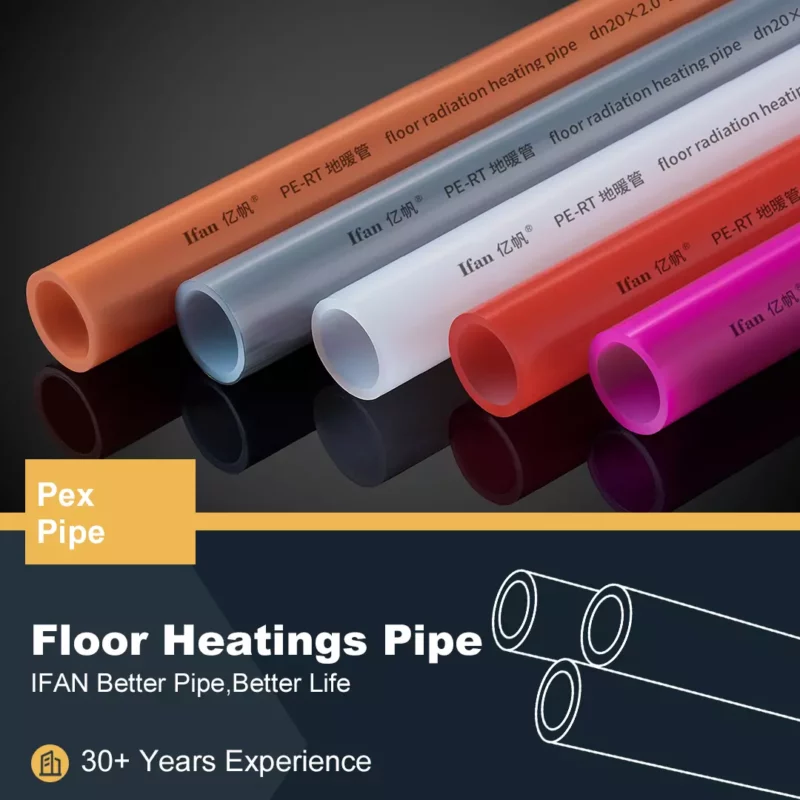
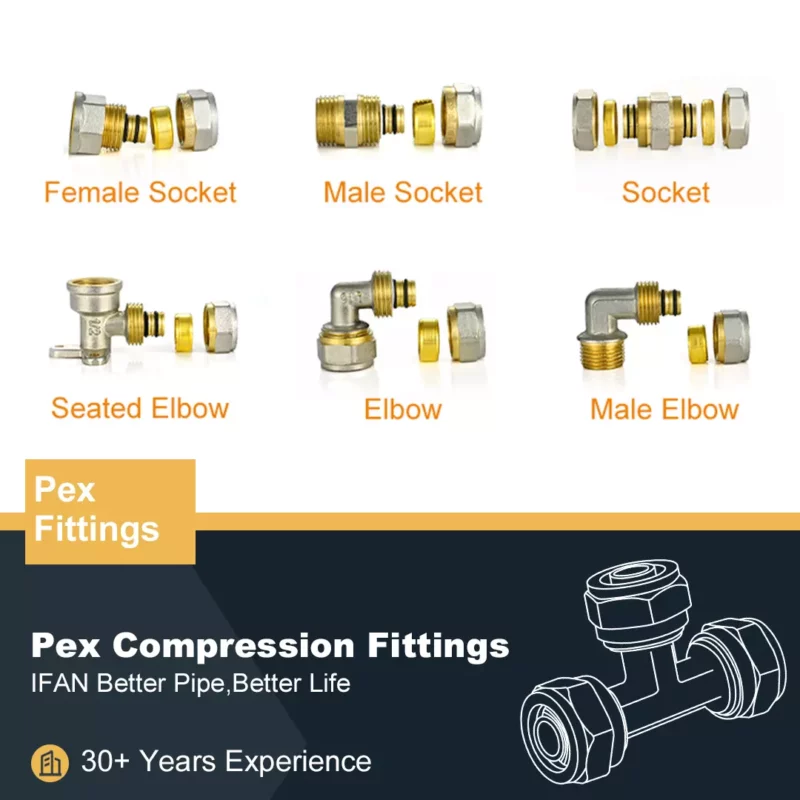
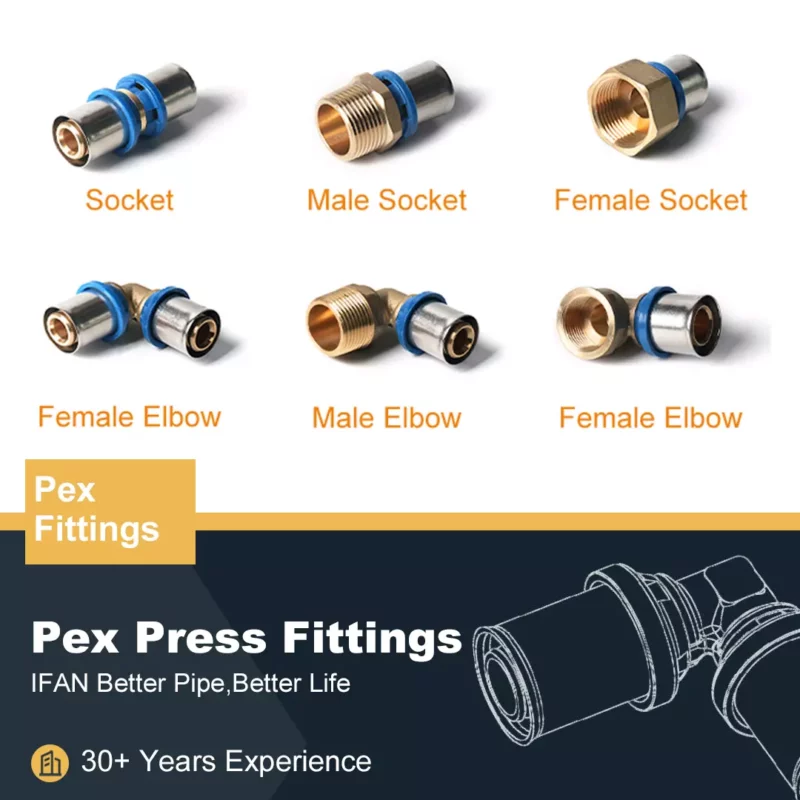
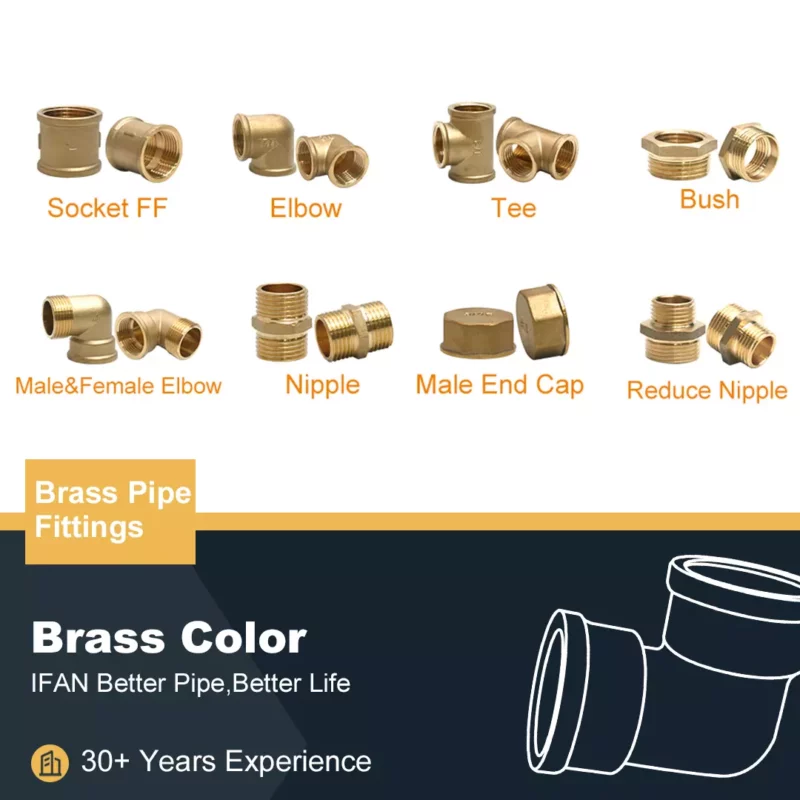
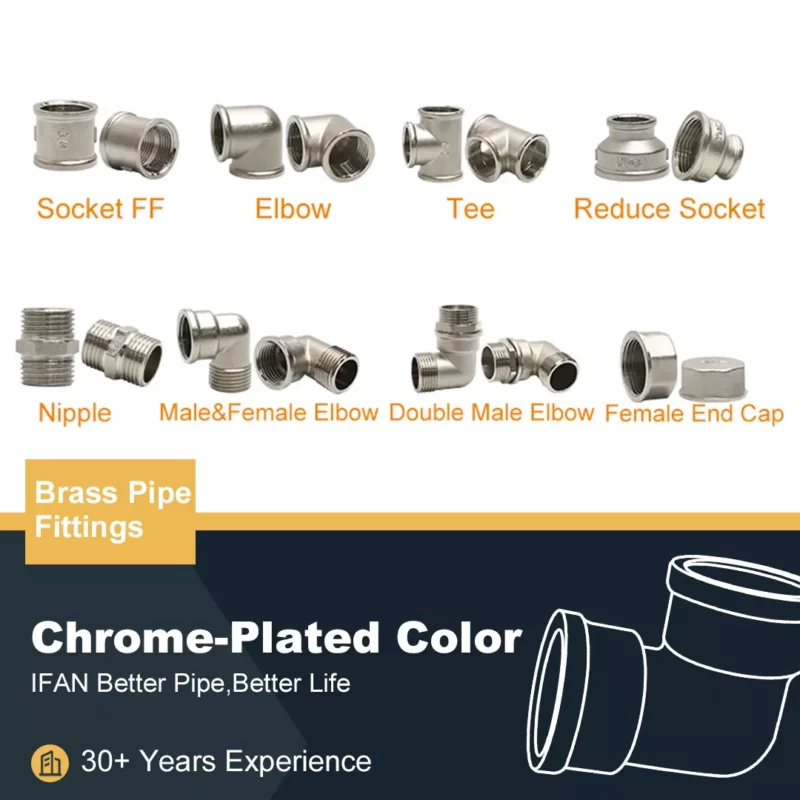
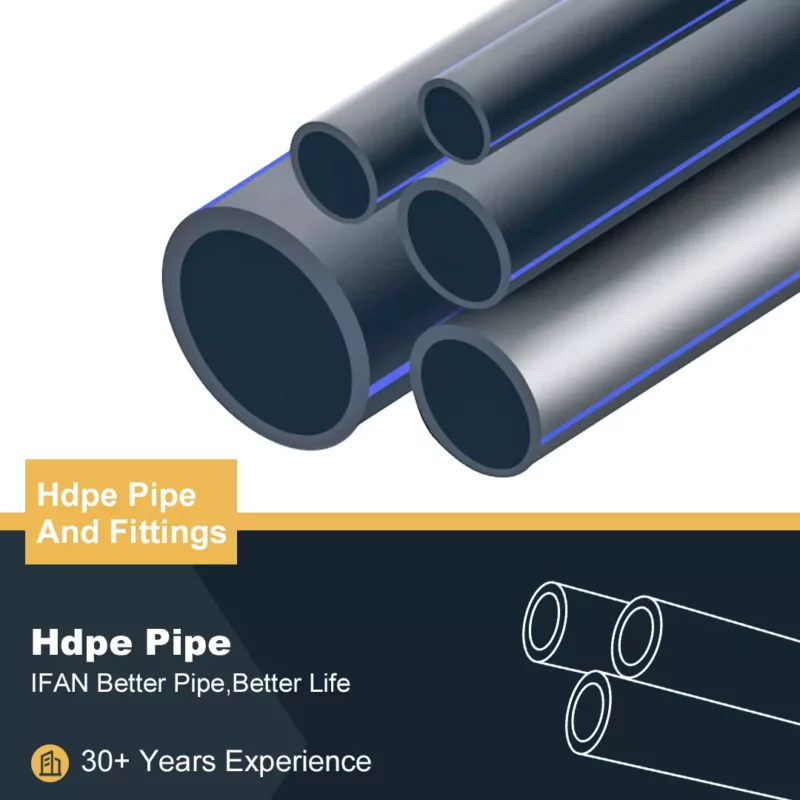
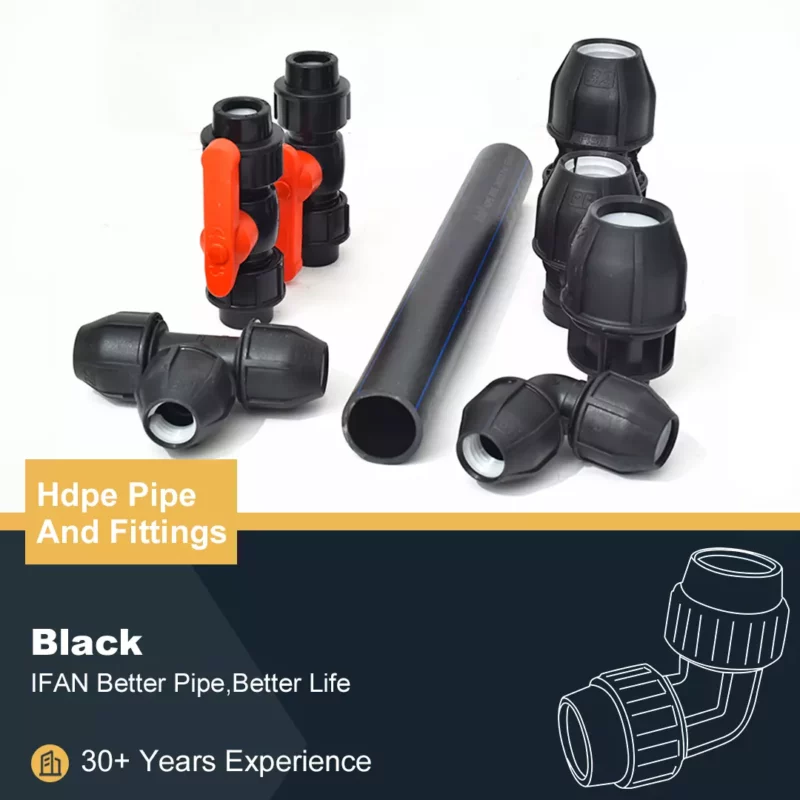
IFAN integrates R&D, production, sales and service, and provides comprehensive plumbing system solutions. The company’s main product lines cover construction engineering, municipal pipelines, agricultural irrigation, home improvement, fire protection, industrial pipelines, gas pipelines, bathrooms and other systems, providing water supply, drainage, waterproofing, floor heating, bathing, hardware plumbing and other modules. The company provides a variety of products such as pipes, pipe fittings, valves, etc., covering PP-R, PVC-U, Ball Valve, Water Tap, PEX, CPVC, PP and other series.
No. 3, Central Road, Diankou Town, Zhuji City, Shaoxing City, Zhejiang Province
1. Our outer boxes are generally in the format of IFAN unified boxes, and OPP bags and cartons are uniformly packaged.
2. Our products usually use different packaging according to different product types.
3. In addition, we can also customize packaging according to different needs. Adopt customer opinions on product packaging, design packaging and customize Logo.
1. IFAN products have deeply covered many countries around the world, with rich product varieties, complete qualifications, and strong brand influence, helping you to expand the market faster.
2. We have a stable sales team and long-term experience, and can grasp customer needs in time.
3. Mutual benefit and win-win can lead to sustainable development.
4. Provide customers with perfect after-sales service
1. From production to shipment, we have advanced production machines and a very strict management system.
2. Our products are designed, molded, and produced in accordance with international standards. Quality control mainly includes the inspection of the first piece, process, packaging, and finished products. Only qualified products are packaged.
3. We not only have our own laboratory for testing, but also send samples to authoritative certification agencies every year to ensure the long-term quality of products.
4. Our products have different connection methods, including glue, hot melt, electric fusion, thread, etc., which can meet different needs.
5. Our product prices are very competitive, and the company provides free samples to let customers see the quality of the products.