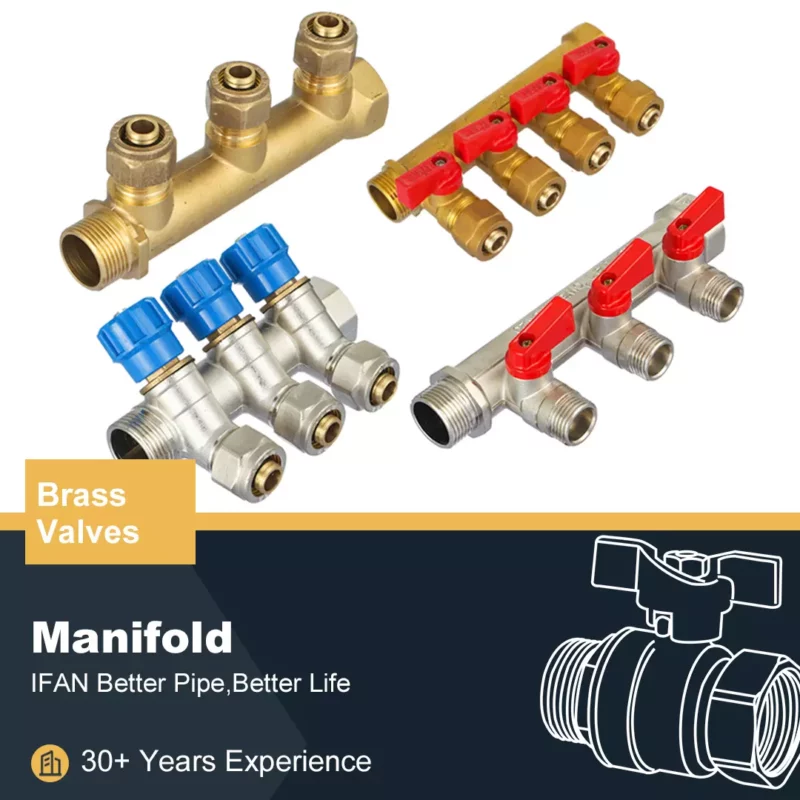




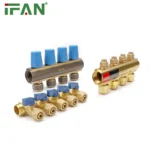
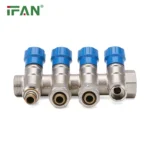
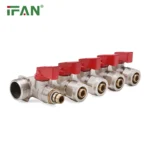
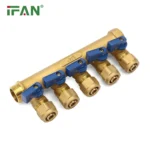
Radiant heating systems are an effective way to warm a space, providing even heat distribution and greater comfort. A brass manifold is a critical component in radiant heating systems, as it distributes heated water to the various loops within the floor. Brass, known for its strength, durability, and resistance to corrosion, is an ideal material for these manifolds. This article explores the importance of using brass manifolds in radiant heating systems, their advantages, and key considerations.
| Product Name | IFAN Brass Manifold |
| Color | Silver or Customized |
| Size | 2-12mm |
| Material | Brass or Customized |
| Package | Opp Bag+Cartoon |
| Brand | IFAN |
| OEM | Aviable |
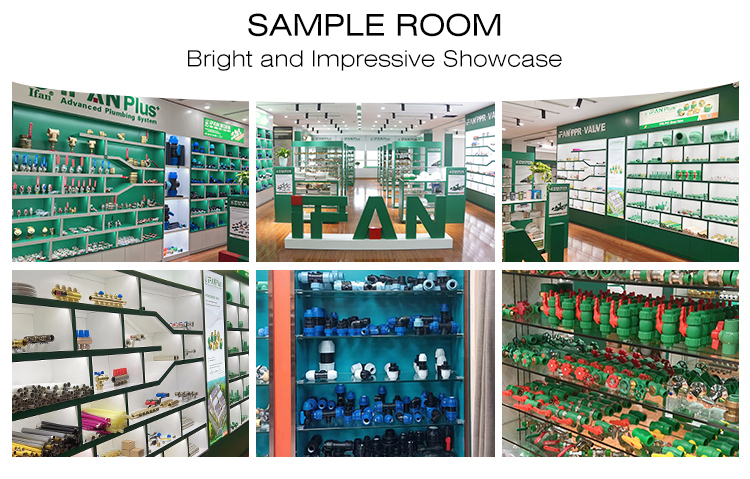
| Sample | Free Provide |
| Contact US | Click here for quotes and product catalogues |
We have 30+ years of plumbing experience, a wide range of products, support customization and free samples. This IFAN Facebook:https://www.facebook.com/IFANPiping, welcome to contact us.
If you are interested in IFAN’s Products, please feel free to send us a message; we will send you the price list and product catalogue in time.
A brass manifold is a device that divides the flow of heated water from a central source into multiple outlets. Each outlet is connected to a loop in the radiant heating system, allowing hot water to circulate through the pipes embedded in the floor. These manifolds are designed to ensure that the water is evenly distributed, maintaining consistent heating throughout the space.
For example, in a home with a radiant floor heating system, the brass manifold receives hot water from a boiler or heat pump. It then directs the water to various zones in the house, ensuring each area is heated evenly.
One of the main reasons brass is used in radiant heating manifolds is its durability. Brass is a strong material that can withstand high water pressures and temperatures. Radiant heating systems operate at relatively high temperatures, and the manifold needs to be able to handle this heat without degrading.
For example, a brass manifold in a system using hot water from a boiler will not warp or crack under pressure, ensuring that the system continues to perform effectively for many years. This durability reduces the need for frequent replacements, making brass a long-term investment.
Corrosion resistance is another major benefit of using brass in radiant heating systems. The manifold is constantly exposed to hot water, and over time, materials that are prone to rust can fail. Brass, however, is highly resistant to corrosion and can maintain its integrity even in environments where other materials might break down.
For instance, in regions with hard water, brass manifolds are less likely to rust or accumulate mineral deposits compared to steel or aluminum. This resistance helps to maintain the efficiency of the heating system and prevents issues like clogs or leaks.
A brass manifold ensures that water is evenly distributed across the various loops in a radiant heating system. This distribution is crucial for maintaining consistent temperatures throughout the space. A well-designed manifold with adjustable flow meters allows for fine-tuning of water flow to each zone, ensuring optimal efficiency.
For example, in a multi-zone radiant heating system, the brass manifold can direct more water to rooms that need additional heating, like larger living areas, and less water to smaller, less-used rooms. This flexibility enhances both comfort and energy efficiency.
Brass manifolds are versatile and can be used in various types of radiant heating systems, whether hydronic (water-based) or electric. In hydronic systems, the brass manifold directs hot water to the floor heating pipes. In electric systems, it can be used for distributing heat to various sections of the system.
For example, in a hydronic radiant heating system, the brass manifold connects to the boiler and directs hot water through PEX pipes embedded in the floor. In a commercial setting, where multiple rooms need heating, brass manifolds ensure that each room receives the necessary amount of heat.
Brass manifolds are relatively easy to install and require minimal maintenance. The manifolds typically come with clear instructions, and they can be fitted by both professionals and experienced DIYers. Once installed, they require little upkeep, as brass does not require special care to maintain its performance.
For instance, in a residential radiant heating system, the brass manifold can be mounted in a utility room and connected to the central heating system. After installation, regular checks for leaks and ensuring the flow meters are functioning properly are usually sufficient.
Many brass manifolds come with built-in flow meters and shut-off valves, allowing users to control the amount of water that flows to each zone. This feature is particularly useful in radiant heating systems, where different areas of the building may require different heating levels.
For example, in a home with a large open-plan living space and several smaller rooms, the brass manifold can be adjusted so that the larger area receives more heated water, while the smaller rooms get less. This level of control optimizes the system’s performance, preventing energy waste.
While brass manifolds may cost more initially than alternatives made from plastic or aluminum, they offer long-term value due to their durability and resistance to corrosion. Over time, the brass manifold will require fewer repairs or replacements, making it a cost-effective choice for homeowners.
For example, in a large home with a radiant heating system, a brass manifold can continue to function effectively for decades, while a plastic manifold may need to be replaced every few years. This longevity makes brass a worthwhile investment for those looking for a reliable and low-maintenance heating system.
When selecting a brass manifold for a radiant heating system, there are a few important factors to consider. First, ensure that the manifold has enough outlets to accommodate the number of zones or rooms in the system. The manifold should also be compatible with the type of piping used in the radiant heating system, whether PEX or other materials.
Next, consider the flow rate and temperature requirements of the system. A manifold that can handle the required flow rate and temperature will ensure efficient heat distribution. Additionally, ensure that the manifold is designed to withstand the pressures involved in your heating system.
For instance, in a large home with multiple zones, you may need a manifold with several outlets to manage the distribution of water effectively. A professional installer can help ensure that the manifold you choose meets your system’s requirements.
While brass manifolds are low-maintenance, occasional checks for issues are necessary. Common issues include leaks, blockages, or improper flow rates. Regularly check for leaks around the manifold connections and verify that the flow meters are working correctly.
For example, if one room in your radiant heating system is cooler than the others, it may indicate a problem with the flow to that zone. By adjusting the flow meter on the brass manifold, you can increase the amount of hot water directed to the room, restoring balanced heating.
A brass manifold is an essential component in radiant heating systems, offering durability, corrosion resistance, and efficient water distribution. Brass ensures that the manifold can withstand high temperatures and pressures while maintaining consistent performance over time. Its versatility, ease of installation, and long-term value make it a popular choice for radiant heating systems in both residential and commercial settings.
When choosing a brass manifold, consider the number of outlets, flow rate, and compatibility with your radiant heating system. With proper installation and maintenance, a brass manifold can provide years of reliable service, contributing to the efficiency and comfort of your heating system.
IFAN integrates R&D, production, sales and service, and provides comprehensive plumbing system solutions. The company’s main product lines cover construction engineering, municipal pipelines, agricultural irrigation, home improvement, fire protection, industrial pipelines, gas pipelines, bathrooms and other systems, providing water supply, drainage, waterproofing, floor heating, bathing, hardware plumbing and other modules. The company provides a variety of products such as pipes, pipe fittings, valves, etc., covering PP-R, PVC-U, Ball Valve, Water Tap, PEX, CPVC, PP and other series.
No. 3, Central Road, Diankou Town, Zhuji City, Shaoxing City, Zhejiang Province
1. Our outer boxes are generally in the format of IFAN unified boxes, and OPP bags and cartons are uniformly packaged.
2. Our products usually use different packaging according to different product types.
3. In addition, we can also customize packaging according to different needs. Adopt customer opinions on product packaging, design packaging and customize Logo.
1. IFAN products have deeply covered many countries around the world, with rich product varieties, complete qualifications, and strong brand influence, helping you to expand the market faster.
2. We have a stable sales team and long-term experience, and can grasp customer needs in time.
3. Mutual benefit and win-win can lead to sustainable development.
4. Provide customers with perfect after-sales service
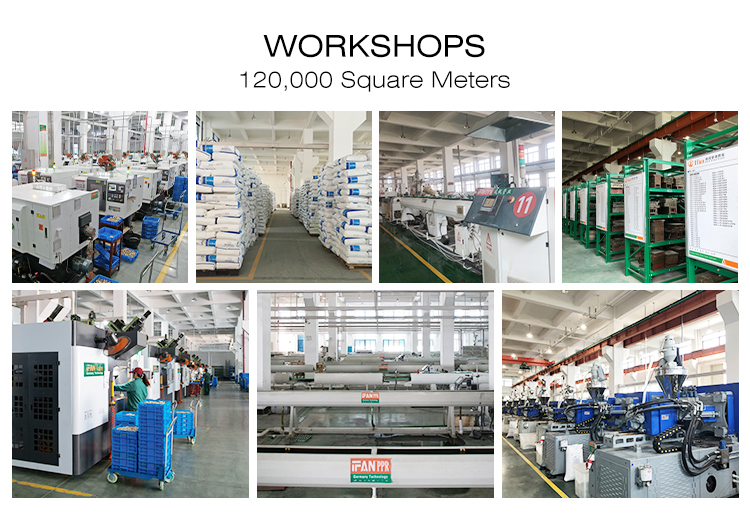
1. From production to shipment, we have advanced production machines and a very strict management system.
2. Our products are designed, molded, and produced in accordance with international standards. Quality control mainly includes the inspection of the first piece, process, packaging, and finished products. Only qualified products are packaged.
3. We not only have our own laboratory for testing, but also send samples to authoritative certification agencies every year to ensure the long-term quality of products.
4. Our products have different connection methods, including glue, hot melt, electric fusion, thread, etc., which can meet different needs.
5. Our product prices are very competitive, and the company provides free samples to let customers see the quality of the products.