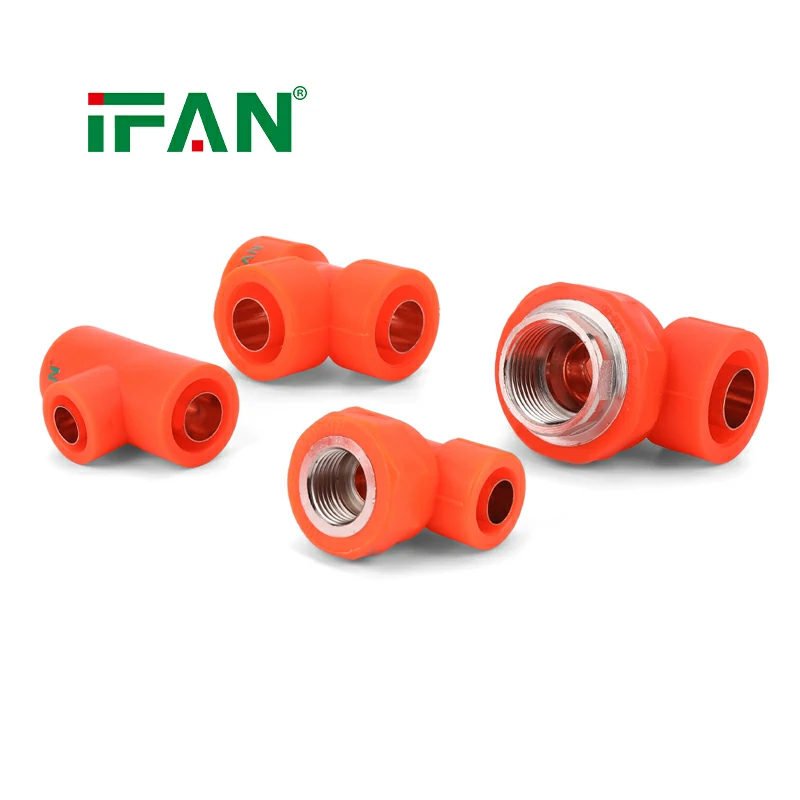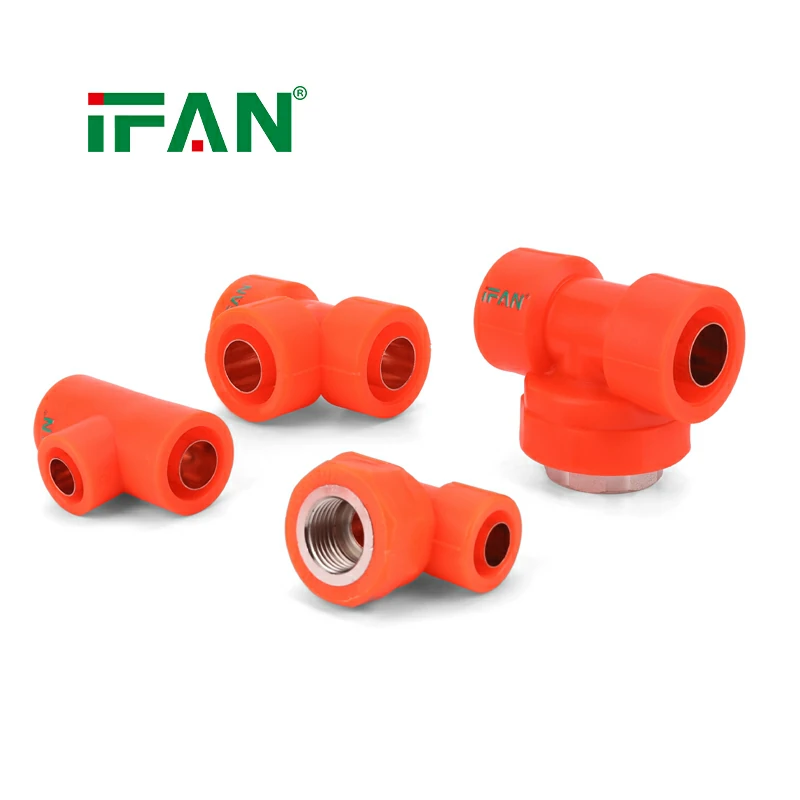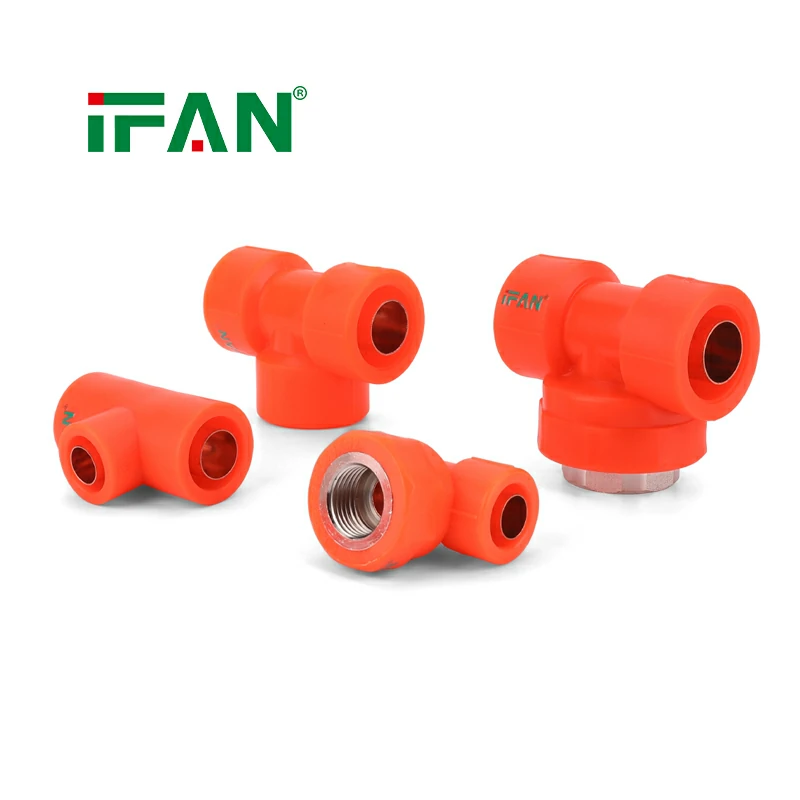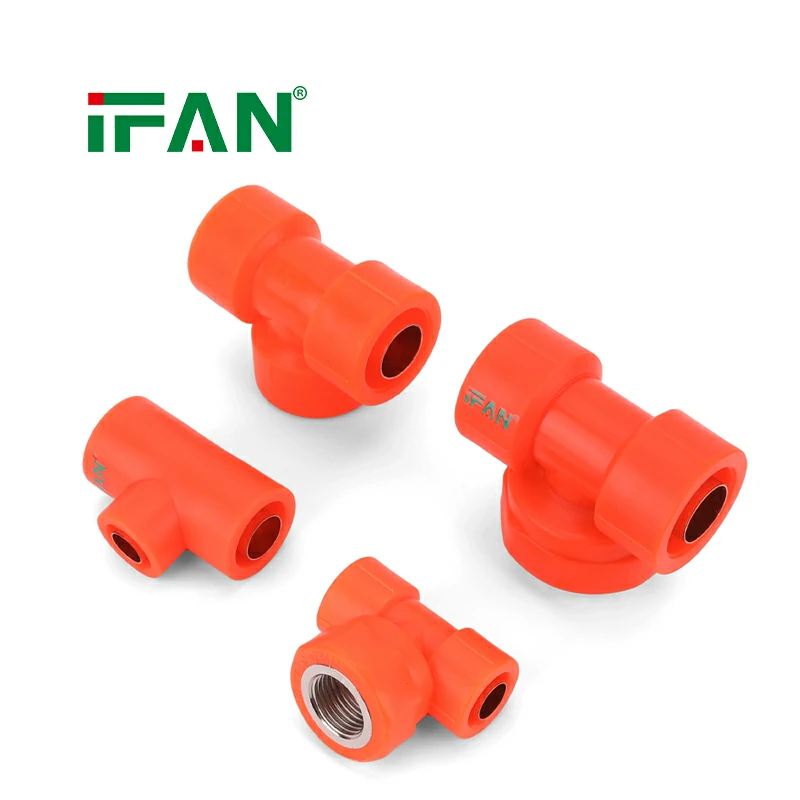


PPR Fittings
Modern plumbing systems demand materials that can deliver stable performance under continuous water flow, pressure changes, and long service life. PPR fittings for plumbing (Polypropylene Random Copolymer fittings) have become a widely adopted solution due to their corrosion resistance, hygienic properties, and reliable fusion-based connection system. However, to ensure a safe and efficient installation, it is essential to understand how compatibility works, where these fittings are used, and how to select the right products for different plumbing environments.
What Are PPR Fittings in Plumbing Systems?
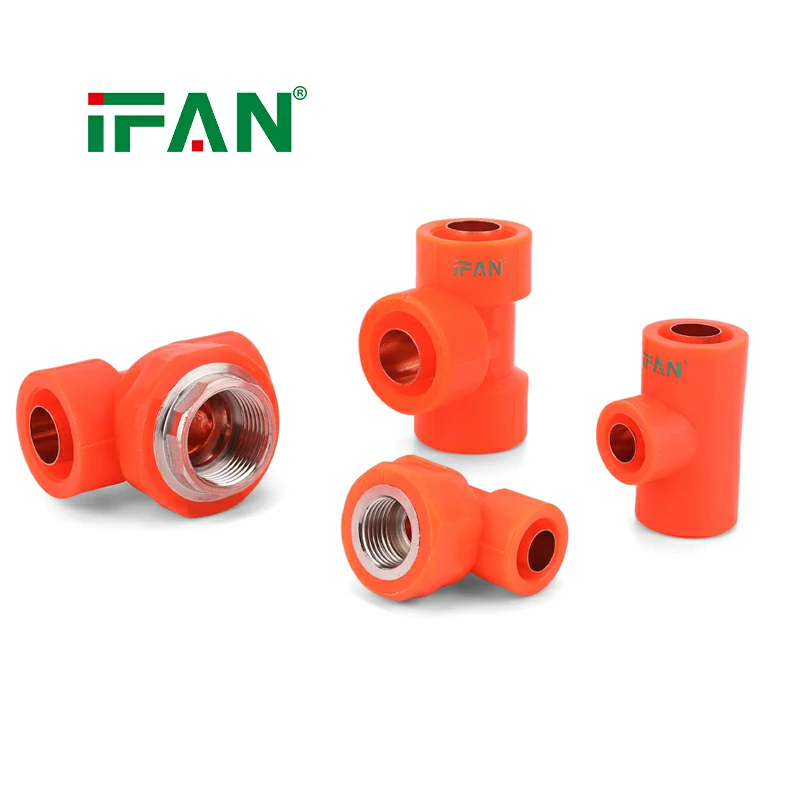
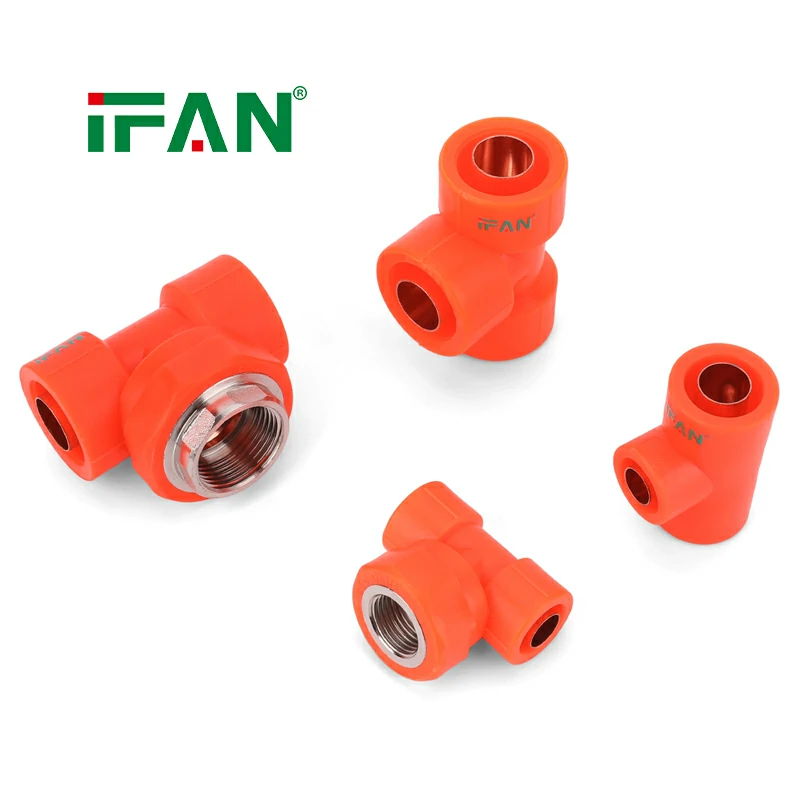
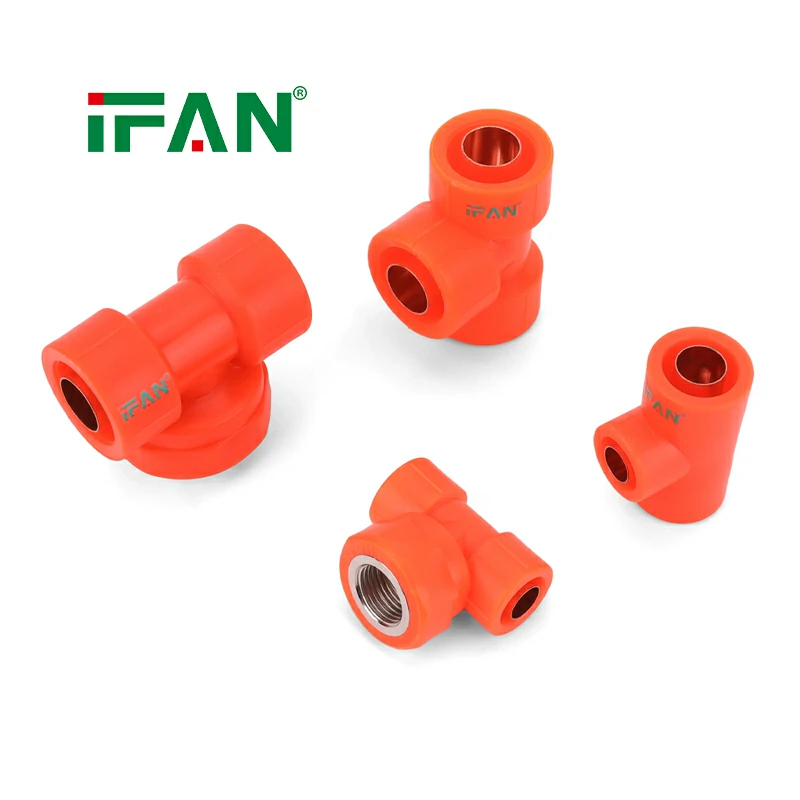
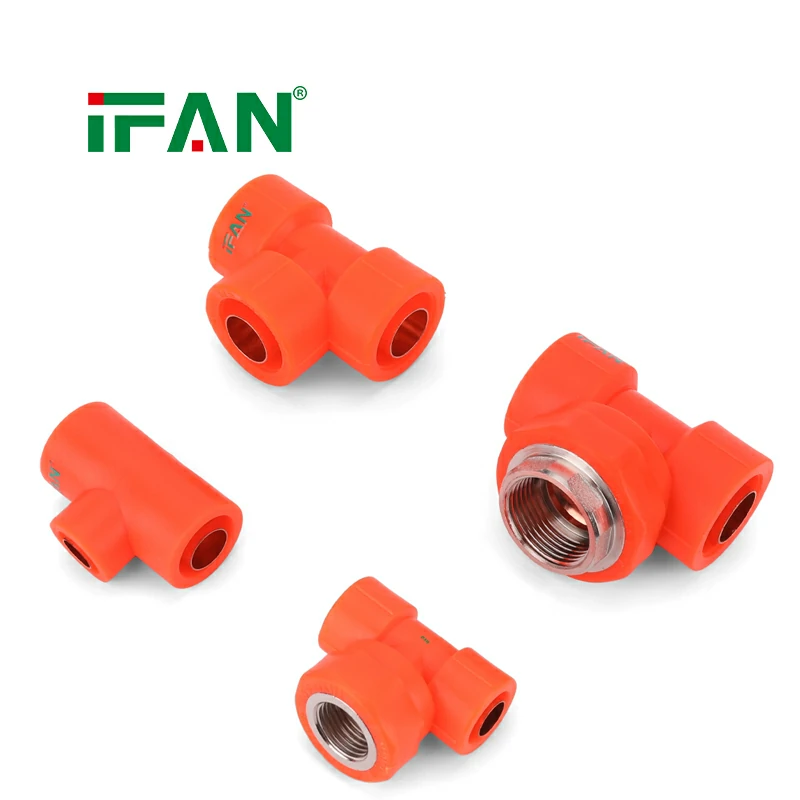
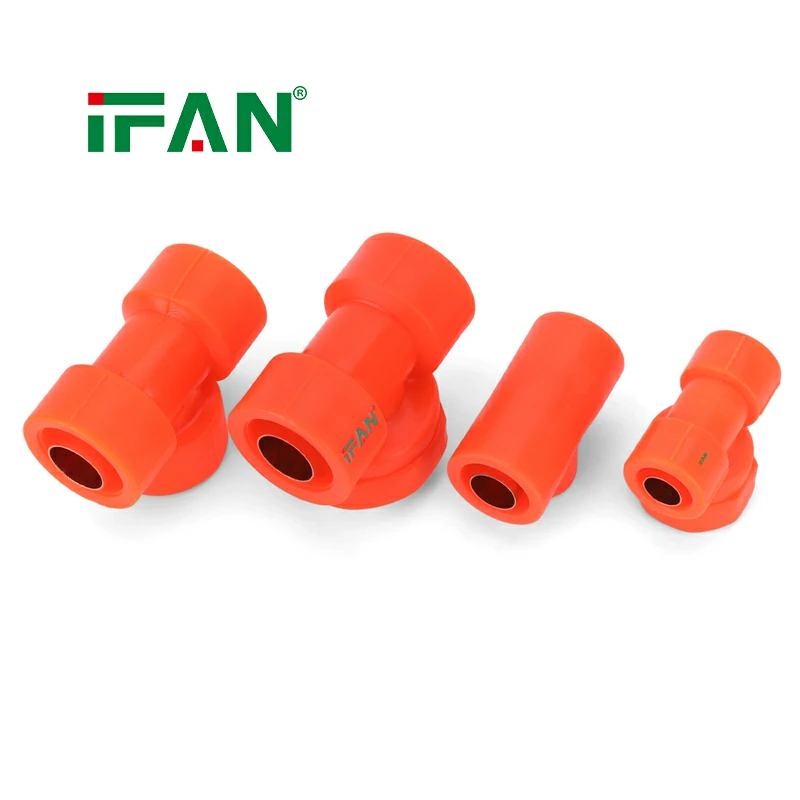
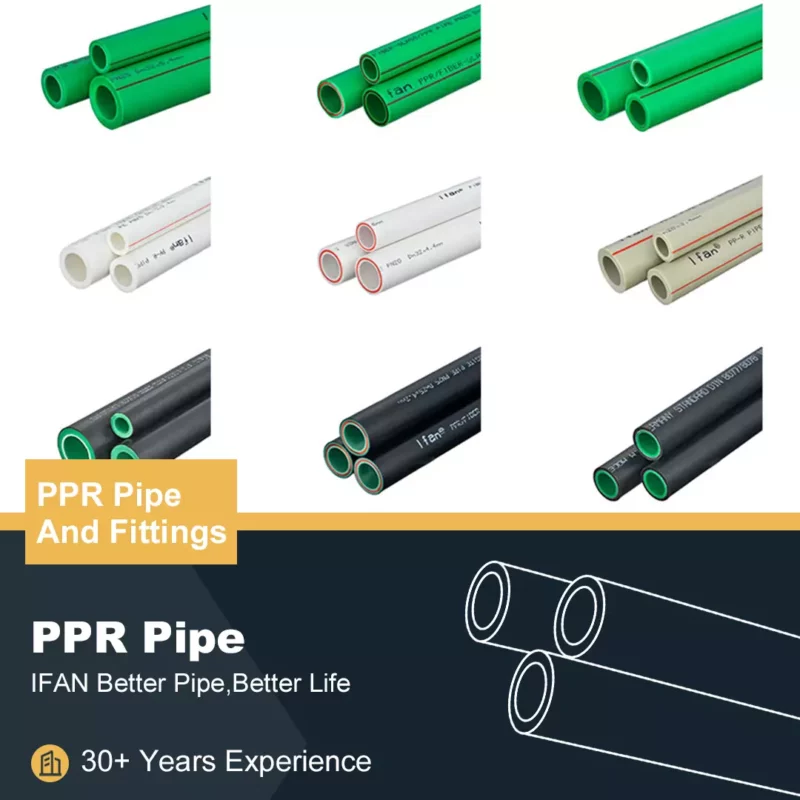
PPR fittings are connection components designed to join PPR pipes into a complete water distribution system. They use a thermal fusion process where both pipe and fitting are heated and then permanently joined, forming a homogeneous structure.
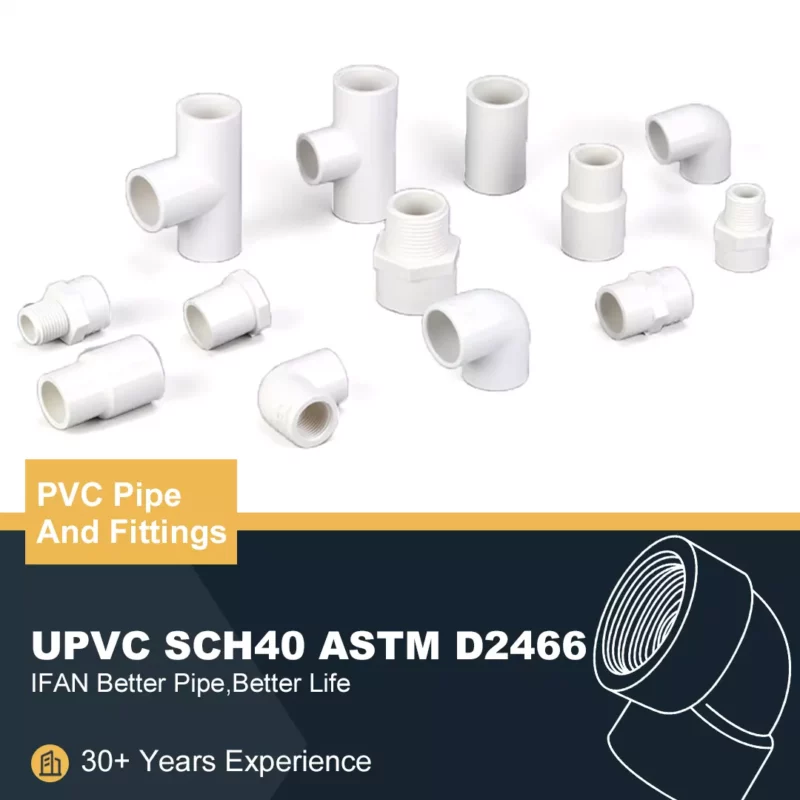
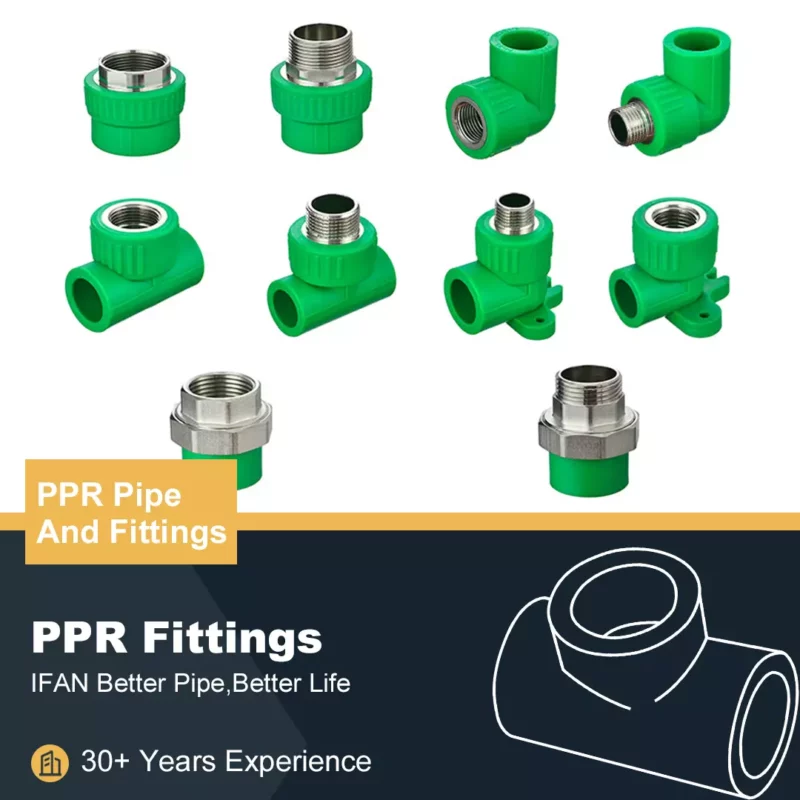
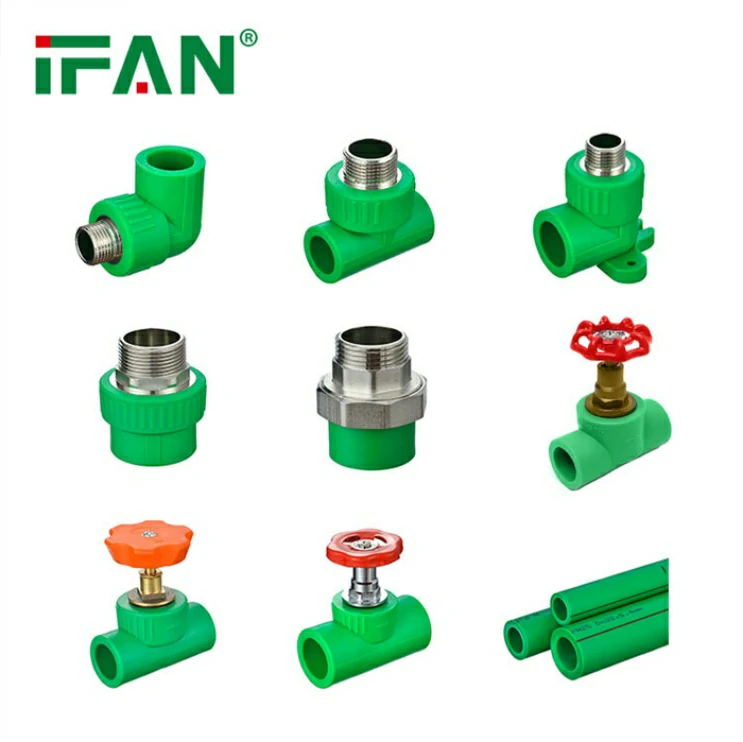
Common plumbing fittings include:
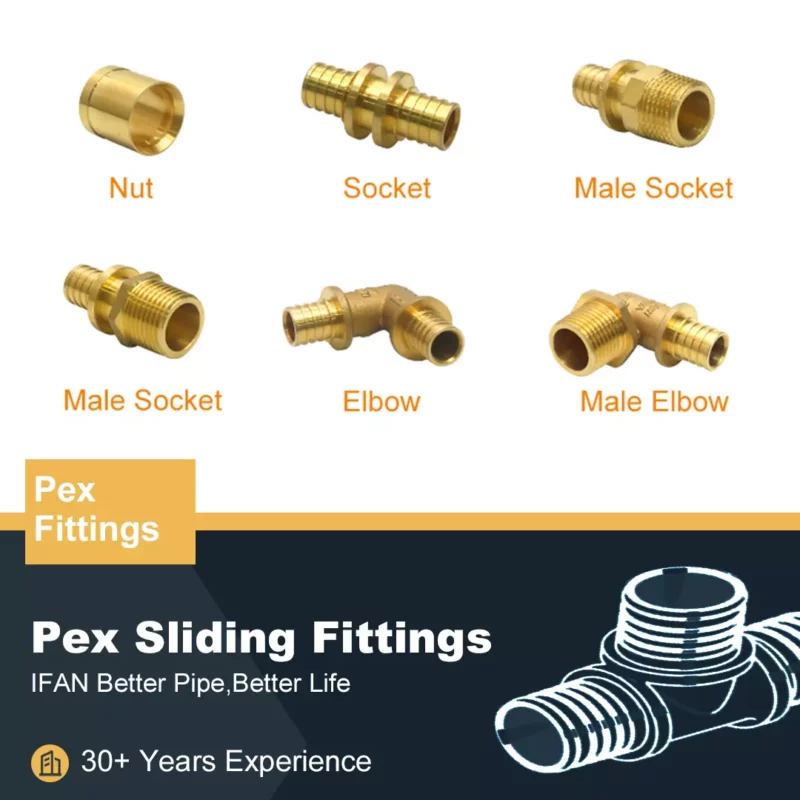
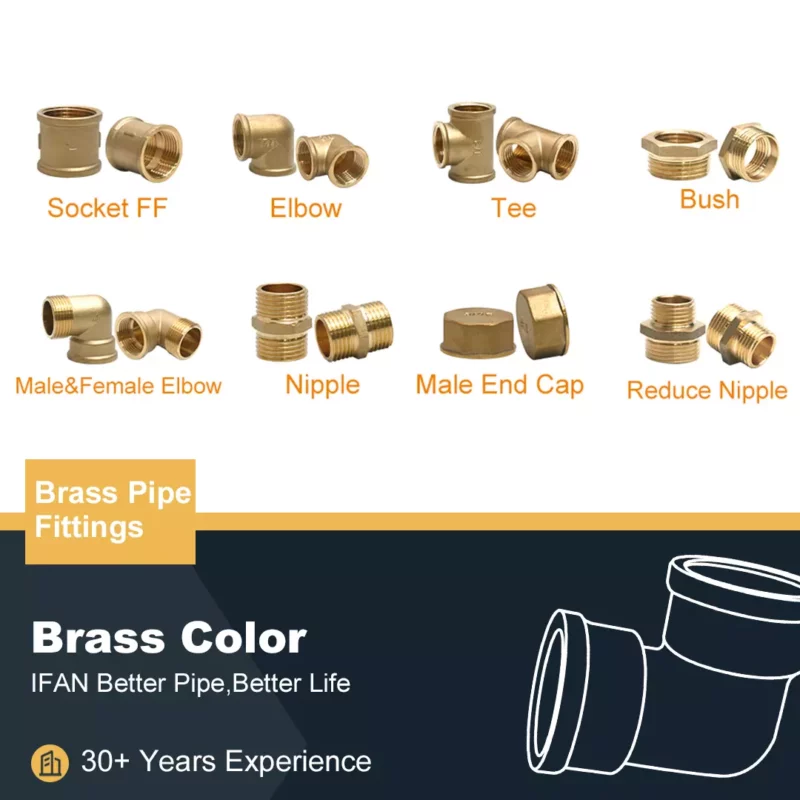
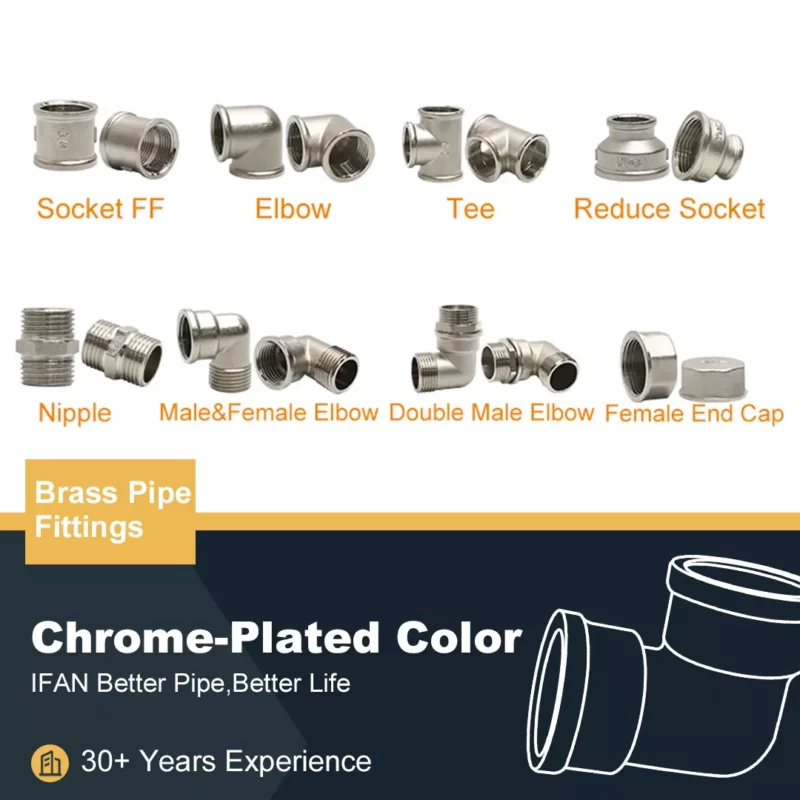
- Elbows for directional changes in pipelines
- Tees for branching water supply lines
- Couplings for straight pipe connections
- Reducers for size transitions
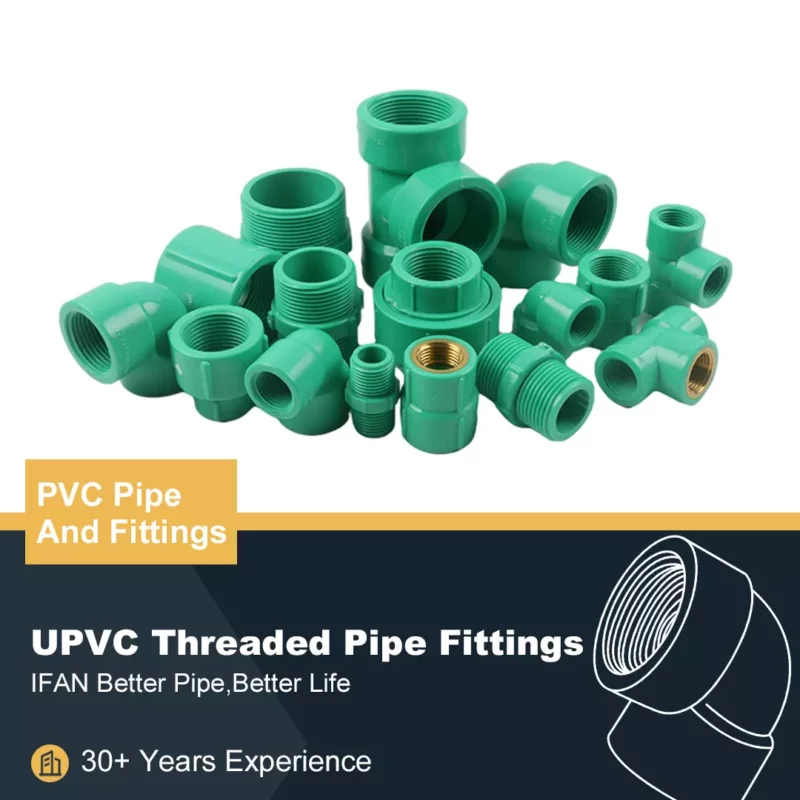
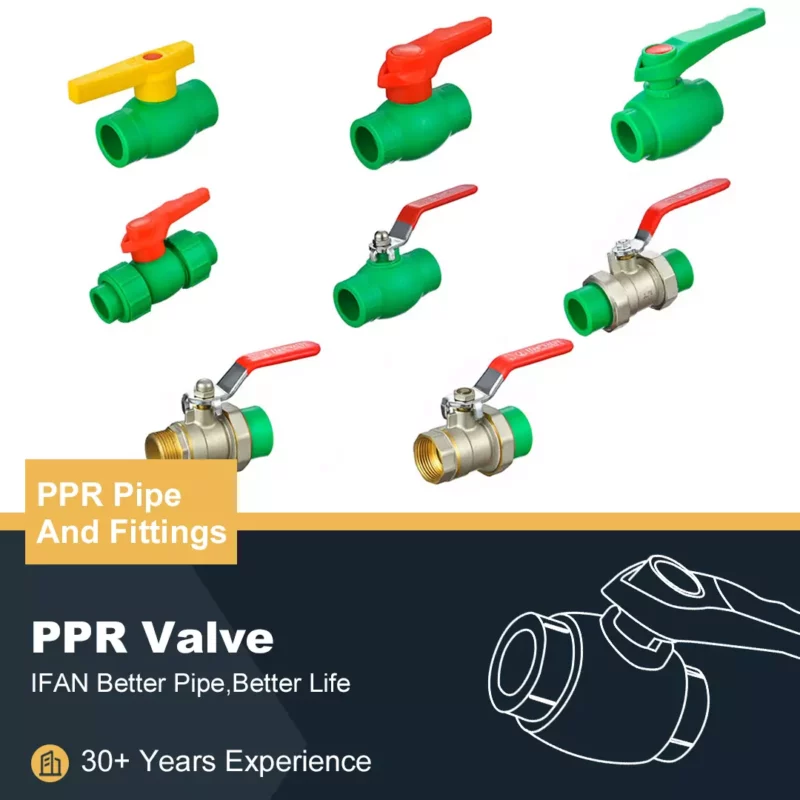
- Threaded adapters for connecting valves or metal fixtures
This fusion method eliminates rubber seals and adhesives, reducing long-term leakage risks.
Compatibility of PPR Fittings in Plumbing Systems
1. Pipe Matching Compatibility
Correct compatibility between pipes and fittings ensures structural integrity. Key factors include:
- Diameter matching (e.g., 20mm, 25mm, 32mm, etc.)
- Pressure classification (PN10, PN16, PN20)
- Wall thickness alignment (SDR standard)
Even small mismatches can weaken joints and reduce system lifespan.
2. Compatibility with Other Plumbing Materials
In real plumbing projects, PPR systems often connect with other materials. This is achieved using:
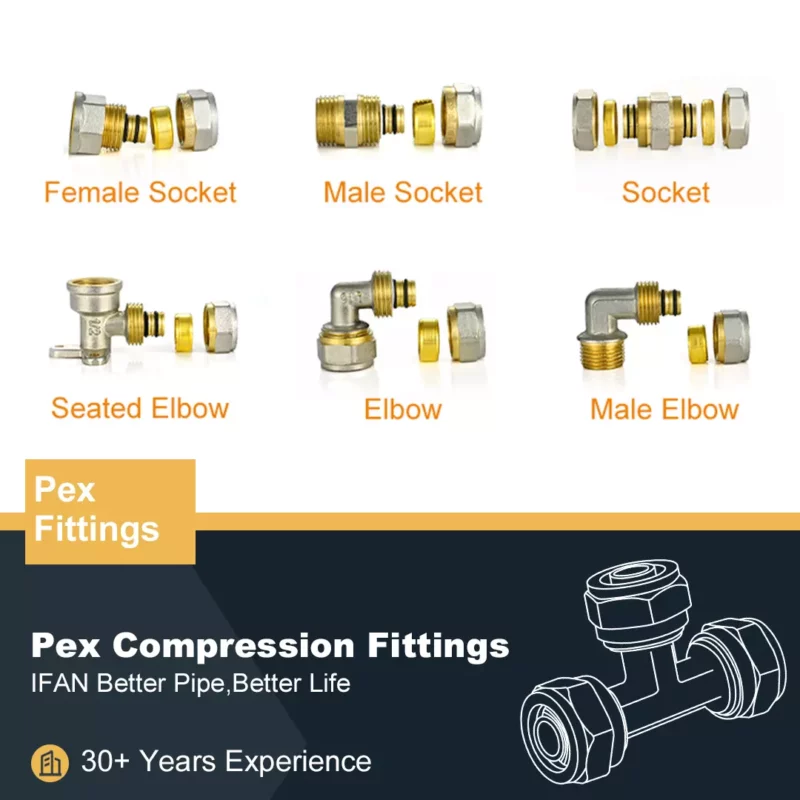
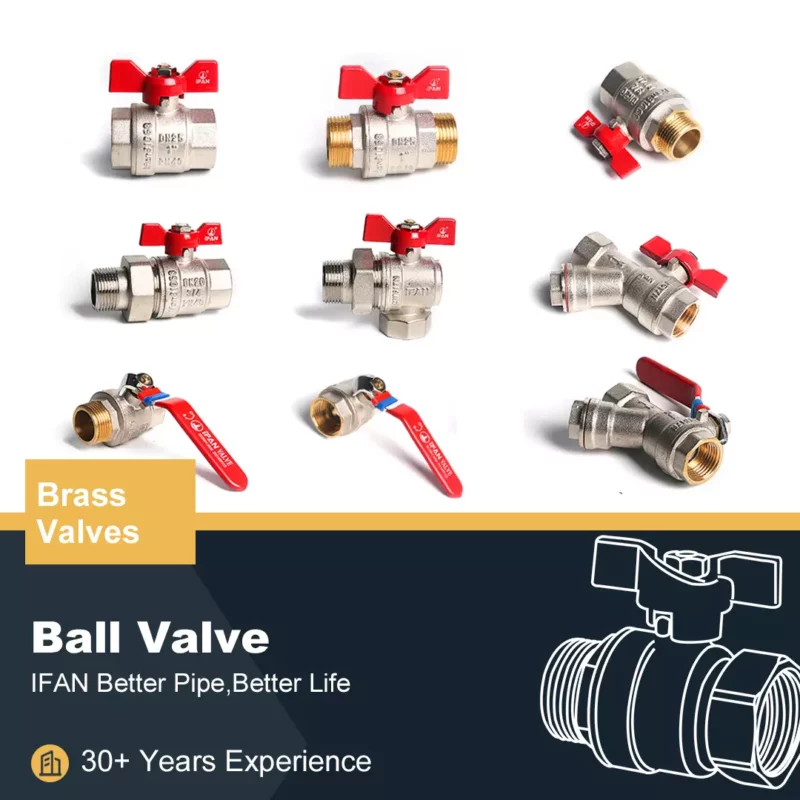
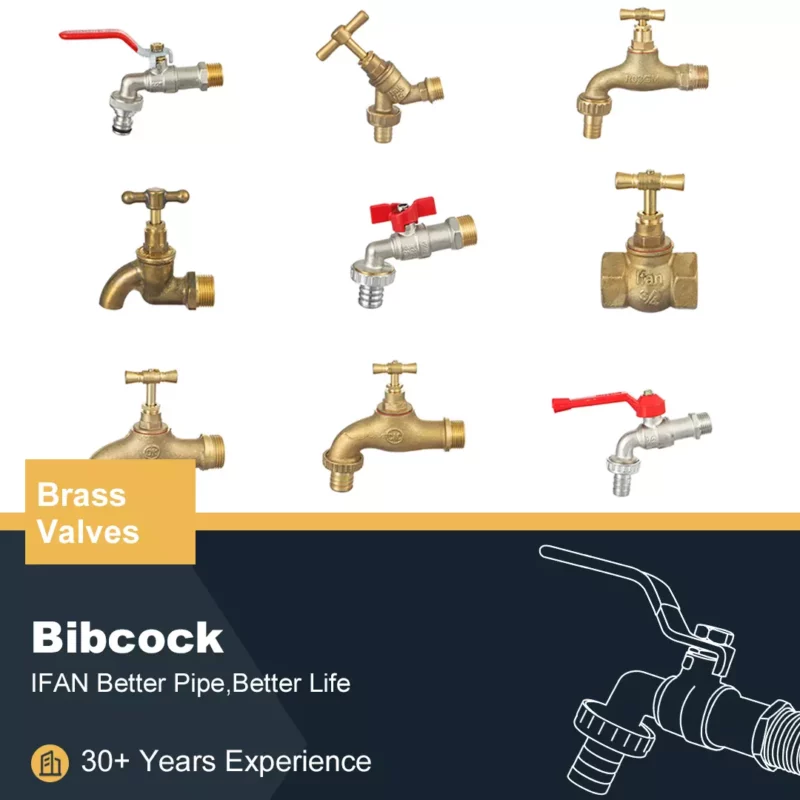
- Brass insert fittings for metal valves and faucets
- Threaded adapters for sanitary fixtures
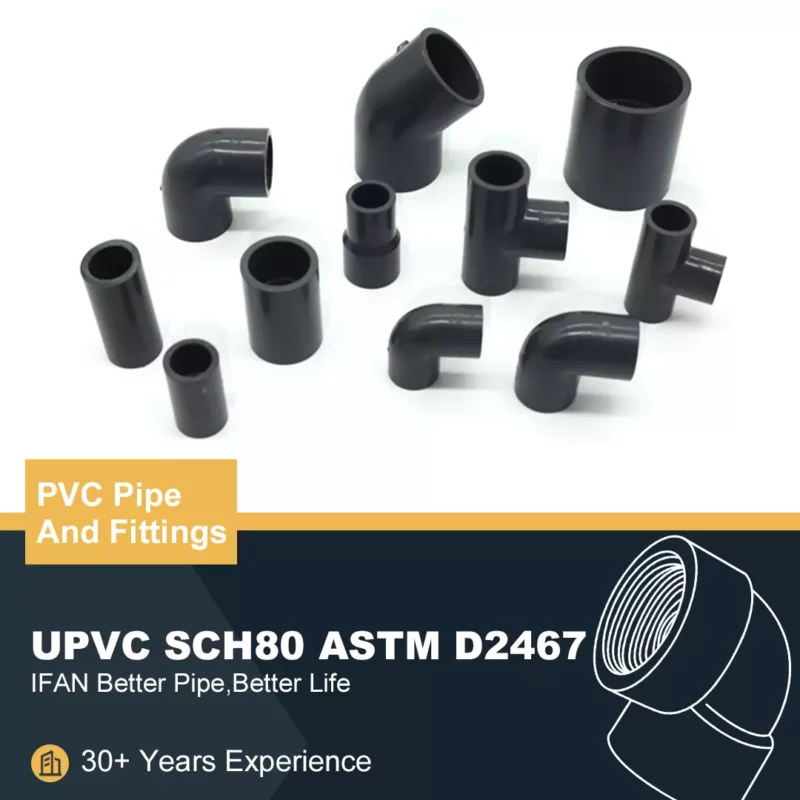
- Transition fittings for copper or PVC pipelines
Proper sealing techniques must be applied to avoid leakage at transition points.
3. Temperature and Pressure Compatibility
PPR fittings perform reliably under controlled conditions:
- Cold water distribution systems
- Hot water systems (typically up to 70–95°C depending on grade)
- Pressure-rated systems defined by PN classification
Selecting the correct rating ensures safety and prevents deformation under stress.
Common Uses of PPR Fittings in Plumbing
Residential Plumbing Systems
In homes, PPR fittings are widely used for:
- Drinking water supply lines
- Bathroom and kitchen plumbing
- Water heater connections
Their hygienic and non-toxic properties make them suitable for potable water systems.
Commercial Buildings
In offices, hotels, and public facilities, PPR plumbing systems support:
- Centralized water distribution
- Hot water circulation networks
- Sanitary piping infrastructure for multiple units
Their durability reduces maintenance downtime in high-usage environments.
Heating and HVAC Systems
PPR fittings are commonly used in:
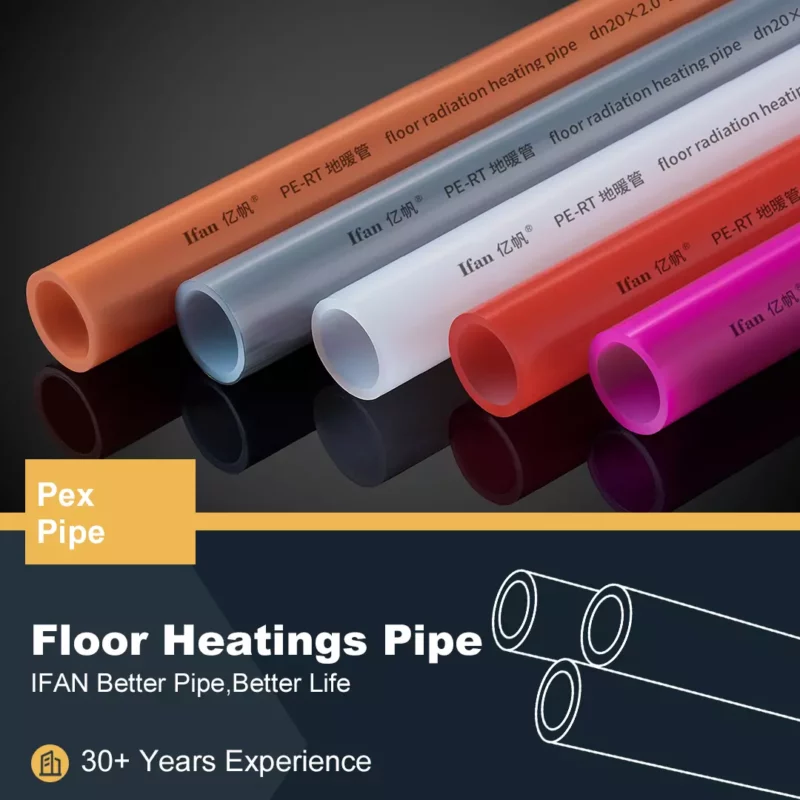
- Underfloor heating systems
- Radiator distribution loops
- Low-temperature hydronic systems
They maintain stability under repeated heating and cooling cycles.
Light Industrial Plumbing
In controlled industrial environments, PPR fittings are used for:
- Process water pipelines
- Non-corrosive fluid transport
- Utility water systems
Their resistance to scaling and chemical corrosion makes them suitable for stable media transport.
Selection Advice for PPR Plumbing Fittings
1. Identify System Requirements First
Before choosing fittings, define:
- Type of installation (residential, commercial, industrial)
- Water temperature range
- Working pressure conditions
- Flow capacity requirements
This ensures correct specification from the start.
2. Choose the Correct Pressure Rating
Pressure class is critical for system safety:
- PN10: low-pressure applications
- PN16: standard plumbing systems
- PN20: high-pressure or hot water systems
Always select a rating above expected working pressure for safety margin.
3. Check Material Quality
High-quality PPR fittings should:
- Be made from 100% virgin polypropylene
- Have uniform wall thickness
- Comply with ISO or DIN standards
- Show no impurities or recycled material defects
Material quality directly impacts durability and leak resistance.
4. Ensure Proper Installation Compatibility
Since PPR systems rely on heat fusion, confirm:
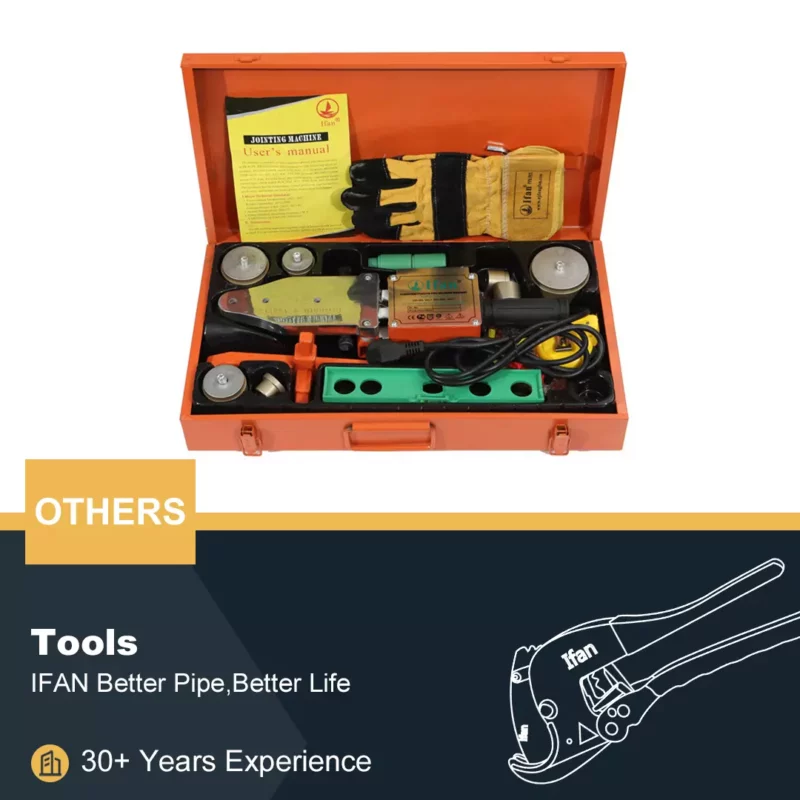
- Availability of welding tools
- Correct heating temperature control
- Skilled installation practices
Poor installation significantly reduces system performance.
5. Consider Long-Term Maintenance Needs
Choose fittings that:
- Are widely available in standard sizes
- Allow easy system expansion or repair
- Offer consistent compatibility across suppliers
Standardization simplifies long-term maintenance.
Common Mistakes to Avoid
- Selecting fittings based only on price
- Ignoring pressure and temperature ratings
- Mixing incompatible pipe systems
- Using non-certified products
- Improper fusion welding techniques
Avoiding these mistakes greatly improves system reliability.
Installation Best Practices
Professional installers follow key steps:
- Clean pipe ends before fusion
- Use calibrated welding tools
- Maintain correct heating and cooling times
- Avoid twisting joints after fusion
- Conduct pressure testing before system use
Proper installation ensures long-term leak-free performance.
Conclusion
PPR fittings for plumbing provide a reliable, durable, and hygienic solution for modern water distribution systems. Their success depends on correct compatibility, proper selection, and precise installation. By understanding system requirements and choosing high-quality, correctly rated fittings, users can build plumbing networks that deliver stable performance, low maintenance, and long service life across residential, commercial, and industrial applications.
Contact:
We will reply your email or fax within 24 hours.
You can call us at any time if there is any question on our production.
For more information,pls visit our webside.
Pls Mail to: [email protected]