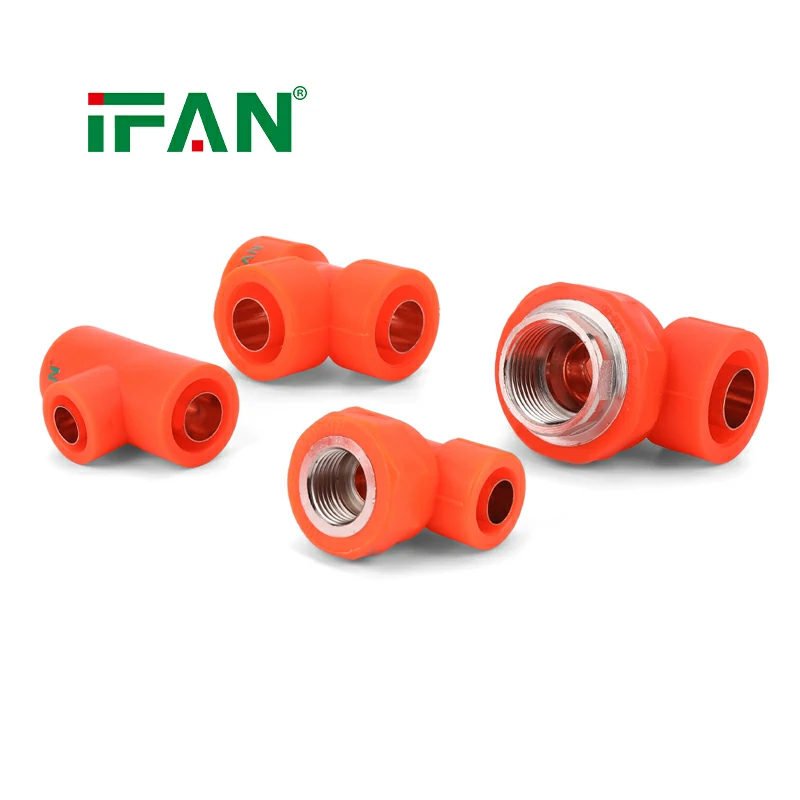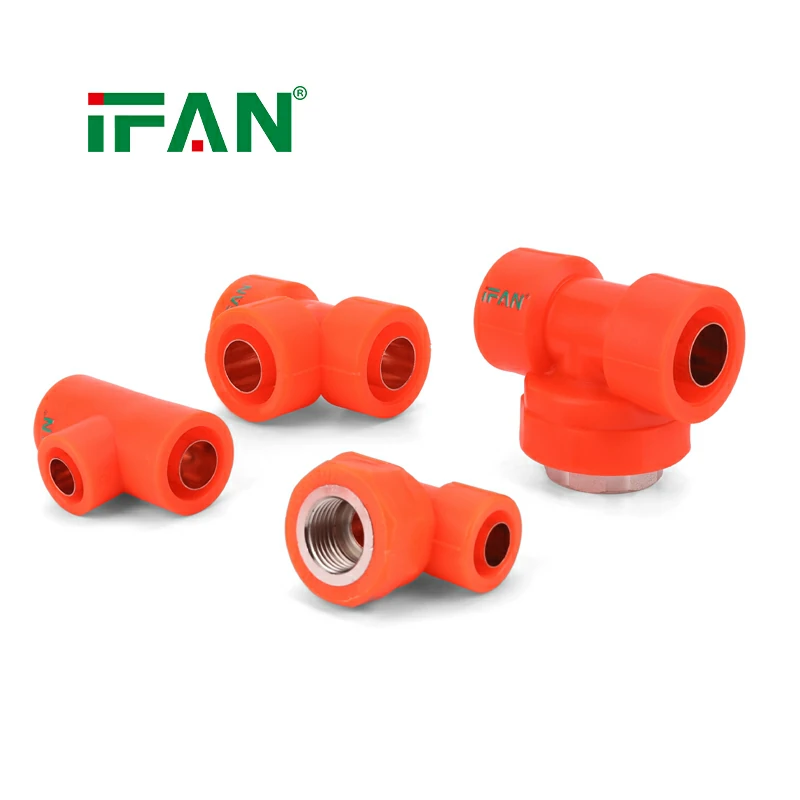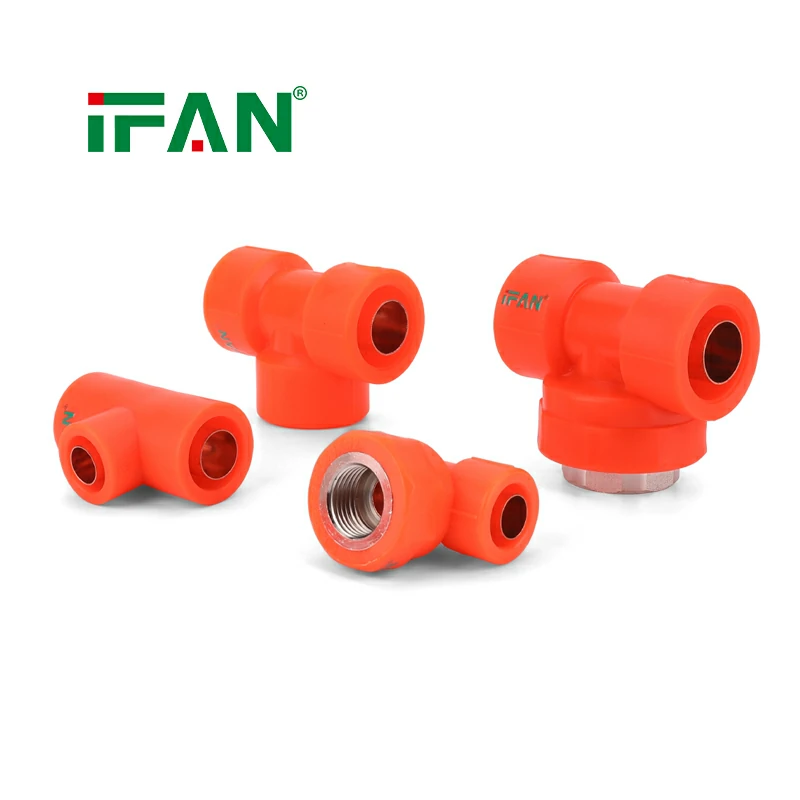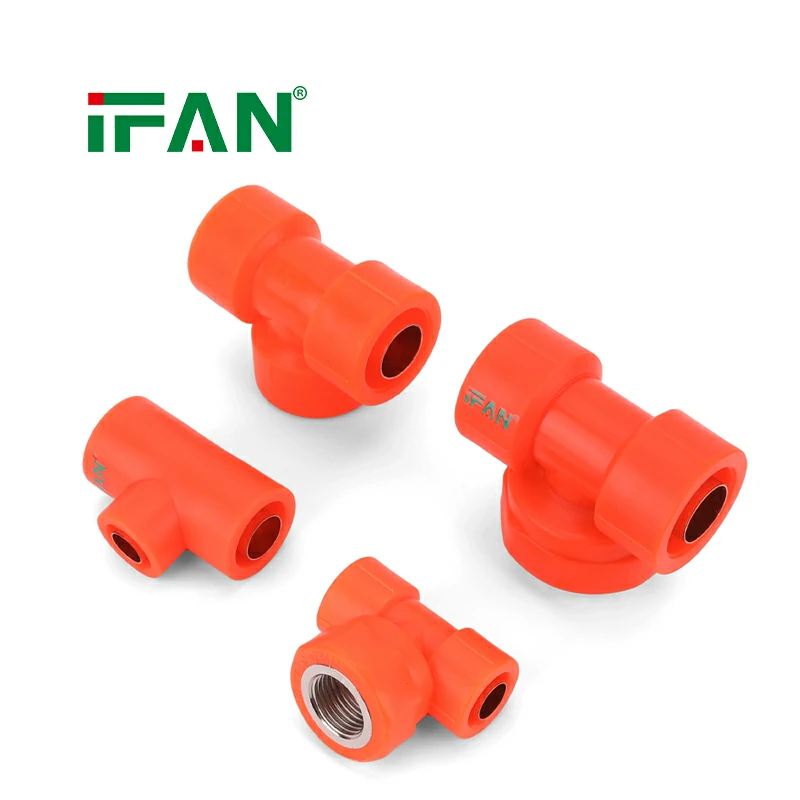


In today’s world, environmental sustainability is a growing concern, particularly in industries that impact natural resources. Plumbing systems, often using materials like metal or PVC, have a significant environmental footprint. However, UPVC (Unplasticized Polyvinyl Chloride) fittings are changing this trend by offering an eco-friendly and non-toxic solution. UPVC fittings are becoming increasingly popular due to their durability, resistance to corrosion, and low environmental impact. This article will explore how UPVC fittings are both eco-friendly and non-toxic, making them a smart choice for sustainable plumbing systems.
What Are UPVC Fittings?
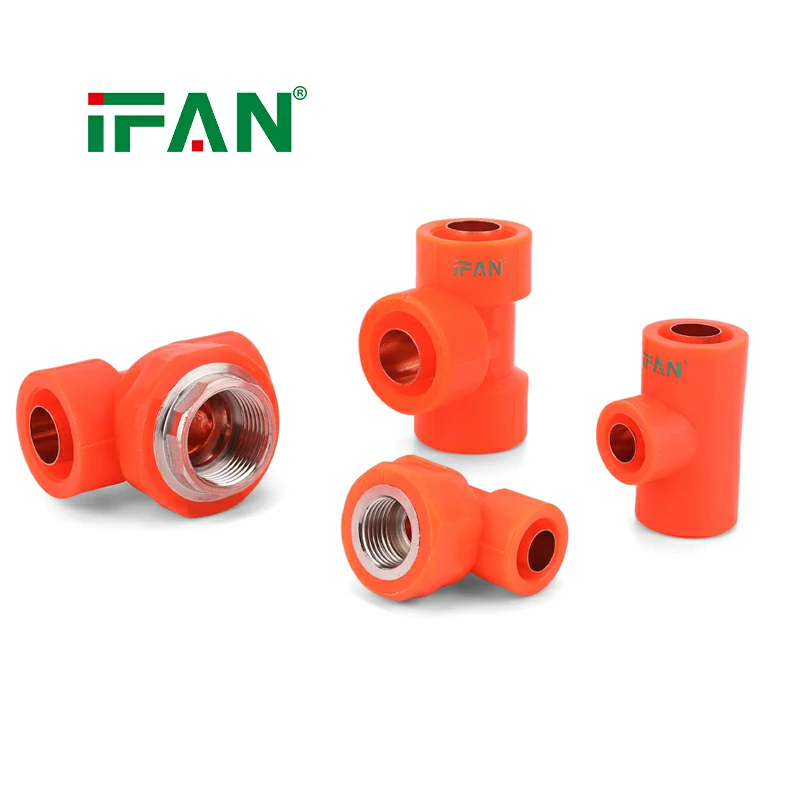
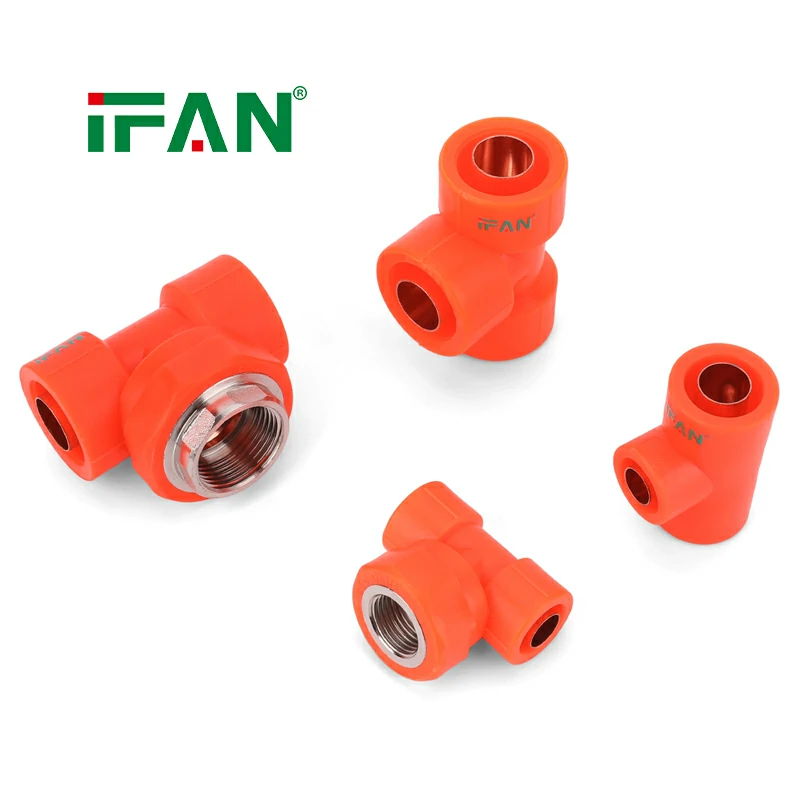
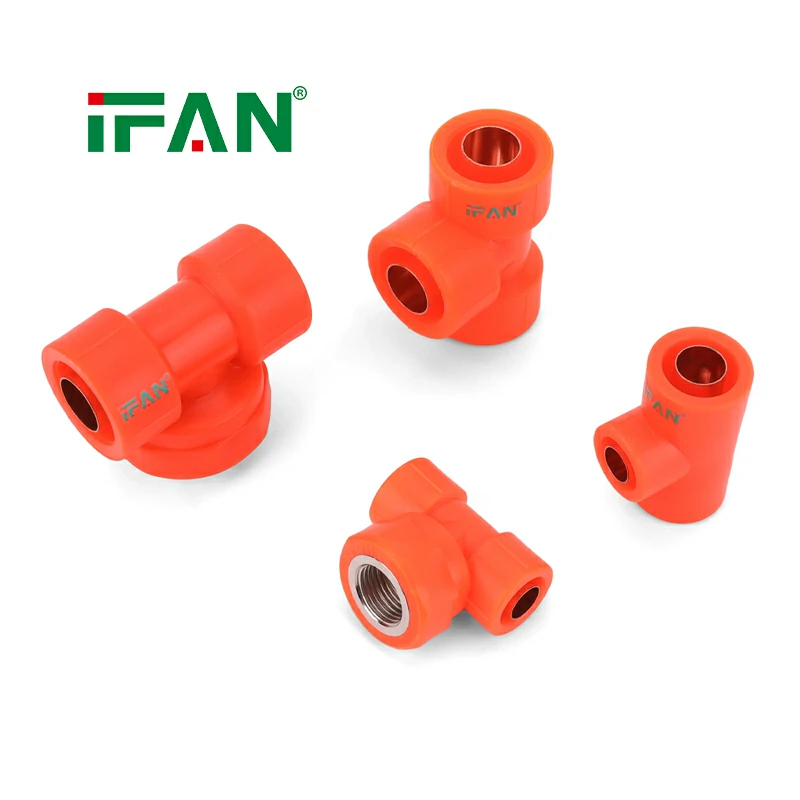
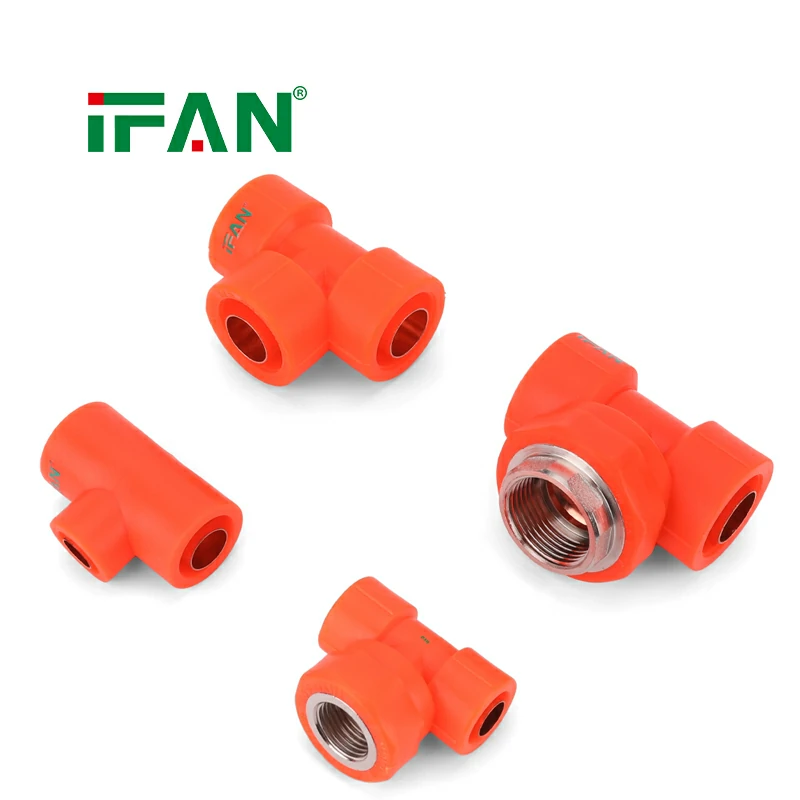
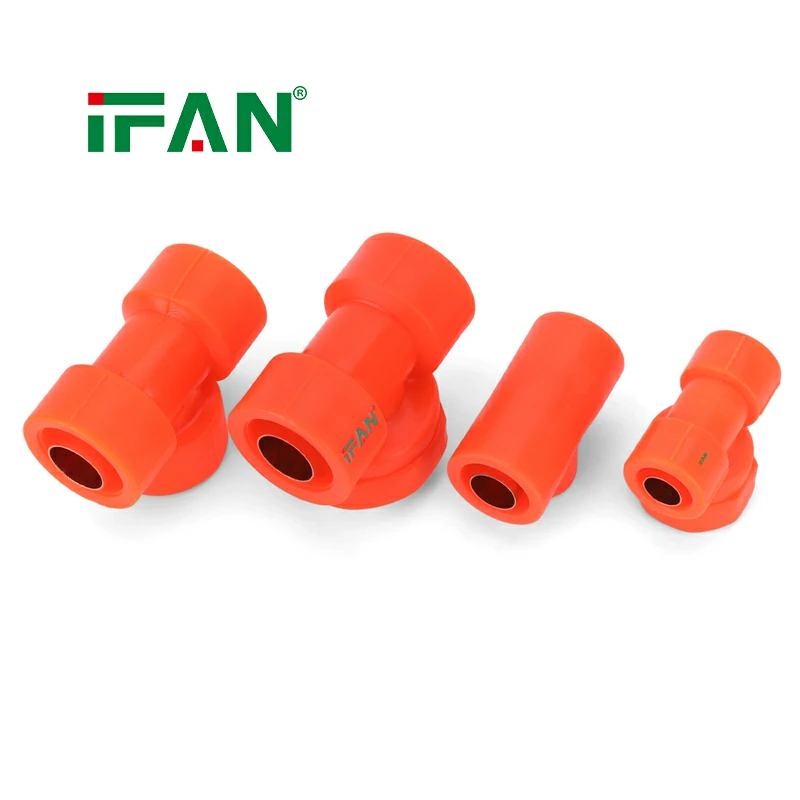
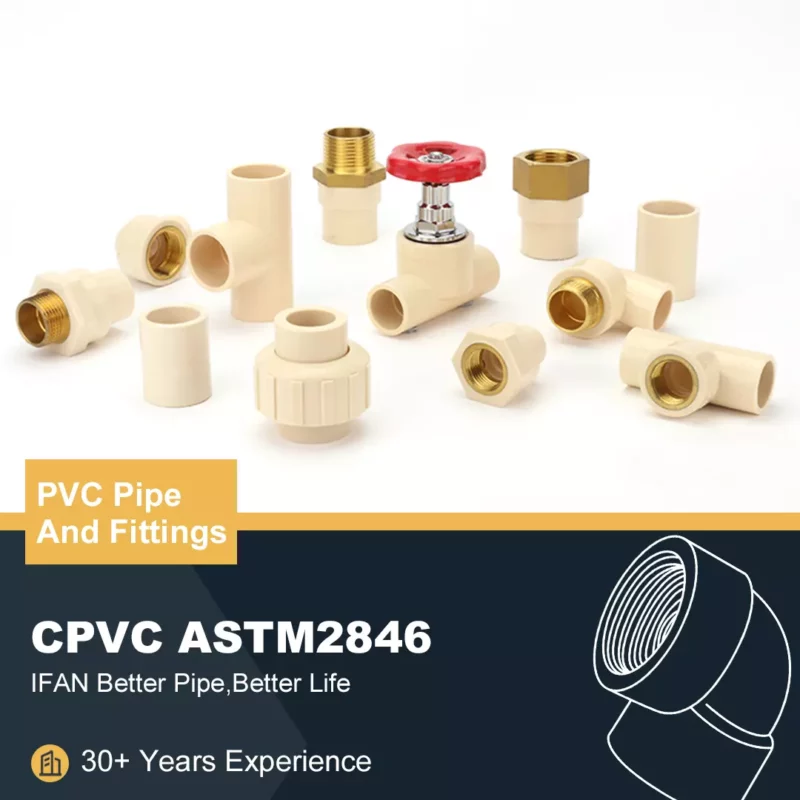
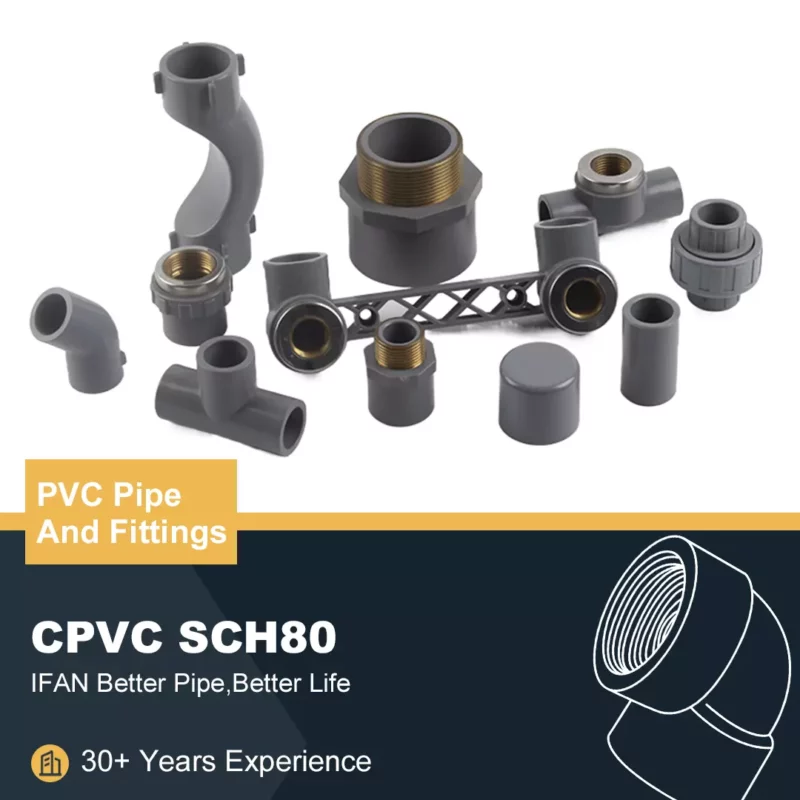
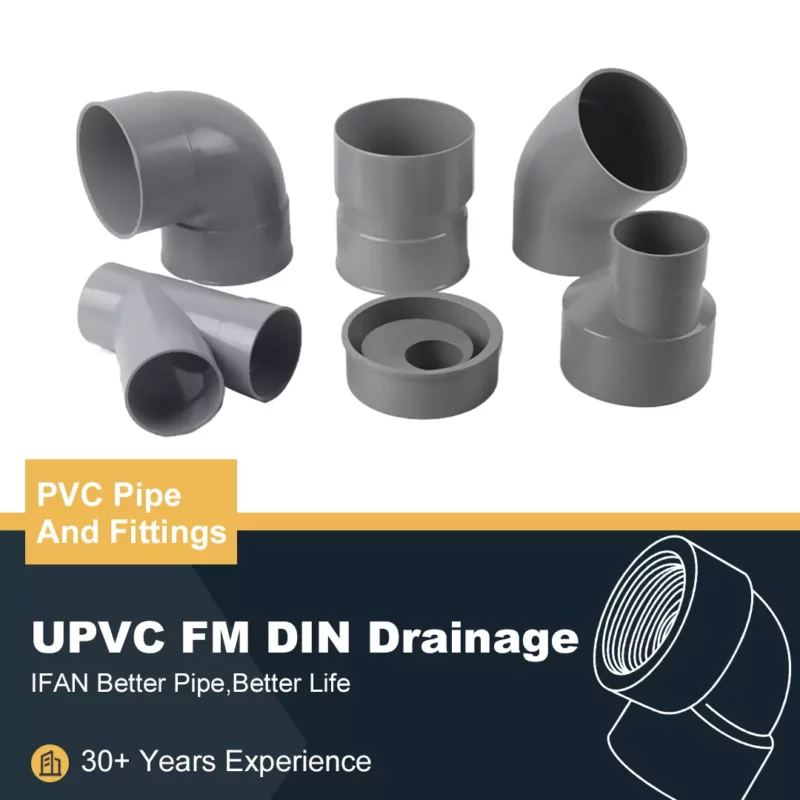
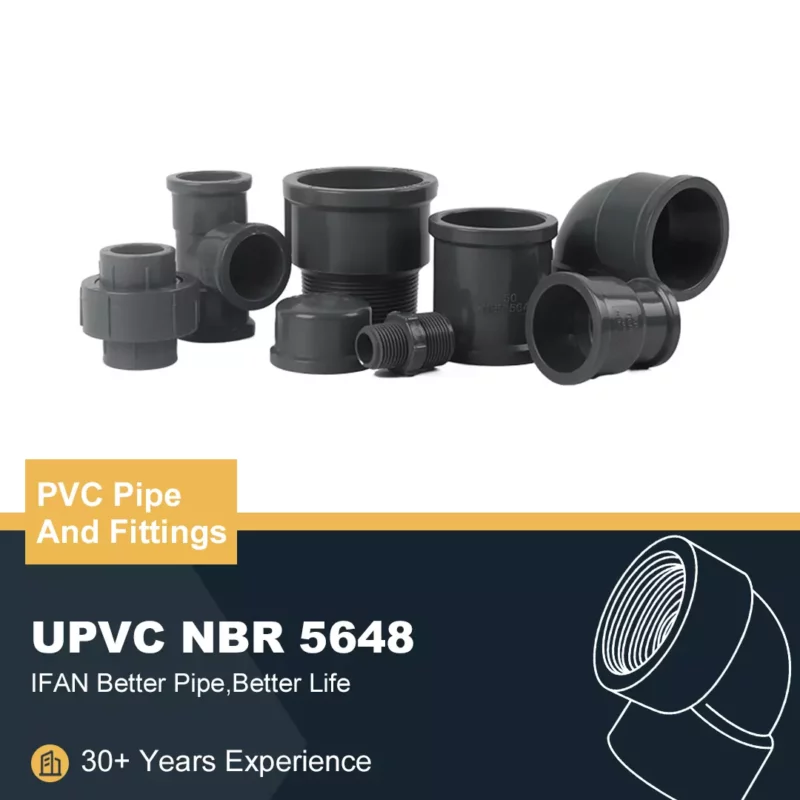
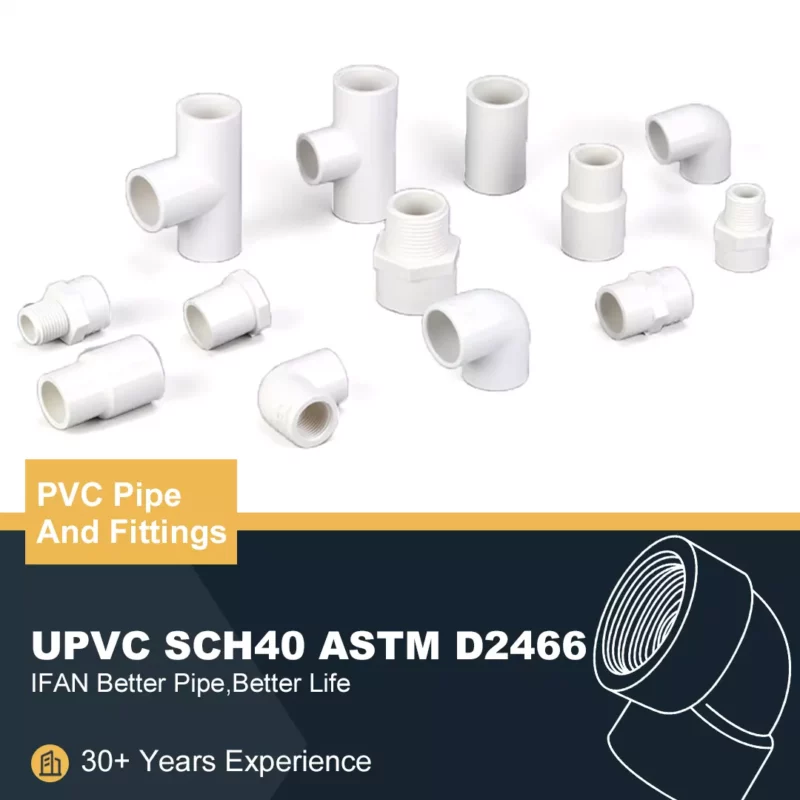
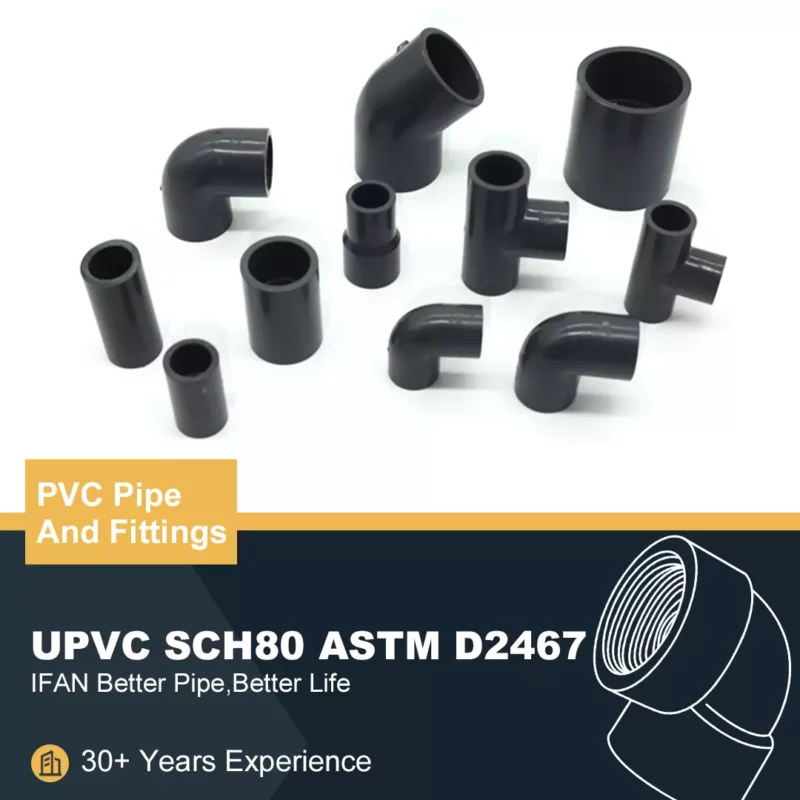
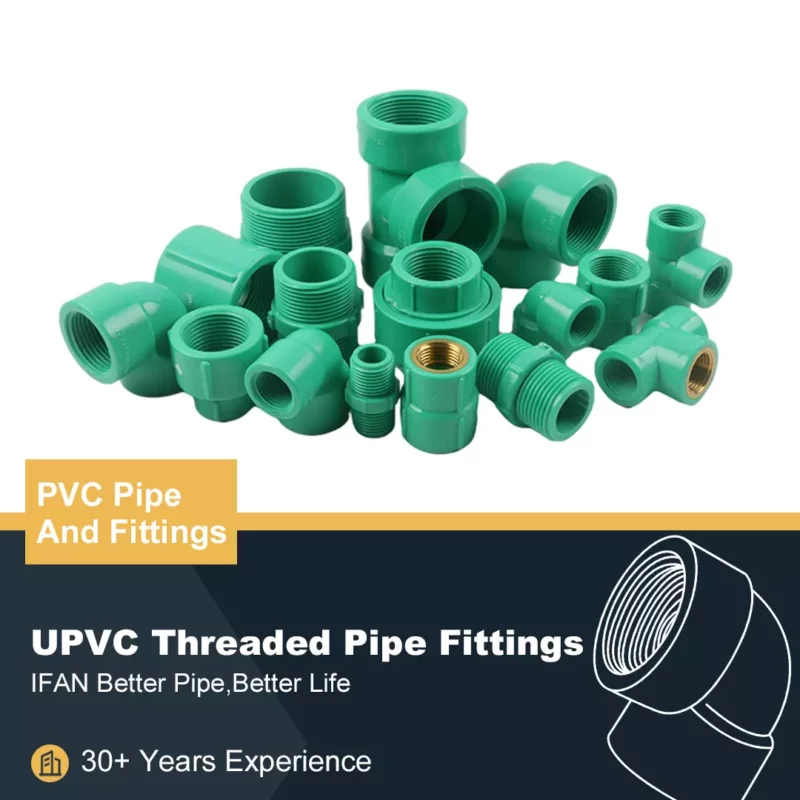
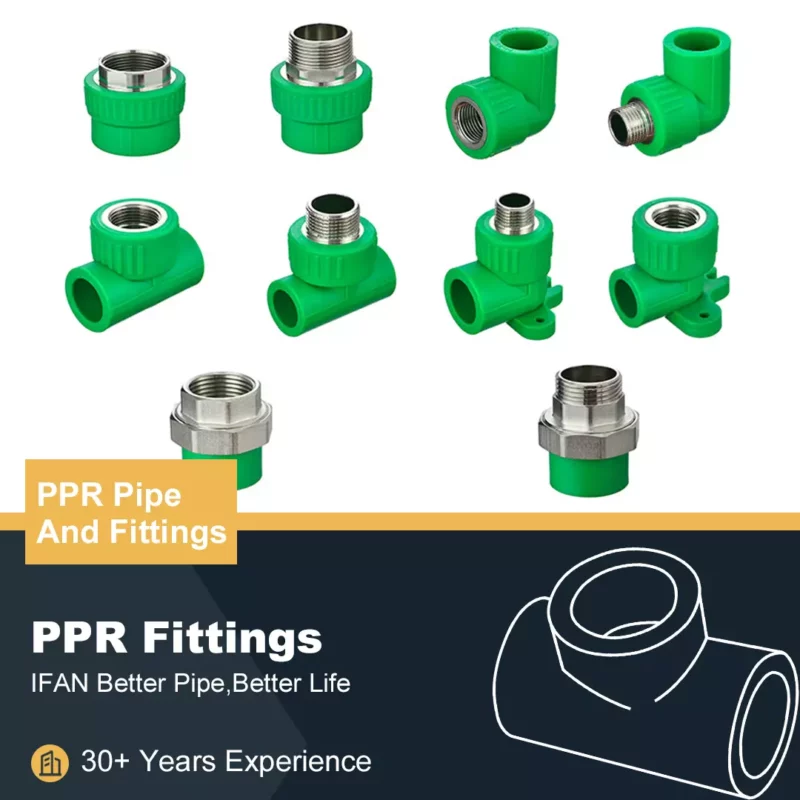
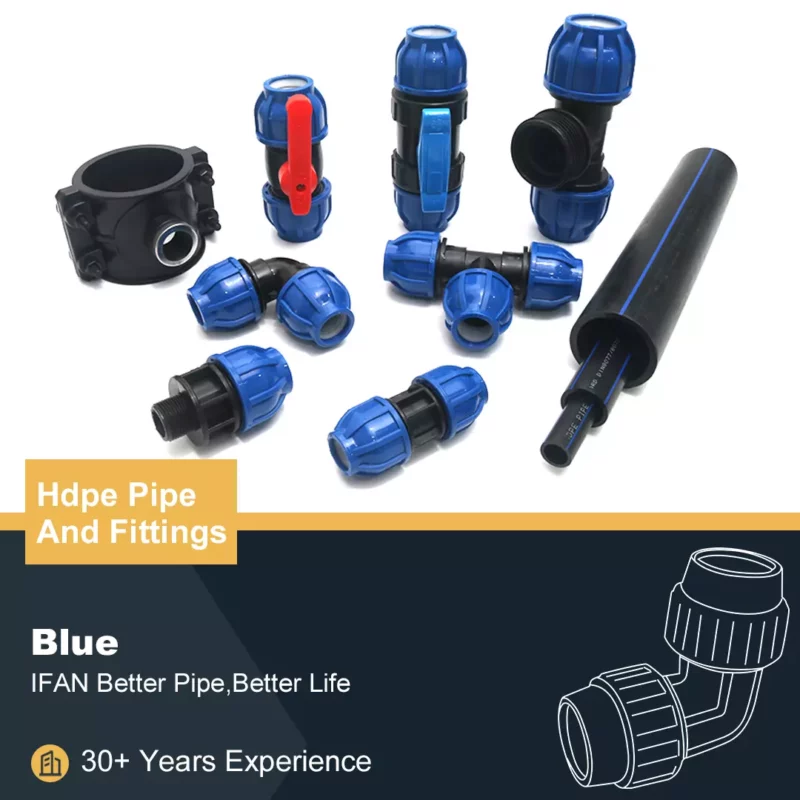
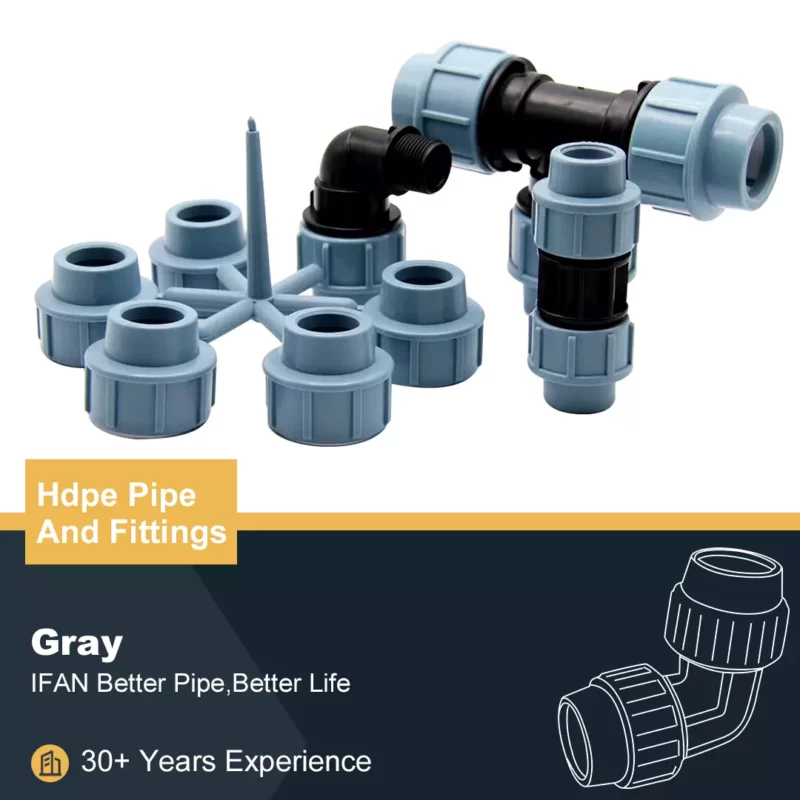
UPVC fittings are made from unplasticized polyvinyl chloride, a rigid and durable form of plastic. Unlike regular PVC, UPVC is free from plasticizers, making it more robust and resistant to various environmental factors. These fittings are used to connect pipes, valves, faucets, and other components in plumbing systems. UPVC fittings come in various sizes and configurations, ensuring compatibility with both residential and commercial plumbing setups. With their smooth, non-corrosive surface, UPVC fittings contribute to cleaner, more efficient plumbing systems. The material’s eco-friendly and non-toxic properties make UPVC fittings a responsible choice for environmentally-conscious consumers.
Eco-Friendly Material Choice
One of the key reasons UPVC fittings are considered eco-friendly is that they are made from a recyclable material. PVC, the raw material used to produce UPVC, is a widely recyclable plastic. After the useful life of a UPVC fitting, it can be collected and processed to create new products. This recycling process helps reduce waste and conserves natural resources. The ability to recycle UPVC fittings minimizes their environmental impact, unlike materials like metal or concrete, which are more difficult to recycle. By choosing UPVC, homeowners and businesses can make a positive contribution to reducing plastic waste in landfills.
Reduced Carbon Footprint
The production of UPVC fittings requires less energy compared to metal products like copper and steel. Manufacturing processes for metals consume large amounts of energy and raw materials, contributing to a higher carbon footprint. On the other hand, the production of UPVC involves less energy-intensive processes, making it a more sustainable option for plumbing systems. The lightweight nature of UPVC fittings also reduces transportation costs and emissions, as fewer resources are needed to move these fittings from manufacturers to end-users. This reduction in energy consumption at every stage of production and transportation helps minimize the overall environmental impact.
Non-Toxic and Safe for Human Health
In addition to being eco-friendly, UPVC fittings are also non-toxic and safe for human health. Many traditional plumbing materials, especially those that contain lead or other harmful substances, can pose health risks when in contact with drinking water. UPVC, however, is free from harmful chemicals like lead, phthalates, and BPA, making it an ideal material for plumbing applications. The non-toxic nature of UPVC ensures that drinking water remains safe, free from contamination, and free of chemical leaching. With increasing awareness of the importance of safe drinking water, using non-toxic materials like UPVC in plumbing systems is essential for protecting human health.
Durability and Long Life Span
UPVC fittings are highly durable, making them a long-lasting and sustainable choice. Unlike metal fittings, which are susceptible to corrosion, rust, and degradation, UPVC fittings maintain their strength and functionality for decades. The durability of UPVC reduces the need for frequent replacements, which in turn reduces the amount of waste generated over time. By choosing UPVC fittings, homeowners and businesses can invest in a plumbing system that will last longer and require fewer repairs, resulting in less waste and fewer resources consumed for maintenance.
Minimal Maintenance and Environmental Impact
UPVC fittings require very little maintenance, further enhancing their eco-friendly properties. Metal pipes and fittings often require regular inspections and maintenance due to issues like rust, corrosion, or scaling. In contrast, UPVC fittings are resistant to these issues, allowing them to stay functional without the need for constant upkeep. This results in a reduced demand for repair materials and labor, reducing the overall environmental impact of plumbing systems. Furthermore, since UPVC fittings do not corrode, they do not release harmful substances into the environment, which makes them safer for both plumbing systems and ecosystems.
Reduced Chemical Leaching
Chemical leaching from plumbing materials can be a serious concern, especially when it comes to materials like copper or lead, which can contaminate drinking water. UPVC fittings do not leach harmful chemicals into the water they carry. Unlike other materials that may corrode over time and release toxic substances, UPVC remains stable and resistant to chemical reactions. This stability ensures that UPVC plumbing systems maintain the purity of the water, contributing to healthier environments and safer living spaces. As a result, UPVC fittings are ideal for applications where water quality is a priority.
Healthier Alternatives to PVC
While both PVC and UPVC are derived from the same base material, UPVC fittings are considered a healthier alternative to regular PVC. Standard PVC often contains plasticizers and other additives that can be harmful to human health and the environment. These plasticizers, such as phthalates, can leach into water and air, causing potential health risks. UPVC, being free from these additives, offers a safer and more sustainable alternative. By opting for UPVC fittings, consumers can avoid the health risks associated with traditional PVC products while still benefiting from a durable and functional plumbing system.
No Impact on Water Taste or Odor
Another important consideration when choosing plumbing materials is how they affect the taste and odor of water. Metal pipes can sometimes impart an unpleasant taste or odor to the water due to corrosion, while plastic pipes may release chemicals into the water. UPVC fittings, however, do not affect the taste or odor of water. Their chemical stability ensures that they do not release any substances that could alter the water’s properties. This feature makes UPVC an excellent choice for both potable water and other water systems where purity is important.
Contributing to Sustainable Construction
UPVC fittings also contribute to sustainable construction practices. The use of eco-friendly materials like UPVC aligns with the growing demand for green building practices. Whether used in residential homes, commercial buildings, or industrial applications, UPVC fittings help create plumbing systems that are environmentally responsible. Builders and contractors who prioritize sustainability can benefit from using UPVC fittings as part of their commitment to reducing environmental impact. With the increasing focus on green building certifications and environmentally conscious construction, UPVC fittings are a valuable asset in sustainable building projects.
Conclusion
UPVC fittings offer significant eco-friendly and non-toxic benefits, making them a responsible choice for modern plumbing systems. Their recyclability, reduced carbon footprint, and long lifespan help minimize their environmental impact, contributing to a more sustainable future. Additionally, the non-toxic nature of UPVC ensures that water remains safe for consumption, making it an ideal material for plumbing systems in homes and businesses. The durability and low maintenance requirements of UPVC fittings further reduce the need for frequent repairs and replacements, leading to less waste and fewer resources consumed. Whether for new constructions or plumbing system upgrades, choosing UPVC fittings is a step toward creating a greener, healthier, and more sustainable environment.
If you have read this article and have any questions, please feel free to contact IFAN. Below is our contact information:
Whatsapp:+86 13373827623
Email:[email protected]