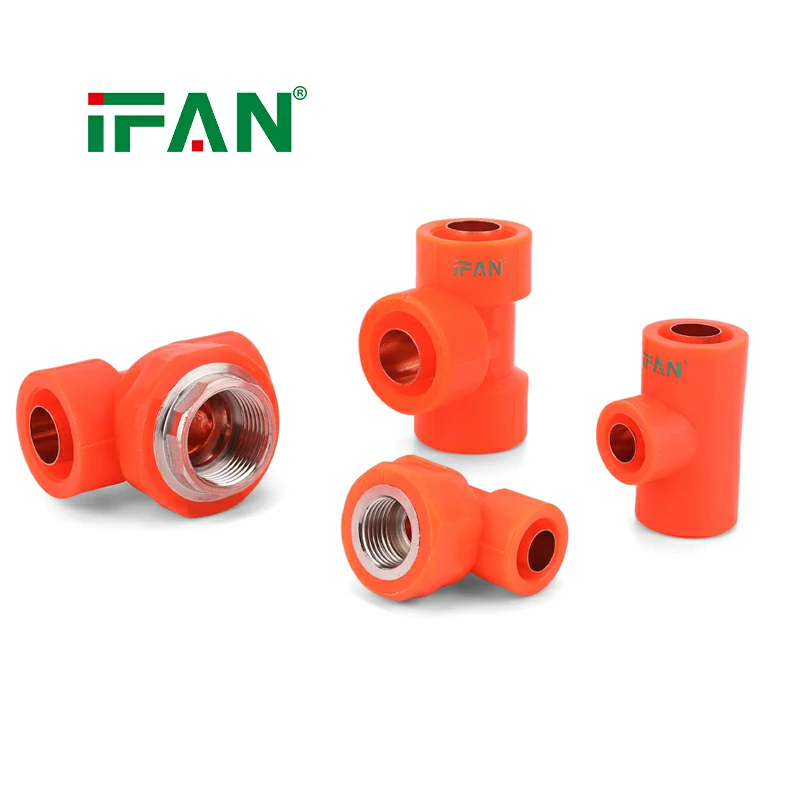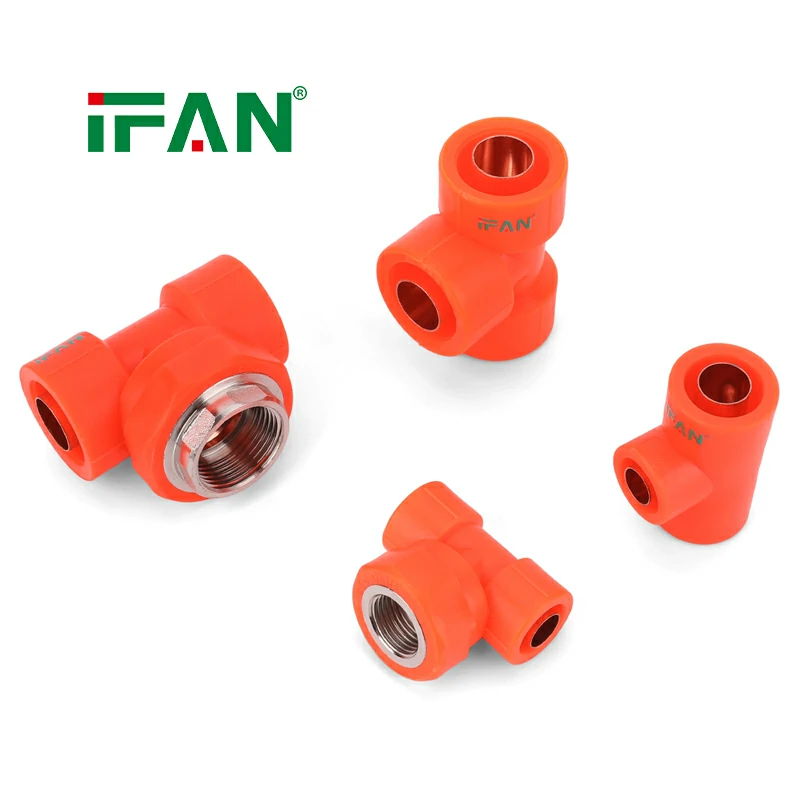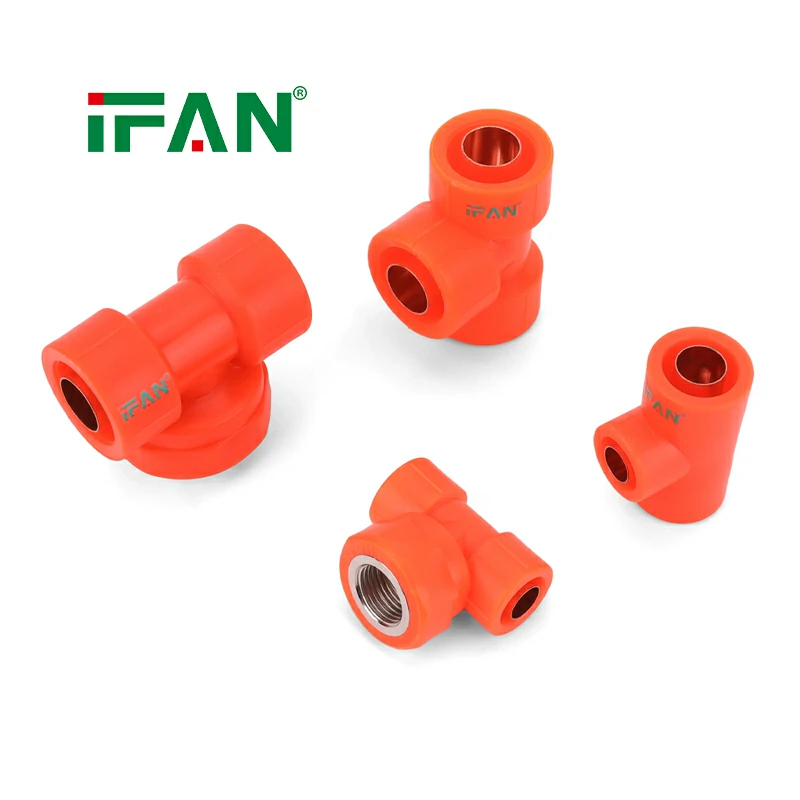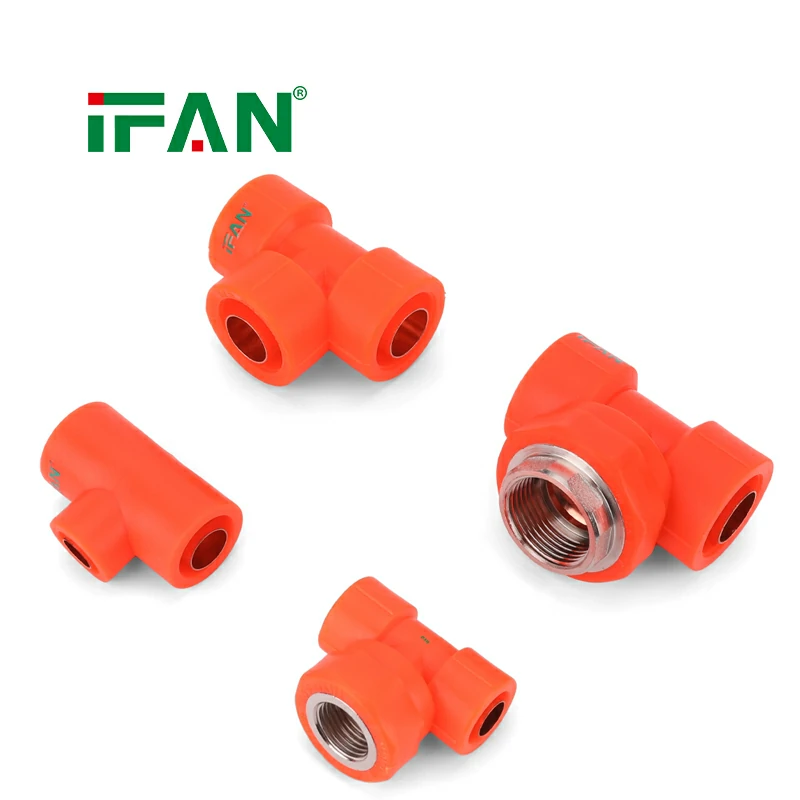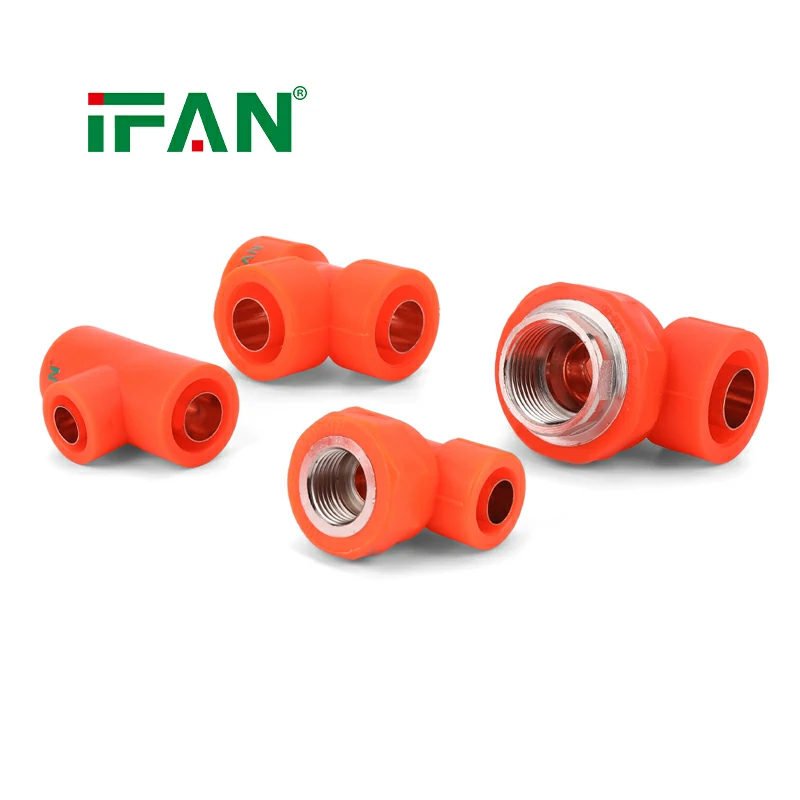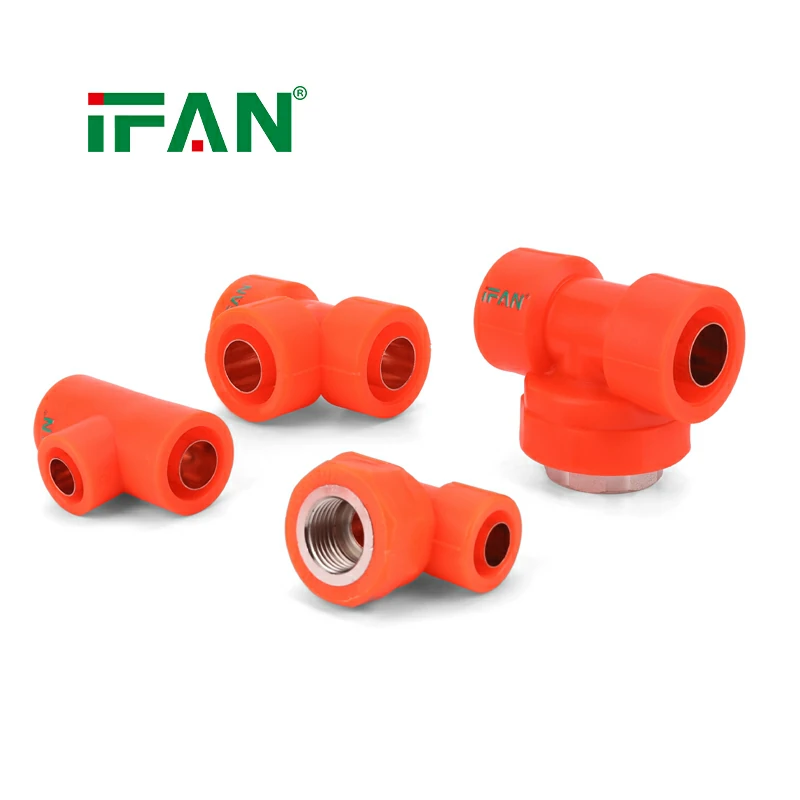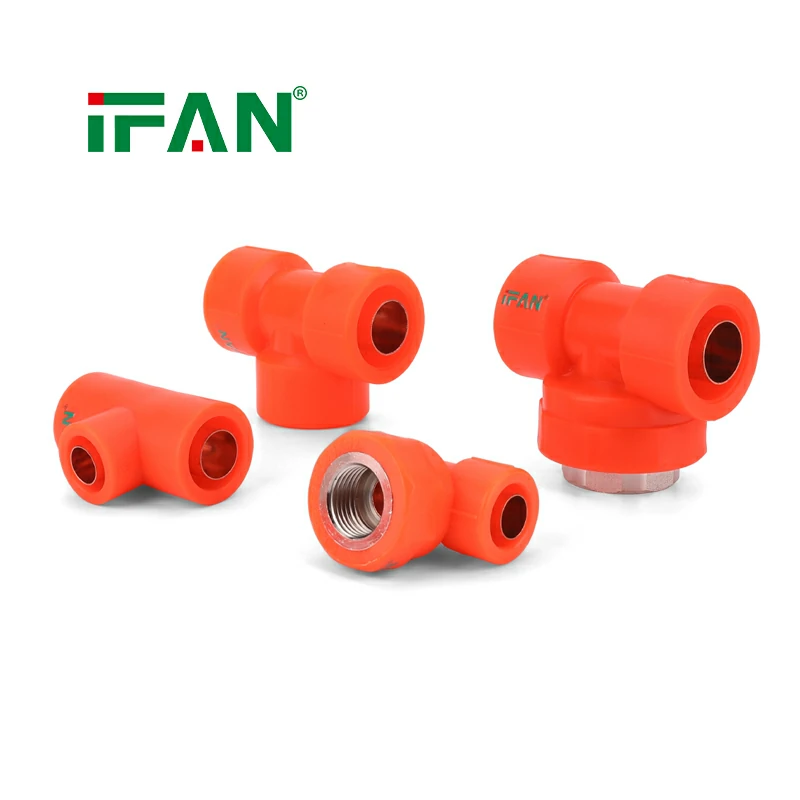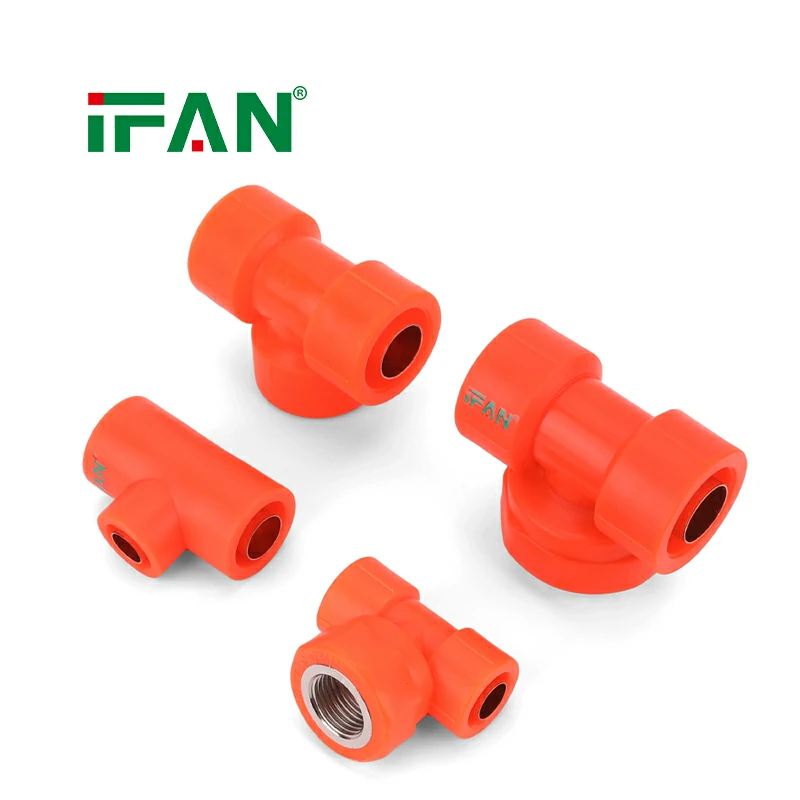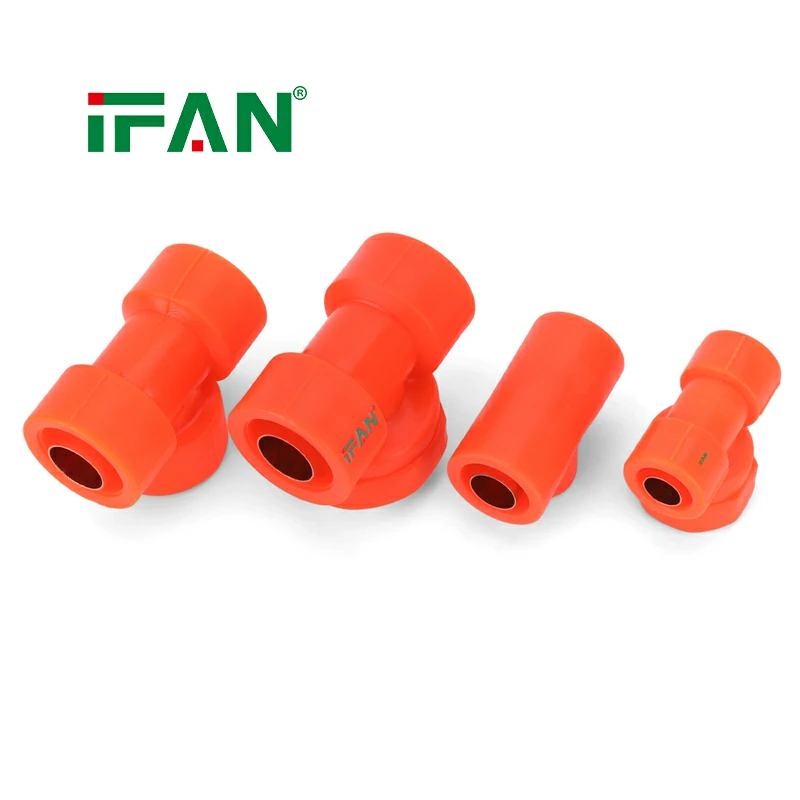


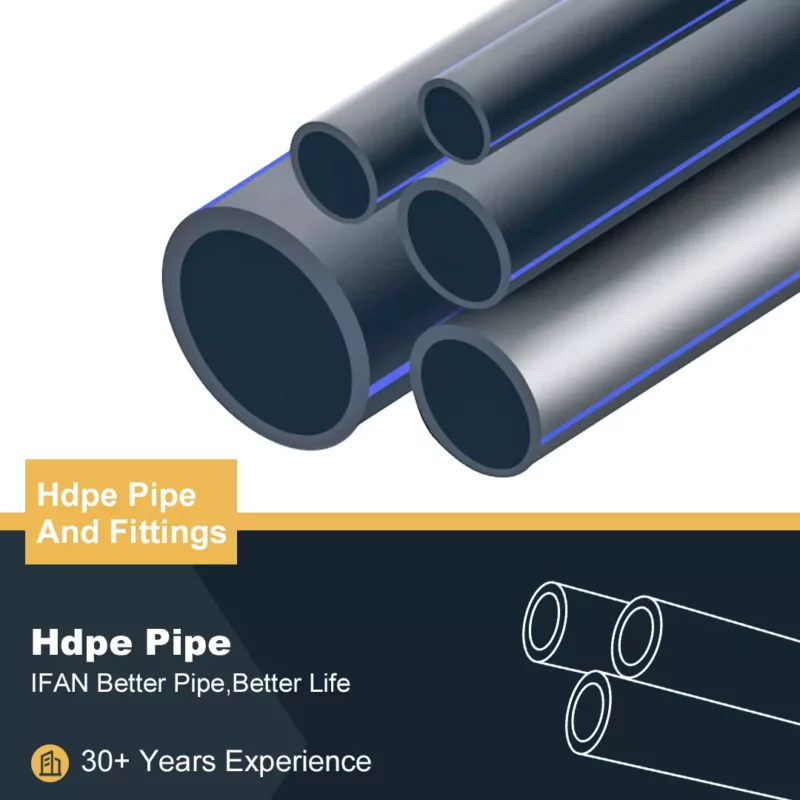
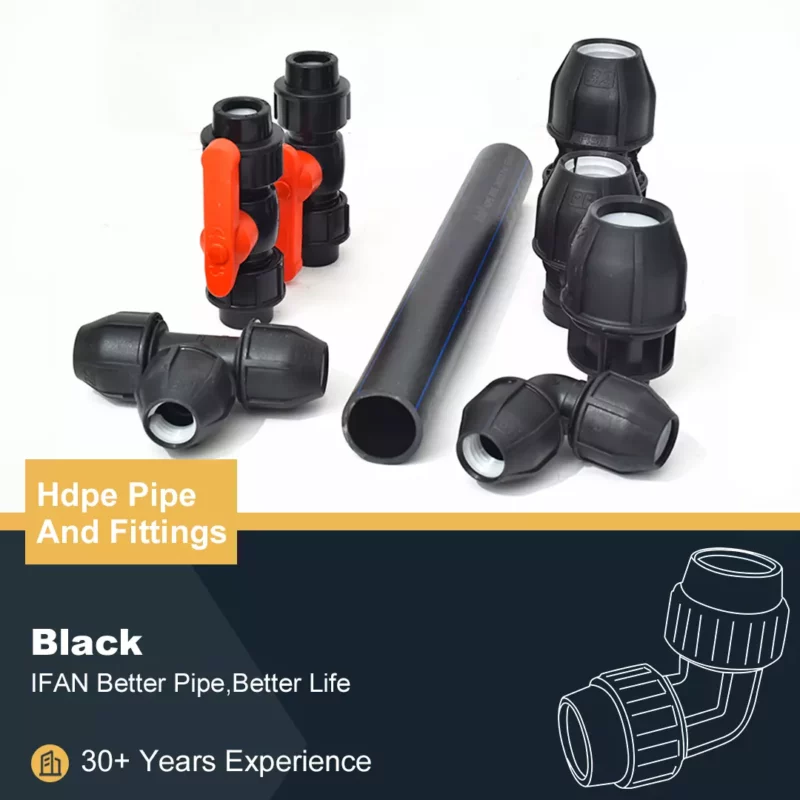
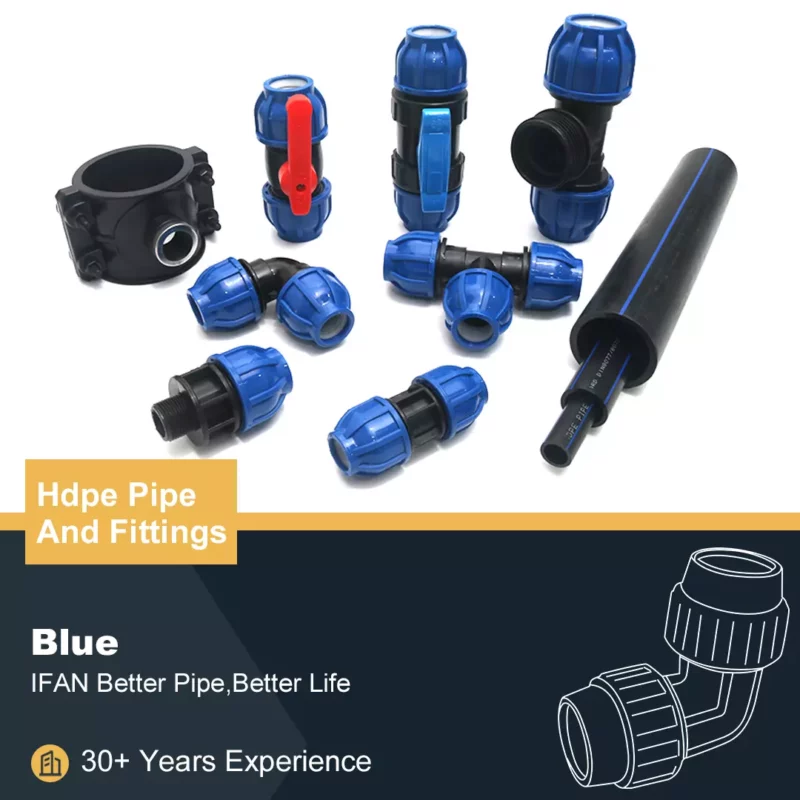
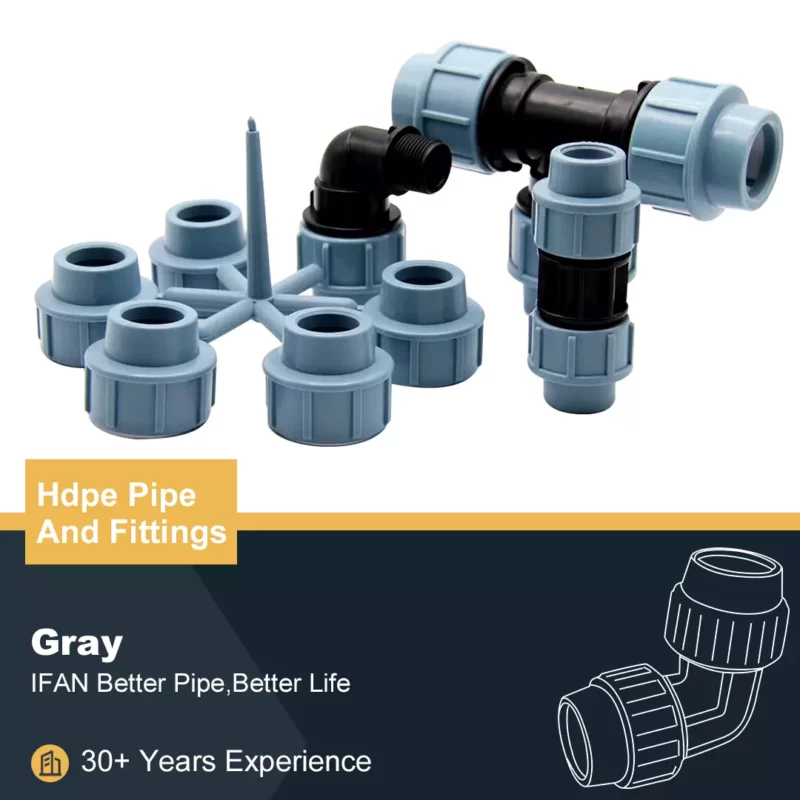




Product Function Overview
PPR expansion joints absorb thermal expansion and contraction.
They prevent stress and deformation in long pipelines.
Essential in hot water and solar heating systems.
Role in Engineering Projects
Expansion joints reduce stress on elbows, tees, and valves.
They protect joints and welded sections.
Critical in multi-story buildings and industrial plants.
Material Composition
High-quality polypropylene random copolymer provides flexibility.
Reinforced walls handle pressure and thermal cycles.
Material durability ensures long-term system reliability.
Case Study: Commercial Hot Water System
A 10-floor office building experienced thermal pipe expansion.
Installing PPR expansion joints reduced stress on elbows.
System maintenance costs decreased significantly over time.
Pressure and Temperature Performance
Rated for PN16–25 pressure systems.
Operates effectively in hot water up to 95°C.
Withstands repeated thermal cycles without deformation.
Installation Guidelines
Install joints in straight pipeline sections.
Ensure proper alignment to prevent torsion.
Allow free movement in expansion direction.
Flow Efficiency Considerations
Internal smooth surfaces maintain hydraulic performance.
Reduce turbulence at the joint.
Critical for high-demand water supply systems.
Integration with Other Fittings
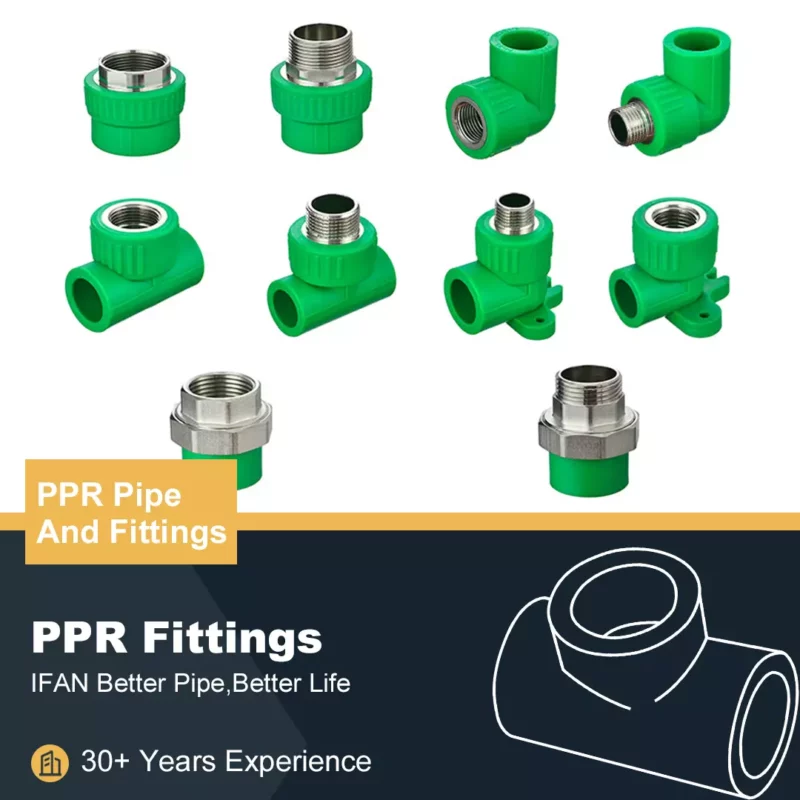
Expansion joints work with elbows, tees, reducers, and valves.
Supports modular and phased installation.
Protects other fittings from thermal stress.
Maintenance Advantages
Facilitates long-term system stability.
Reduces risk of leaks or joint failure.
Minimizes costly repairs in concealed pipelines.
Dimensional Accuracy
Accurate socket and body dimensions ensure proper fusion.
Misalignment reduces joint movement capacity.
Bulk buyers prioritize consistent sizing.
Storage and Handling Guidelines
Store in dry, shaded areas.
Avoid heavy stacking or mechanical impact.
Proper storage preserves elasticity and performance.
Chemical and Corrosion Resistance
Resists common water treatment chemicals.
Material does not degrade over time.
Suitable for diverse water qualities in large projects.
Cost Efficiency Considerations
High-quality expansion joints reduce repair and replacement costs.
Protecting elbows and tees saves labor expenses.
Bulk procurement improves overall project budget control.
Procurement Decision Analysis
Evaluate supplier experience with high-rise or industrial projects.
Check material certifications and dimensional consistency.
Technical support for installation ensures successful deployment.
Size Range for Engineering Projects
Available sizes from 20mm to 110mm.
Larger joints suit main supply pipelines.
Smaller joints protect branch lines effectively.
Thermal Compensation Planning
Calculate expected pipe expansion based on temperature changes.
Select joint length and flexibility accordingly.
Proper planning prevents unnecessary stress and failure.
Installation Orientation Considerations
Expansion joints should allow axial movement only.
Avoid installation near bends that restrict flexibility.
Correct orientation maximizes thermal compensation efficiency.
Quality Inspection Points
Check wall thickness and socket depth.
Inspect joint flexibility and surface integrity.
Defect-free joints ensure reliable system performance.
Supplier Evaluation Criteria
Assess production capacity and experience with thermal systems.
Reliable supply ensures phased project completion.
Technical guidance adds value in complex installations.
If you have read this article and have any questions, please feel free to contact IFAN. Below is our contact information:
Whatsapp:+86 13373827623
Email:[email protected]