





Material Composition & Structure
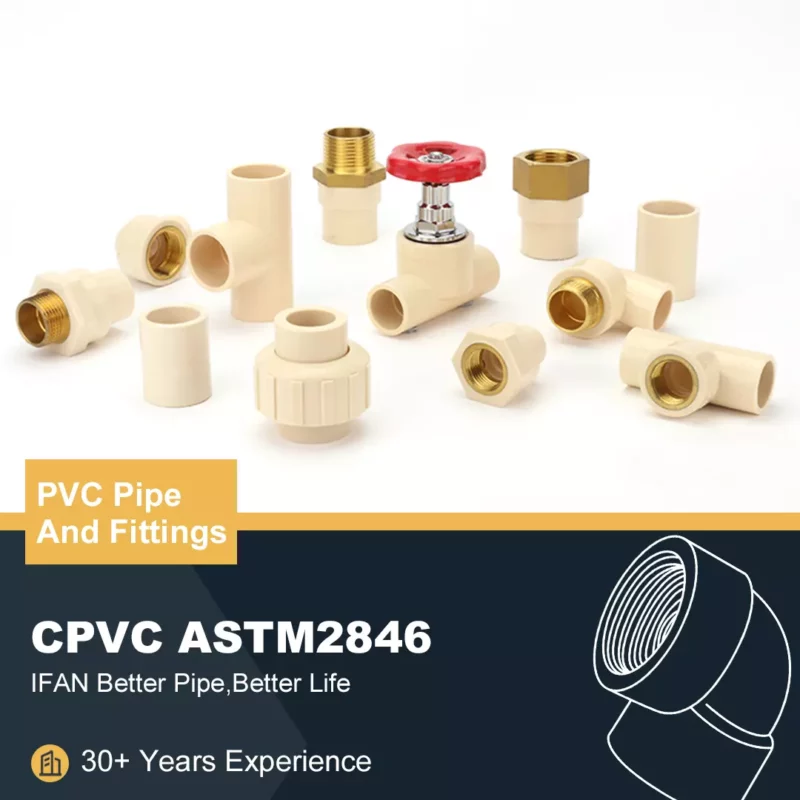
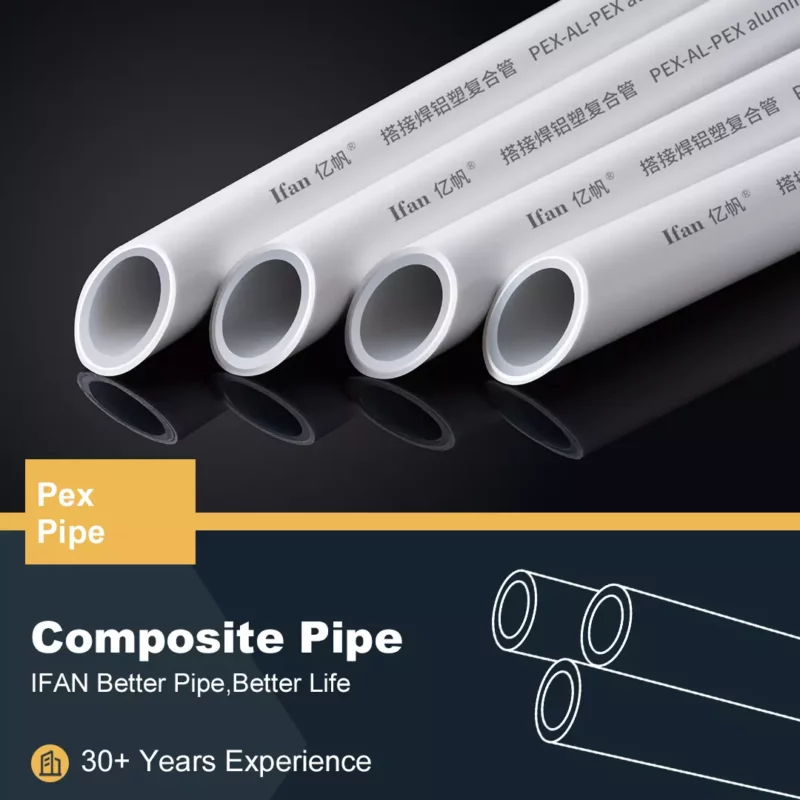
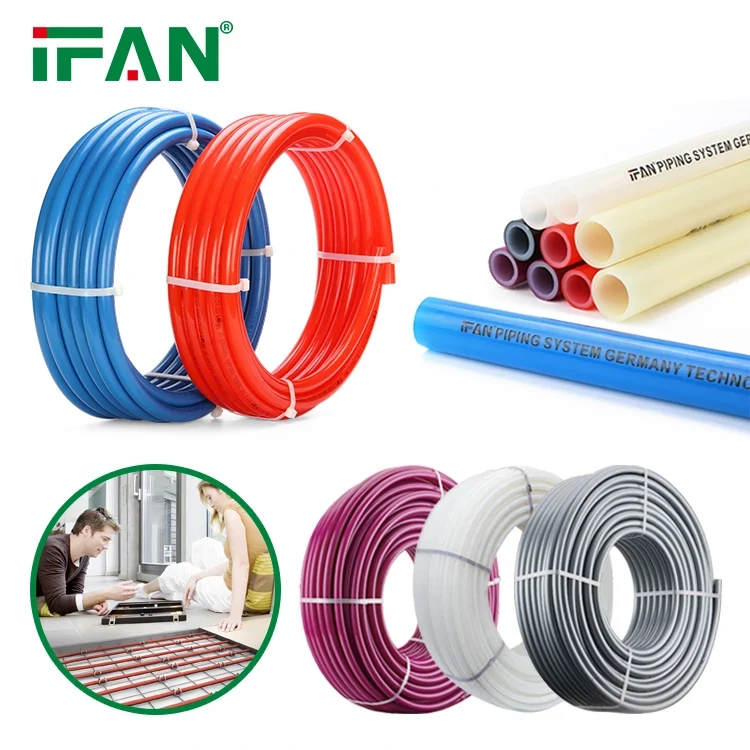
PEX is cross-linked polyethylene. Copper is a pure metal tubing. CPVC is chlorinated polyvinyl chloride. Each material has unique properties. PEX is flexible and coiled. Copper is rigid and soldered. CPVC is rigid and glued.
Installation Effort & Labor Cost
PEX installs fastest with fewer fittings. It requires simple cutting and crimping. Copper demands soldering and threading. This needs skilled labor and torches. CPVC requires solvent welding. This involves chemicals and drying time.
Freeze Damage Resistance
PEX tolerates freezing exceptionally well. It can expand up to three times. Then it returns to original shape. Copper pipes often split when frozen. CPVC becomes brittle and cracks. This reduces winter damage risks.
Water Quality & Taste Impact
Copper may impart metallic taste. It can corrode in acidic water. PEX is chemically inert. It does not affect water taste. CPVC is also taste-neutral. All meet drinking water standards.
Heat Retention & Energy Loss
Copper conducts heat very efficiently. Hot water lines lose heat quickly. PEX has insulating properties. It keeps hot water hotter longer. This reduces energy consumption. CPVC also has moderate insulation.
Water Flow & Pressure Characteristics
Copper has smooth interior walls. This maintains high flow rates. PEX has slightly more friction. Use larger diameter to compensate. CPVC has similar flow to copper. All are adequate for home use.
Longevity & Durability Factors
Copper lasts 50+ years typically. It is resistant to UV light. PEX lasts over 50 years indoors. It degrades in sunlight exposure. CPVC lasts 50+ years but becomes brittle. All have excellent service life.
Cost Analysis: Material & Installation
Copper has highest material cost. Labor cost is also very high. PEX has moderate material cost. Labor cost is significantly lower. CPVC has lowest material cost. Labor cost is moderate.
Chemical & Chlorine Resistance
Copper corrodes with high chlorine. PEX-B and C resist chlorine well. PEX-A has moderate resistance. CPVC handles chlorine excellently. Consider your water treatment. Choose appropriate material.
Environmental Impact Considerations
Copper mining has environmental impact. PEX production uses less energy. CPVC production involves chlorine. PEX is recyclable in some regions. All have environmental trade-offs.
Code Approval & Regional Preferences
Copper is universally accepted. PEX is now accepted in most codes. Some areas restrict PEX types. CPVC is widely accepted for hot water. Check local plumbing codes first.
Best Applications for Each Material
Use copper for exposed decorative lines. Use PEX for whole-house repiping. Choose CPVC for budget renovations. Consider your specific project needs. Mixing materials is often practical.
If you have read this article and have any questions, please feel free to contact IFAN. Below is our contact information:
Whatsapp:+86 13373827623
Email:[email protected]