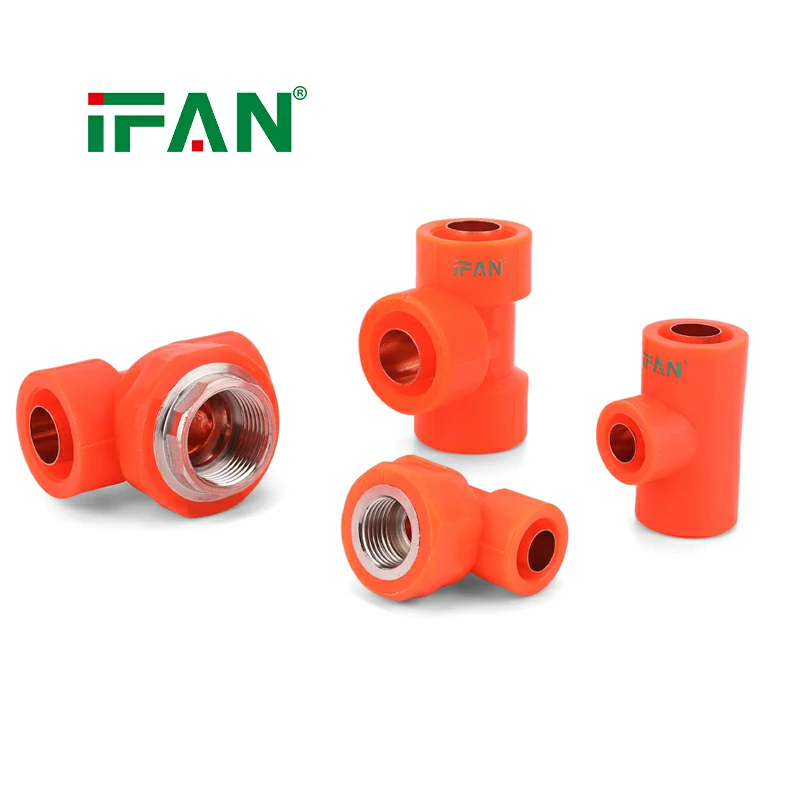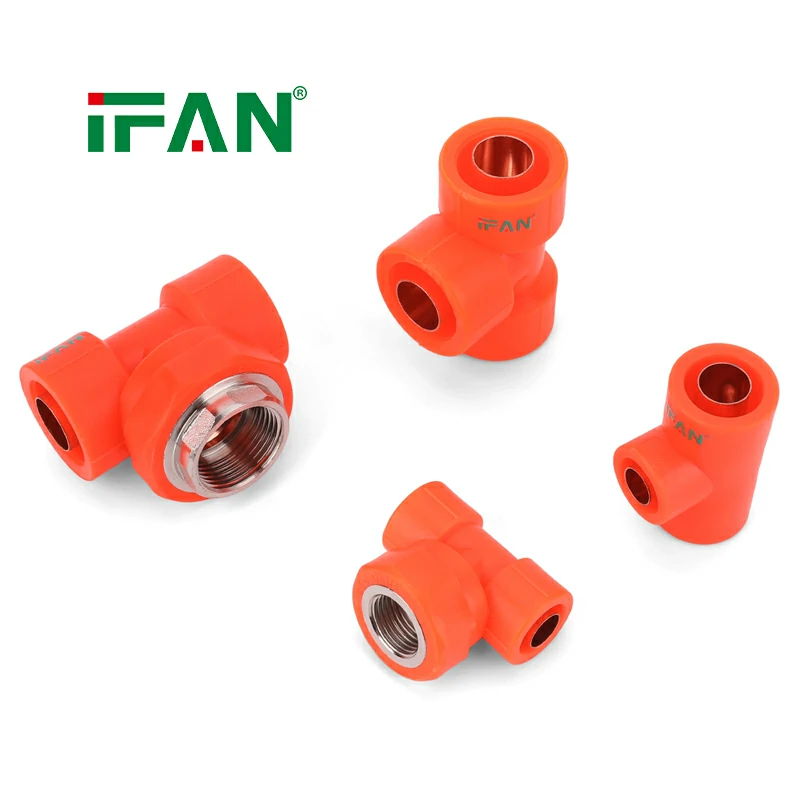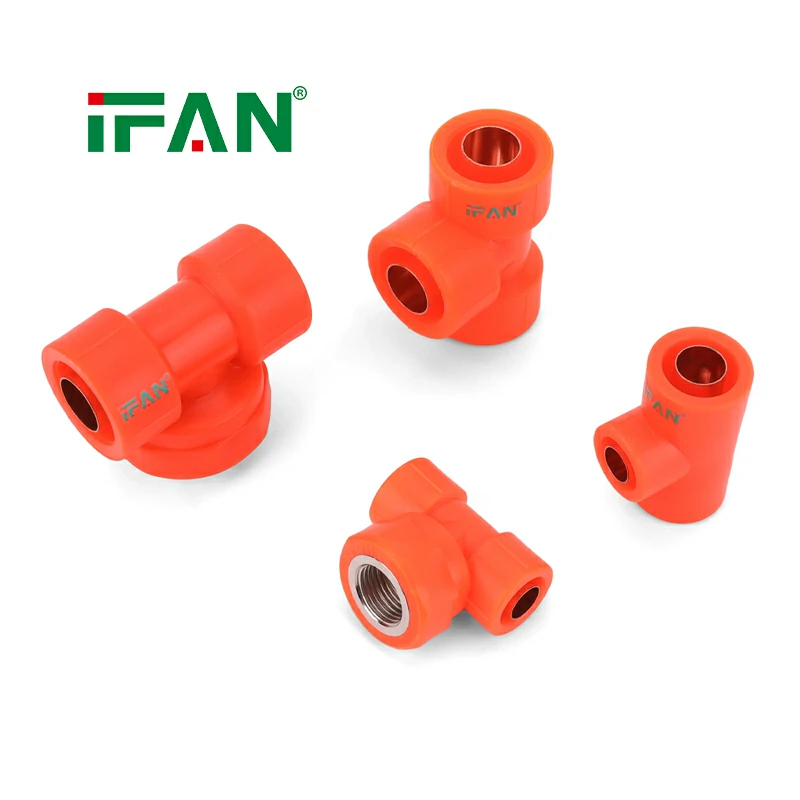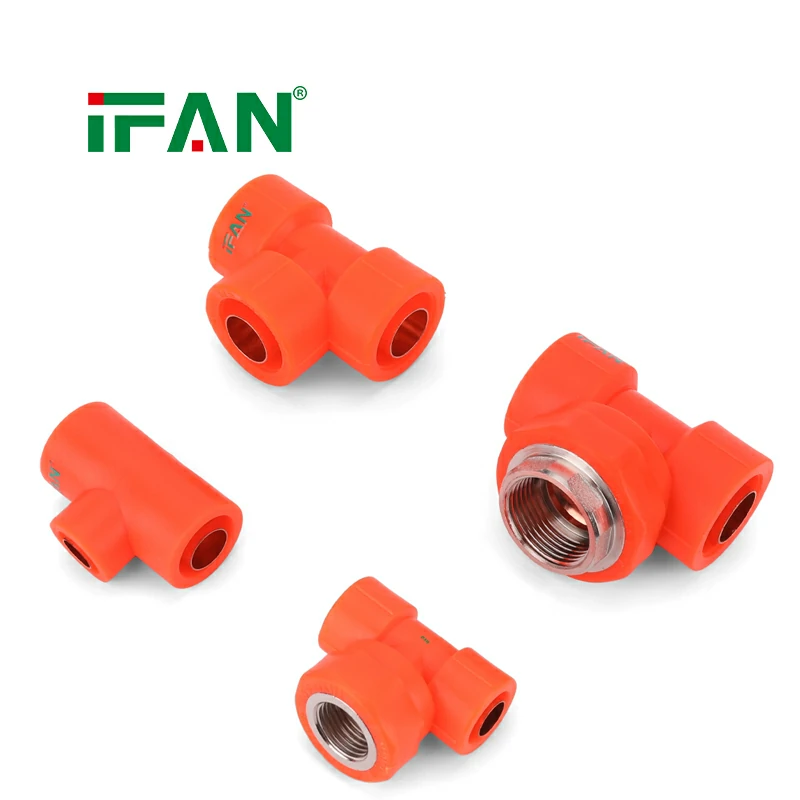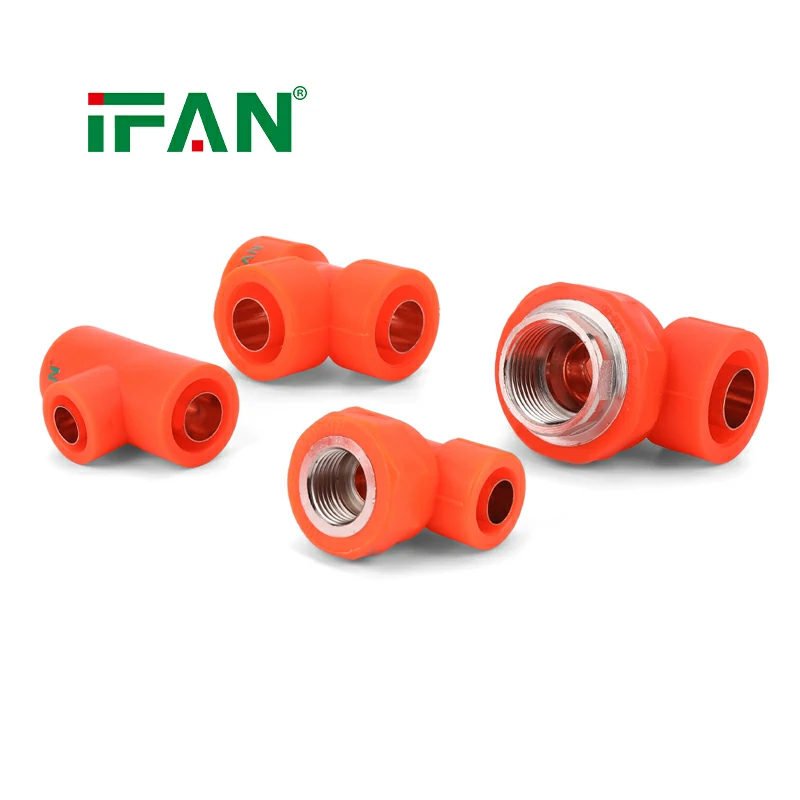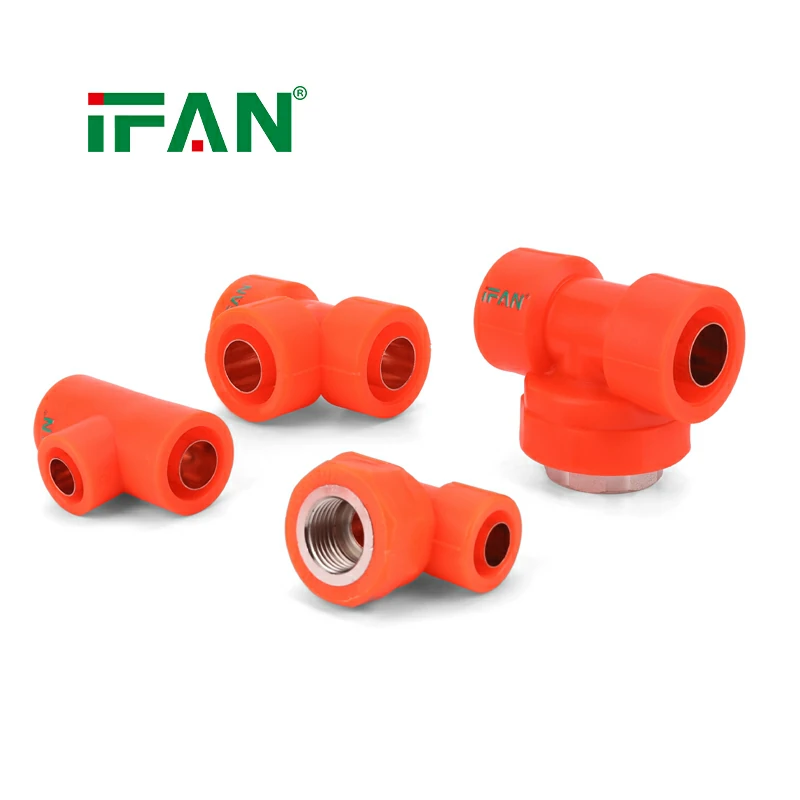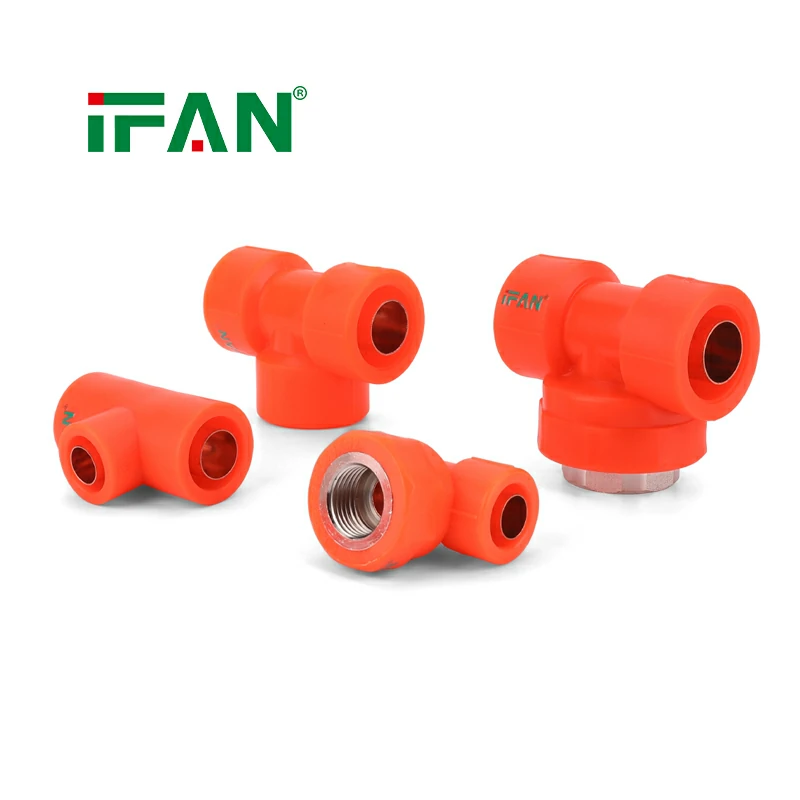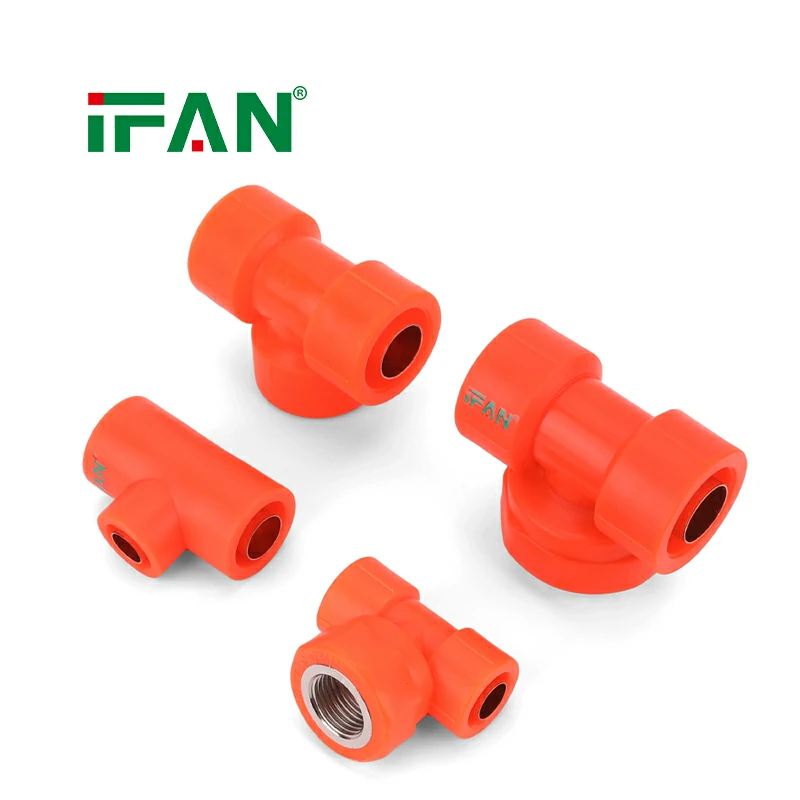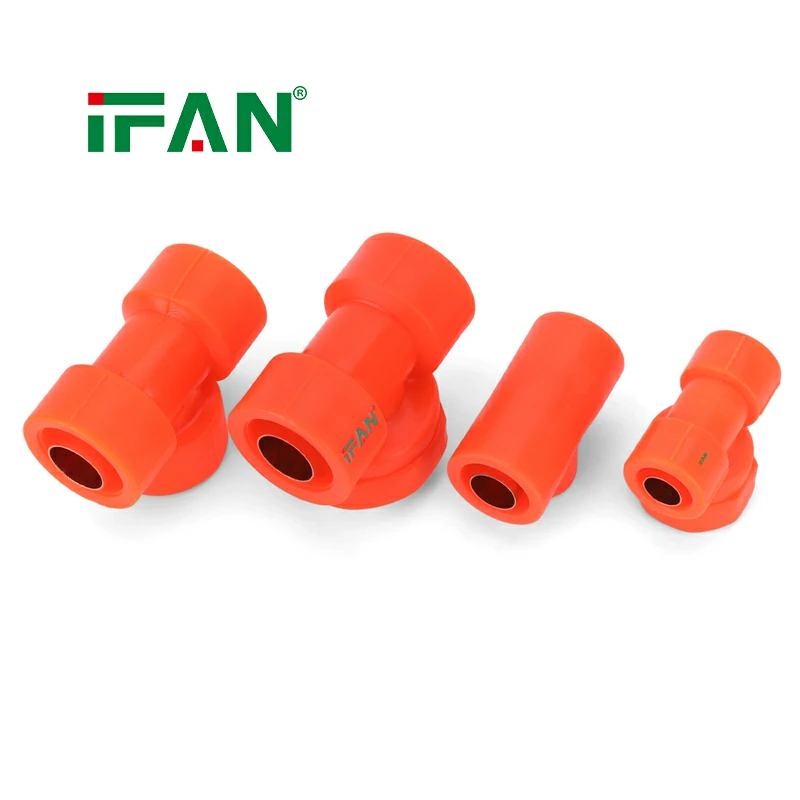
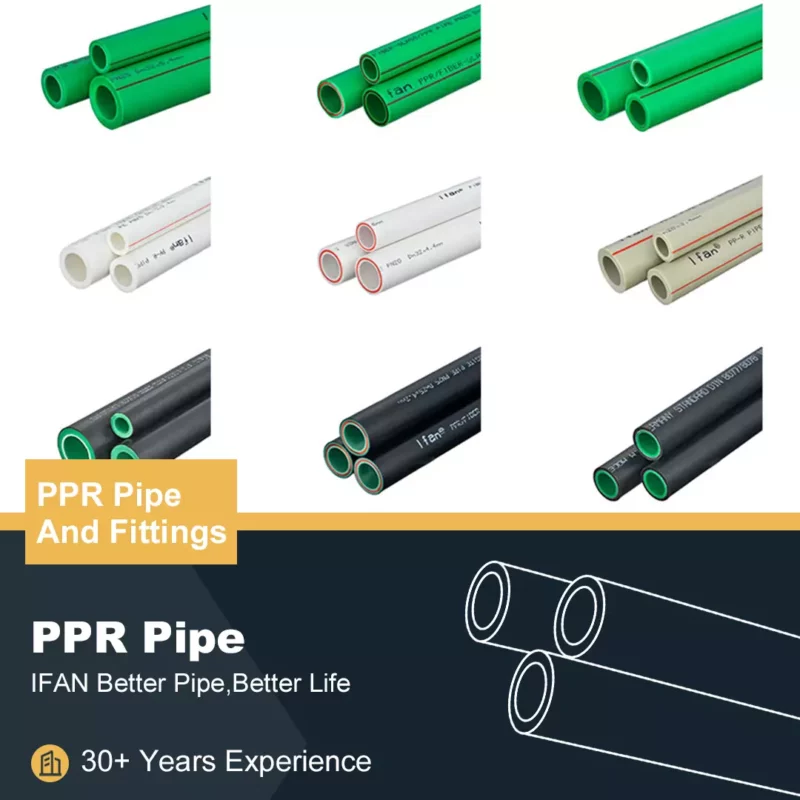
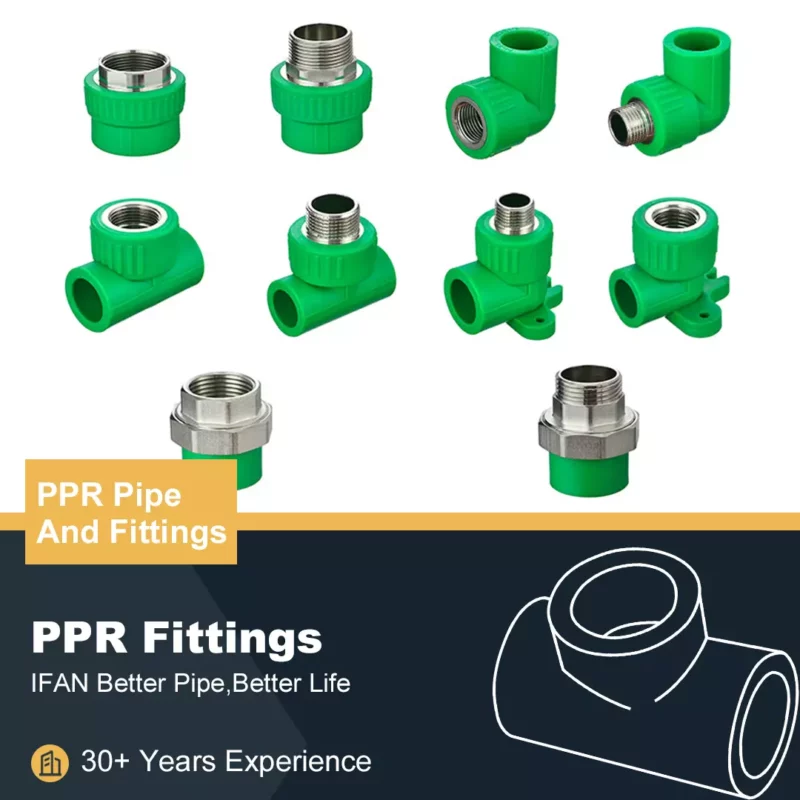
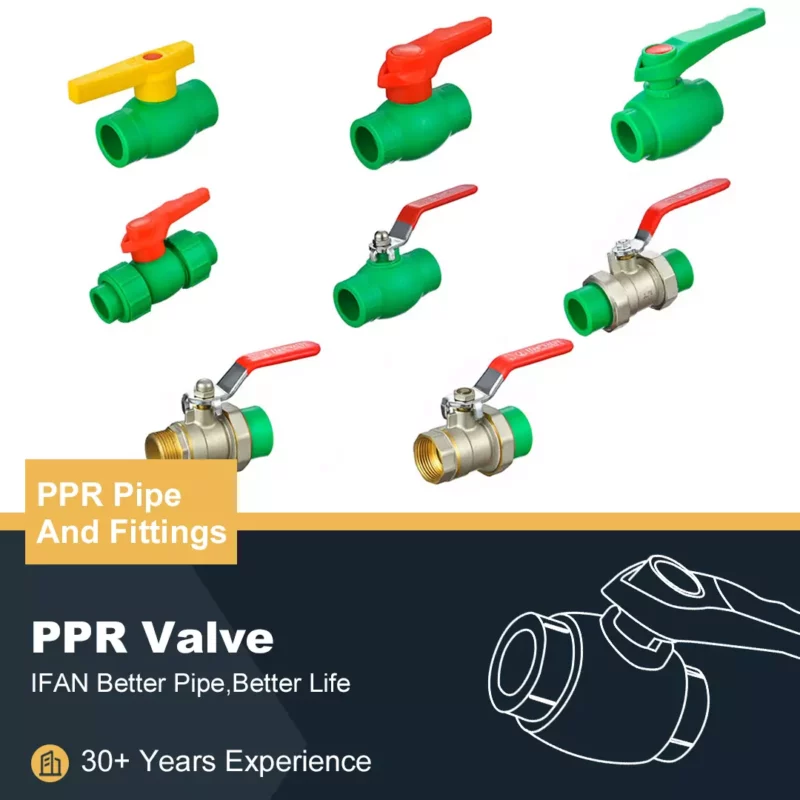
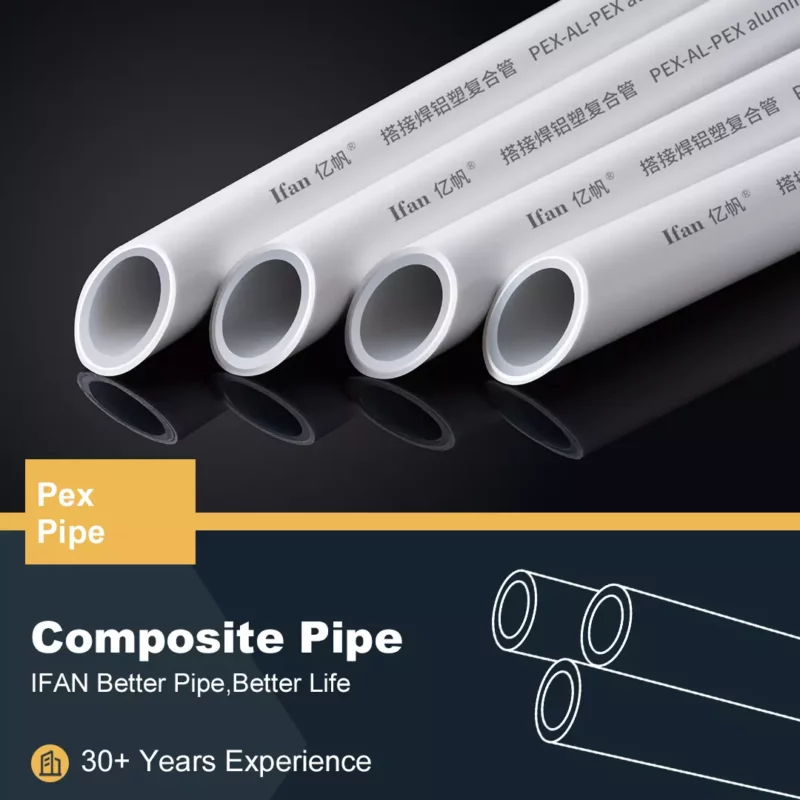


Energy efficiency has become a top priority in modern heating systems. The choice of piping material directly impacts energy consumption. PPR pipe has emerged as an ideal option for energy-efficient heating installations. Its unique thermal properties and durability reduce energy waste effectively. This article explores how PPR pipe enhances energy efficiency in heating systems and its practical applications.
1. Thermal Insulation: The Core of Energy Efficiency
PPR pipe boasts excellent thermal insulation properties. It minimizes heat loss during hot water circulation in heating systems. Unlike metal pipes that conduct heat rapidly, PPR retains heat efficiently. This means heating systems require less energy to maintain desired temperatures. Reduced heat loss directly translates to lower energy bills.
The insulation capability remains stable over long-term use. Temperature fluctuations do not weaken its thermal performance. It maintains consistent heat retention even in cold environments. This stability ensures sustained energy efficiency for heating installations. It eliminates the need for additional insulation layers in most cases.
2. Material Properties Supporting Energy-Efficient Heating
PPR pipe’s heat resistance aligns with heating system requirements. It withstands continuous temperatures up to 95°C, matching standard heating water temperatures. It does not deform or degrade under prolonged heat exposure. This allows for efficient heat transfer without material compromise. Its stable structure ensures consistent performance in heating cycles.
The smooth inner surface of PPR pipe reduces flow resistance. Low flow resistance means circulating pumps use less energy. The heating system operates more efficiently with reduced power consumption. It also prevents sediment buildup that can hinder heat transfer. A smooth flow path maintains optimal energy efficiency over time.
3. Installation Advantages for Energy Efficiency
PPR pipe uses heat fusion technology for connections. This creates seamless, leak-proof joints that prevent heat loss. Leaks in pipe joints are a major source of energy waste in heating systems. Fusion joints eliminate this risk, preserving heat within the system. No gaps or weak points exist for thermal energy to escape.
The lightweight and flexible nature simplifies precise installation. It can be routed in optimal paths to minimize pipe length. Shorter pipe lengths reduce heat loss and flow resistance. It fits easily in tight spaces, adapting to efficient heating system designs. Professional installation ensures maximum energy-saving potential.
4. Applications in Various Energy-Efficient Heating Systems
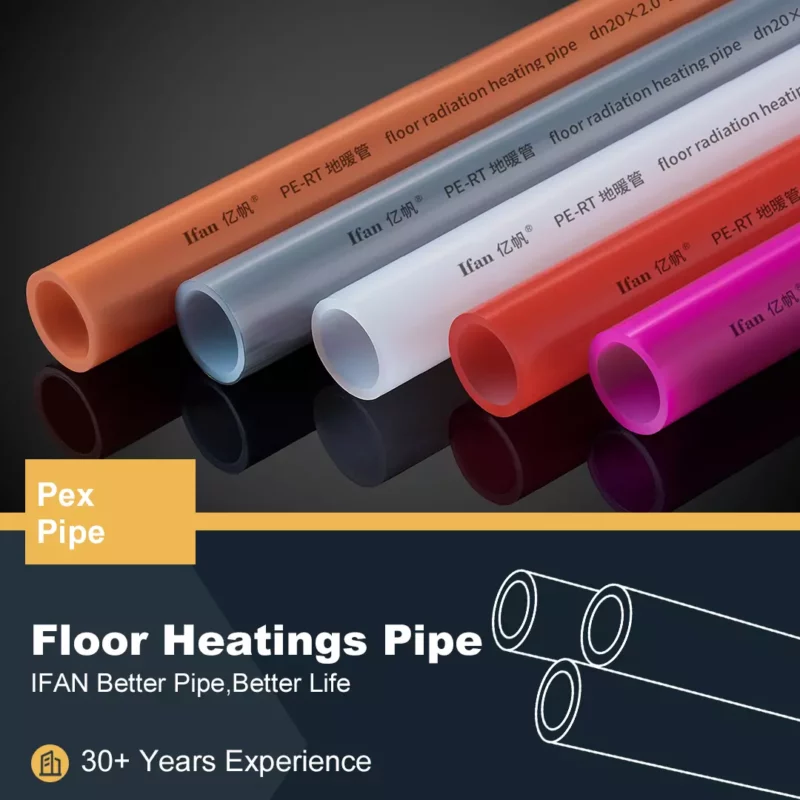
In residential underfloor heating systems, PPR pipe excels. Underfloor heating relies on efficient heat distribution and retention. PPR’s thermal insulation ensures even heat spread across floors. It operates at lower temperatures while maintaining comfort, saving energy. Homeowners benefit from consistent warmth and reduced energy costs.
Commercial radiant heating installations use PPR pipe widely. Offices, schools, and shopping malls demand energy-efficient heating solutions. PPR pipe handles large-scale hot water circulation efficiently. It maintains thermal performance even with high flow rates. Its durability reduces maintenance downtime, ensuring continuous energy savings.
Renewable energy heating systems, such as solar thermal, pair well with PPR. Solar heating systems rely on maximizing heat retention. PPR pipe preserves the heat generated by solar panels effectively. It integrates seamlessly with solar heating components. This combination enhances the overall energy efficiency of renewable heating setups.
5. Comparison with Traditional Piping Materials
Metal pipes like steel and copper are inferior in energy efficiency. They conduct heat rapidly, leading to significant heat loss. Additional insulation is required to reduce energy waste, increasing costs. PPR pipe’s inherent insulation eliminates this need. It outperforms metal pipes in both energy savings and cost-effectiveness.
PVC pipes lack sufficient heat resistance for heating systems. They degrade at high temperatures, compromising energy efficiency. PPR pipe maintains thermal stability at heating temperatures. It also has better insulation than PVC, reducing heat loss. For energy-efficient heating, PPR is a far more reliable choice.
6. Maintenance and Optimization for Sustained Energy Efficiency
Proper maintenance preserves PPR pipe’s energy-saving properties. Regularly inspect fusion joints for any signs of damage. Avoid physical impacts that can create gaps or cracks. Even minor damage can increase heat loss and reduce efficiency. Prompt repairs ensure consistent thermal performance.
Optimizing pipe sizing enhances energy efficiency further. Undersized pipes increase flow resistance and pump energy use. Oversized pipes lead to unnecessary heat loss and material waste. Professional sizing based on heating system demand ensures optimal efficiency. It maximizes the energy-saving potential of PPR pipe installations.
Avoiding direct sunlight exposure protects material integrity. UV radiation can degrade the pipe’s surface over time. Damaged surfaces reduce thermal insulation performance. Installing pipes in shaded areas or using protective sleeves maintains efficiency. This simple measure extends both pipe life and energy-saving capabilities.
Conclusion
PPR pipe is a superior choice for energy-efficient heating installations. Its thermal insulation properties minimize heat loss effectively. Stable material performance and leak-proof joints support sustained energy savings. It adapts to various heating systems, from residential underfloor to commercial radiant setups. It outperforms traditional materials in both energy efficiency and durability. Proper installation, sizing, and maintenance maximize its energy-saving potential. For those seeking to reduce heating energy consumption and costs, PPR pipe offers an optimal, reliable solution that aligns with modern energy efficiency goals.
If you have read this article and have any questions, please feel free to contact IFAN. Below is our contact information:
Whatsapp:+86 13373827623
Email:[email protected]