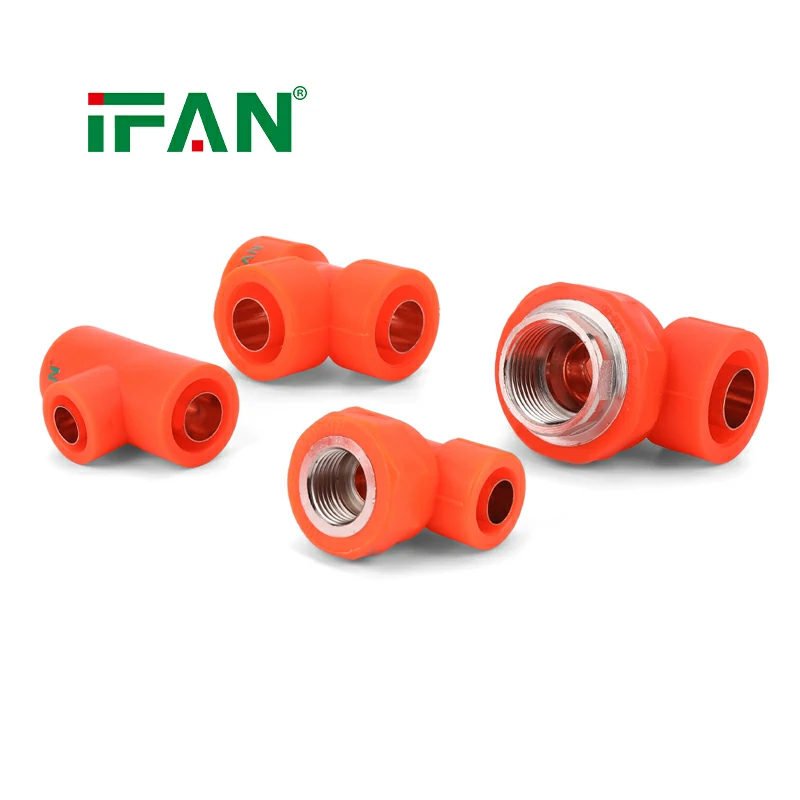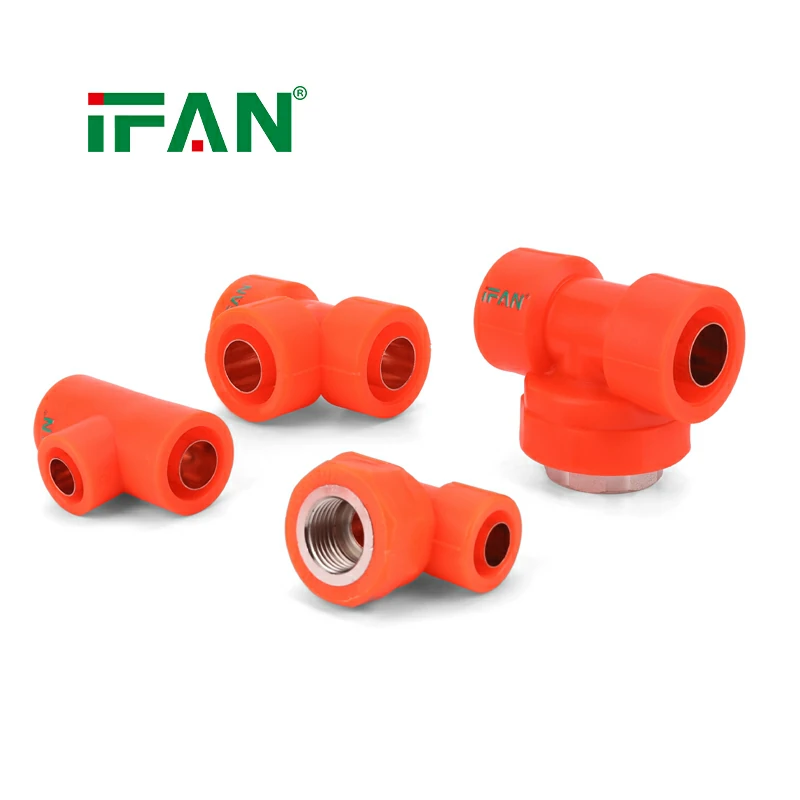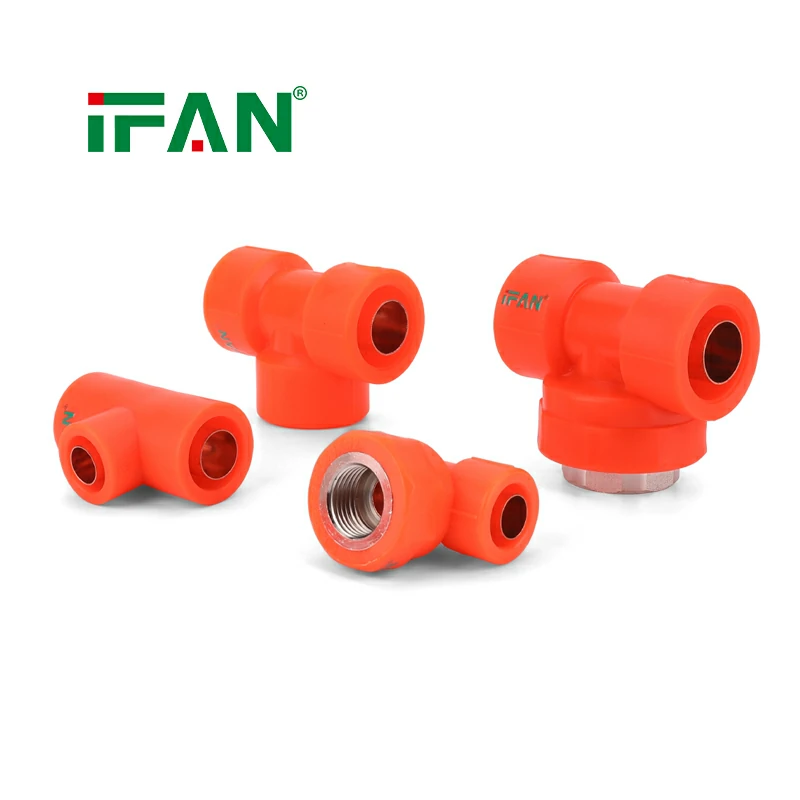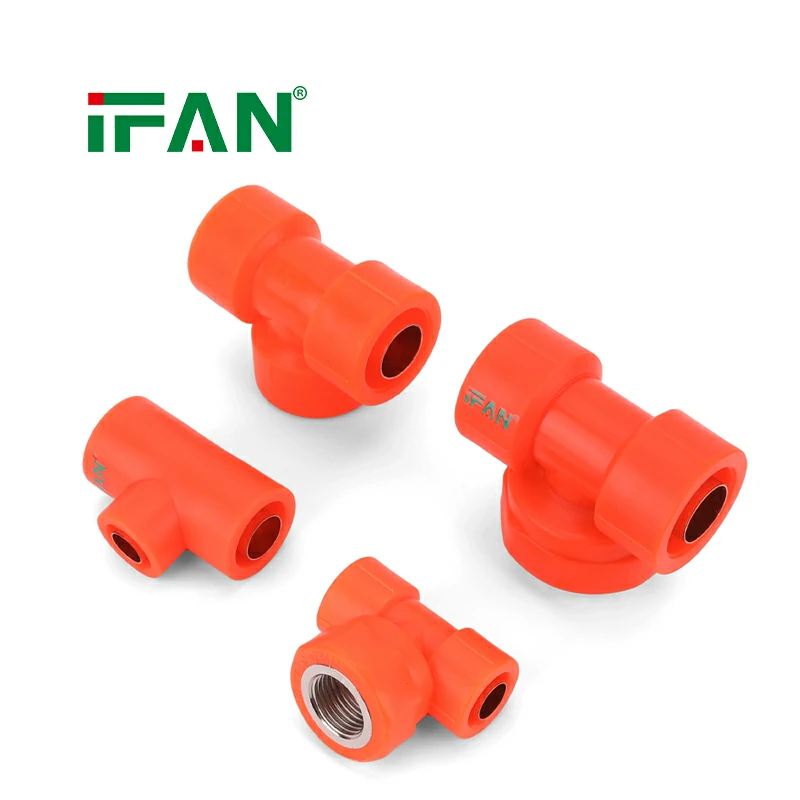
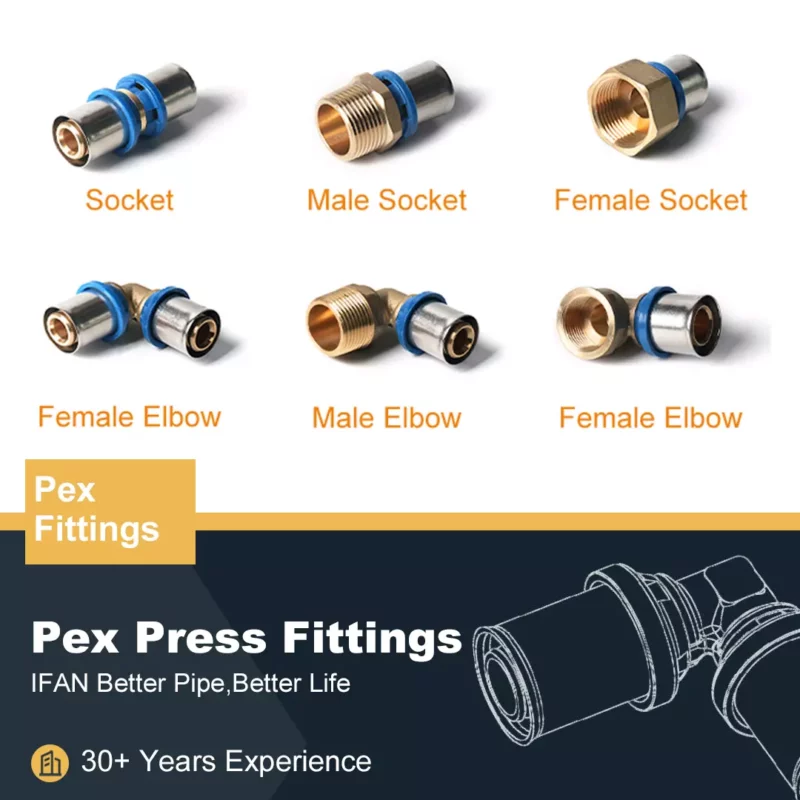


PEX Press Fitting Come to Those Who WaitThere’s an old tradesman’s saying that still holds true: the job will teach you if you’re willing to learn. In the world of modern plumbing, nowhere is this more evident than with PEX press fittings. The initial excitement of cordless tools and five-second connections can quickly give way to frustration when fittings leak, tools jam, or warranties get voided. But there’s a pattern emerging among successful contractors: those who patiently master the system’s nuances are building more reliable plumbing, with fewer callbacks and better margins.
This isn’t about rushing to adopt the latest technology. It’s about understanding that quality with PEX press fittings comes from patience in three key areas: tool investment, installation technique, and system design.
The Tool Investment: Why Rushing Costs More
The landscape of press tools is littered with bargains that became regrets. The contractor who buys the cheapest compatible tool often discovers the true cost later:
Battery System Compatibility
One plumbing company learned this through expensive experience. They purchased a budget press tool only to discover their entire crew already used a different battery platform. The “savings” evaporated when they had to maintain two separate charging systems and purchase additional batteries. Waiting to invest in tools that integrate with your existing ecosystem pays dividends in convenience and efficiency.
Jaw Quality and Longevity
Another common rush job involves jaw sets. One service plumber bought aftermarket jaws to save sixty dollars, only to have them fail during a press in a finished ceiling. The water damage repair cost exceeded two thousand dollars. Factory jaws, while more expensive initially, undergo rigorous testing and maintain precise tolerances that budget alternatives can’t match.
The patient approach means researching not just the tool, but the entire system: battery compatibility, jaw availability, service center locations, and warranty terms. This due diligence prevents costly mistakes down the line.
Installation Technique: The Unseen Details Matter
PEX press fittings create a deceptive simplicity. The process seems straightforward—cut, press, move on. But the installers who achieve zero callbacks approach each connection with methodical patience:
The Five-Second Pause
One commercial installer trains his crew to perform a five-point check before every press:
- Verify jaw size matches fitting size
- Confirm pipe is fully seated using depth gauge
- Check for debris on O-ring or sleeve
- Ensure tool is properly positioned
- Confirm battery level is adequate
This ritual takes five seconds but has eliminated their press-related failures completely.
The Support System
Rushing to press fittings without proper support creates long-term problems. A building manager discovered this when a newly installed system developed leaks at several elbows. Investigation revealed the installers had pressed all fittings before securing the pipe, leaving stress on every connection. The patient installer supports the pipe first, then makes connections with no residual stress.
System Design: Planning Beats Patching
The greatest benefits of PEX press fittings emerge when they’re part of a considered system design, not just a replacement for solder:
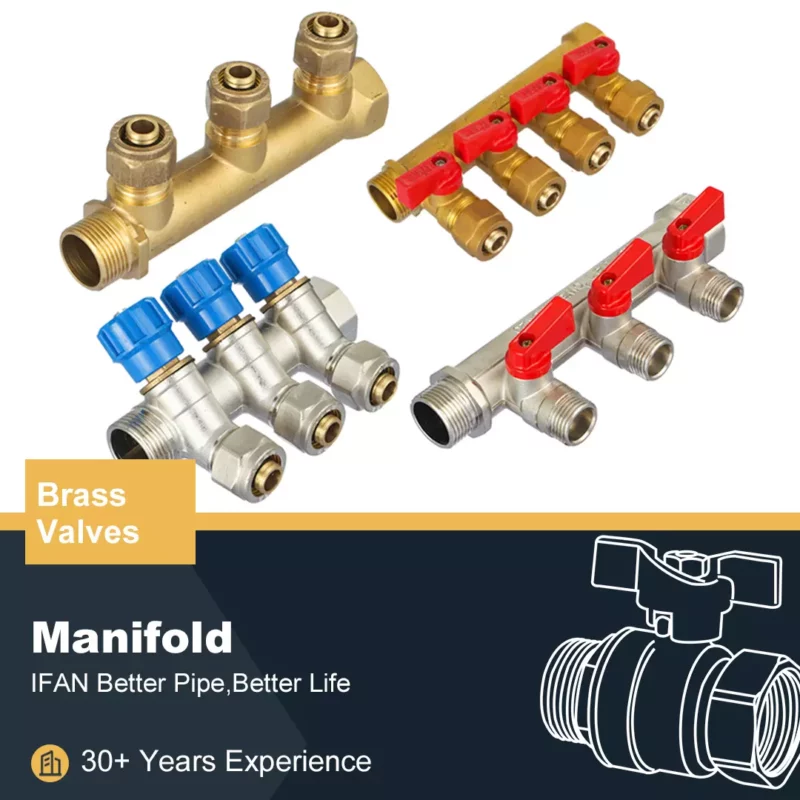
Manifold Systems and Home Runs
One custom home builder spent extra time designing a home-run manifold system using PEX press fittings. The initial installation took slightly longer, but they’ve had zero service calls in three years. Meanwhile, their competitor who rushed through a traditional trunk-and-branch system using the same fittings has faced multiple leaks and homeowner complaints.
Future Service Considerations
Patient installers think beyond the rough-in. They leave service loops near fixtures and install isolation valves at strategic points. One service plumber reported that his careful planning with PEX press fittings allowed him to replace a faulty valve in fifteen minutes—a job that would have taken hours with soldered copper.
The Learning Curve: Embracing the Process
Mastering PEX press fittings requires acknowledging there’s a learning curve:
Waste Factor Acceptance
Smart contractors budget for a higher waste factor during the first few projects. They order extra fittings and dedicate time for crew training. One company even created a practice board where new employees can make dozens of connections before touching live plumbing.
Manufacturer Relationships
The most successful installers develop relationships with manufacturer reps. They attend training sessions and read technical bulletins. This patience with continuing education keeps them updated on best practices and prevents installation errors.
The Business Case for Patience
Beyond the technical aspects, there’s a compelling business argument for taking your time with PEX press fittings:
Warranty Protection
Rushing installations often voids manufacturer warranties. One contractor discovered this when multiple fittings failed and the manufacturer determined improper tool use was to blame. The repair costs came from their pocket instead of the manufacturer’s.
Reputation Building
In an industry where reputation is everything, patient craftsmanship pays long-term dividends. The plumbing companies known for trouble-free installations command premium pricing and have waiting lists of clients.
The truth about PEX press fittings is that they reward careful, methodical approaches and punish haste. The contractors who invest time in proper tool selection, thorough crew training, and thoughtful system design are building not just better plumbing systems, but better businesses.
The technology represents a significant advancement in plumbing, but it hasn’t changed the fundamental truth of the trades: quality can’t be rushed. Good PEX press fittings—and the reliable systems they create—truly do come to those who wait.
Frequently Asked Questions (FAQ)
1. How long does it typically take to become proficient with PEX press fittings?
Most professional plumbers report a 2-3 week learning curve for basic proficiency, but 6-12 months for true mastery. The basics are easy to learn, but understanding system design, troubleshooting, and advanced techniques takes significant field experience.
2. What’s the most common mistake beginners make with press fittings?
Rushing the preparation process. The most frequent errors include not making square cuts, failing to deburr pipe ends, and not verifying insertion depth before pressing. These simple preparation steps make the difference between success and failure.
3. Are certain brands more forgiving for beginners?
Most major brands have similar learning curves, but systems with clear visual indicators (like inspection windows or distinct click sounds) can help beginners build confidence more quickly. The brand that matches your existing tools is often the best choice.
4. How much should I budget for practice materials when switching to press fittings?
Plan to spend $200-400 on extra fittings and pipe for training purposes. This investment in practice materials is far cheaper than the cost of even one callback to repair a leaking fitting in a finished wall.
5. What’s the best way to train crew members on proper press fitting technique?
Create a structured training program that includes manufacturer videos, hands-on practice boards, and supervised installation on non-critical applications. Pairing new users with experienced press fitting installers dramatically reduces the learning time and prevents bad habits from forming.
Whatsapp:+86 13373827623
Email:[email protected]