

Understanding the PPR Brass Insert
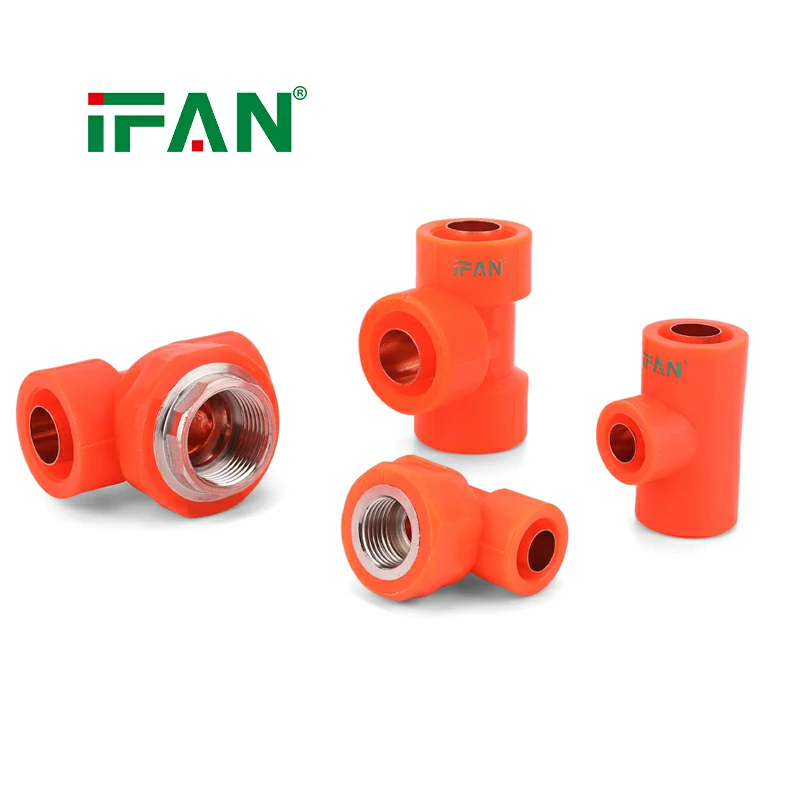
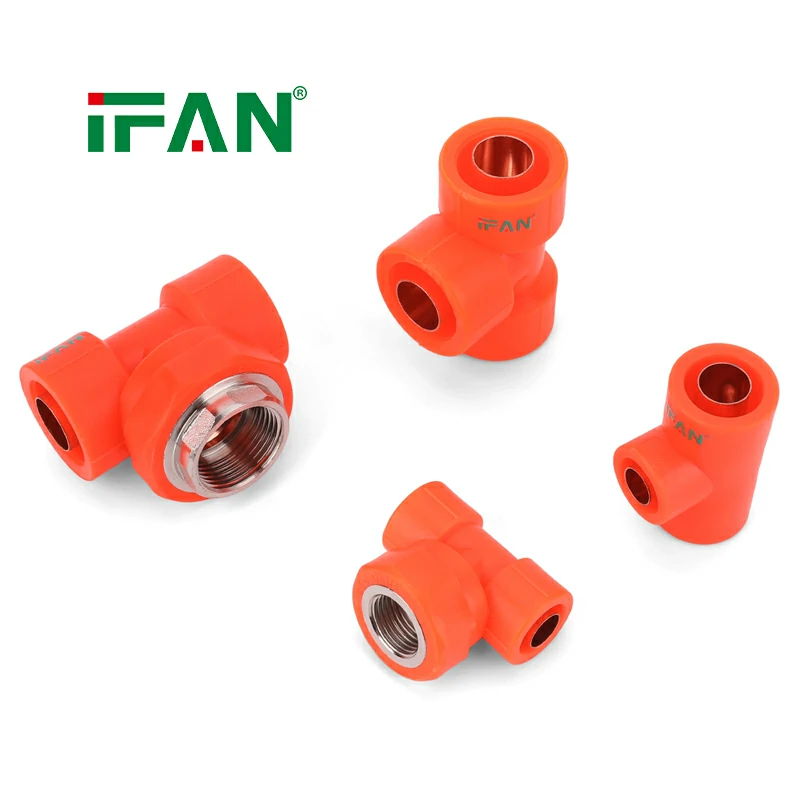
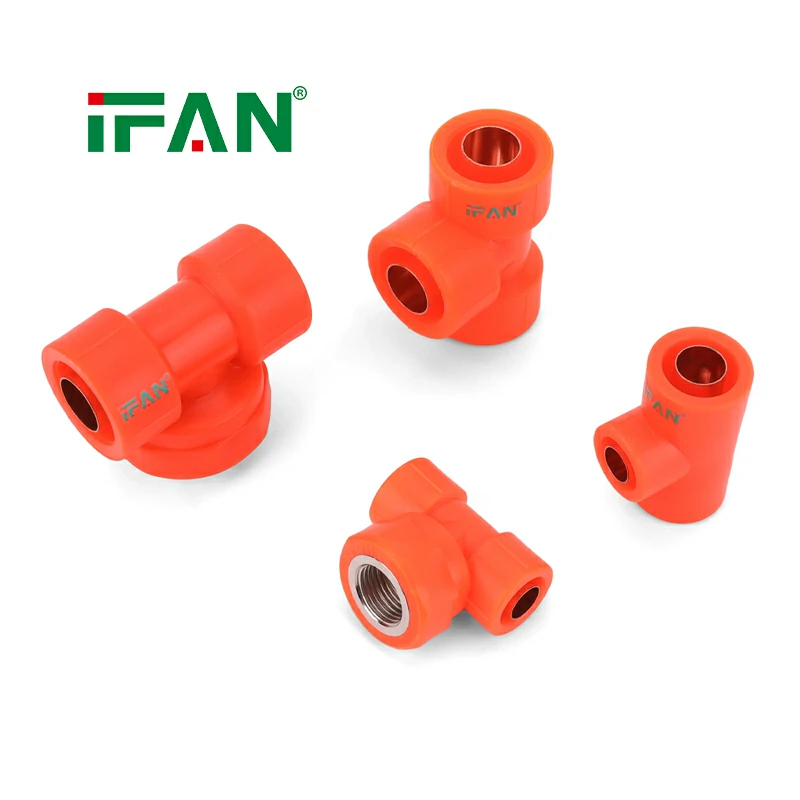
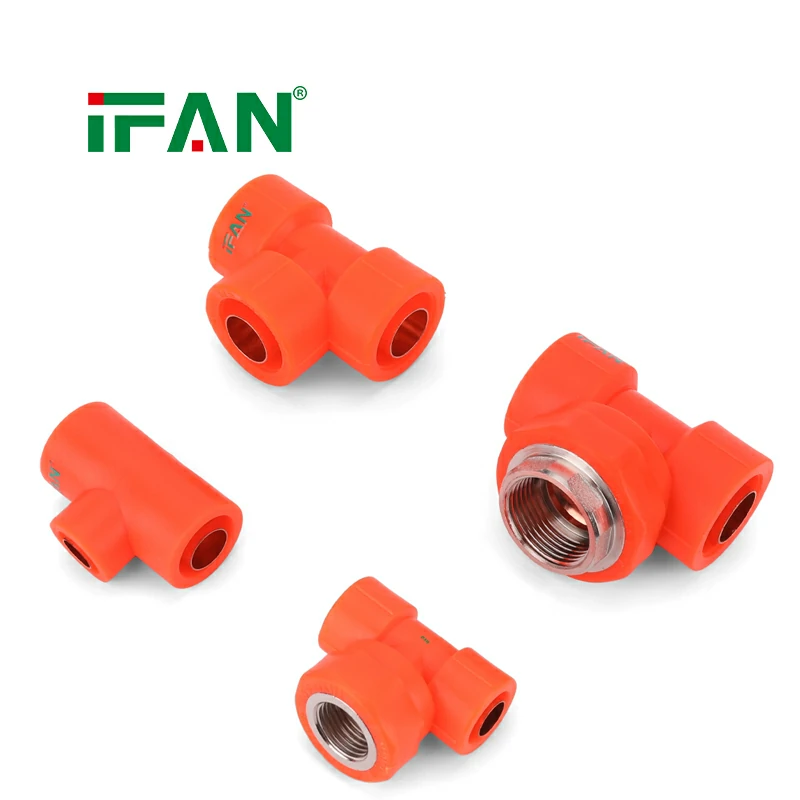
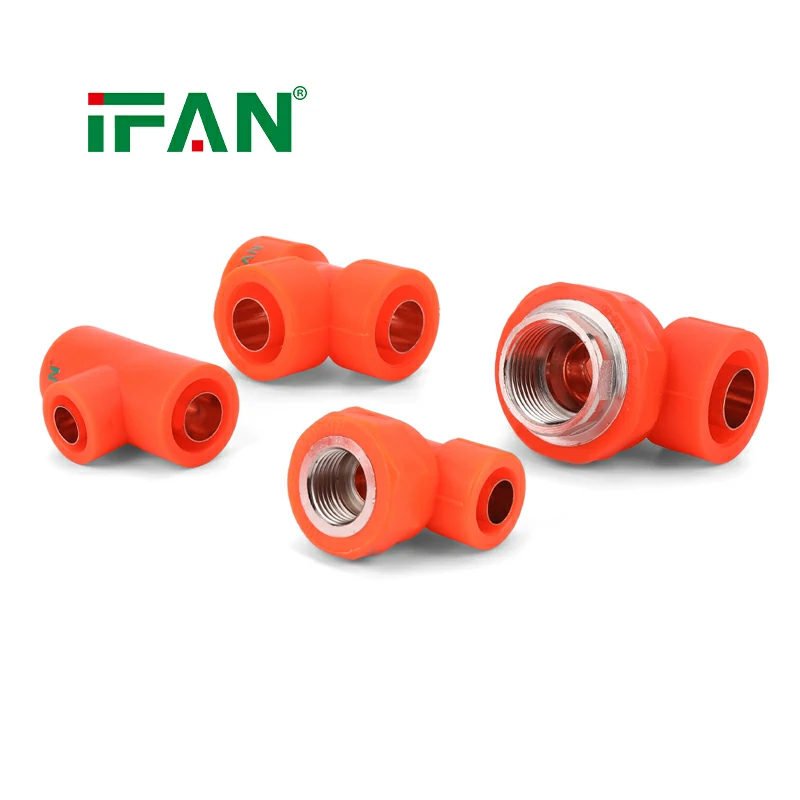
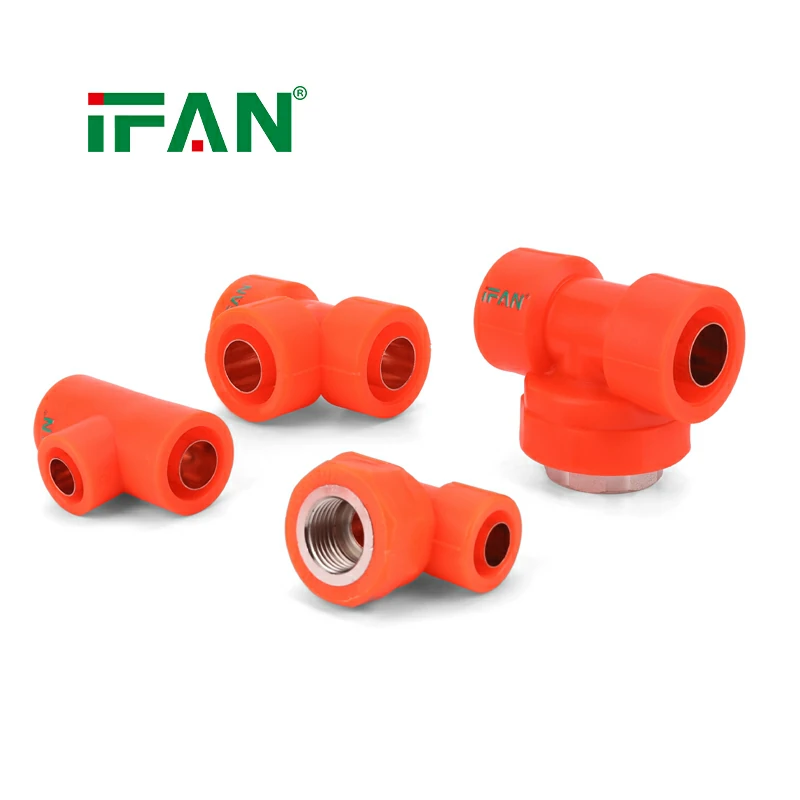
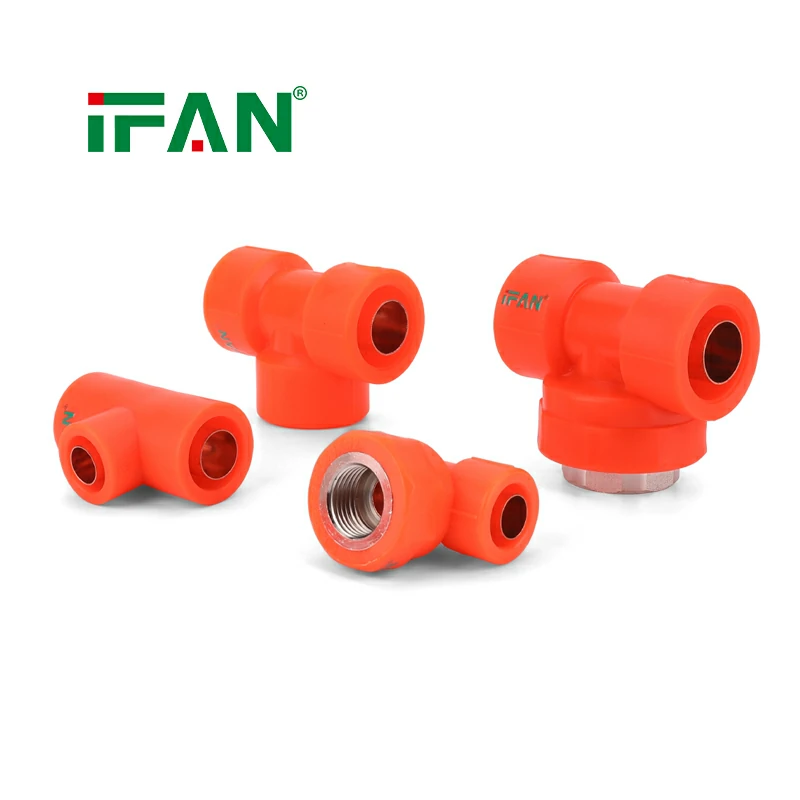
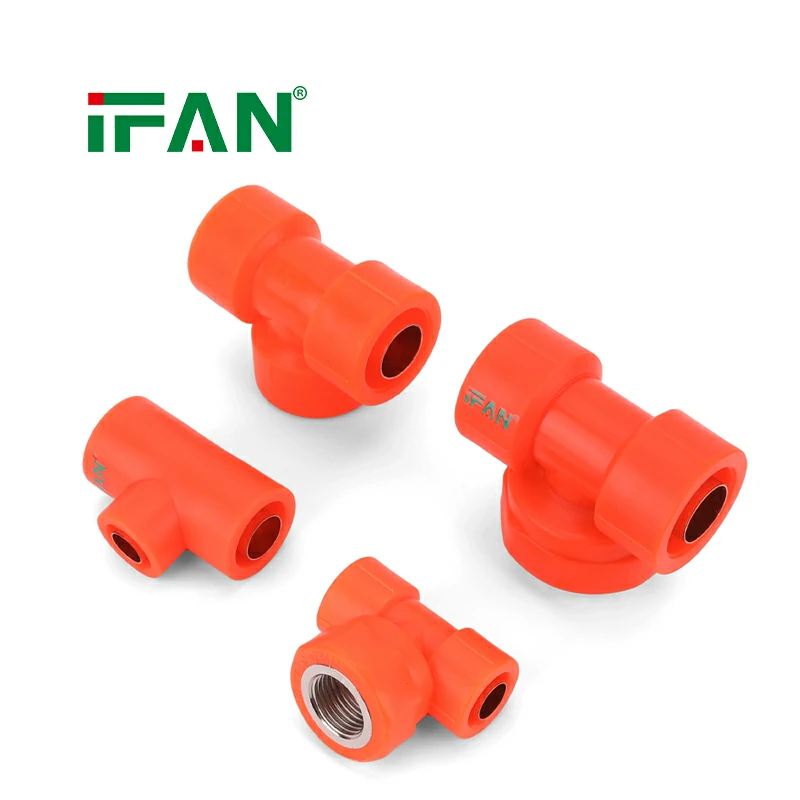
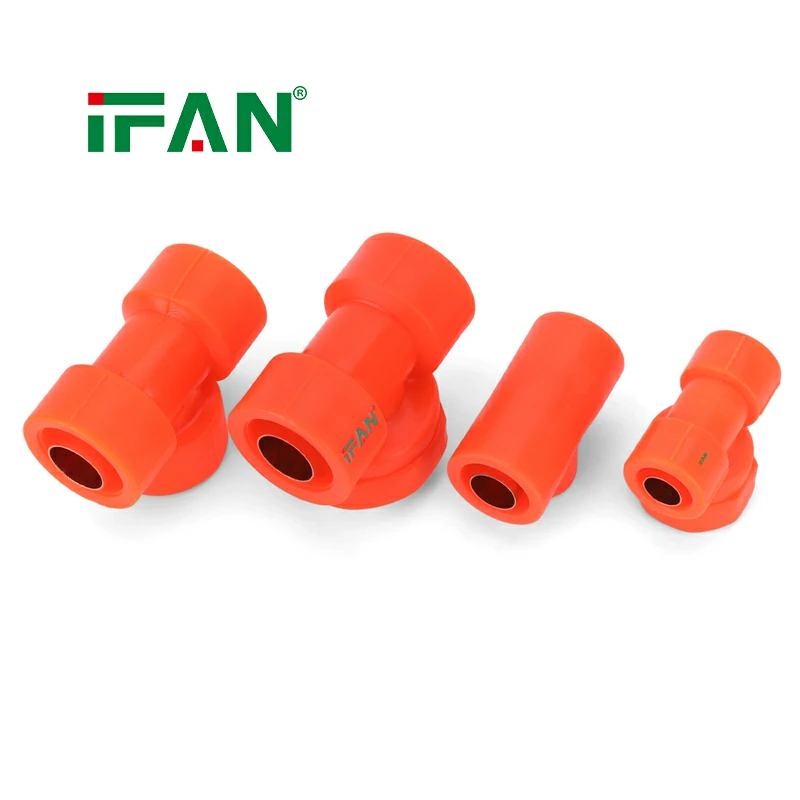
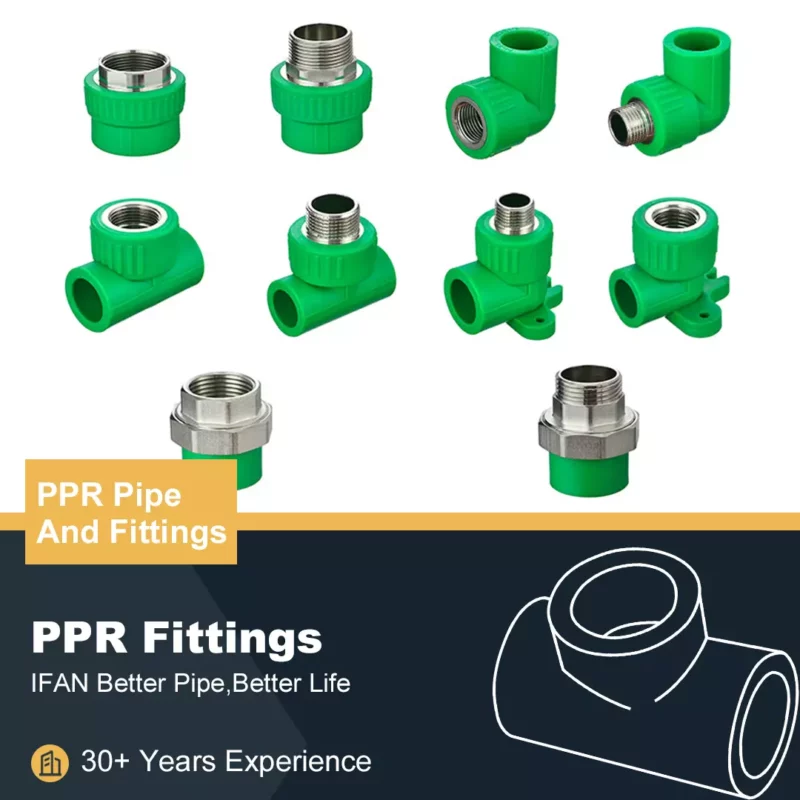
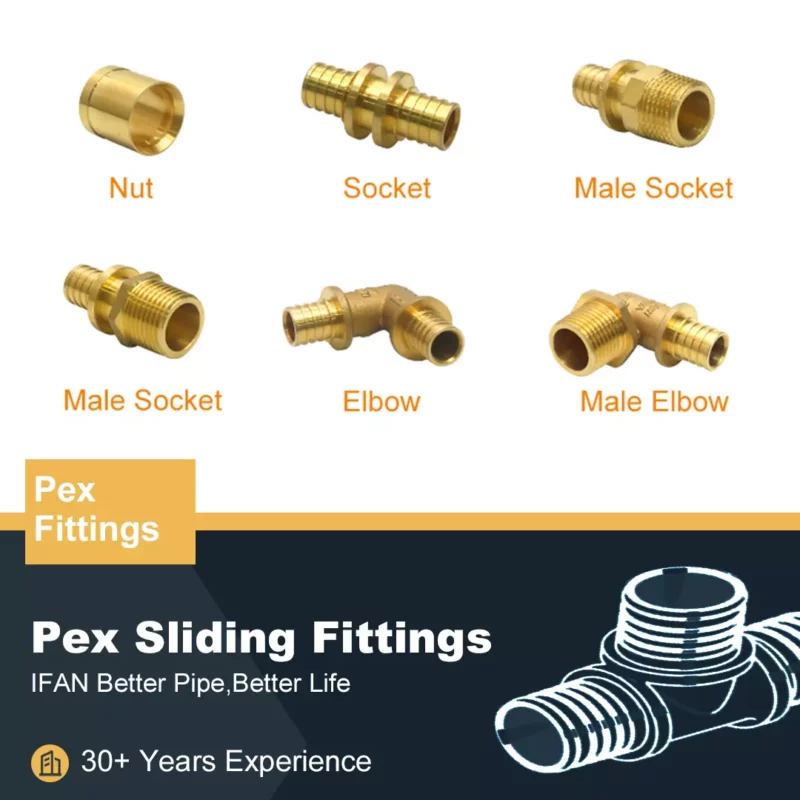
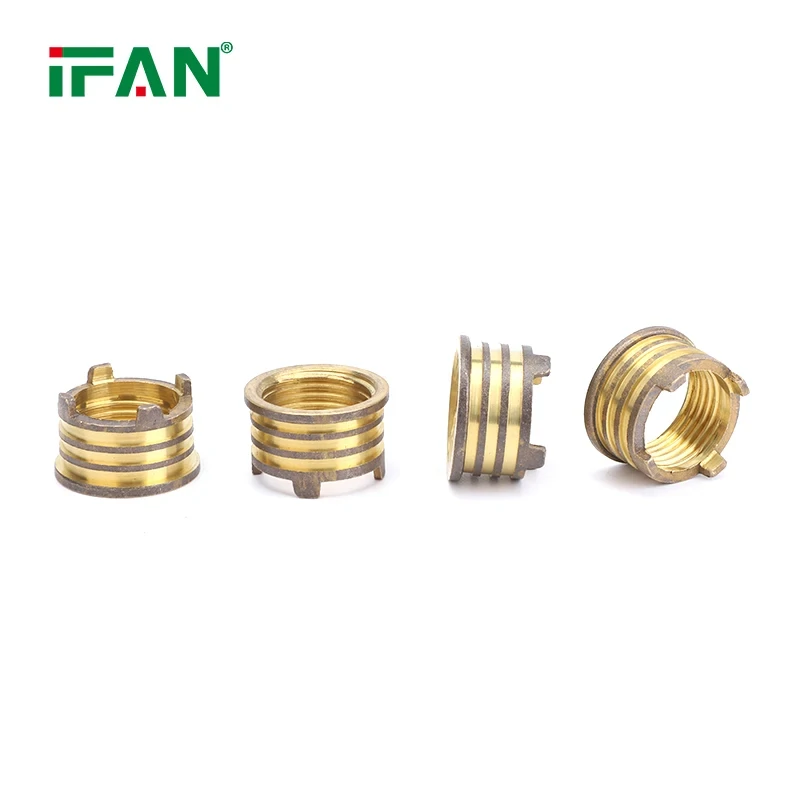
A PPR Thread Brass Inserts are a hybrid fitting. It connects PPR pipes to threaded systems. This is essential in modern plumbing. It ensures a secure and durable transition.
The Core Design Principle
The fitting has two distinct ends. One end is made of PPR for fusion. The other end features brass threads. This design bridges different plumbing materials seamlessly.
Why Brass for the Threads?
Brass is the ideal metal for threading. It is highly corrosion-resistant. It machines to create precise, strong threads. Brass also withstands high mechanical stress.
The PPR Fusion Advantage
The PPR end uses thermal fusion. Heating melts the PPR pipe and fitting. They fuse into a single, monolithic piece. This joint is stronger than the pipe itself.
A Permanent PPR Bond
The fusion joint is fundamentally leak-proof. It does not rely on seals or gaskets. It becomes part of the pipe system. This bond is permanent and maintenance-free.
The Brass Thread Function
The brass end accepts standard threaded components. You can connect valves, taps, or other appliances. It creates a robust mechanical connection. This is its primary purpose.
Material Composition Matters
High-quality inserts use lead-free brass. This is crucial for potable water safety. The PPR is often grade PN 20 or PN 25. This indicates pressure and temperature ratings.
Pressure Handling Capabilities
These fittings handle significant pressure. PN 20 rated fittings suit cold water. PN 25 is for heating systems. Always check the manufacturer’s pressure rating.
Temperature Resistance
PPR and brass handle high temperatures. They are perfect for hot water lines. The material will not degrade with heat. This ensures long-term system integrity.
Common Applications in Systems
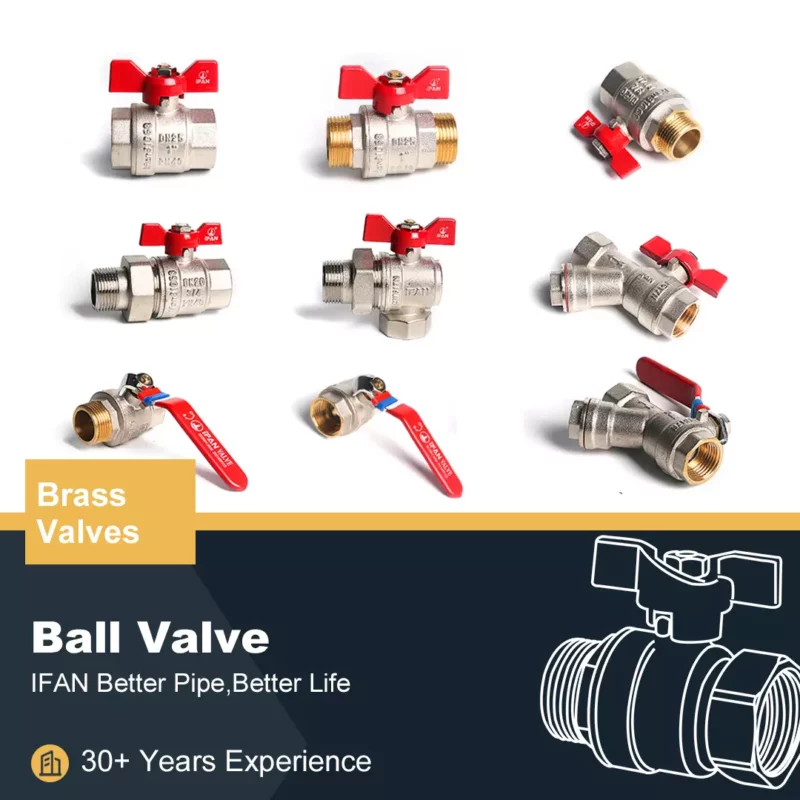
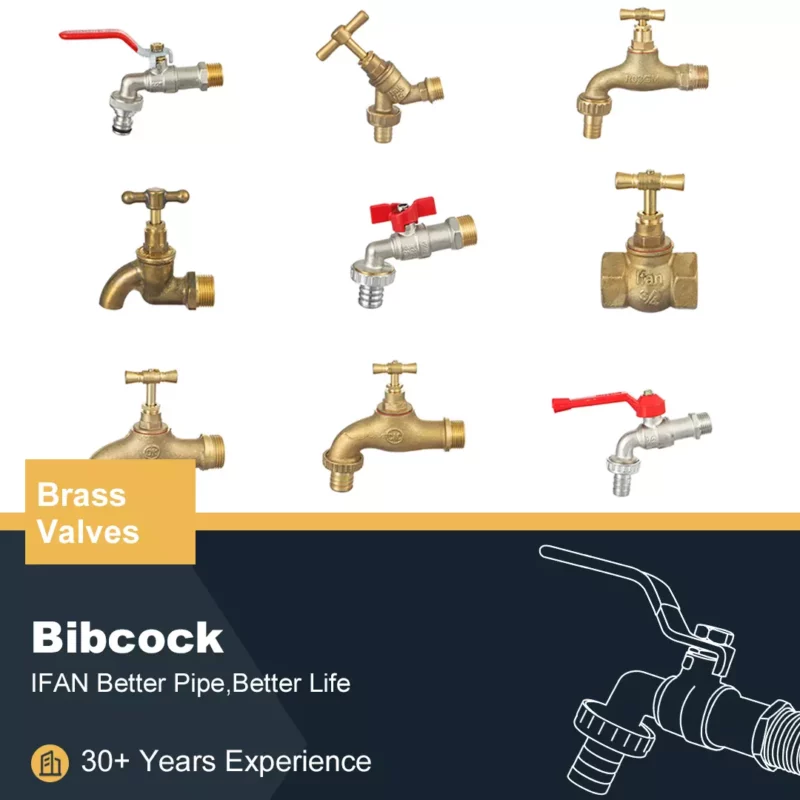
Use them to connect under-sink valves. Link PPR systems to water heaters. Install them for toilet inlet connections. They are versatile transition points.
Male vs. Female Thread Types
You must choose the correct thread type. Male threads (External) screw into a port. Female threads (Internal) accept a male pipe. Select based on your application.
International Thread Standards
Most common is the BSP thread standard. BSPP (G) are parallel threads. BSPT (R) are tapered threads. Verify your local standard before purchasing.
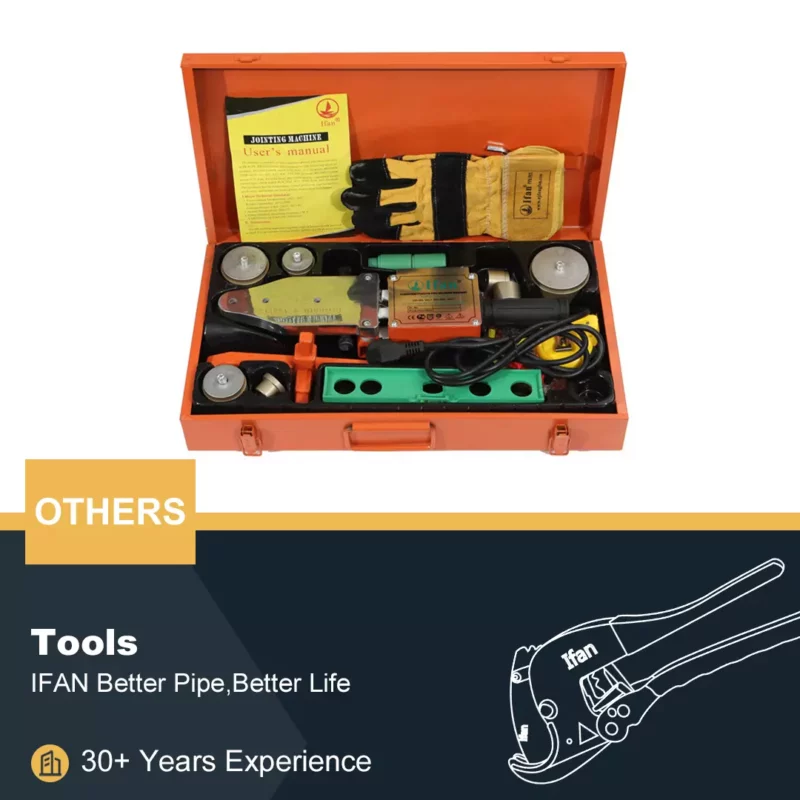
Key Installation Tool: The Welding Machine
You need a dedicated PPR welder. This tool has two heating elements. It heats the pipe and fitting simultaneously. Correct temperature is critical for success.
Step 1: Pipe Preparation
Cut the PPR pipe perfectly square. Use a sharp PPR pipe cutter. Remove any burrs from the inner and outer edges. Clean the pipe end thoroughly.
Step 2: Marking Insertion Depth
Mark the pipe with a depth gauge. This shows how far to insert it. It prevents pushing the pipe too far. This ensures a properly formed joint.
Step 3: Heating the Components
Set the welder to the right temperature. Typically 260°C (500°F). Heat both the pipe end and fitting socket. Follow the manufacturer’s heating time chart exactly.
Step 4: The Crucial Connection
Remove parts from the welder immediately. Push the pipe straight into the fitting. Do not rotate or twist the pipe. Hold it firmly until the plastic sets.
Achieving the Perfect Bead
A small bead of molten PPR will form. This is the “roll” or “bead”. It confirms a successful fusion joint. Its presence indicates a proper seal.
Thread Sealing is Essential
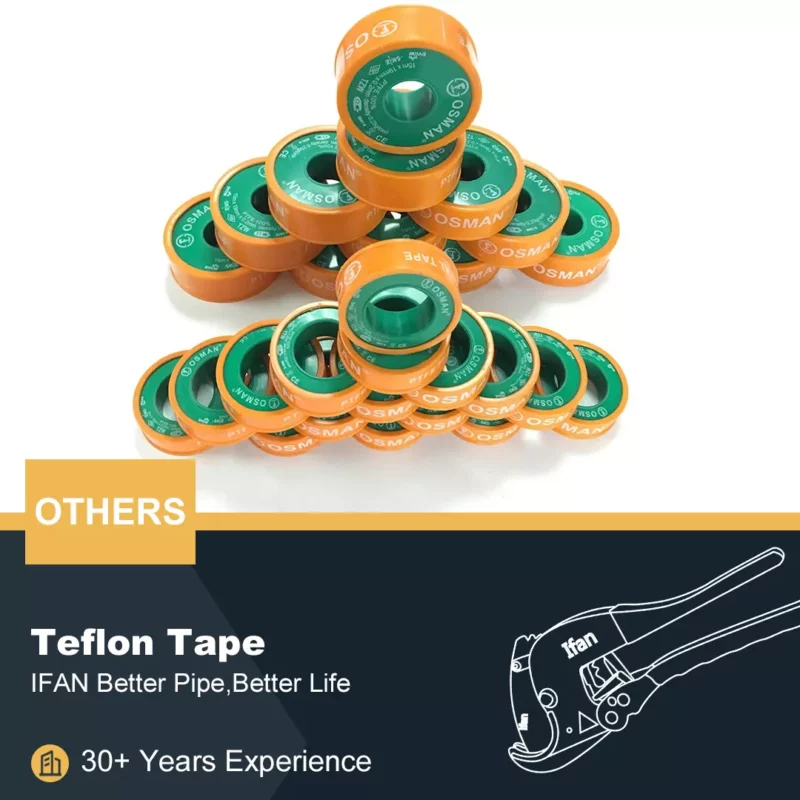
The PPR joint needs no sealant. But the brass threads absolutely do. Always wrap with PTFE tape. Use a high-quality paste sealant for extra security.
Avoiding Common Installation Errors
Do not over-tighten the threaded connection. This can crack the PPR body. Avoid under-heating or over-heating the PPR. Always use a clean welding surface.
Visual Quality Inspection
Inspect the brass threads before installation. They must be clean and undamaged. Check the PPR body for cracks or defects. Ensure the internal waterway is smooth.
Why This Combination Works
PPR resists corrosion and scaling. Brass provides strong, reusable threads. Together, they create a perfect, long-lasting transition point. It is a reliable engineering solution.
Selecting the Correct Size
Match the PPR pipe outer diameter. Common sizes are 20mm, 25mm, and 32mm. Match the thread size to your fixture. 1/2″ and 3/4″ are most common.
Indicator of Quality: Weight
A heavier fitting often indicates quality. It suggests thicker walls and more brass. This contributes to greater pressure resistance. Compare weights between brands.
Conclusion: A Vital Plumbing Link
PPR Thread Brass Inserts are indispensable. They enable reliable mixed-system plumbing. Correct installation guarantees a leak-free service life. They are a cornerstone of modern plumbing systems.
If you have read this article and have any questions, please feel free to contact IFAN. Below is our contact information:
Whatsapp:+86 13373827623
Email:[email protected]