
There’s a moment in nearly every renovation or retrofit job where the old meets the new. You’re staring at a wall, opened up to reveal aging copper lines, and you need to tie in a new PEX system. This junction point is critical. It’s a potential trouble spot, a time sink, and a test of a system’s versatility. The ability of Uponor’s PEX press fitting to connect directly to copper isn’t just a feature—it’s a fundamental solution for the reality of modern plumbing.
For decades, joining different materials was a craft, requiring flux, solder, and a careful hand. But with the advent of press technology, this process has been streamlined into a simple, reliable connection that takes seconds. Let’s explore how this connection works and why it matters on the job site.
The Transition Fitting: Where Two Worlds Meet
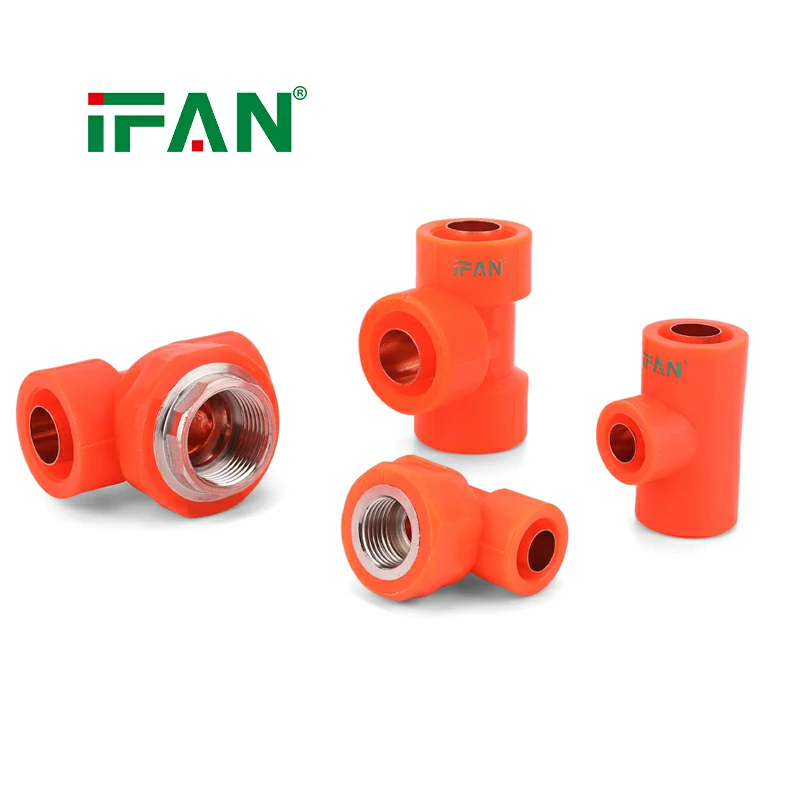
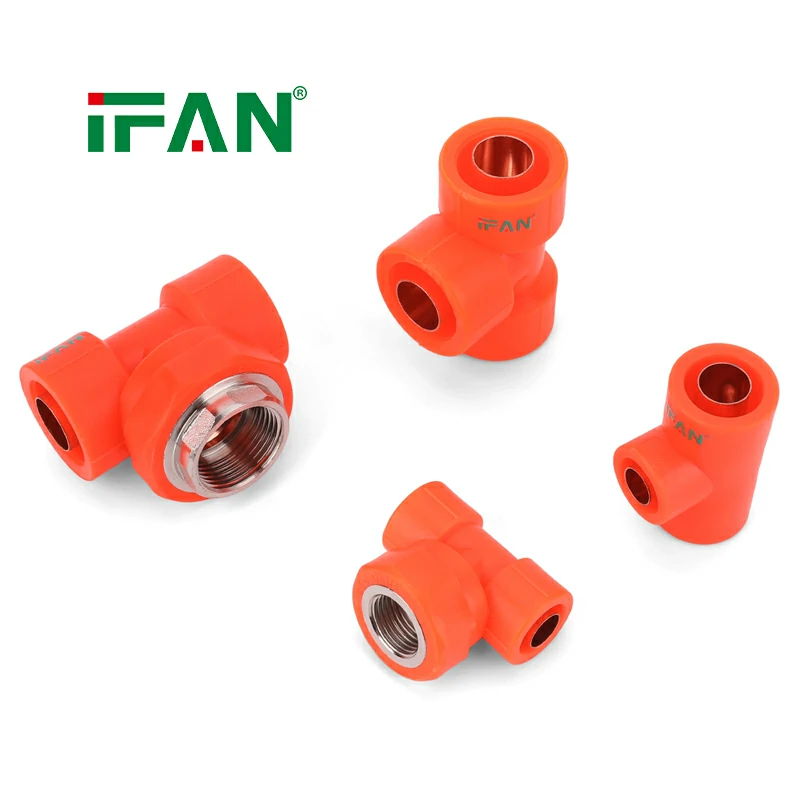
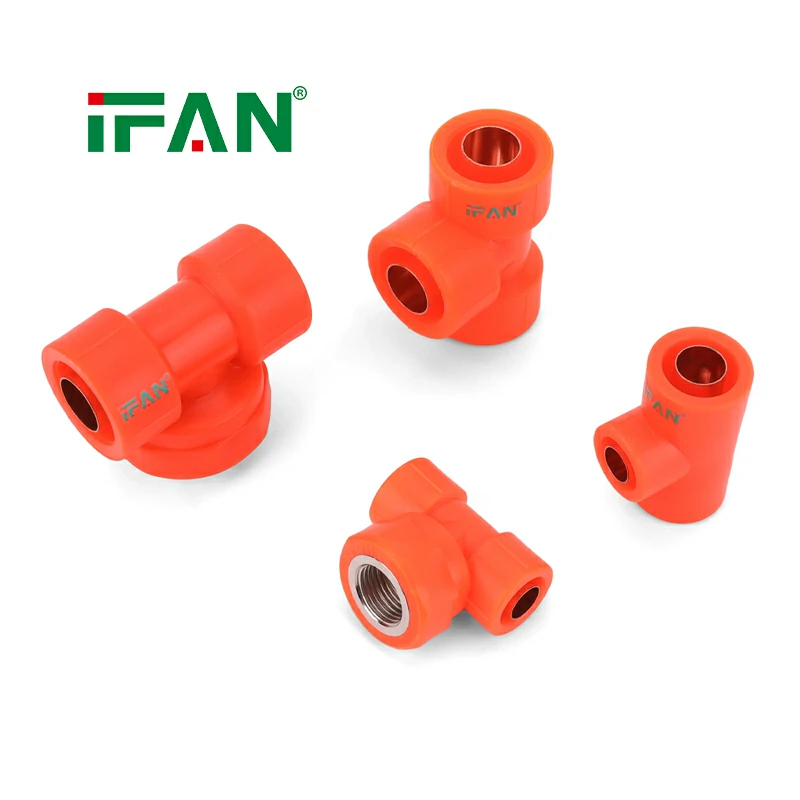
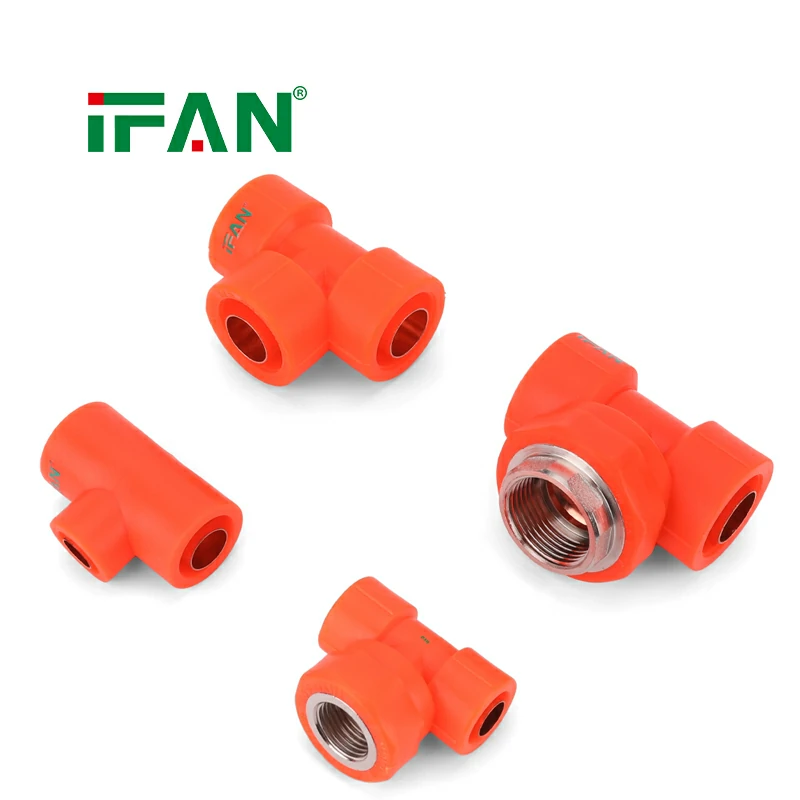
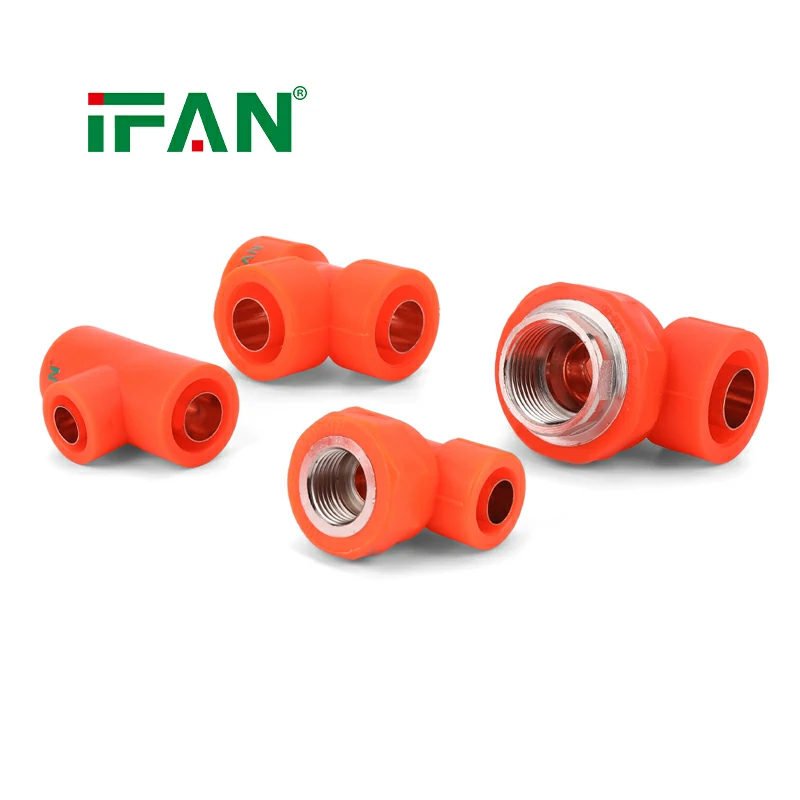
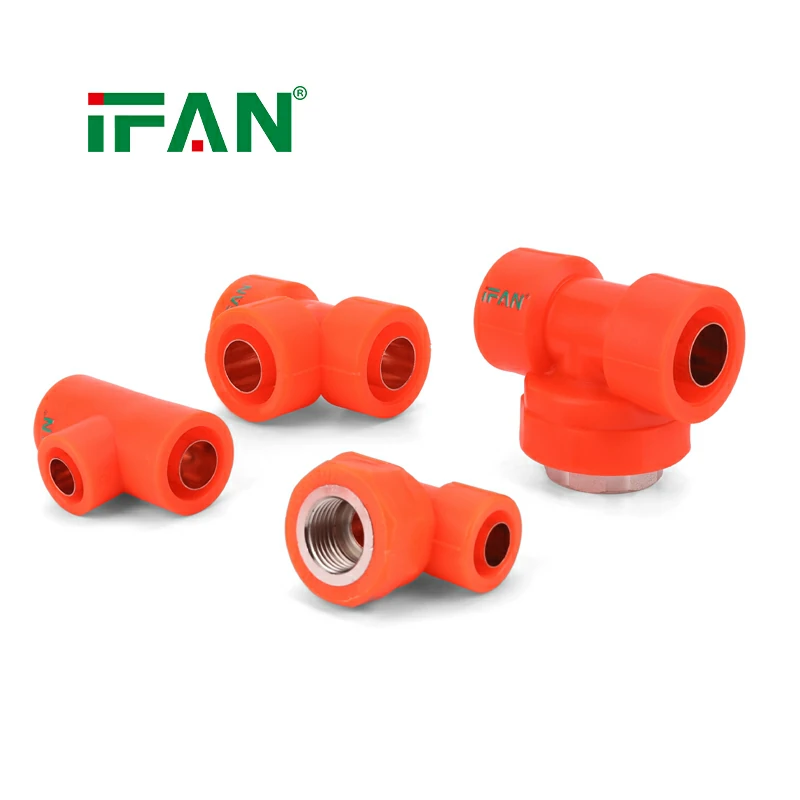
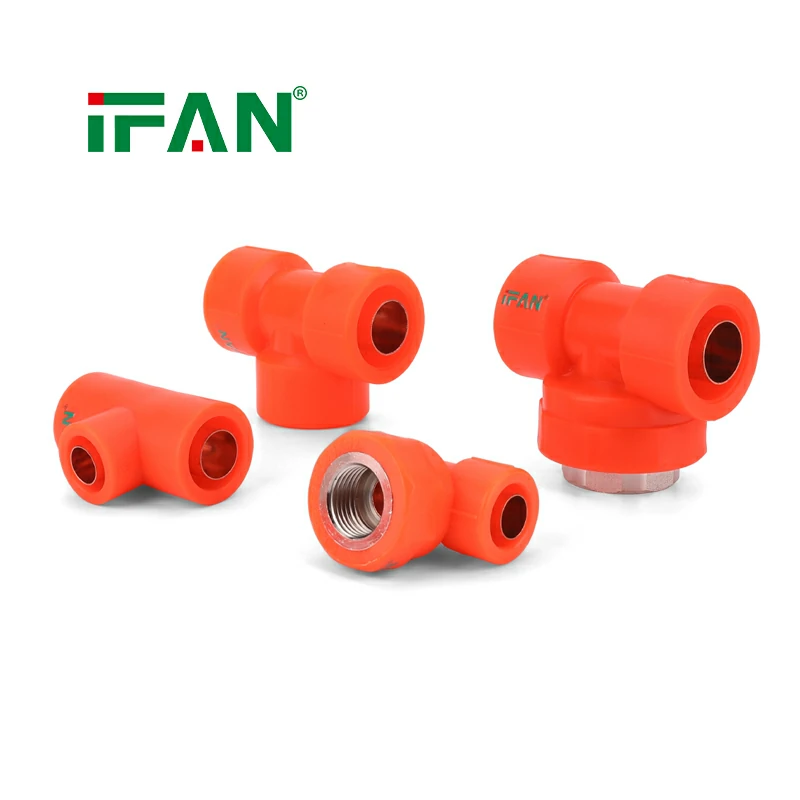
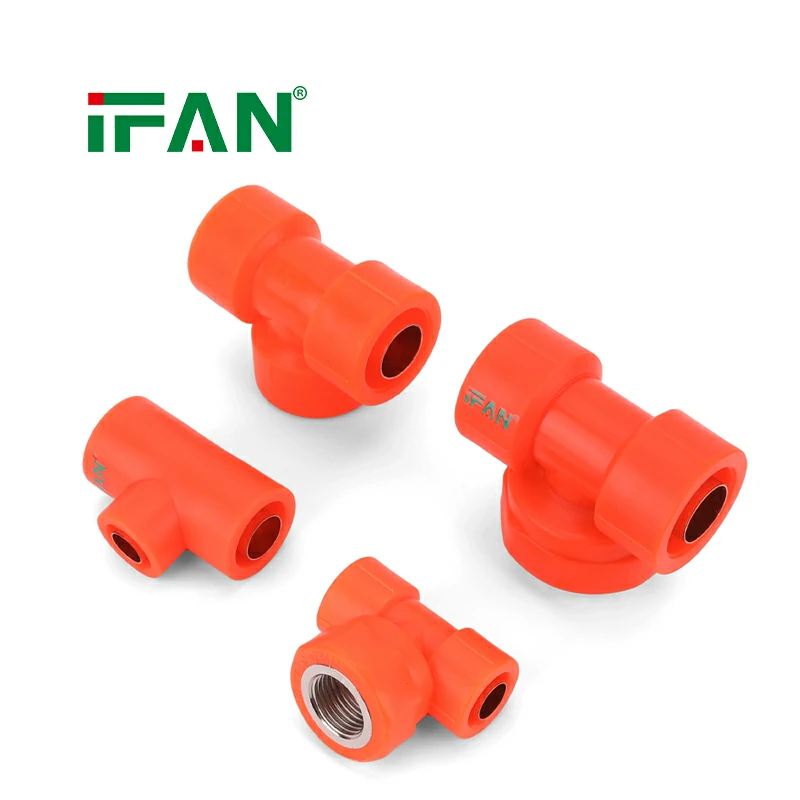
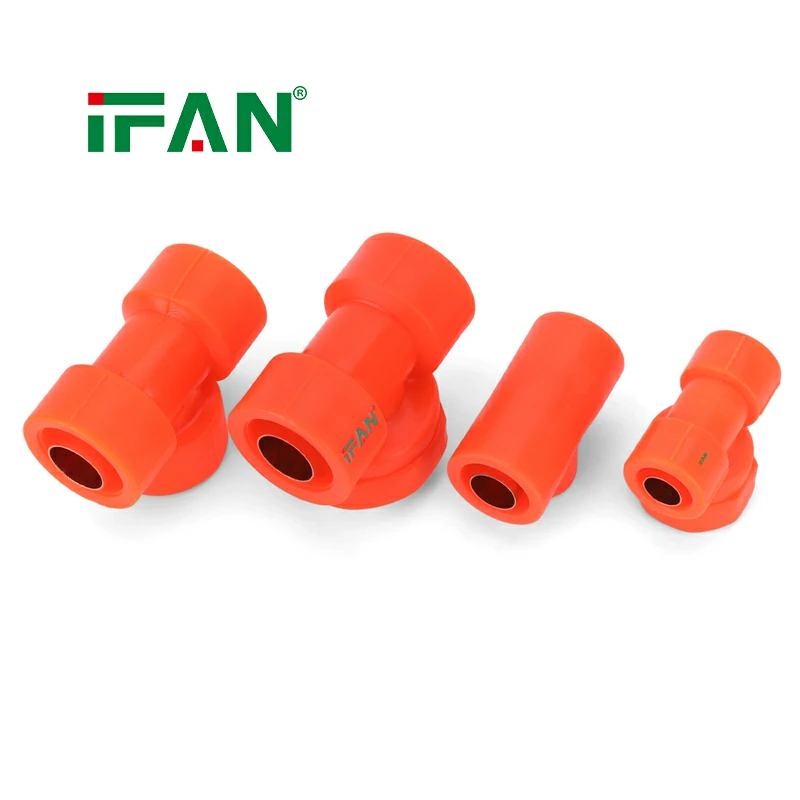
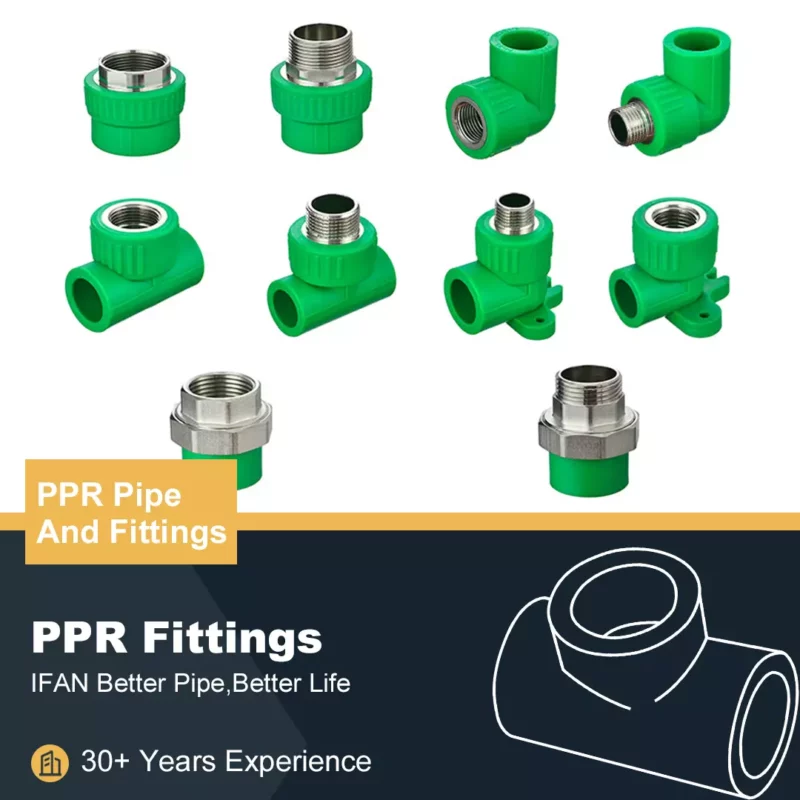
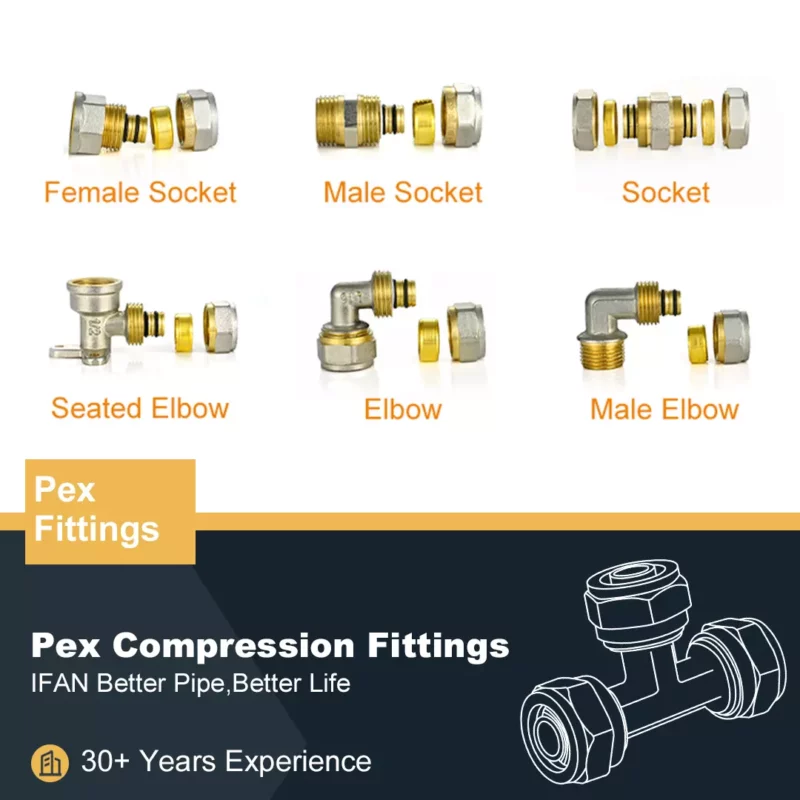
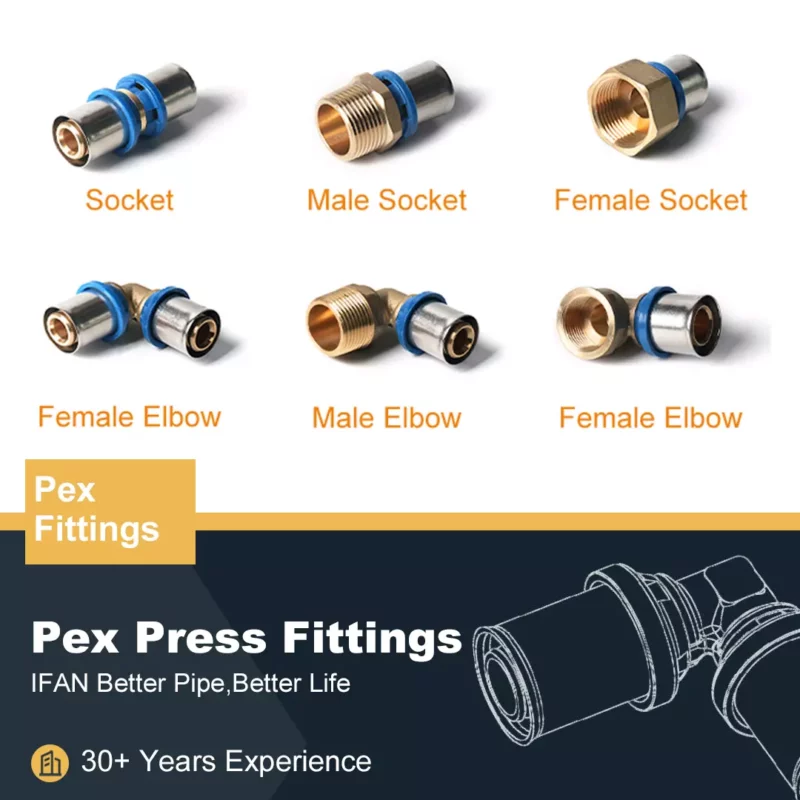
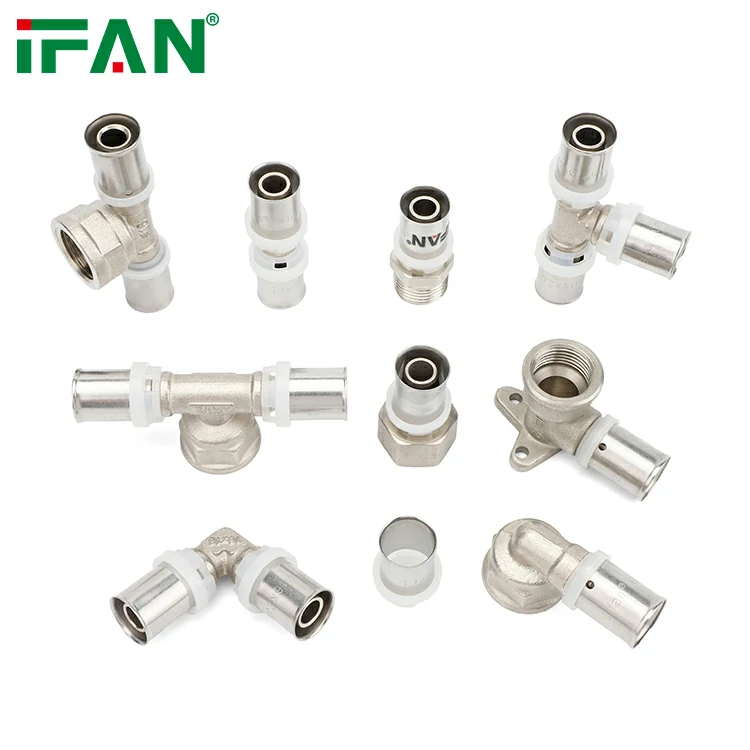
The hero of this process is a specific type of PEX press fitting: the transition fitting. On one end, it’s a standard Uponor PEX press connection, complete with a stainless steel press sleeve and a factory-installed EPDM O-ring. On the other end, it’s a smooth copper socket, sized perfectly for a type L copper pipe.
This isn’t a universal “one-size-fits-all” adapter. It’s a precision-engineered component designed within the same rigorous standards as the rest of the Uponor system. The copper end is designed to accommodate the specific outer diameter of the copper pipe, ensuring a perfect fit for the O-ring seal. This specificity is what turns a potential weak link into a point of strength.
The Process: From Skilled Art to Repeatable Science
The practical steps to make this connection are a study in efficiency:
- Prepare the Copper: The existing copper pipe must be cut square and reamed to remove any internal burrs. The critical step is to clean the outside of the copper where the press sleeve will make contact. A quick pass with Uponor’s proprietary cleaning cloth or a recommended abrasive pad removes oxides and micro-debris, ensuring a flawless surface for the seal.
- Mark the Depth: The transition fitting has a depth mark. You simply mark this depth on the cleaned copper pipe. This visual check is your guarantee that the pipe is fully seated.
- Press and Go: Slide the fitting onto the copper pipe until it hits the depth mark. Place the correct jaw of your press tool over the copper socket end of the fitting and press. The tool crimps the stainless-steel sleeve onto the copper, compressing the O-ring and creating a permanent, leak-proof seal. You then proceed to press the PEX side of the fitting as you normally would.
That’s it. No fire, no fumes, no waiting for hot solder to cool. The most critical connection in your retrofit is now one of the most secure.
Why This Matters Beyond the Connection
The implications of this simple process are profound for plumbing contractors:
- Eliminating the “Hot Work” Hassle: In countless retrofit scenarios—especially in occupied homes, commercial buildings, or historical properties—getting a hot work permit for soldering is a bureaucratic nightmare. It requires fire watch, specific insurance, and often forces work to happen after hours. By using a press transition, you completely bypass this. The job becomes cleaner, safer, and administratively simpler.
- Unmatched Reliability in Tight Spaces: Trying to solder a fitting in a tight joist bay or against a wood floor joist is a high-risk endeavor. The risk of scorching wood or starting a fire is very real. The press method eliminates this risk entirely. You can make a perfect connection in the tightest of spaces with confidence.
- Preserving System Integrity: A common, less-ideal practice is to use a threaded adapter, which requires soldering a male or female thread onto the copper. This introduces two potential leak points (the solder joint and the thread seal) and significantly reduces flow. The Uponor transition PEX press fitting creates a single, full-bore connection with one seal, maintaining optimal flow and reliability.
A System Designed for the Real World
Uponor’s ability to seamlessly connect its PEX system to copper is a testament to a simple truth: they design for the world as it is, not as they wish it to be. They understand that plumbers don’t always work on new construction with clean, blank slate rough-ins. More often, they are surgeons, integrating new technology with old infrastructure.
This focus on practical connectivity makes the Uponor system more than just a collection of pipes and fittings. It becomes a versatile toolkit for solving real-world problems. The transition PEX press fitting is a bridge, both literally and figuratively, allowing the benefits of modern PEX—its flexibility, corrosion resistance, and speed of installation—to be integrated into any building, regardless of its age. It future-proofs our plumbing, one secure connection at a time.
Frequently Asked Questions (FAQ)
1. Do I need to use a specific type of copper pipe?
Yes, the Uponor transition fittings are designed for use with clean, Type L copper tubing. Always ensure the copper is free of scratches, gouges, or heavy pitting before making the connection. Type M copper may not have a sufficient wall thickness for a reliable press in some jurisdictions.
2. Is special training required to press onto copper?
No special training is required beyond standard PEX press tool operation. The critical steps are proper pipe preparation—cutting square and cleaning the copper’s outer surface thoroughly—and ensuring the pipe is inserted to the depth mark.
3. Can I use these fittings to connect to other metals, like CPVC or galvanized steel?
No. Uponor’s press transition fittings are specifically engineered for a copper-to-PEX connection. The material properties, diameters, and sealing mechanisms are designed for this application only. Connecting to other materials requires a different, approved method.
4. Does pressing the sleeve onto copper work-harden or weaken the copper pipe?
The press process compresses the sleeve onto the copper, creating a secure mechanical grip. This is a controlled deformation that does not adversely affect the integrity of the copper pipe when performed with the correct tool and jaws. The system is engineered and tested to ensure the copper’s performance is maintained.
5. Is the connection truly as reliable as a soldered joint?
When installed correctly, the press connection is certified to be as reliable, if not more so, than a soldered joint. It eliminates the risk of a “cold solder joint” caused by human error and is not susceptible to degradation from flux residue. The O-ring seal is designed to last for the life of the system.
If you have read this article and have any questions, please feel free to contact IFAN. Below is our contact information:
Whatsapp:+86 13373827623
Email:[email protected]