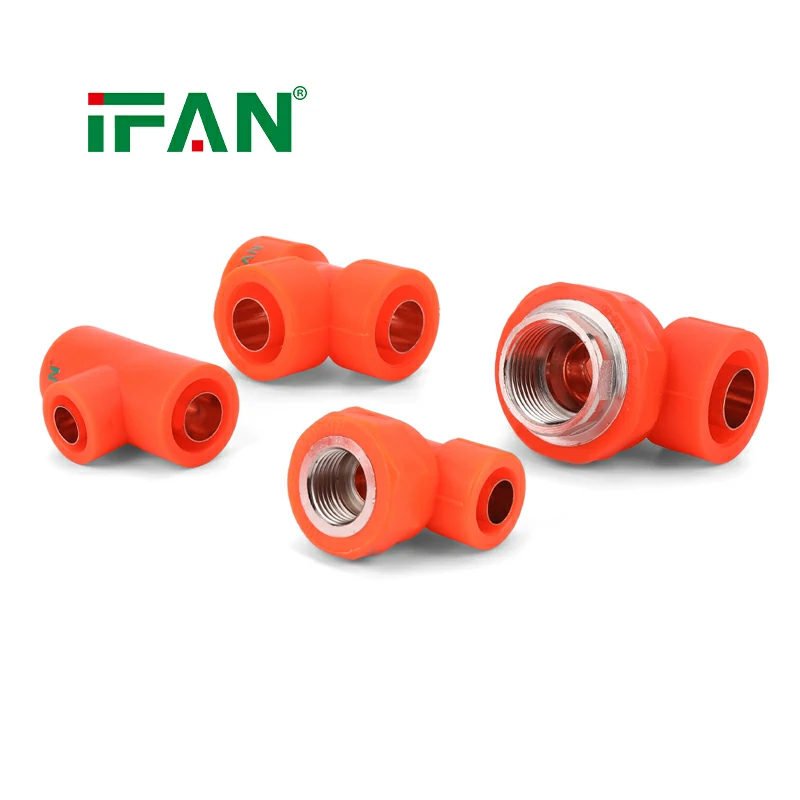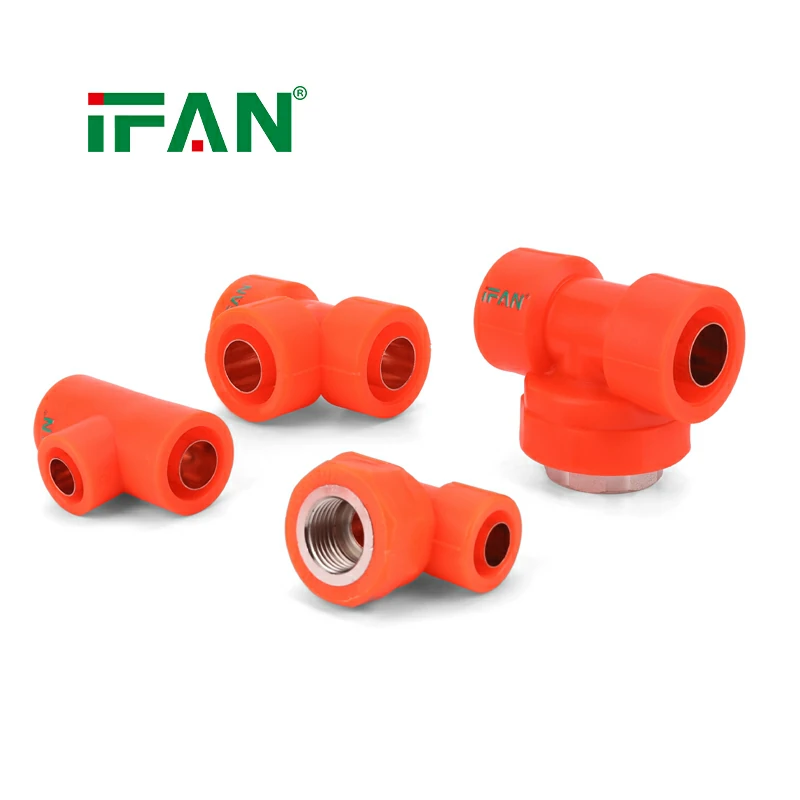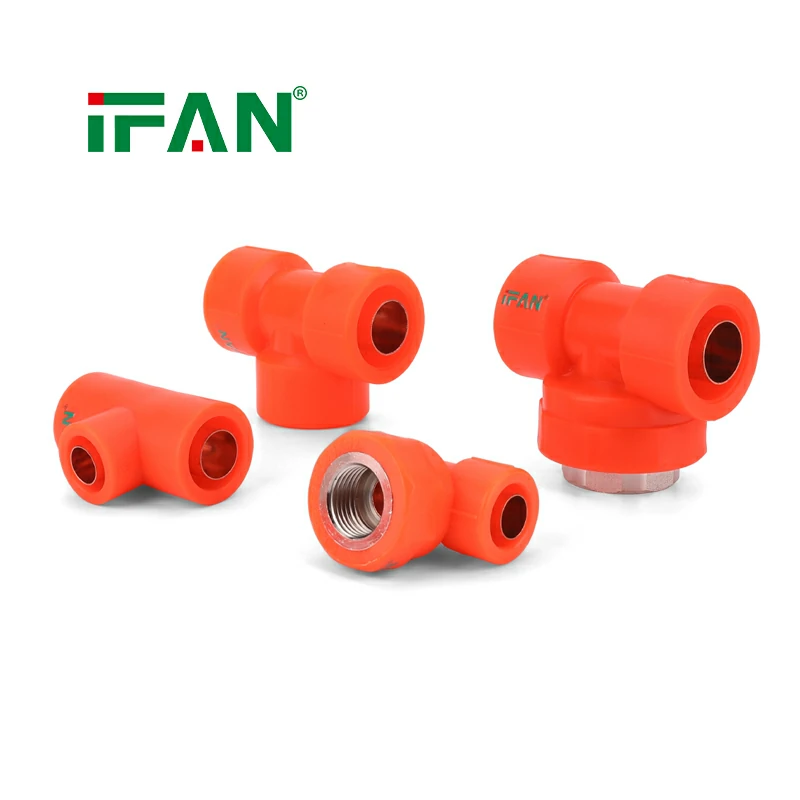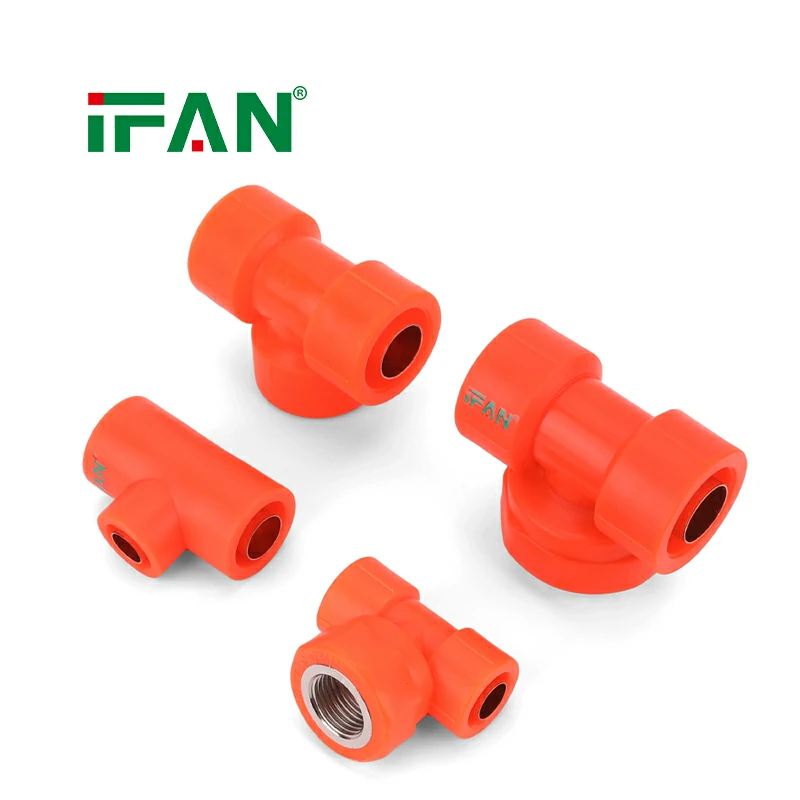


Introduction to Brass Inserts
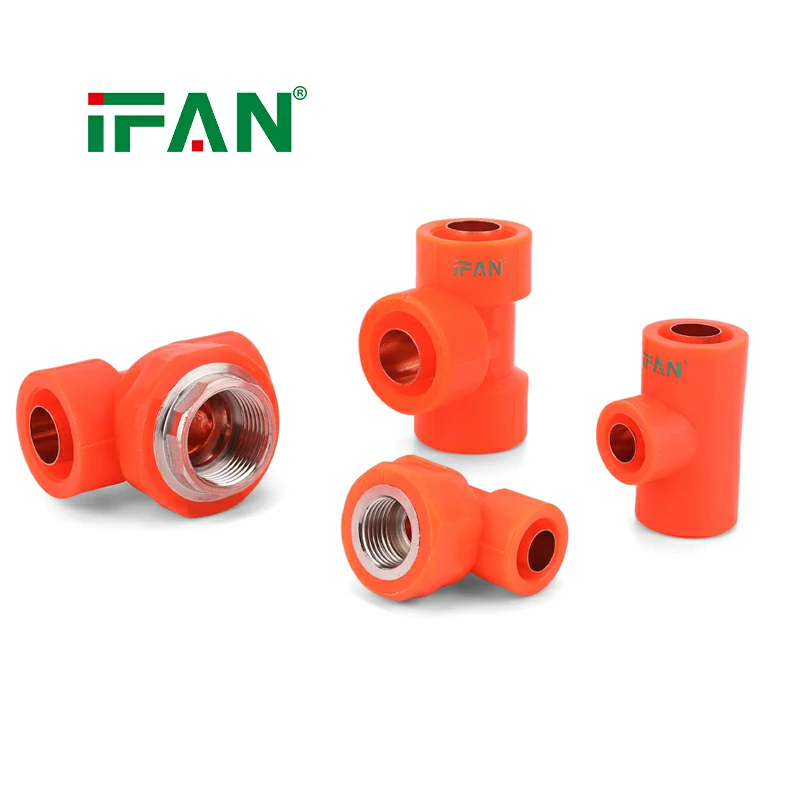
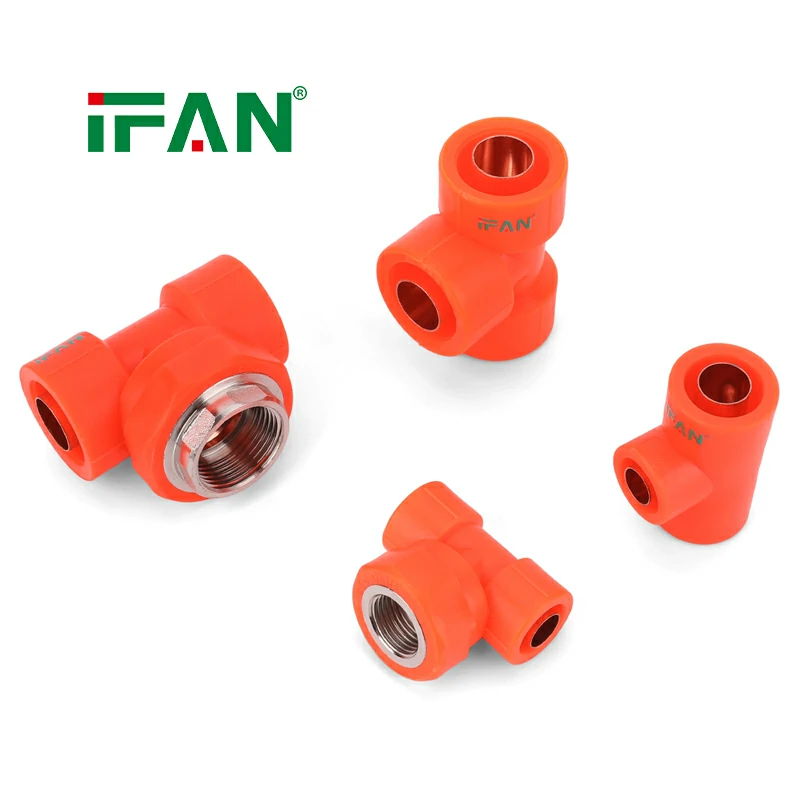
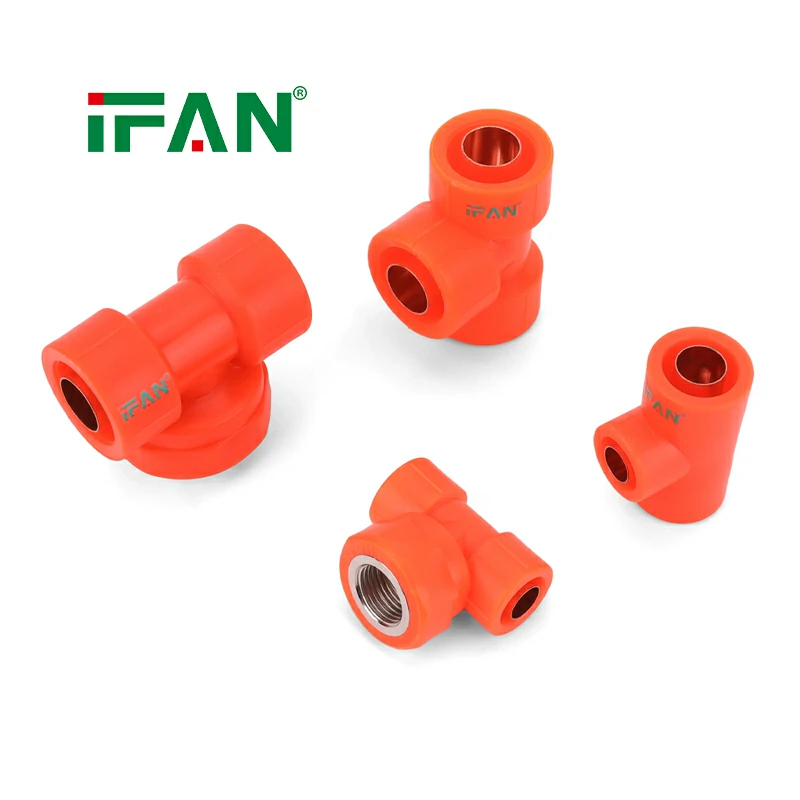
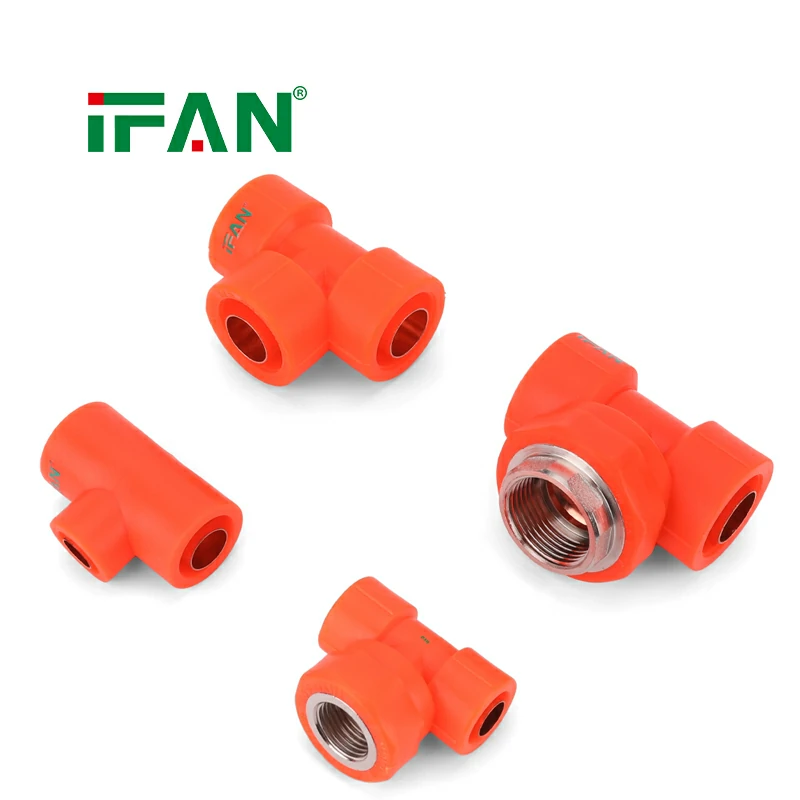
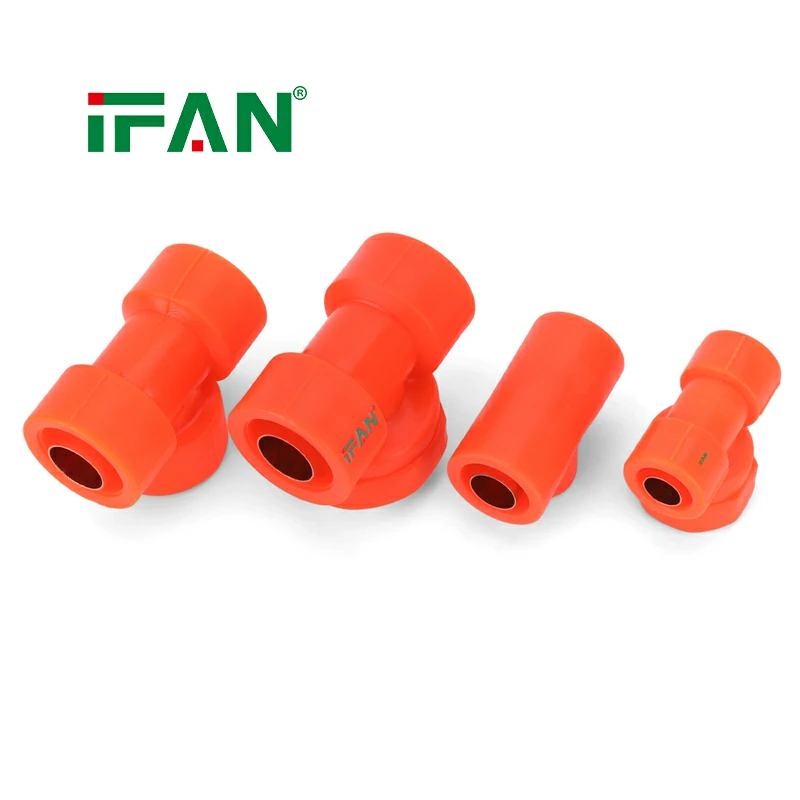
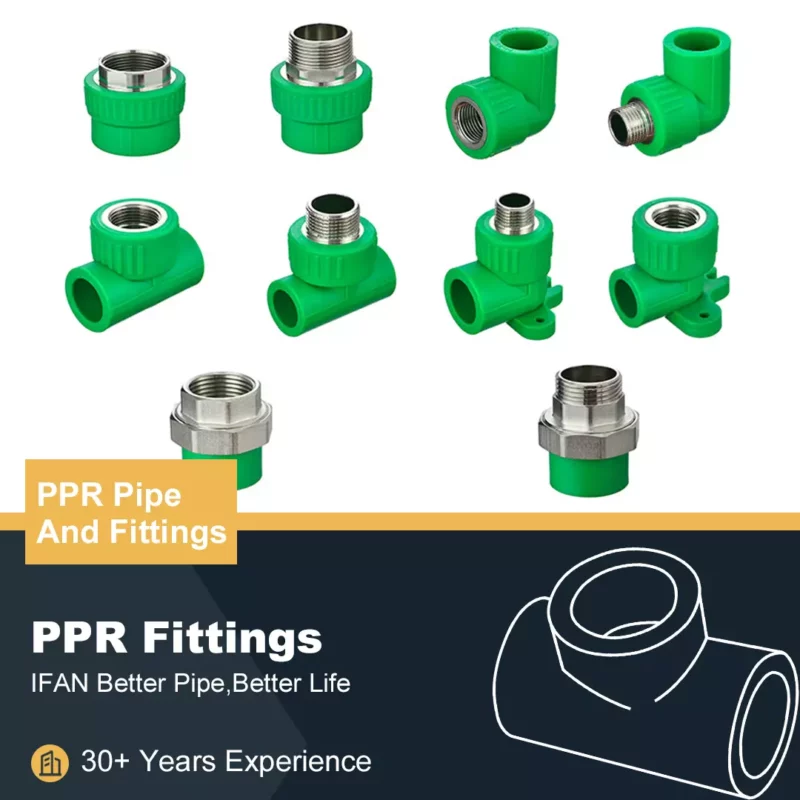
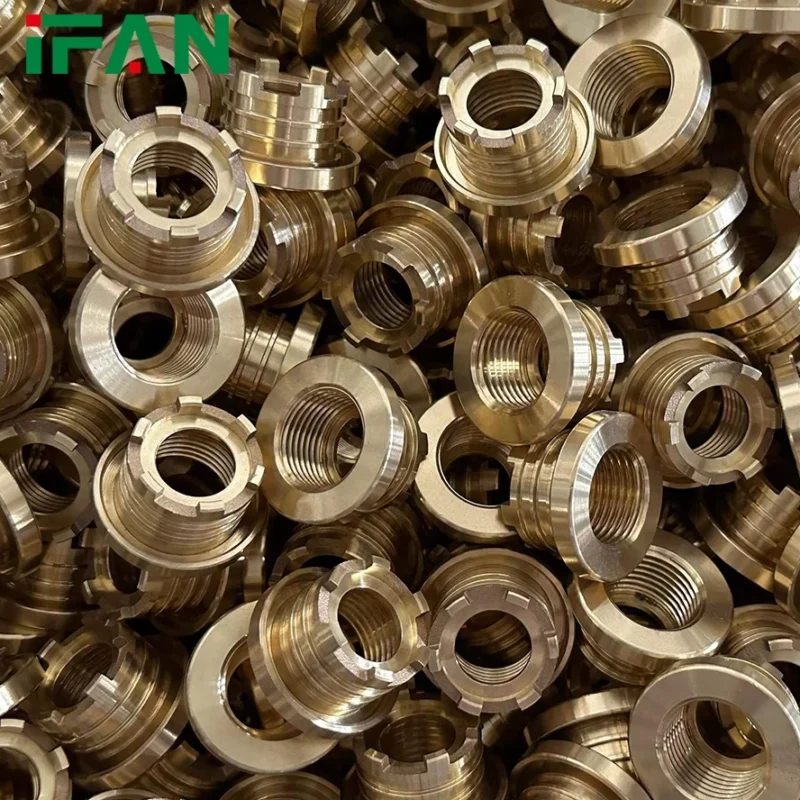
Brass inserts are critical components. They integrate into PPR piping systems. These fittings create secure transition points. They connect PPR to threaded equipment. Understanding their design is essential. This knowledge ensures proper application.
Engineering Design Features
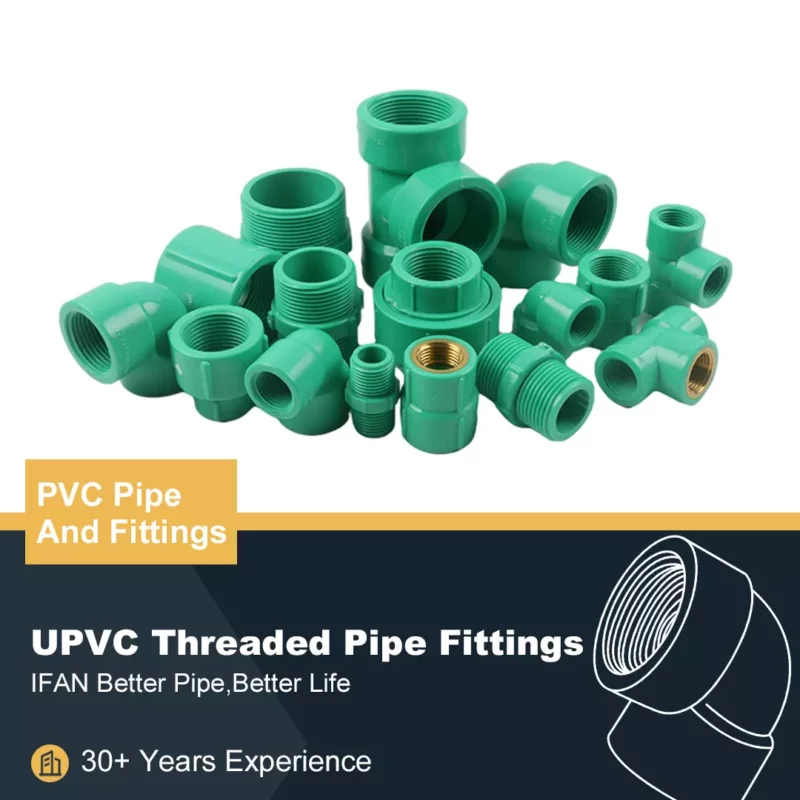
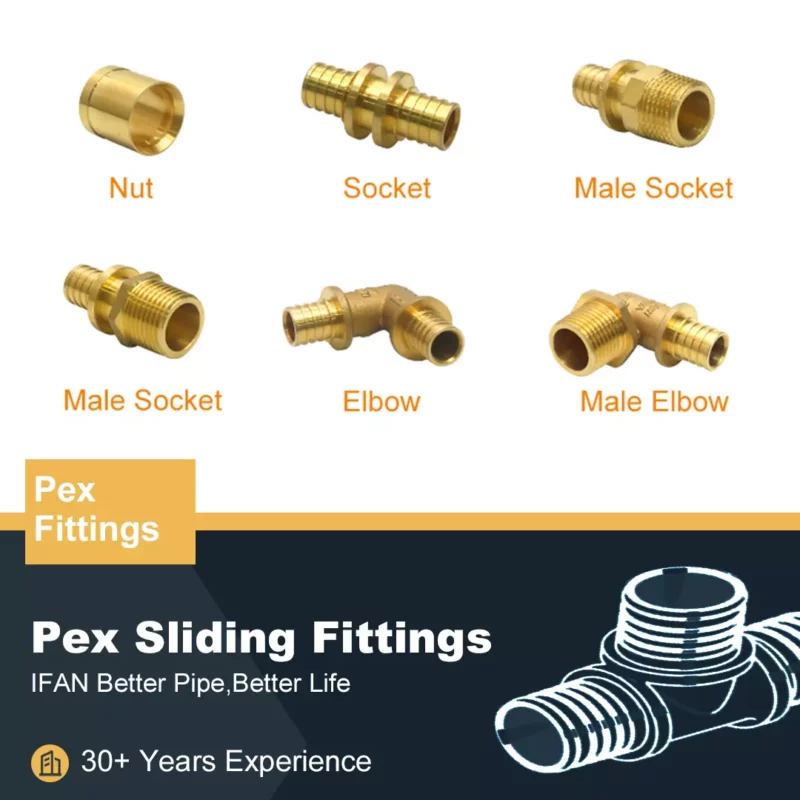
External fins provide mechanical locking. These fins fuse with PPR material. Internal threads are precision machined. BSP or NPT threads are available. The design prevents rotation. It also resists pull-out forces. Wall thickness is optimized. This maintains pressure rating.
Technical Performance Data
Pressure rating reaches PN20. This is at 20°C water temperature. Maximum temperature is 95°C. Burst pressure exceeds specification. Hydrostatic strength is validated. Long-term performance is proven. Thermal cycling resistance is excellent.
Manufacturing Process Overview
Production begins with brass casting. Precision machining follows next. Thread cutting is crucial. Surface polishing comes after. Quality control is strict. Each step is monitored. Final inspection is comprehensive.
Quality Assurance Standards
We follow ISO 9001 protocols. WRAS approval is obtained. NSF certification is maintained. Material traceability is ensured. Batch testing is performed. Documentation is complete. Compliance is guaranteed.
Industry Applications
These inserts serve multiple sectors. Plumbing systems use them widely. Heating installations need them. Industrial plants apply them. Chemical lines utilize them. They are very versatile.
Selection Guidelines
Choose correct thread type. Verify pressure rating. Check temperature requirements. Confirm material certification. Ensure size compatibility. Review application needs. Select accordingly.
Installation Best Practices
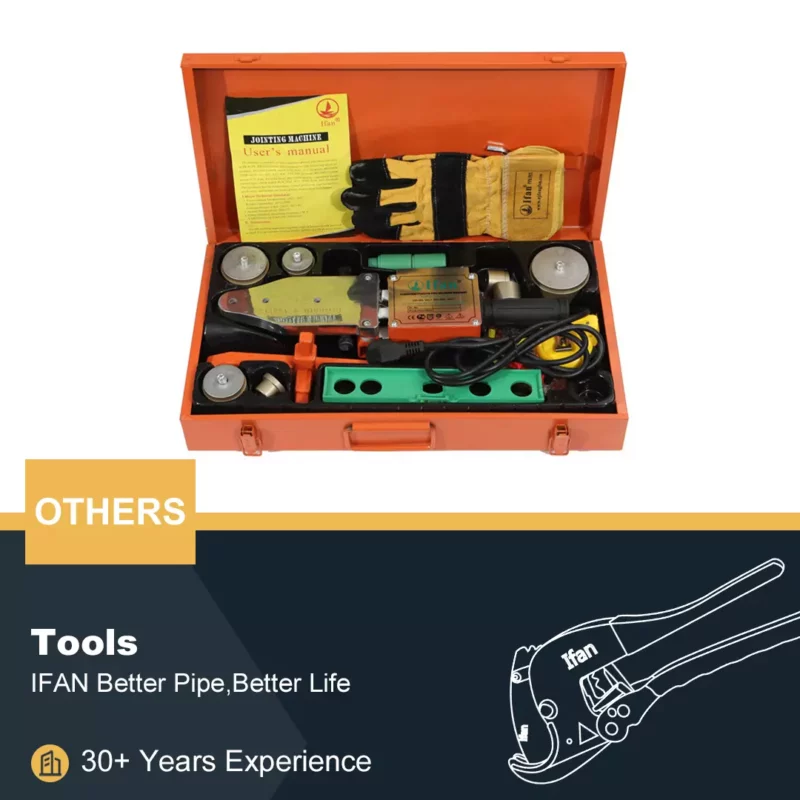
Use proper fusion equipment. Follow heating guidelines. Insert at correct angle. Maintain alignment during cooling. Avoid excessive force. Check final position. Test before use.
Troubleshooting Common Issues
Leaks may indicate improper fusion. Thread damage suggests poor handling. Corrosion shows wrong material. Loose fittings mean installation error. Address these immediately.
Maintenance Considerations
Regular inspection is recommended. Check for signs of corrosion. Verify thread condition. Monitor for leaks. Replace if damaged. Maintenance is generally minimal.
If you have read this article and have any questions, please feel free to contact IFAN. Below is our contact information:
Whatsapp:+86 13373827623
Email:[email protected]