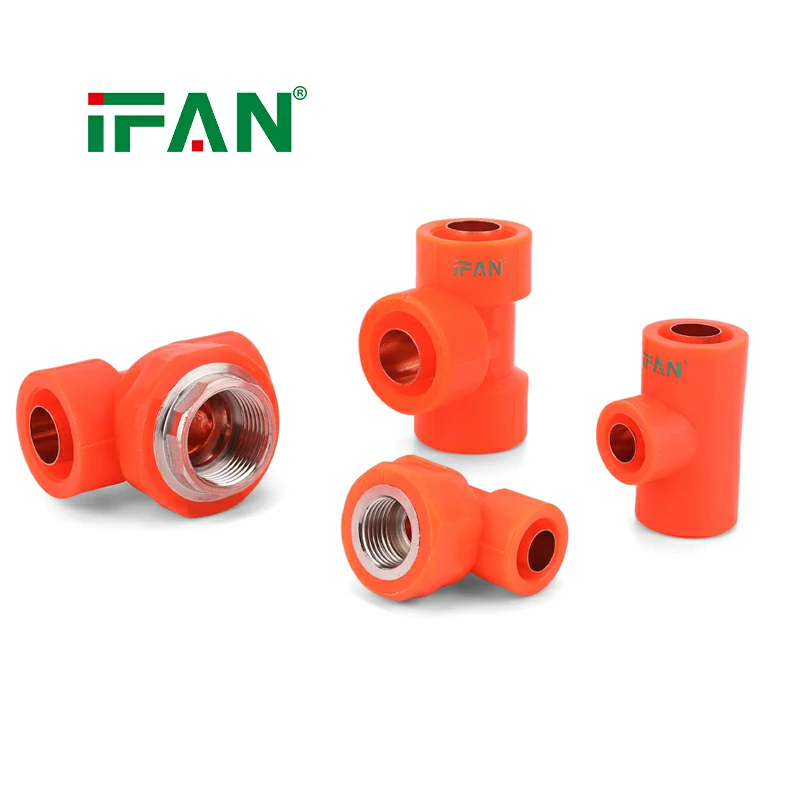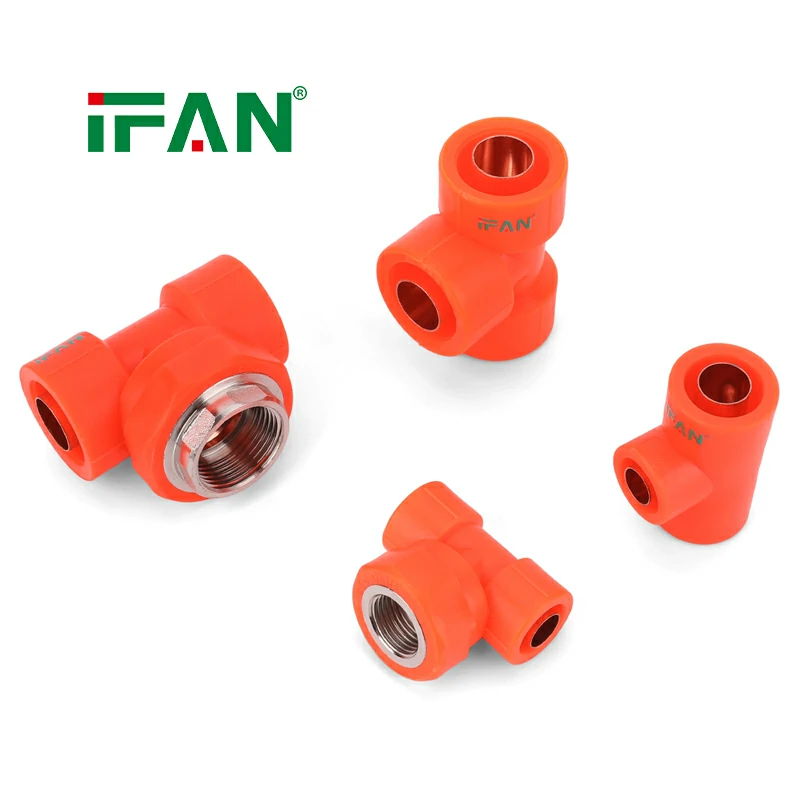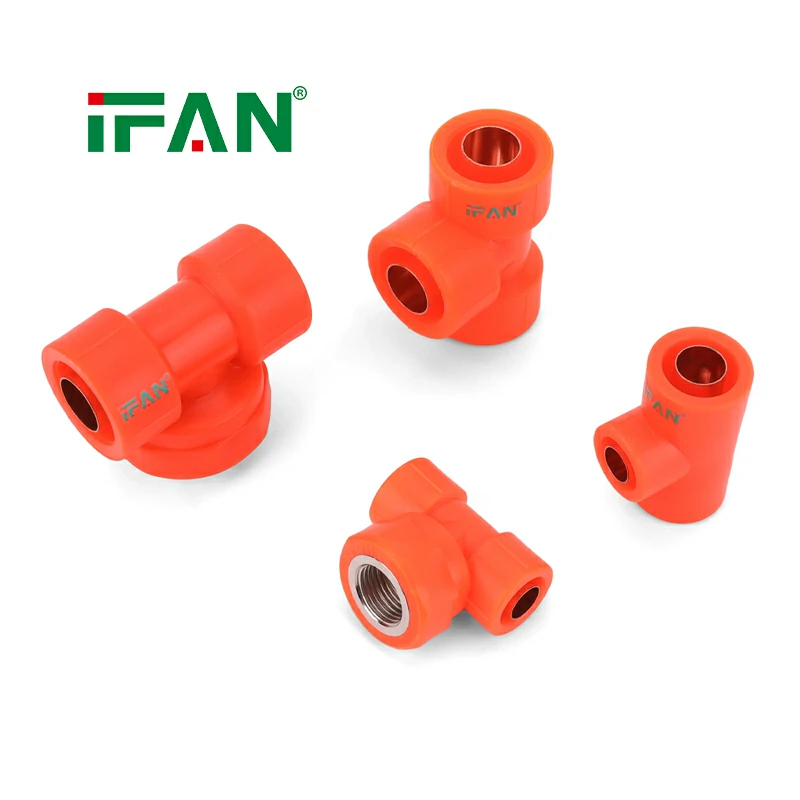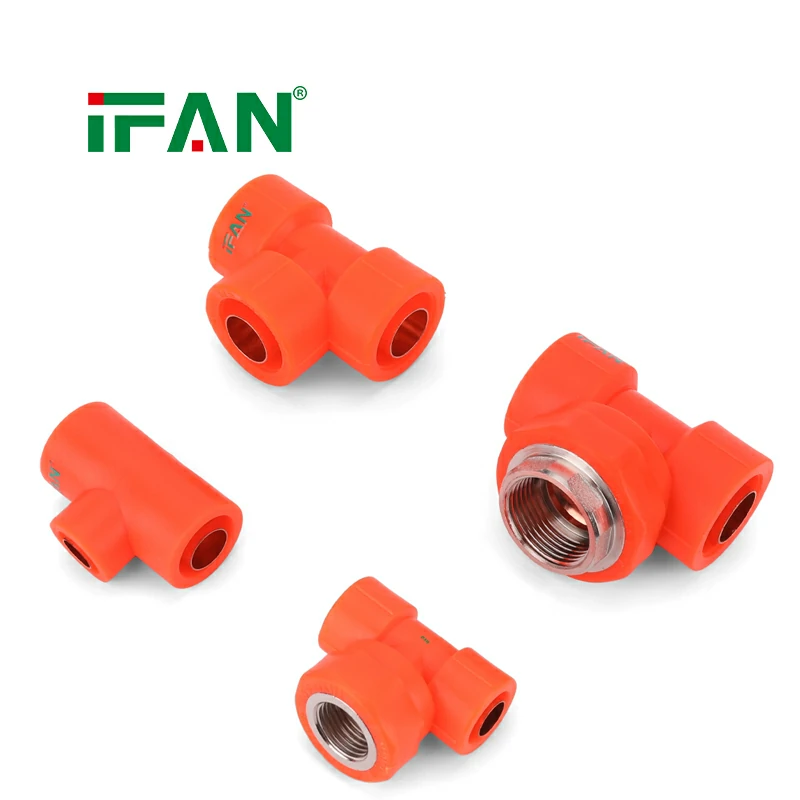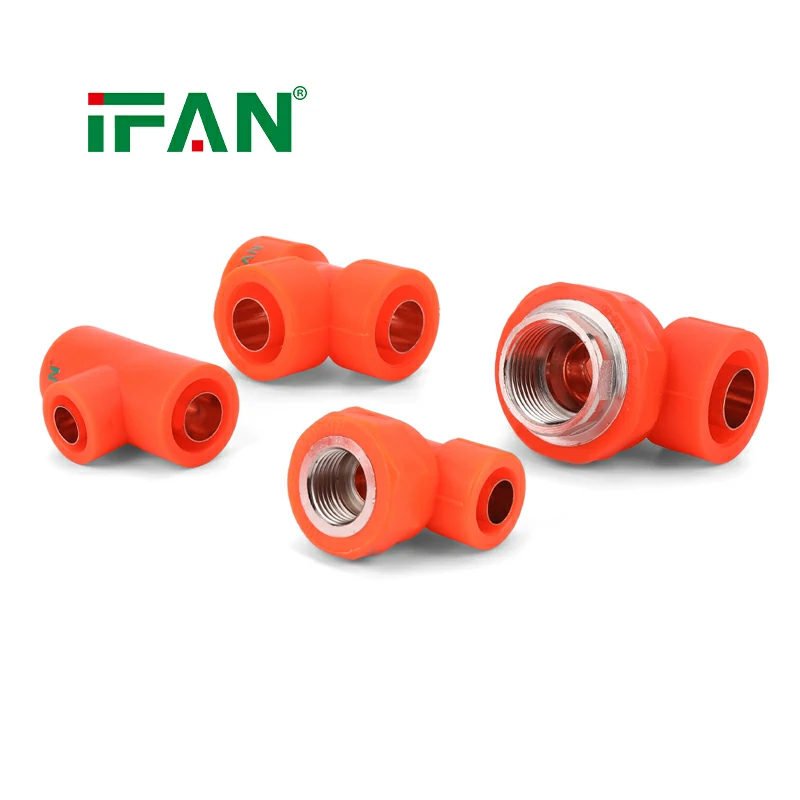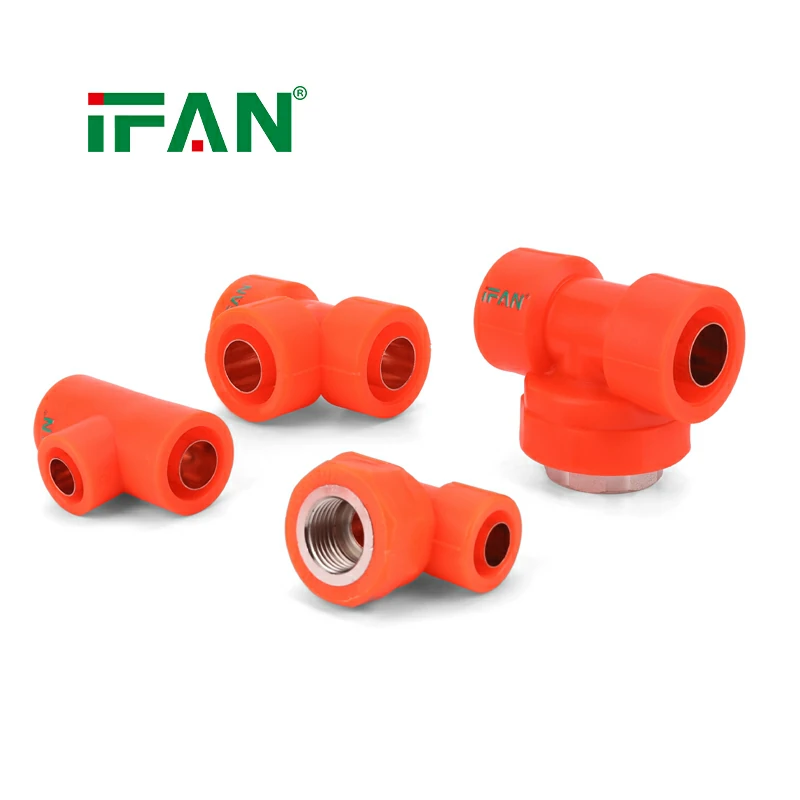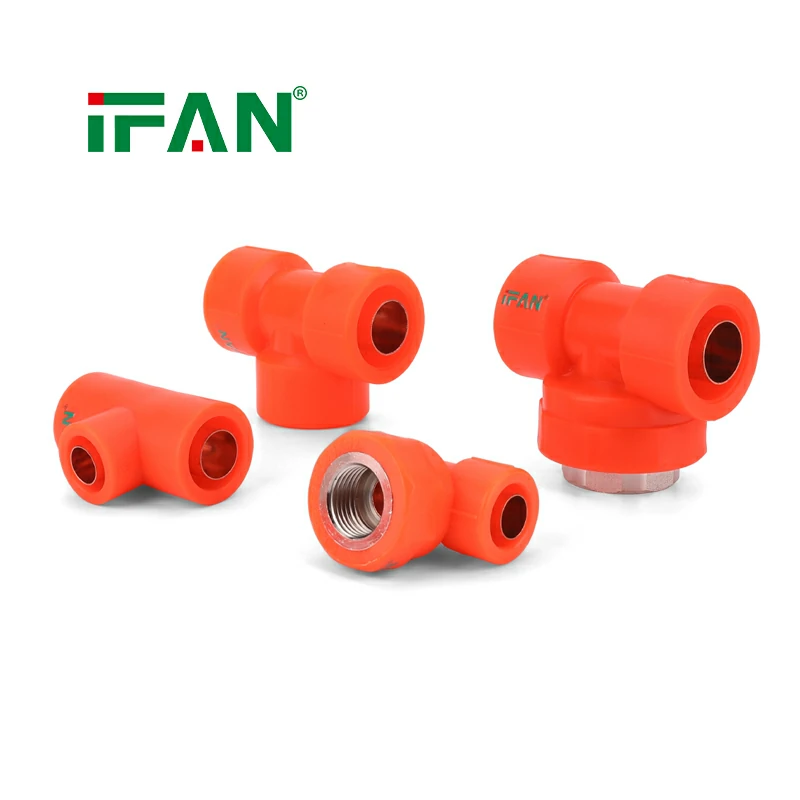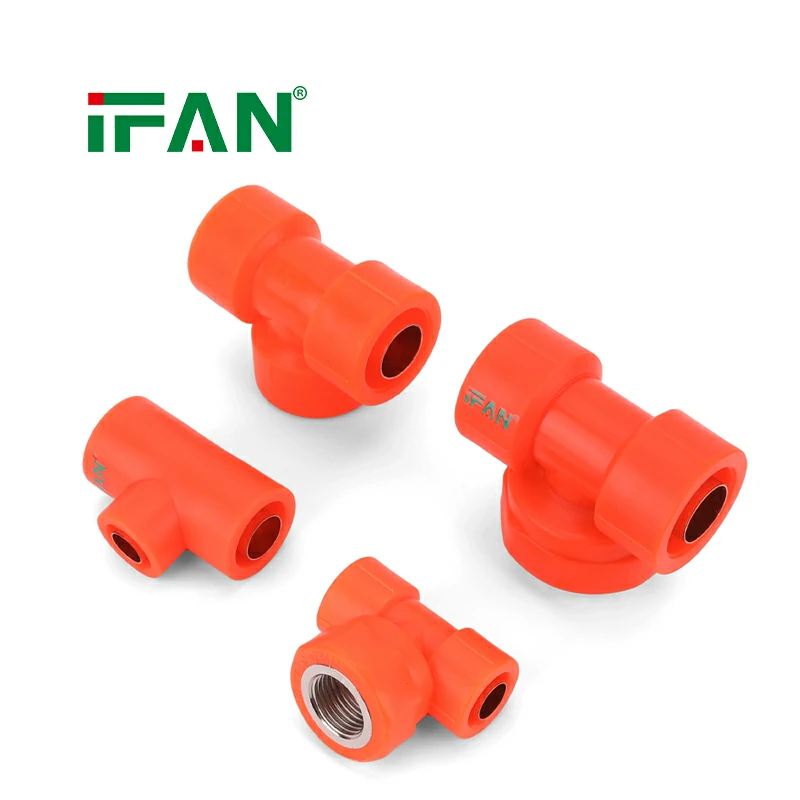
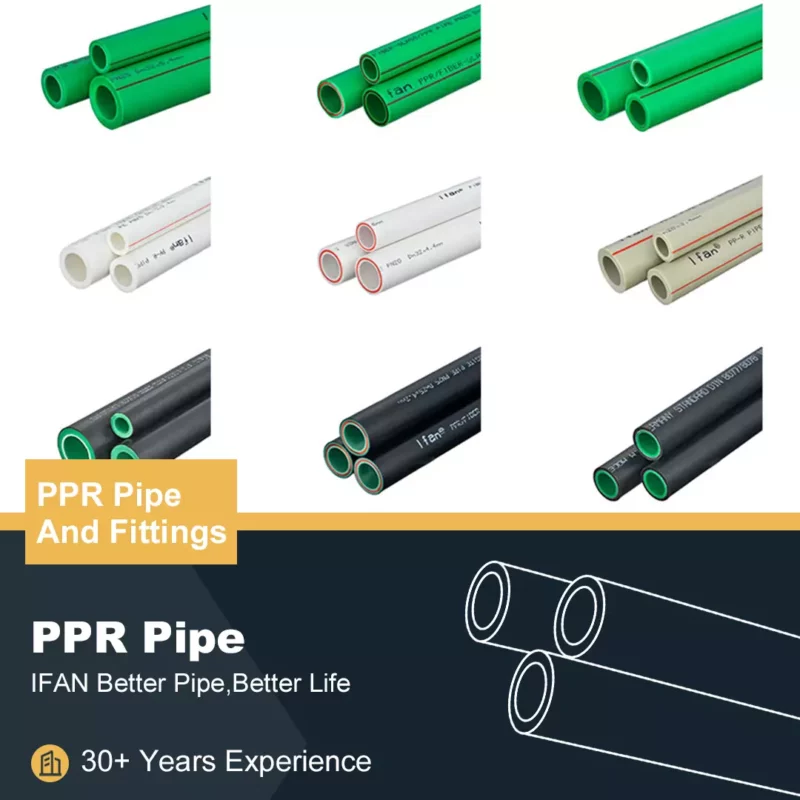
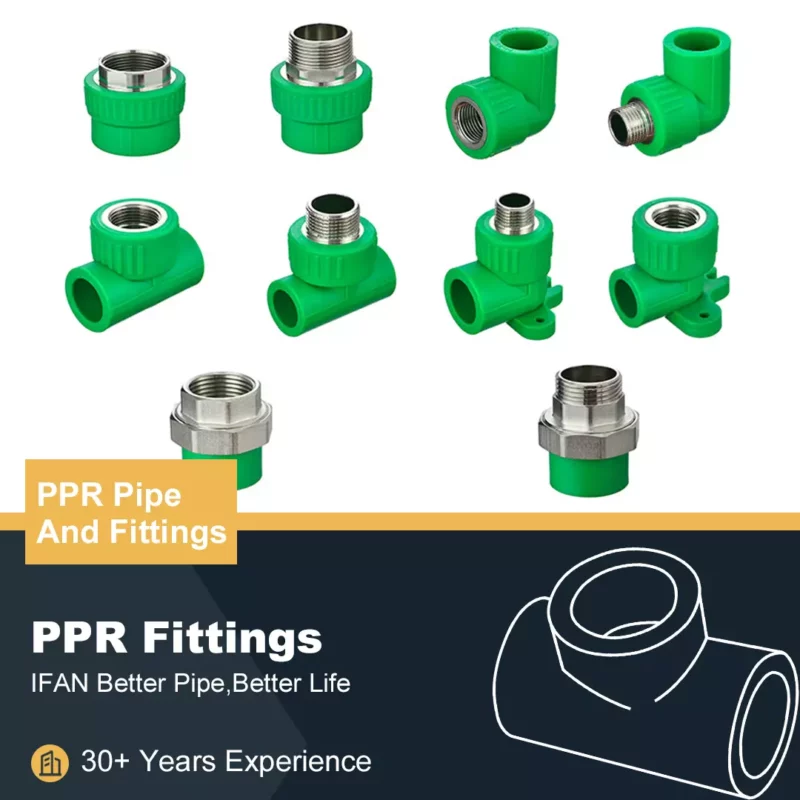
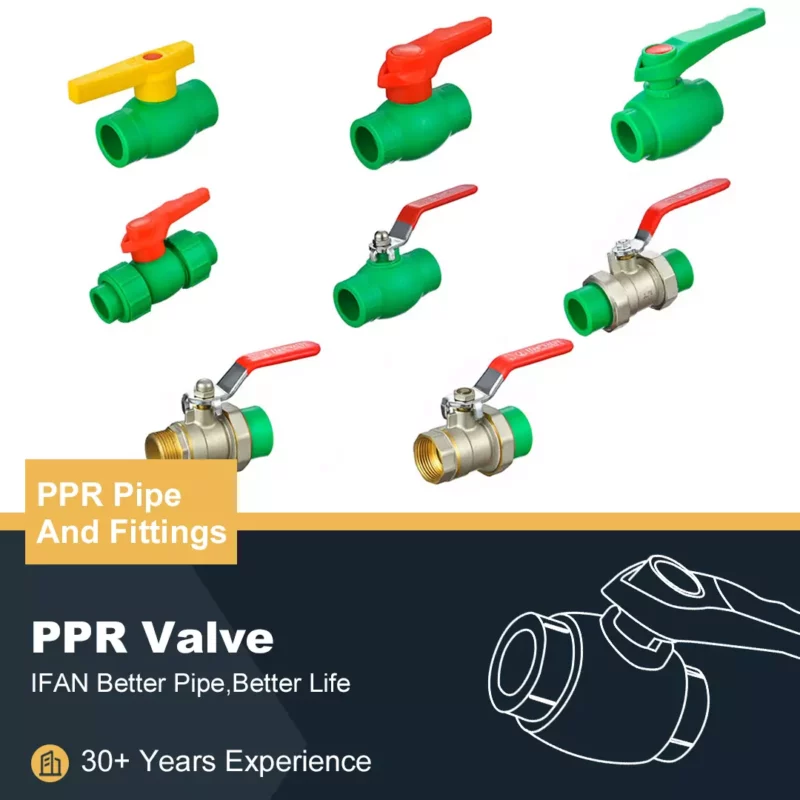
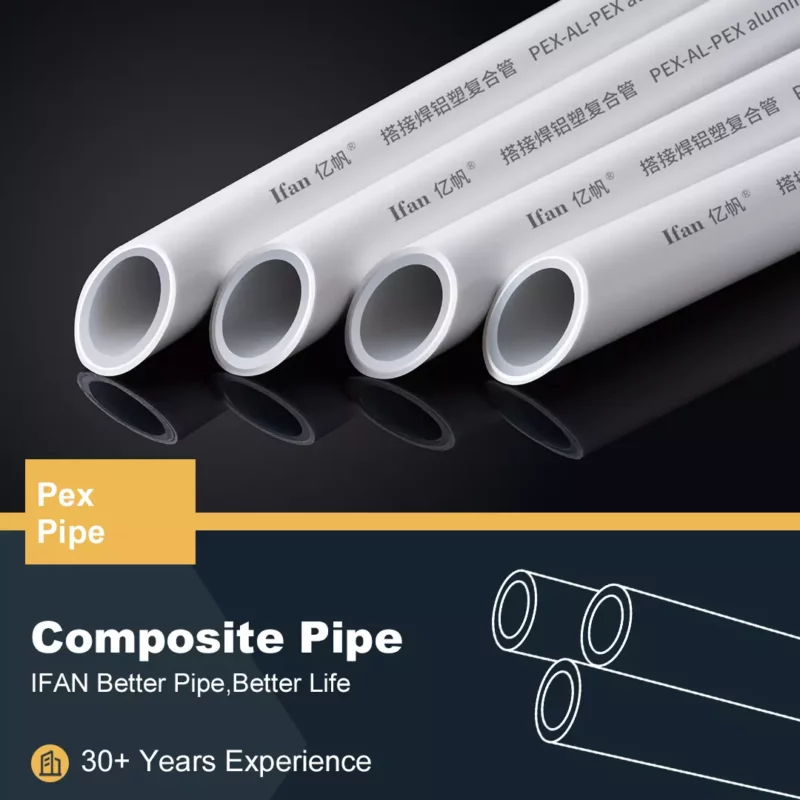
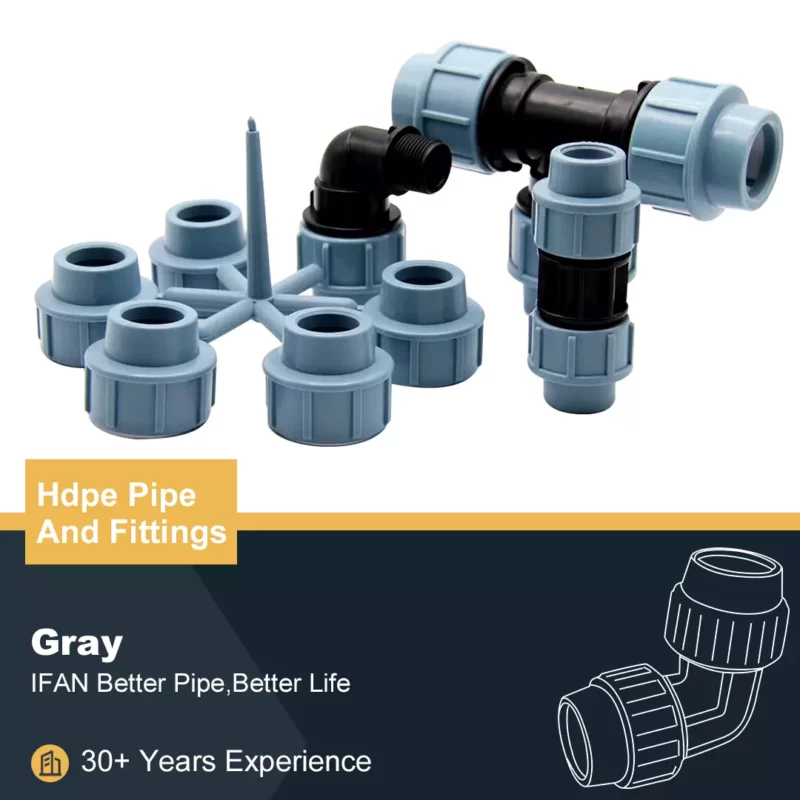



PPR Fitting: The Superior Alternative to Threaded Cast Iron Pipe Fittings
The evolution of plumbing systems has witnessed a significant transition from traditional threaded cast iron pipe fittings to modern PPR fittings, representing a fundamental shift in installation methodologies, performance standards, and long-term reliability. While threaded cast iron fittings have served as the backbone of plumbing infrastructure for decades, the emergence of PPR fittings as a superior alternative demonstrates how technological advancement has revolutionized fluid handling systems across residential, commercial, and industrial applications.
Historical Context: The Era of Threaded Cast Iron Fittings
Threaded cast iron pipe fittings have dominated plumbing systems for over a century, characterized by their:
Durability and Mass:
Cast iron’s inherent strength and weight provided a sense of permanence in plumbing installations. The material’s corrosion resistance, particularly in soil environments, made it suitable for drainage and waste systems. However, this durability came with significant limitations when compared to modern PPR fittings.
Installation Complexities:
The threading process for cast iron fittings required specialized equipment and skilled labor. Each connection demanded precise threading, joint compound application, and careful tightening to achieve leak-free performance. This labor-intensive process stands in stark contrast to the streamlined installation of PPR fittings using thermal fusion technology.
Maintenance Challenges:
Over time, threaded cast iron systems developed issues that PPR fittings inherently avoid:
- Corrosion at thread interfaces leading to leaks
- Mineral buildup reducing flow capacity
- Joint failures from thermal expansion and contraction
- Limited repair options requiring complete fitting replacement
The Technical Superiority of PPR Fittings
Material Science Advancements:
PPR fittings utilize Polypropylene Random Copolymer, a material that offers distinct advantages over cast iron:
- Corrosion Immunity: Unlike cast iron, which suffers from rust and electrochemical corrosion, PPR fittings remain completely inert to water chemistry and aggressive fluids
- Thermal Stability: PPR fittings maintain structural integrity across a wide temperature range (-10°C to 95°C), outperforming cast iron in thermal cycling applications
- Chemical Resistance: The non-reactive nature of PPR fittings makes them suitable for chemical transport applications where cast iron would rapidly degrade
Installation Efficiency:
The transition to PPR fittings has revolutionized installation practices:
- Thermal Fusion Technology: PPR fittings create monolithic, leak-proof joints through heat fusion, eliminating the potential failure points inherent in threaded connections
- Reduced Labor Requirements: Installing PPR fittings requires fewer specialized tools and less physical effort compared to threading cast iron pipes
- Time Savings: Projects utilizing PPR fittings typically see 40-60% faster completion times compared to threaded cast iron systems
Performance Comparison in Practical Applications
Flow Characteristics:
PPR fittings demonstrate superior hydraulic performance:
- Smooth interior surfaces maintain consistent flow rates
- No scaling or corrosion buildup over time
- Reduced pumping energy requirements compared to corroded cast iron systems
Long-Term Reliability:
While threaded cast iron fittings typically require maintenance within 20-30 years, PPR fittings systems routinely exceed 50-year service life with minimal maintenance requirements. This longevity represents a significant advantage in total cost of ownership calculations.
Water Quality Preservation:
PPR fittings eliminate the water contamination issues associated with cast iron:
- No iron leaching into potable water systems
- Prevention of rust particles in water flow
- Elimination of joint compound contamination risks
Economic Analysis: Total Cost of Ownership
Initial Installation Costs:
While material costs for PPR fittings are competitive, the significant savings emerge in installation expenses:
- Reduced labor hours for PPR fittings installation
- Lower equipment investment requirements
- Faster project completion reducing overhead costs
Lifecycle Cost Advantages:
PPR fittings demonstrate compelling economic benefits over threaded cast iron:
- Minimal maintenance requirements over system lifespan
- Elimination of corrosion-related replacement costs
- Reduced water damage risk from leaking joints
- Lower insurance premiums due to enhanced reliability
Environmental Impact Assessment
Resource Efficiency:
PPR fittings offer substantial environmental advantages:
- Lower embodied energy in manufacturing compared to cast iron production
- Reduced transportation energy due to lighter weight
- Recyclability at end of service life
- Energy savings through maintained flow efficiency
Water Conservation:
The leak-proof nature of PPR fittings connections significantly reduces water loss compared to threaded systems, where gradual joint deterioration inevitably leads to leakage.
Technical Transition Considerations
Retrofit Applications:
The transition from threaded cast iron to PPR fittings in existing buildings requires careful planning:
- Adapter fittings enable seamless integration between systems
- Structural considerations for weight reduction when replacing cast iron
- Phased implementation strategies to minimize disruption
Hybrid System Design:
In some applications, combining PPR fittings with existing cast iron systems provides optimal solutions:
- Using PPR fittings for new extensions while maintaining functional cast iron components
- Strategic replacement of problem areas with PPR fittings while preserving reliable cast iron sections
Industry Adoption and Standards Development
The plumbing industry has rapidly embraced PPR fittings through:
Code Recognition:
Major plumbing codes now fully recognize PPR fittings systems, with specific installation standards that ensure proper implementation and performance.
Professional Training:
Comprehensive training programs have been developed to ensure proper installation of PPR fittings, addressing the knowledge transition from traditional threading techniques to modern fusion methods.
Quality Certification:
Robust certification programs for PPR fittings manufacturers ensure consistent quality and performance, building confidence among engineers and installers.
Case Studies: Successful Transitions to PPR Fittings
Commercial Building Retrofit:
A 25-story office building replaced its failing threaded cast iron plumbing with PPR fittings, achieving:
- 45% reduction in installation time
- Elimination of ongoing maintenance costs
- Improved water pressure throughout the building
- Significant reduction in water consumption through leak elimination
Industrial Facility Upgrade:
A manufacturing plant transitioned from cast iron to PPR fittings for process water lines, resulting in:
- Elimination of corrosion-related production downtime
- Reduced maintenance crew requirements
- Improved water quality for manufacturing processes
- Payback period of less than three years
Future Outlook and Technological Development
The advancement of PPR fittings technology continues with:
Smart Integration:
Next-generation PPR fittings incorporating monitoring capabilities for predictive maintenance and system optimization.
Material Innovations:
Enhanced polymer formulations expanding the application range and performance characteristics of PPR fittings.
Installation Technology:
Advanced fusion equipment making PPR fittings installation even more efficient and reliable.
Conclusion: The New Standard in Plumbing Systems
The transition from threaded cast iron pipe fittings to PPR fittings represents more than just a material substitution—it signifies a fundamental improvement in plumbing system reliability, efficiency, and sustainability. While threaded cast iron served its purpose in an earlier era of plumbing technology, PPR fittings have established themselves as the superior solution for modern fluid handling requirements.
The comprehensive advantages of PPR fittings—from installation efficiency and long-term reliability to environmental benefits and economic value—demonstrate why they have become the preferred choice for new construction and retrofit projects alike. As the plumbing industry continues to evolve, PPR fittings stand as a testament to how technological innovation can deliver better solutions that address the limitations of traditional approaches while opening new possibilities for system design and performance.
The legacy of threaded cast iron fittings remains as an important chapter in plumbing history, but the future clearly belongs to advanced solutions like PPR fittings that combine material science innovation with practical installation advantages to create superior plumbing systems for the 21st century.
The evolution of plumbing systems has witnessed a significant transition from traditional threaded cast iron pipe fittings to modern PPR fittings, representing a fundamental shift in installation methodologies, performance standards, and long-term reliability. While threaded cast iron fittings have served as the backbone of plumbing infrastructure for decades, the emergence of PPR fittings as a superior alternative demonstrates how technological advancement has revolutionized fluid handling systems across residential, commercial, and industrial applications.
Historical Context: The Era of Threaded Cast Iron Fittings
Threaded cast iron pipe fittings have dominated plumbing systems for over a century, characterized by their:
Durability and Mass:
Cast iron’s inherent strength and weight provided a sense of permanence in plumbing installations. The material’s corrosion resistance, particularly in soil environments, made it suitable for drainage and waste systems. However, this durability came with significant limitations when compared to modern PPR fittings.
Installation Complexities:
The threading process for cast iron fittings required specialized equipment and skilled labor. Each connection demanded precise threading, joint compound application, and careful tightening to achieve leak-free performance. This labor-intensive process stands in stark contrast to the streamlined installation of PPR fittings using thermal fusion technology.
Maintenance Challenges:
Over time, threaded cast iron systems developed issues that PPR fittings inherently avoid:
- Corrosion at thread interfaces leading to leaks
- Mineral buildup reducing flow capacity
- Joint failures from thermal expansion and contraction
- Limited repair options requiring complete fitting replacement
The Technical Superiority of PPR Fittings
Material Science Advancements:
PPR fittings utilize Polypropylene Random Copolymer, a material that offers distinct advantages over cast iron:
- Corrosion Immunity: Unlike cast iron, which suffers from rust and electrochemical corrosion, PPR fittings remain completely inert to water chemistry and aggressive fluids
- Thermal Stability: PPR fittings maintain structural integrity across a wide temperature range (-10°C to 95°C), outperforming cast iron in thermal cycling applications
- Chemical Resistance: The non-reactive nature of PPR fittings makes them suitable for chemical transport applications where cast iron would rapidly degrade
Installation Efficiency:
The transition to PPR fittings has revolutionized installation practices:
- Thermal Fusion Technology: PPR fittings create monolithic, leak-proof joints through heat fusion, eliminating the potential failure points inherent in threaded connections
- Reduced Labor Requirements: Installing PPR fittings requires fewer specialized tools and less physical effort compared to threading cast iron pipes
- Time Savings: Projects utilizing PPR fittings typically see 40-60% faster completion times compared to threaded cast iron systems
Performance Comparison in Practical Applications
Flow Characteristics:
PPR fittings demonstrate superior hydraulic performance:
- Smooth interior surfaces maintain consistent flow rates
- No scaling or corrosion buildup over time
- Reduced pumping energy requirements compared to corroded cast iron systems
Long-Term Reliability:
While threaded cast iron fittings typically require maintenance within 20-30 years, PPR fittings systems routinely exceed 50-year service life with minimal maintenance requirements. This longevity represents a significant advantage in total cost of ownership calculations.
Water Quality Preservation:
PPR fittings eliminate the water contamination issues associated with cast iron:
- No iron leaching into potable water systems
- Prevention of rust particles in water flow
- Elimination of joint compound contamination risks
Economic Analysis: Total Cost of Ownership
Initial Installation Costs:
While material costs for PPR fittings are competitive, the significant savings emerge in installation expenses:
- Reduced labor hours for PPR fittings installation
- Lower equipment investment requirements
- Faster project completion reducing overhead costs
Lifecycle Cost Advantages:
PPR fittings demonstrate compelling economic benefits over threaded cast iron:
- Minimal maintenance requirements over system lifespan
- Elimination of corrosion-related replacement costs
- Reduced water damage risk from leaking joints
- Lower insurance premiums due to enhanced reliability
Environmental Impact Assessment
Resource Efficiency:
PPR fittings offer substantial environmental advantages:
- Lower embodied energy in manufacturing compared to cast iron production
- Reduced transportation energy due to lighter weight
- Recyclability at end of service life
- Energy savings through maintained flow efficiency
Water Conservation:
The leak-proof nature of PPR fittings connections significantly reduces water loss compared to threaded systems, where gradual joint deterioration inevitably leads to leakage.
Technical Transition Considerations
Retrofit Applications:
The transition from threaded cast iron to PPR fittings in existing buildings requires careful planning:
- Adapter fittings enable seamless integration between systems
- Structural considerations for weight reduction when replacing cast iron
- Phased implementation strategies to minimize disruption
Hybrid System Design:
In some applications, combining PPR fittings with existing cast iron systems provides optimal solutions:
- Using PPR fittings for new extensions while maintaining functional cast iron components
- Strategic replacement of problem areas with PPR fittings while preserving reliable cast iron sections
Industry Adoption and Standards Development
The plumbing industry has rapidly embraced PPR fittings through:
Code Recognition:
Major plumbing codes now fully recognize PPR fittings systems, with specific installation standards that ensure proper implementation and performance.
Professional Training:
Comprehensive training programs have been developed to ensure proper installation of PPR fittings, addressing the knowledge transition from traditional threading techniques to modern fusion methods.
Quality Certification:
Robust certification programs for PPR fittings manufacturers ensure consistent quality and performance, building confidence among engineers and installers.
Case Studies: Successful Transitions to PPR Fittings
Commercial Building Retrofit:
A 25-story office building replaced its failing threaded cast iron plumbing with PPR fittings, achieving:
- 45% reduction in installation time
- Elimination of ongoing maintenance costs
- Improved water pressure throughout the building
- Significant reduction in water consumption through leak elimination
Industrial Facility Upgrade:
A manufacturing plant transitioned from cast iron to PPR fittings for process water lines, resulting in:
- Elimination of corrosion-related production downtime
- Reduced maintenance crew requirements
- Improved water quality for manufacturing processes
- Payback period of less than three years
Future Outlook and Technological Development
The advancement of PPR fittings technology continues with:
Smart Integration:
Next-generation PPR fittings incorporating monitoring capabilities for predictive maintenance and system optimization.
Material Innovations:
Enhanced polymer formulations expanding the application range and performance characteristics of PPR fittings.
Installation Technology:
Advanced fusion equipment making PPR fittings installation even more efficient and reliable.
Conclusion: The New Standard in Plumbing Systems
The transition from threaded cast iron pipe fittings to PPR fittings represents more than just a material substitution—it signifies a fundamental improvement in plumbing system reliability, efficiency, and sustainability. While threaded cast iron served its purpose in an earlier era of plumbing technology, PPR fittings have established themselves as the superior solution for modern fluid handling requirements.
The comprehensive advantages of PPR fittings—from installation efficiency and long-term reliability to environmental benefits and economic value—demonstrate why they have become the preferred choice for new construction and retrofit projects alike. As the plumbing industry continues to evolve, PPR fittings stand as a testament to how technological innovation can deliver better solutions that address the limitations of traditional approaches while opening new possibilities for system design and performance.
The legacy of threaded cast iron fittings remains as an important chapter in plumbing history, but the future clearly belongs to advanced solutions like PPR fittings that combine material science innovation with practical installation advantages to create superior plumbing systems for the 21st century.
If you have read this article and have any questions, please feel free to contact IFAN. Below is our contact information:
Whatsapp:+86 13373827623
Email:[email protected]