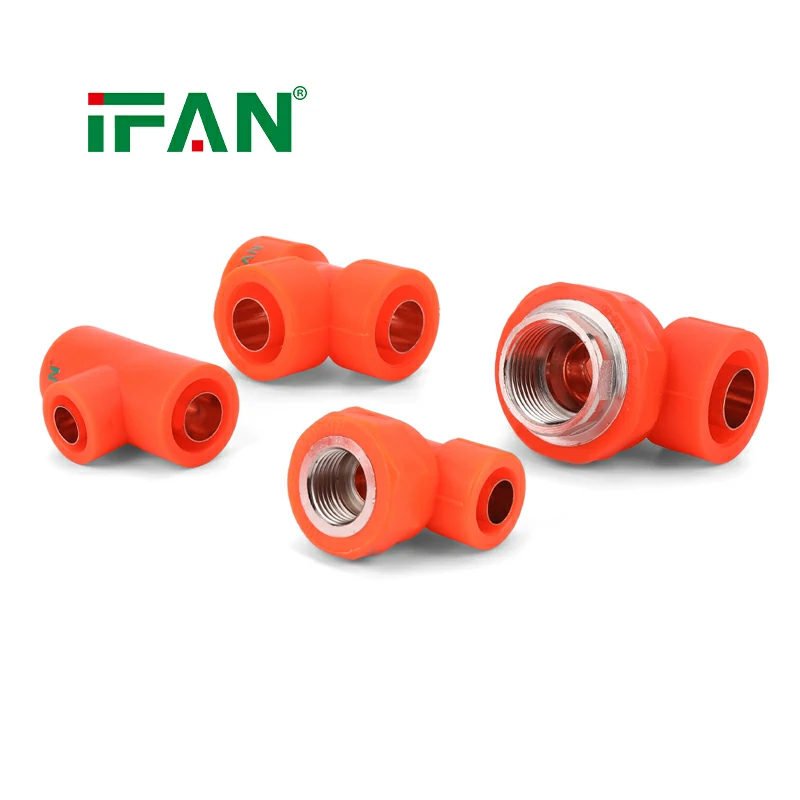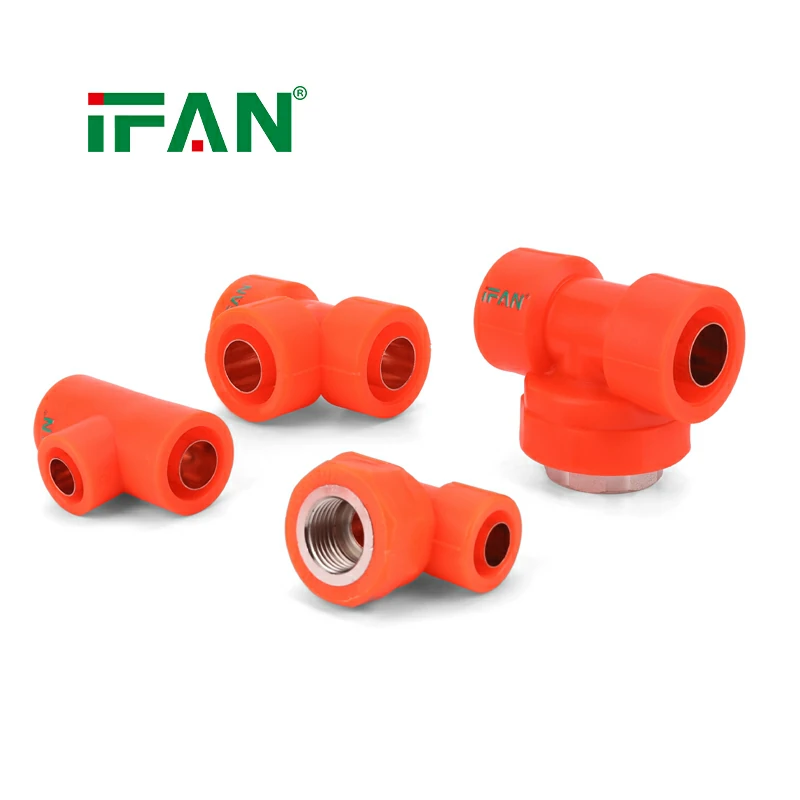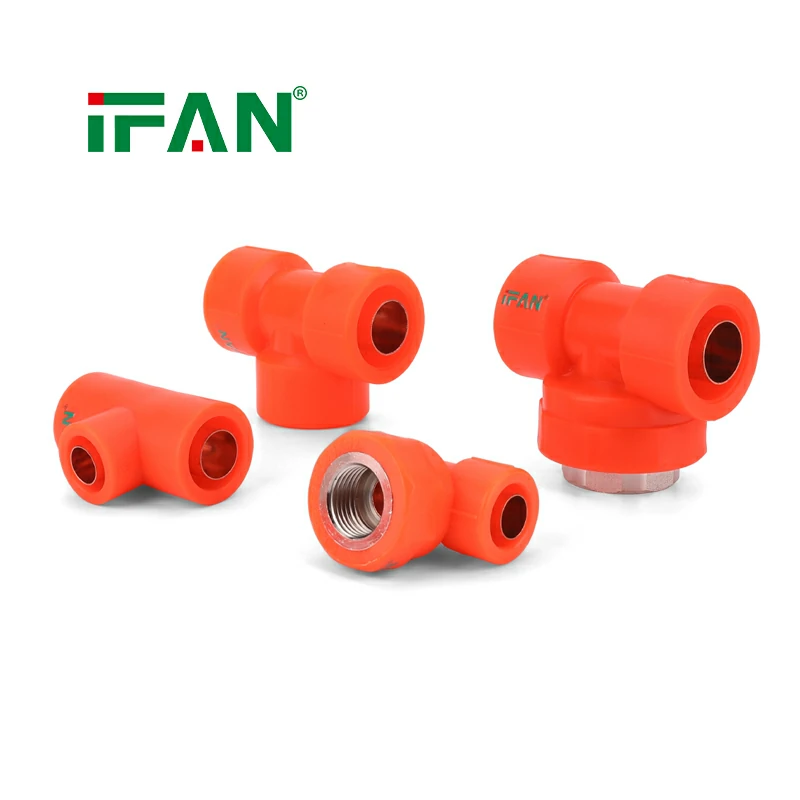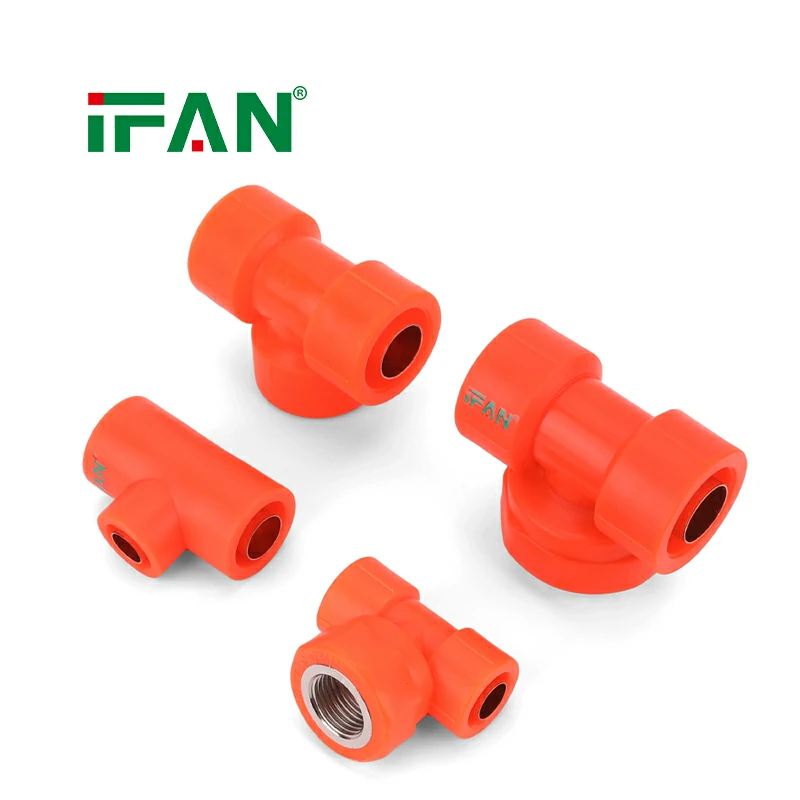
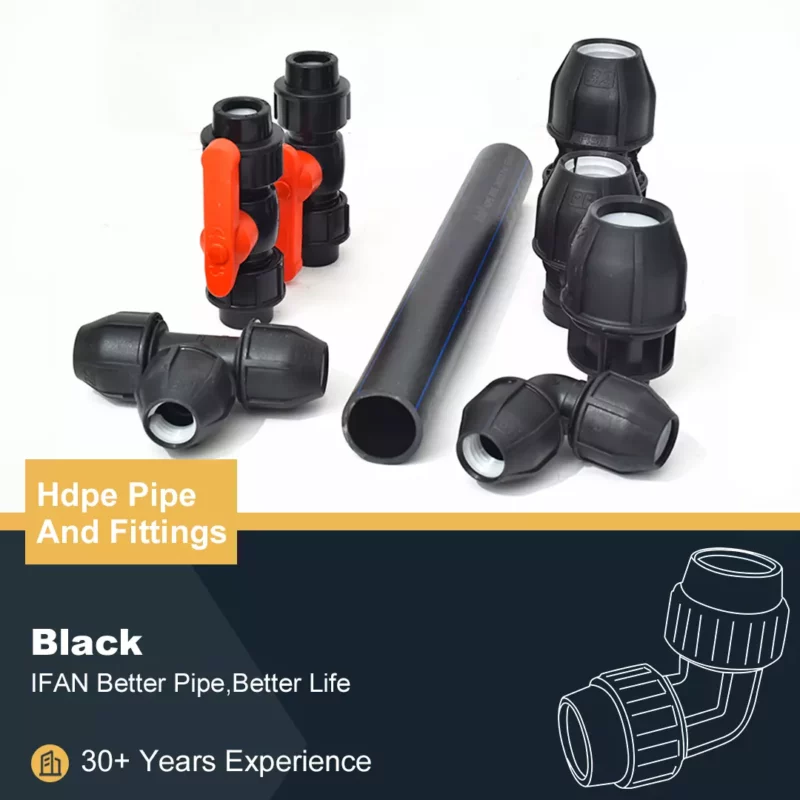
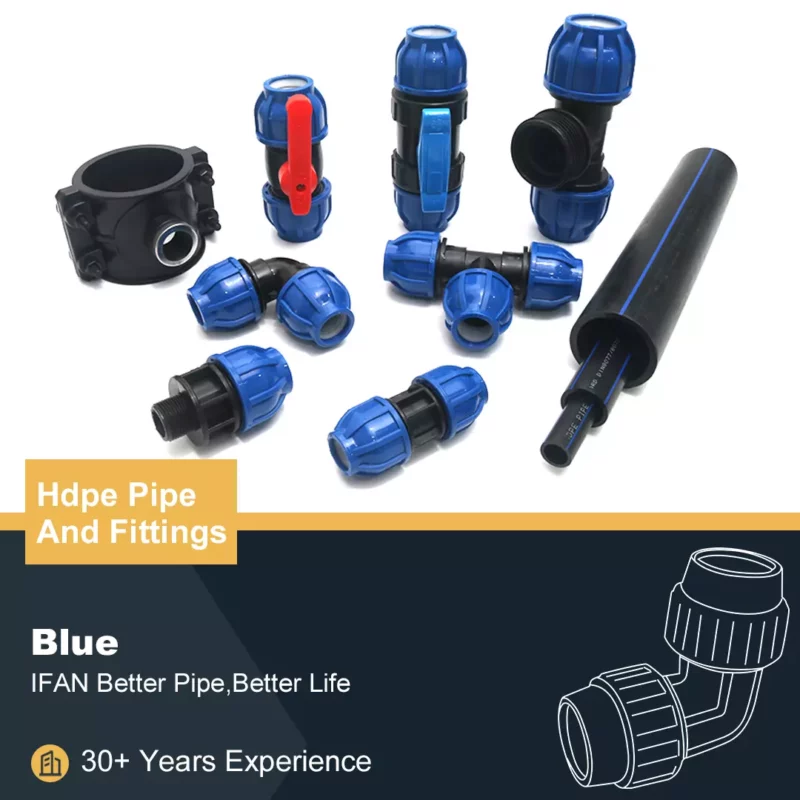
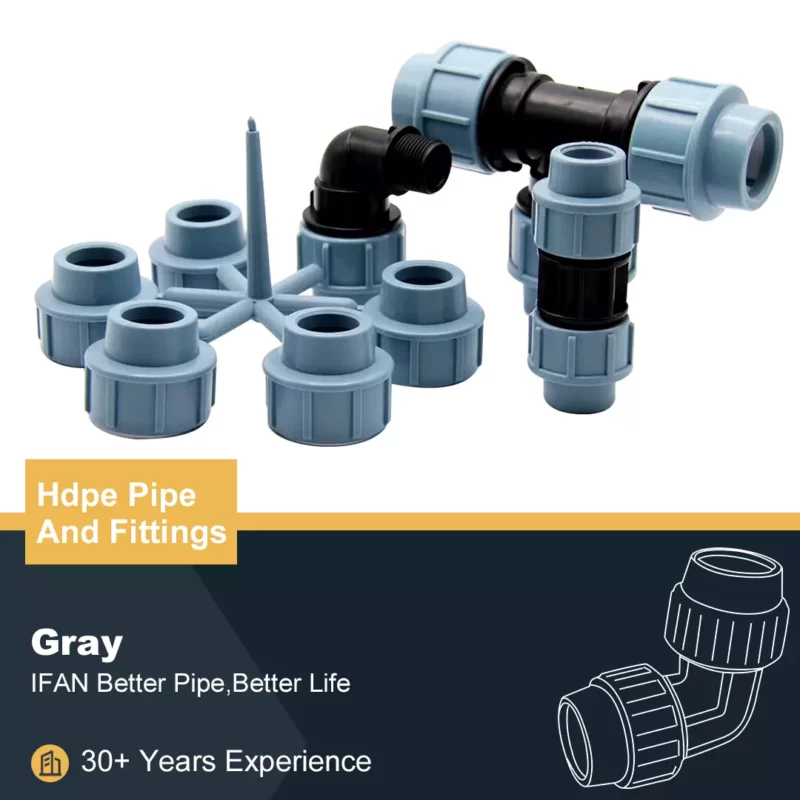
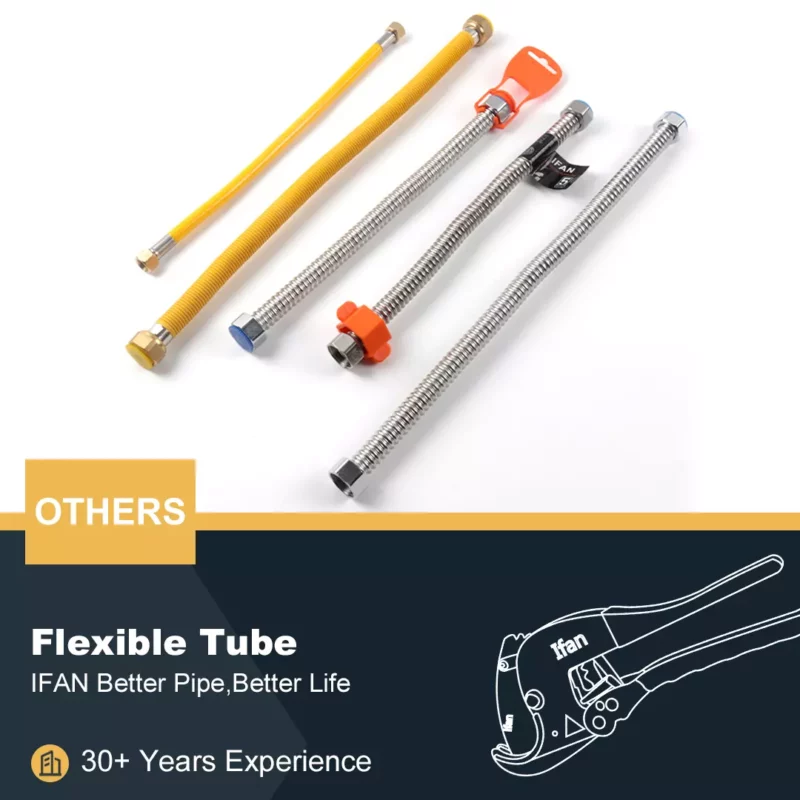


In modern plumbing, ensuring reliable leak protection is crucial to maintain system efficiency and prevent costly water damage. PEX pipe has become a popular choice for plumbing systems due to its reliability, flexibility, and ability to resist leaks. Made from cross-linked polyethylene, PEX pipes are designed to withstand the pressures and challenges faced in residential, commercial, and industrial plumbing systems. This article explores the features, advantages, and applications of PEX pipe, focusing on how it offers reliable leak protection.
What is PEX Pipe?
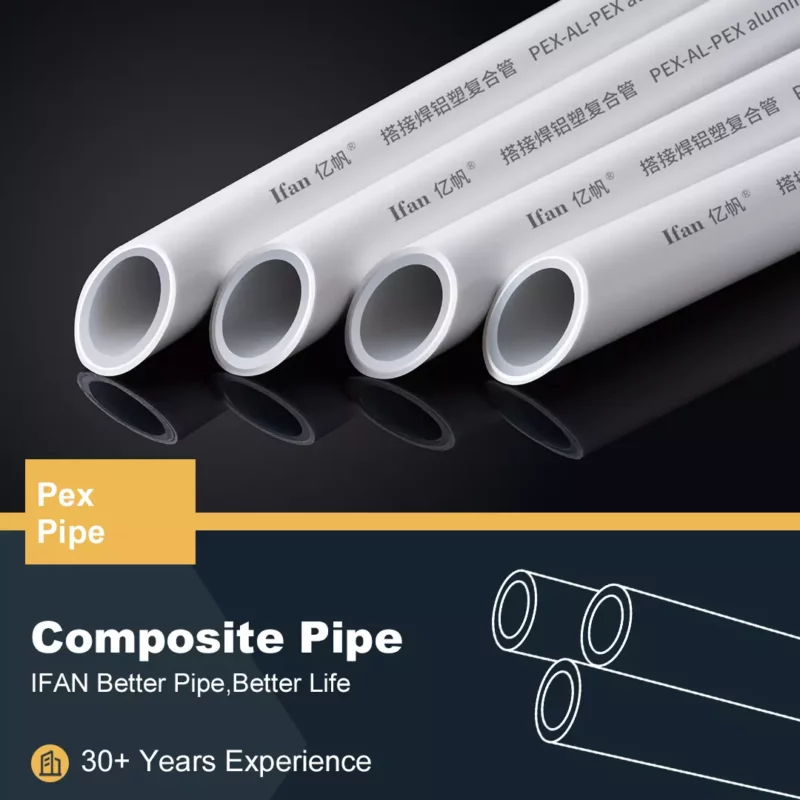
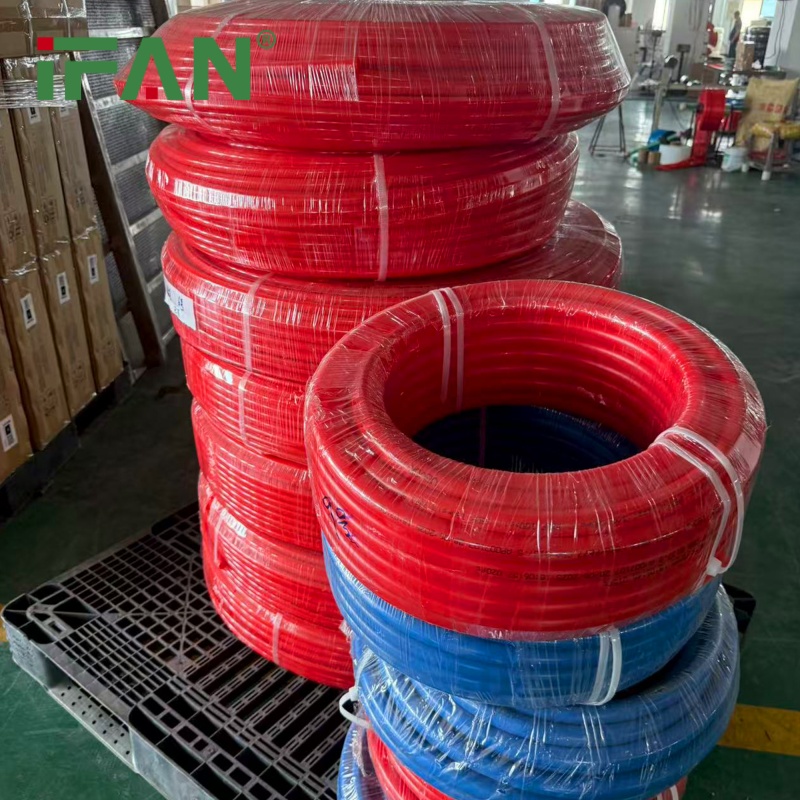
PEX, or cross-linked polyethylene, is a type of plastic pipe used in plumbing and heating systems. Unlike traditional rigid pipes, PEX is flexible, allowing for easier installation and fewer connections. The cross-linking process enhances the material’s strength and durability, making it resistant to cracking, scaling, and corrosion. PEX pipes can be used for both hot and cold water supply lines, as well as radiant heating systems.
The flexibility of PEX makes it ideal for tight spaces and complex layouts. Additionally, PEX is available in different grades and types, each designed to meet specific plumbing needs. PEX pipes are also resistant to freezing, an important feature in areas with cold climates.
Why PEX Pipe Offers Reliable Leak Protection
PEX pipes provide reliable leak protection due to their unique properties. One of the key reasons is their flexibility. Unlike rigid piping materials like copper or PVC, PEX can bend and expand without cracking. This flexibility allows it to adapt to changes in pressure or temperature, reducing the risk of leaks caused by pipe stress.
Another important factor is the seamless nature of PEX. Traditional pipes often have joints or fittings that can loosen over time, causing leaks. PEX pipes, however, are typically installed in long, continuous runs with fewer joints. Fewer joints mean fewer opportunities for leaks to develop.
Additionally, PEX is resistant to corrosion and scaling, which are common causes of leaks in metal pipes. Over time, metal pipes can corrode, weaken, and develop holes, leading to leaks. PEX, being plastic, is immune to such issues, making it a reliable choice for long-term leak prevention.
Advantages of PEX Pipe for Leak Prevention
PEX pipes offer several advantages that make them a superior choice for leak protection:
- Resistance to Freezing: PEX is highly resistant to freezing, which is a significant cause of pipe leaks. When water freezes in a pipe, it expands, causing pressure that can crack or burst traditional pipes. PEX, however, can expand slightly without breaking, allowing it to withstand freezing conditions without leaking.
- Corrosion Resistance: Metal pipes, such as copper, are susceptible to corrosion over time, especially when exposed to water with high mineral content. PEX is corrosion-resistant, ensuring that it remains free of leaks caused by rust or chemical reactions.
- Fewer Joints: Since PEX pipes can bend around corners and obstacles, fewer fittings and joints are required. This reduction in joints minimizes the risk of leaks that can occur at connection points.
- Durability: PEX is designed to withstand high temperatures and pressure, making it a durable option for both residential and commercial plumbing. It resists cracking, even under extreme conditions, further reducing the likelihood of leaks.
- Easy Expansion: If a leak does occur, PEX is easy to repair. In most cases, damaged sections can be cut out and replaced with minimal disruption. The ease of repair ensures that PEX systems can maintain their leak protection without complicated maintenance.
Applications of PEX Pipe for Leak Protection
PEX pipes are versatile and can be used in various plumbing applications where leak protection is essential. Some of the most common uses include:
- Residential Plumbing: PEX is commonly used in residential homes for both hot and cold water supply lines. Its flexibility allows for easy installation in walls, ceilings, and floors, ensuring fewer joints and a reduced risk of leaks.
- Repiping Projects: In older homes with corroded or damaged pipes, PEX is often used for repiping. Its ability to bend around obstacles and reduce the number of joints makes it an ideal choice for upgrading aging plumbing systems without extensive labor or destruction.
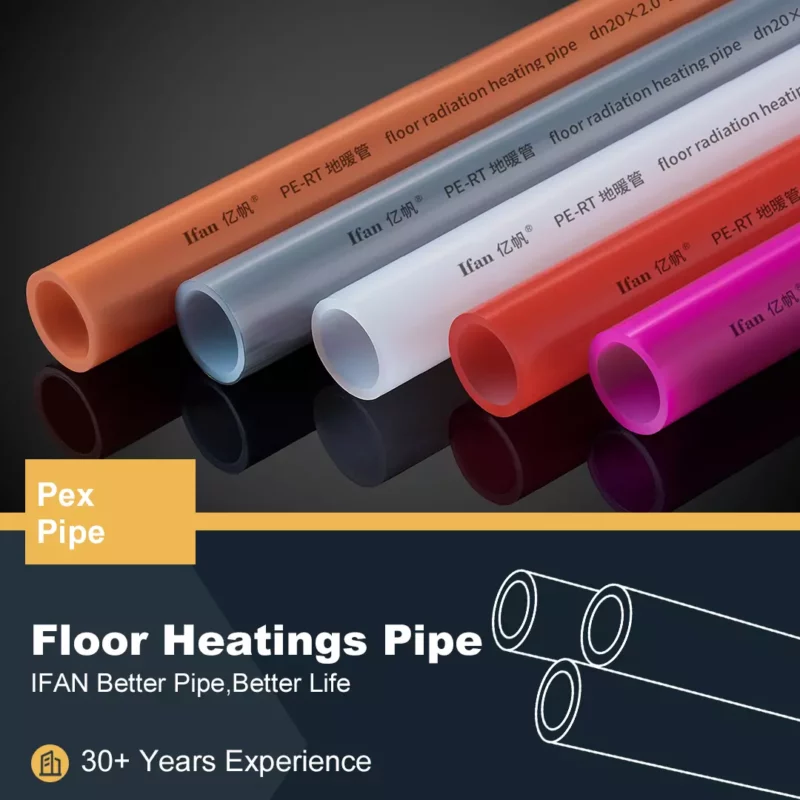
- Radiant Heating Systems: PEX pipes are widely used in radiant heating systems, where they are installed beneath floors or in walls. The ability of PEX to handle hot water makes it ideal for heating applications, and its resistance to leaks ensures that these systems operate efficiently and safely.
- Water Distribution Systems: PEX is also used in municipal water distribution systems. Its durability and leak resistance make it a dependable option for delivering clean water to communities without the risk of system failures due to leaks.
- Irrigation Systems: PEX is used in outdoor irrigation systems, where it provides an excellent solution for delivering water to gardens, lawns, and agricultural fields. Its resistance to freeze damage and leaks ensures reliable performance in various weather conditions.
How to Install PEX Pipe for Maximum Leak Protection
Installing PEX pipe correctly is essential for ensuring that it provides reliable leak protection. Here are the basic steps for installing PEX pipes:
- Plan the Layout: Begin by planning the layout of the PEX piping system. Take note of the required fittings, bends, and connections to minimize the number of joints.
- Cut the Pipe: Use a PEX pipe cutter to ensure a clean, straight cut. Proper cutting ensures a good connection and prevents leaks at the joints.
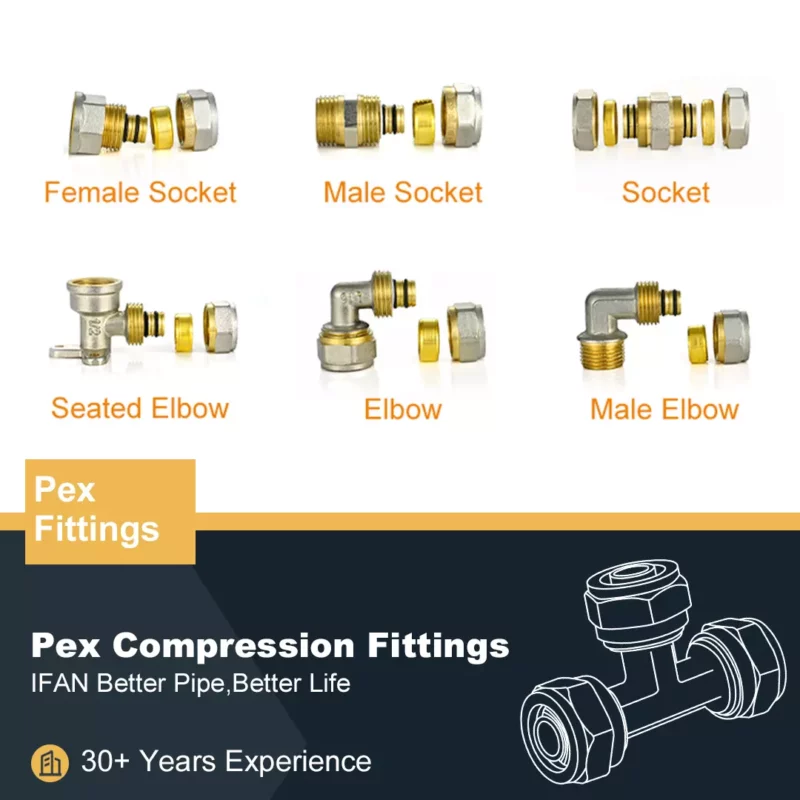
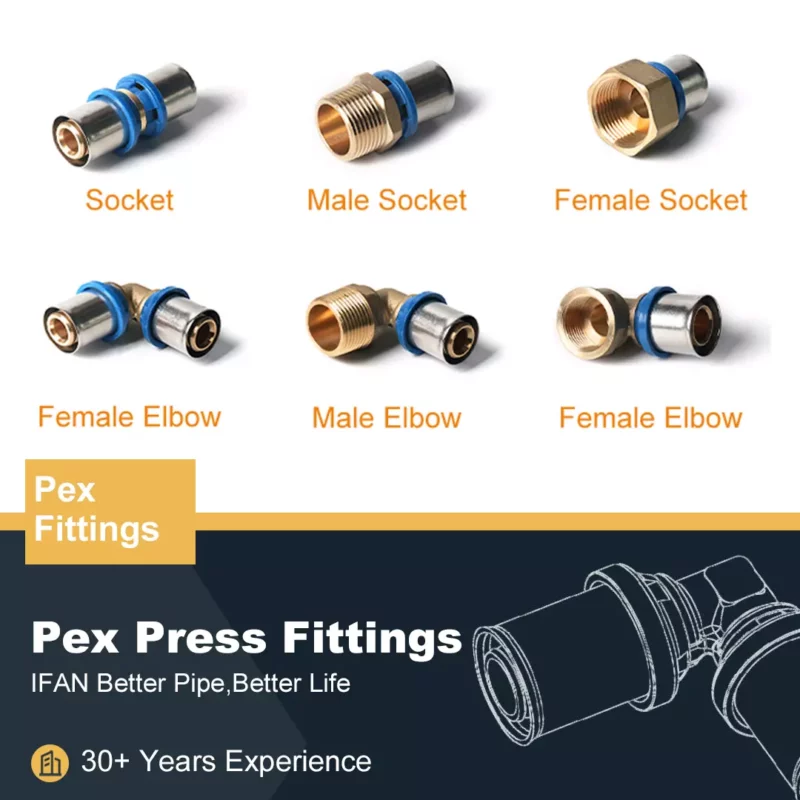
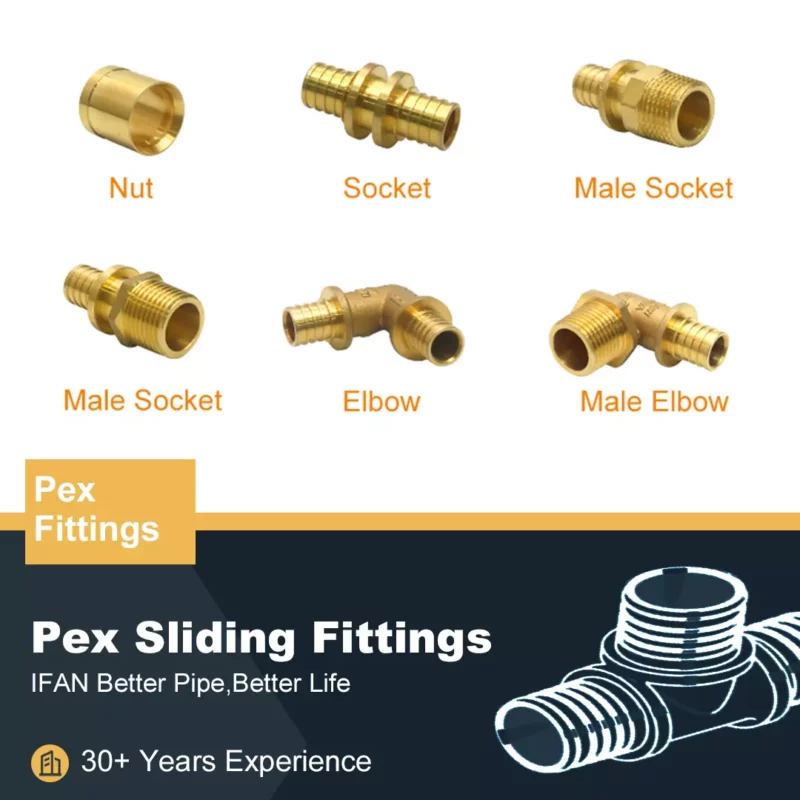
- Choose the Right Fittings: PEX pipes are connected using different types of fittings, including crimp, clamp, and push-fit. Ensure that the fittings you choose are compatible with the type of PEX pipe and ensure a secure, leak-free connection.
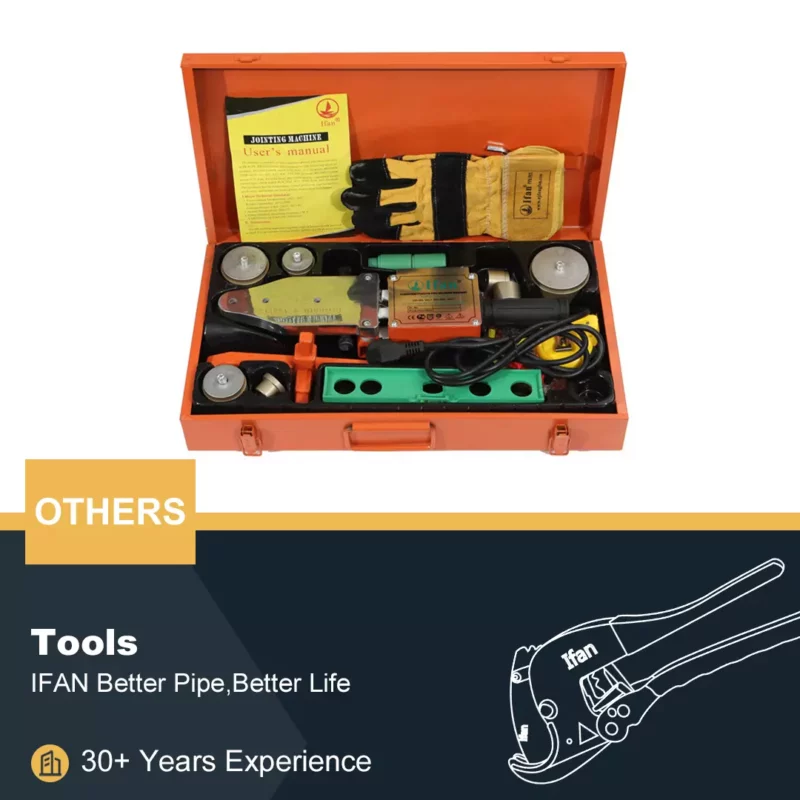
- Attach the Fittings: When connecting PEX pipes, use the appropriate tool to secure the fittings. For crimp connections, a crimping tool is used to tightly secure the ring around the pipe and fitting. Push-fit fittings require no tools, but they must be properly inserted to ensure a tight seal.
- Test for Leaks: After installation, conduct a pressure test to check for leaks. Turn on the water and check all connections for any signs of leakage. If leaks are found, re-tighten fittings or replace damaged sections of pipe.
- Insulate the PEX Pipe: In areas prone to freezing, such as basements or outdoor installations, insulate the PEX pipes to provide additional protection against temperature extremes that could cause leaks.
Maintenance of PEX Pipe Systems
One of the reasons PEX pipe is preferred is its low maintenance requirements. However, periodic checks and proper care are essential to ensure long-lasting leak protection:
- Monitor for Leaks: Although PEX is resistant to leaks, it’s important to inspect the system regularly for any signs of wear or damage. Check joints and fittings periodically to ensure they remain secure.
- Avoid UV Exposure: PEX pipe is sensitive to ultraviolet (UV) light, which can degrade the material over time. Ensure that PEX pipes installed outdoors or in exposed areas are properly shielded from direct sunlight to prevent damage.
- Prevent Freezing: While PEX is resistant to freezing, it’s still important to take precautions in extremely cold environments. Proper insulation around PEX pipes can prevent freezing and ensure the system continues to operate without leaks.
- Ensure Compatibility with Fittings: When performing repairs or replacements, always use compatible fittings and tools. Using the wrong type of fittings can lead to poor connections and potential leaks.
Conclusion
PEX pipe is an excellent choice for reliable leak protection in plumbing systems. Its flexibility, resistance to freezing, and corrosion resistance make it a durable, long-lasting solution for preventing leaks. PEX’s easy installation and low-maintenance features further contribute to its popularity, making it ideal for a wide range of applications, from residential plumbing to industrial systems.
By understanding how PEX works and following best practices for installation and maintenance, you can enjoy a plumbing system that provides dependable, leak-free performance for many years to come. Whether repiping an old system, installing radiant heating, or setting up an irrigation system, PEX pipe offers an effective and reliable solution for ensuring smooth, leak-free operation.
If you have read this article and have any questions, please feel free to contact IFAN. Below is our contact information:
Whatsapp:+86 13373827623
Email:[email protected]