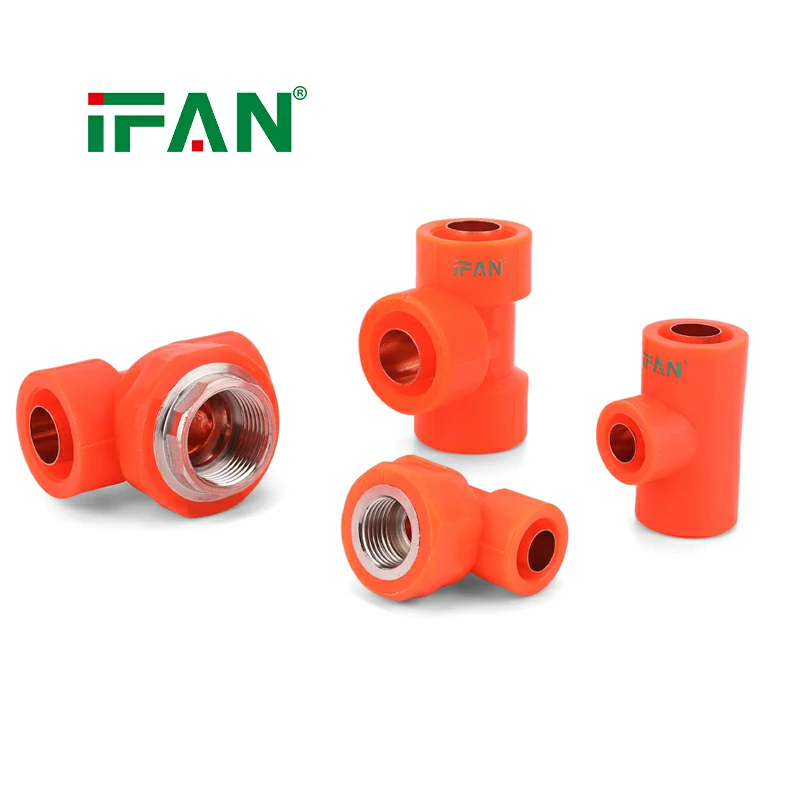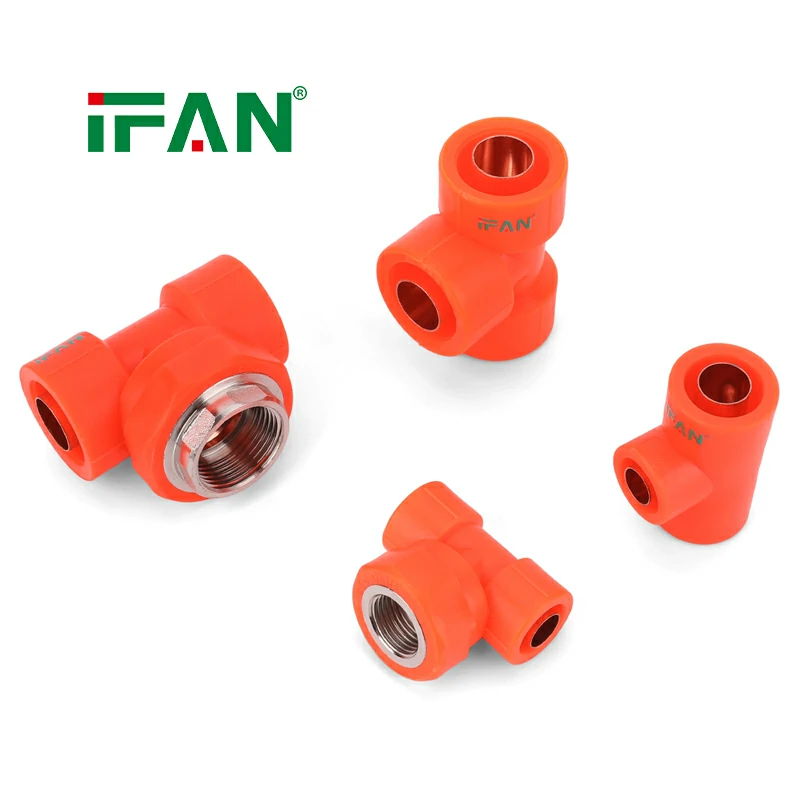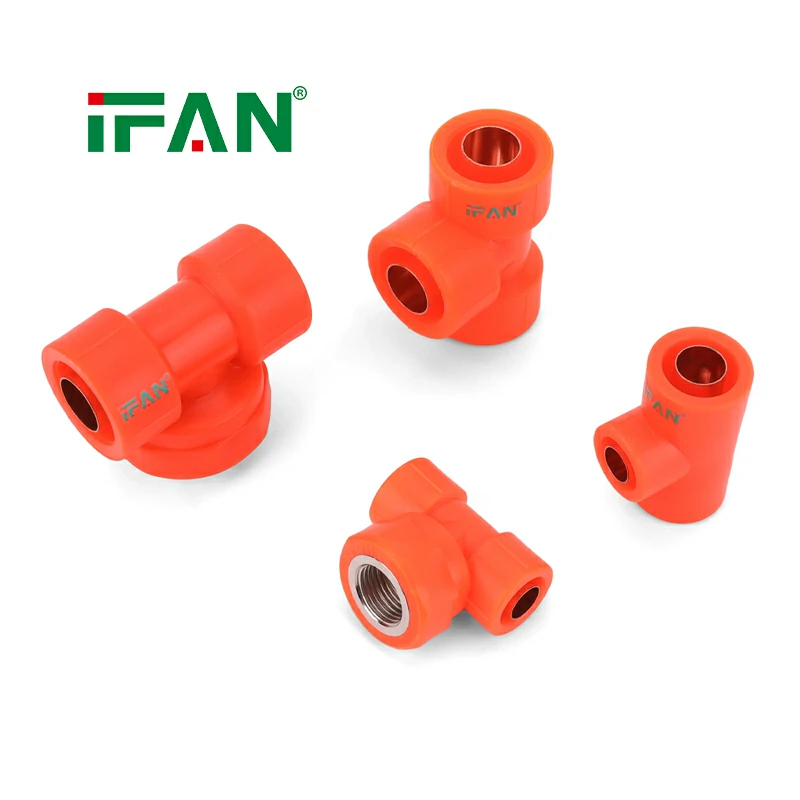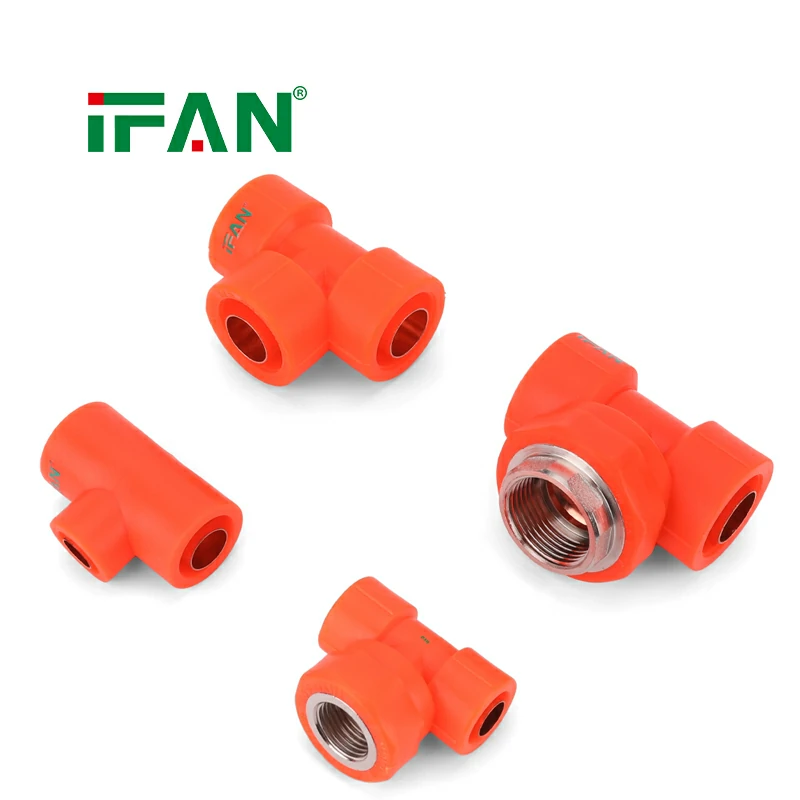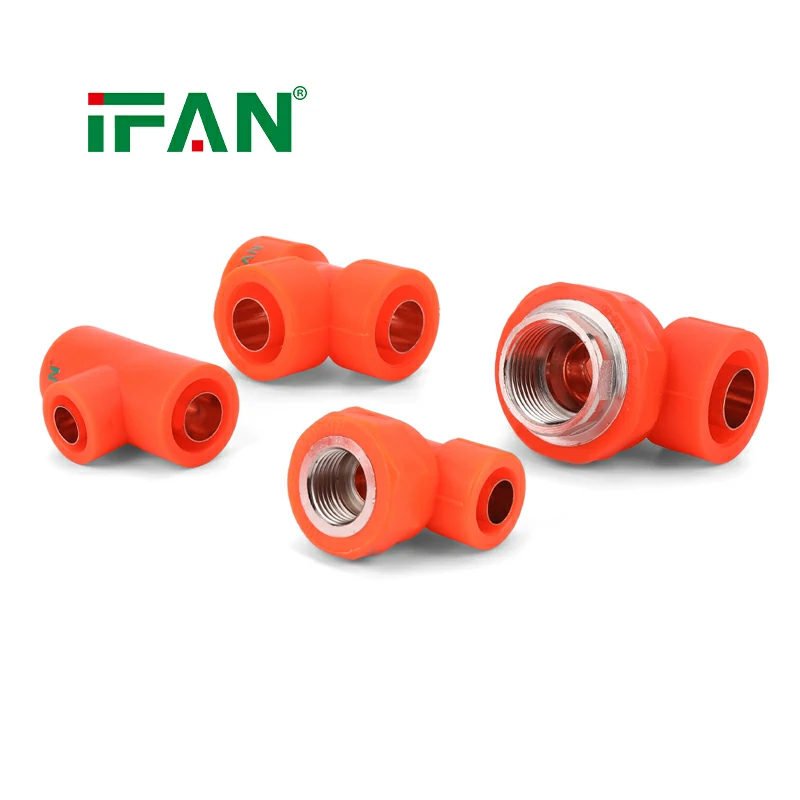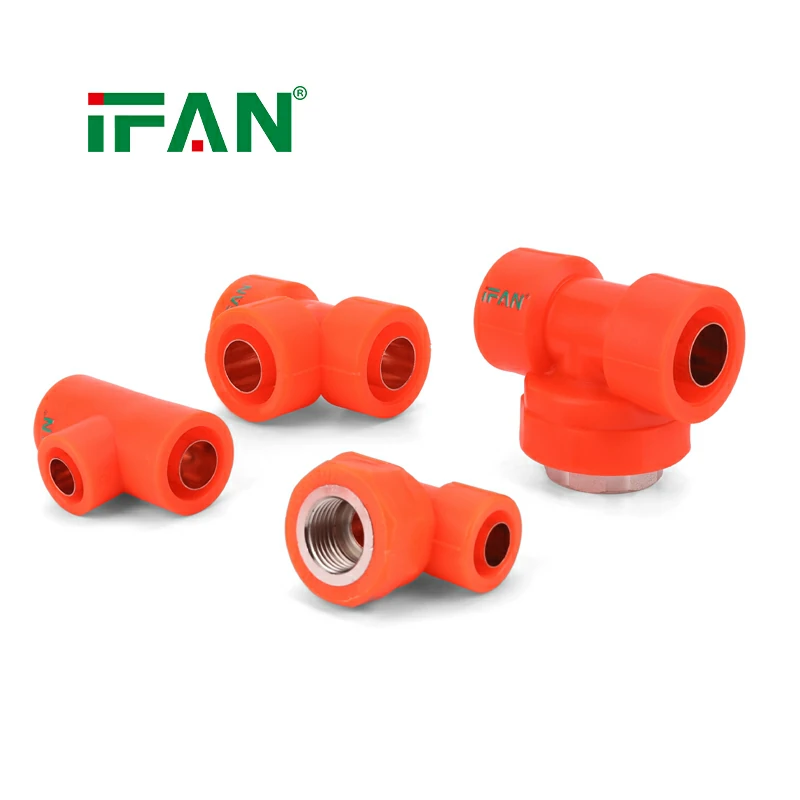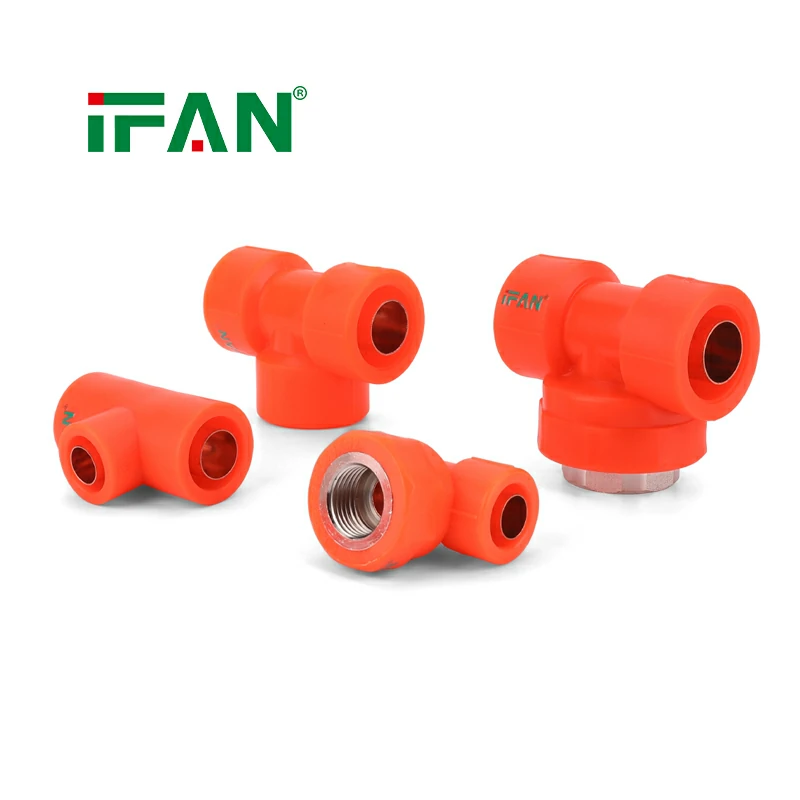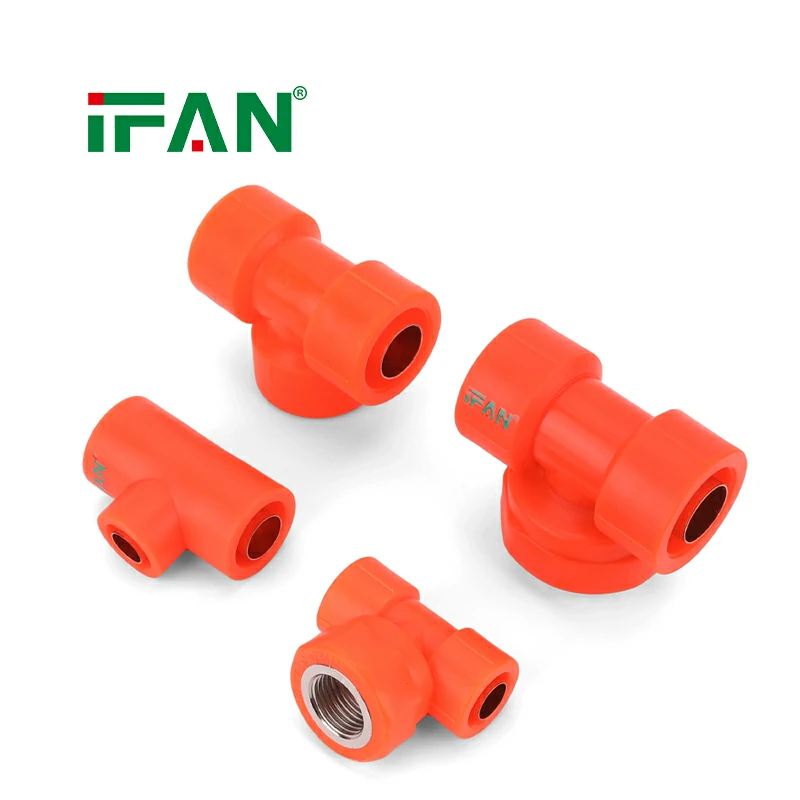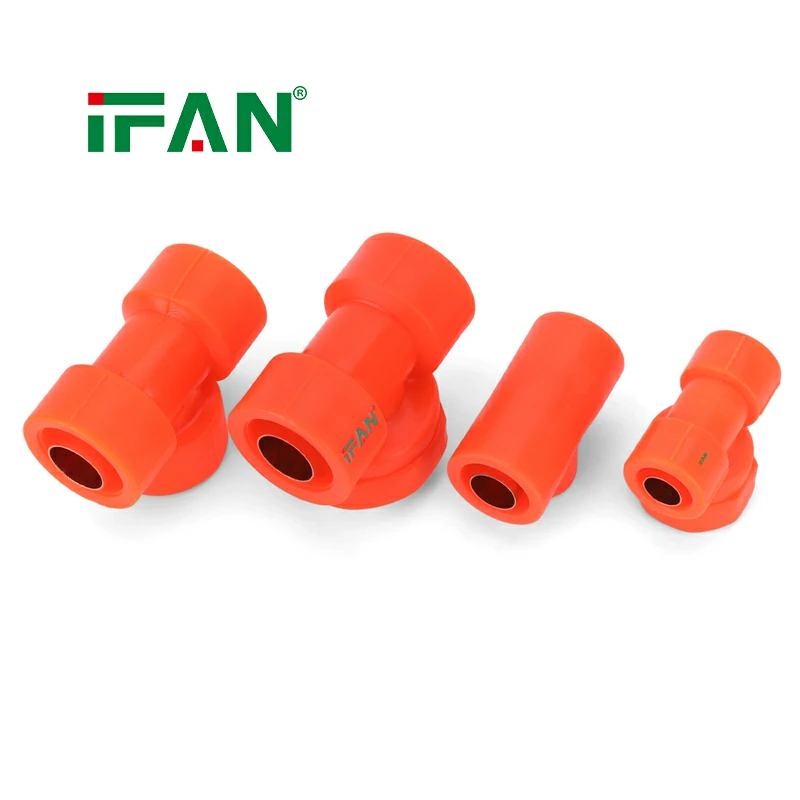
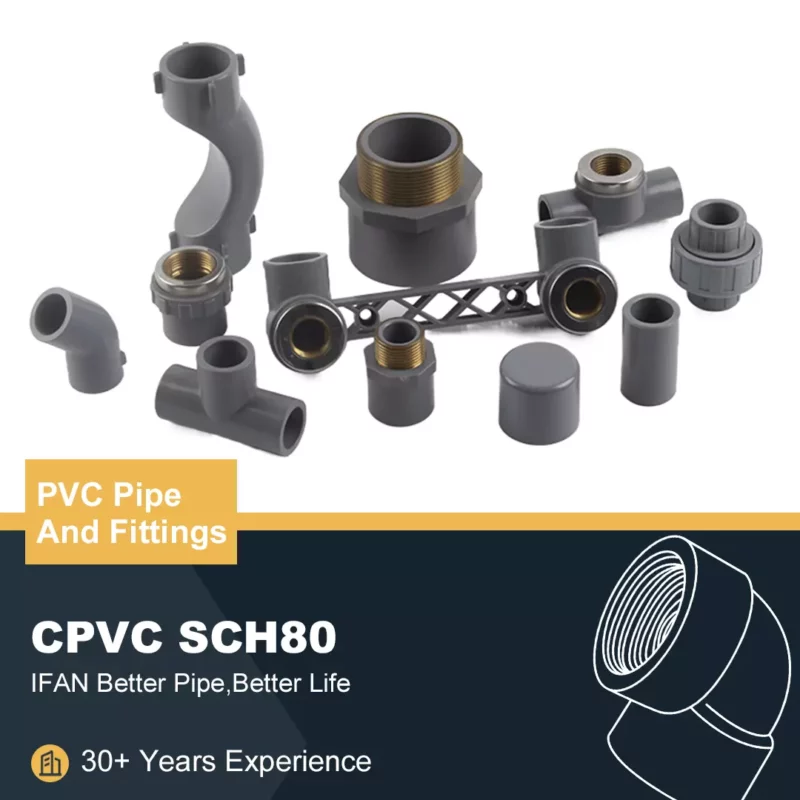
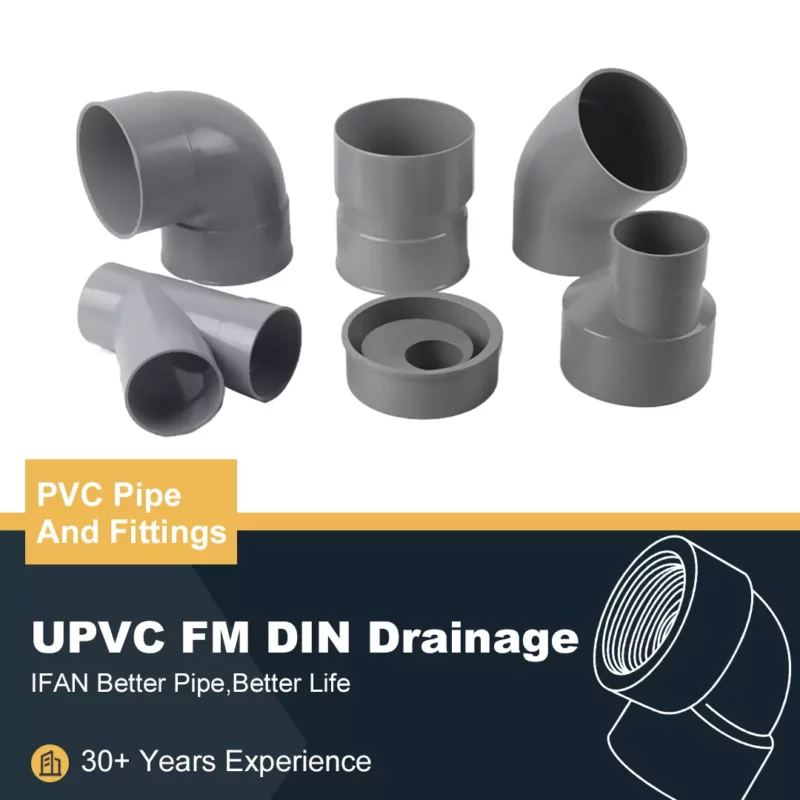
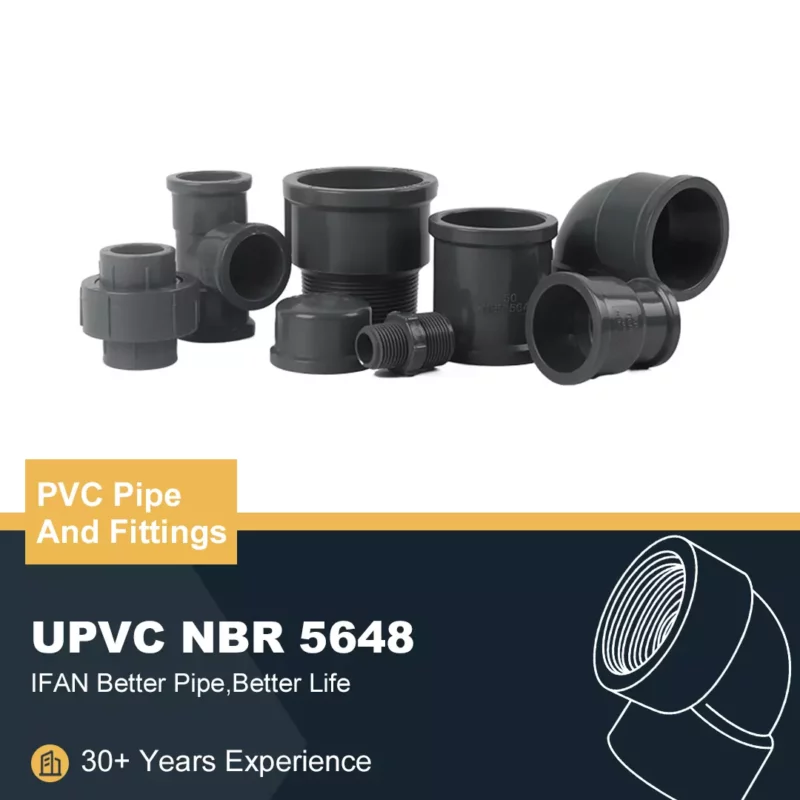
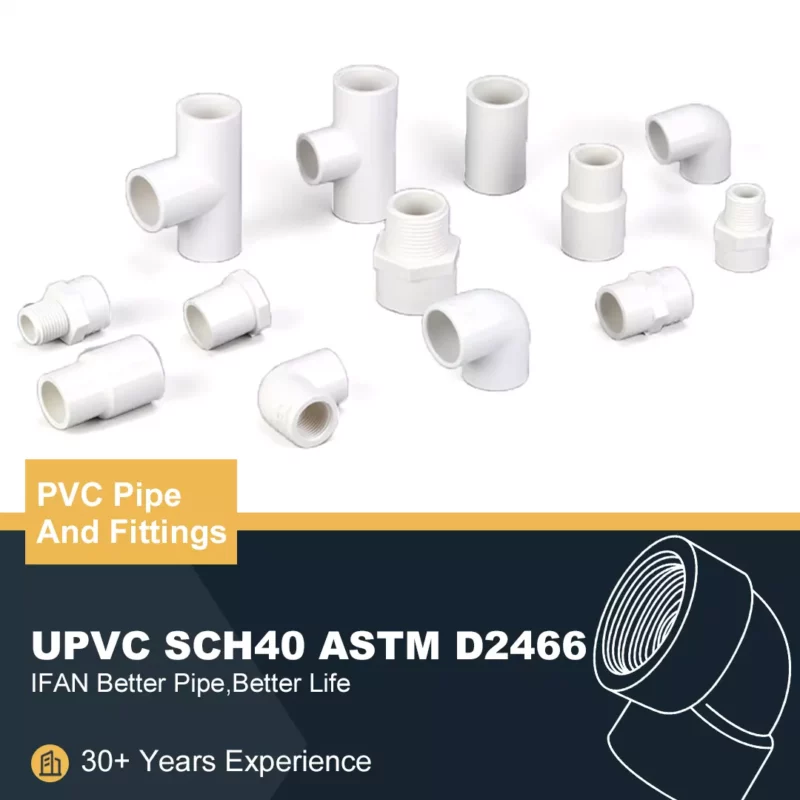
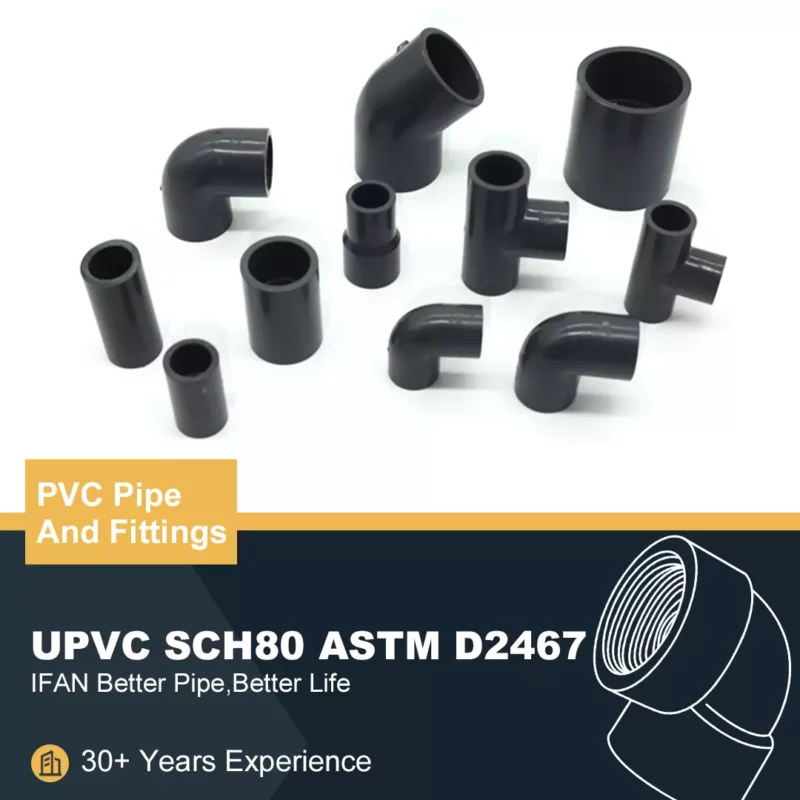
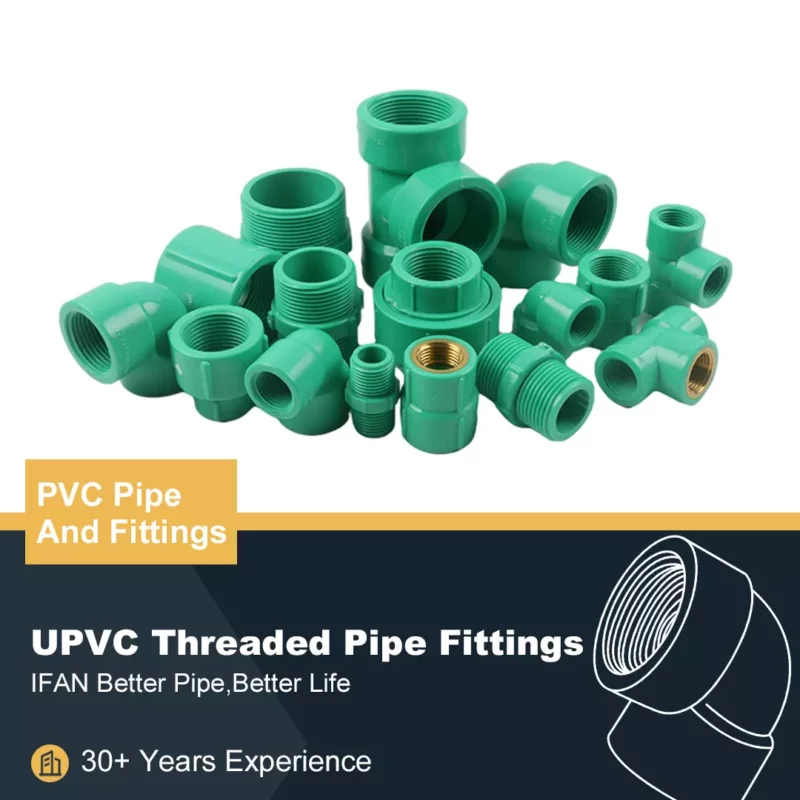
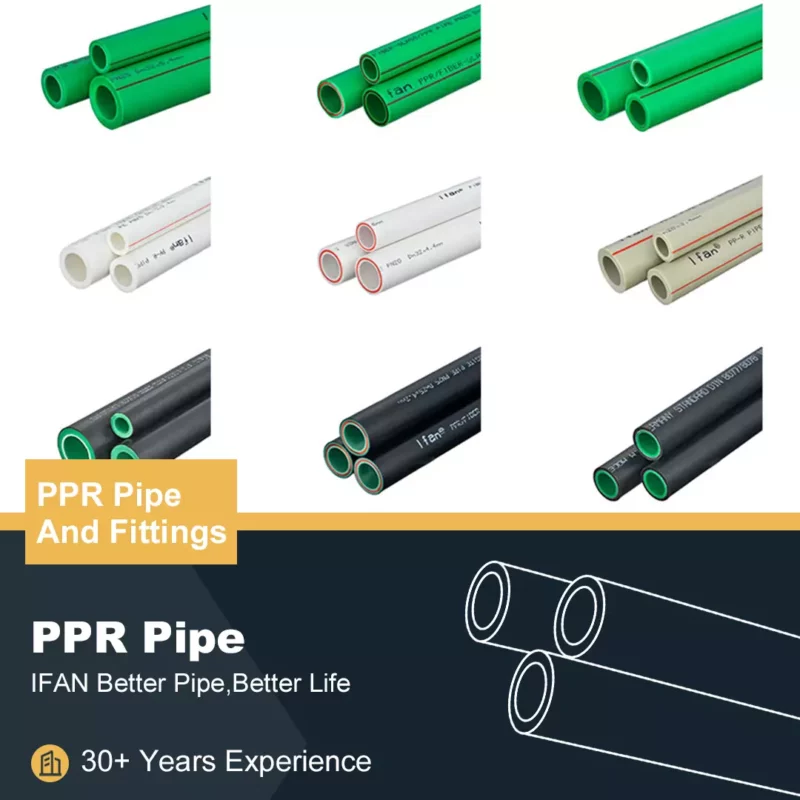
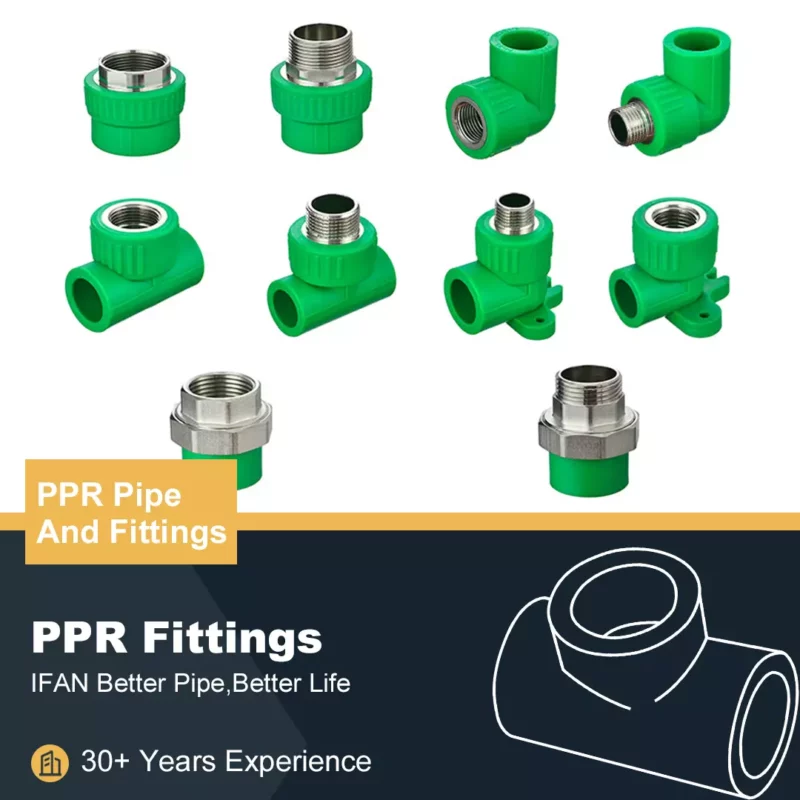
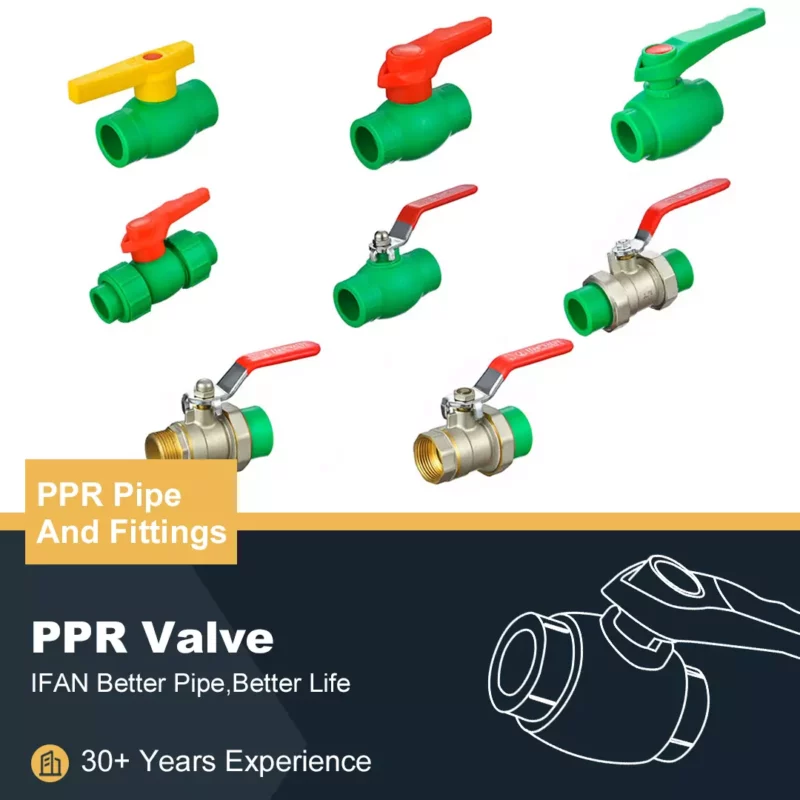
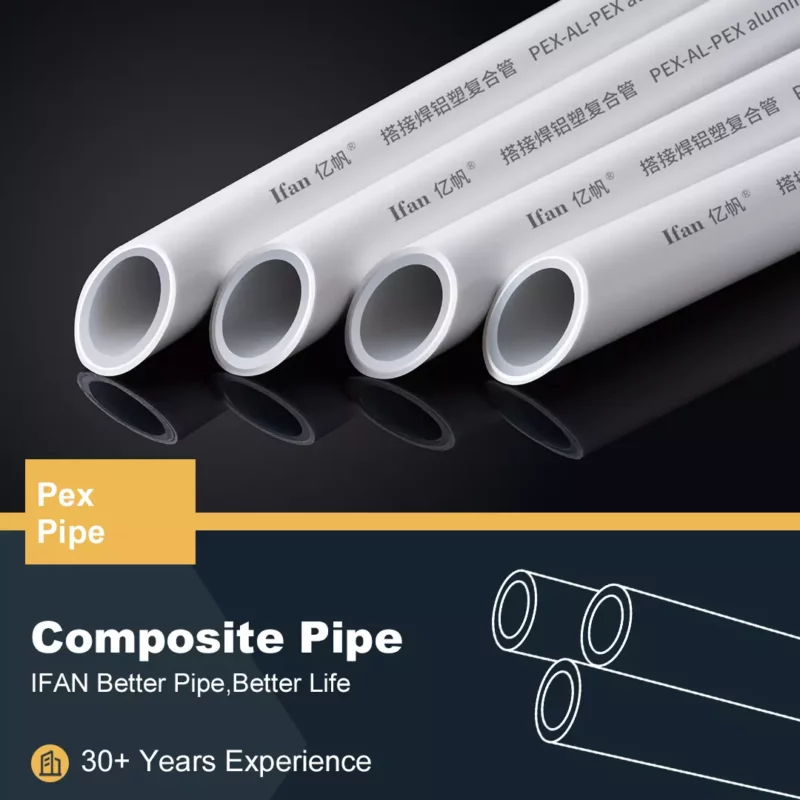
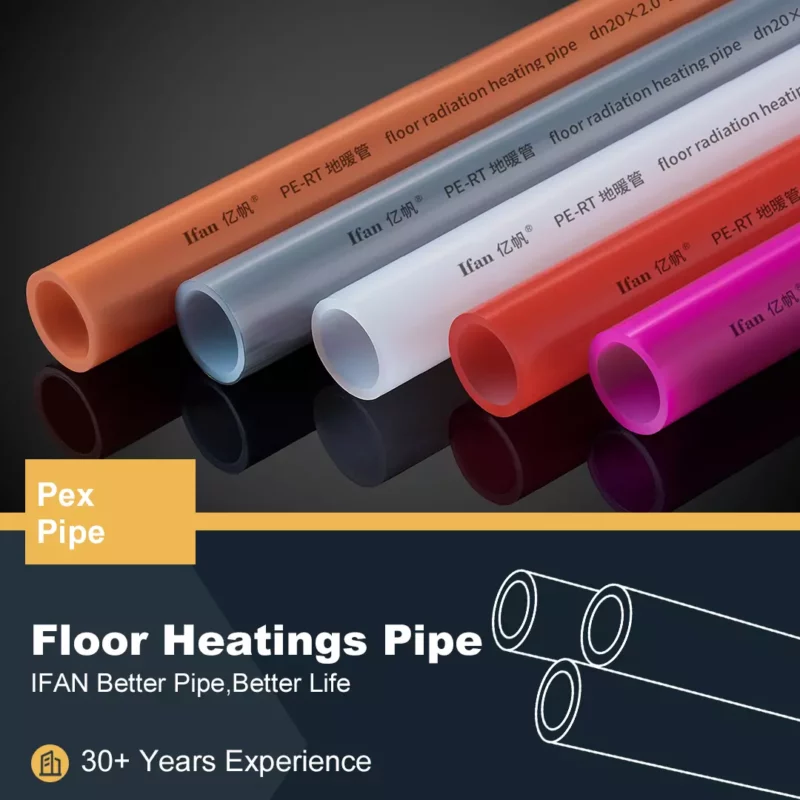
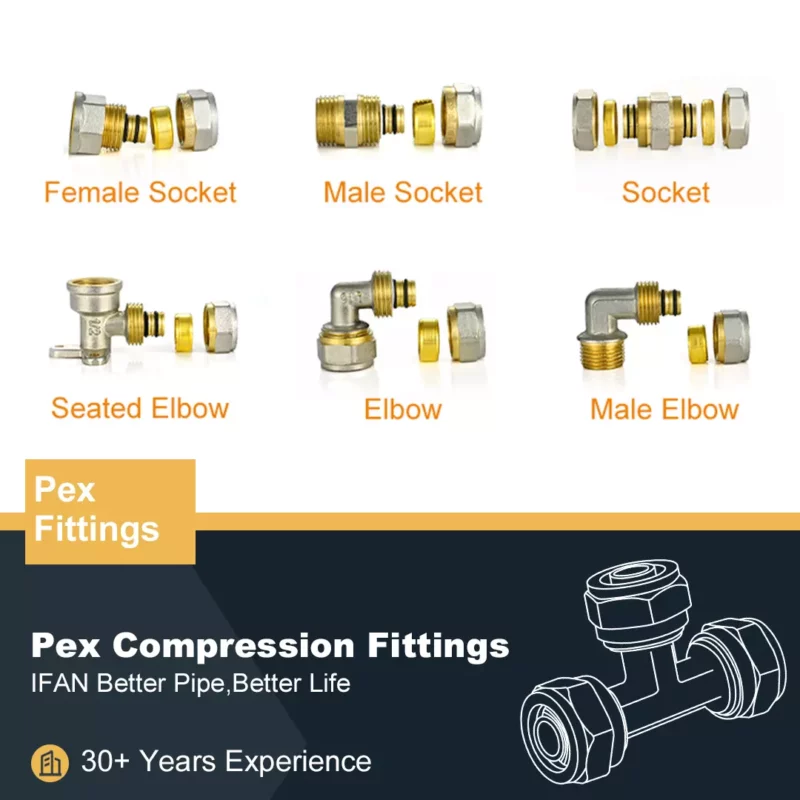


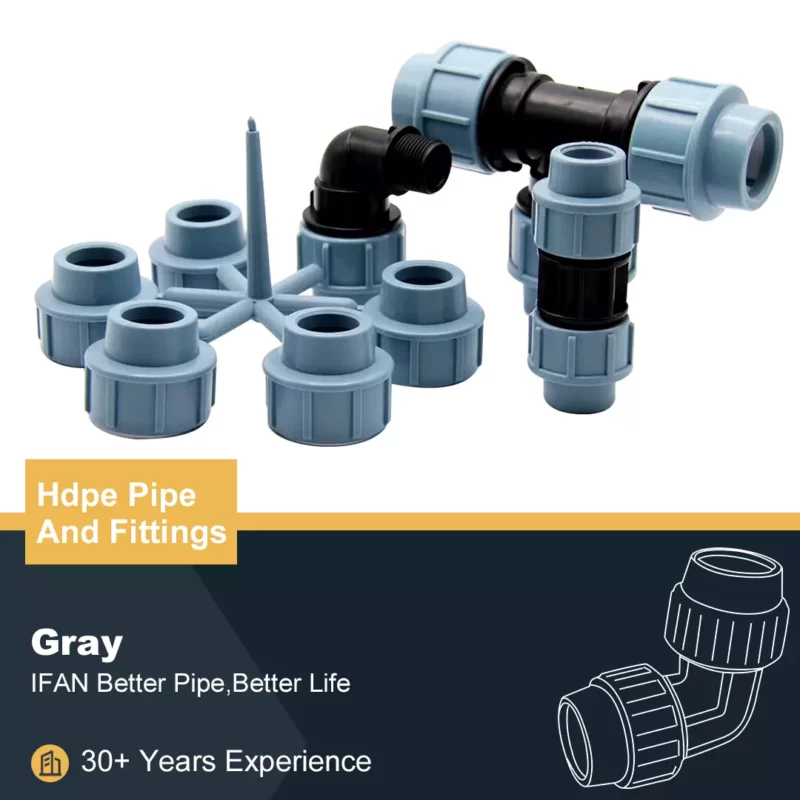




The Indian PPR fittings market is experiencing an unprecedented transformation, emerging as one of the most dynamic segments within the country’s rapidly expanding building materials industry. This strategic assessment provides a comprehensive analysis of the market dynamics, growth catalysts, competitive landscape, and future potential for Polypropylene Random Copolymer (PPR) fittings in India, where urbanization, infrastructure development, and changing consumer preferences are driving remarkable growth.
Executive Summary: A Market Poised for Exponential Growth
The Indian PPR fittings market has evolved from a niche segment to a mainstream plumbing solution, currently valued at approximately USD 450 million and projected to grow at a compelling CAGR of 14.2% through 2028. This growth trajectory significantly outpaces the overall construction materials sector, indicating a fundamental shift in plumbing material preferences across residential, commercial, and industrial segments. The market’s expansion is underpinned by robust infrastructure development, increasing quality consciousness, and the superior technical properties of PPR fittings compared to traditional alternatives.
Market Segmentation and Product Analysis
Product Type Segmentation:
- Standard PPR fittings (elbows, tees, couplings) dominate with 48% market share
- Multi-layer composite PPR fittings showing the strongest growth at 18.5% CAGR
- Electrofusion PPR fittings gaining traction in industrial applications
- Large-diameter PPR fittings (>110mm) emerging for infrastructure projects
Application Analysis:
- Potable water systems represent the largest application segment (55%)
- Heating, ventilation, and air conditioning (HVAC) applications growing at 16.3% CAGR
- Industrial fluid handling emerging as a premium segment
- Agricultural applications gaining momentum in water-scarce regions
End-User Distribution:
- Residential construction accounts for 52% of PPR fittings consumption
- Commercial real estate demonstrating the strongest growth momentum
- Industrial sector increasingly specifying PPR fittings for corrosive environments
- Government infrastructure projects driving institutional demand
Key Market Drivers and Growth Catalysts
Infrastructure Development Boom:
India’s massive infrastructure push, including the Smart Cities Mission, Housing for All initiative, and industrial corridor development, has created unprecedented demand for reliable plumbing systems. PPR fittings are increasingly specified in these projects due to their leak-proof characteristics and long service life.
Urbanization and Real Estate Growth:
With India’s urban population projected to reach 600 million by 2030, the demand for modern housing and commercial spaces is driving PPR fittings adoption. Metro city developments and tier-2 city expansion are particularly strong growth drivers.
Water Conservation Imperative:
Growing awareness of water scarcity and the economic impact of water loss has positioned PPR fittings as a sustainable solution. The thermally fused joints in PPR systems eliminate leakage points, addressing both conservation and public health concerns.
Regulatory Support and Standards:
The implementation of stricter building codes and quality standards has favored PPR fittings adoption. The Bureau of Indian Standards (BIS) certification and increasing enforcement against substandard products have created a favorable environment for quality PPR fittings manufacturers.
Competitive Landscape Analysis
The Indian PPR fittings market features a diverse competitive environment with several distinct player categories:
Market Leaders:
- Supreme Industries maintains market leadership with extensive distribution
- Ashirvad Pipes has strong brand recognition and technical expertise
- Finolex Industries leverages its established piping industry presence
Multinational Players:
- European brands compete in premium segments with advanced technology
- Chinese manufacturers focus on price-competitive segments
- Middle Eastern companies are expanding through joint ventures
Emerging Domestic Manufacturers:
- Regional players are gaining market share through cost optimization
- Specialized manufacturers are focusing on niche applications
- New entrants are leveraging digital distribution channels
Regional Market Dynamics
Southern India:
The southern states lead PPR fittings adoption with 35% market share, driven by strong real estate development, high urbanization rates, and quality consciousness.
Western India:
Maharashtra and Gujarat account for 28% of market demand, with strong industrial and residential construction driving PPR fittings consumption.
Northern India:
The NCR region and surrounding states represent 25% of the market, with infrastructure projects and affordable housing driving growth.
Eastern India:
While currently the smallest regional market, eastern states show the highest growth potential as infrastructure development accelerates.
Distribution Channel Analysis
Traditional Distribution:
- Plumbing material retailers dominate with 45% market share
- Wholesalers and distributors serve tier-2 and tier-3 cities
- Contractor networks remain crucial for project specifications
Modern Trade and Institutional:
- Building material supermarkets are gaining prominence
- Online platforms are emerging as significant channels
- Direct institutional sales to large projects are increasing
Channel Evolution:
The PPR fittings distribution landscape is rapidly evolving, with manufacturers investing in channel partner training, technical support, and digital integration to enhance market reach and service quality.
Price Point Analysis and Market Positioning
Premium Segment:
Multinational brands and quality-focused domestic manufacturers compete in the premium segment, emphasizing technical superiority, certifications, and brand value.
Mid-Market Segment:
Established domestic brands dominate this segment, balancing quality and affordability while offering comprehensive product ranges.
Economy Segment:
Regional manufacturers and import-focused players compete primarily on price, though quality consistency remains a challenge in this segment.
Technological Advancements and Innovation
Product Innovation:
- Smart PPR fittings with integrated monitoring capabilities
- Enhanced material formulations for improved performance
- Specialized PPR fittings for specific applications and environments
Manufacturing Technology:
- Automated production systems improving quality consistency
- Advanced quality control and testing equipment
- Industry 4.0 integration in manufacturing processes
Installation Technology:
- Improved fusion welding equipment and techniques
- Digital tools for installation quality verification
- Training simulators and certification programs
Challenges and Market Barriers
Quality Standardization:
The proliferation of sub-standard PPR fittings, particularly in price-sensitive segments, threatens market credibility and consumer trust.
Price Sensitivity:
The Indian market remains highly price-conscious, creating pressure on manufacturers to balance quality and affordability.
Technical Skill Gaps:
A shortage of certified installers and technical professionals limits market growth and can compromise system performance.
Raw Material Dependency:
Dependence on imported raw materials creates vulnerability to global price fluctuations and supply chain disruptions.
Government Initiatives and Policy Support
Make in India:
Production-linked incentives and manufacturing support are encouraging domestic production of PPR fittings and reducing import dependency.
Quality Infrastructure:
Strengthened standards enforcement and certification requirements are improving market quality and consumer protection.
Infrastructure Investment:
Massive government spending on infrastructure projects is creating sustained demand for quality PPR fittings.
Future Outlook and Strategic Recommendations
Market Projections:
The Indian PPR fittings market is projected to reach USD 900 million by 2028, with premium and multi-layer segments showing the strongest growth.
Emerging Opportunities:
- Smart city developments and urban infrastructure projects
- Replacement of aging plumbing systems in existing buildings
- Export potential to neighboring markets
- Industrial and specialized applications
Strategic Recommendations:
For Manufacturers:
- Invest in vertical integration to control costs and quality
- Develop region-specific product strategies
- Enhance technical support and training infrastructure
- Pursue international quality certifications
For Distributors:
- Focus on value-added services and technical support
- Develop specialized expertise in high-growth segments
- Build partnerships with quality-conscious contractors
- Implement robust inventory management systems
For Stakeholders:
- Participate in standards development and quality initiatives
- Support skill development and certification programs
- Promote awareness of quality differentiation
- Encourage sustainable manufacturing practices
Sustainability and Environmental Considerations
The PPR fittings market is increasingly influenced by sustainability factors:
Material Sustainability:
- Recyclability and environmental impact considerations
- Energy-efficient manufacturing processes
- Sustainable raw material sourcing
Water Conservation:
- Role in reducing non-revenue water through leak prevention
- Contribution to sustainable water management
- Alignment with national water conservation goals
Conclusion: A Market Transforming India’s Plumbing Landscape
The Indian PPR fittings market represents a compelling growth story within the country’s building materials sector. The convergence of infrastructure development, quality consciousness, and technological advancement has created ideal conditions for sustained market expansion. While challenges around quality standardization and price sensitivity persist, the fundamental drivers supporting PPR fittings adoption remain strong.
The market’s future will be shaped by manufacturers’ ability to balance quality and affordability, distribution channels’ capacity to provide technical support and reliable supply, and the industry’s collective commitment to raising quality standards. As India continues its journey toward developed infrastructure and modern urban environments, PPR fittings will play an increasingly vital role in building reliable, efficient, and sustainable plumbing systems across the country.
The strategic assessment clearly indicates that the PPR fittings market in India is not merely growing—it’s fundamentally transforming the country’s approach to plumbing infrastructure, creating significant opportunities for stakeholders who can navigate the market’s complexity while maintaining focus on quality and innovation.
If you have read this article and have any questions, please feel free to contact IFAN. Below is our contact information:
Whatsapp:+86 13373827623
Email:[email protected]