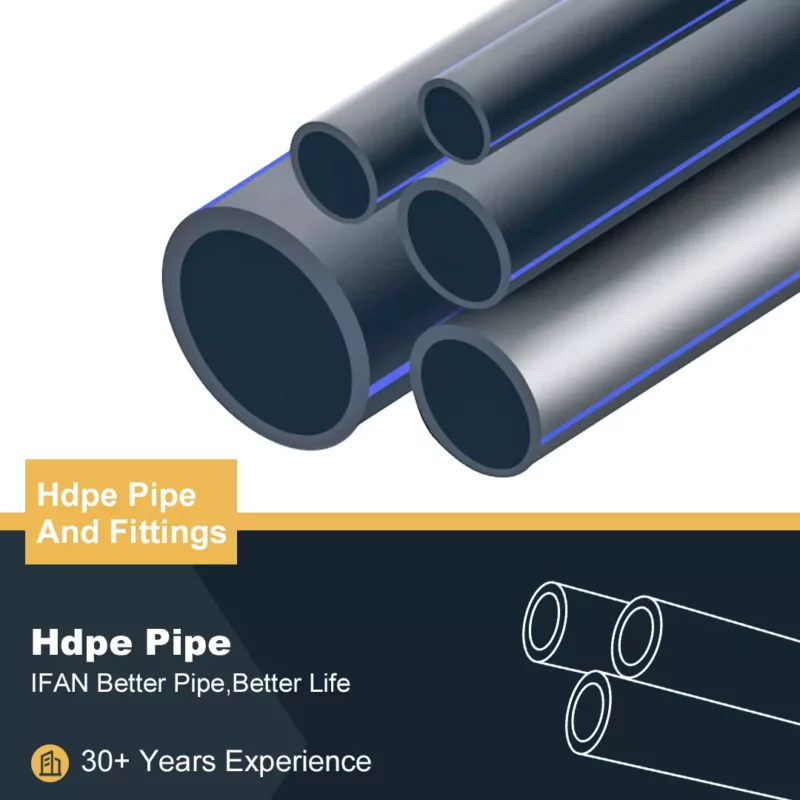
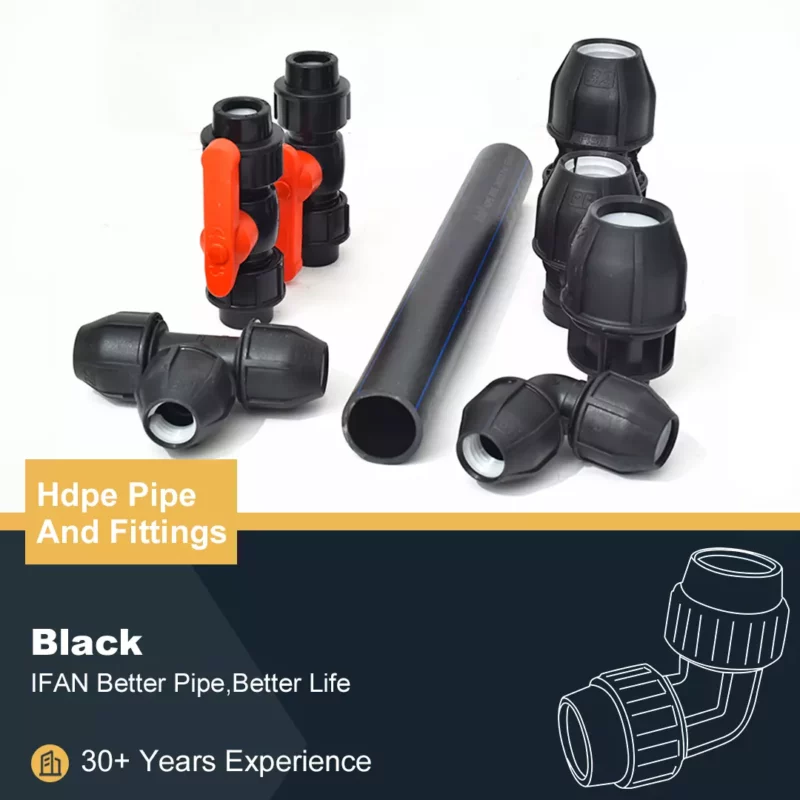
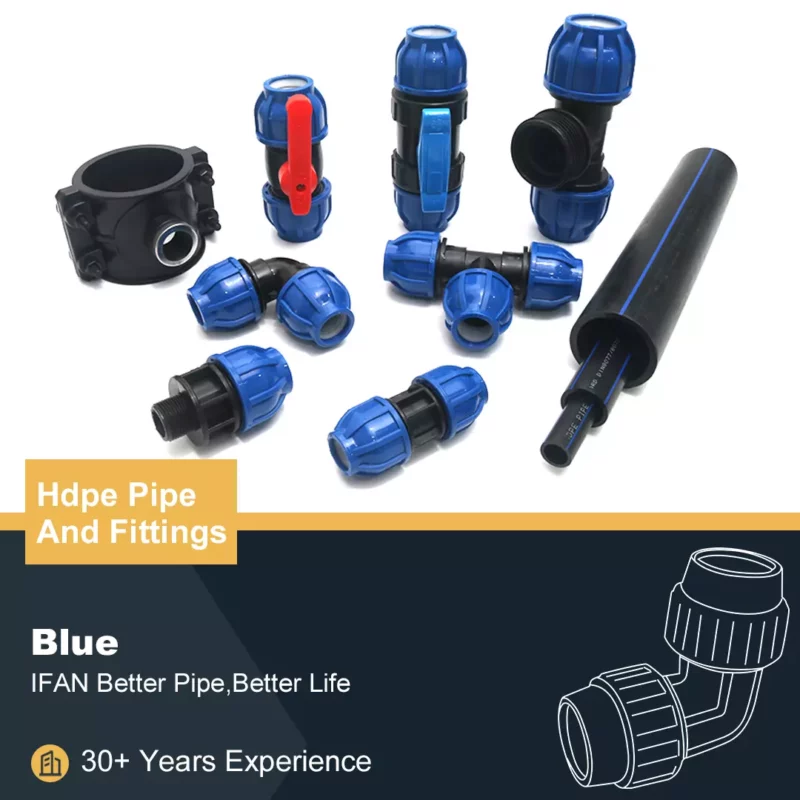
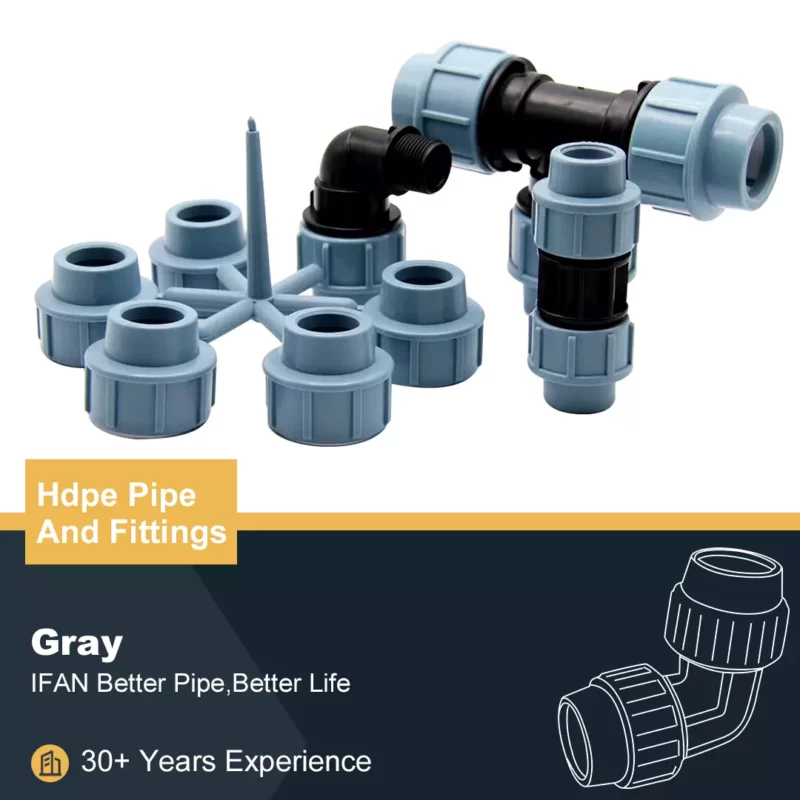


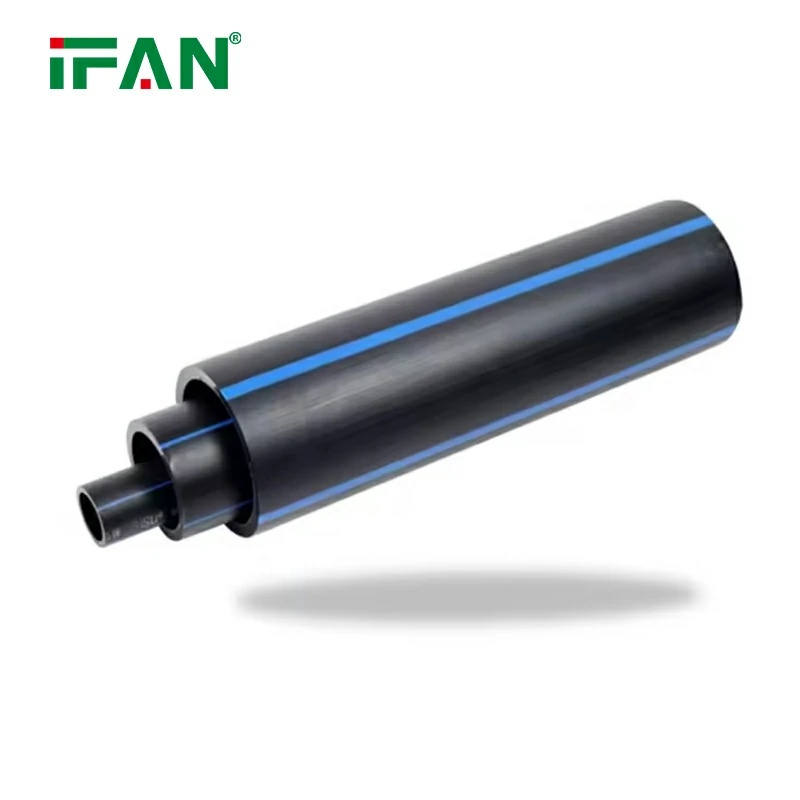
HDPE Material Basics
HDPE stands for high-density polyethylene. This thermoplastic polymer has high strength. It is a very durable material.
Flexibility Feature
HDPE pipes offer great flexibility. They bend without breaking. This allows for easier installation in tight spaces.
Impact Resistance
They resist impact exceptionally well. This remains true even in low temperatures. They do not crack easily.
Chemical Resistance
HDPE pipes handle many chemicals. They are inert to most acids and bases. This makes them perfect for industrial effluent.
Leak-Free Joints
We use butt welding for joints. This creates a seamless, monolithic system. It guarantees zero leaks.
Abrasion Resistance
The inner surface resists abrasion. This is good for slurry transport. It maintains flow efficiency over time.
Long Service Life
These pipes last over Long-term durability according to standards. They withstand environmental stress cracking. Their longevity is proven.
Lightweight and Easy Handling
HDPE pipes are very lightweight. This reduces manual handling risks. It also lowers shipping costs.
UV Resistance
Special black grades resist UV radiation. This is crucial for outdoor applications. They do not degrade in sunlight.
Cost-Effectiveness
Their installation cost is low. They require minimal maintenance. This offers great long-term value.
Conclusion
HDPE pipes excel in durability, chemical resistance, and installation efficiency. Their properties make them indispensable for water supply, gas distribution, and industrial applications. They are a cornerstone of modern infrastructure.
If you have read this article and have any questions, please feel free to contact IFAN. Below is our contact information:
Whatsapp:+86 13373827623
Email:[email protected]