


Dimensional Standards
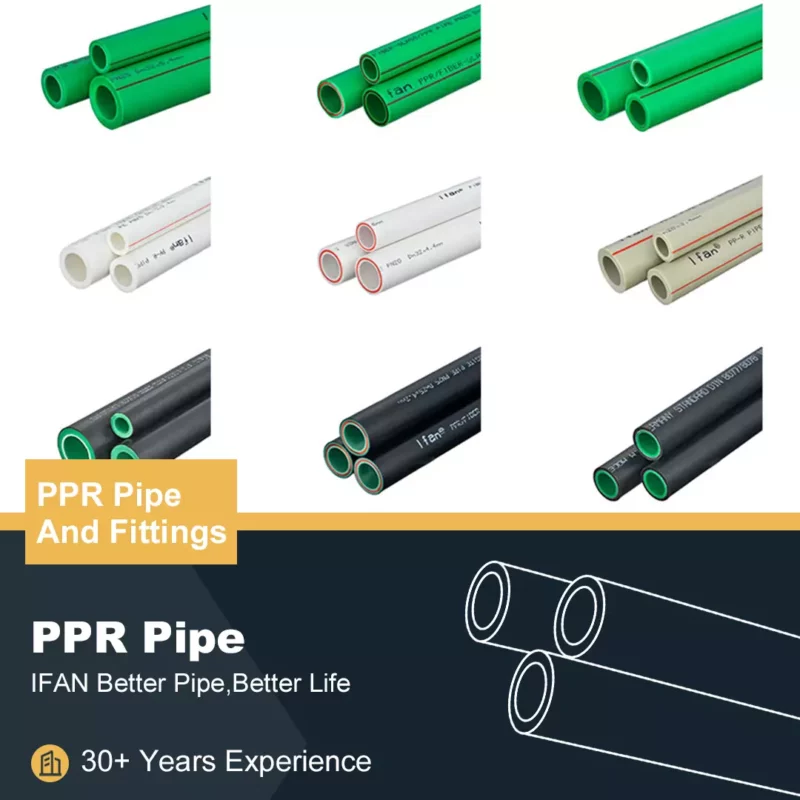
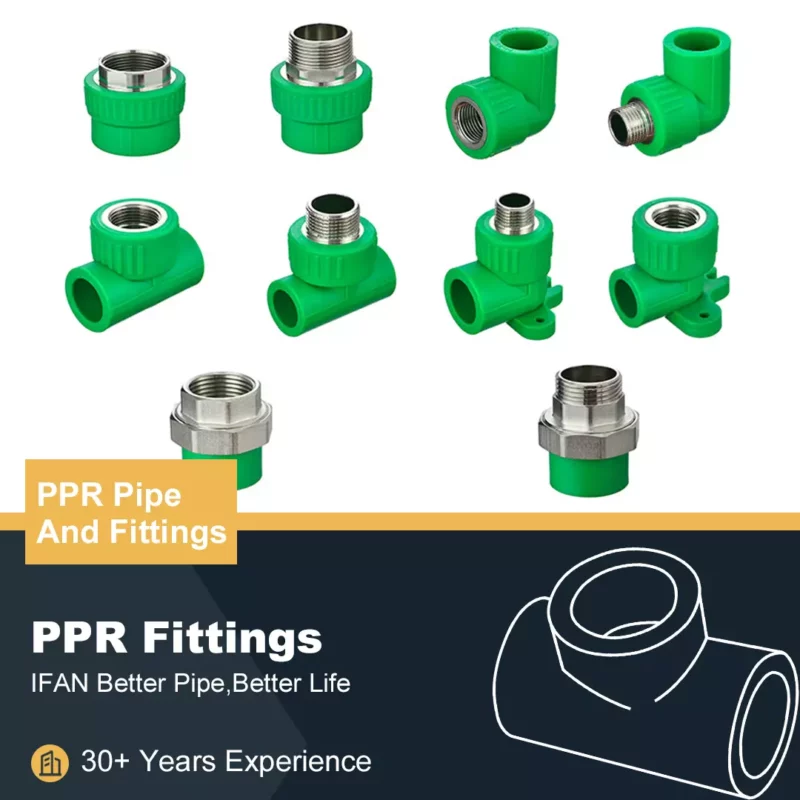
PPR pipes follow ISO 15874 standards. This ensures global compatibility and performance. Outer diameters range from 20mm to 160mm. Wall thickness varies by pressure rating. These standards guarantee reliable system design.
Pressure Classification System
PN ratings indicate pressure capacity. PN10 handles 10 bar at 20°C. PN16 manages 16 bar operational pressure. PN20 withstands 20 bar continuous pressure. Proper selection ensures system safety.
Thermal Expansion Management
PPR expands significantly with heat. Designers must include expansion compensation. Expansion loops accommodate length changes. Proper anchoring controls movement direction. This prevents stress on connections.
UV Protection Requirements
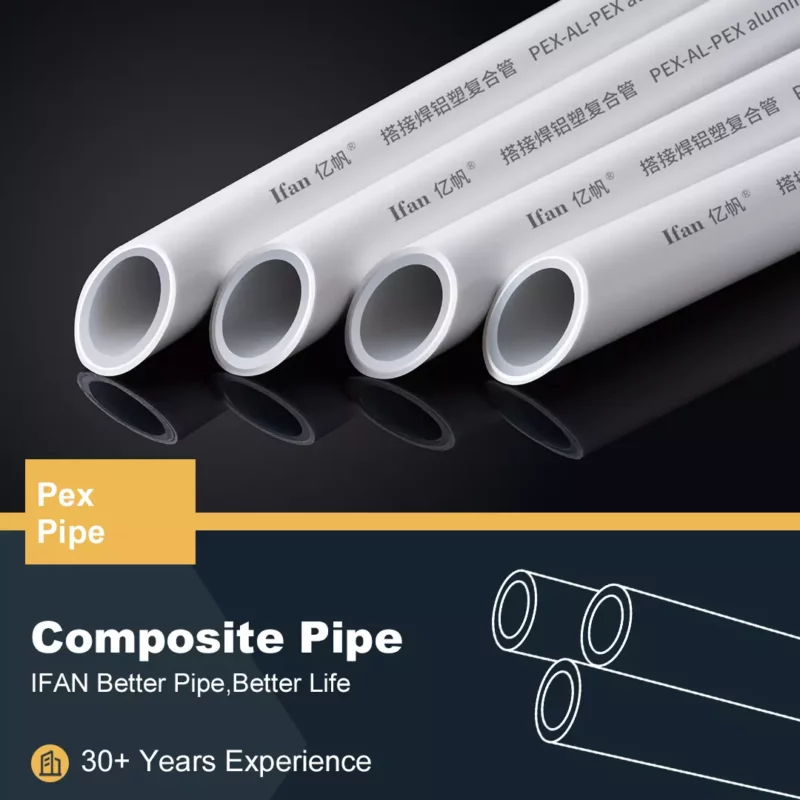
Basic PPR requires protection from sunlight. Outdoor installations need protective wrapping. Aluminum composite layers provide excellent UV resistance. This prevents material degradation. It ensures long-term performance.
Oxygen Barrier Technology
Advanced PPR pipes incorporate EVOH layers. This prevents oxygen diffusion into the system. It protects ferrous components from corrosion. This is crucial for closed-loop heating systems. It extends system lifespan.
Hygienic Properties
The material prevents biofilm formation. It doesn’t support bacterial growth. This maintains water quality throughout the system. It is particularly important for healthcare facilities. It ensures patient safety.
Chemical Compatibility
PPR handles various industrial chemicals. It resists acids, alkalis, and solvents. This makes it suitable for factory applications. It transports chemicals safely and reliably. It reduces environmental risks.
Installation Methodology
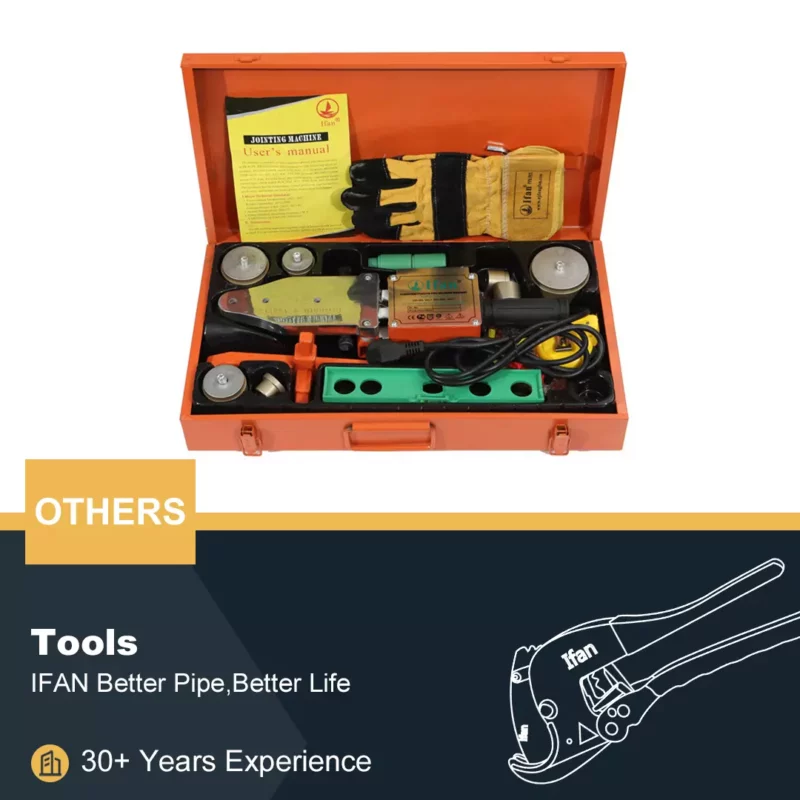
The fusion process requires clean components. Technicians must follow manufacturer guidelines exactly. Proper heating ensures perfect joints. Alignment must be precise during connection. This guarantees leak-free performance.
Quality Assurance
Reputable manufacturers provide quality certificates. Products should have third-party certifications. Installation teams should be trained and certified. Proper documentation ensures system reliability. It provides peace of mind.
Conclusion
Technically advanced PPR piping systems, when properly designed and installed, deliver unmatched performance, reliability, and safety for diverse fluid transport applications from residential to industrial settings.
If you have read this article and have any questions, please feel free to contact IFAN. Below is our contact information:
Whatsapp:+86 13373827623
Email:[email protected]