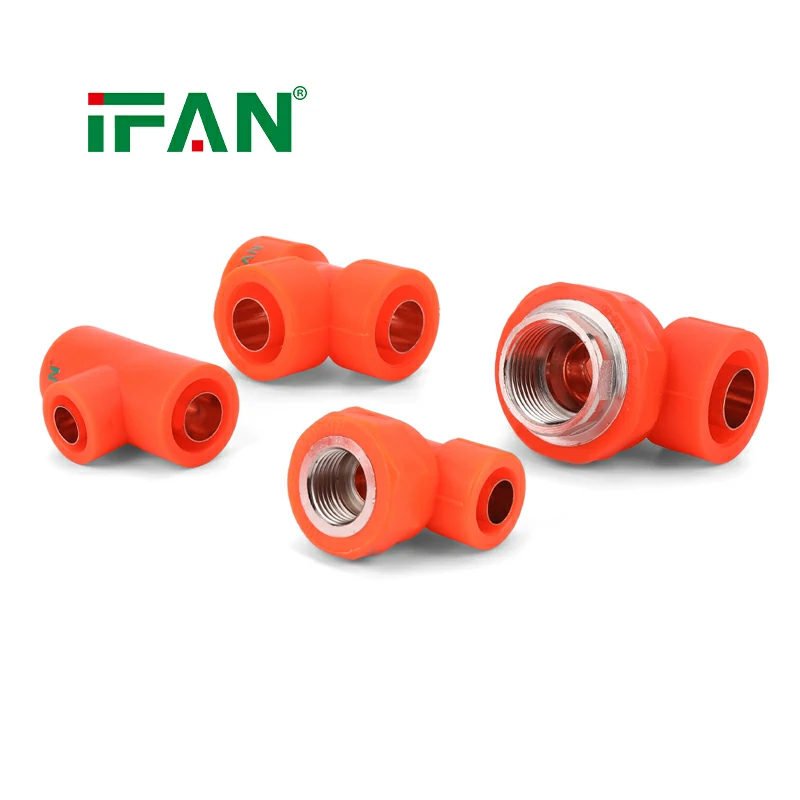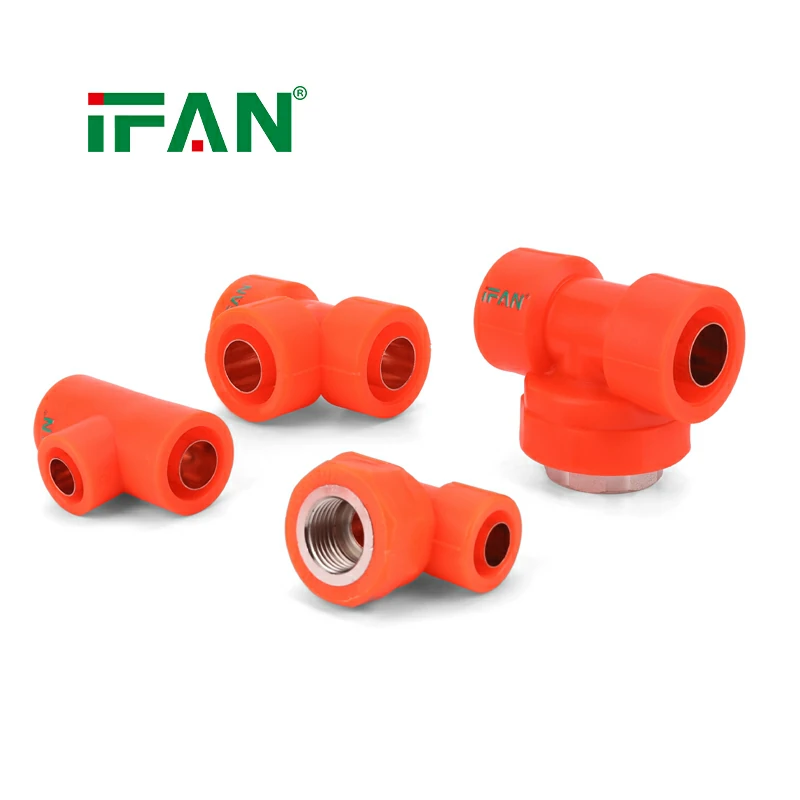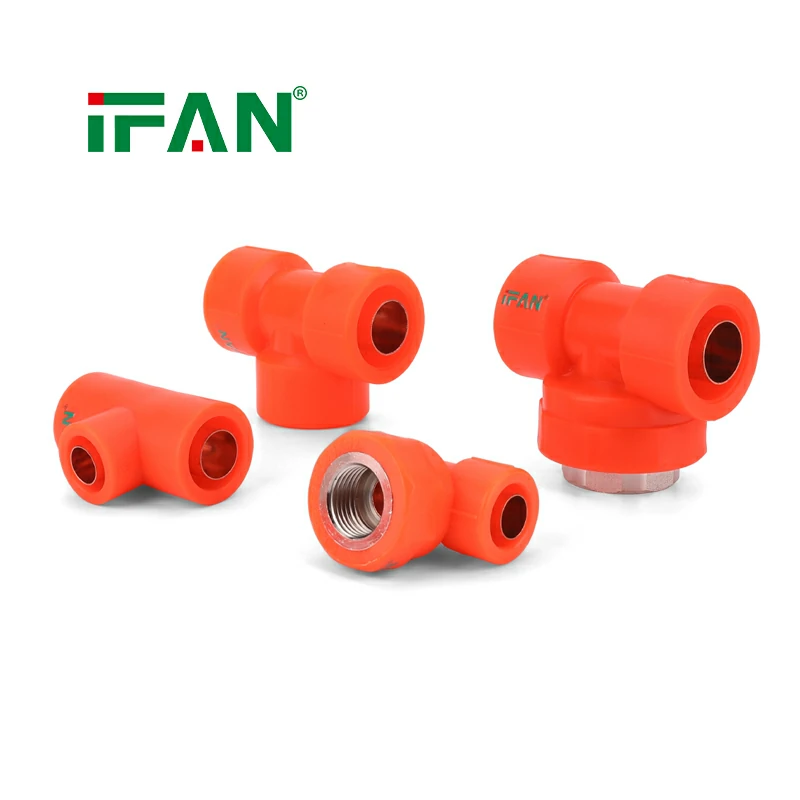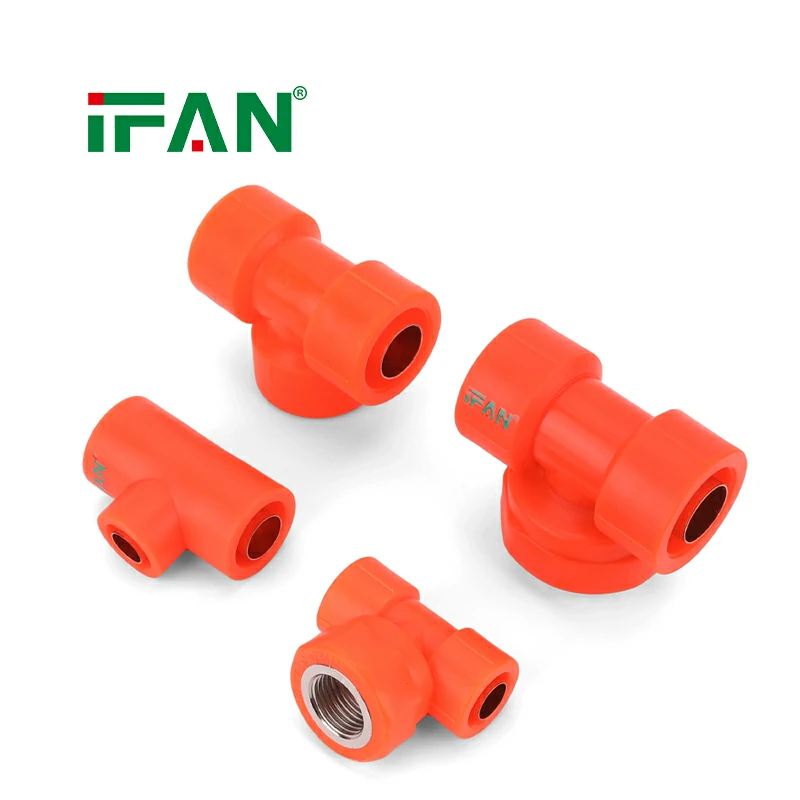


Understanding Thermal Fusion
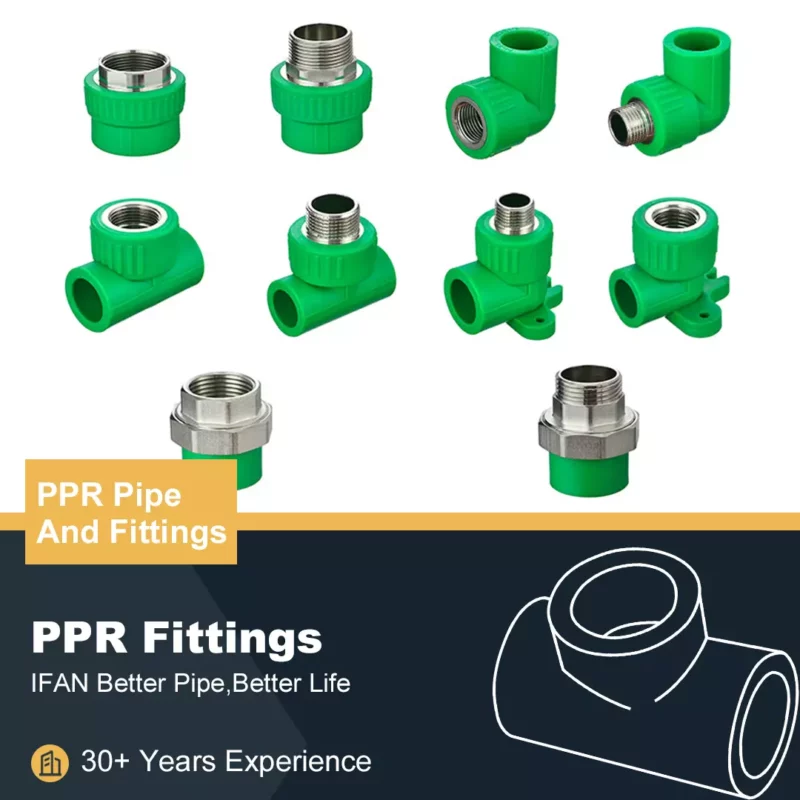
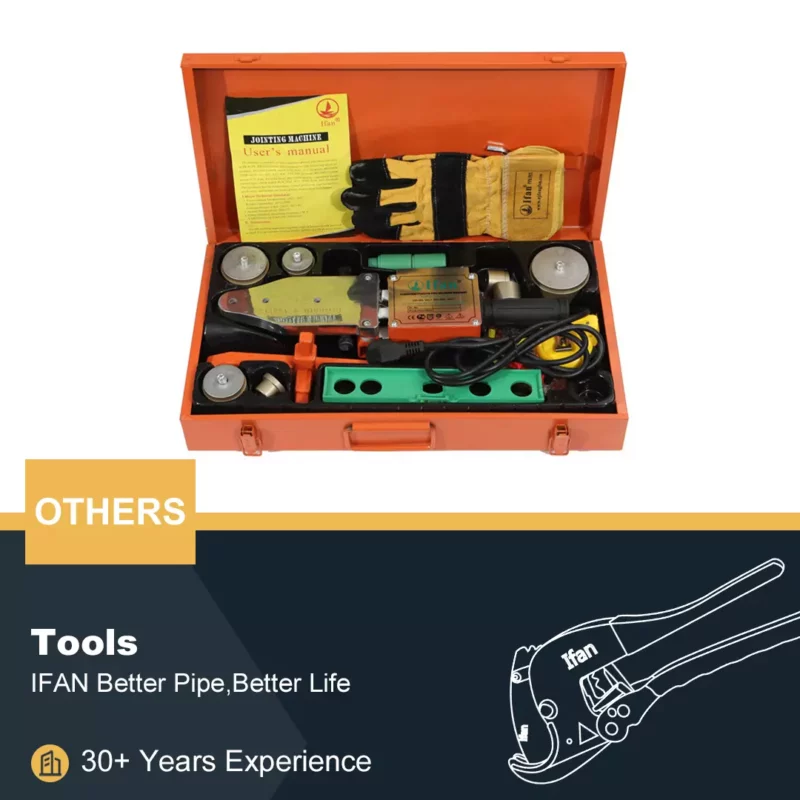
Socket fusion welding joins PPR components permanently. This process requires precise temperature control. Technicians must use specialized welding equipment. Proper technique ensures leak-proof connections. The joint strength exceeds pipe strength.
Heating Time Parameters
Heating duration varies with pipe diameter. Twenty-millimeter pipes need five seconds heating. Thirty-two-millimeter pipes require eight seconds. Fifty-millimeter pipes need twelve seconds. Exact timing prevents weak joints.
Cooling Period Requirements
Joints must cool undisturbed after welding. This period allows molecular reorganization. Rushing this process causes joint weakness. Cooling time depends on ambient temperature. Proper curing ensures maximum strength.
System Design Principles
Designers must consider thermal expansion effects. They include expansion loops where necessary. Proper support spacing prevents sagging. The layout must allow for maintenance access. These considerations ensure system longevity.
Pressure Testing Protocols
All installations require pressure testing. Tests should exceed operational pressure by 50%. This verifies joint integrity completely. Technicians must inspect every connection visually. Testing ensures system reliability.
Radiant Heating Applications
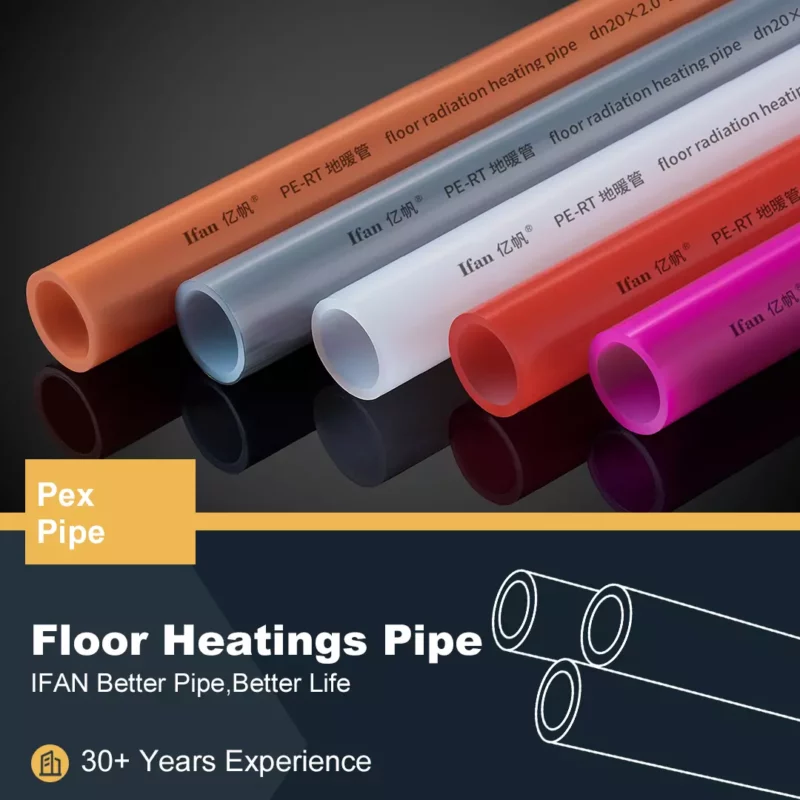
PPR fittings excel in underfloor heating systems. They withstand constant warm water circulation. Their smooth bore ensures efficient heat transfer. The material resists corrosion from heating fluids. This ensures decades of reliable operation.
Potable Water Systems
These fittings guarantee drinking water safety. They don’t leach harmful substances into water. The material prevents bacterial growth internally. This maintains water purity throughout the system. They meet global drinking water standards.
Industrial Applications
Factories use PPR fittings for chemical transport. They handle various aggressive chemicals safely. The material resists most acids and alkalis. This prevents dangerous leaks in industrial settings. They ensure worker safety.
Maintenance Considerations
Fused PPR systems need minimal maintenance. They don’t require periodic tightening. The joints remain secure indefinitely. This reduces lifetime ownership costs significantly. It eliminates scheduled maintenance expenses.
Conclusion
Proper installation and design of PPR piping systems ensure decades of reliable, maintenance-free operation across various applications from residential plumbing to industrial fluid transport.
If you have read this article and have any questions, please feel free to contact IFAN. Below is our contact information:
Whatsapp:+86 13373827623
Email:[email protected]