

Material Science Behind PPH
PPH is a type of polypropylene homopolymer. It has a high crystalline content for enhanced strength. This material offers superb chemical resistance. It maintains integrity in aggressive acidic environments. It also performs well with many alkaline solutions.
Manufacturing Process and Quality
Manufacturers use injection molding to create PPH fittings. This process ensures high dimensional accuracy. It also provides excellent consistency between production batches. Quality control checks include pressure and dimension tests. This guarantees reliable performance.
Comprehensive Fitting Range
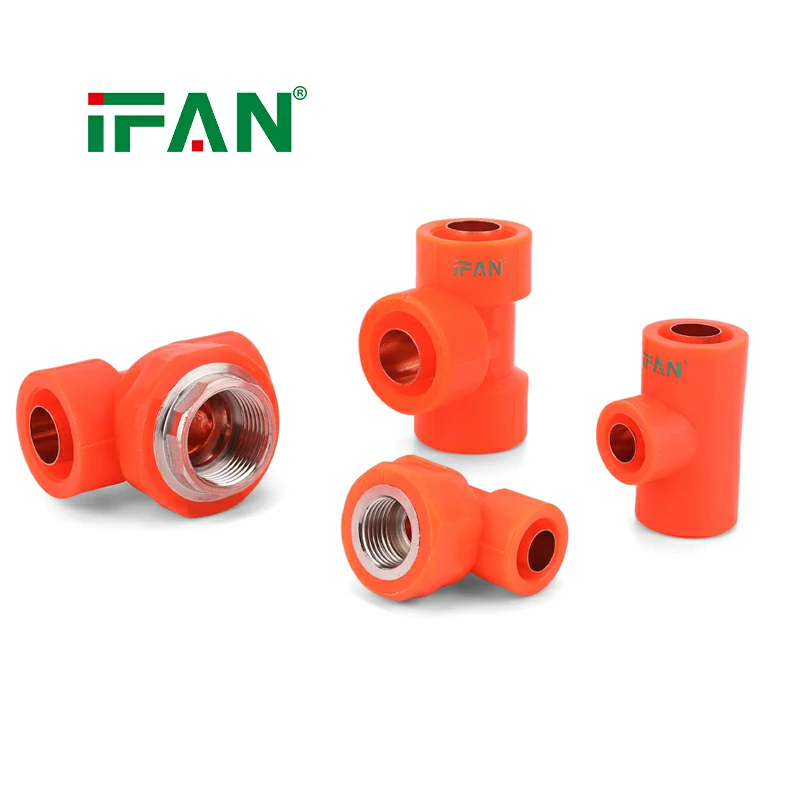
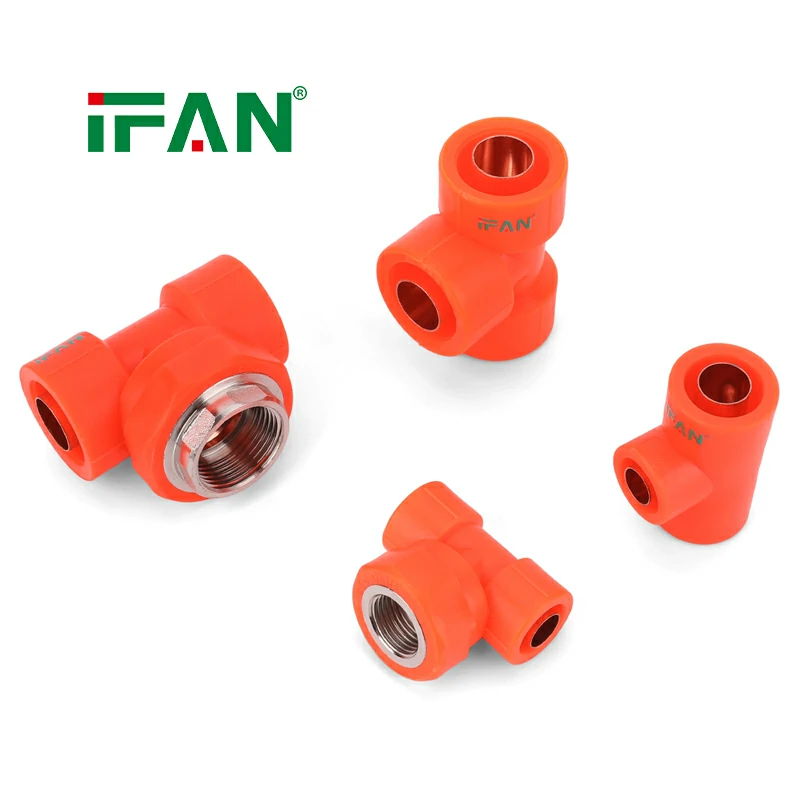
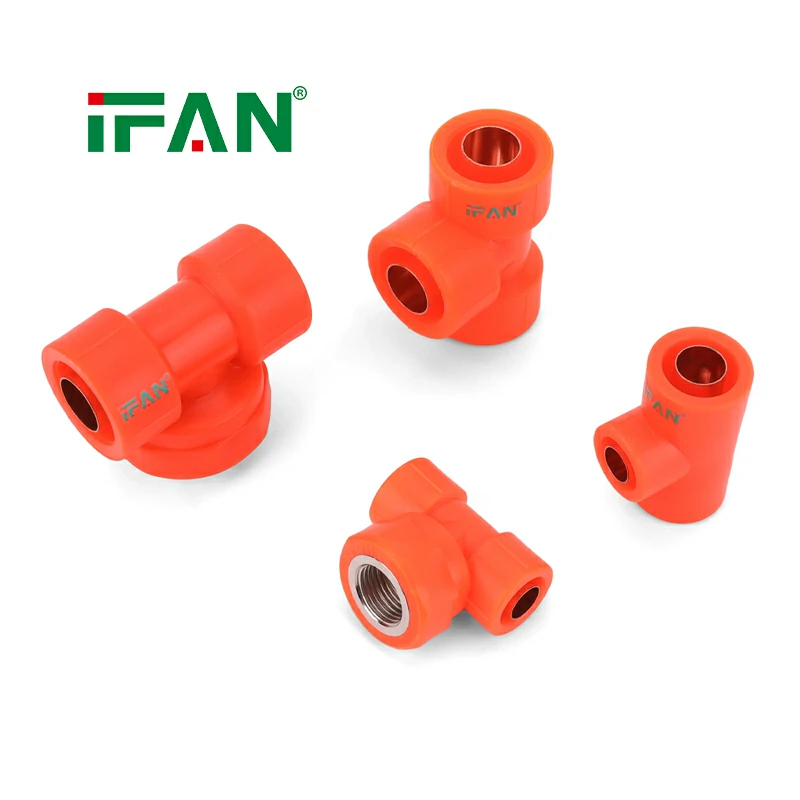
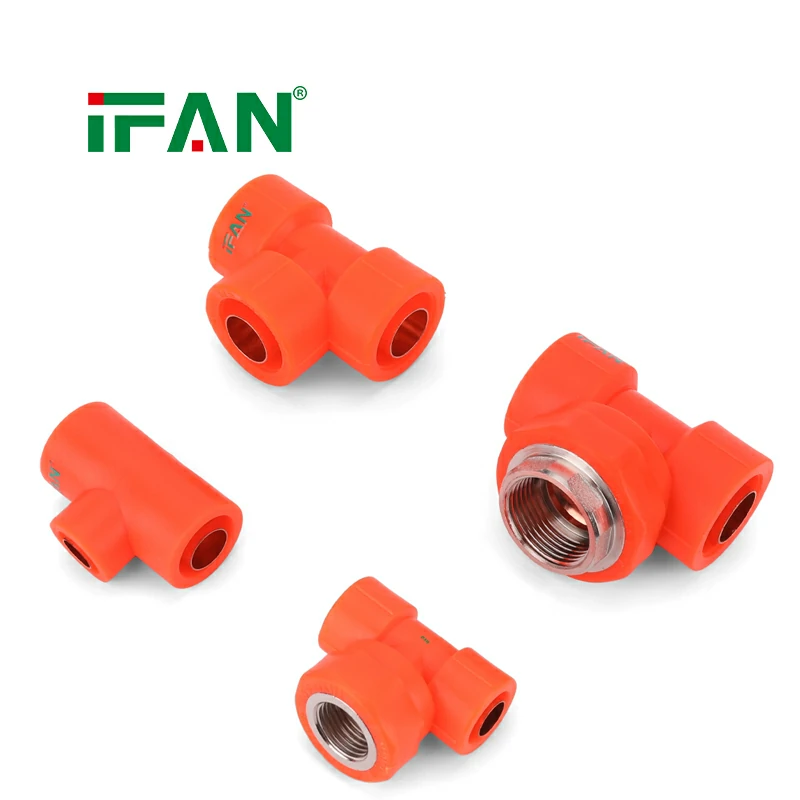
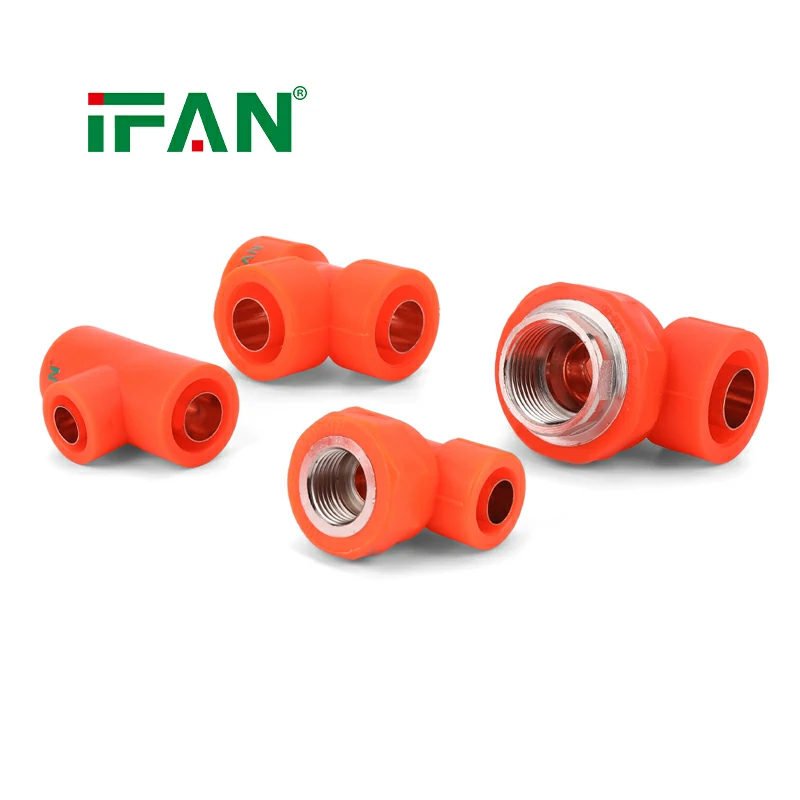
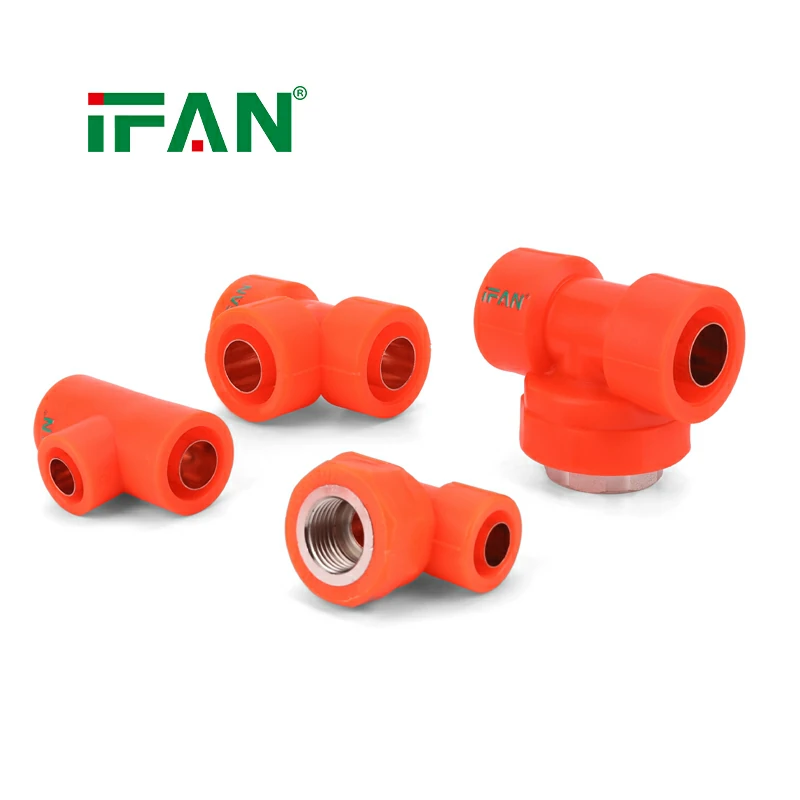
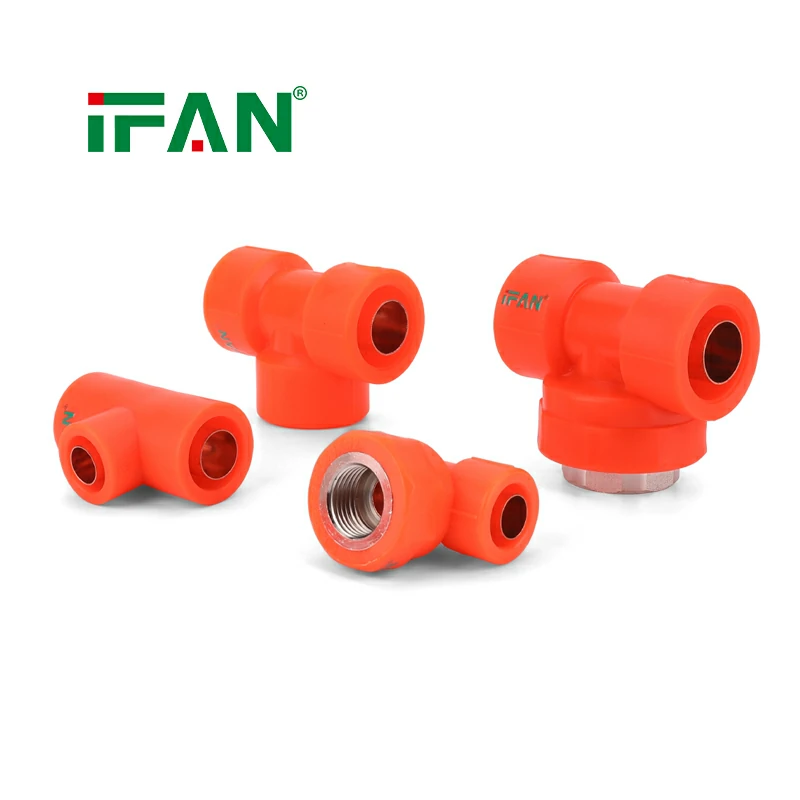
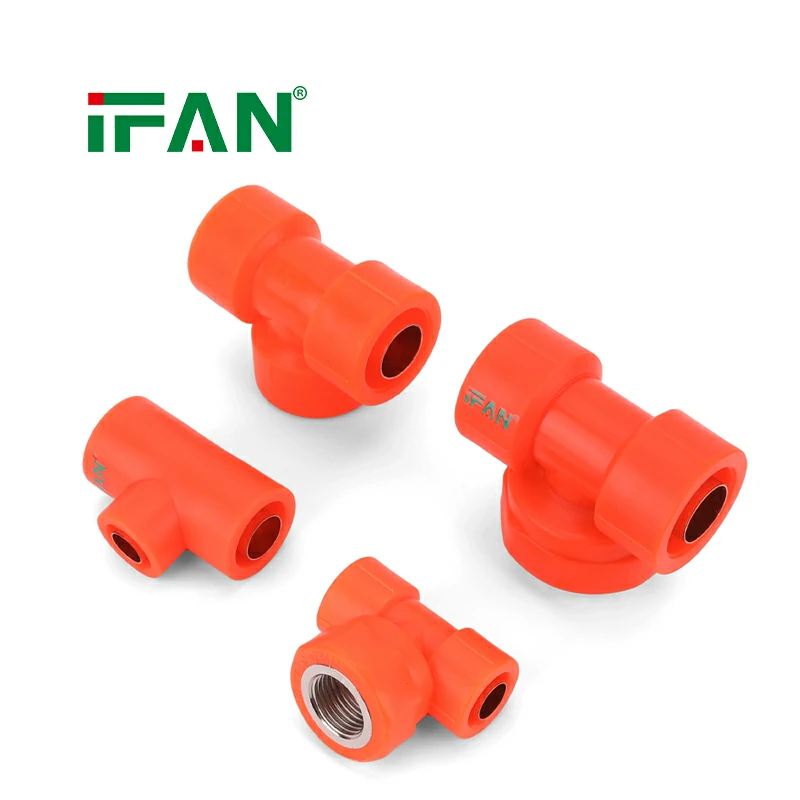
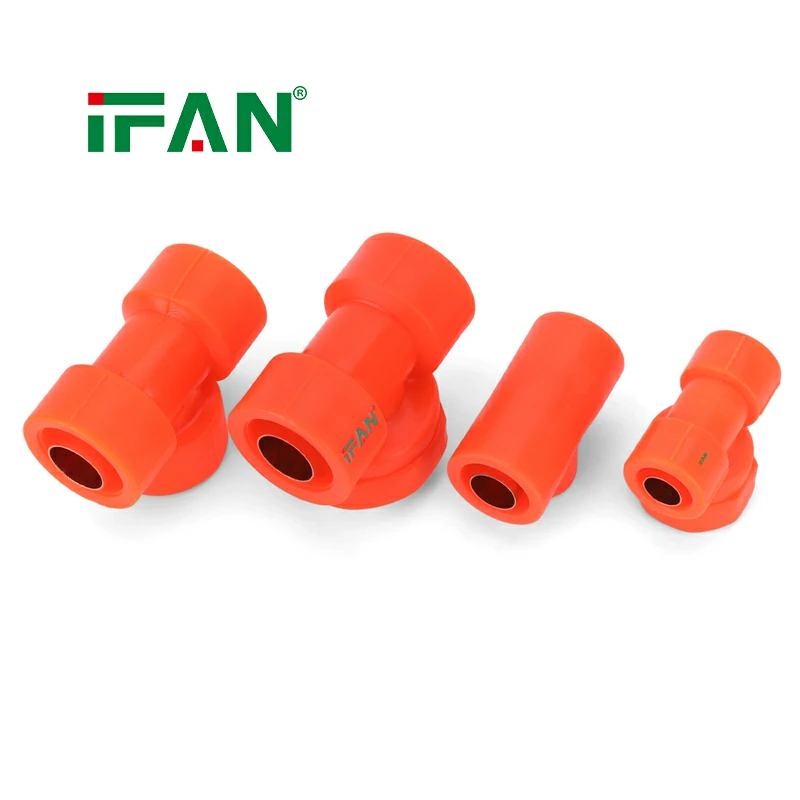
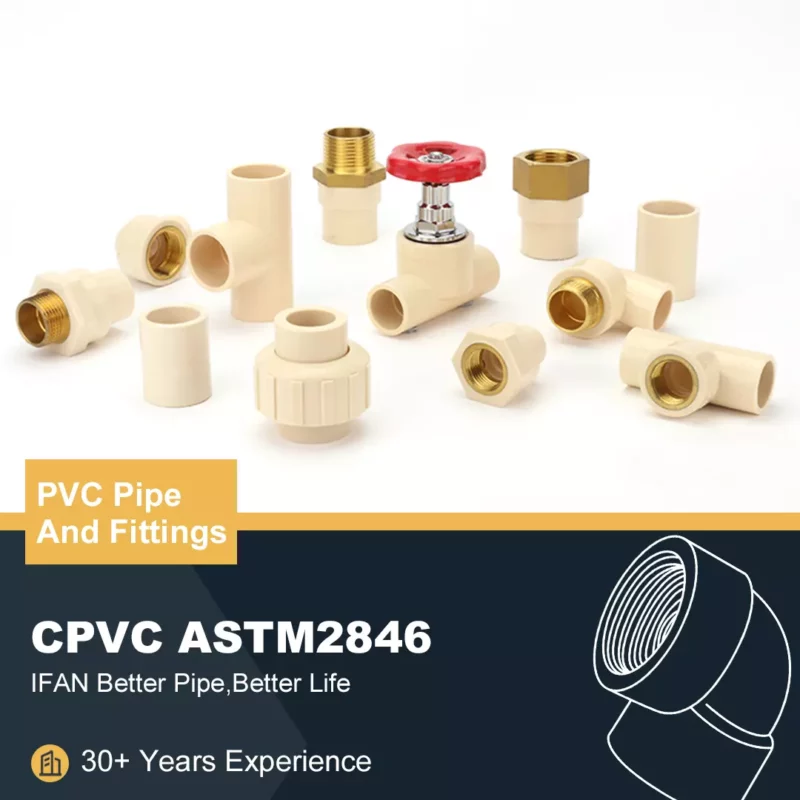
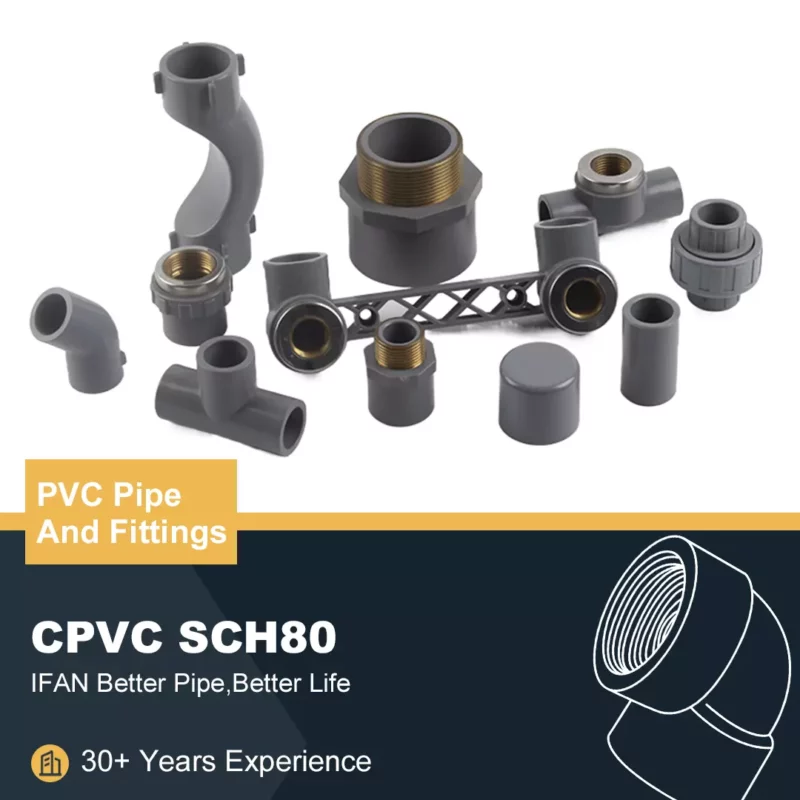
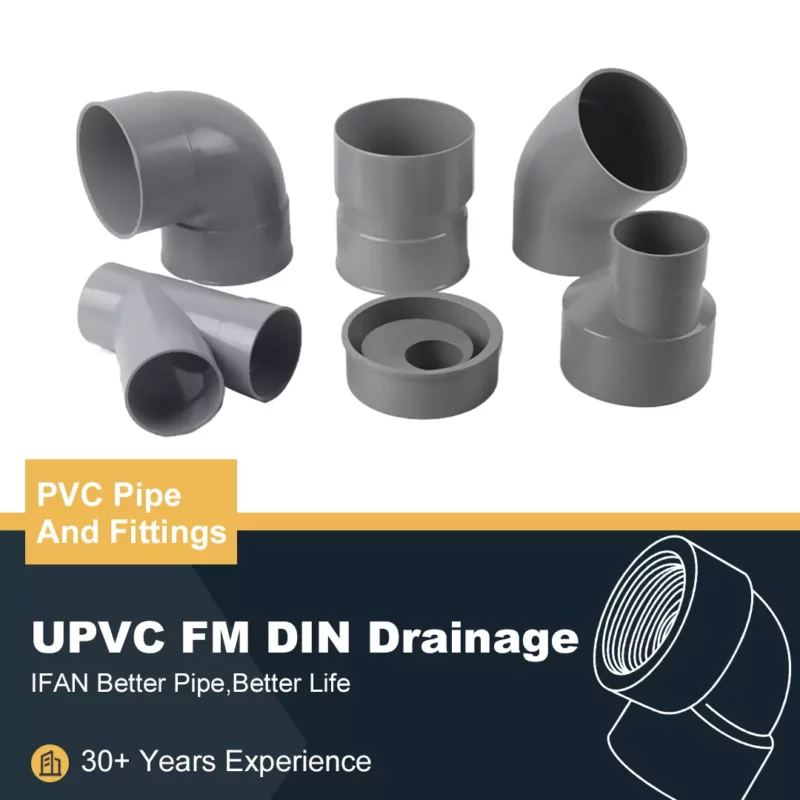
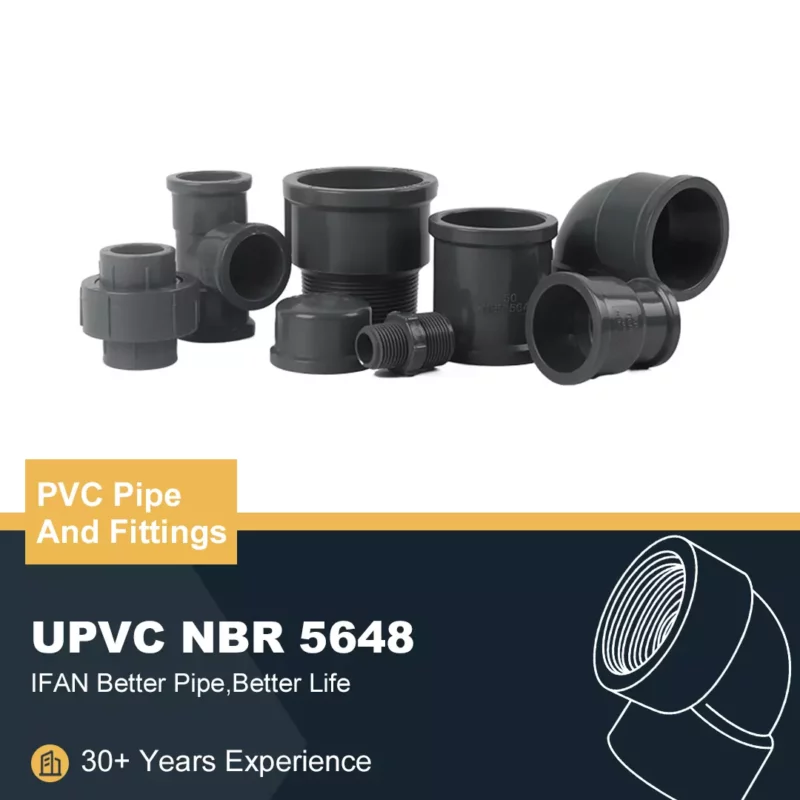
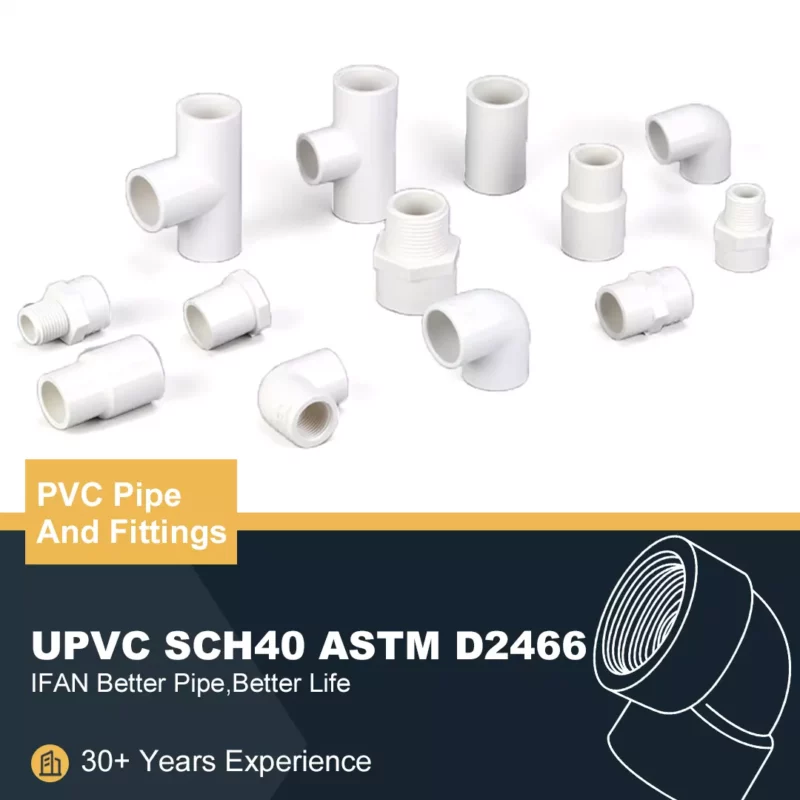
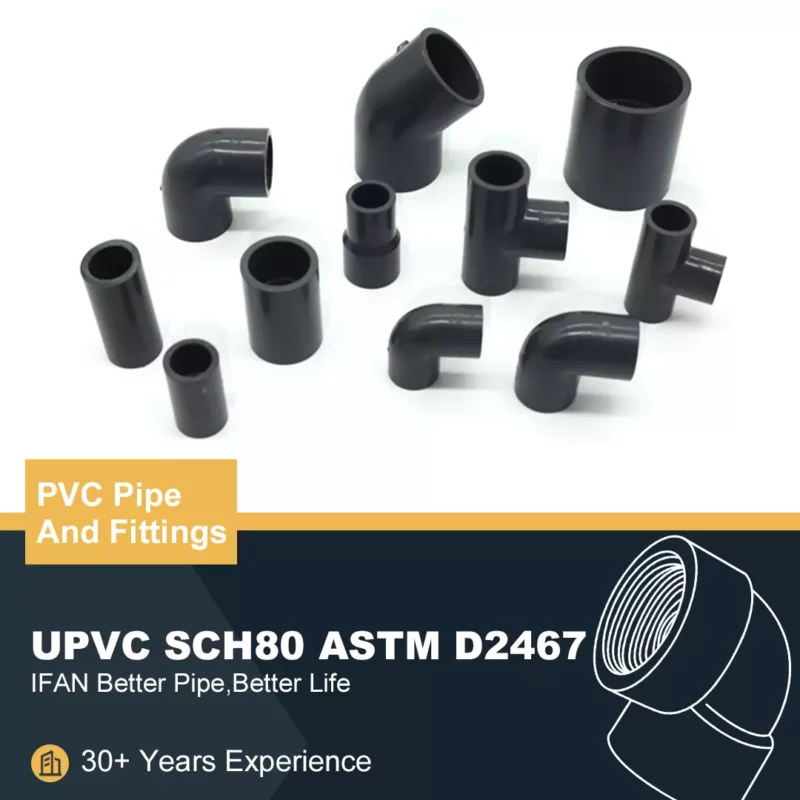
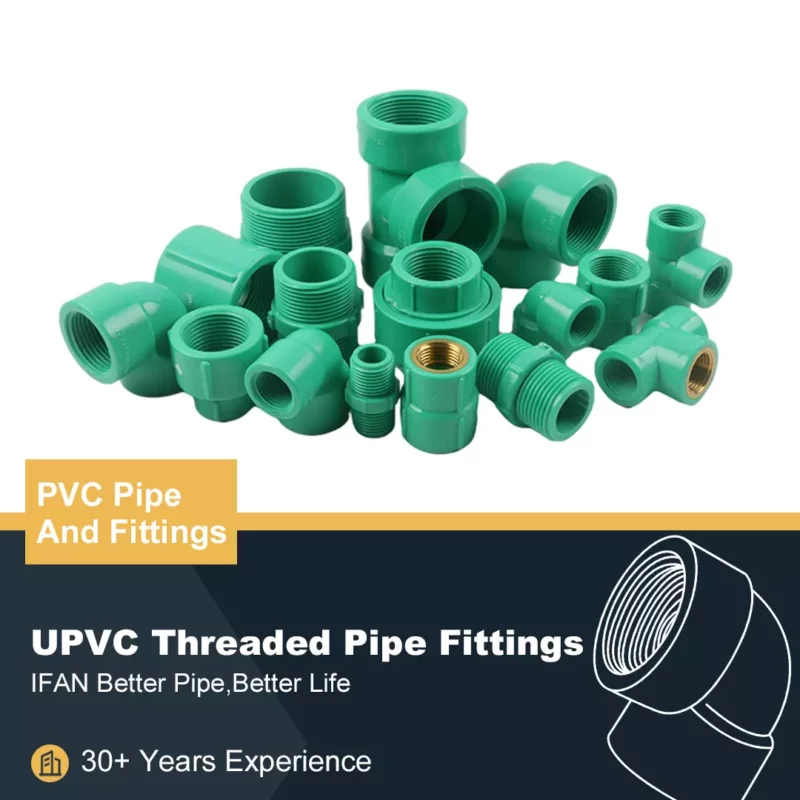
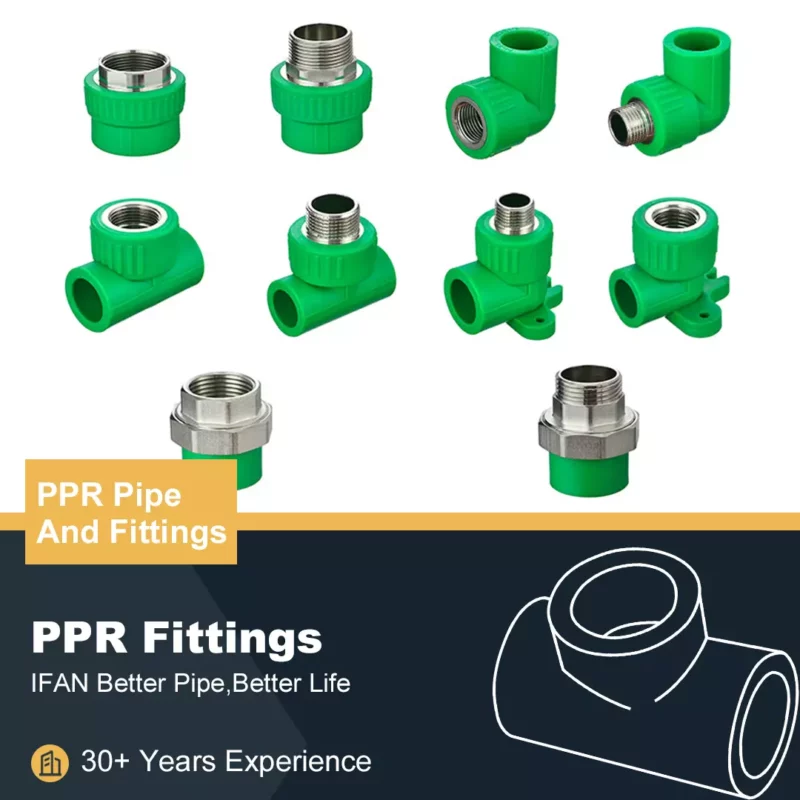
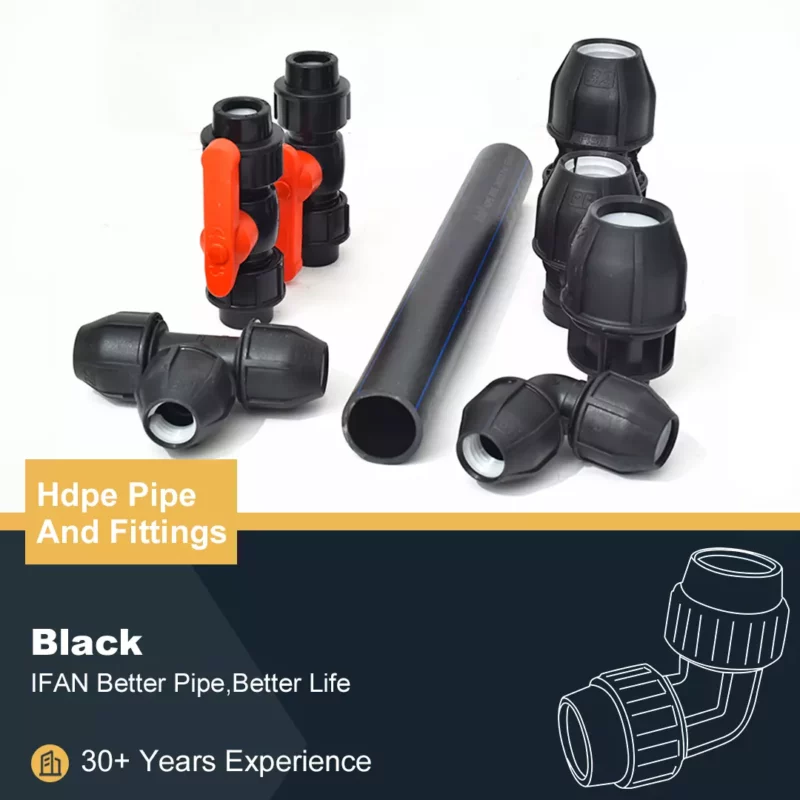
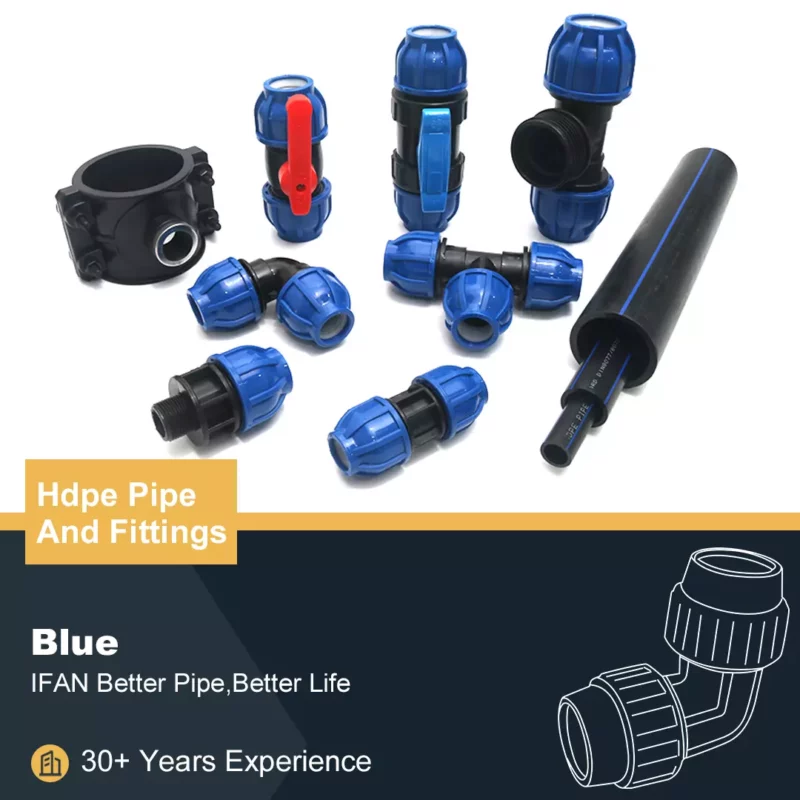
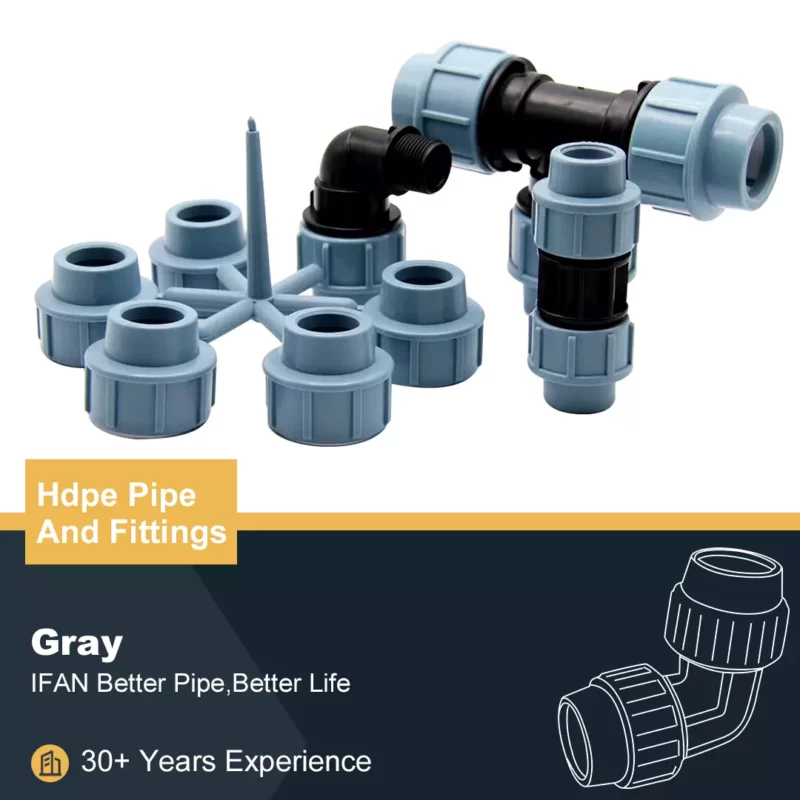
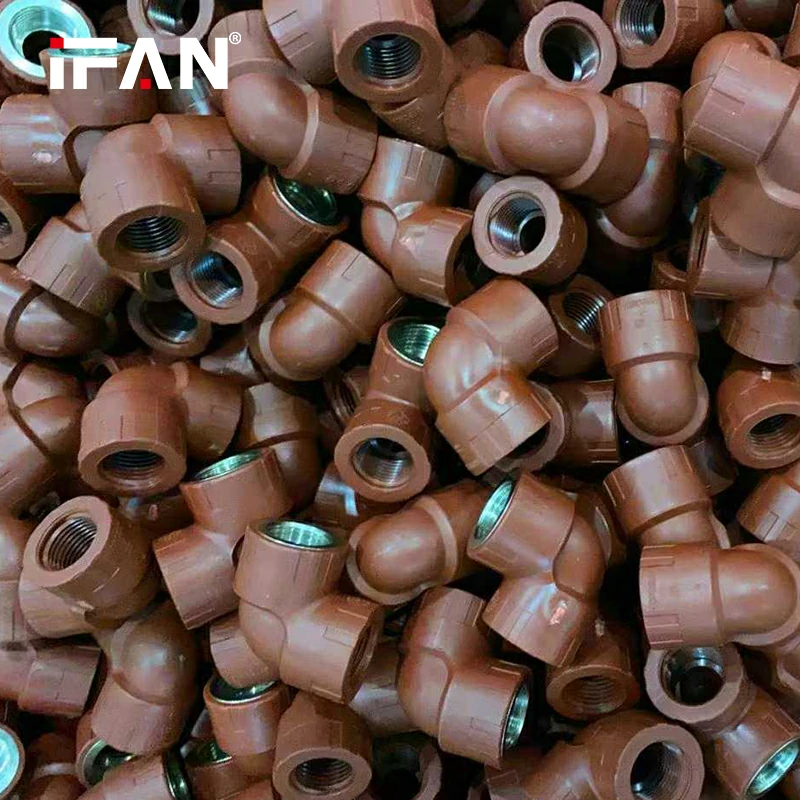
The product line includes every conceivable fitting type. You find elbows at 45 and 90 degree angles. Tees, reducers, and adapters are standard. Socket fusion ends are common for butt welding. Some feature threaded metal inserts for mixed systems.
Fusion Welding Installation Method
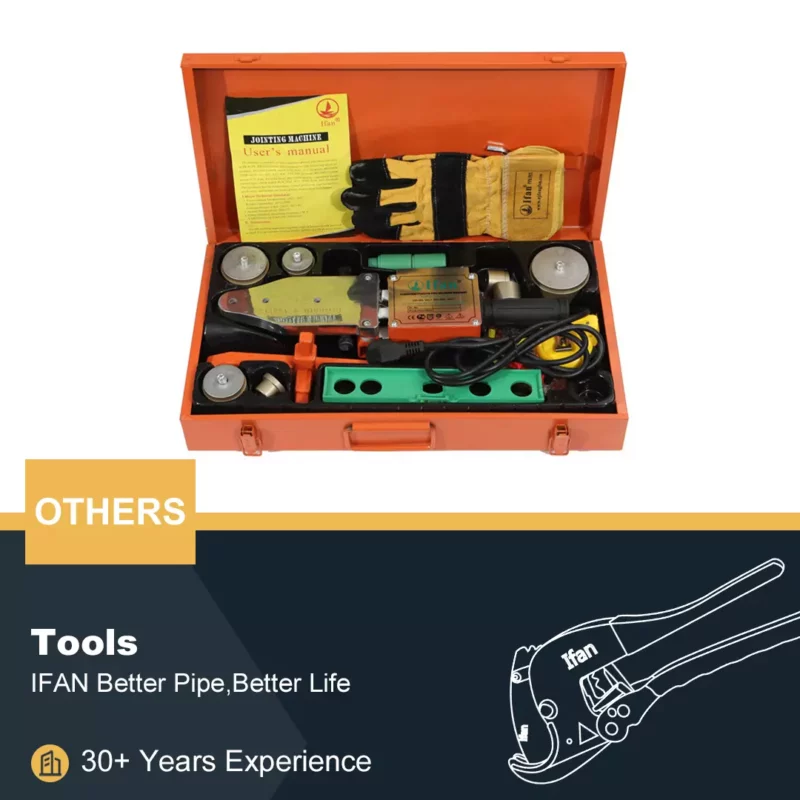
Installation requires a specialized welding machine. This tool heats the pipe and fitting simultaneously. It melts the material surfaces at a controlled temperature. Workers then join them with moderate pressure. This creates a permanent, monolithic connection.
Technical Performance Characteristics
PPH fittings typically have a pressure rating of PN10 or PN16. They operate continuously at temperatures up to 80°C. Their thermal expansion coefficient is relatively high. This requires proper support and expansion loop planning. Their impact resistance is good even at low temperatures.
Chemical Resistance Properties
PPH resists almost all inorganic acids and bases. It handles salts and many solvents effectively. It is not suitable with strong oxidizing agents. Always consult chemical compatibility charts first. This ensures long-term system integrity.
Primary Industrial Application Sectors
The chemical processing industry uses PPH extensively. Wastewater treatment plants rely on its corrosion resistance. Semiconductor manufacturing requires its purity. Mining operations use it for slurry transport. Its cost-effectiveness is a major advantage.
System Design and Engineering Considerations
Designers must account for thermal expansion in long runs. Support spacing should follow manufacturer recommendations. You need expansion joints or loops in many cases. The system design should allow for easy drainage and cleaning. Proper planning prevents future issues.
Advantages Over Traditional Metal Piping
PPH systems will never corrode or rust. They are significantly lighter than metal alternatives. Installation is faster with fusion welding. The material has a smooth bore for minimal pressure loss. Overall system cost is often lower.
Conclusion
PPH pipe fittings provide exceptional chemical resistance and longevity. Their fusion-welded joints create leak-free systems. They offer a reliable, cost-effective solution for corrosive applications. Their use is essential in many industrial processes today.
If you have read this article and have any questions, please feel free to contact IFAN. Below is our contact information:
Whatsapp:+86 13373827623
Email:[email protected]