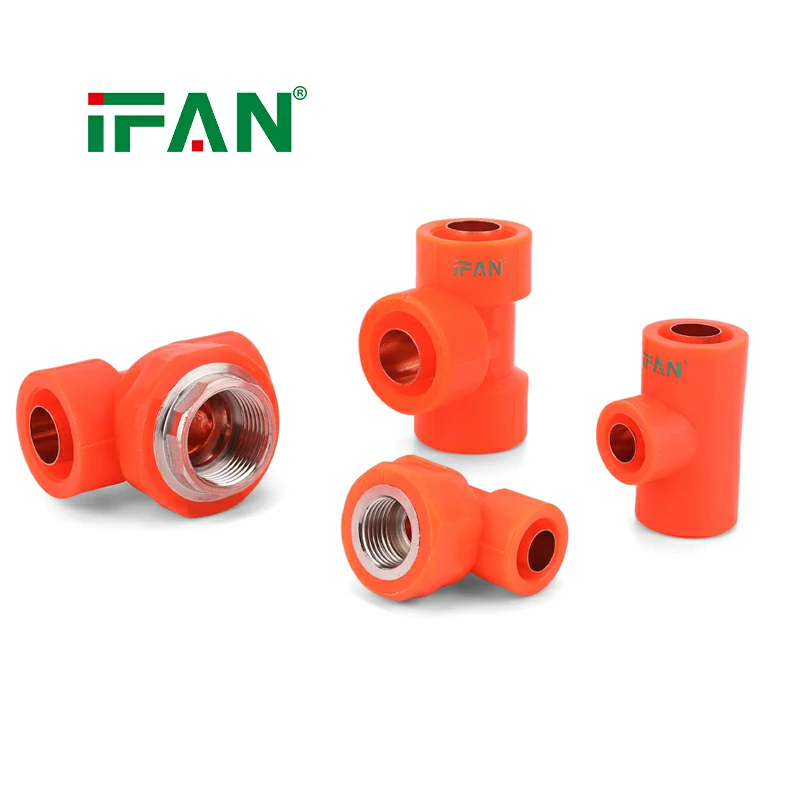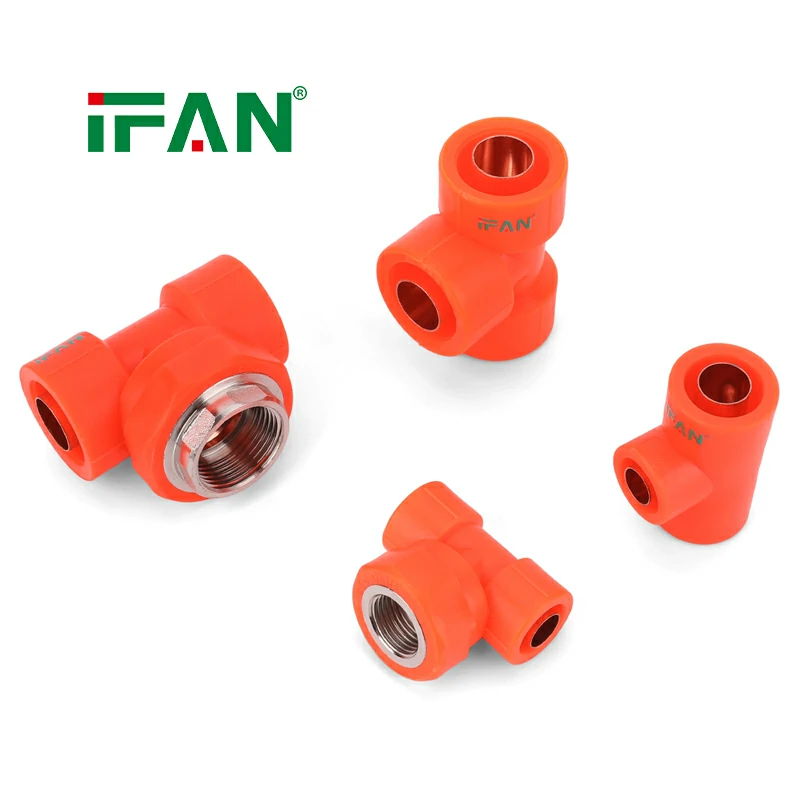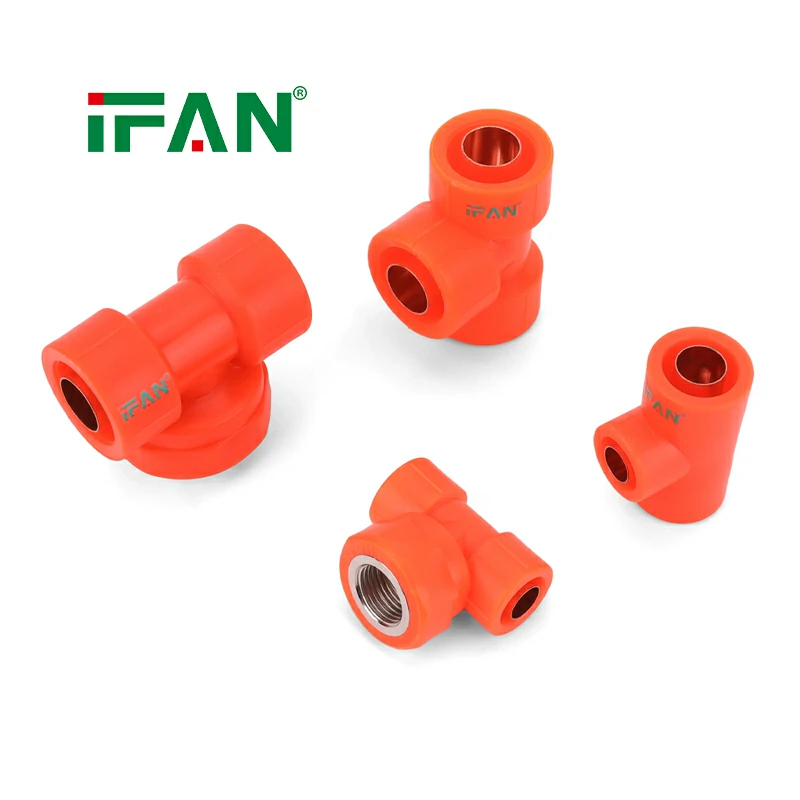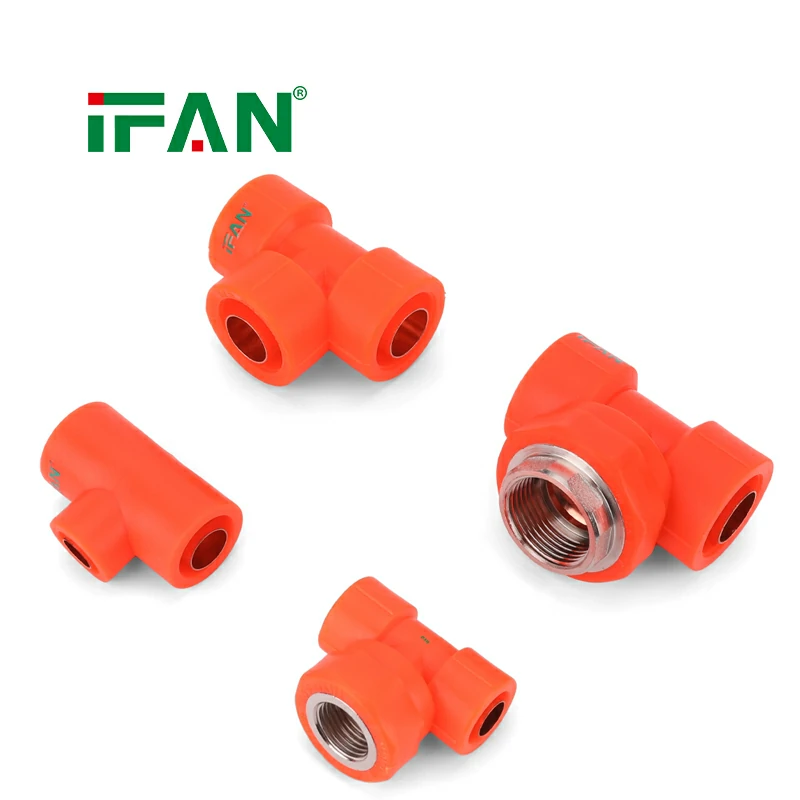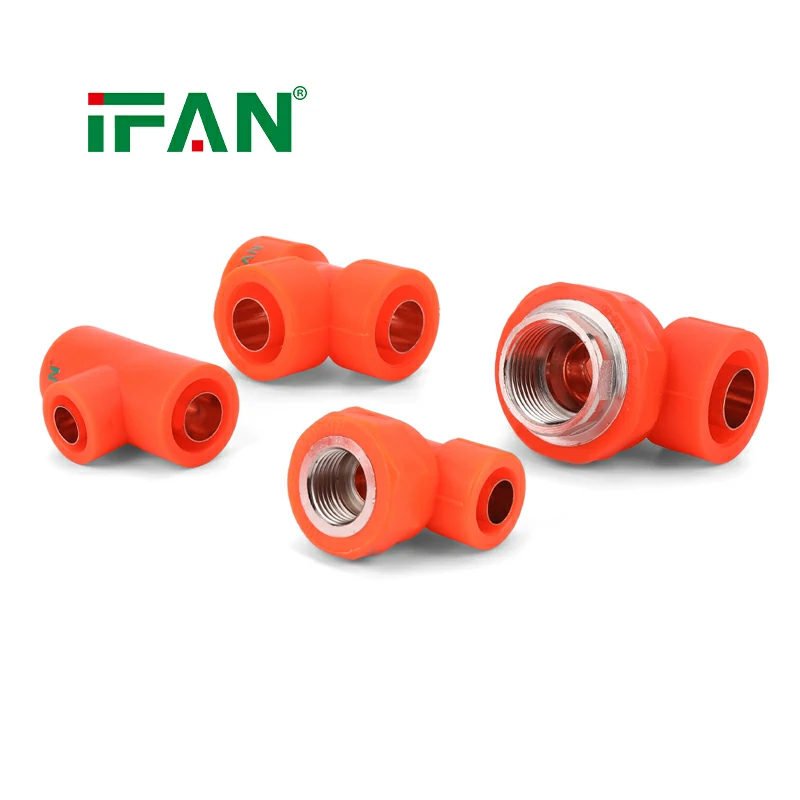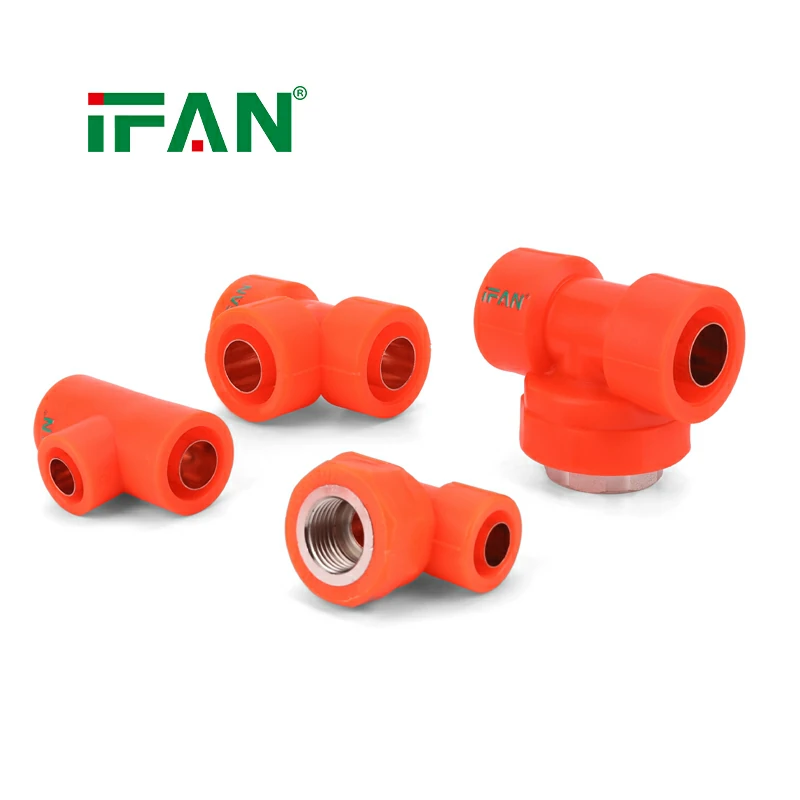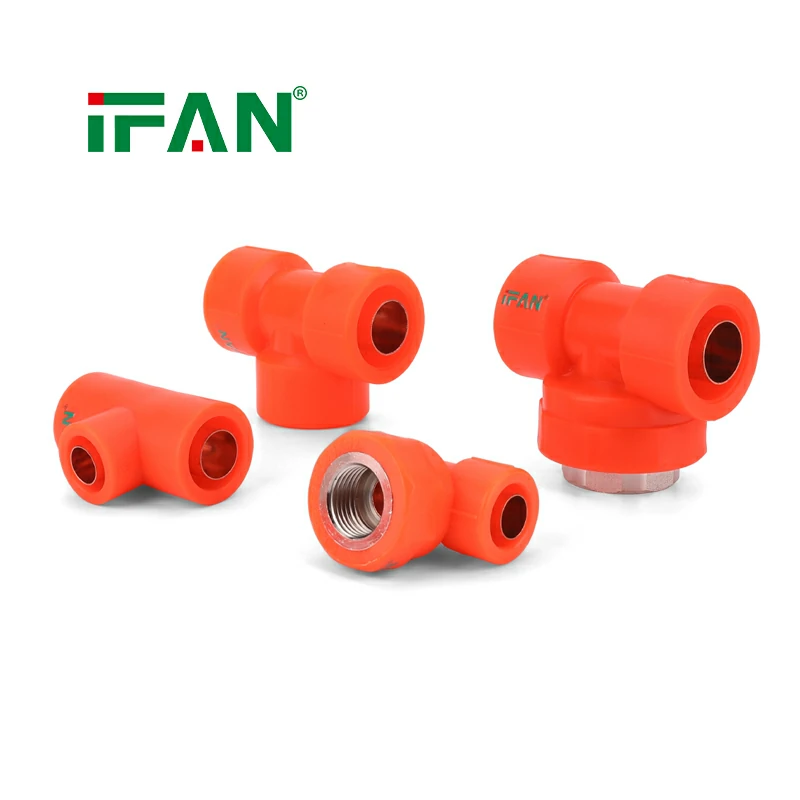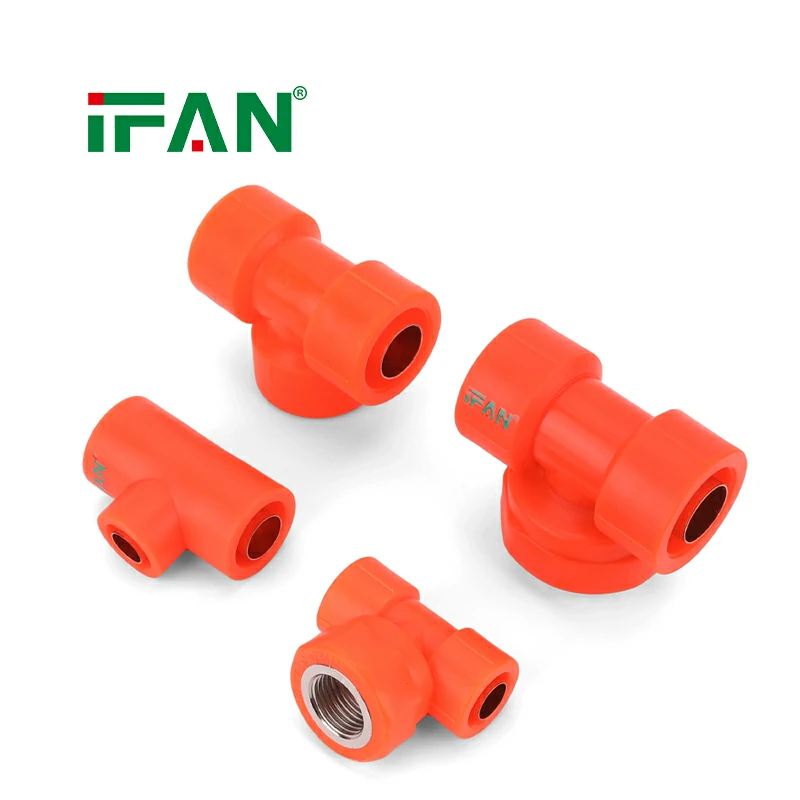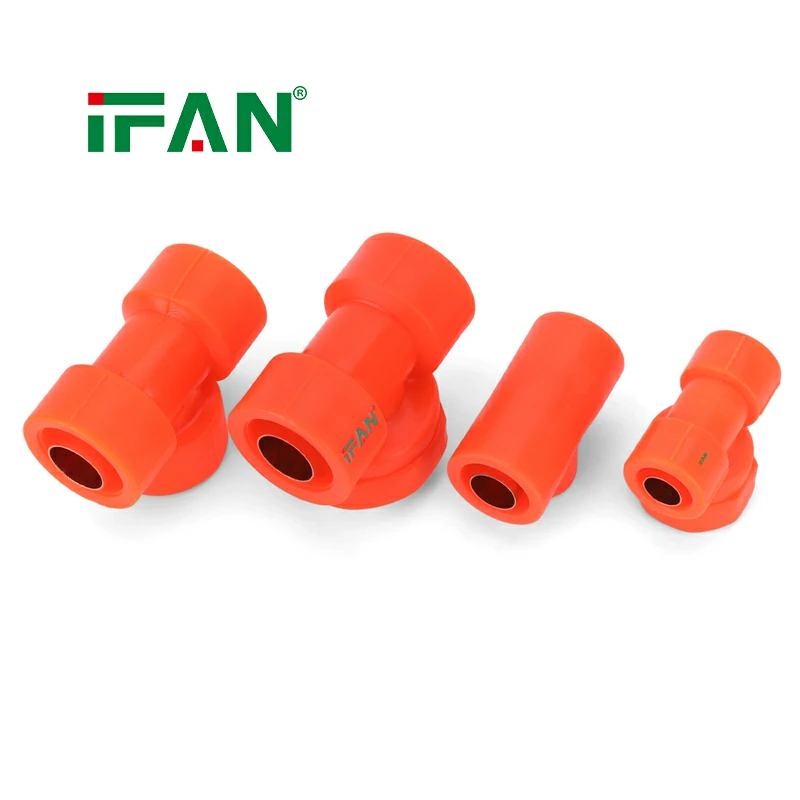


Introduction to PPR Pipe
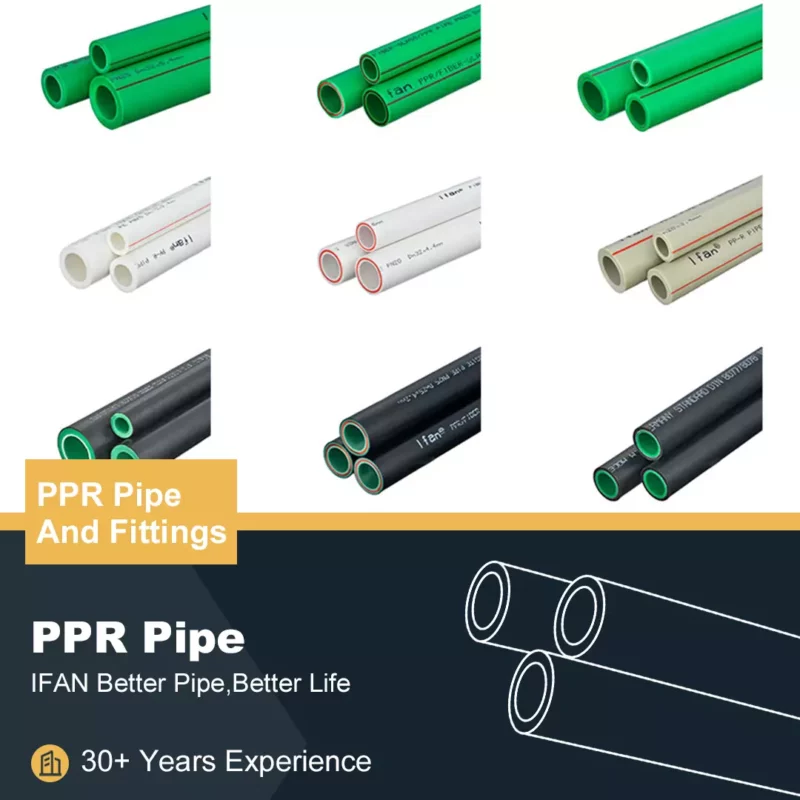
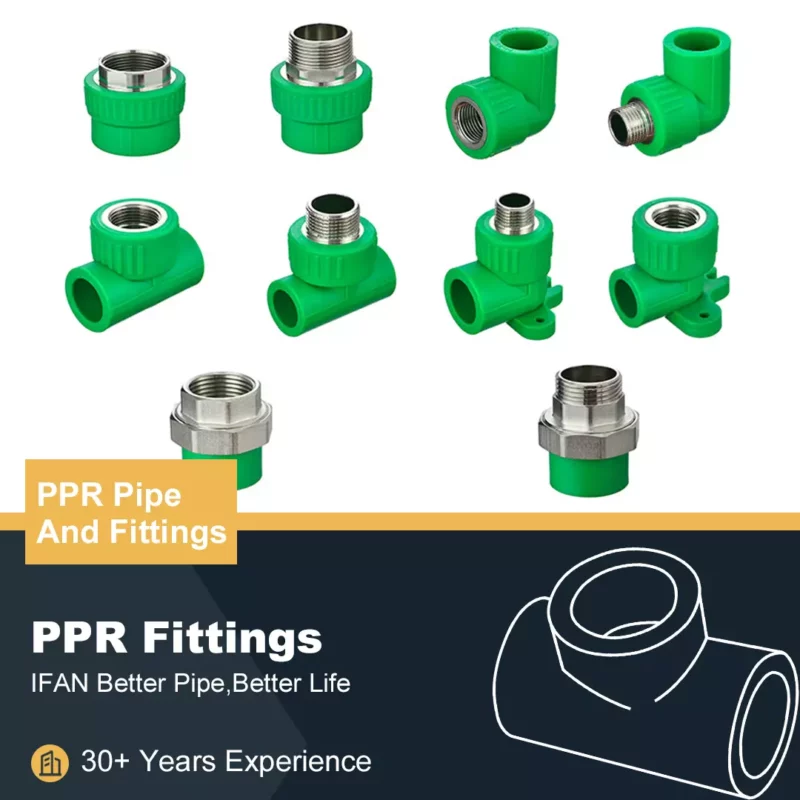
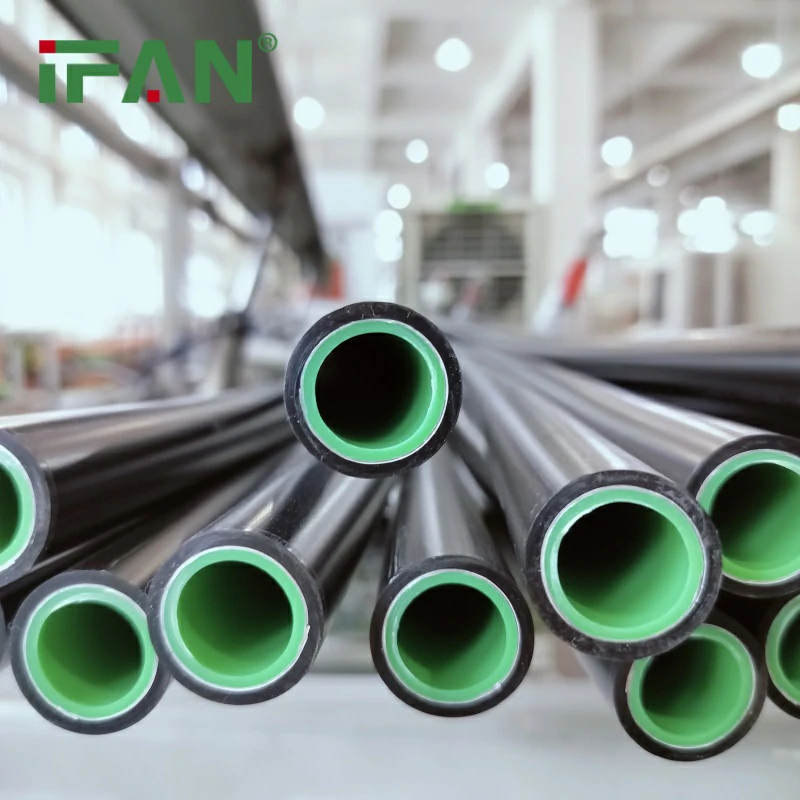
PPR pipe, made from polypropylene random copolymer, is widely used in modern plumbing systems. It is known for its strength, durability, and flexibility in various applications. One of the key benefits of PPR pipe is its high pressure resistance. This feature makes it suitable for demanding systems, including high-rise buildings and industrial facilities. Unlike traditional materials like PVC or metal, PPR can withstand both internal and external pressure. The material structure offers long-term reliability and performance. PPR pipe is also non-toxic, corrosion-resistant, and environmentally friendly. It ensures clean water flow and safe usage. This pipe is popular in domestic, commercial, and industrial systems. The combination of safety and strength makes it a preferred choice. PPR pipe has quickly become essential in advanced piping infrastructure.
Material Properties and Strength
The strength of PPR pipe comes from its molecular structure. It is made using high-quality polypropylene random copolymer. This material provides both flexibility and rigidity. These characteristics help the pipe withstand internal water pressure. The pipe does not crack or deform under pressure stress. It maintains its structure even in challenging environments. PPR material has high impact resistance and low thermal conductivity. It performs well under both cold and hot conditions. These properties allow the pipe to handle high pressures with ease. It also reduces energy loss in hot water systems. PPR maintains its performance over decades of use. This reliability comes from precise manufacturing and material quality.
Withstanding High Internal Pressure
PPR pipes are designed to carry pressurized fluids with confidence. They can withstand operating pressures up to 20 bar. This makes them ideal for high-rise buildings and industrial plants. Even under constant pressure, PPR pipe retains its strength. It does not leak or burst under normal conditions. The pipe walls are thick and dense to resist high pressure. This design improves safety and system integrity. Pressure tests show that PPR pipes outperform many traditional materials. Over time, the pipe retains its pressure resistance with minimal degradation. It is safe for transporting both hot and cold water. These features support its use in critical water supply systems.
Fusion Welding and Joint Strength
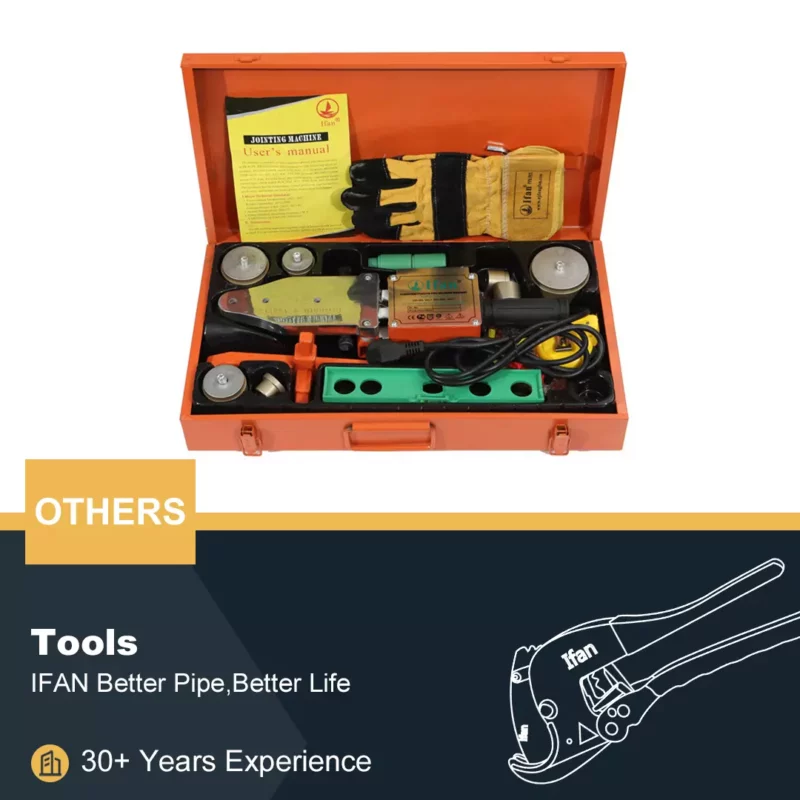
PPR pipes use fusion welding to connect fittings and pipes. This method creates a permanent, leak-proof joint. Unlike glued or threaded systems, fusion-welded joints are stronger than the pipe itself. This adds extra resistance to internal pressure. The welded joints do not weaken over time. They do not allow pressure drops or failures at the connection points. This consistency improves overall system performance and safety. Fusion welding also reduces installation time and labor costs. It simplifies the process without compromising on quality. These joints are tested for high pressure durability and reliability. The result is a fully integrated and pressure-resistant piping system.
Reliable Performance Under Temperature Changes
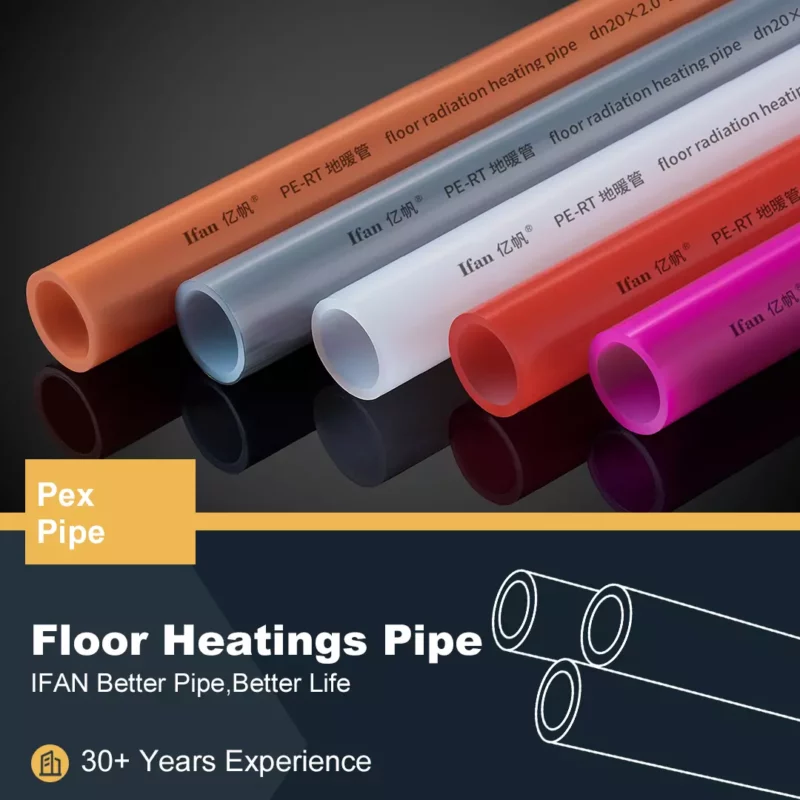
High pressure systems often face varying temperatures. PPR pipes remain stable during these changes. They can operate at temperatures up to 95°C continuously. Short bursts of higher temperatures do not damage the pipe. The material expands evenly without losing pressure strength. This is essential in hot water supply systems. Thermal expansion is managed without cracks or pressure loss. PPR’s insulation properties also prevent condensation. These advantages make it ideal for both heating and cooling systems. Even in freezing temperatures, the pipe resists internal damage. PPR remains reliable across a wide temperature and pressure range.
Applications in High-Pressure Systems
PPR pipes are commonly used in systems that require high pressure tolerance. In residential buildings, they deliver water to multiple floors without leaks. In commercial spaces, they support high-demand water usage. Industrial systems use PPR for chemical and fluid transport under pressure. Hospitals and schools rely on their safety and performance. The pipe is also used in fire protection systems. These systems must remain secure under pressure for safety. PPR handles this task with reliability and strength. Agricultural irrigation systems also benefit from its pressure resistance. The pipe supports long-distance water transport under high pressure.
Comparison with Other Pipe Materials
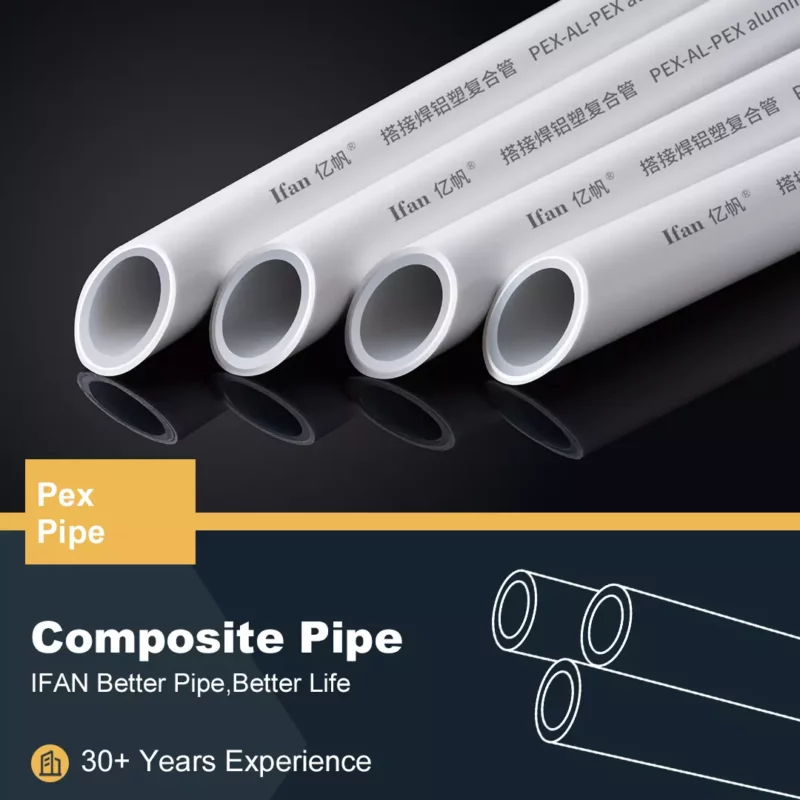
Compared to PVC, PEX, and metal pipes, PPR has superior pressure resistance. PVC may crack under high pressure and heat. Metal pipes corrode and weaken over time. PEX pipes may deform under extreme pressure and temperature. PPR maintains shape, structure, and flow rate. Its joints do not weaken or fail easily. The pipe does not suffer from rust, corrosion, or scale. This ensures high pressure can be maintained over long periods. The performance of PPR under pressure is consistent and dependable. For long-lasting, high-pressure needs, PPR is a smarter material choice.
Durability and Long-Term Cost Savings
PPR pipe systems require fewer repairs due to their strength. The pipe resists cracking, leaks, and deformation. This reduces maintenance costs over the years. Fewer breakdowns also mean fewer interruptions to service. Building owners and engineers prefer PPR for long-term reliability. Its high pressure resistance helps extend system life. The upfront cost is balanced by decades of trouble-free performance. Energy savings are possible through better heat retention. This reduces heating costs in hot water systems. PPR systems maintain efficiency even after years of use. Their durability makes them a cost-effective solution over time.
Testing and Certification Standards
PPR pipes are tested under strict pressure standards. They meet international norms like ISO and DIN certifications. These tests include high pressure simulations for extended durations. Pipes and fittings are evaluated for stress resistance and safety. Fusion joints undergo burst pressure testing for security. PPR pipes pass hydrostatic pressure tests before market release. Each product is traceable and labeled with its rating. Certified PPR pipes offer peace of mind to users. Builders and contractors trust these products for safe installation. Compliance with pressure standards ensures quality control and consistency. Buyers should always look for certified products for maximum reliability.
Environmental and Health Benefits
Besides pressure resistance, PPR pipes are also eco-friendly. They are made from non-toxic and recyclable materials. No harmful chemicals are released during use or disposal. This makes them safe for drinking water systems. They help maintain water purity and health standards. Even under pressure, no particles leach into the water. The pipes also help conserve energy through thermal insulation. Lower heat loss means reduced environmental impact. Their long lifespan reduces the need for replacements. This helps minimize material waste in the long run. PPR pipes support green building practices and sustainability goals.
Conclusion: A Strong and Dependable System
PPR pipes offer unmatched pressure resistance in modern plumbing systems. Their material structure and fusion welding ensure long-term reliability. They outperform traditional pipes in both safety and performance. Their ability to handle high pressure makes them ideal for tough applications. Whether in homes, offices, or industries, PPR delivers consistent results. These pipes support sustainability, safety, and efficiency. Engineers, contractors, and homeowners trust PPR for critical water systems. Their proven strength ensures peace of mind for decades. With PPR pipes, high-pressure systems remain secure and leak-free. This makes them a wise investment for any pressure-based installation.
If you have read this article and have any questions, please feel free to contact IFAN. Below is our contact information:
Whatsapp:+86 13373827623
Email:[email protected]