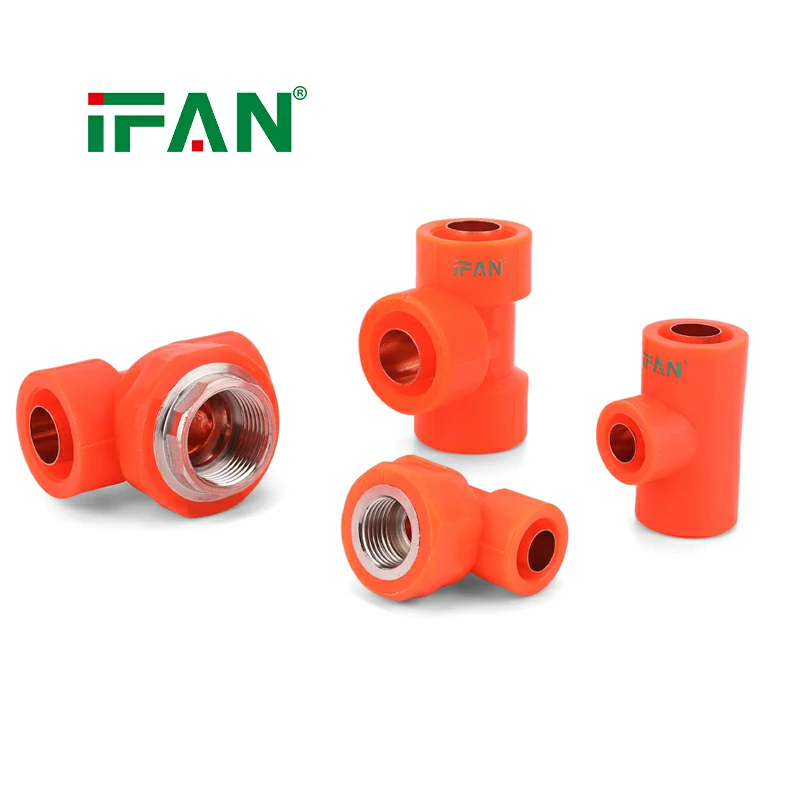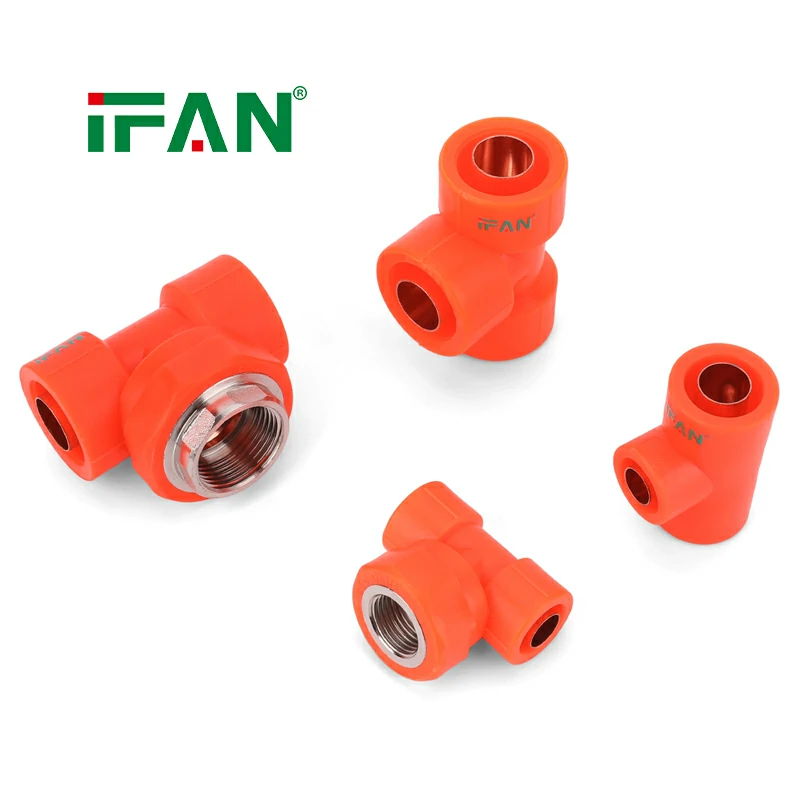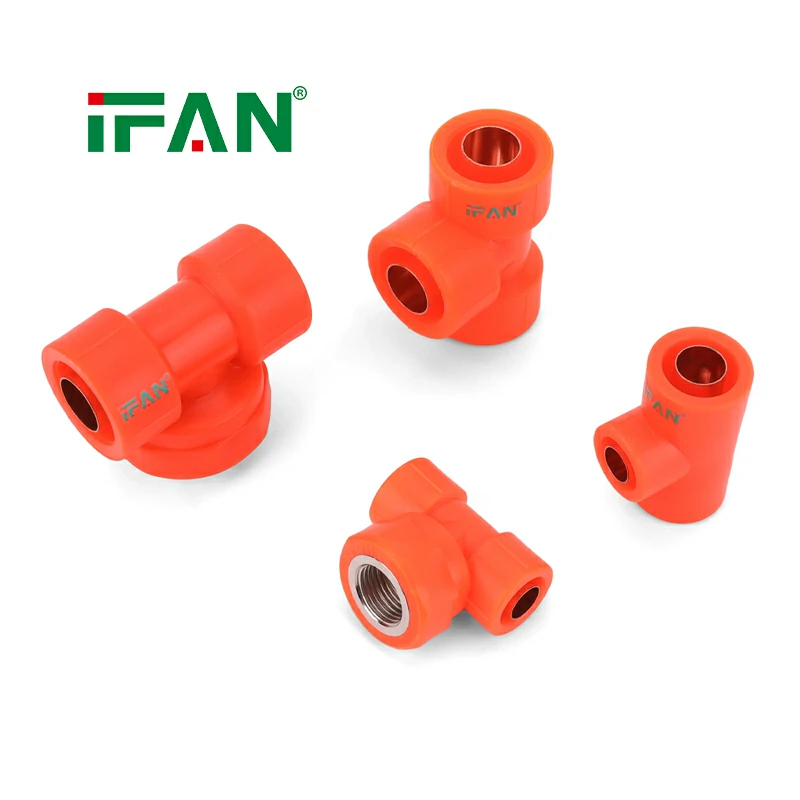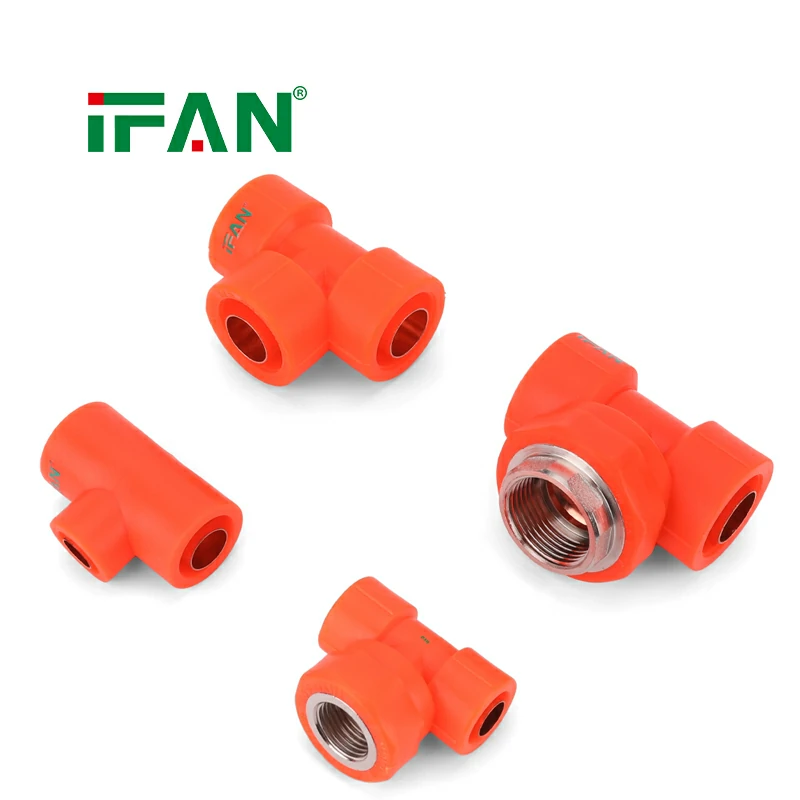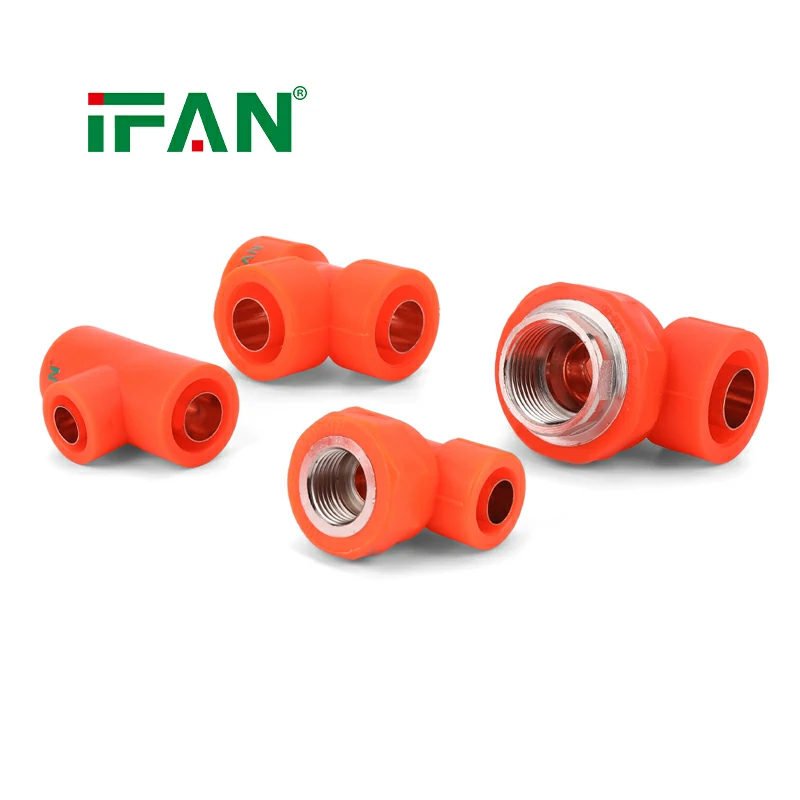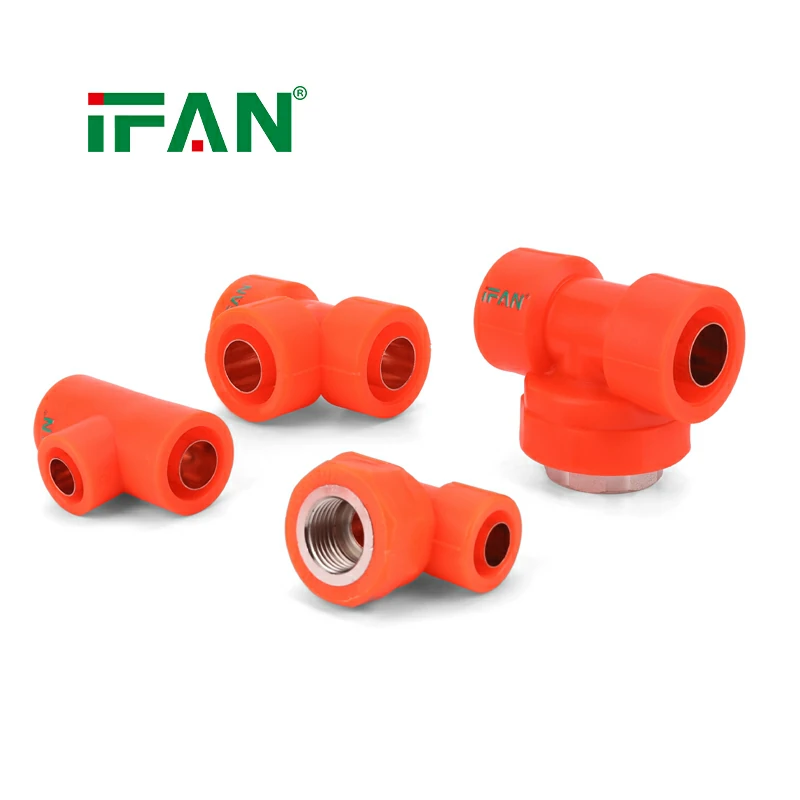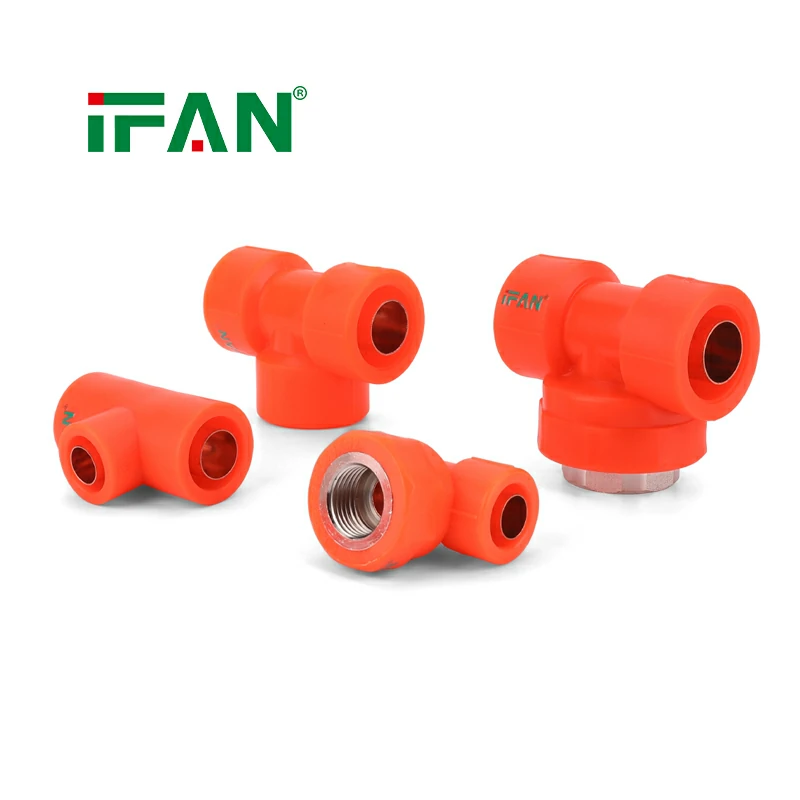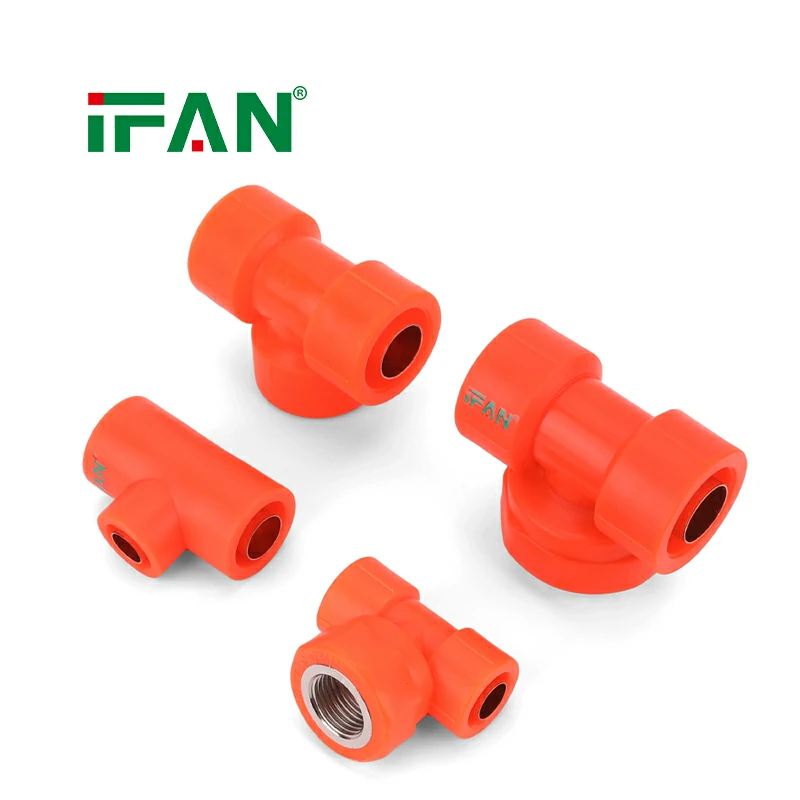

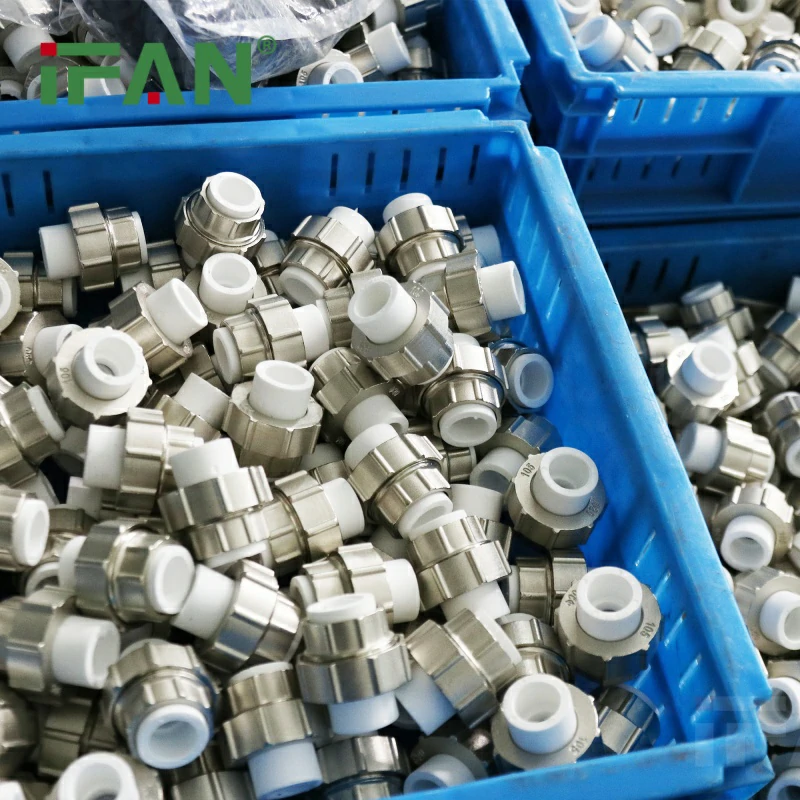
Introduction to PPR Fittings
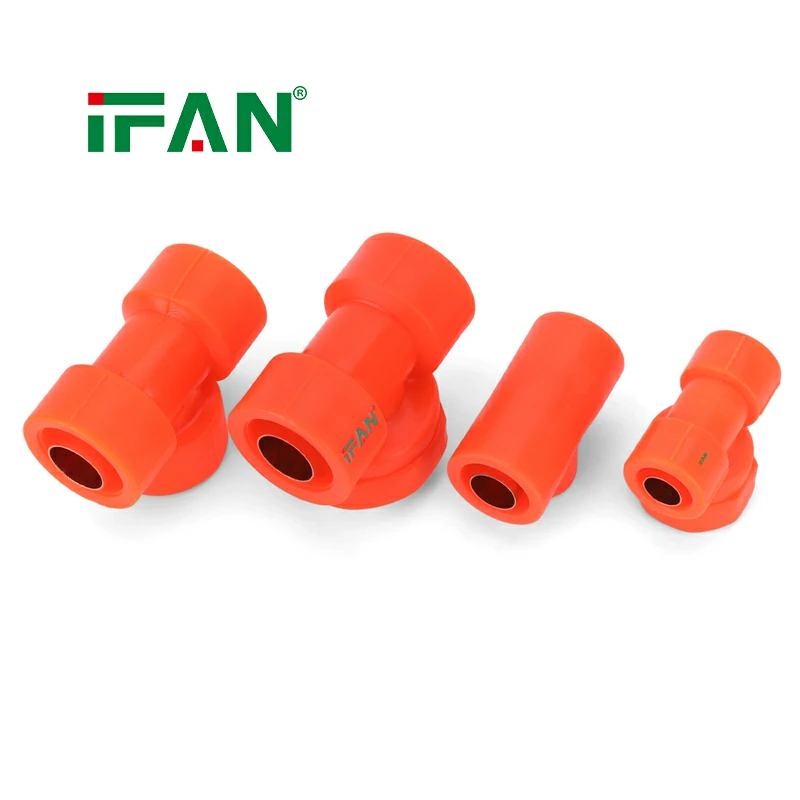
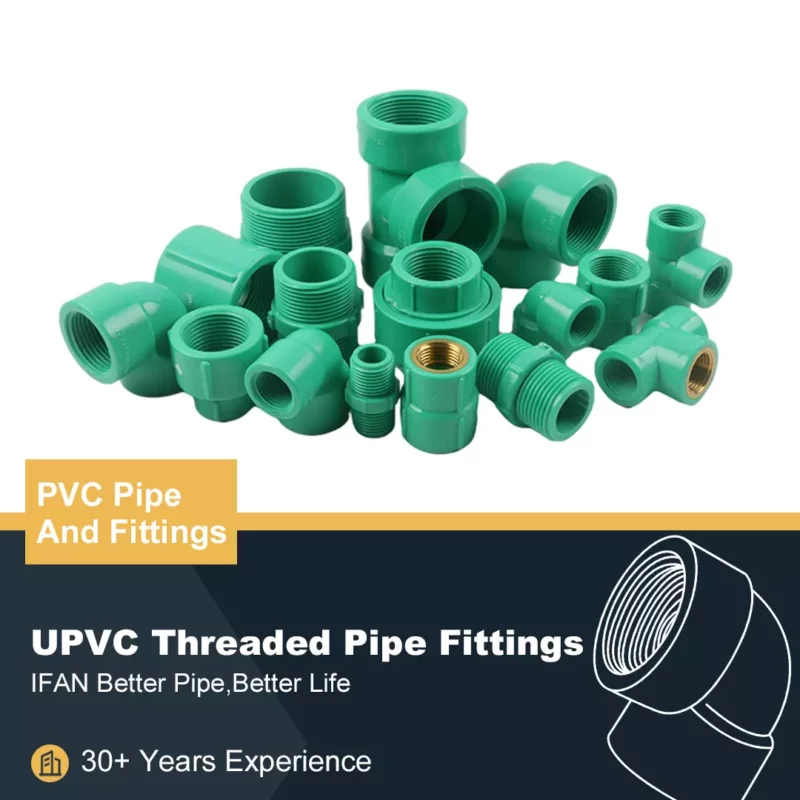
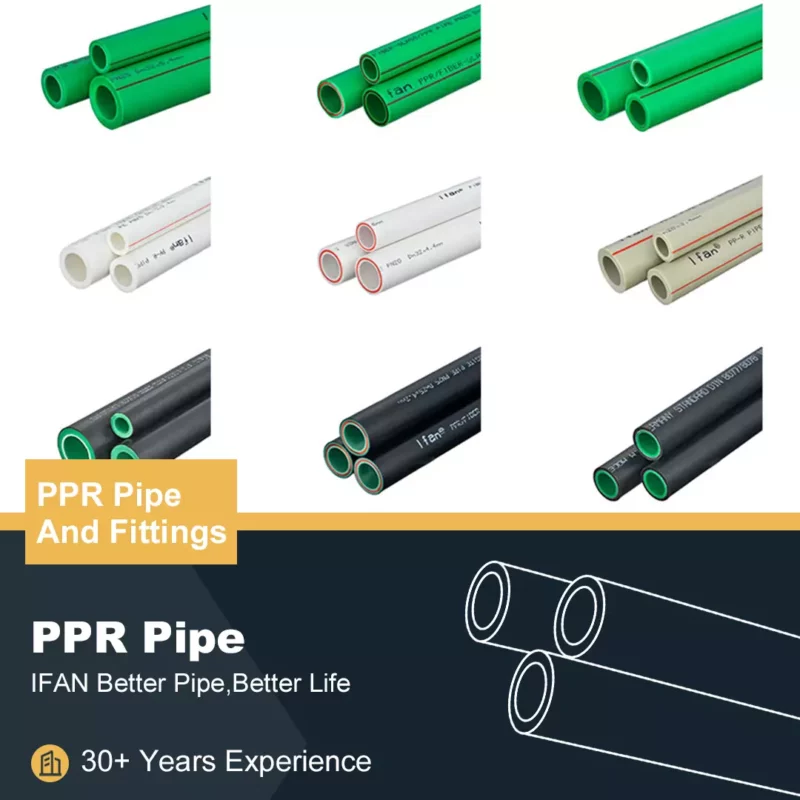
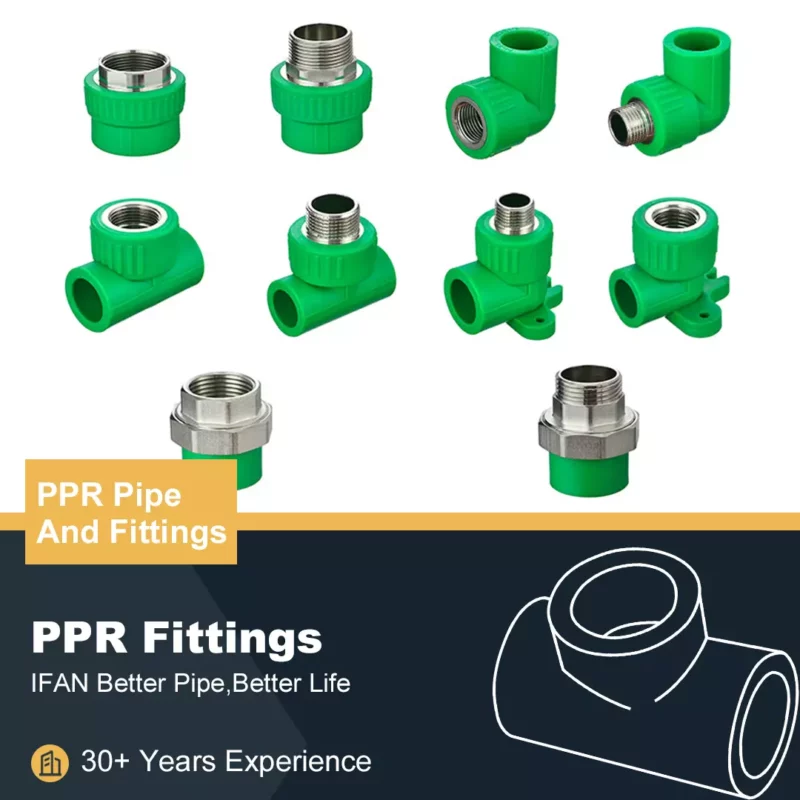
PPR fittings are widely used in modern plumbing systems due to their strength, durability, and ease of use. These fittings, made from Polypropylene Random Copolymer, connect PPR pipes and ensure leak-free operation. One of the most valuable features of PPR fittings is their ability to withstand high water pressure. Whether installed in residential homes, commercial buildings, or industrial plants, PPR systems perform reliably even under extreme pressure conditions. Their long service life, low maintenance needs, and resistance to wear make them ideal for high-pressure water systems. Engineers and contractors trust PPR fittings because they deliver consistent results and ensure the long-term safety of water infrastructure.
Engineered for High Pressure Performance
PPR fittings are specifically designed to endure high operating pressures without deforming, leaking, or cracking. Depending on the size and thickness, these fittings can handle pressures up to 25 bar in cold water systems. In hot water applications, they still maintain excellent pressure resistance. The structure of PPR allows it to absorb pressure fluctuations without compromising the system. Unlike metal fittings that may weaken or corrode under pressure, PPR retains its shape and strength over time. This pressure-resistant design ensures that systems perform efficiently for decades with minimal risk of failure, making PPR a highly reliable solution.
Reliable Heat Fusion Technology
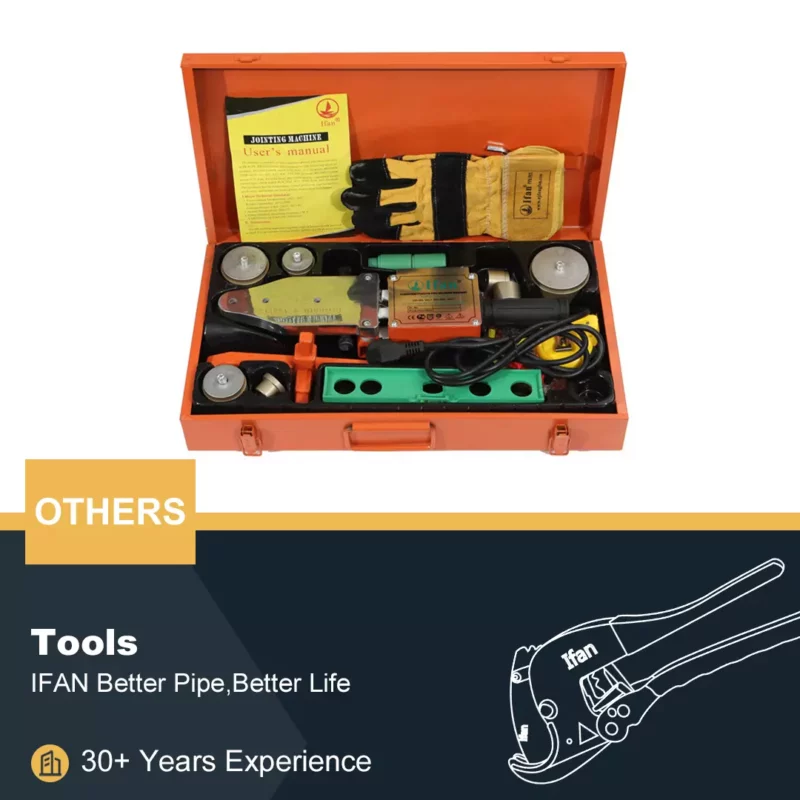
One of the most important features of PPR systems is the heat fusion connection method. This process involves heating the pipe and fitting together and fusing them into a single, homogenous piece. The result is a strong, seamless joint that can handle internal water pressure without failure. Because the joint becomes part of the pipe itself, there is no weak point that can be affected by pressure surges. Unlike glued or threaded connections, fused joints do not loosen over time. This technique creates consistent, leak-proof performance, which is essential in systems that operate under high pressure.
Proven in Pressure Testing
Before reaching the market, PPR fittings are subjected to strict pressure testing to verify their strength and reliability. These tests simulate years of high-pressure water flow and exposure to temperature changes. PPR fittings consistently perform well in such tests, often exceeding expected durability standards. This proven reliability has made them the preferred choice in hospitals, hotels, schools, and industrial facilities. The fittings maintain consistent performance even when the system is exposed to sudden pressure spikes or thermal expansion. Their ability to pass rigorous testing ensures peace of mind for contractors and building owners alike.
Corrosion-Free and Chemically Resistant
High-pressure water systems often face challenges from corrosion and chemical exposure, especially when using metal fittings. PPR fittings do not corrode, rust, or react with minerals in water. This gives them a significant advantage in systems with high water velocity, where erosion could weaken other materials. Their resistance to chemical reactions also makes them suitable for use in water treatment facilities and industrial plumbing. PPR’s smooth inner surface prevents scale buildup, which can otherwise increase internal pressure and lead to failures. This long-lasting resistance to internal wear contributes to overall pressure stability and system integrity.
Ideal for High-Rise and Industrial Projects
In high-rise buildings, water pressure must be maintained across multiple floors. PPR fittings perform exceptionally well in these vertical applications. They maintain system pressure consistently from the ground level to the top floor without leaks or deformation. In industrial plants, PPR is often used in high-pressure washing systems and cooling lines. These environments demand materials that can handle continuous pressure without failure. PPR’s lightweight and durable design also simplifies installation in large-scale projects. The combination of pressure resistance, low maintenance, and reliability makes PPR a preferred choice in demanding installations.
Withstands Thermal and Pressure Stress
Systems that use both hot and cold water experience regular temperature and pressure changes. PPR fittings handle this combination extremely well. The material expands slightly under heat, then contracts when cooled, without causing stress fractures. This flexibility allows PPR systems to absorb pressure variations and avoid damage. The fittings also resist pressure-related fatigue, which can cause cracks or joint separation in other materials. Over time, many plumbing systems fail due to thermal cycling, but PPR retains its structure and function even after decades of use. This makes it one of the most pressure-resilient materials in the market.
Lightweight But Structurally Strong
Despite being much lighter than metal pipes and fittings, PPR components are incredibly strong. This strength-to-weight ratio makes them easy to transport and install, even in tight spaces or elevated areas. Reduced weight does not compromise their ability to hold pressure. PPR fittings can endure the same pressure as heavier alternatives while being more manageable for installers. This makes them a smart choice for both small and large projects. Lighter systems also reduce stress on walls, ceilings, and support structures. This additional benefit supports long-term performance under pressure without affecting building stability.
Reduces Risk of Leaks and Repairs
High-pressure systems are more likely to fail at connection points, especially if traditional methods like threading or gluing are used. PPR fittings eliminate this risk with their heat fusion technique. The seamless connection drastically reduces the possibility of leaks. Even after years of use, the joints remain tight and reliable. Since there are no moving parts or gaskets, there’s nothing to wear out over time. Fewer leaks mean fewer repairs, reduced water waste, and lower maintenance costs. The system continues to operate smoothly, even under constant high-pressure conditions, with minimal need for intervention.
Certified and Globally Trusted
PPR fittings are certified by international plumbing and safety standards. They are used in water systems worldwide, especially in areas where high pressure is common. Their quality is confirmed by ISO, DIN, and other global certifications, making them a trusted solution. Many governments and organizations recommend PPR for public infrastructure and safety-critical installations. This global trust reinforces their reputation as a high-performance, pressure-resistant option. Whether for new construction or renovations, builders rely on PPR for its long-term strength, safety, and pressure stability.
Conclusion
PPR fittings are a high-performance solution for modern plumbing systems, especially those operating under high water pressure. Their ability to withstand continuous pressure, thermal changes, and corrosion makes them one of the most reliable materials in the industry. From homes to high-rise buildings and industrial plants, PPR ensures safe and efficient water delivery. The heat fusion connection method creates leak-free joints that outperform traditional alternatives. With proven durability, low maintenance, and international certification, PPR fittings are an ideal choice for pressure-intensive plumbing projects. For strong, lasting, and efficient systems, PPR is the smart and trusted solution.
If you have read this article and have any questions, please feel free to contact IFAN. Below is our contact information:
Whatsapp:+86 13373827623
Email:[email protected]