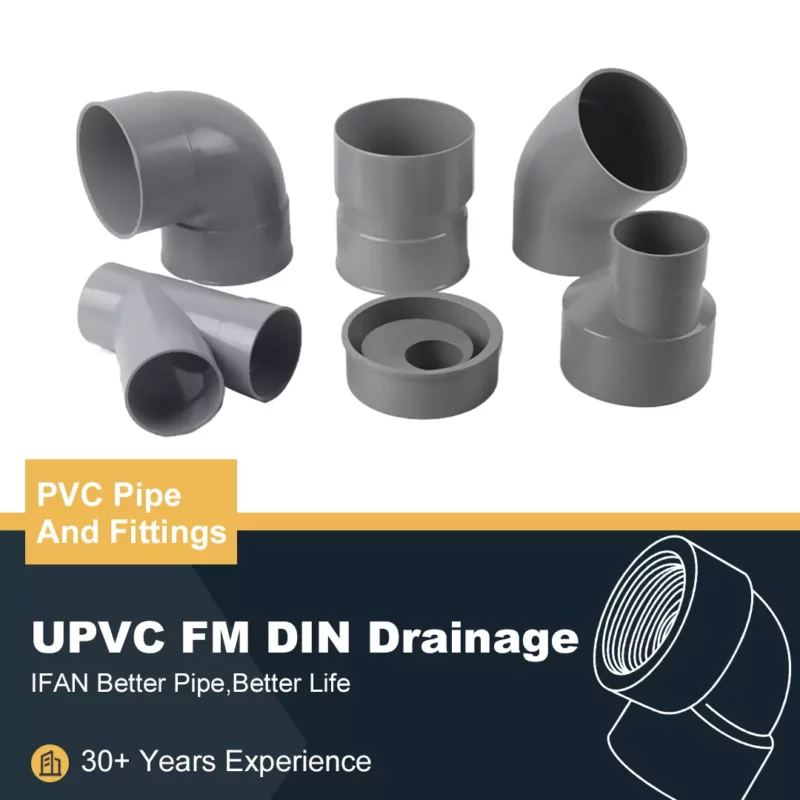
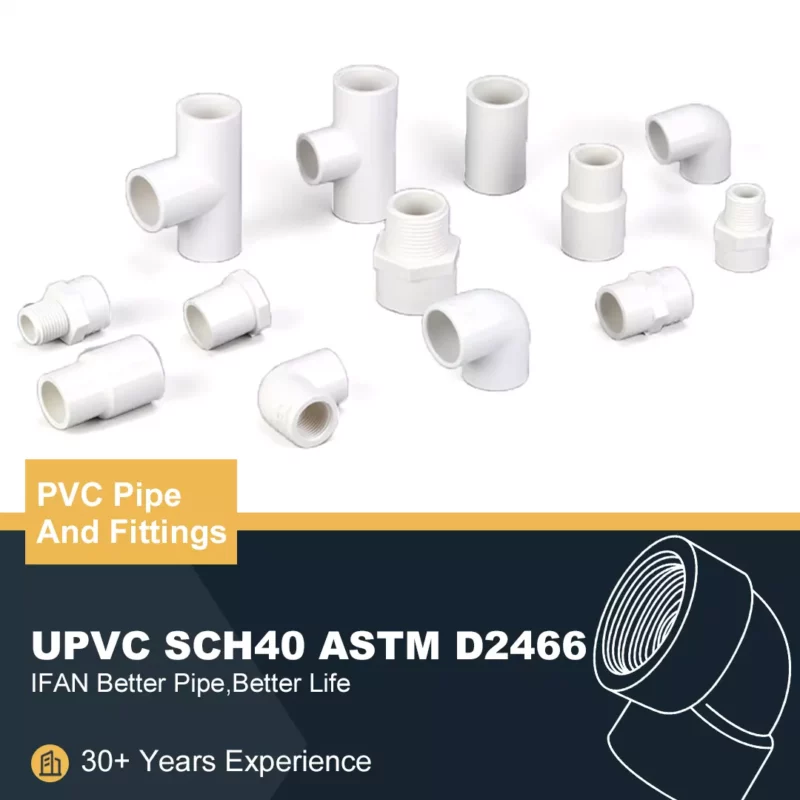
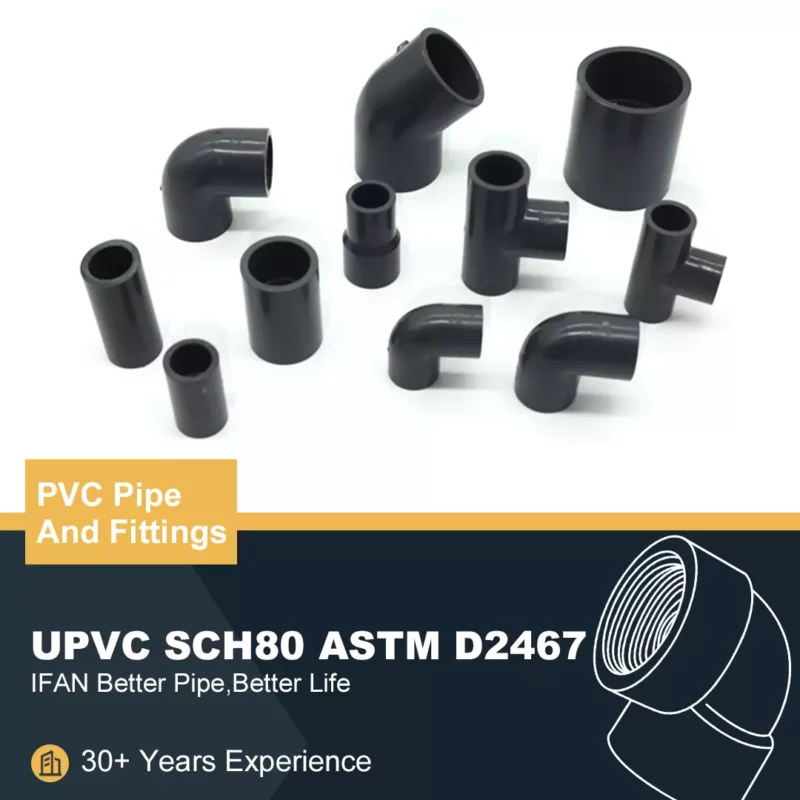
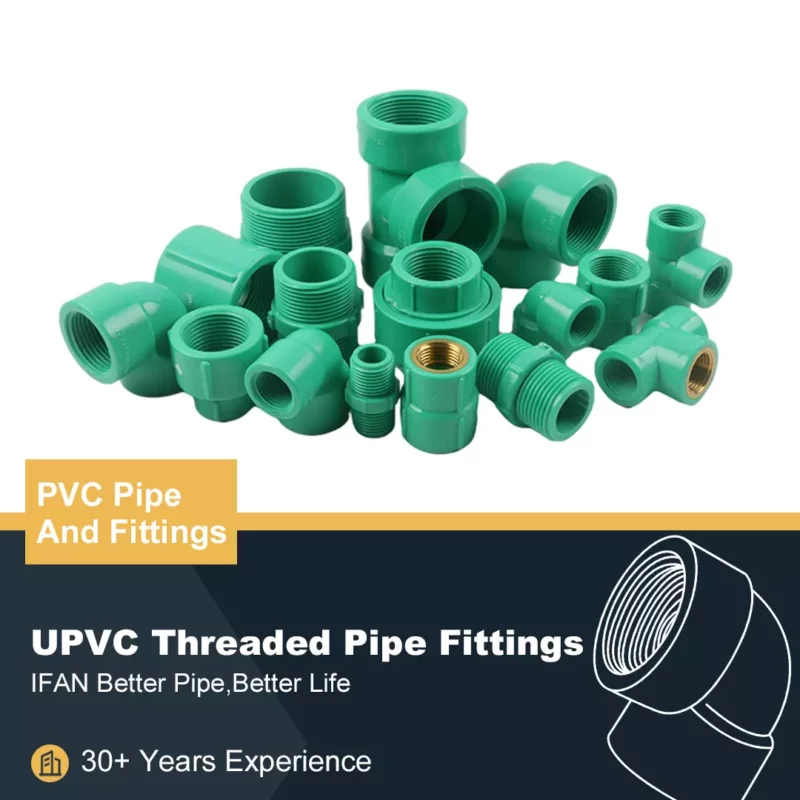

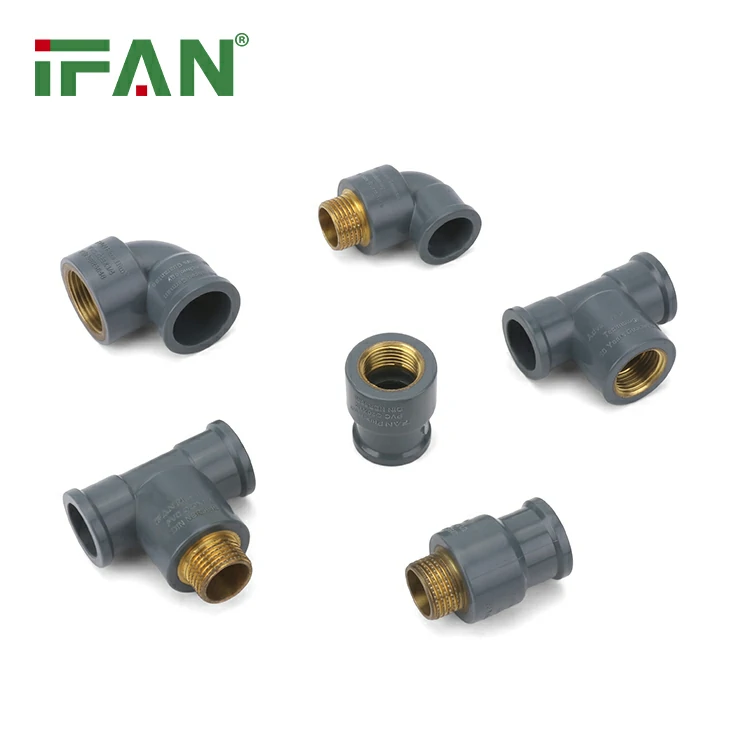
Introduction to UPVC Drainage Fittings
UPVC drainage fittings are essential for modern plumbing and wastewater systems. These fittings connect and direct the flow of waste through drainage networks. UPVC stands for unplasticized polyvinyl chloride, a rigid, strong plastic. It is widely used due to its durability, affordability, and resistance to wear. One of the most important benefits is its excellent chemical resistance. UPVC drainage fittings withstand aggressive waste and chemical exposure without damage. This makes them ideal for homes, commercial buildings, and industrial environments. Whether above or below ground, UPVC performs reliably in harsh conditions. This article explores how UPVC drainage fittings resist chemical exposure and why they are the right choice.
The Challenge of Chemical Exposure
Chemical exposure in drainage systems can lead to corrosion and failure. Harsh cleaning agents, acids, alkalis, and industrial chemicals may flow through pipes daily. Traditional metal fittings can react with these substances. This causes rust, scaling, and gradual structural weakening. Over time, these reactions result in leaks or complete failure of the drainage system. Chemical corrosion also affects the safety and hygiene of the environment. Water contamination and pipe bursts can become serious concerns. Therefore, drainage systems must be built with materials that can resist chemical attack. This is where UPVC drainage fittings offer a strong advantage.
UPVC’s Chemical Resistance Properties
UPVC drainage fittings are made from a non-reactive plastic material. Their chemical structure is stable and unaffected by most aggressive substances. They can handle acids, alkalis, salts, detergents, and oils commonly found in wastewater. UPVC does not corrode, dissolve, or soften when exposed to chemical waste. This resistance extends across a wide range of temperatures and pH levels. Even in industrial settings, UPVC maintains its structural integrity. Its non-porous surface prevents absorption or chemical buildup. This ensures the fittings remain clean and safe over time. The long-term chemical resistance makes UPVC suitable for demanding drainage environments.
Common Applications Requiring Chemical Resistance
Many industries and environments require drainage systems to handle chemical waste. In laboratories, schools, and hospitals, cleaning agents and biological waste enter the drainage. In food processing facilities, oils and acidic fluids are common. Industrial plants discharge wastewater containing harsh chemicals. In all these places, UPVC drainage fittings provide safe and durable performance. Residential systems also benefit from chemical resistance. Regular use of bleach, toilet cleaners, and detergents can damage weaker materials. UPVC ensures that domestic waste systems remain safe and functional. Whether for commercial or household use, chemical resistance is a critical feature in drainage design.
Resistance to Corrosion and Scale Buildup
Unlike metal pipes, UPVC drainage fittings do not rust or scale. Corrosion is a chemical process that weakens metal structures. Scale buildup from minerals in water can block flow and damage pipes. UPVC’s non-metallic, smooth interior resists both issues. Even after years of use, UPVC fittings retain their shape and strength. They allow continuous, unobstructed waste flow without requiring frequent cleaning. This reduces maintenance costs and improves system reliability. For systems exposed to chemical or hard water, UPVC is a superior choice. Its resistance to internal and external corrosion keeps drainage systems efficient and safe.
Low Maintenance and Long-Term Durability
Because UPVC drainage fittings resist chemical damage, they require minimal maintenance. Fittings do not degrade, warp, or become brittle under chemical stress. This extends their service life and reduces replacement frequency. In many applications, UPVC systems last over 30 years with little attention. Maintenance teams appreciate the long intervals between inspections and repairs. Homeowners benefit from fewer plumbing issues and reduced repair costs. Facilities can operate without disruptions caused by drainage system failures. The overall cost savings from reduced maintenance and long-term reliability are significant. This makes UPVC both an economical and practical choice.
Safe for Waste Handling and Disposal
Safety is essential when handling chemical waste. Leaking or corroded pipes can pose serious health hazards. UPVC drainage fittings provide a secure and sealed waste path. Their chemical resistance ensures that hazardous substances do not escape into the environment. The fittings also prevent harmful reactions between the pipe material and the waste. This makes them suitable for use in hospitals, laboratories, and chemical plants. UPVC’s safety record is supported by global industry standards. Many plumbing codes recommend or require UPVC for systems with chemical exposure. With proper installation, UPVC fittings create a safe, sealed, and compliant drainage system.
Easy Integration into Existing Systems
UPVC drainage fittings are easy to install and integrate with other systems. They come in standard sizes and are compatible with various pipe types. Transition fittings allow connection with older metal or other plastic pipes. Their chemical resistance ensures that even mixed-material systems perform well. The lightweight nature of UPVC simplifies retrofitting and system upgrades. Installers can replace corroded metal parts with UPVC quickly and safely. No special coatings or protective treatments are required. The fittings are available in many shapes to suit complex system layouts. This makes UPVC a flexible solution for both new builds and renovations.
Environmental and Health Benefits
Using UPVC drainage fittings also supports environmental protection. Their chemical resistance prevents harmful substances from leaking into the soil or groundwater. UPVC does not release toxins when exposed to chemicals. It is considered safe for both indoor and outdoor use. Additionally, UPVC is recyclable. At the end of its life, it can be reused in non-pressure applications. Its long lifespan means fewer replacements, reducing waste over time. In green building projects, UPVC supports sustainability goals. Many eco-certification programs accept UPVC products due to their durability and low environmental impact. This makes UPVC a responsible material choice.
Supported by Industry Standards
UPVC drainage fittings are manufactured to meet international standards. These include ISO, ASTM, and national plumbing codes. Certified products ensure quality, safety, and chemical resistance. Manufacturers test fittings under pressure and chemical exposure conditions. This guarantees performance across various applications. Certification also simplifies product approval for construction projects. Engineers and contractors trust UPVC fittings because they meet regulatory requirements. Documentation, performance data, and test results are readily available. Building inspectors recognize certified UPVC products and approve their use. Compliance with standards ensures reliability and user confidence in every installation.
Conclusion: Reliable Protection Against Chemicals
UPVC drainage fittings are designed to withstand chemical exposure in demanding environments. Their non-reactive material resists acids, alkalis, and industrial fluids. This makes them suitable for residential, commercial, and industrial waste systems. UPVC provides long-term protection, safe waste disposal, and minimal maintenance. Its corrosion resistance ensures uninterrupted flow and system integrity. From household cleaners to industrial chemicals, UPVC handles it all. With easy installation, certified quality, and environmental benefits, UPVC drainage fittings are the ideal solution. For any project that involves chemical waste, UPVC offers unmatched reliability and peace of mind.
If you have read this article and have any questions, please feel free to contact IFAN. Below is our contact information:
Whatsapp:+86 13373827623
Email:[email protected]