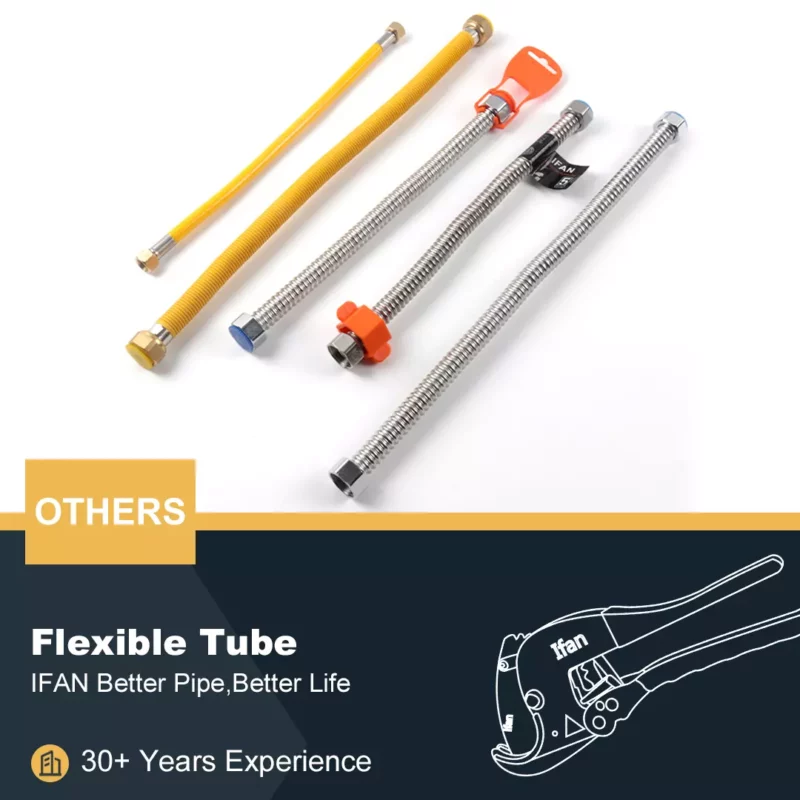


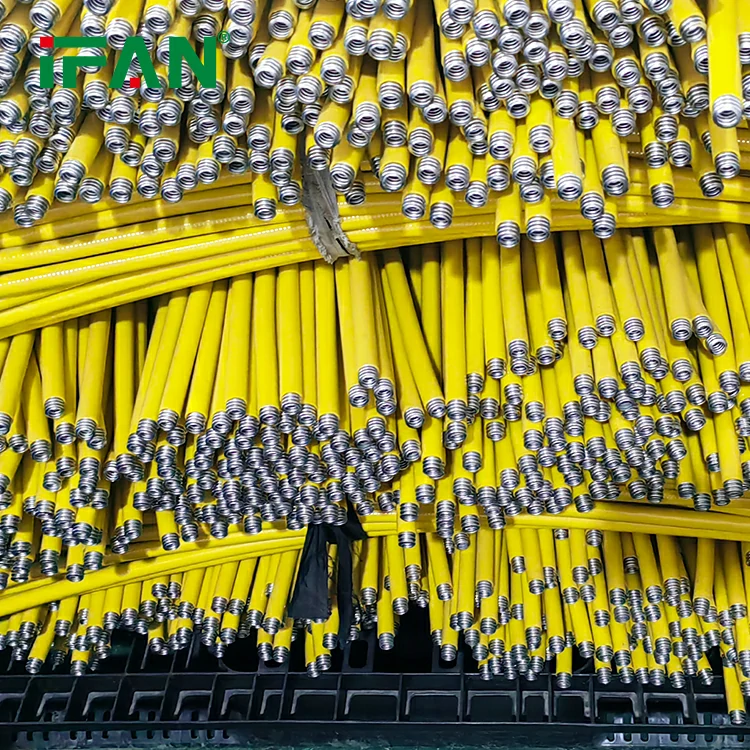
Stainless steel corrugated pipes feature a wave-like surface design.The corrugation increases pipe flexibility without sacrificing strength.Each corrugated layer helps absorb mechanical stress effectively.Manufacturers design these pipes to handle pressure changes easily.The structure supports tight bending without pipe deformation.Quality control ensures uniform thickness across the entire pipe.
Understanding the Structure of Stainless Steel Corrugated Pipes
Stainless steel corrugated pipes feature a wave-like surface design.
The corrugation increases pipe flexibility without sacrificing strength.
Each corrugated layer helps absorb mechanical stress effectively.
Manufacturers design these pipes to handle pressure changes easily.
The structure supports tight bending without pipe deformation.
Quality control ensures uniform thickness across the entire pipe.
Why Choose Stainless Steel for Water and Gas Systems?
Stainless steel ensures safety in both water and gas systems.
Its anti-corrosion properties prevent contamination and leaks.
The material withstands high temperatures without structural failure.
Water systems require clean delivery, which stainless steel guarantees.
Gas networks demand durable, non-reactive materials for stability.
These advantages make stainless steel the preferred choice globally.
Key Factors When Selecting Corrugated Pipes
Buyers should check the steel grade carefully before purchasing.
Higher-grade stainless steel ensures longer service life.
Consider pipe thickness according to system pressure requirements.
Flexibility levels must match the installation environment.
Choose pipes with certified safety and quality standards.
Inspect product labels for compliance with national regulations.
Important Installation Tips for Stainless Steel Pipes
Always use proper fittings designed for corrugated pipes.
Avoid sharp bends to maintain structural integrity.
Secure the pipe ends tightly to prevent leaks.
Support pipes with appropriate brackets or clamps.
Ensure correct pipe length to avoid stretching stress.
Test the system after installation to detect issues early.
Maintenance Techniques for Long-Term Pipe Performance
Inspect joints regularly for signs of wear or leakage.
Clean pipes periodically to remove mineral or dust buildup.
Replace damaged fittings immediately to maintain system safety.
Protect external pipes from physical impact or vibration.
Check for any signs of corrosion, especially near joints.
Schedule annual inspections for high-risk environments.
Common Mistakes to Avoid with Stainless Steel Corrugated Pipes
Never force the pipe into extremely tight bends.
Do not expose pipes to corrosive chemicals unnecessarily.
Avoid mixing incompatible materials with stainless steel fittings.
Always follow the manufacturer’s installation guidelines carefully.
Ignoring proper support can cause long-term pipe sagging.
Neglecting regular inspections leads to unexpected system failures.
Conclusion:
Understanding pipe structure improves system design efficiency.
Proper selection ensures reliable long-term performance.
Correct installation and maintenance prevent costly failures.
Avoiding common mistakes maximizes investment returns.
Mastery over these factors guarantees safe, efficient piping systems.
If you have read this article and have any questions, please feel free to contact IFAN. Below is our contact information:
Whatsapp:+86 13373827623
Email:[email protected]