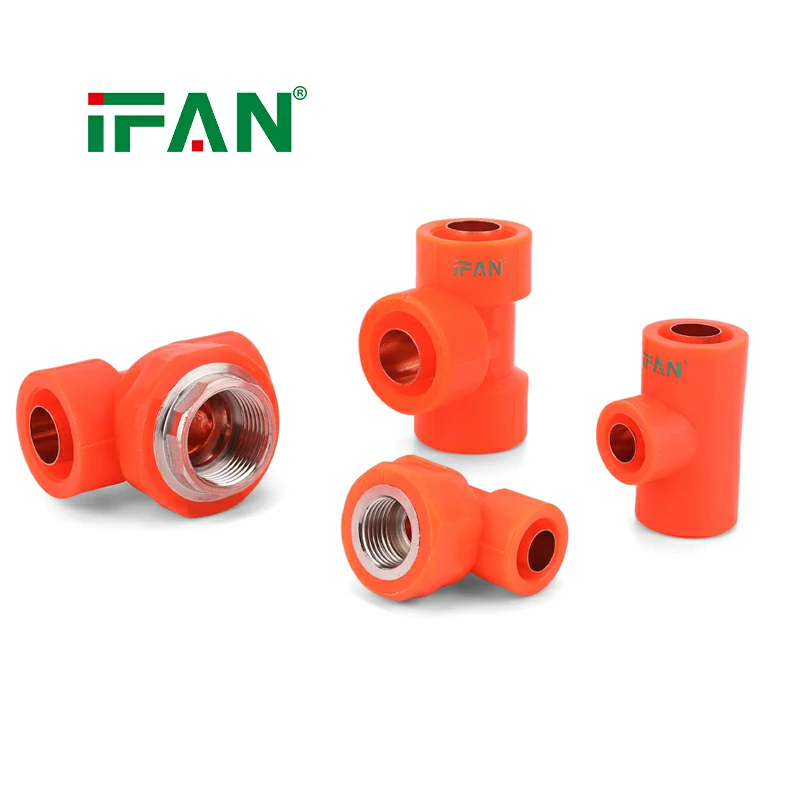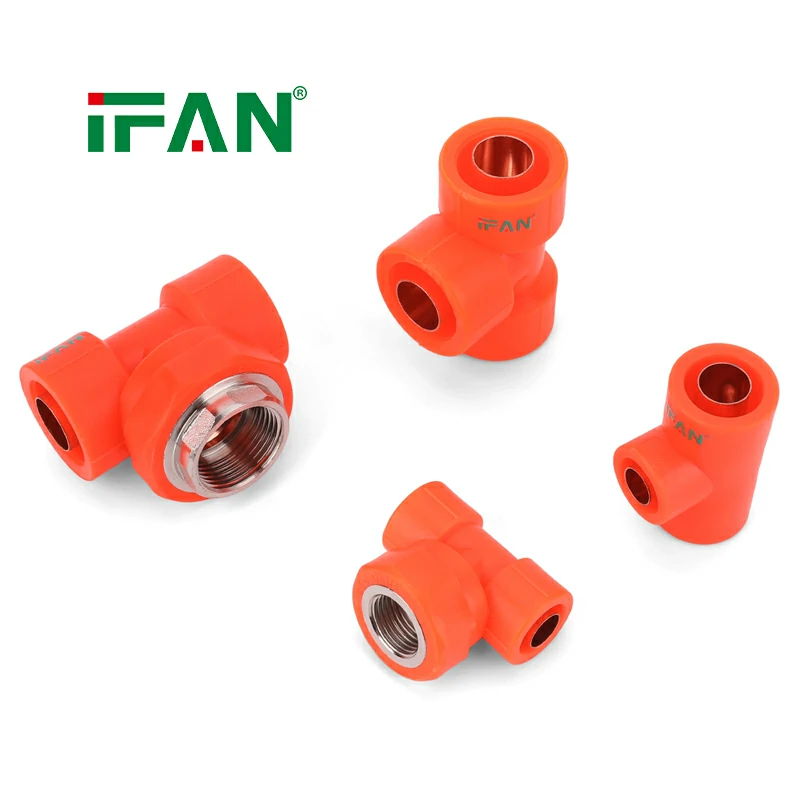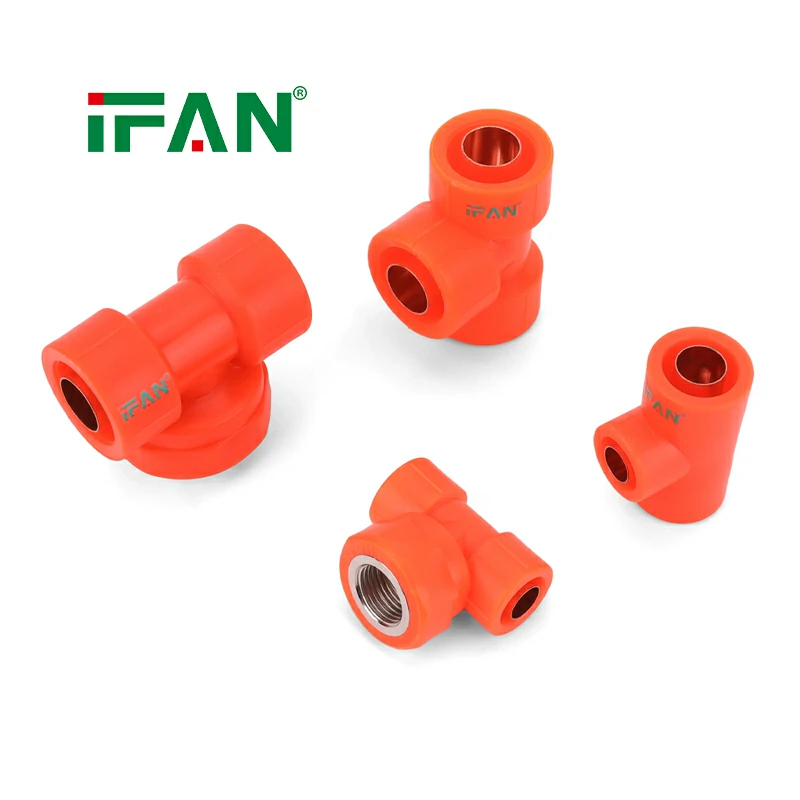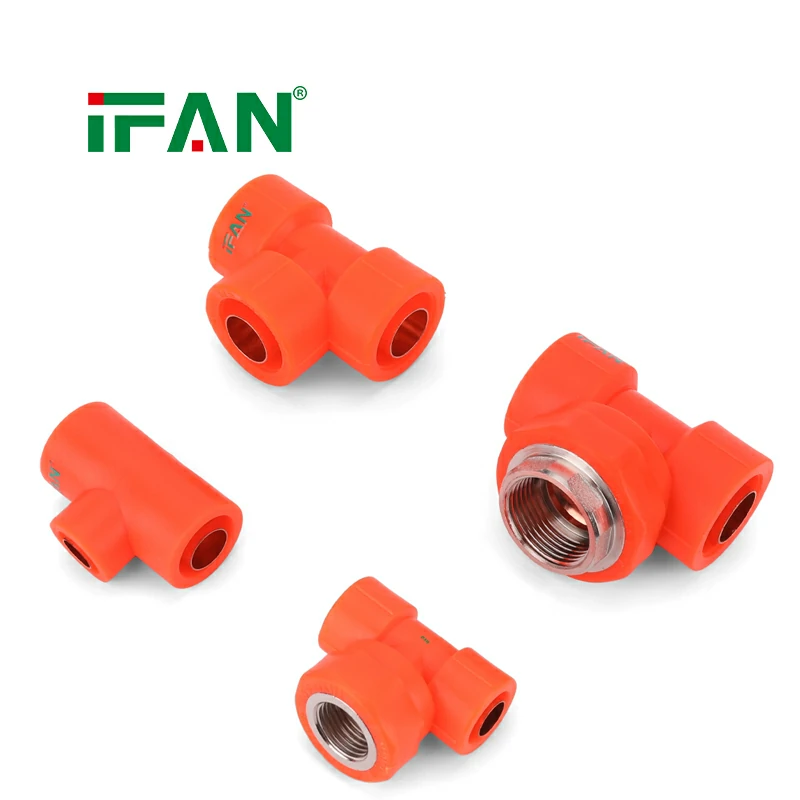


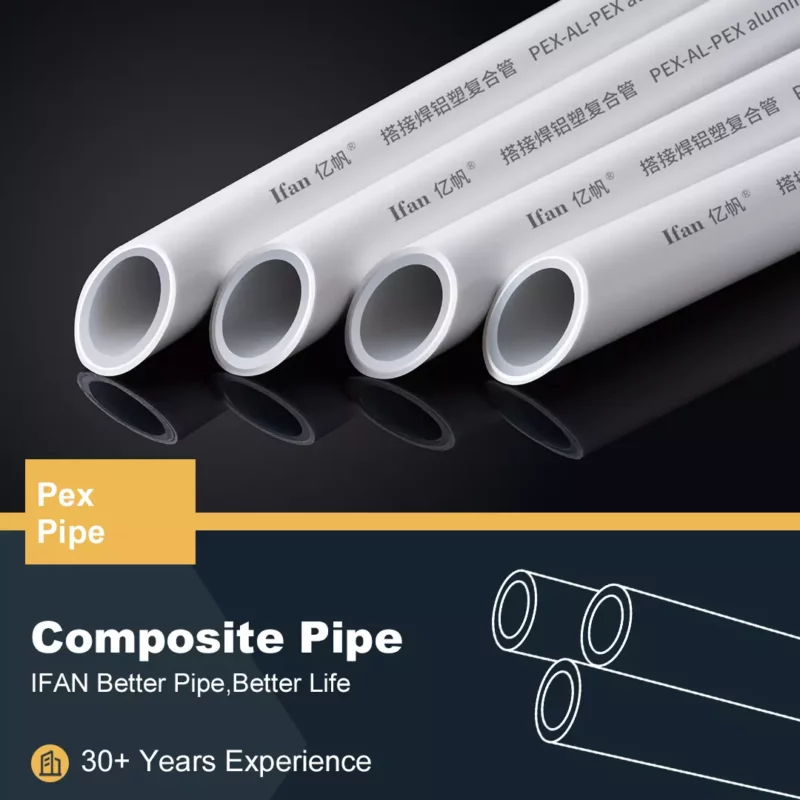


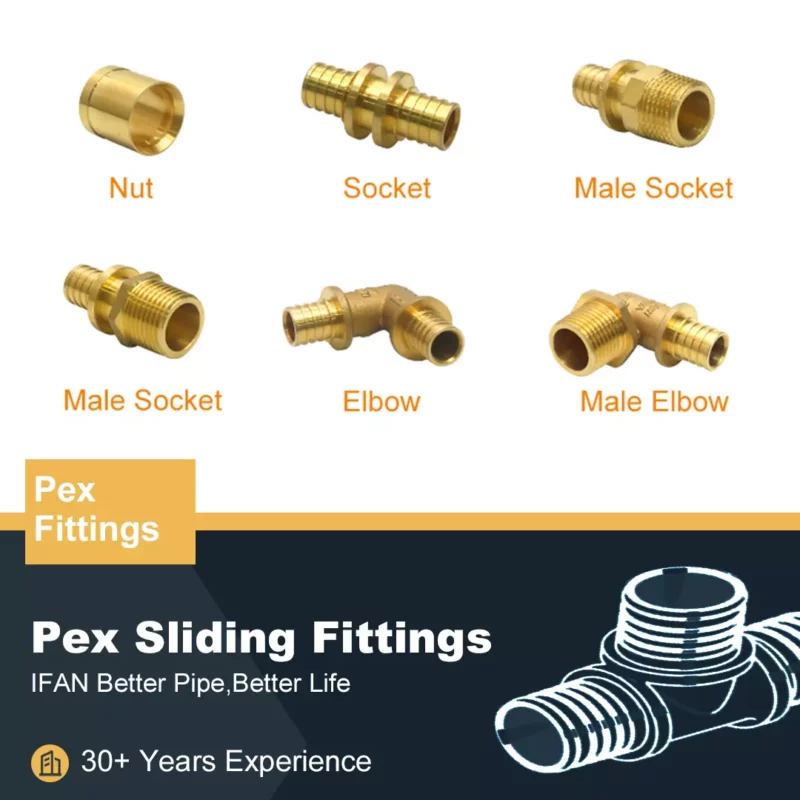
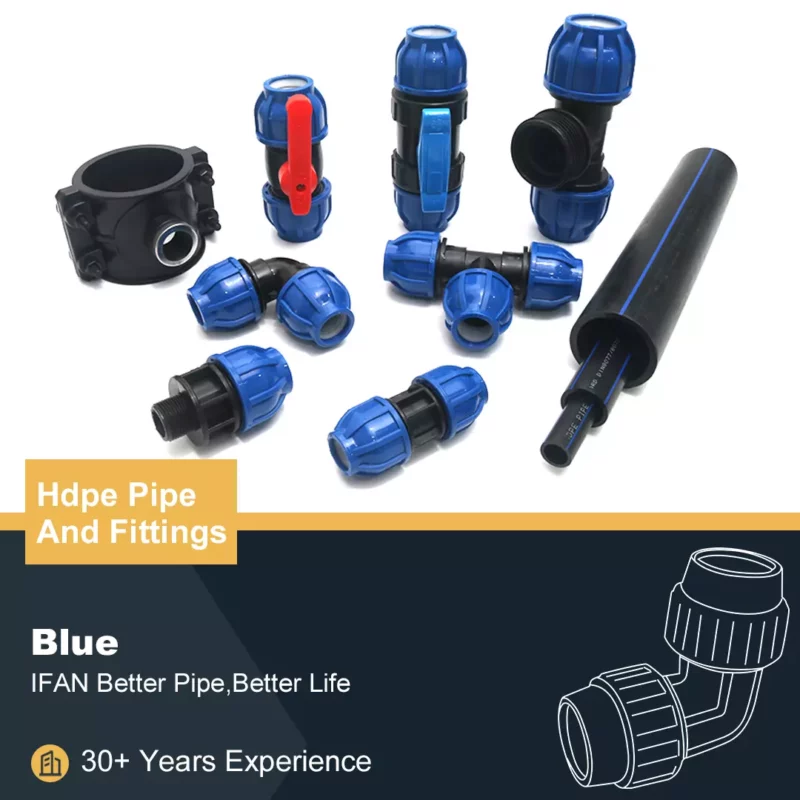
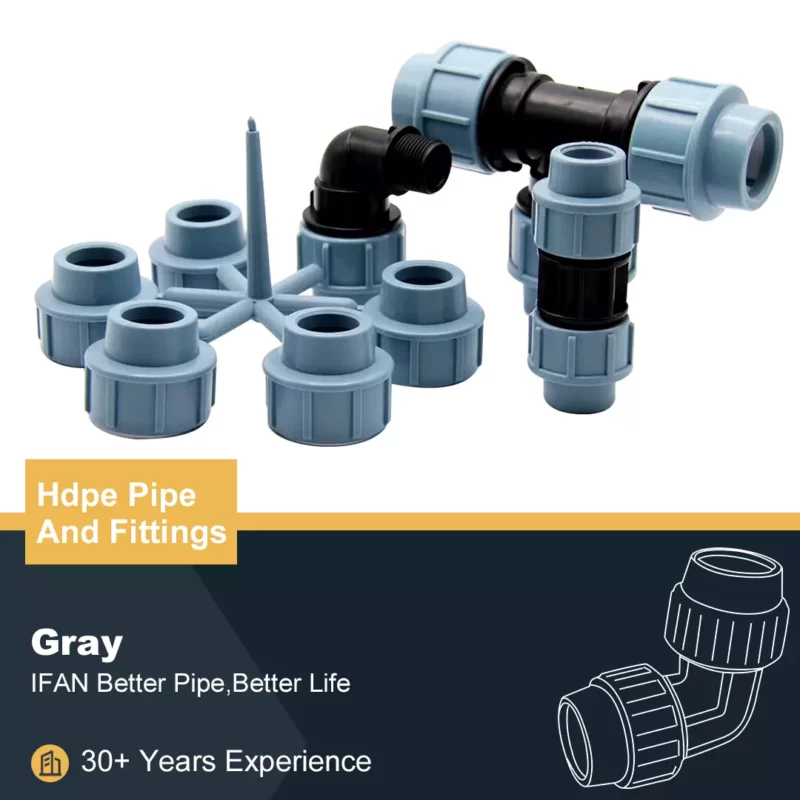

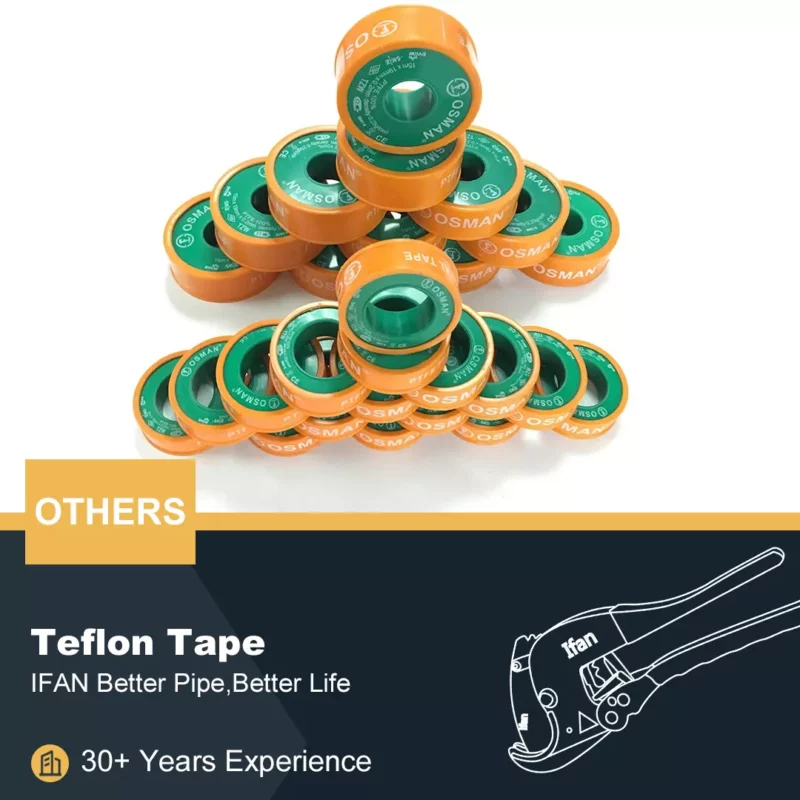




PEX stands for cross-linked polyethylene. Manufacturers create it using a special chemical process.
It provides a flexible alternative to traditional copper or PVC pipes. Builders and plumbers prefer it for modern installations.
The pipe bends around corners without requiring extra fittings. This feature reduces labor and installation time.
PEX handles high water pressure without cracking. Its durability makes it suitable for long-term use in homes.
Where You Can Use PEX Pipe
People use PEX pipe in residential and commercial plumbing systems. It connects sinks, showers, and water heaters.
Contractors often install PEX behind walls and under floors. Its flexibility allows easy routing through tight spaces.
PEX works in radiant floor heating systems as well. Heated water flows through PEX pipes under the flooring.
Garden irrigation setups also benefit from PEX piping. It withstands outdoor conditions without corroding or leaking.
How PEX Pipe Performs Under Pressure
PEX pipe handles a wide range of water pressures. You can use it in both high- and low-pressure systems.
Its structure absorbs shocks caused by water hammering. This reduces the chance of pipe damage over time.
Manufacturers test PEX to ensure reliable performance. These tests confirm its ability to resist sudden pressure changes.
Installers can trust PEX in both new and existing plumbing networks. Its strength ensures long-term reliability.
Installation Techniques for PEX Pipe
Installers use special tools to cut and connect PEX pipe. These tools ensure clean and accurate joints.
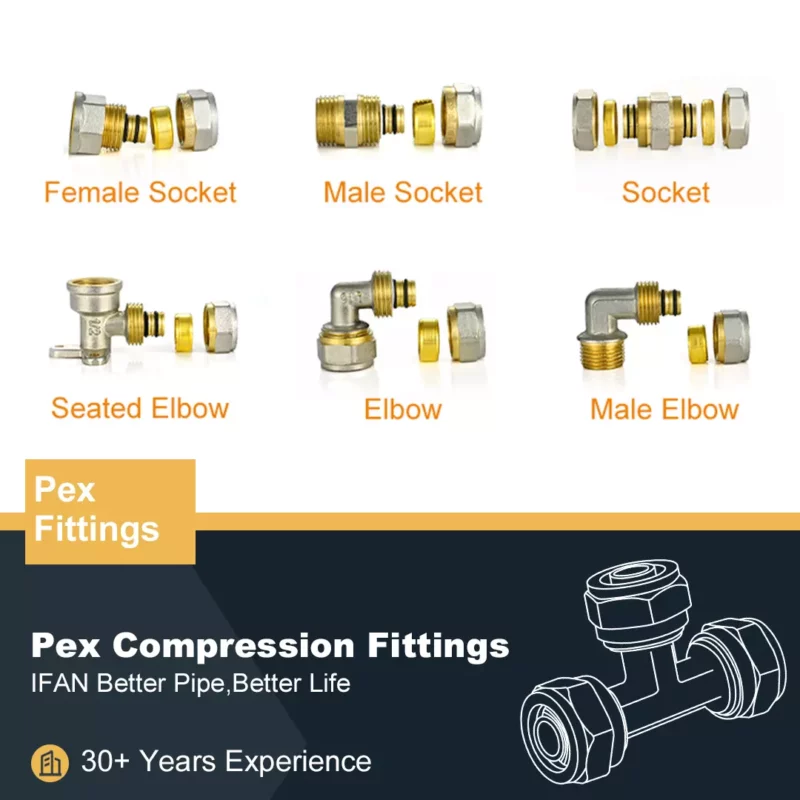
You can connect PEX with push-fit, crimp, or clamp methods. Each method ensures secure water-tight connections.
PEX pipe comes in coils and sticks. Coils reduce the number of joints and fittings required.
Its lightweight design helps plumbers carry and install it easily. This feature speeds up installation on-site.
Color Coding Simplifies PEX Use
Manufacturers color-code PEX pipes for hot and cold water. Red indicates hot water lines.
Blue identifies cold water lines. White and gray offer neutral options for general water use.
This color system helps installers work faster. It reduces confusion and speeds up system mapping.
Color-coded pipes improve safety during future repairs or inspections. They help plumbers identify lines quickly.
PEX Pipes Maintenance Tips
PEX pipe requires little maintenance during its service life. Regular inspection ensures smooth performance.
Avoid exposing PEX to direct sunlight. UV light weakens its structure over time.
Support long runs of PEX with clips or brackets. Proper support prevents pipe sagging or stress.
Flush the system once a year to remove buildup. Clean water helps maintain flow and pressure.
PEX Pipe Works Well in Cold Climates
Contractors prefer PEX in areas with freezing temperatures. It expands slightly when water freezes inside.
This expansion reduces the risk of pipe bursting. Homes in cold regions benefit from this feature.
PEX resumes normal shape after thawing. You won’t need to replace frozen sections.
Insulating PEX pipe further protects it in extreme weather. Use foam sleeves or pipe wrap for added safety.
Final Thoughts on Choosing PEX Pipe
PEX pipe simplifies plumbing design and installation. Builders, contractors, and homeowners appreciate its versatility.
It performs well in many environments. Choose it for kitchens, bathrooms, and heating systems.
Buyers value its flexibility, easy installation, and wide compatibility. These qualities make PEX a popular choice.
Plan your plumbing project with PEX for a smooth, cost-effective experience.
If you have read this article and have any questions, please feel free to contact IFAN. Below is our contact information:
Whatsapp:+86 13373827623
Email:[email protected]