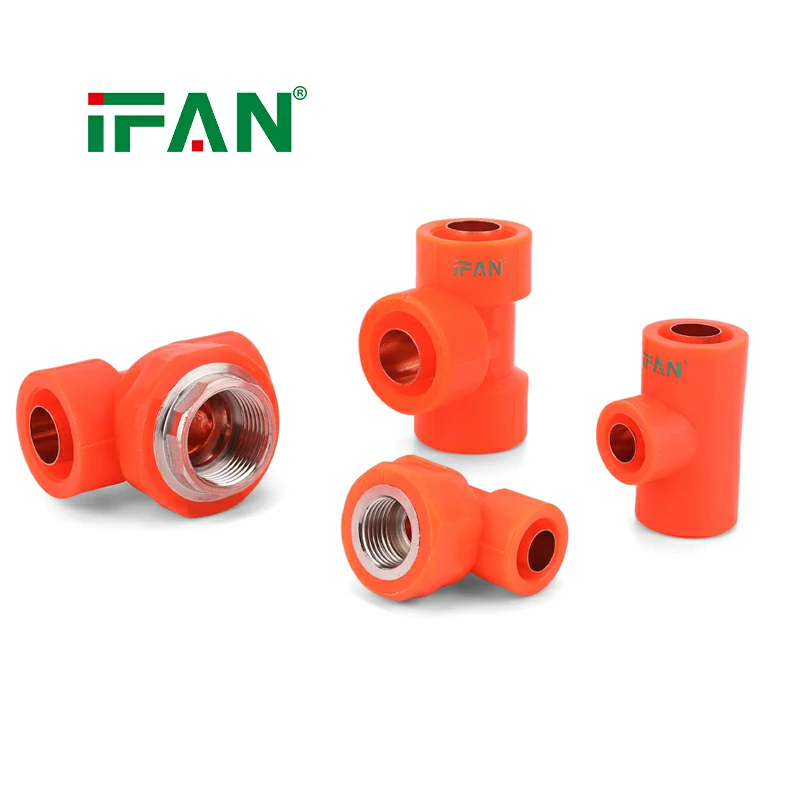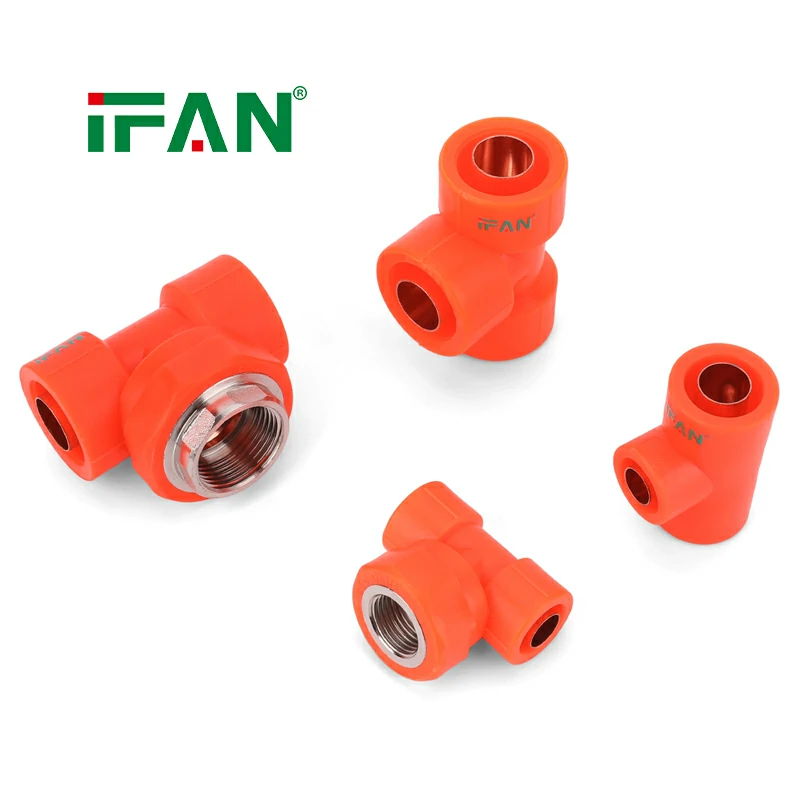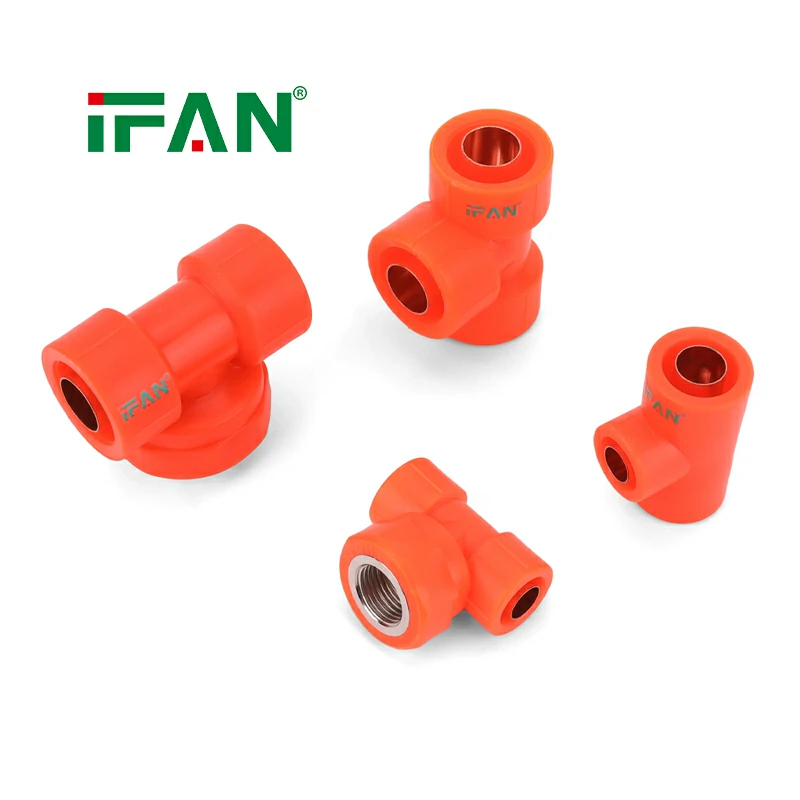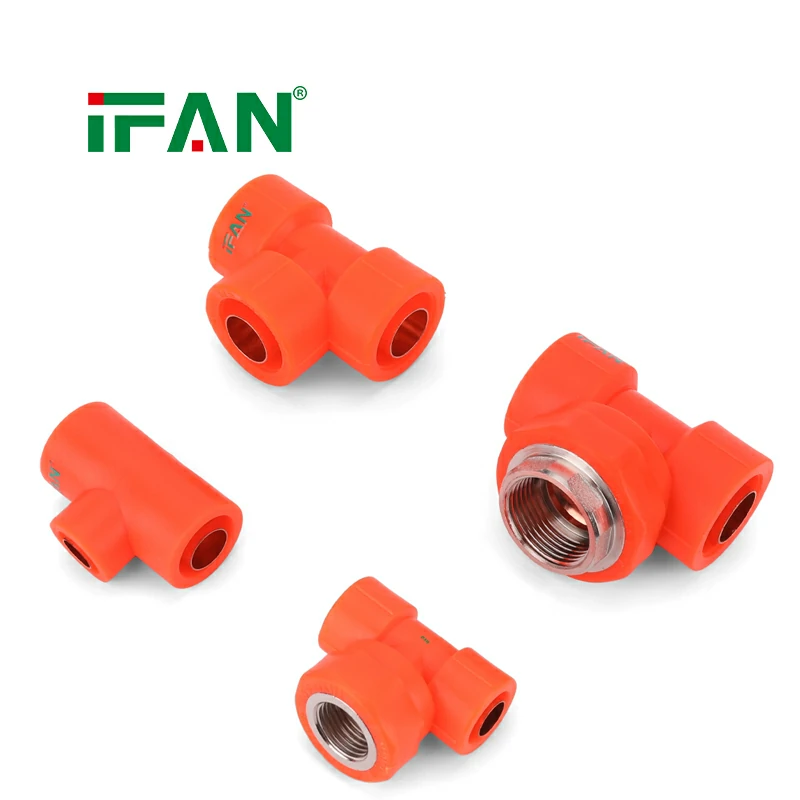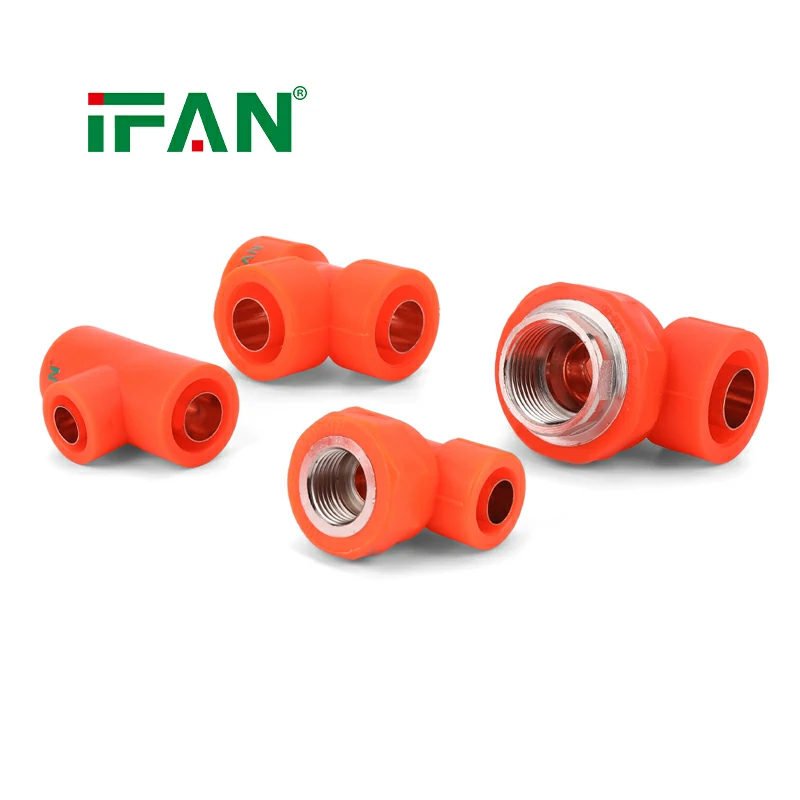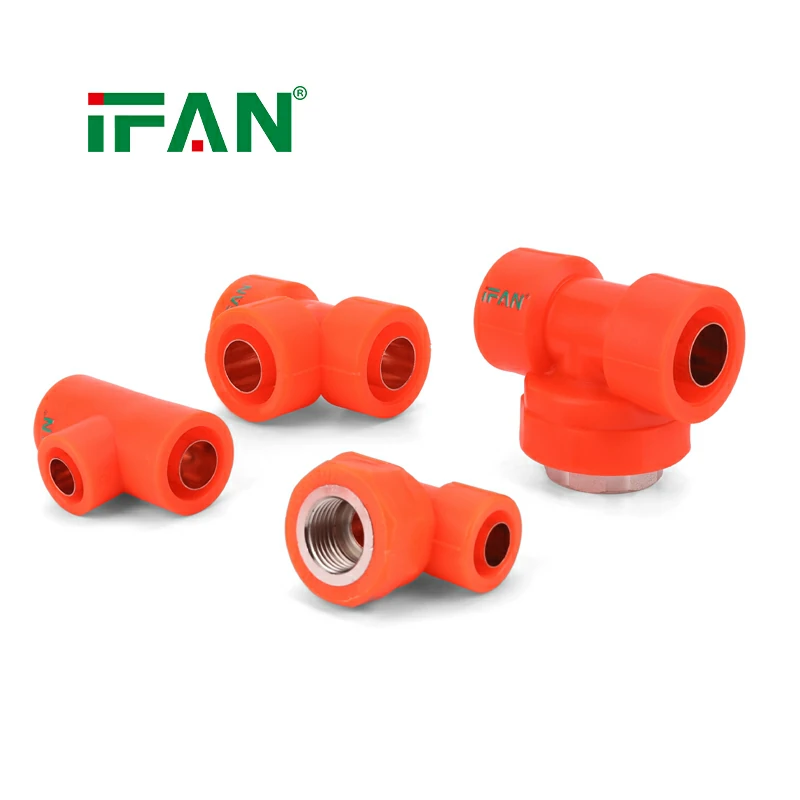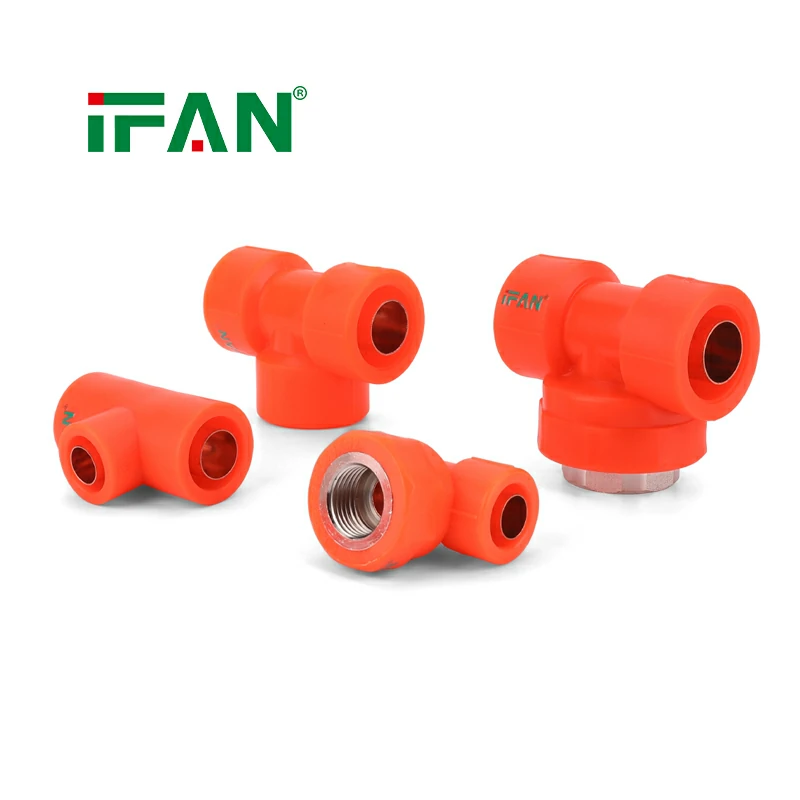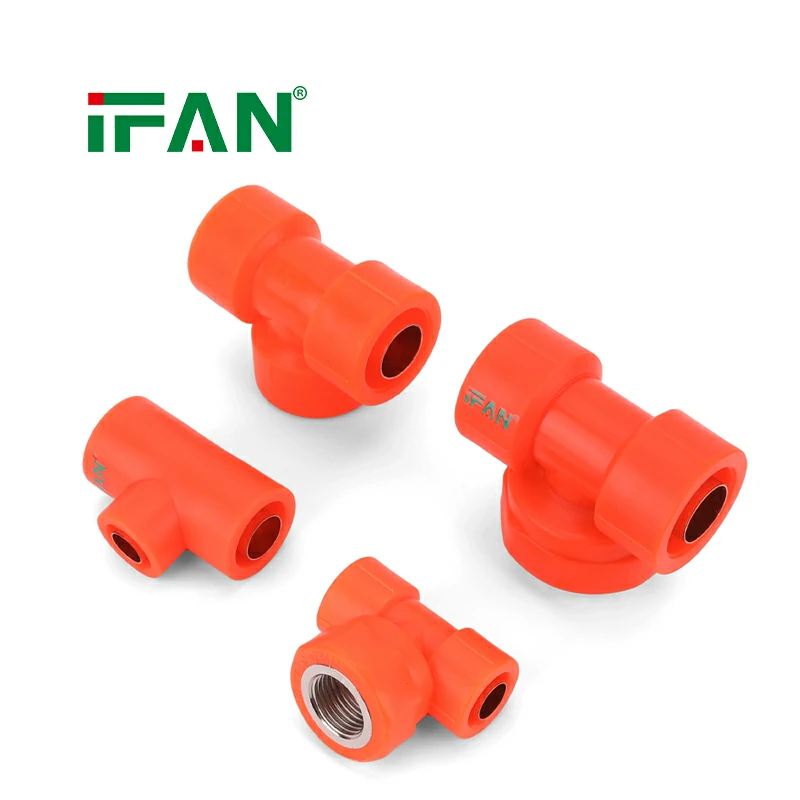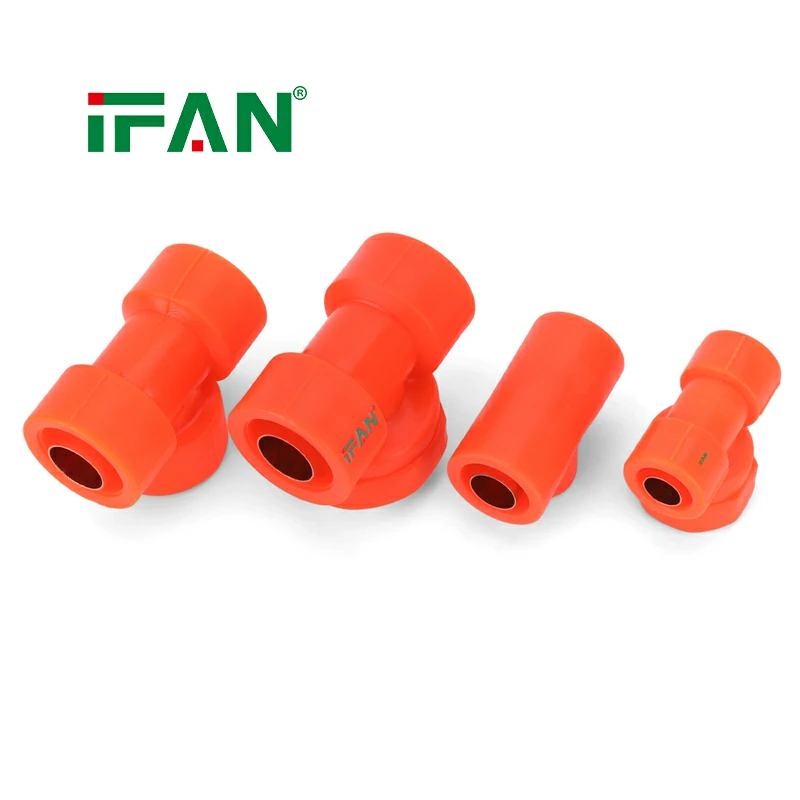
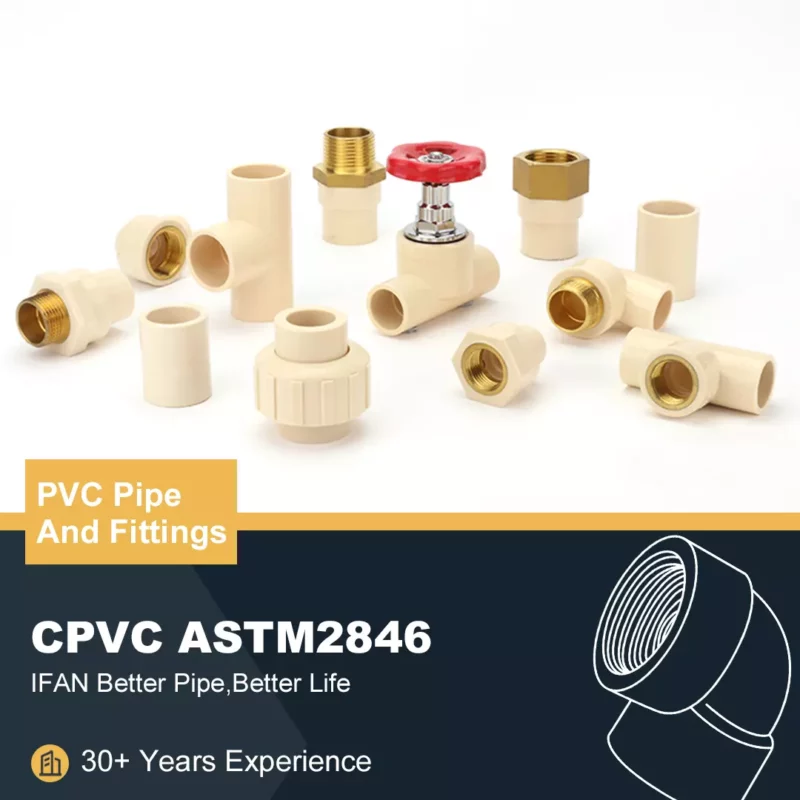
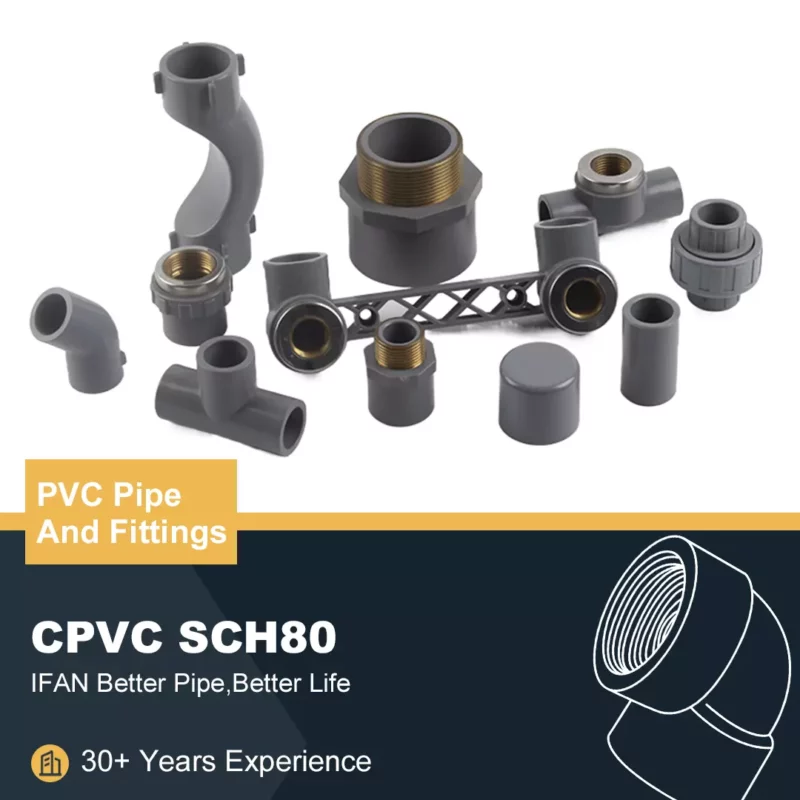
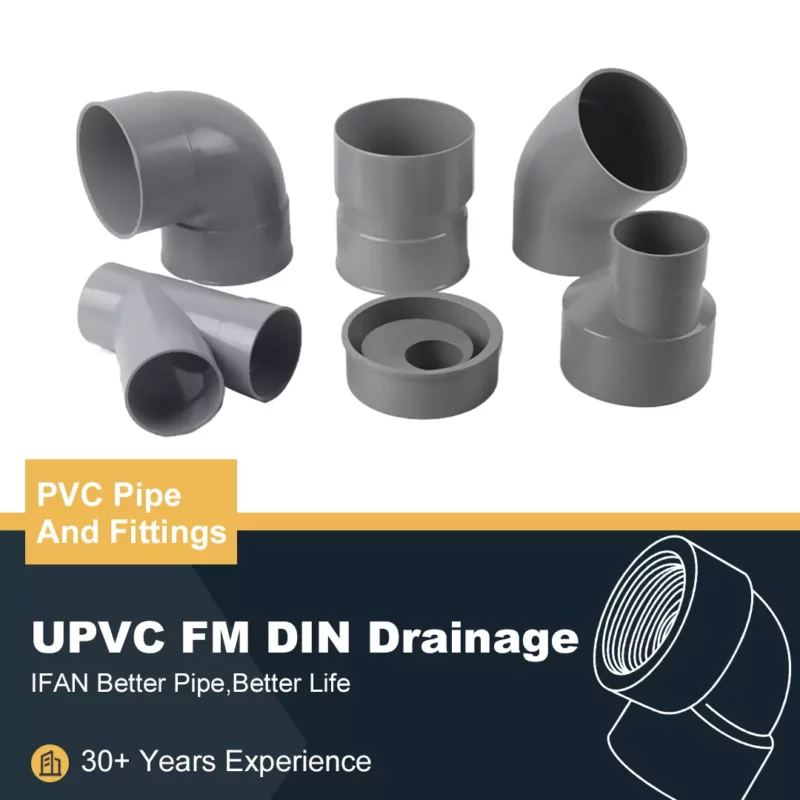
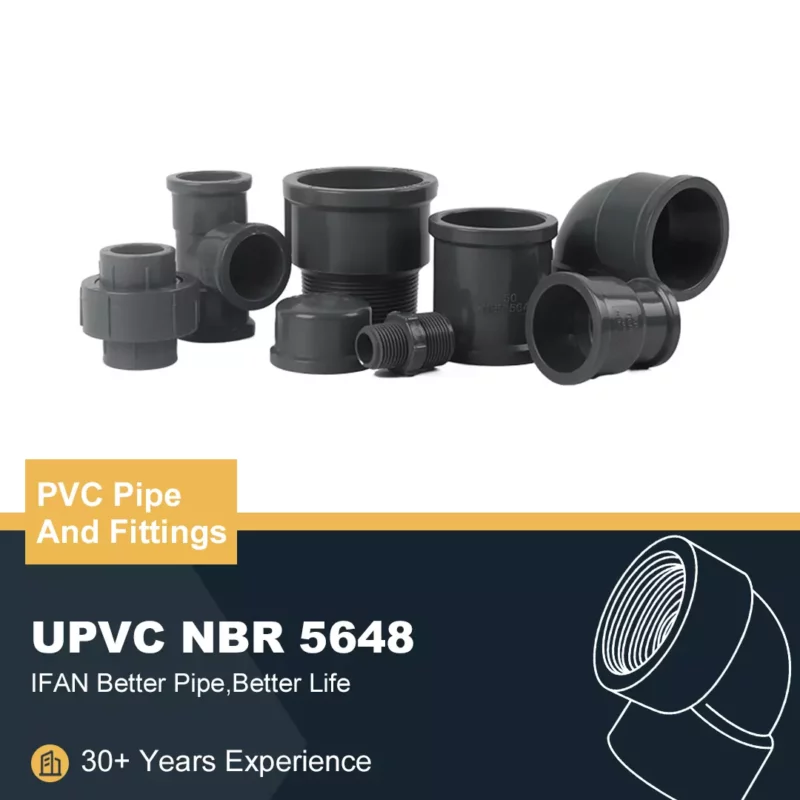
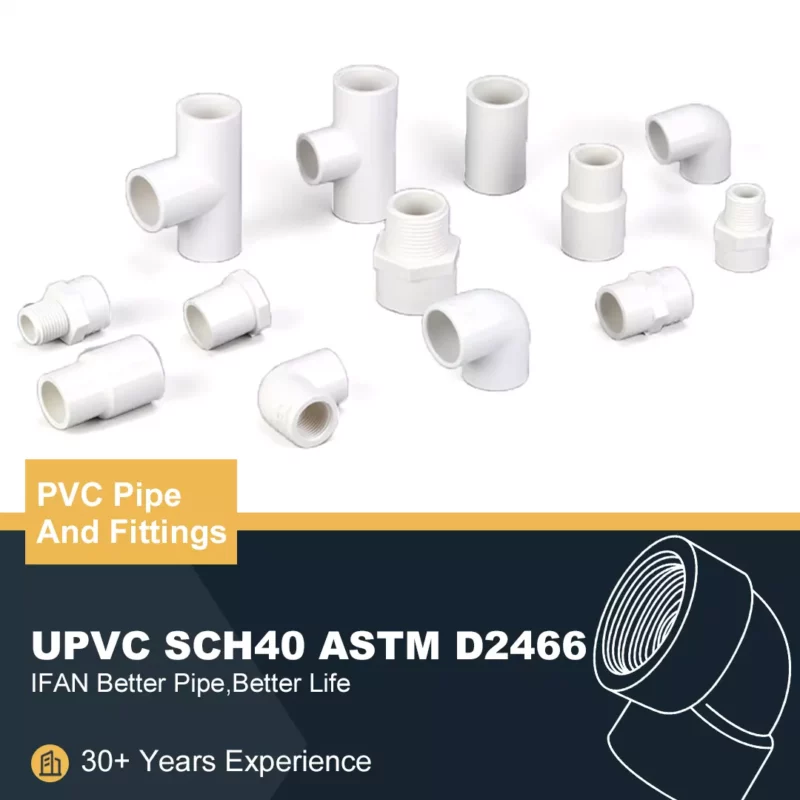
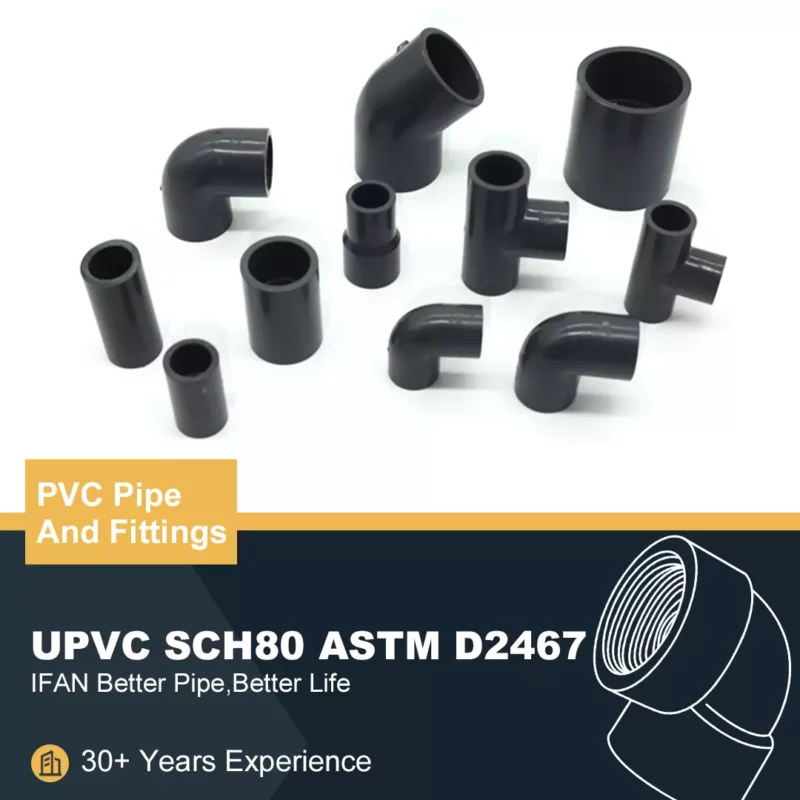
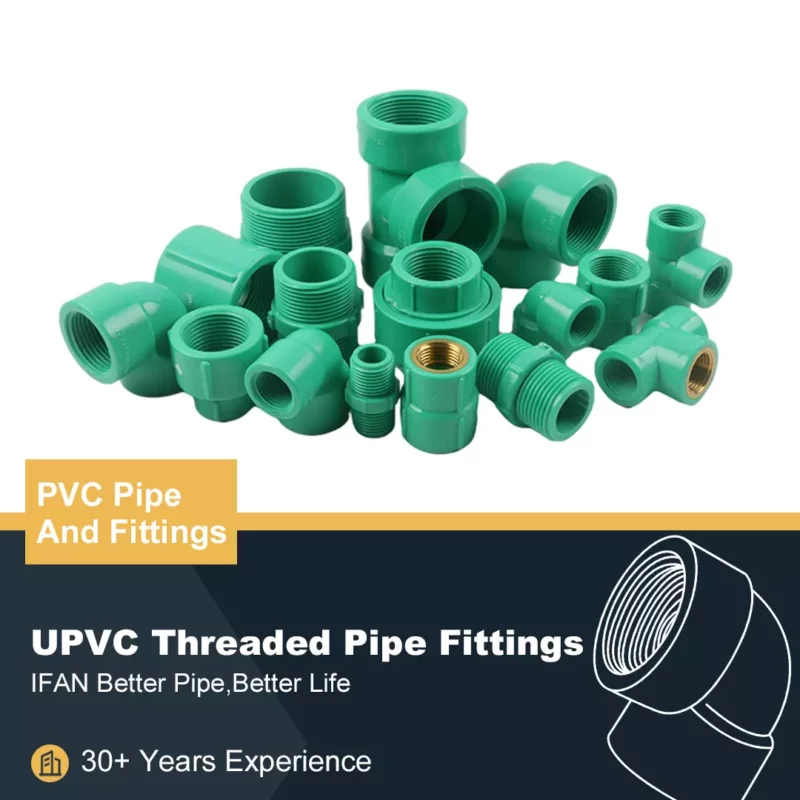
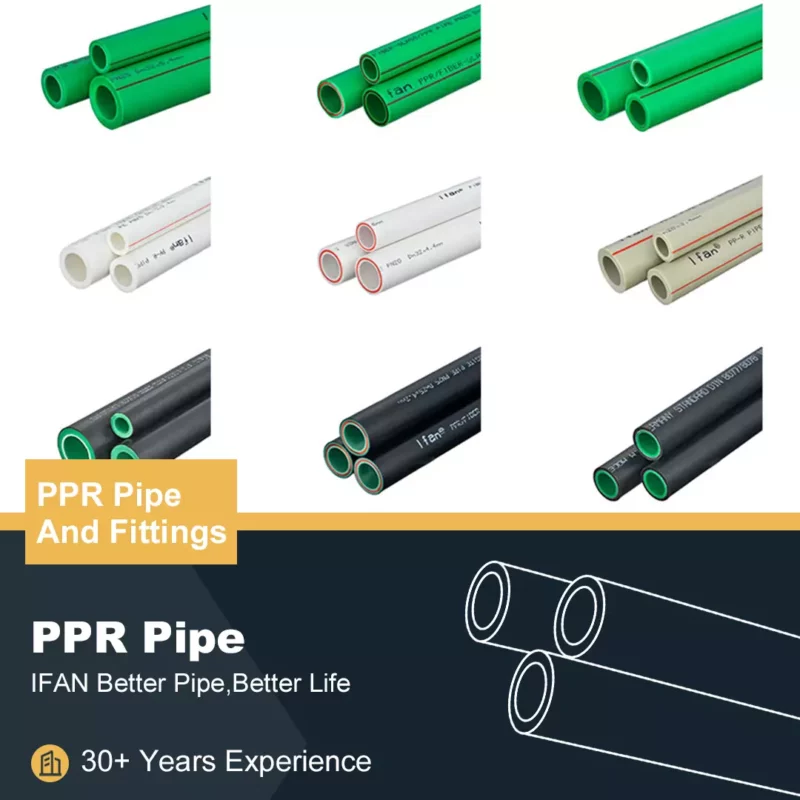
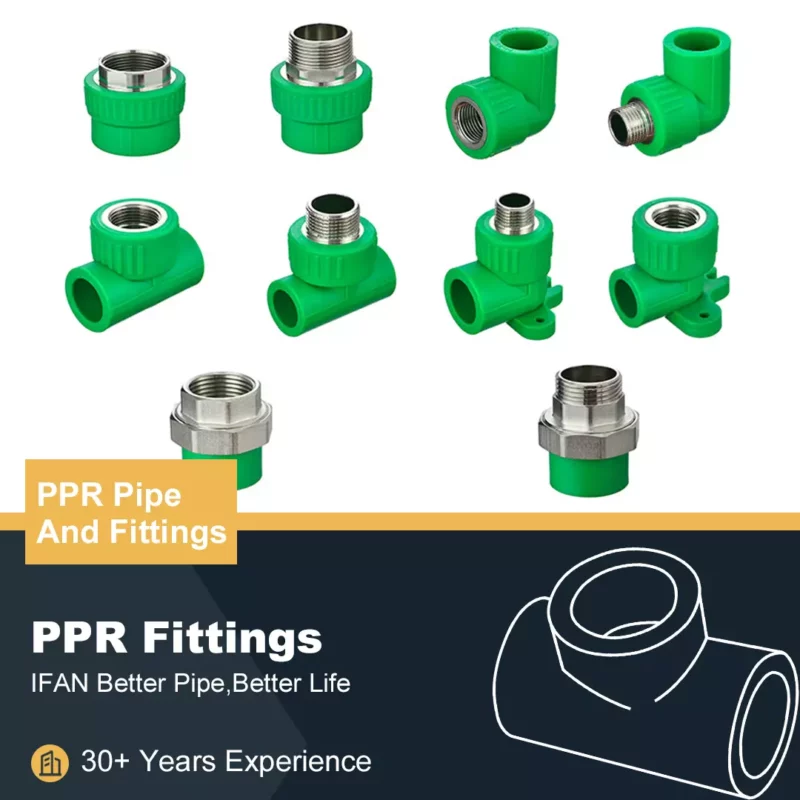
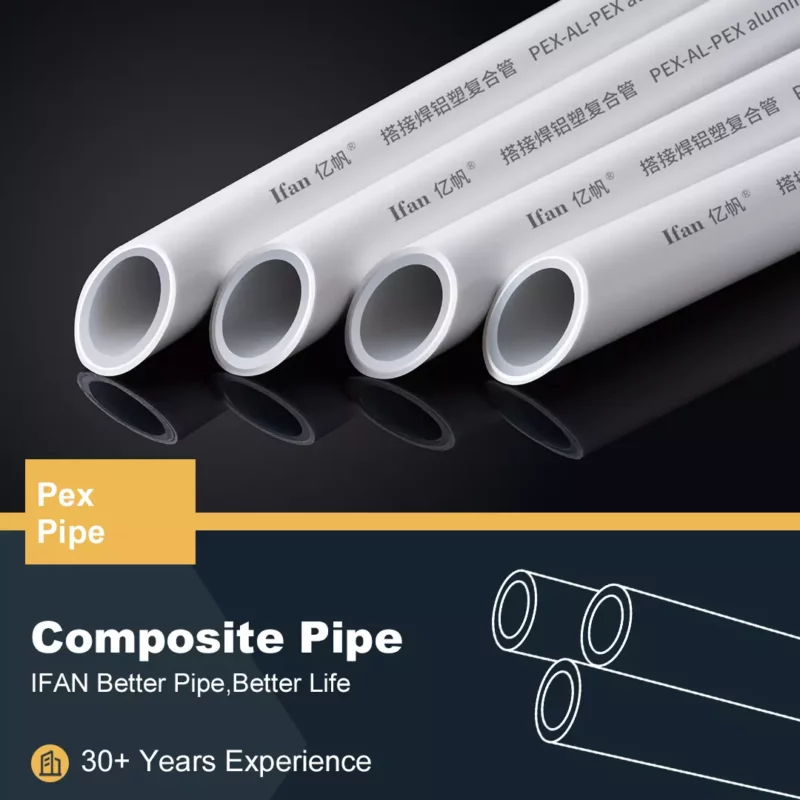
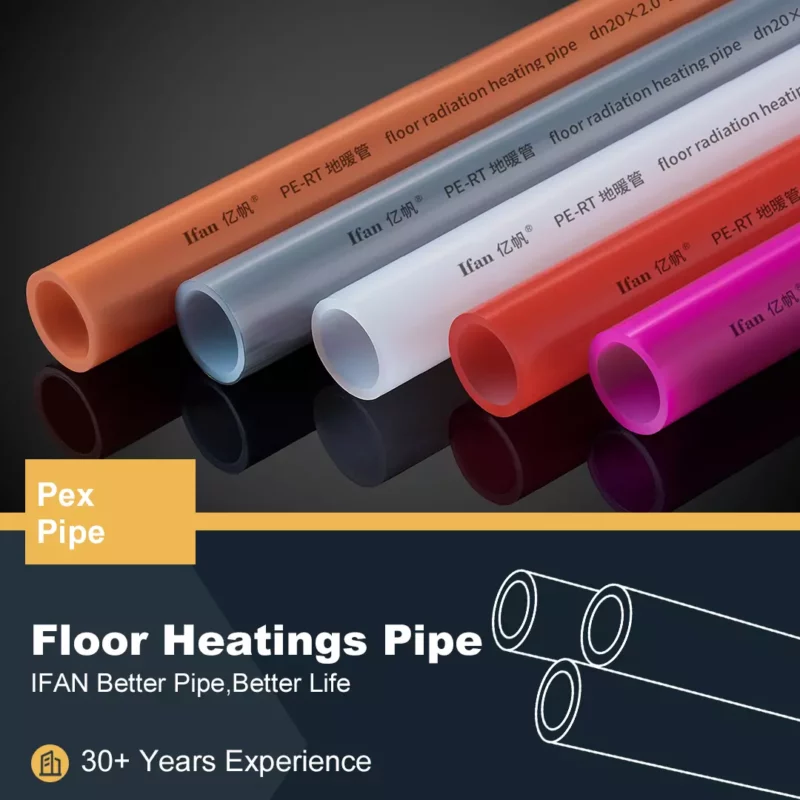
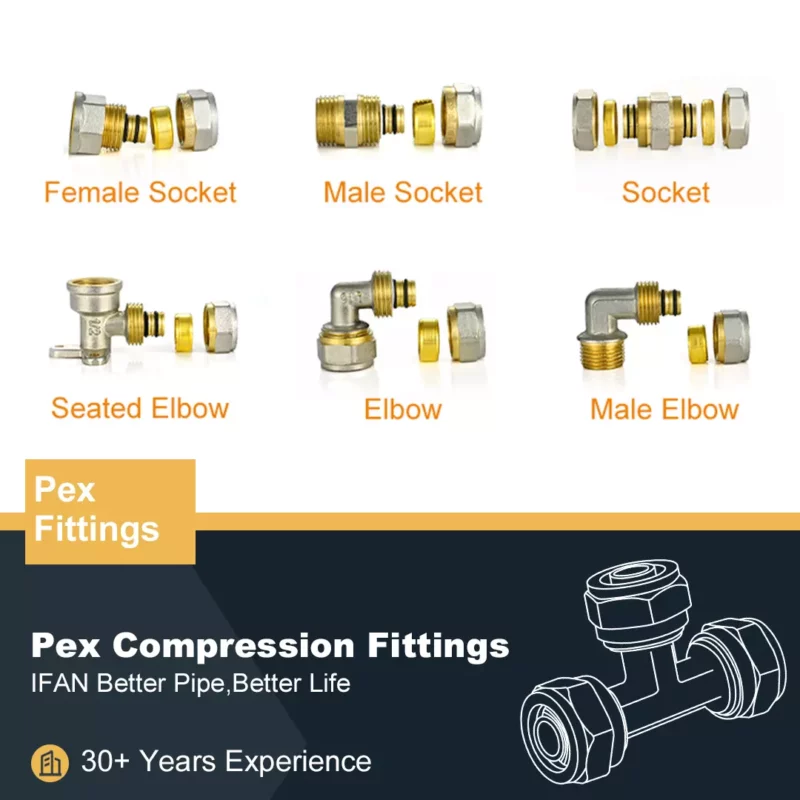
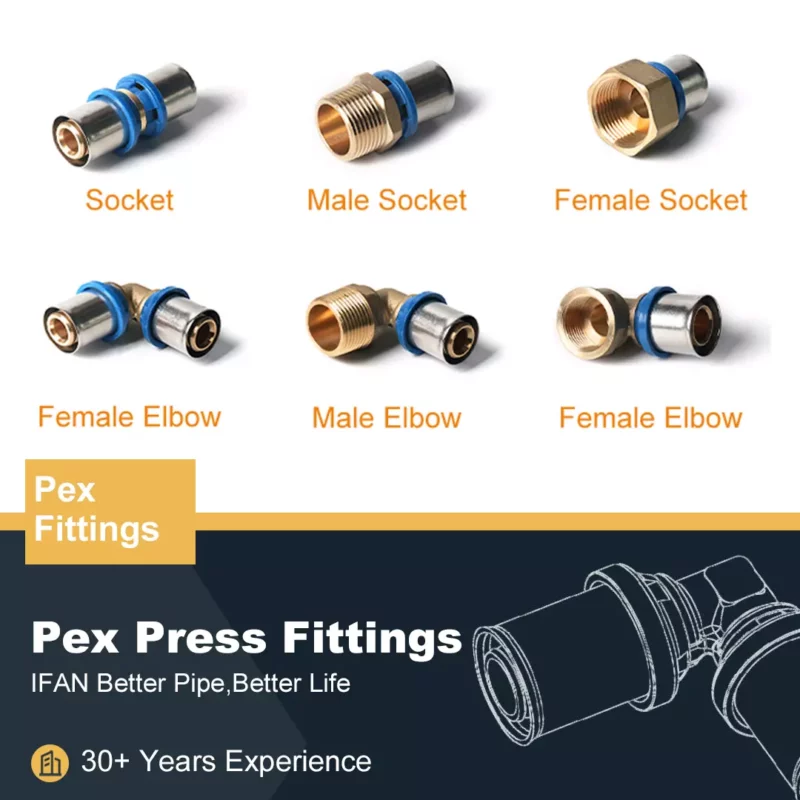
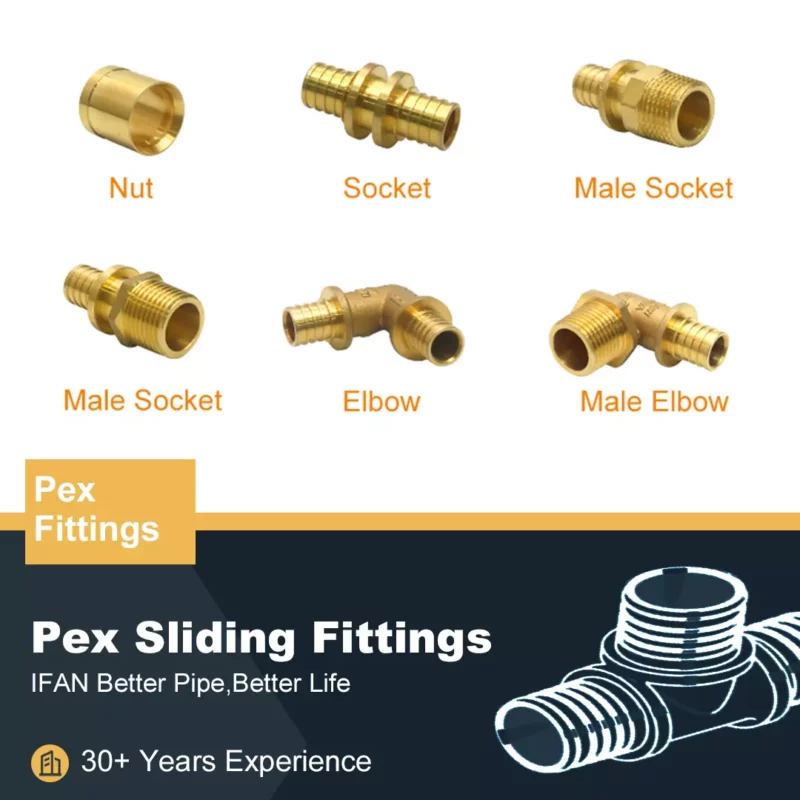
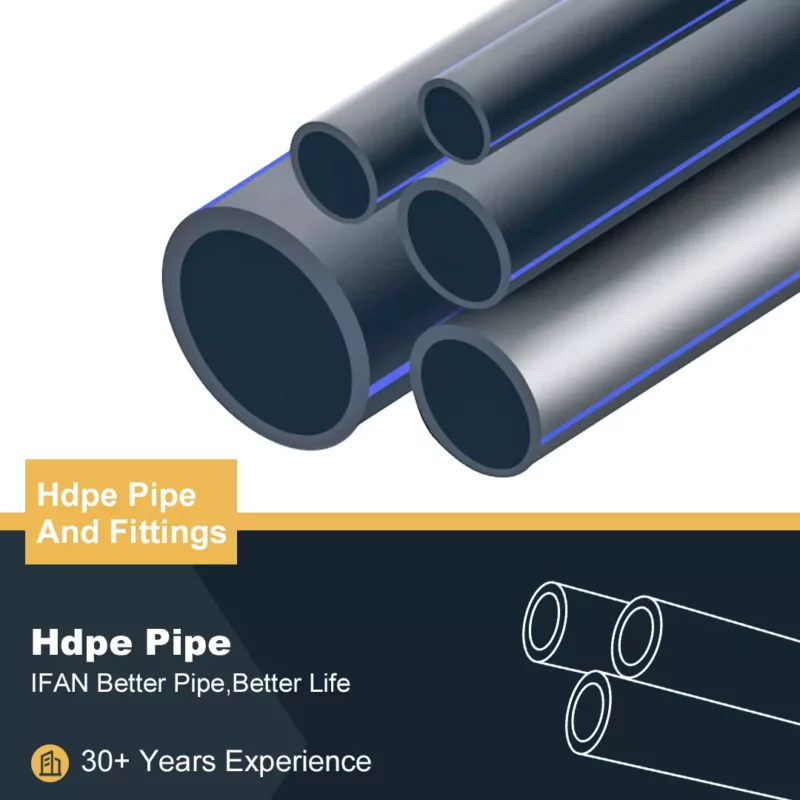
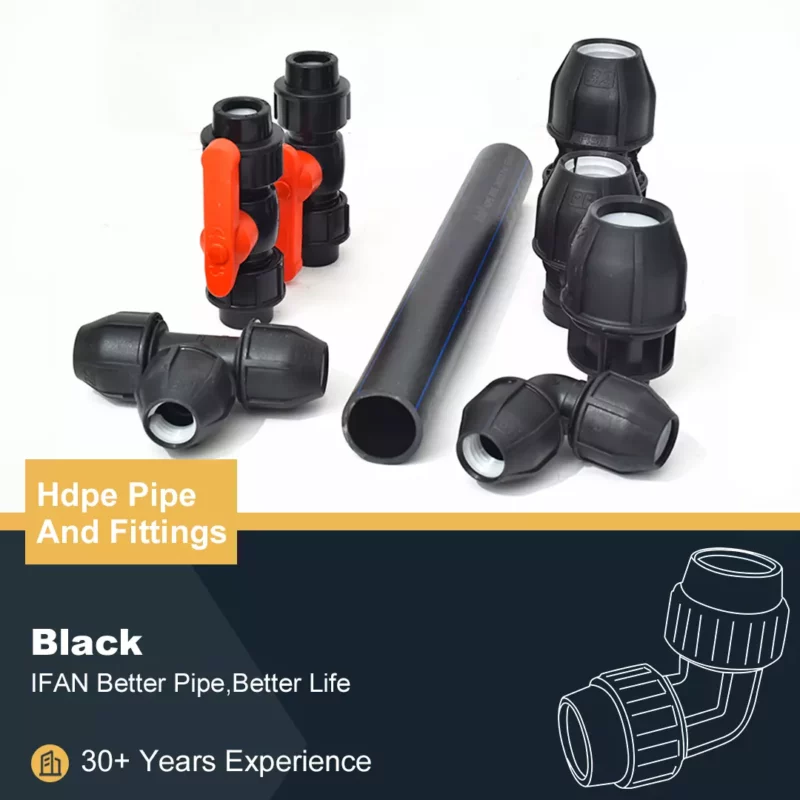
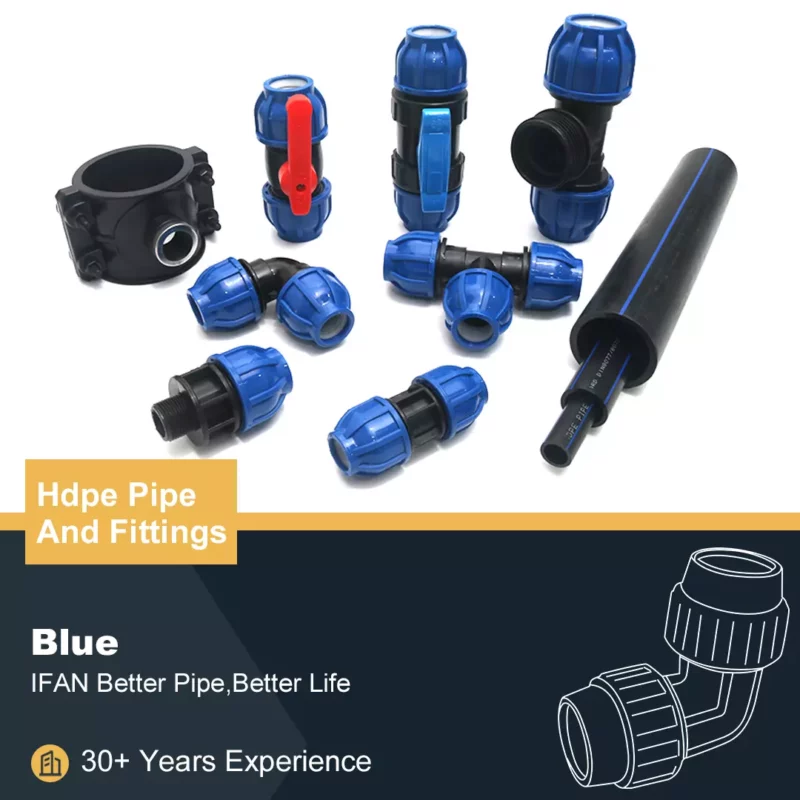
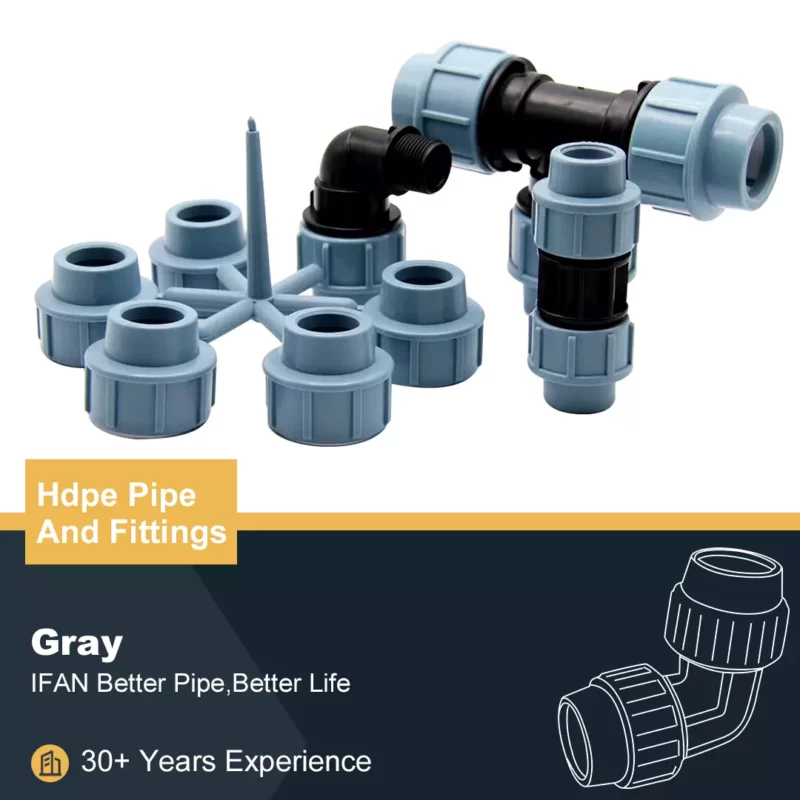



PPR pipe fittings connect and secure PPR pipes. They transport water and other fluids efficiently. Engineers use them in residential, commercial, and industrial plumbing systems. PPR fittings resist corrosion and high temperatures. They ensure durability and reliability in various applications.
Types of PPR Pipe Fittings
Manufacturers produce different PPR pipe fittings. Each type serves a specific purpose in plumbing systems. Understanding these types helps users select the right fitting.
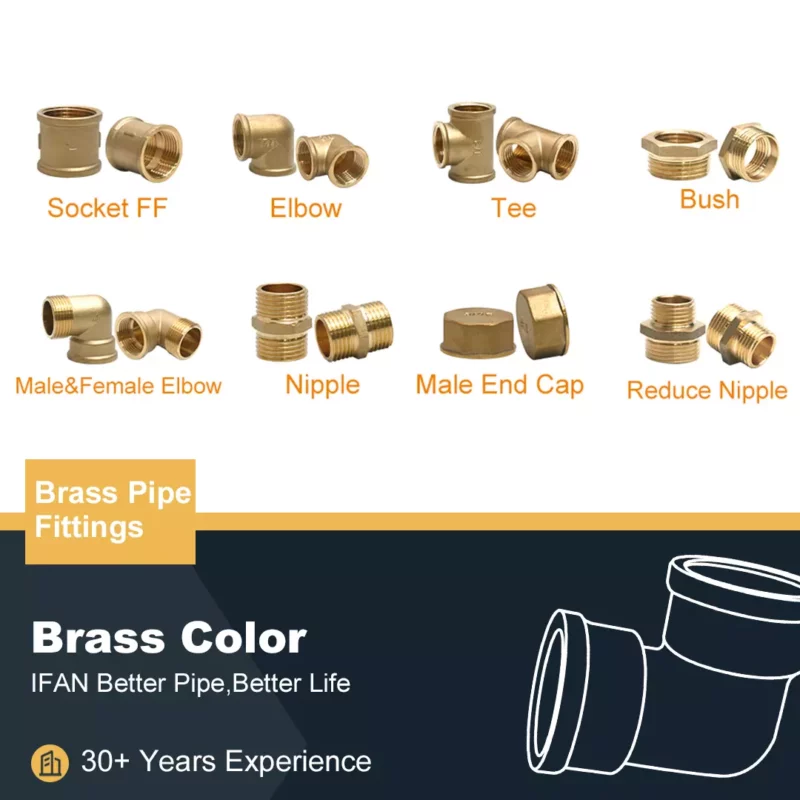
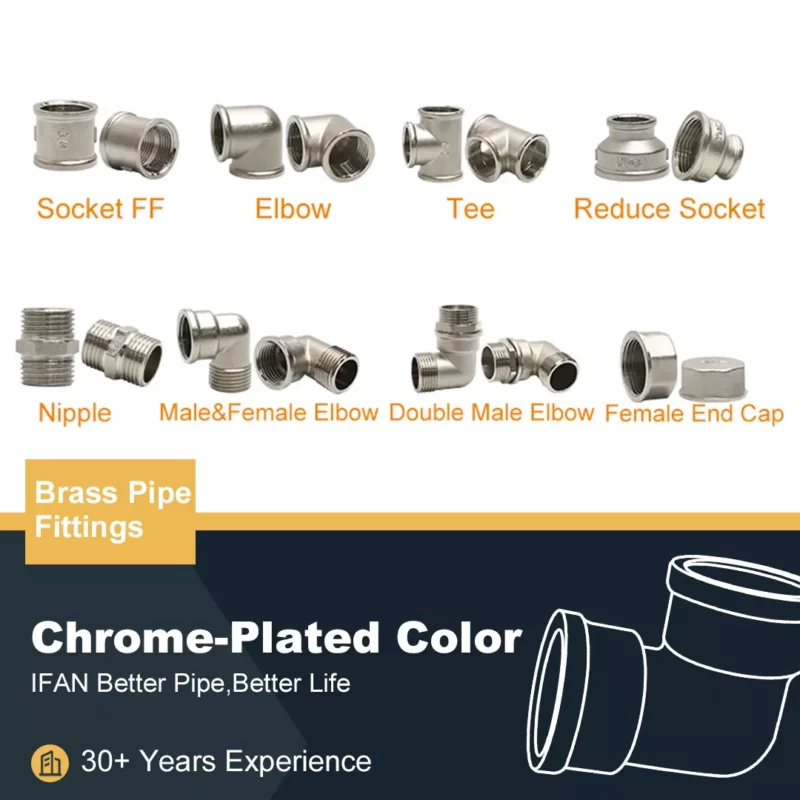
PPR Couplings
PPR couplings join two pipes of the same diameter. They create a leak-free connection. Plumbers use them to extend pipelines or repair broken sections.
PPR Elbows
PPR elbows change the direction of water flow. They come in 45-degree and 90-degree angles. Installers use them to navigate corners in plumbing systems.
PPR Tees
PPR tees split water flow into two directions. They allow multiple connections in a single system. Builders install them in branching pipeline networks.
PPR Reducers
PPR reducers connect pipes of different diameters. They maintain consistent flow rates. Engineers use them to transition between different pipe sizes.
PPR End Caps
PPR end caps seal the end of a pipeline. They prevent leaks and contamination. Workers install them in closed systems or during repairs.
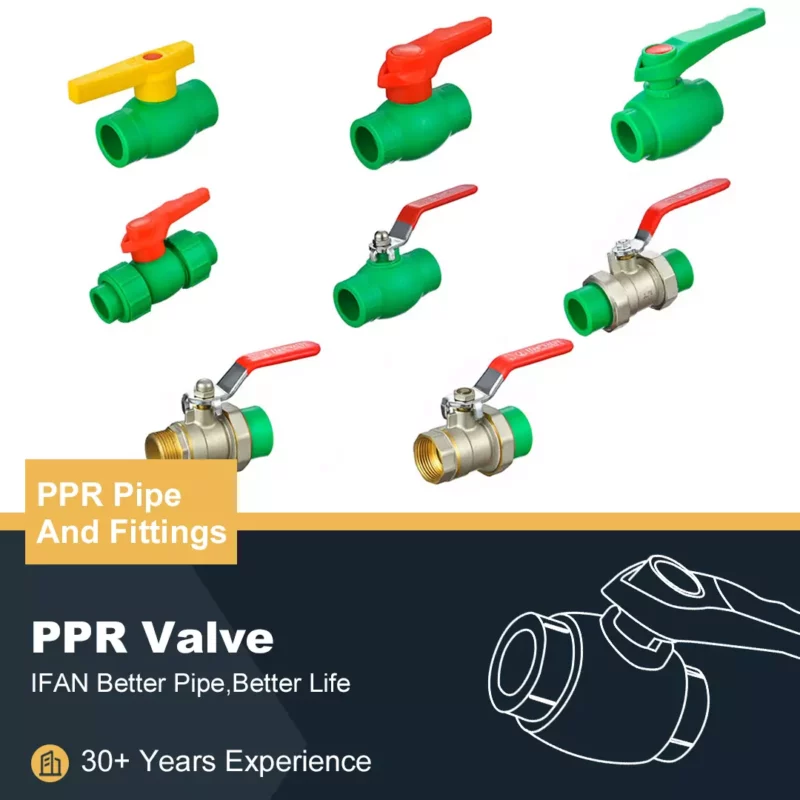
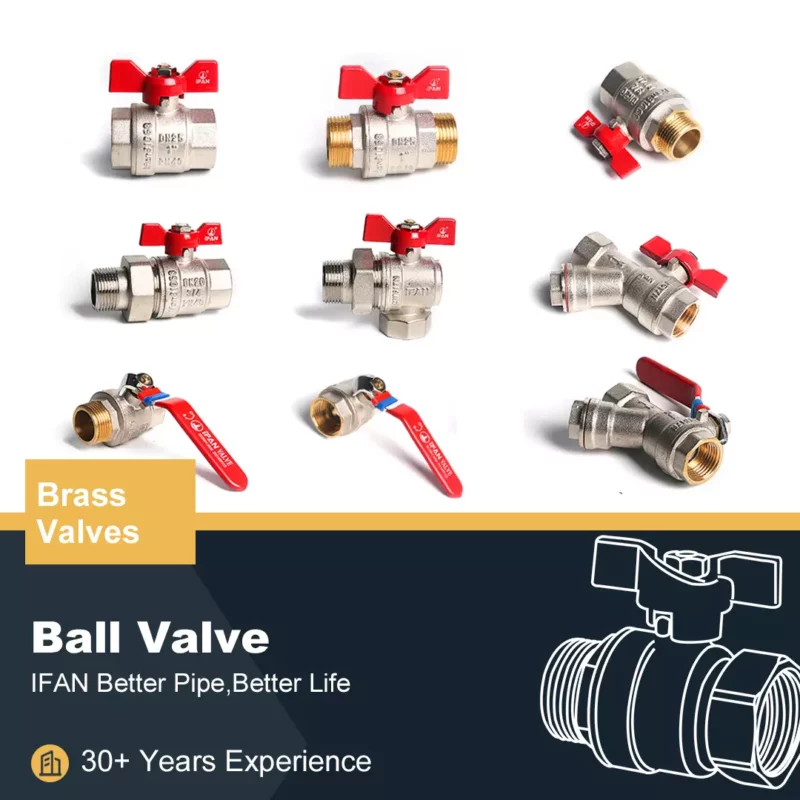
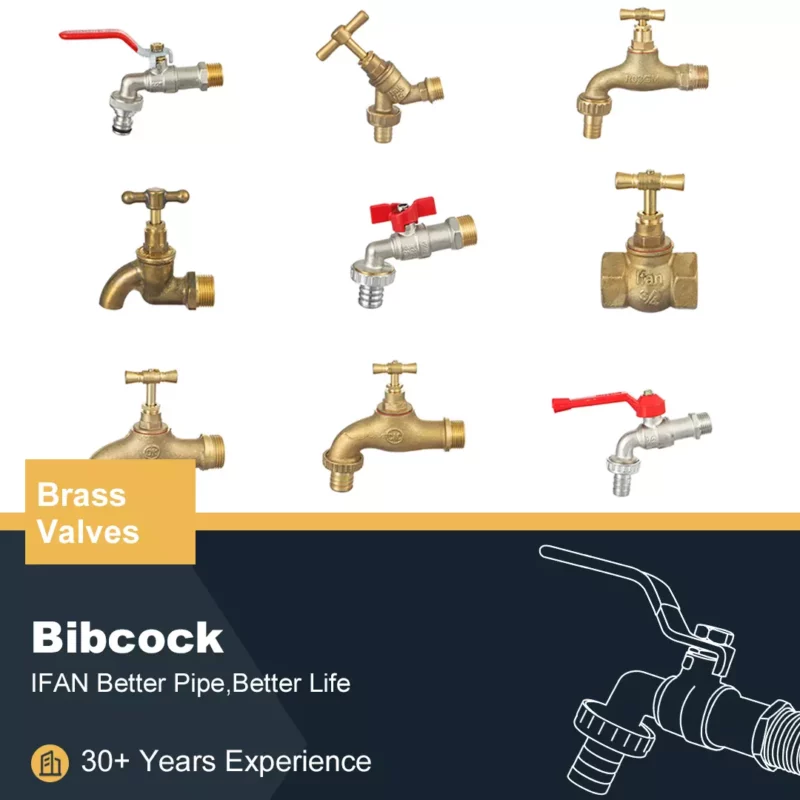
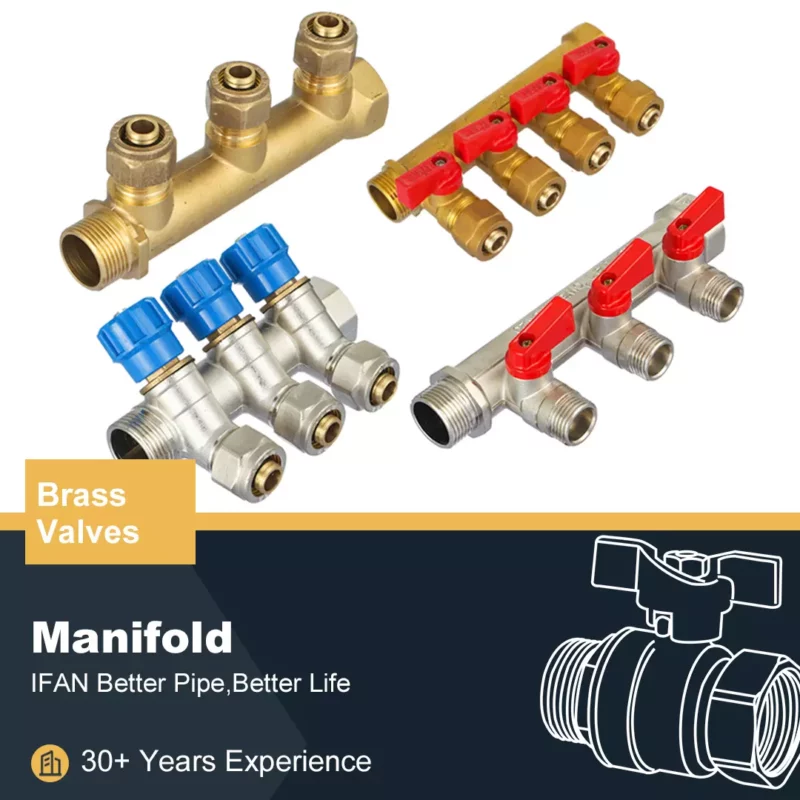
PPR Valves
PPR valves control water flow in a pipeline. They regulate pressure and prevent backflow. Plumbers install them in residential and industrial applications.
Applications of PPR Pipe Fittings
PPR pipe fittings support various industries. Their durability and safety make them ideal for different environments.
Residential Plumbing
Homeowners use PPR fittings in water supply systems. They provide clean and safe drinking water. Their resistance to heat makes them ideal for hot water lines.
Commercial Buildings
Engineers install PPR fittings in offices, hotels, and hospitals. These buildings require reliable plumbing systems. PPR fittings ensure efficient water distribution.
Industrial Systems
Factories and manufacturing plants use PPR fittings. They transport chemicals and other fluids safely. Their corrosion resistance ensures long-term performance.
Agricultural Irrigation
Farmers use PPR fittings in irrigation systems. They distribute water efficiently to crops. Their lightweight design makes installation easy.
Conclusion
PPR pipe fittings provide strong and reliable connections. Different types serve specific plumbing needs. Understanding their applications helps users choose the right fittings.
If you have read this article and have any questions, please feel free to contact IFAN. Below is our contact information:
Whatsapp:+86 13373827623
Email:[email protected]