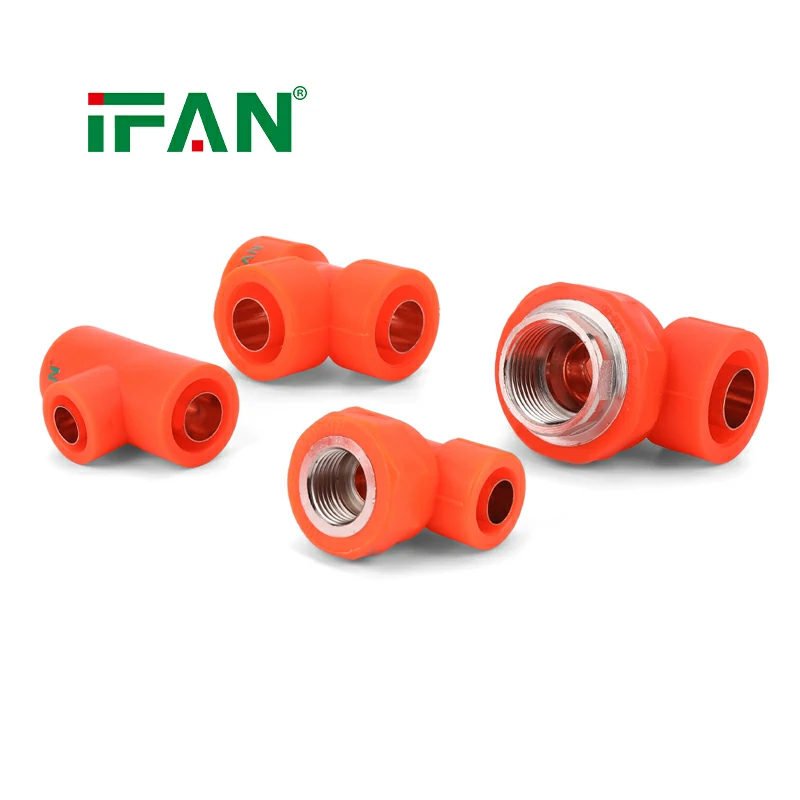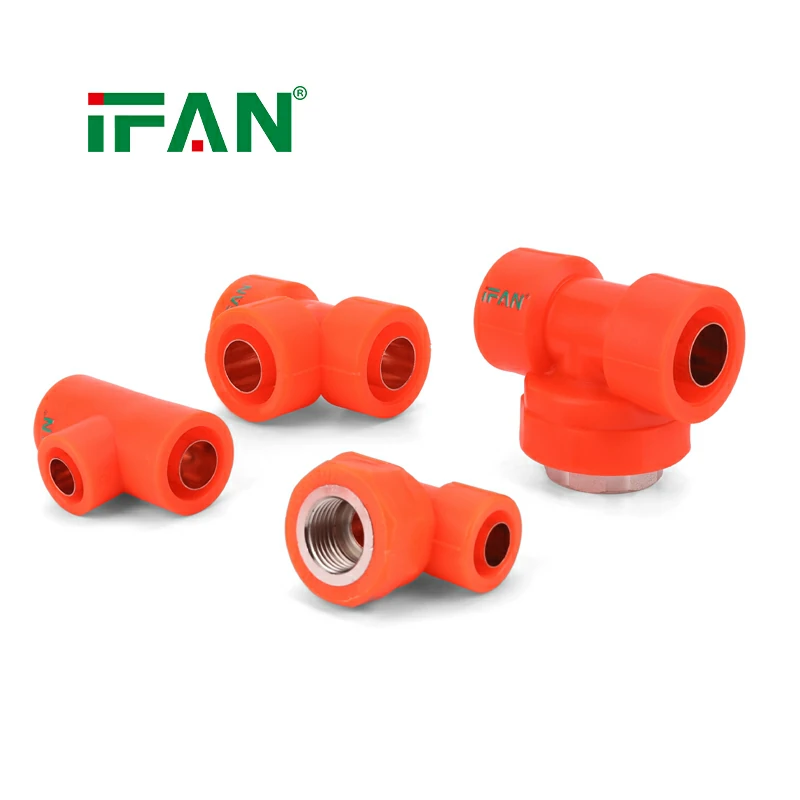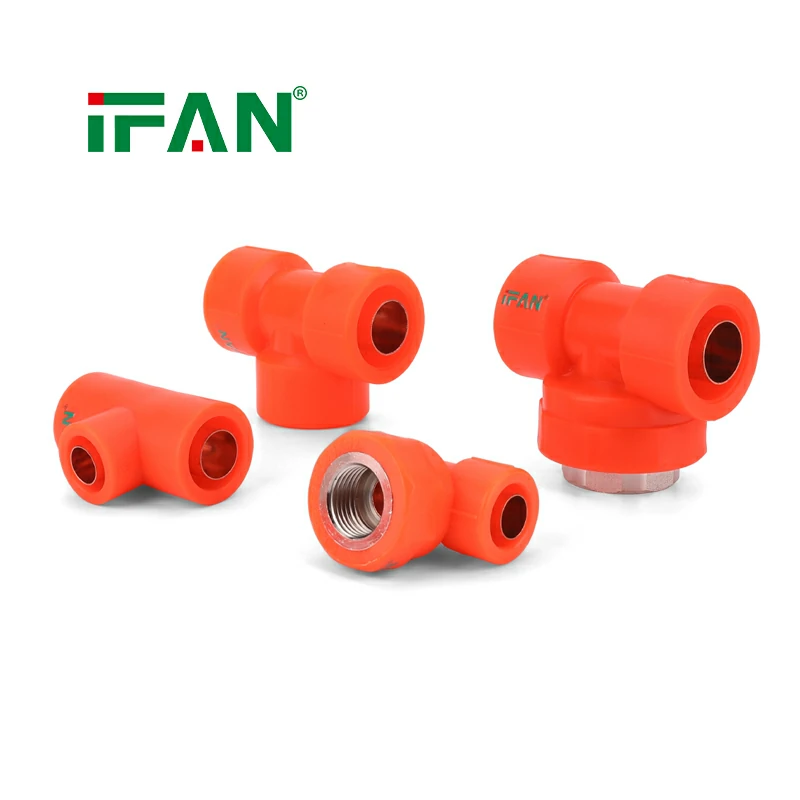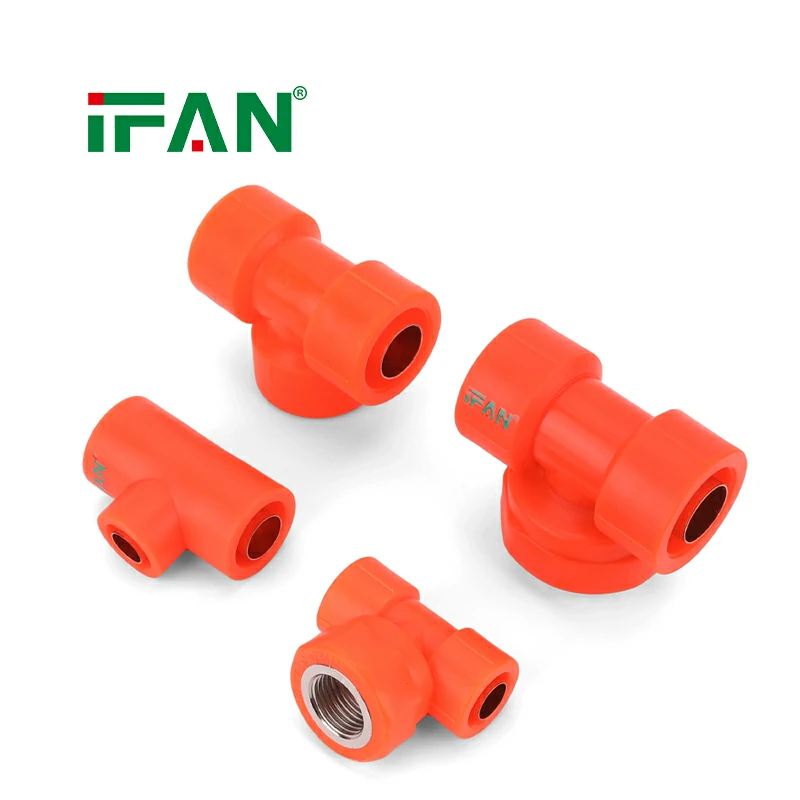
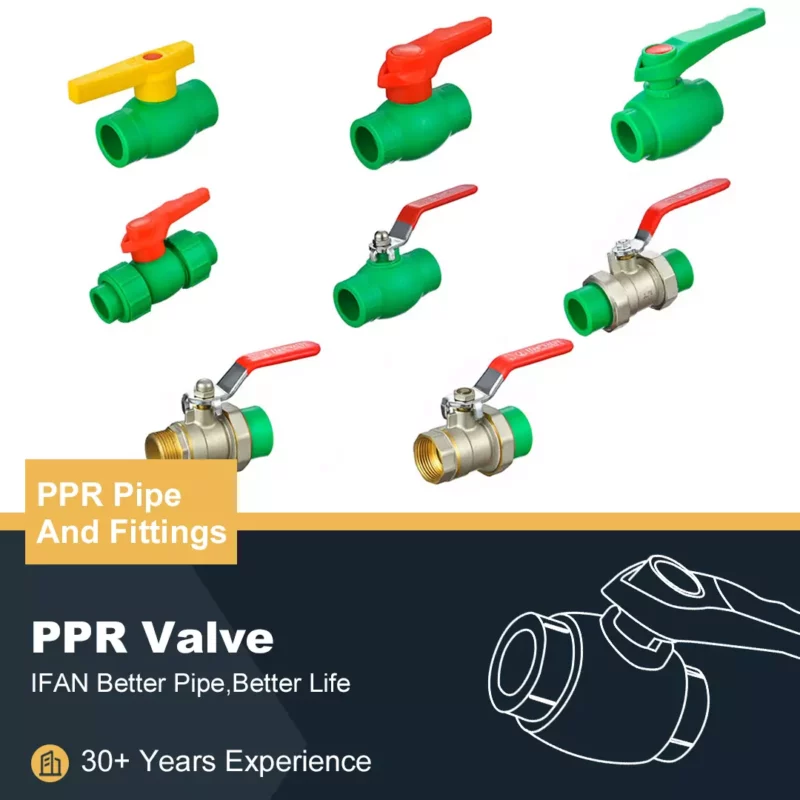
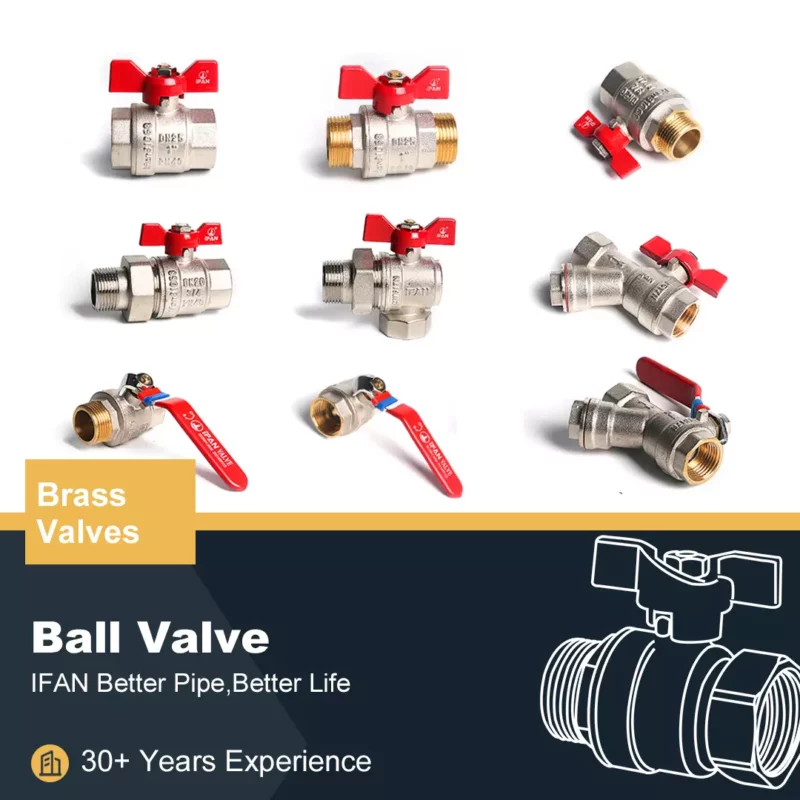
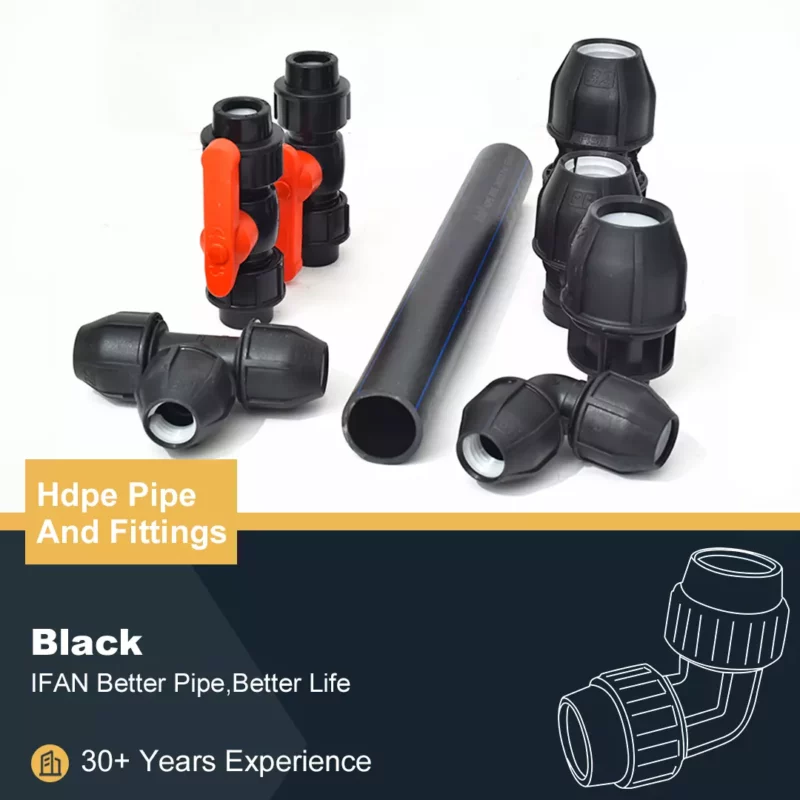
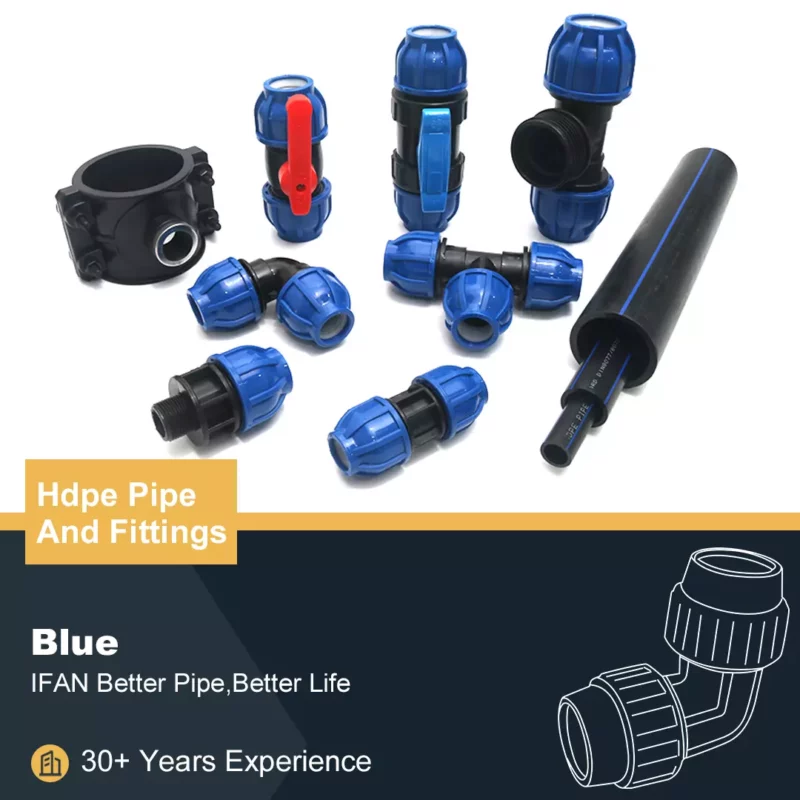



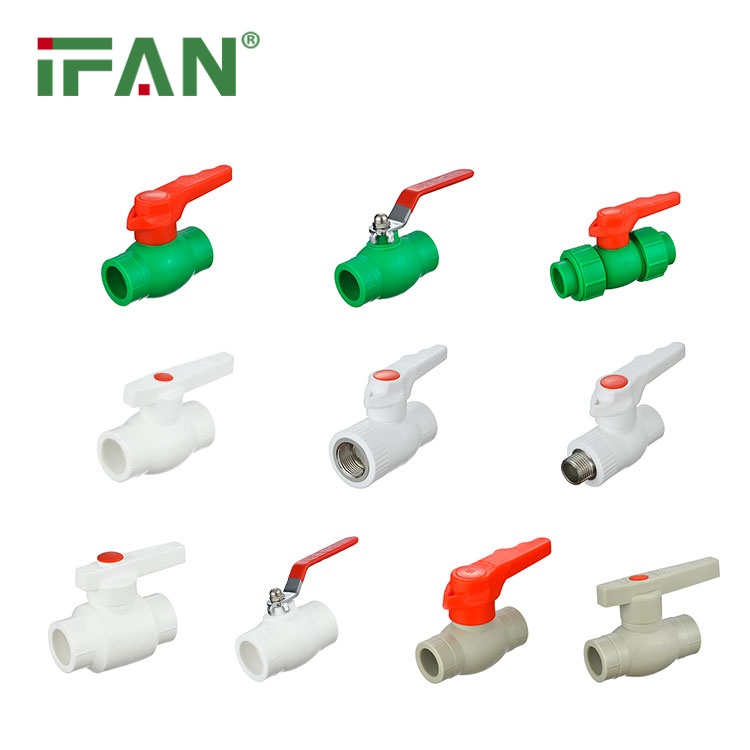
PPR (Polypropylene Random Copolymer) ball valves have gained popularity due to their ability to provide minimal flow resistance in plumbing systems. This feature makes them highly efficient in various applications, both residential and commercial. The low flow resistance of PPR ball valves ensures that water or other fluids can flow freely through the system without significant obstruction, contributing to the overall efficiency of the plumbing system. In this article, we will explore why PPR ball valves are designed to minimize flow resistance and the benefits this brings to plumbing systems.
Understanding Flow Resistance in Plumbing Systems
Flow resistance refers to the opposition to fluid movement within a piping system. Every time a fluid moves through a valve, pipe, or fitting, it experiences resistance. This resistance can reduce the efficiency of a system by lowering flow rates, increasing energy consumption, and potentially causing damage over time. In plumbing systems, flow resistance can result from the rough surfaces of pipes, fittings, or valves, which create friction that slows down fluid flow.
Minimizing flow resistance is crucial for maintaining an efficient and cost-effective system. Valves with low flow resistance help prevent unnecessary pressure drops, allowing fluid to flow more freely. This not only enhances system performance but also reduces the overall energy consumption needed to pump fluids through the system. PPR ball valves are specifically designed to minimize this resistance, ensuring that the flow remains smooth and uninterrupted.
The Design of PPR Ball Valves
The design of PPR ball valves plays a significant role in minimizing flow resistance. Unlike traditional metal valves, which can have rough, irregular surfaces that create turbulence and friction, PPR ball valves are constructed with a smooth, uniform inner surface. This smooth surface reduces the friction encountered by the fluid as it passes through the valve, resulting in less resistance to flow.
Additionally, the spherical ball inside the valve has a straight-through hole that allows the fluid to pass without significant obstruction. When the valve is open, the hole aligns with the pipe’s inlet and outlet, creating a clear path for fluid to flow. This design reduces the potential for turbulence, further minimizing flow resistance.
Advantages of Minimal Flow Resistance in Plumbing Systems
The minimal flow resistance provided by PPR ball valves offers several advantages to plumbing systems. One of the primary benefits is the improved flow rates. With reduced resistance, the fluid can move more quickly and efficiently through the system. This is especially important in systems that require consistent flow, such as hot water systems or irrigation systems.
Another advantage is the reduction in energy consumption. In systems with high flow resistance, pumps and other equipment must work harder to push the fluid through the pipes. This increases energy usage and operational costs. However, with PPR ball valves, the low flow resistance reduces the strain on pumps, leading to lower energy consumption and cost savings in the long term.
Enhanced System Efficiency with PPR Ball Valves
PPR ball valves are known for their ability to enhance the overall efficiency of plumbing systems. By reducing flow resistance, they help maintain consistent pressure and flow rates. This is particularly important in residential water supply systems, where a steady flow of water is necessary for daily activities such as showering, cooking, and cleaning.
In commercial and industrial systems, the efficiency of fluid flow is even more critical. Industries such as manufacturing, food processing, and chemical handling rely on precise control of fluid flow to ensure smooth operations. PPR ball valves with minimal flow resistance provide the reliability and performance needed in these demanding environments.
By improving flow efficiency, PPR ball valves help prevent issues such as pressure drops and uneven fluid distribution, which can lead to system malfunctions or breakdowns. Their ability to maintain optimal flow ensures that plumbing systems operate smoothly and effectively over time.
The Impact of Low Flow Resistance on Water Pressure
In plumbing systems, water pressure is a crucial factor in determining how well water can flow through the system. High flow resistance can lead to significant pressure drops, especially over long distances or through multiple fittings. When water pressure decreases, it can result in poor flow rates, reduced system performance, and even increased wear and tear on pumps and pipes.
PPR ball valves, with their minimal flow resistance, help maintain consistent water pressure throughout the system. By allowing water to flow freely with less obstruction, these valves prevent pressure drops, ensuring that water reaches its destination with the proper force and velocity. This is especially important in systems with high-demand requirements, such as multi-story buildings or large commercial facilities.
PPR Ball Valves and Energy Savings
In addition to maintaining consistent water pressure, PPR ball valves contribute to significant energy savings. Plumbing systems that experience high flow resistance require pumps and other equipment to work harder to maintain the desired flow rate. This increased workload leads to higher energy consumption and operating costs.
By reducing flow resistance, PPR ball valves lower the energy needed to move fluids through the system. This translates into reduced electricity usage, making the system more energy-efficient. For residential, commercial, and industrial users, this reduction in energy consumption can lead to lower utility bills and a more environmentally-friendly operation. Over time, these energy savings can offset the initial installation cost of the valves, making them a cost-effective choice.
Corrosion Resistance and Flow Efficiency
PPR ball valves not only offer minimal flow resistance, but they also provide excellent corrosion resistance. Traditional metal valves are prone to rust and corrosion, which can affect their performance and increase flow resistance over time. As metal valves corrode, the inner surface becomes rougher, leading to increased friction and decreased flow efficiency.
PPR valves, however, are made from corrosion-resistant polypropylene, which ensures that the valve’s smooth surface remains intact for years. This resistance to corrosion helps maintain low flow resistance throughout the valve’s lifespan, ensuring that the plumbing system continues to operate efficiently. Additionally, the lack of corrosion prevents mineral buildup and scale, which can further hinder flow and system performance.
Applications of PPR Ball Valves
PPR ball valves are used in a wide range of applications where minimal flow resistance is crucial. In residential settings, these valves are commonly installed in water supply lines, hot water systems, and heating systems. Their low flow resistance ensures that water flows efficiently to faucets, showers, and appliances, improving overall system performance.
In commercial and industrial systems, PPR ball valves are used in heating, cooling, and fluid transfer systems. Industries such as agriculture, food processing, and chemical manufacturing benefit from the ability of PPR ball valves to provide precise control over fluid flow without introducing significant resistance. Their reliability and efficiency make them ideal for both low-pressure and high-pressure systems.
Conclusion
PPR ball valves offer minimal flow resistance, making them an excellent choice for plumbing systems across various applications. Their smooth inner surface, simple design, and resistance to corrosion ensure that fluids flow efficiently, without unnecessary obstruction. This reduction in flow resistance leads to improved flow rates, consistent water pressure, and energy savings. PPR ball valves are not only cost-effective but also contribute to the overall efficiency and longevity of plumbing systems. Whether used in residential, commercial, or industrial settings, PPR ball valves guarantee reliable and efficient fluid control, ensuring the long-term success of the system.
If you have read this article and have any questions, please feel free to contact IFAN. Below is our contact information:
Whatsapp:+86 13373827623
Email:[email protected]