

In plumbing systems, maintaining smooth, efficient water flow under varying conditions is crucial. Among various valve types, PPR (Polypropylene Random Copolymer) ball valves stand out due to their high-temperature resistance. These valves are designed to perform well even in extreme conditions, making them ideal for both residential and industrial applications. Their ability to withstand high temperatures without compromising performance offers significant advantages over traditional metal valves. This article explores the high-temperature resistance benefits of PPR ball valves, highlighting why they are a preferred choice for many industries and plumbing systems.
What Are PPR Ball Valves?
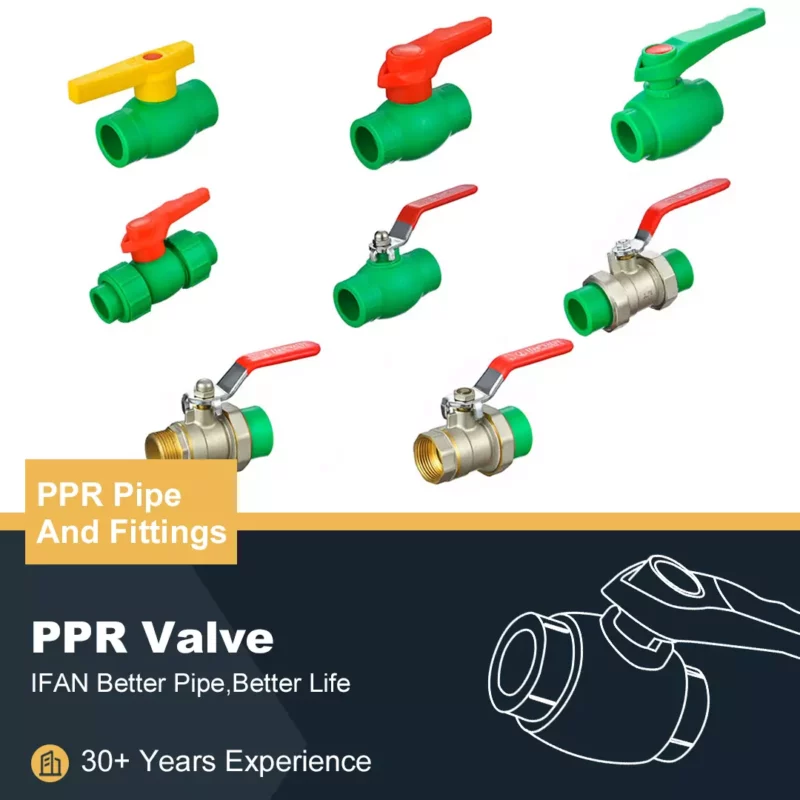
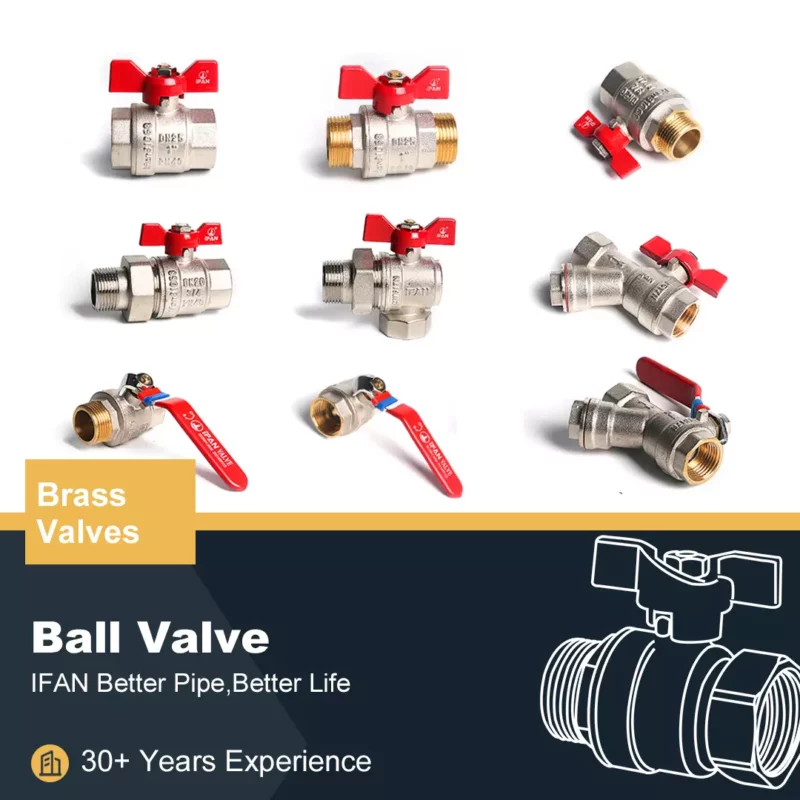
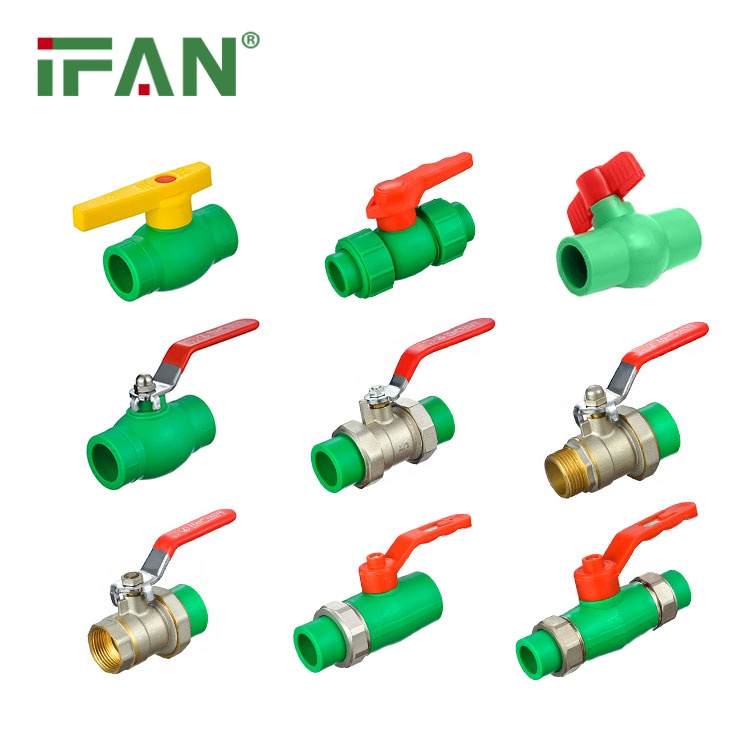
PPR ball valves are devices used to control the flow of water or other fluids in a piping system. These valves consist of a spherical ball with a hole through the middle. When the valve handle is turned, the ball rotates to either allow or block the flow of fluid. PPR, or Polypropylene Random Copolymer, is the material used to make the valve body. Known for its excellent thermal stability, chemical resistance, and durability, PPR is an ideal material for valves exposed to high temperatures. These properties make PPR ball valves an excellent choice for plumbing systems that require reliable and long-lasting performance in demanding environments.
The Importance of High-Temperature Resistance
High-temperature resistance is essential in many plumbing and industrial applications, especially those that involve hot water, steam, or high-pressure fluid systems. Valves exposed to high temperatures are prone to degradation, weakening, and failure if they are not made from appropriate materials. Traditional metal valves often suffer from issues such as corrosion, rust, and warping under heat, reducing their lifespan and efficiency. PPR ball valves, however, are specifically designed to withstand high temperatures without experiencing these problems. The ability of PPR valves to maintain structural integrity and functionality in extreme conditions makes them more reliable in systems that operate at elevated temperatures.
PPR Ball Valves: Temperature Tolerance
PPR ball valves can handle temperatures up to 95°C (203°F), depending on the specific model and application. This makes them suitable for use in hot water supply systems, underfloor heating, and heating processes in industrial settings. In contrast, many traditional plastic or metal valves may only perform adequately up to temperatures of 60°C to 70°C (140°F to 158°F), limiting their applicability in high-temperature systems. The superior temperature tolerance of PPR ball valves ensures they continue to function effectively without weakening or becoming brittle, even when exposed to higher heat levels.
Benefits of High-Temperature Resistance in Residential Systems
In residential plumbing, high-temperature resistance is essential for systems that provide hot water for daily use. PPR ball valves are commonly used in hot water supply lines, underfloor heating systems, and heating boilers due to their ability to maintain structural integrity in hot environments. These valves ensure smooth and reliable water flow, even when subjected to water temperatures exceeding 90°C. The high-temperature resistance of PPR ball valves not only guarantees performance but also enhances the lifespan of the entire plumbing system. Homeowners can rely on PPR ball valves for long-lasting, efficient, and safe hot water systems.
Industrial Applications of High-Temperature PPR Ball Valves
High-temperature PPR ball valves are equally beneficial in industrial applications. In industries such as chemical processing, manufacturing, and water treatment, there is often a need to control fluids at elevated temperatures. PPR ball valves are suitable for these systems, where they are exposed to hot water, steam, or other high-temperature fluids. The ability of PPR valves to maintain high performance without degradation under heat makes them ideal for use in industrial boilers, steam lines, and heating systems. Furthermore, these valves’ resistance to corrosion ensures that they remain functional even when dealing with chemically aggressive fluids at high temperatures.
Enhanced Safety in High-Temperature Systems
In high-temperature fluid systems, safety is a critical concern. Valves that are not designed to withstand high temperatures can fail, leading to leaks, ruptures, or even dangerous accidents. PPR ball valves, with their high-temperature resistance, reduce the likelihood of valve failure under extreme conditions. Their ability to remain stable and leak-free even in hot environments ensures the safety of the entire system. For industries that handle hot water or steam, the use of PPR ball valves minimizes the risk of accidents, improves operational safety, and prevents costly downtime due to valve failure.
Resistance to Thermal Cycling
Thermal cycling is a phenomenon that occurs when temperatures fluctuate between high and low levels over time. Many materials, especially metals and standard plastics, struggle with the expansion and contraction that result from thermal cycling. This can cause cracks, leaks, or deformation in the material. PPR ball valves, however, are resistant to the effects of thermal cycling due to the stability of polypropylene. Even after repeated exposure to temperature fluctuations, PPR ball valves maintain their structural integrity and functionality. This feature makes them an ideal choice for applications where temperature variations are frequent, such as in industrial heating systems or outdoor plumbing installations.
Longer Lifespan and Reduced Maintenance Costs
The high-temperature resistance of PPR ball valves contributes to their longevity. Unlike metal valves that can corrode or weaken over time, PPR valves maintain their strength and performance in hot environments. As a result, they require fewer replacements and repairs, leading to reduced maintenance costs for the system. In the long run, the durability of PPR ball valves results in significant cost savings for both residential and industrial users. The extended lifespan of these valves ensures a reliable, cost-effective solution for controlling fluid flow in high-temperature systems.
Environmental Benefits of PPR Ball Valves
Another advantage of PPR ball valves is their environmental friendliness. Polypropylene, the material used in these valves, is a recyclable plastic that has a lower environmental impact compared to metals. By choosing PPR ball valves, industries and homeowners can reduce their carbon footprint. Additionally, the long lifespan and reduced maintenance requirements of PPR ball valves minimize waste, as fewer replacements and repairs are needed. This makes PPR valves a more sustainable option for plumbing and fluid control systems, contributing to environmental conservation efforts.
Cost-Effectiveness of PPR Ball Valves
While PPR ball valves may have a higher initial cost than some traditional valve types, their long-term benefits make them a cost-effective choice. Their high-temperature resistance, durability, and reduced maintenance needs ensure that they offer significant savings over time. The longevity of PPR ball valves reduces the frequency of replacements and repairs, which translates into lower overall maintenance costs. Additionally, the improved efficiency of high-temperature PPR valves can help reduce energy consumption in heating systems, further decreasing operational costs. Overall, PPR ball valves provide an affordable and reliable solution for high-temperature fluid control.
Conclusion
In conclusion, PPR ball valves offer significant advantages in high-temperature environments. Their ability to withstand temperatures up to 95°C without compromising performance makes them ideal for both residential and industrial applications. The high-temperature resistance of these valves ensures reliability, safety, and longevity, even in demanding systems. Their resistance to corrosion, thermal cycling, and wear under heat also contributes to their durability and minimal maintenance requirements. Whether for hot water systems, industrial heating, or chemical processing, PPR ball valves provide a cost-effective, efficient, and safe solution for fluid control. Choosing PPR ball valves for high-temperature applications ensures long-lasting performance and reduces the need for frequent repairs or replacements.
If you have read this article and have any questions, please feel free to contact IFAN. Below is our contact information:
Whatsapp:+86 13373827623
Email:[email protected]