


Introduction
PVC (Polyvinyl Chloride) pipe has become one of the most popular materials used in plumbing and construction. Its strength, durability, and lightweight nature make it an ideal choice for various applications, including water supply, drainage systems, and electrical conduits. PVC pipes have revolutionized industries worldwide by offering cost-effective, reliable, and long-lasting solutions. This article explores the strength, durability, and lightweight nature of PVC pipes, explaining why they are favored in both residential and industrial applications.
What is PVC Pipe?
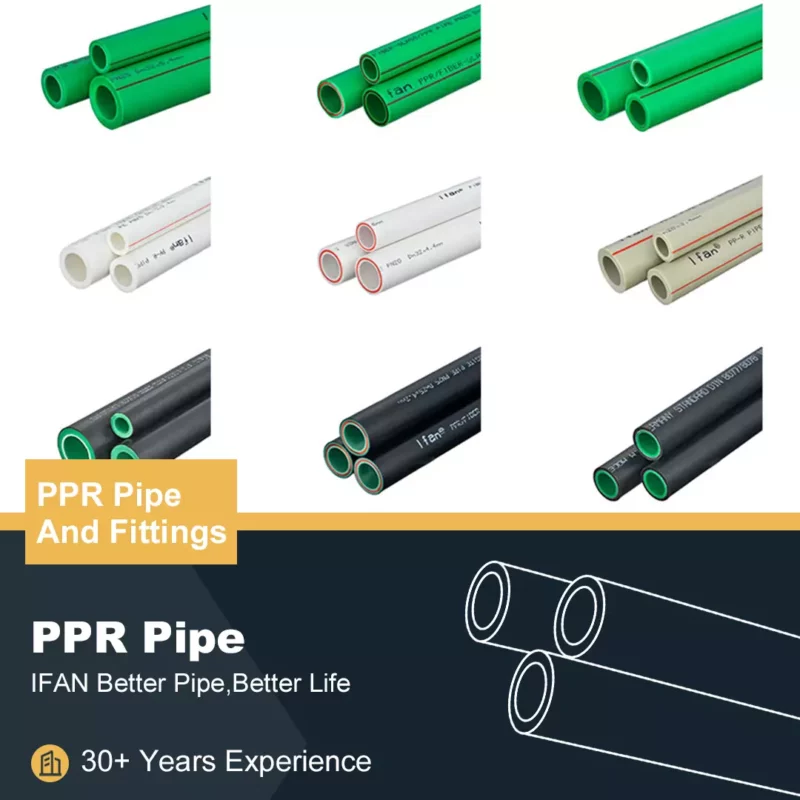
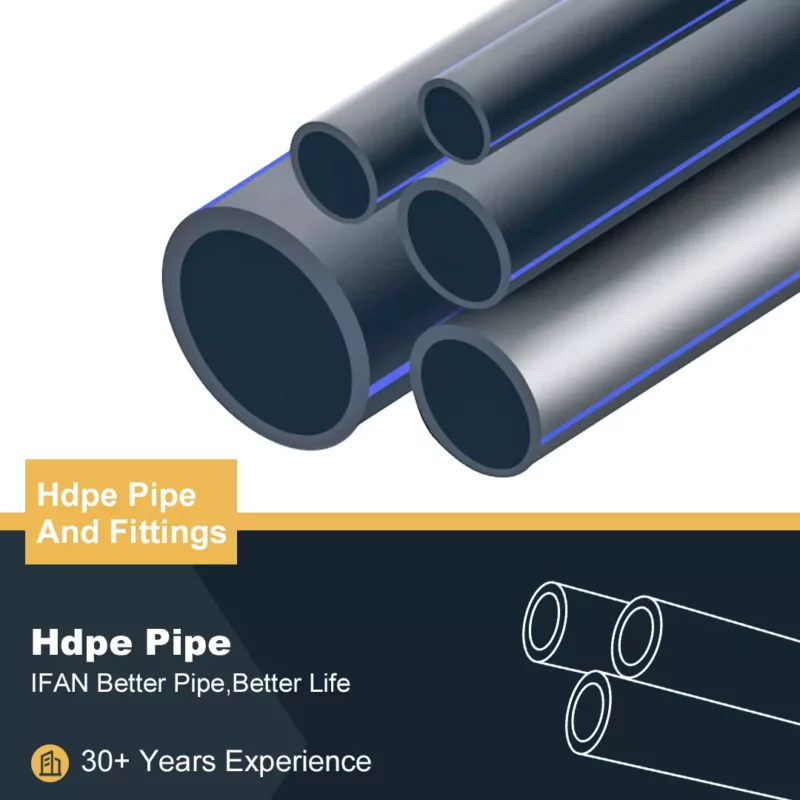
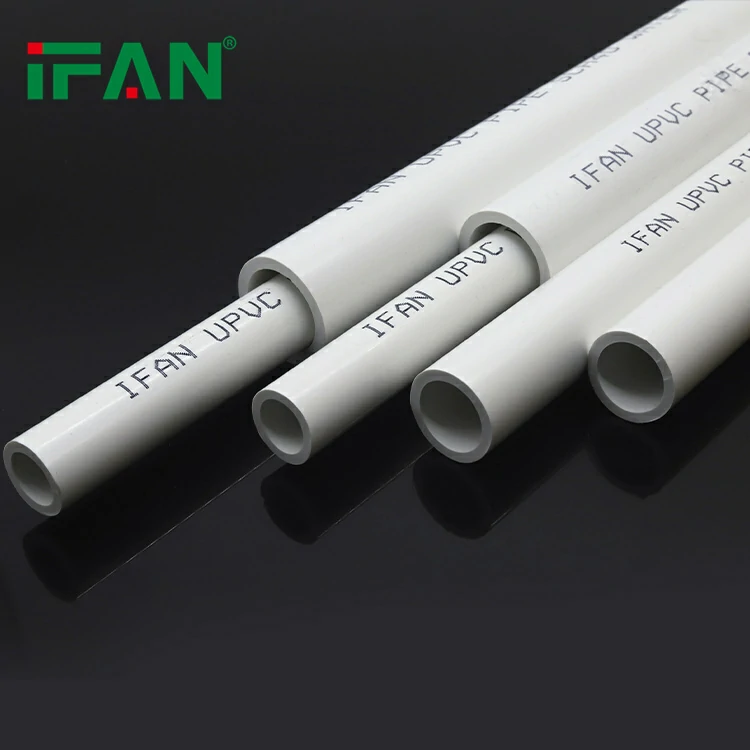
PVC pipe is made from Polyvinyl Chloride, a type of plastic that is processed into rigid tubes or pipes. It is available in various diameters and lengths, allowing it to cater to a wide range of applications. PVC pipes are typically manufactured using extrusion methods, which produce long lengths that are cut to size.
These pipes are highly versatile, resistant to various chemicals, and capable of withstanding a range of temperatures. Their design and composition allow them to perform effectively in plumbing systems, irrigation networks, and electrical installations. The unique properties of PVC pipes, such as their lightweight construction, make them easy to handle, transport, and install.
Strength of PVC Pipes
Despite being lightweight, PVC pipes are incredibly strong. They can withstand high internal pressures, making them ideal for water supply systems and industrial pipelines. PVC pipes have excellent resistance to impact and can handle mechanical stresses without cracking or breaking. This strength is particularly important in construction and plumbing, where the integrity of pipes is crucial.
PVC pipes are designed to maintain their structural integrity even under stress. The internal pressure from water flowing through the pipes is evenly distributed, preventing rupture. Additionally, PVC pipes do not warp or deform over time, which ensures their reliability in long-term use. This makes PVC pipes a preferred choice in areas where durability and strength are required, such as water mains, sewage lines, and industrial fluid transport systems.
Durability of PVC Pipes
One of the standout features of PVC pipes is their impressive durability. PVC is highly resistant to corrosion, making it an ideal material for plumbing and industrial applications exposed to moisture and chemicals. Unlike metal pipes, which are prone to rust and corrosion over time, PVC pipes maintain their strength and functionality without degrading.
The durability of PVC pipes is enhanced by their resistance to various environmental stressors, including UV radiation, high temperatures, and freezing conditions. PVC pipes do not suffer from the degradation caused by weathering or temperature fluctuations, which makes them suitable for outdoor applications. Their resilience to environmental elements ensures that they provide long-term performance with minimal maintenance.
Furthermore, PVC pipes are resistant to biological growth, including algae, bacteria, and mold. This characteristic makes them a reliable option for plumbing systems that handle wastewater or agricultural irrigation, where the growth of organisms inside pipes can lead to blockages and system inefficiencies.
Lightweight and Easy to Handle
PVC pipes are significantly lighter than metal alternatives like steel or copper. This lightweight nature makes PVC pipes easier to transport, handle, and install. The reduced weight lowers the risk of injury during installation and allows for faster, more efficient work. Workers can maneuver larger sections of pipe with less effort, saving time and labor costs.
The lightweight quality of PVC pipes also simplifies storage and transportation. Large quantities of pipes can be shipped and stored with ease, reducing logistical challenges. Additionally, the flexibility in handling and installation reduces the overall costs associated with pipe handling and setup.
Cost-Effectiveness
PVC pipes are not only strong and durable, but they are also highly cost-effective. The material itself is affordable compared to metals like copper, steel, and brass. In addition to the lower material costs, the lightweight nature of PVC reduces transportation and handling expenses. PVC pipes also require less labor to install, which results in further savings for contractors and homeowners.
Moreover, the long lifespan of PVC pipes, due to their resistance to corrosion, minimizes the need for frequent repairs and replacements. This reduces ongoing maintenance costs and makes PVC pipes a smart long-term investment. The overall affordability and low maintenance of PVC pipes make them a top choice for both residential and commercial plumbing systems.
Resistance to Corrosion
Unlike metal pipes, which are prone to rust and corrosion when exposed to water and oxygen, PVC pipes are virtually immune to corrosion. This resistance is one of the key factors that contribute to the long-lasting performance of PVC pipes. In environments where metal pipes would deteriorate over time, PVC pipes continue to function without degradation.
Corrosion in metal pipes can lead to leaks, system inefficiencies, and potential contamination of water supply. With PVC pipes, the risk of corrosion is eliminated, ensuring a clean, uninterrupted flow of water or other fluids. This corrosion resistance makes PVC pipes especially valuable in coastal regions or areas with highly corrosive water, where metal pipes would typically have a shorter lifespan.
Versatility in Applications
PVC pipes are incredibly versatile and are used in a wide variety of applications across different industries. In plumbing, PVC is commonly used for water supply lines, drain-waste-vent systems, and sewer lines. Its versatility extends to irrigation systems, where PVC pipes are used to transport water across agricultural fields, ensuring efficient water usage.
In addition to plumbing and irrigation, PVC pipes are also used in electrical installations. The pipes are used to protect wiring from environmental damage, preventing short circuits and other electrical hazards. PVC pipes are also used in industrial fluid transport systems, where they carry chemicals, gases, and other substances safely and efficiently.
This versatility allows PVC pipe to meet the needs of various industries, including construction, agriculture, manufacturing, and utilities. Whether it’s for residential plumbing, large-scale infrastructure projects, or specialized industrial processes, PVC pipes are a reliable and flexible solution.
Ease of Installation
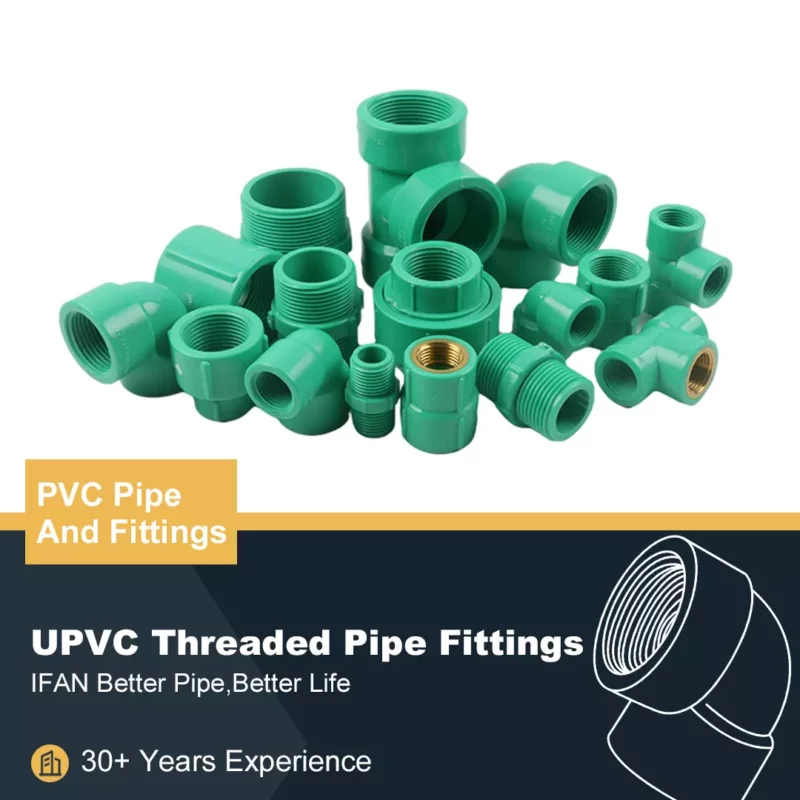
Installing PVC pipe is relatively simple compared to other materials. The process typically involves joining sections of pipe using solvent cement or threaded fittings. This ease of installation reduces labor costs and installation time, making it a preferred choice for contractors and DIY enthusiasts alike.
Additionally, the lightweight nature of PVC pipes means that they do not require heavy machinery or equipment for handling. This simplicity and speed of installation make PVC pipes an ideal choice for both large and small projects, contributing to significant time and cost savings.
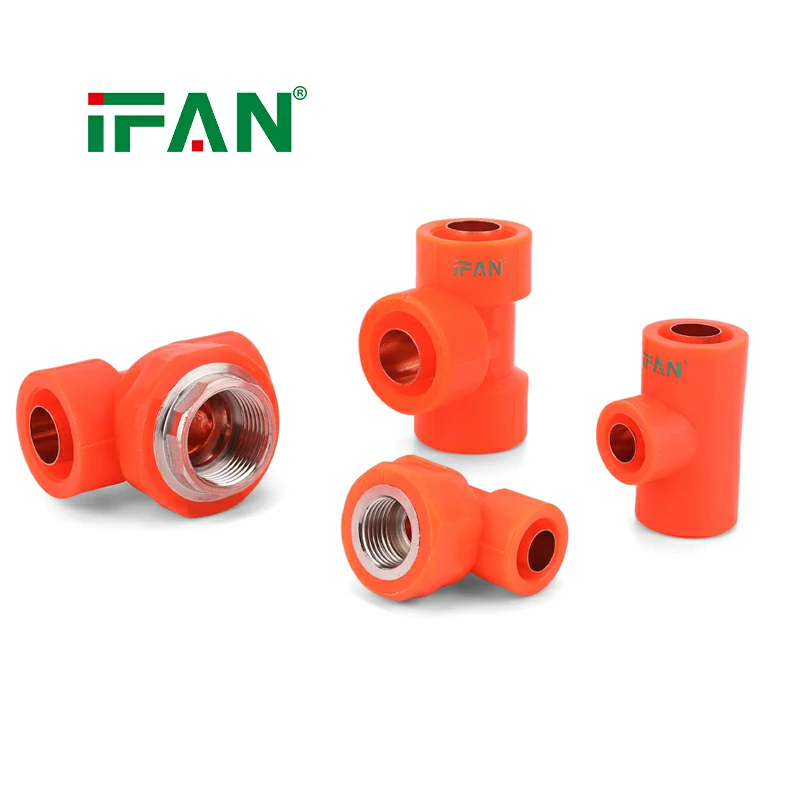
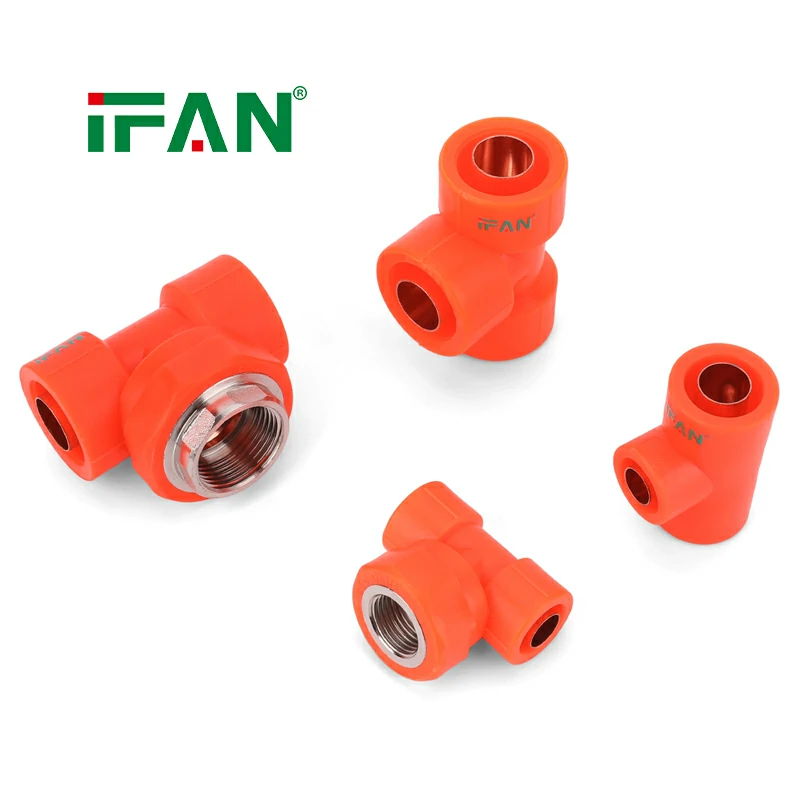
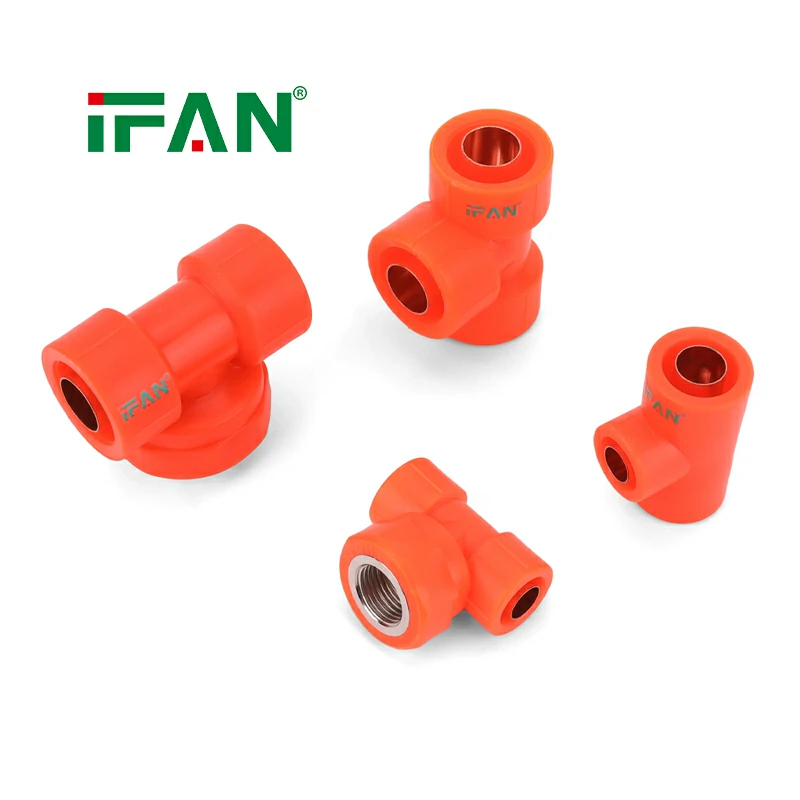
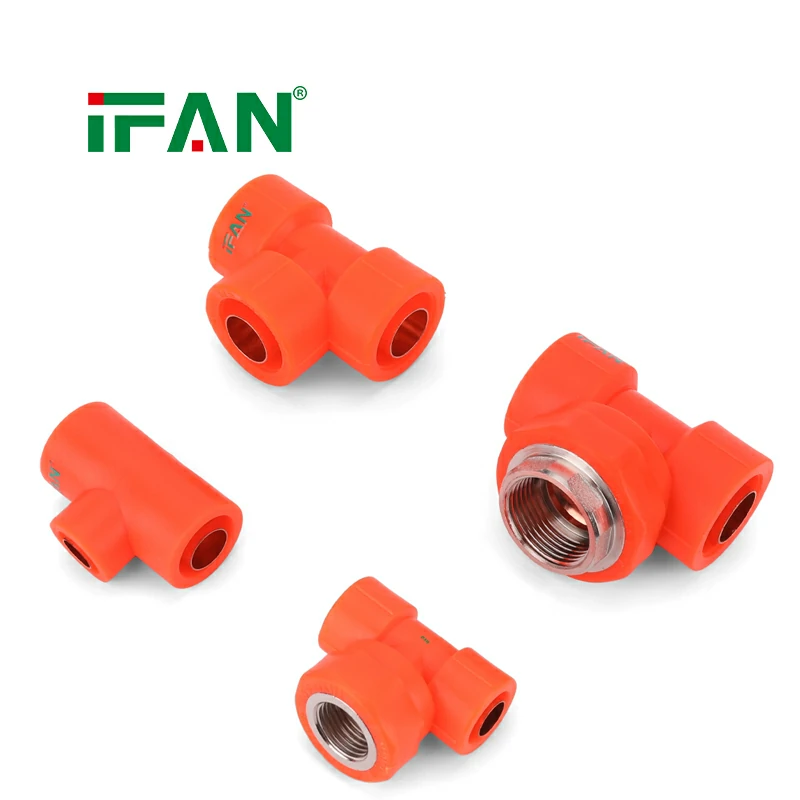
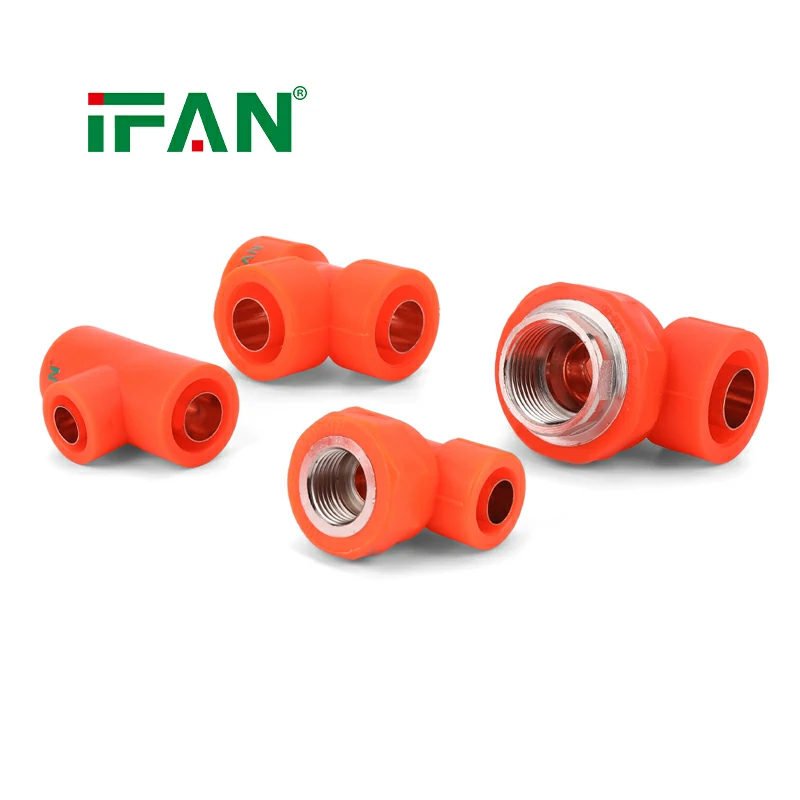
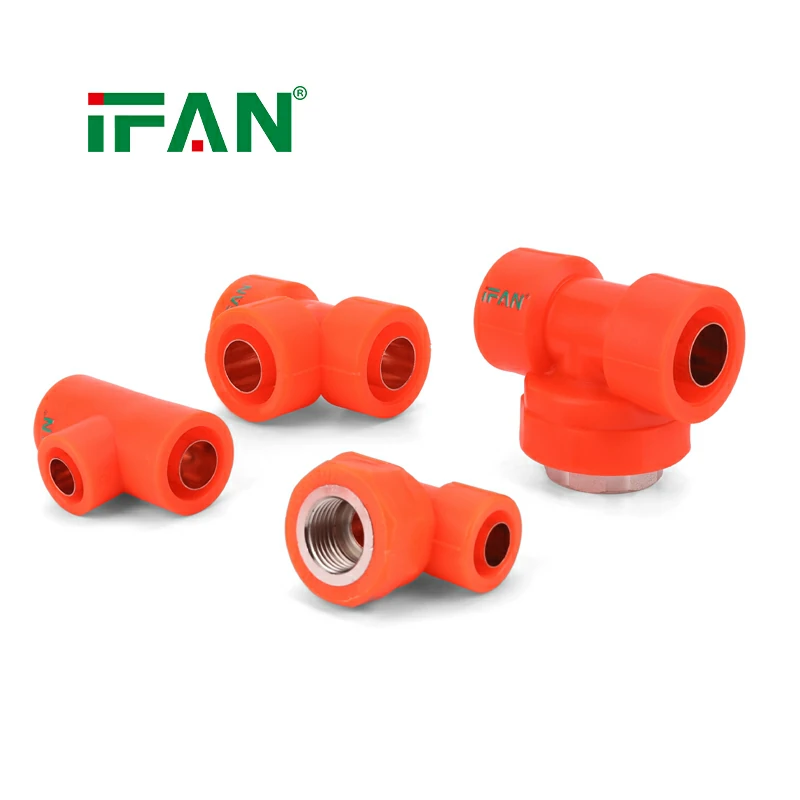
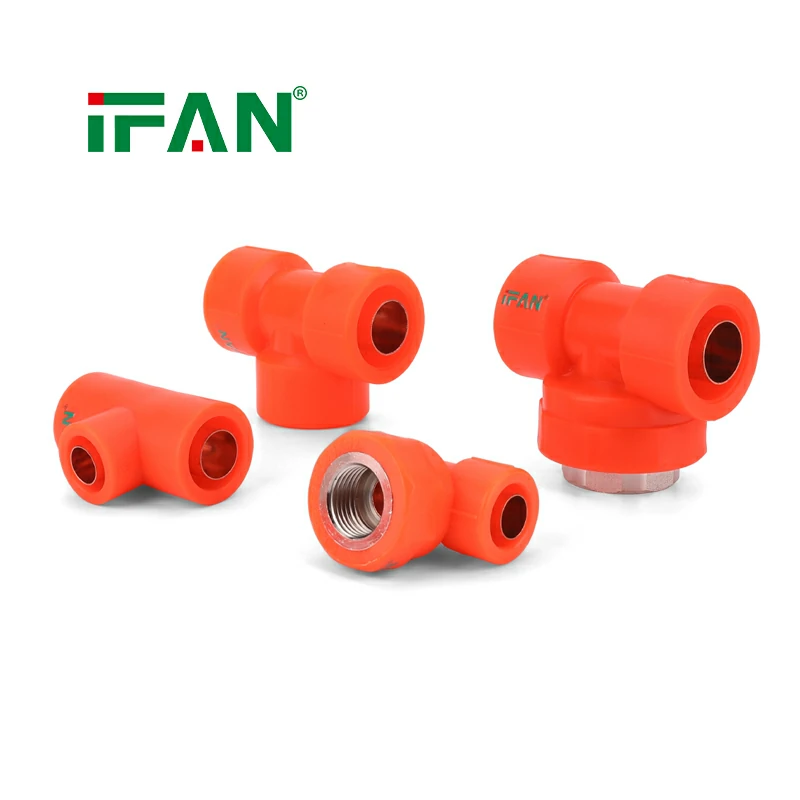
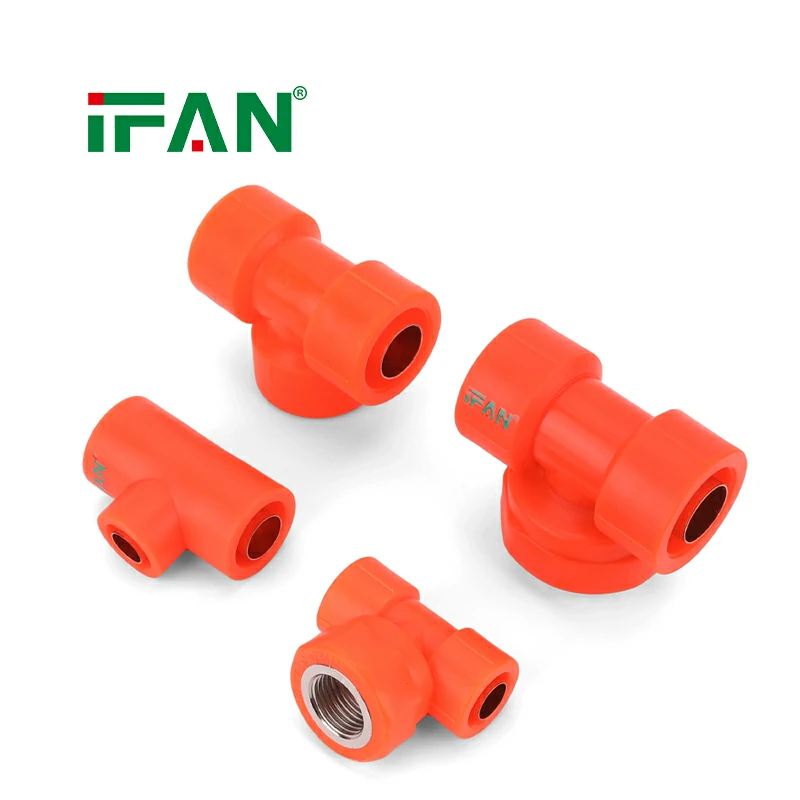
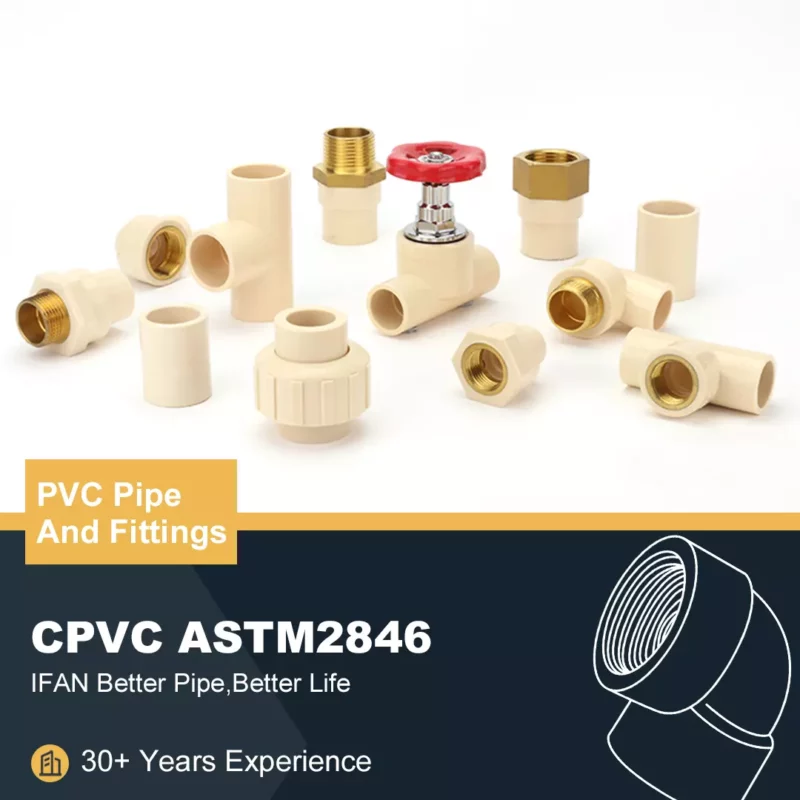
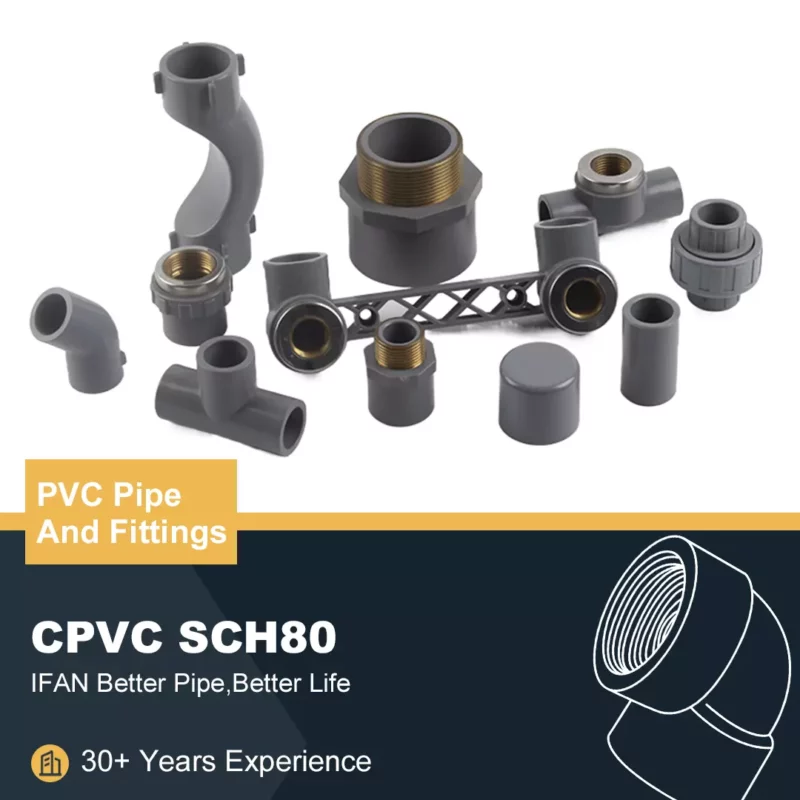
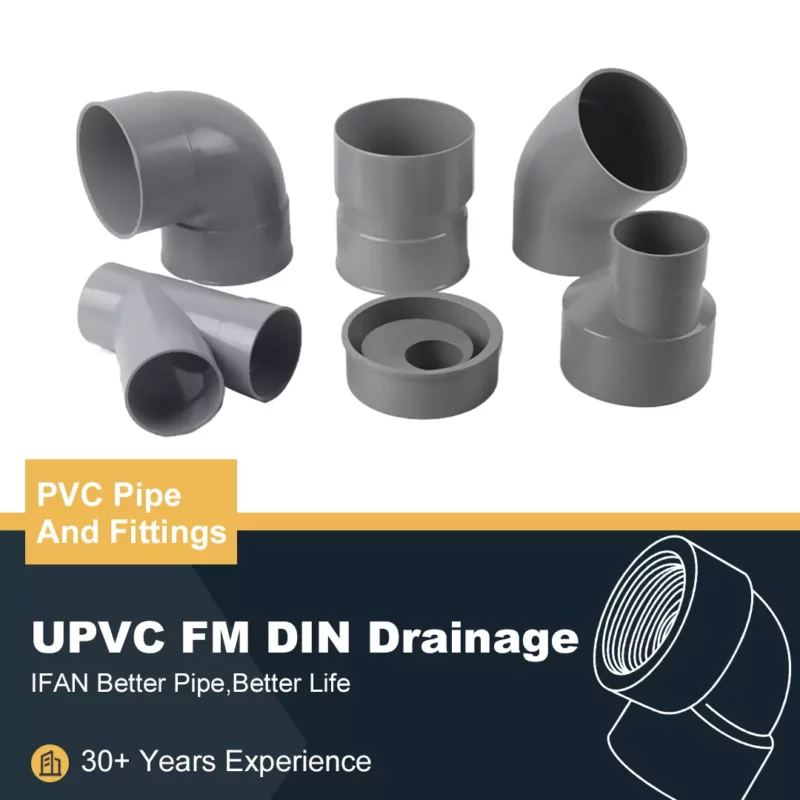
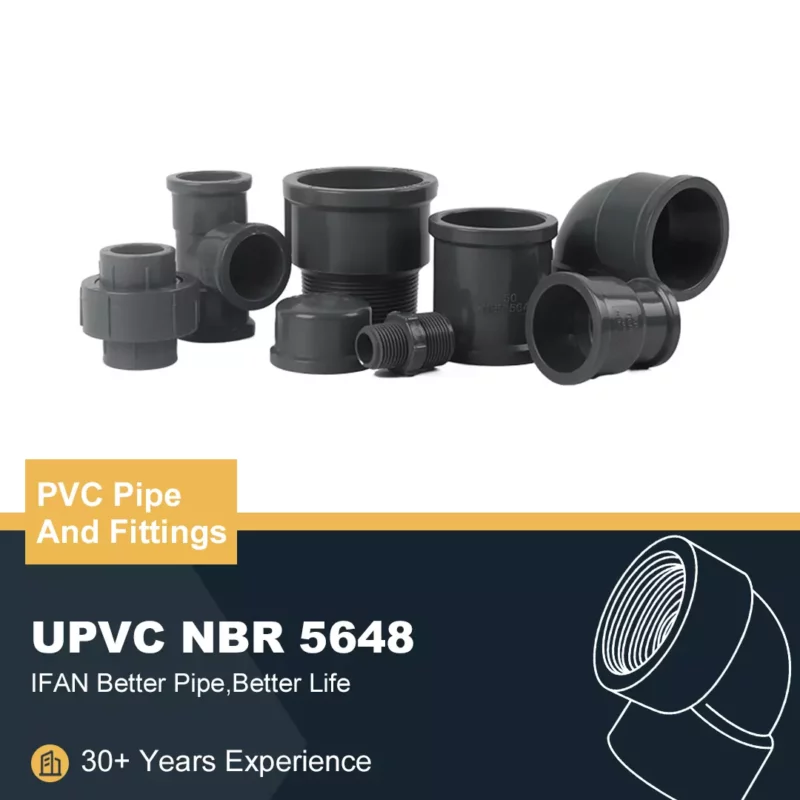
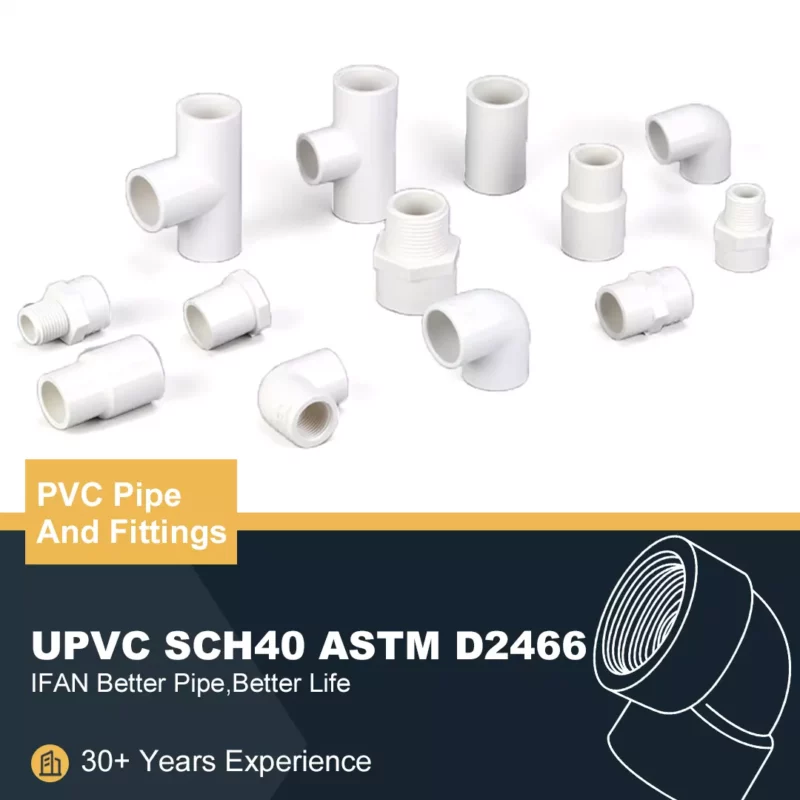
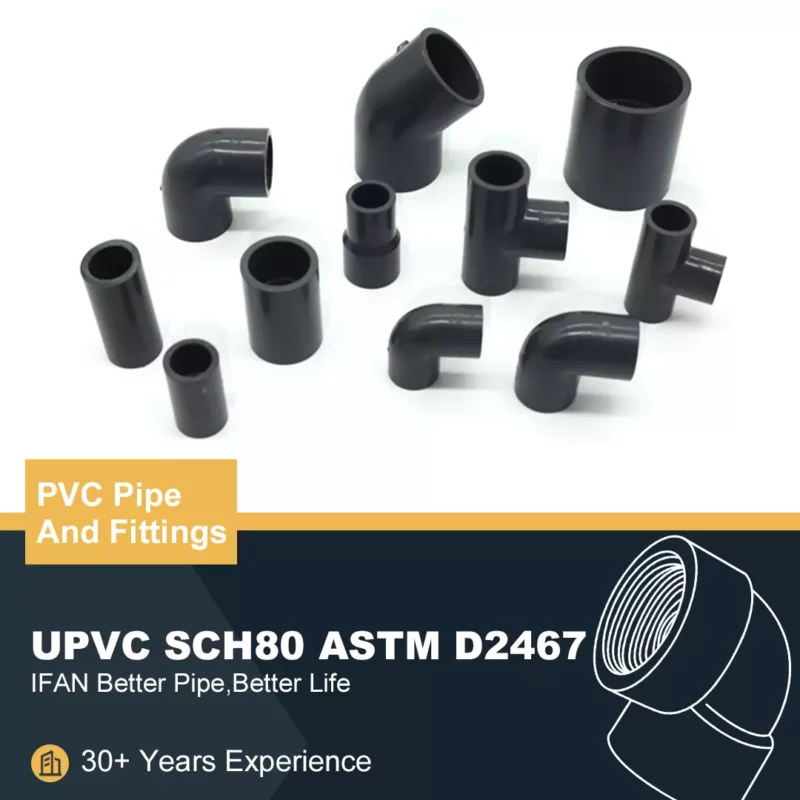
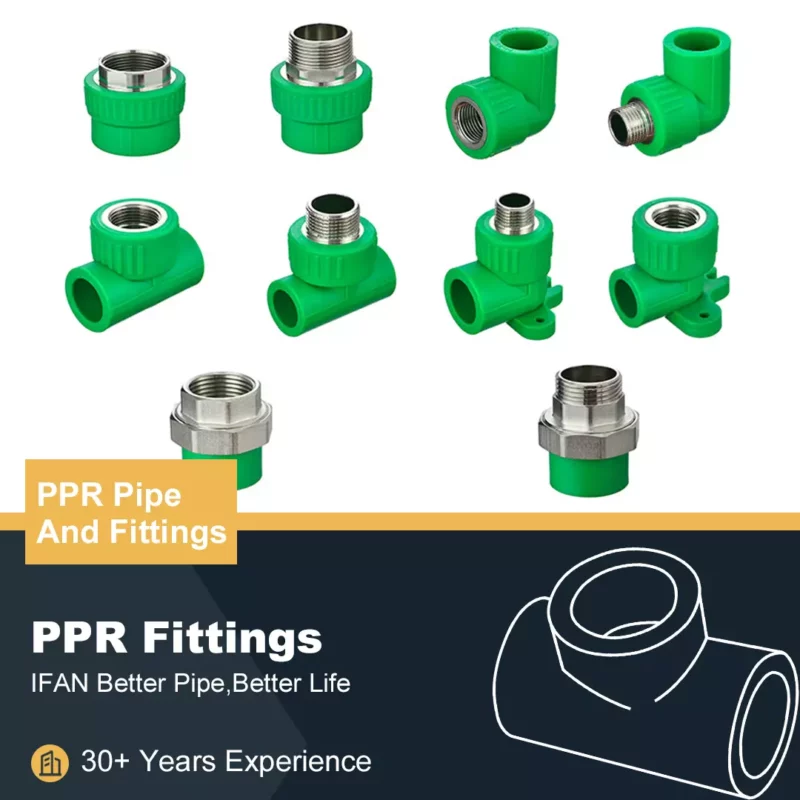
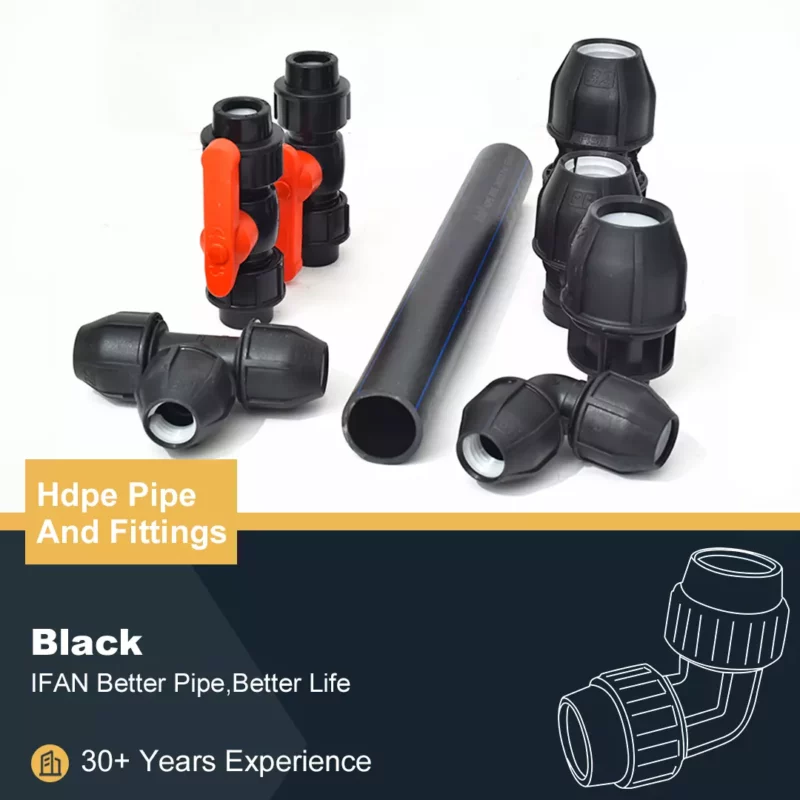
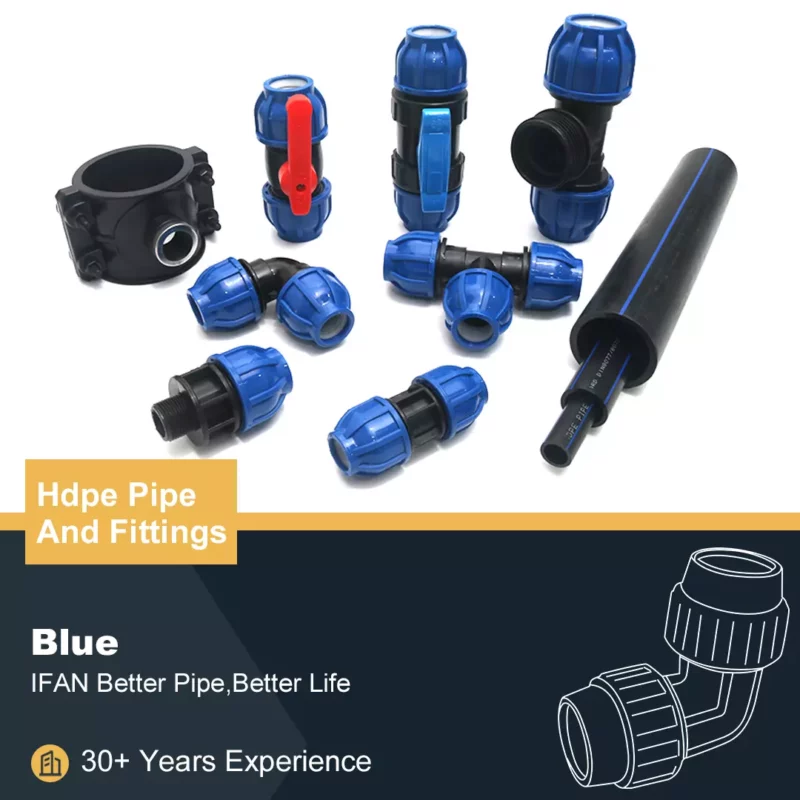
PVC pipes are also compatible with various fittings and accessories, such as elbows, tees, and valves. This versatility allows for easy customization of plumbing systems to meet specific requirements, making installation even more straightforward.
Environmental Benefits
PVC pipe also offer several environmental benefits. Unlike metal pipes, PVC pipes are not mined or processed from natural resources that can deplete over time. The production of PVC pipes is energy-efficient, and the material itself can be recycled after its useful life, reducing waste in landfills.
The long lifespan of PVC pipe also contributes to environmental sustainability. With fewer replacements and repairs required over time, the need for new materials is reduced. This makes PVC pipes an eco-friendly option, especially in comparison to materials that need to be replaced more frequently due to corrosion or degradation.
Furthermore, the resistance of PVC pipes to biological growth, chemicals, and temperature fluctuations ensures that they do not release harmful substances into the environment. This makes PVC pipes a safe and sustainable choice for various applications.
Applications in Different Industries
PVC pipes are used in a wide range of industries due to their strength, durability, and versatility. In the construction industry, they are used for plumbing and drainage systems, offering a reliable and long-lasting solution for water distribution and waste management. In agriculture, PVC pipes are essential for irrigation systems, providing an efficient and cost-effective way to transport water to crops.
The chemical industry also relies on PVC pipes for transporting chemicals, as the material is resistant to a wide range of substances. In electrical applications, PVC pipes are used to protect wiring from damage, ensuring the safe operation of electrical systems. The versatility of PVC pipes across industries makes them a go-to solution for many applications.
Conclusion
PVC pipes are strong, durable, and lightweight, offering a combination of benefits that make them the material of choice for a wide range of applications. Their resistance to corrosion, ease of installation, cost-effectiveness, and environmental sustainability make them a preferred option for plumbing, construction, agriculture, and industrial projects.
The versatility of PVC pipes, combined with their long lifespan and low maintenance, ensures that they provide lasting value for homeowners, contractors, and industries alike. Whether used for water supply, drainage, or fluid transport, PVC pipes continue to offer an efficient, reliable, and affordable solution for modern infrastructure. Their ability to withstand various environmental stressors and their lightweight construction make them an essential material in today’s plumbing and construction industries.
If you have read this article and have any questions, please feel free to contact IFAN. Below is our contact information:
Whatsapp:+86 13373827623
Email:[email protected]