
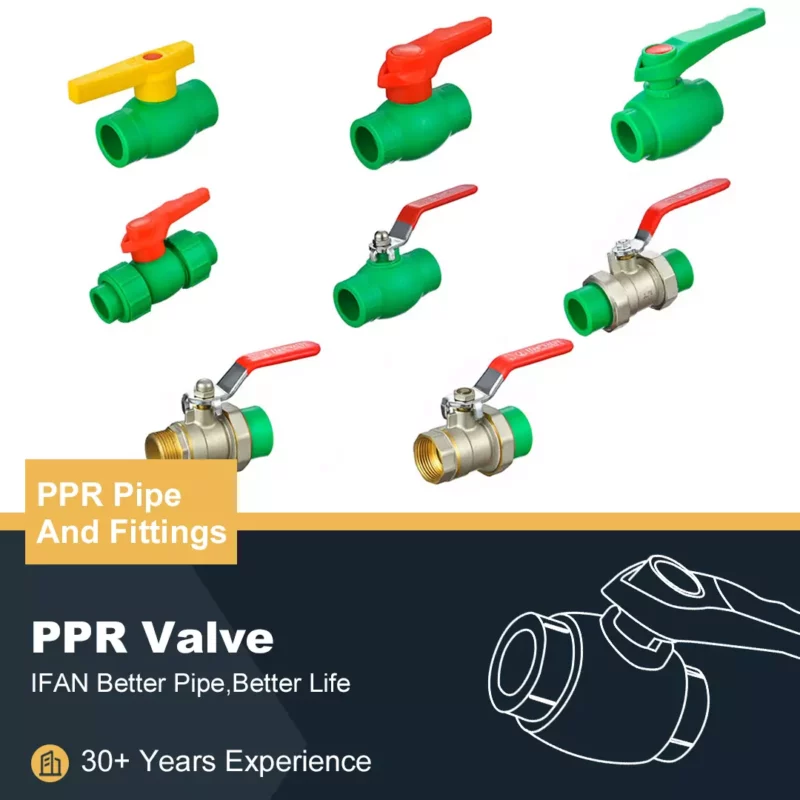



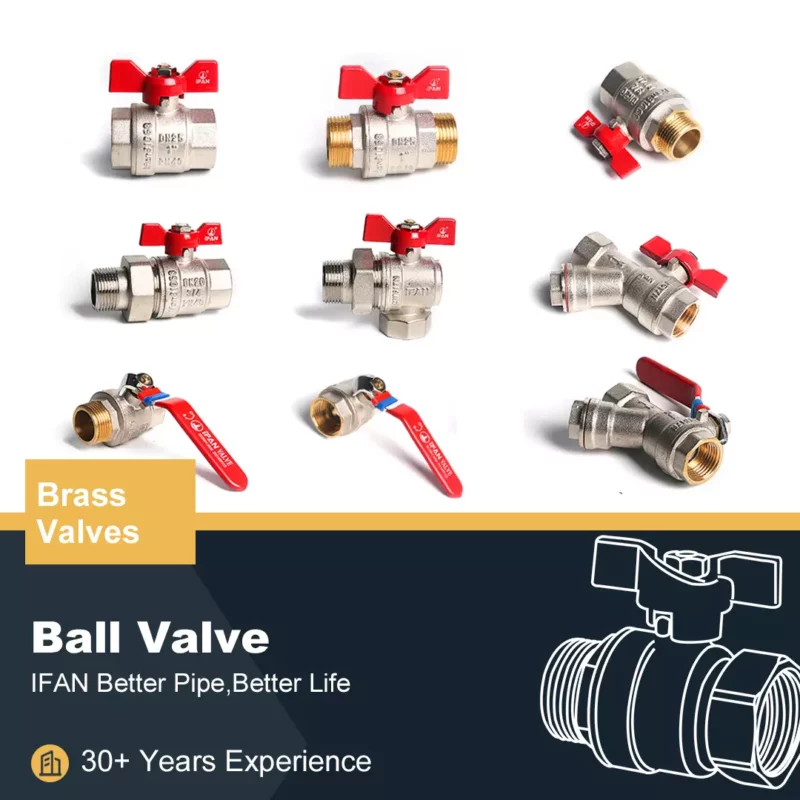
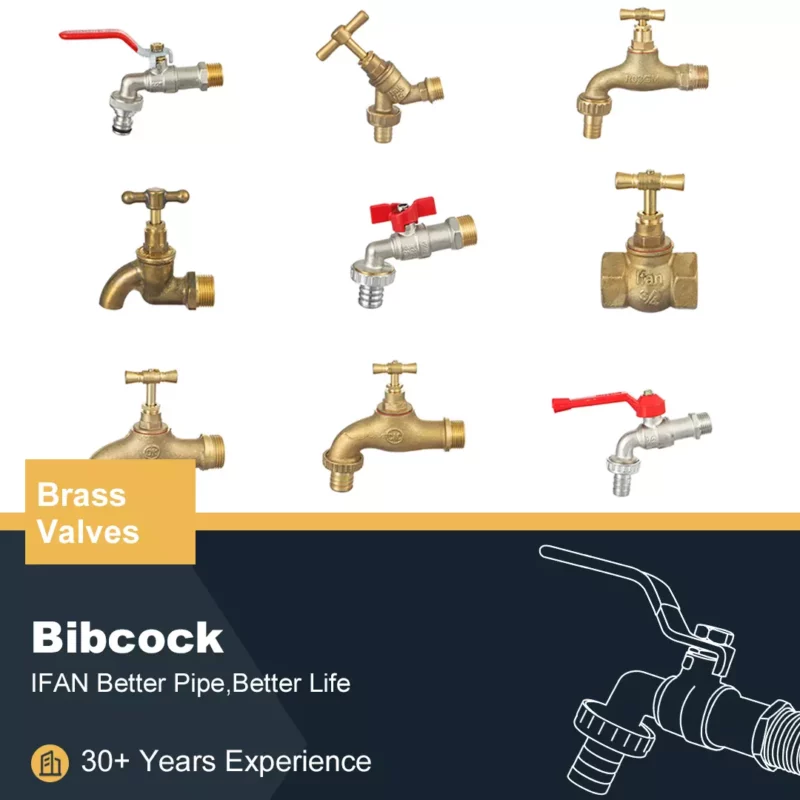
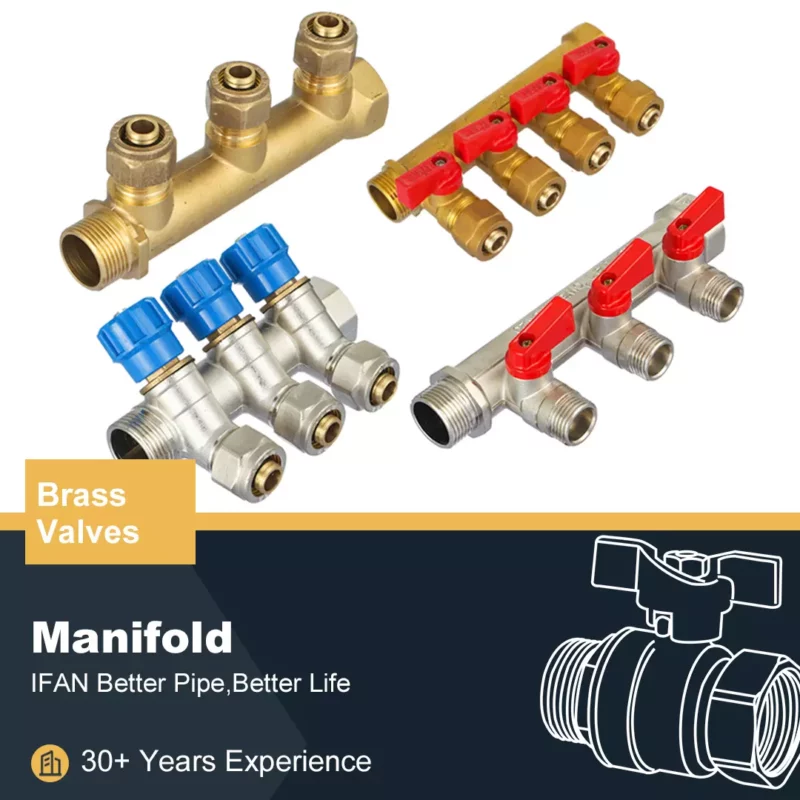
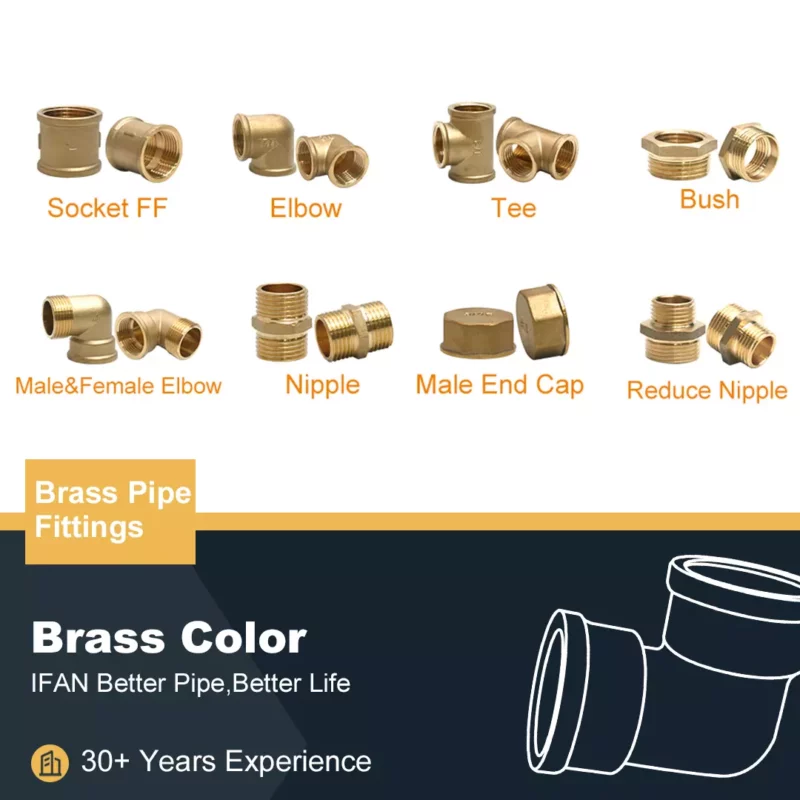





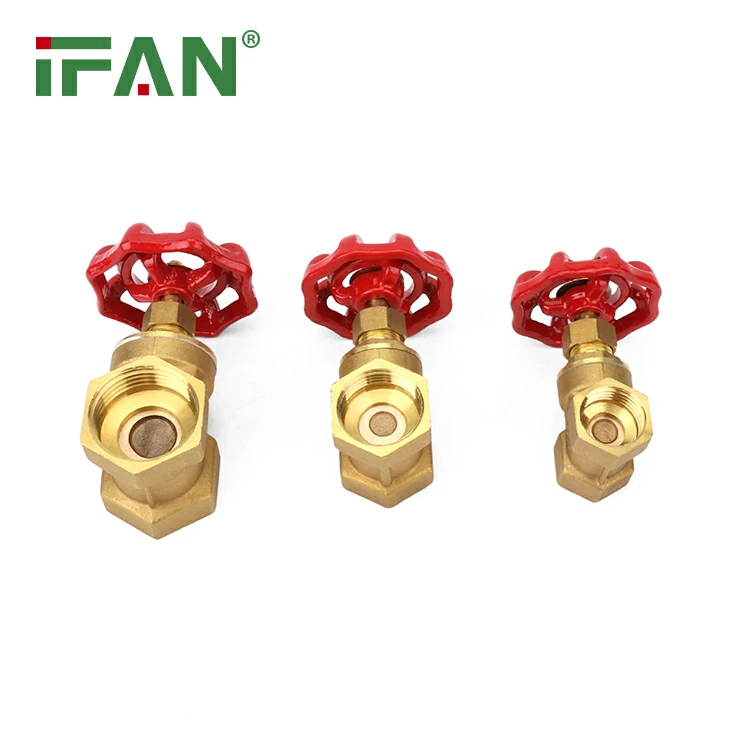
Brass stop valves are among the most reliable and efficient components in plumbing and fluid control systems. These valves are essential for regulating the flow of water, gas, or other liquids. Due to their exceptional qualities, including durability and corrosion resistance, brass stop valves are highly favored for various applications, from residential plumbing to industrial processes. This article will explore the versatility and efficiency of brass stop valves, highlighting their benefits, uses, and advantages.
What Is a Brass Stop Valve?
A brass stop valve is a mechanical device designed to control the flow of fluids through pipes. Typically made from brass, an alloy of copper and zinc, these valves are highly durable and resistant to corrosion. They allow for the easy regulation of fluid flow, enabling users to stop, start, or adjust the flow of liquids or gases in a system.
The robust properties of brass make these valves suitable for both residential and industrial systems. Brass stop valves are commonly used in plumbing, heating, water systems, and even in gas control systems. Their reliable performance and longevity make them a cost-effective choice for fluid control applications.
The Durability of Brass Stop Valves
One of the key attributes of brass stop valves is their durability. Brass is a material known for its resistance to corrosion, which ensures the valve’s longevity even in environments with high moisture or exposure to water. This durability means that brass stop valves are less likely to degrade, rust, or wear out, unlike valves made from other materials such as iron or plastic.
In addition to being resistant to corrosion, brass stop valves can withstand high pressures and extreme temperatures. These characteristics make them ideal for systems that require a high degree of reliability. Whether used in household plumbing systems or in industrial settings, brass stop valves offer long-lasting performance.
Versatility Across Various Applications
Brass stop valves are incredibly versatile, which is one of the reasons they are so widely used. They are employed in a variety of applications, from residential plumbing to industrial systems.
In residential systems, brass stop valves are commonly used to control the flow of water in pipes that lead to faucets, toilets, and water heaters. In industrial settings, these valves can be found in complex systems that require precise fluid control, such as water treatment plants, heating systems, or even in gas pipelines.
The ability to work across multiple environments makes brass stop valves a preferred choice for those looking for a versatile and reliable valve option.
Resistance to Corrosion
Brass is inherently resistant to corrosion, a feature that makes brass stop valves highly reliable in systems exposed to moisture or water. Corrosion is one of the most common causes of valve failure in many applications. Materials like steel and iron tend to rust over time, which can cause leaks, blockages, or a decrease in performance.
In contrast, brass stop valves resist rust and corrosion, which ensures they function efficiently for longer periods. This resistance to corrosion is especially valuable in water systems, where valves are constantly exposed to moisture. Brass stop valves maintain their integrity, reducing the need for frequent replacements or repairs.
High Pressure and Temperature Endurance
Brass stop valves can handle high-pressure and high-temperature environments, making them suitable for a variety of demanding applications. In residential plumbing, they are used in systems that deal with standard water pressure. In more complex systems, such as industrial applications or HVAC systems, the ability of brass stop valves to withstand extreme pressure and temperature fluctuations ensures reliable operation.
This high-pressure and temperature resistance allows brass stop valves to perform effectively without the risk of malfunction or failure, even in harsh conditions. Whether controlling water flow in heating systems or managing chemicals in manufacturing plants, brass stop valves are up to the task.
Energy Efficiency and Cost-Effectiveness
The efficiency of brass stop valve contributes significantly to the overall energy efficiency of a system. By providing precise flow control, these valves help to minimize wastage and ensure that resources, such as water or gas, are used effectively. In plumbing systems, controlling water flow helps reduce water waste, which not only conserves the resource but also lowers utility bills.
In industrial systems, brass stop valve can improve process efficiency by regulating fluid flow with high precision. This can result in energy savings, reduced waste, and optimized production processes. Over time, the cost-effectiveness of brass stop valve becomes apparent as their durability and low maintenance needs result in fewer replacements and repairs.
Low Maintenance Requirements
Brass stop valve are known for their low maintenance requirements. Unlike other materials, such as plastic, which can wear down quickly or degrade under pressure, brass is highly resilient. Brass stop valve are built to last and require minimal attention to remain in good working condition.
Routine inspections are usually sufficient to ensure proper function. As long as the valve is kept free from debris and contaminants, it will continue to operate efficiently. The low maintenance nature of brass stop valve not only saves time and effort but also reduces the overall cost of ownership by preventing frequent repairs or replacements.
Easy Installation Process
Another advantage of brass stop valve is their ease of installation. Whether installed in residential plumbing or industrial systems, brass stop valves are generally straightforward to install. The robustness and flexibility of brass make it easy to connect to a variety of pipe systems, and installation can often be completed with basic tools.
For residential systems, the installation process is typically quick and simple, requiring little more than a few basic plumbing skills. In industrial applications, the installation of brass stop valve may require a professional, but their straightforward design and durability still make them an efficient choice.
Environmentally Friendly Option
Brass stop valve are also environmentally friendly due to the material’s recyclability. Unlike plastic valves, which can contribute to landfill waste, brass is a recyclable material. When a brass stop valve reaches the end of its life, it can be melted down and repurposed for other uses, reducing environmental impact.
In addition to being recyclable, the durability of brass valves means they do not need to be replaced as frequently. This results in less waste and fewer resources spent on manufacturing new valves, making brass stop valve a more sustainable choice for fluid control systems.
Long-Term Cost Savings
While the initial cost of brass stop valve may be higher than that of other types of valves, the long-term cost savings they provide make them an attractive investment. Brass stop valve have a long lifespan, which reduces the need for frequent replacements. This not only saves money on purchasing new valves but also reduces labor costs associated with installation and replacement.
Additionally, the efficiency and reliability of brass stop valve help to minimize the risk of leaks or system failures, which could lead to expensive repairs or downtime. Over time, these cost savings add up, making brass stop valve a wise choice for both residential and industrial applications.
Applications in Various Industries
Brass stop valves are used across many industries and sectors due to their versatility and reliability. In residential plumbing, they are found in faucets, water heaters, and pipes that control the flow of water. They can also be used in more complex systems such as heating, ventilation, and air conditioning (HVAC) systems.
In industrial settings, brass stop valves play a vital role in controlling the flow of fluids in manufacturing plants, chemical processing facilities, and water treatment plants. Their ability to regulate the flow of liquids and gases with precision makes them a valuable tool in industries that require exact fluid control for optimal operation.
Conclusion
Brass stop valve offer an exceptional combination of versatility, efficiency, and durability. Their ability to resist corrosion, withstand high pressure and temperatures, and provide reliable flow control makes them a preferred choice for a wide range of applications. Whether in residential plumbing or industrial systems, brass stop valve ensure optimal performance with minimal maintenance.
If you have read this article and have any questions, please feel free to contact IFAN. Below is our contact information:
Whatsapp:+86 13373827623
Email:[email protected]