










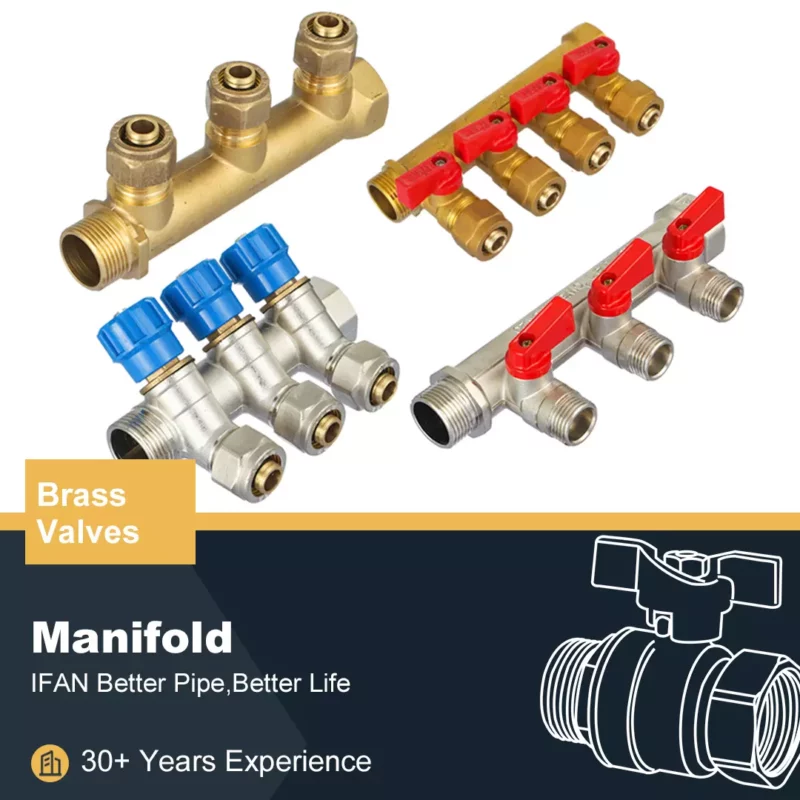
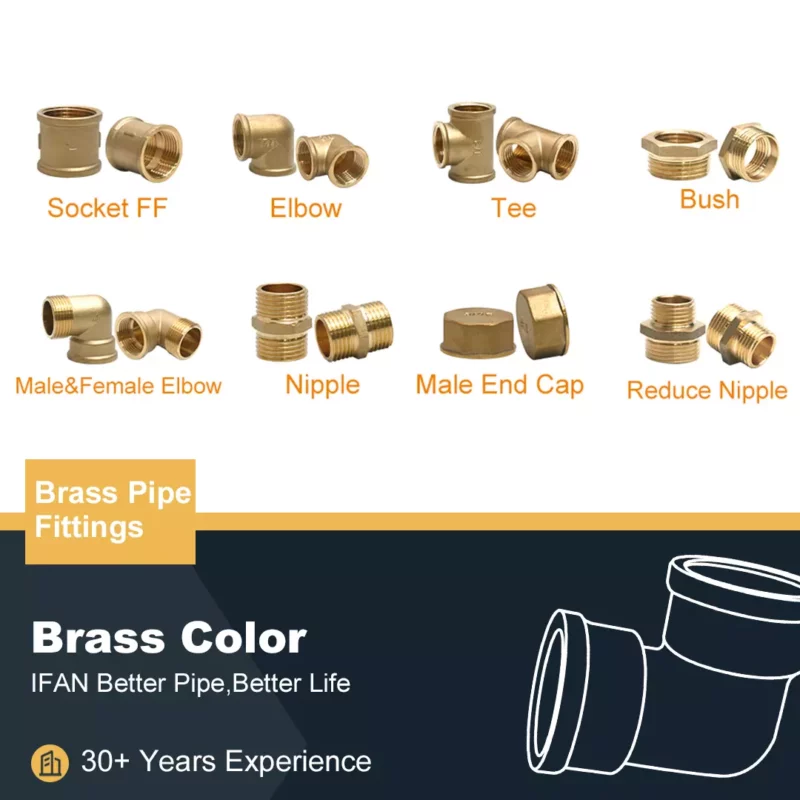
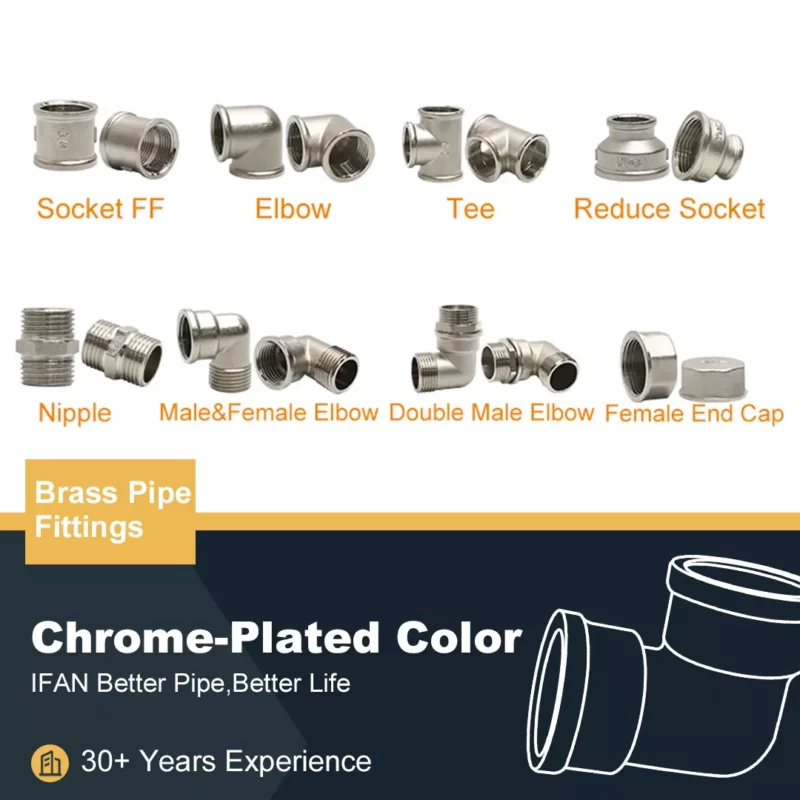








In modern plumbing systems, efficient water distribution is crucial to maintaining performance and ensuring reliability. One key component that plays a significant role in achieving this is the brass manifold. A brass manifold is a device that allows water to be distributed from a single inlet to multiple outlets. It is commonly used in both hot and cold water systems, making it essential for managing water flow in various domestic and industrial applications. Brass is often chosen for its durability, corrosion resistance, and strength. This article will explore the role of brass manifolds in hot and cold water systems, their benefits, installation process, and maintenance requirements.
What is a Brass Manifold?
A brass manifold is a mechanical device that connects multiple water outlets to a central water supply. It consists of a single inlet, which receives water, and multiple outlet ports that direct the water to different locations or systems. Brass, made from copper and zinc, is chosen for its corrosion resistance, high strength, and ability to withstand both hot and cold temperatures.
The manifold plays an essential role in evenly distributing water to various areas, helping ensure consistent pressure and flow. It is commonly used in domestic plumbing systems, radiant heating systems, water filtration setups, and even industrial applications. The manifold offers an efficient solution to plumbing challenges, especially in homes or buildings with multiple water outlets.
Why Use a Brass Manifold for Hot and Cold Water?
Brass manifolds are an ideal choice for hot and cold water systems due to their many advantages. Whether it’s a home, office, or industrial building, brass manifolds deliver consistent water flow and reliable performance in both hot and cold applications.
- Corrosion Resistance: Brass is highly resistant to corrosion, making it an excellent choice for water systems. Exposure to both hot and cold water can cause other materials to deteriorate over time, but brass retains its integrity. This is particularly important in hot water systems, where high temperatures can accelerate the corrosion process in inferior materials.
- Durability: Brass manifolds are known for their strength and ability to handle high pressure and temperature fluctuations. Hot water systems can experience extreme temperature changes, and brass’s ability to endure these conditions without cracking or degrading ensures long-lasting performance.
- Temperature Resistance: Brass manifolds are well-suited for both hot and cold water systems because they maintain their structural integrity in various temperature conditions. Whether managing hot water for heating systems or cold water for general plumbing needs, brass can withstand these conditions better than many other materials.
- Ease of Maintenance: Brass manifolds require less maintenance compared to other materials. Due to their corrosion resistance, they do not need frequent replacements or repairs, making them a cost-effective choice in the long run.
How Brass Manifolds Work in Hot and Cold Water Systems
In plumbing systems, whether for residential or commercial use, the brass manifold functions as a central hub that distributes water from a single source to several outlets. The flow rate and pressure of the water are managed through the manifold’s ports.
- Water Flow Regulation: Brass manifolds are designed with multiple ports, which allow water to be directed to different areas or appliances. By installing balancing valves on each port, the flow can be evenly distributed, ensuring that each section of the building receives consistent pressure.
- Hot Water Systems: In hot water systems, brass manifolds distribute water heated by a boiler or water heater to various zones, such as sinks, showers, and heating systems. The ability of brass to resist heat makes it ideal for these applications, as it can handle hot water without expanding, cracking, or warping.
- Cold Water Systems: For cold water systems, brass manifolds ensure that water is evenly distributed to different parts of a building. Whether it’s a bathroom, kitchen, or other areas, the manifold ensures that each outlet receives the correct water pressure and flow.
- Mixing Hot and Cold Water: In some systems, hot and cold water need to be mixed before being distributed to faucets or other water-consuming devices. Brass manifolds can include a mixing valve to control the temperature of the outgoing water. This function is especially useful in bathroom or kitchen applications, where precise control over the water temperature is required.
Advantages of Brass Manifolds in Hot and Cold Water Systems
Brass manifolds offer several benefits for both hot and cold water systems. These advantages make them a popular choice in residential and industrial plumbing applications.
- Even Water Distribution: Brass manifolds help maintain balanced water distribution. Each outlet port is designed to supply water at the right flow rate and pressure, preventing any areas from receiving too little or too much water. This ensures consistent water delivery throughout the system.
- Reduced Pressure Loss: Due to their efficient design, brass manifolds help minimize pressure loss across the system. This is especially important in long piping systems, where pressure can drop significantly. A well-installed manifold helps maintain optimal pressure levels.
- Compact Design: Brass manifolds are compact and versatile, allowing them to be installed in tight spaces. Their small footprint makes them an ideal solution for buildings where space is limited.
- Longevity: The durability of brass manifolds ensures they last for a long time. With proper installation and minimal maintenance, brass manifolds can operate effectively for many years, reducing the need for frequent repairs or replacements.
- Environmentally Friendly: Brass is a recyclable material, making it an environmentally friendly choice. The longevity and durability of brass manifolds also mean fewer replacements and less waste, contributing to sustainability in building systems.
Installation of Brass Manifolds in Hot and Cold Water Systems
Proper installation is essential to ensure that brass manifolds work effectively in hot and cold water systems. The process typically involves connecting the manifold to the water supply and ensuring that all outlets are properly connected to the corresponding pipes. Here’s a brief overview of the installation process:
- Turn Off the Water Supply: Before beginning installation, ensure that the water supply is turned off to avoid leaks or accidents during the process.
- Position the Manifold: Choose an accessible location to install the manifold. It should be positioned near the water supply and in a location that allows easy access for future maintenance.
- Connect the Inlet: The manifold’s inlet is connected to the central water supply. Whether it’s a hot water supply or cold water line, ensure the connection is secure to prevent leaks.
- Connect the Outlet Ports: The manifold’s outlet ports should be connected to the appropriate pipes leading to various parts of the building, such as bathrooms, kitchens, or radiators in heating systems. Each connection should be tightened securely.
- Install Flow Regulators and Balancing Valves: If the manifold includes balancing valves, flow regulators, or mixing valves, install them according to the manufacturer’s instructions. These components are necessary for controlling water flow and pressure in different areas.
- Test the System: After installation, turn the water supply back on and test the system for leaks. Check that water flows evenly through each outlet and that there are no pressure issues.
Maintenance of Brass Manifolds in Hot and Cold Water Systems
Maintaining a brass manifold is relatively simple due to its durability and resistance to corrosion. However, regular checks and basic maintenance procedures will help ensure it continues to perform efficiently.
- Inspect for Leaks: Regularly check the manifold and all connections for any signs of leaks. Even a small leak can lead to water damage over time. Tighten any loose connections and replace seals or gaskets as needed.
- Clean the Manifold: Over time, mineral deposits or debris can accumulate inside the manifold. Clean the manifold periodically to remove any buildup, especially in hard water areas where scale may form.
- Check for Corrosion: While brass is highly resistant to corrosion, it’s still important to check for signs of wear, particularly in areas where water quality may be poor. Inspect the manifold for any discoloration or corrosion, especially if exposed to harsh chemicals or extreme temperatures.
- Monitor Flow and Pressure: Use flow meters and pressure gauges to ensure the system is working efficiently. If any changes in flow rate or pressure are detected, inspect the manifold and related components for blockages or malfunctions.
- Replace Worn Parts: Brass manifolds are generally low-maintenance, but certain components, such as valves, gaskets, or seals, may need replacement over time. Regularly inspect these parts and replace them if necessary to maintain system performance.
Applications of Brass Manifolds for Hot and Cold Water Systems
Brass manifolds are versatile and can be used in a wide range of applications involving hot and cold water systems. Some of the most common uses include:
- Residential Plumbing: In homes, brass manifolds are used to distribute hot and cold water to various parts of the house, including bathrooms, kitchens, and laundry rooms. They help maintain even pressure and flow throughout the system.
- Radiant Floor Heating: In radiant floor heating systems, brass manifolds are used to distribute hot water evenly across the floor heating loops. This helps maintain consistent temperatures throughout the floor.
- Commercial Buildings: In larger buildings, brass manifolds are used to distribute water to multiple zones. This ensures consistent water pressure and flow to different parts of the building, including restrooms, kitchens, and HVAC systems.
- Industrial Applications: In industrial systems, brass manifolds help regulate the flow of water to different machinery or production processes. They are used in environments where durability and reliability are paramount.
Conclusion
A brass manifold is an essential component in both hot and cold water systems, ensuring that water is efficiently distributed throughout a building or facility. Its corrosion resistance, durability, and temperature resistance make it an ideal choice for maintaining system integrity in both residential and industrial settings. Brass manifolds provide reliable performance, reduce pressure loss, and offer easy maintenance, making them a cost-effective solution for water distribution. By ensuring a balanced flow of water, brass manifolds contribute to the overall efficiency and longevity of plumbing systems.
If you have read this article and have any questions, please feel free to contact IFAN. Below is our contact information:
Whatsapp:+86 13373827623
Email:[email protected]