











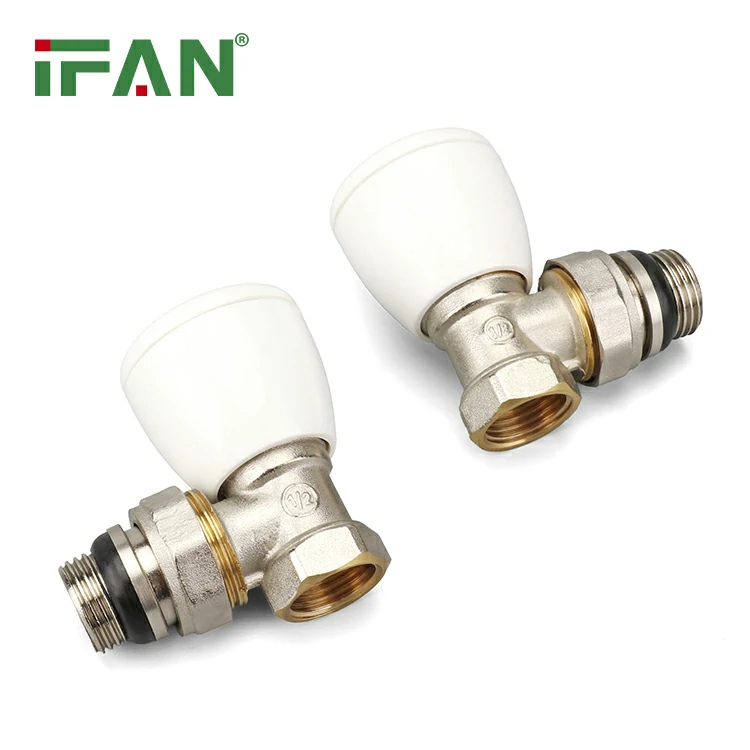
As energy costs rise and environmental concerns become more prominent, energy conservation is a priority for many homeowners and businesses. Heating systems, which are a significant part of energy consumption, offer opportunities for optimization. One of the most effective ways to reduce heating energy use is by installing radiator valves. Radiator valves allow for better control of heat distribution throughout a building, ensuring that energy is used only where and when it’s needed. In this article, we will explore the role of radiator valves in energy conservation, how they work, and the benefits they bring to both the environment and your wallet.
1. How Radiator Valves Contribute to Energy Conservation
Radiator valves regulate the flow of hot water or steam into radiators, which in turn controls the heat output. By adjusting the flow of heat based on room temperature, radiator valves prevent energy wastage. Traditional heating systems often pump heat into every room of a building, regardless of whether it is needed. This leads to unnecessary energy consumption. Radiator valves allow for more targeted heating, reducing energy use by heating only the rooms that require warmth.
2. Thermostatic Radiator Valves (TRVs) for Automatic Control
Thermostatic Radiator Valves (TRVs) offer an advanced method of controlling heating and contributing to energy conservation. Unlike manual radiator valves, TRVs automatically adjust the flow of hot water based on the temperature of the room. When the room reaches the desired temperature, the TRV reduces the flow of hot water. This self-regulating feature prevents overheating, ensuring that energy is not wasted. TRVs help maintain a consistent room temperature without the need for manual adjustments, making them an efficient tool for energy conservation.
3. Reducing Energy Waste with Room-by-Room Control
A significant source of energy waste in heating systems is heating rooms that do not need it. In large buildings or homes, certain rooms may be unoccupied or require less heat. Without radiator valve, the heating system may continue to pump heat into these areas, wasting energy. By installing radiator valve in each room, you can independently control the heat in each space. If a room is not being used, the valve can be turned off or adjusted to a lower setting, ensuring that no energy is wasted in that area. This approach ensures that energy is directed only where it’s needed.
4. The Benefits of Zoning with Radiator Valve
Zoning is a method that divides a building into separate areas, each with its own temperature control. With radiator valve, zoning is made easy. For example, in a multi-story house, the bedrooms may require more heat due to exposure to outside temperatures, while the living areas may need less. By zoning with radiator valve, you can adjust the temperature in each area to suit its specific needs. This targeted approach eliminates wasted energy, as rooms that don’t need heating are not heated unnecessarily. Zoning ensures that energy is used efficiently, reducing overall energy consumption.
5. Eliminating Overheating and Reducing Energy Consumption
Many traditional heating systems continue to pump hot water into radiators even when the desired room temperature has been reached. This leads to overheating and wasted energy. Radiator valve, especially TRVs, prevent this by automatically adjusting the flow of hot water when the room reaches the set temperature. When the room cools down, the valve increases the flow again to maintain the desired temperature. This dynamic regulation prevents excess energy from being used, ensuring that only the necessary amount of heat is provided.
6. Increasing Heating Efficiency in Older Systems
Older heating systems, especially those in older homes, can be inefficient, often wasting a large amount of energy. Radiator valves provide an easy solution for improving the efficiency of these systems. By adding radiator valves, homeowners can control the heat in each room and optimize the performance of the existing heating system. TRVs, in particular, ensure that the system runs more efficiently by adjusting the heat flow based on the room’s temperature. This simple upgrade can significantly improve the efficiency of older heating systems without requiring a full replacement.
7. Long-Term Cost Savings with Energy Efficient Heating
One of the most compelling reasons to install radiator valves is the long-term cost savings. By reducing unnecessary energy consumption and ensuring that heat is only used when and where it’s needed, radiator valve can help lower heating bills. The ability to regulate each room’s temperature ensures that energy is used more efficiently. Over time, the energy savings from using radiator valve will outweigh the initial investment, making them a cost-effective solution for homeowners looking to reduce heating costs while increasing comfort.
8. Environmental Impact of Energy Efficient Heating
Reducing energy consumption through the use of radiator valve not only saves money but also helps protect the environment. Lower energy use means fewer resources are required to generate heat, which in turn reduces carbon emissions. By using energy more efficiently, radiator valves contribute to the reduction of greenhouse gases and the overall carbon footprint of a building. This makes radiator valves an environmentally friendly solution for anyone looking to make their home or business more sustainable. Energy conservation is an essential part of combating climate change, and radiator valve play a crucial role in that effort.
9. Smart Radiator Valves and Remote Control for Greater Efficiency
As technology advances, so too do radiator valve. Smart radiator valve allow users to control the temperature remotely via smartphone apps or integrate with smart home systems. This gives you the ability to manage the temperature of each room, even when you’re not at home. For example, you can program your heating system to turn on before you arrive, ensuring that your home is warm when you need it but not wasting energy while you’re away. Smart radiator valve offer a convenient way to optimize energy use, making it even easier to conserve energy and reduce costs.
10. Maintenance for Optimal Energy Conservation
To ensure that radiator valves continue to function effectively, regular maintenance is required. Over time, dust and debris can accumulate in the valves, which may affect their performance. Cleaning and inspecting radiator valves periodically ensures they operate efficiently, maintaining their role in energy conservation. A well-maintained heating system, with properly functioning radiator valves, will run more efficiently, saving both energy and money. Regular maintenance also helps extend the life of your heating system, reducing the need for costly repairs or replacements.
Conclusion
Radiator valves play a crucial role in energy conservation by providing precise control over the heating system. By allowing for room-by-room regulation of heat, radiator valves ensure that energy is only used where it’s needed. Thermostatic Radiator Valves (TRVs) offer automatic adjustment, further optimizing energy use and preventing overheating. With zoning, customization, and the ability to eliminate energy waste, radiator valves make heating systems more efficient. In the long term, the energy savings from using radiator valves result in lower heating costs and a reduced environmental impact. Whether you’re upgrading an old system or installing new valves, radiator valves are a simple yet effective way to conserve energy and contribute to a more sustainable future.
If you have read this article and have any questions, please feel free to contact IFAN. Below is our contact information:
Whatsapp:+86 13373827623
Email:[email protected]