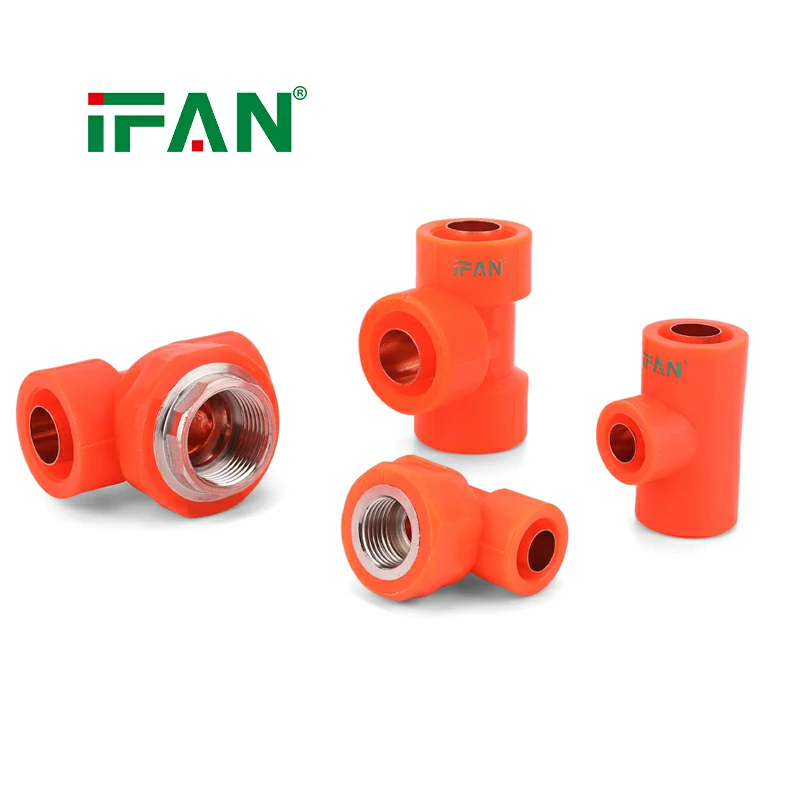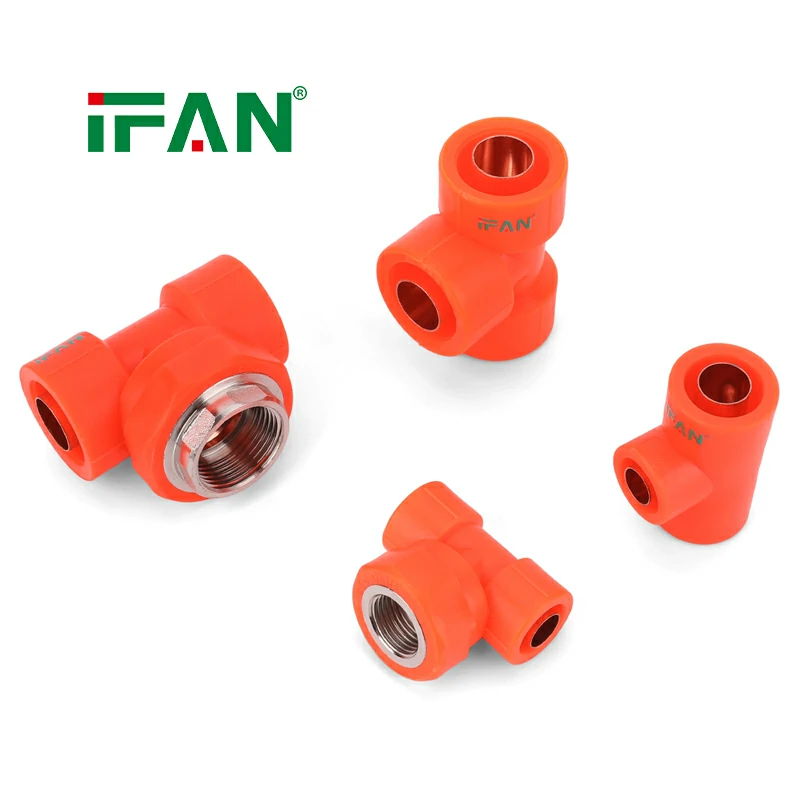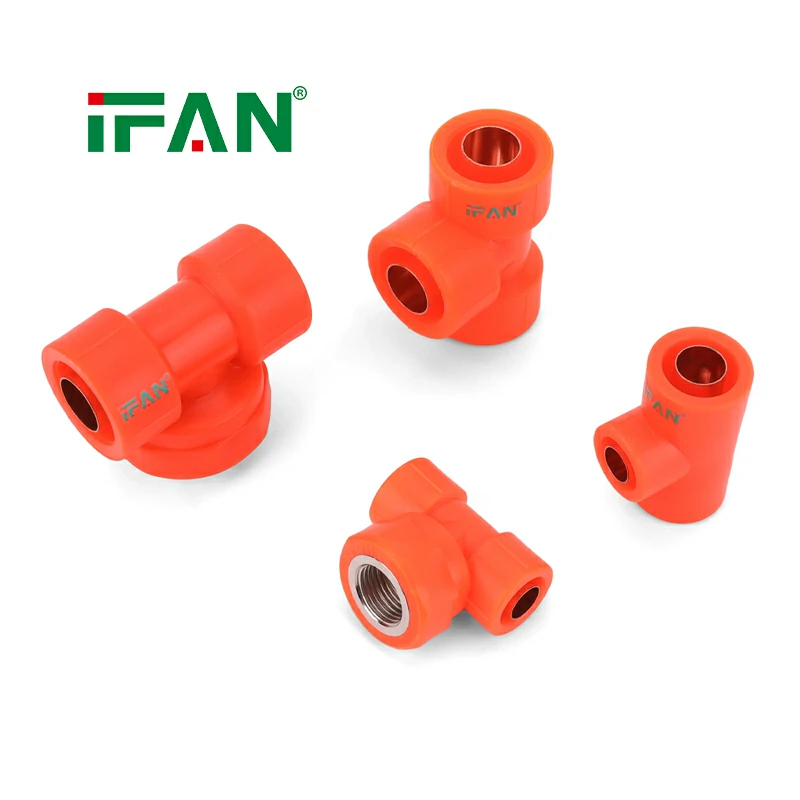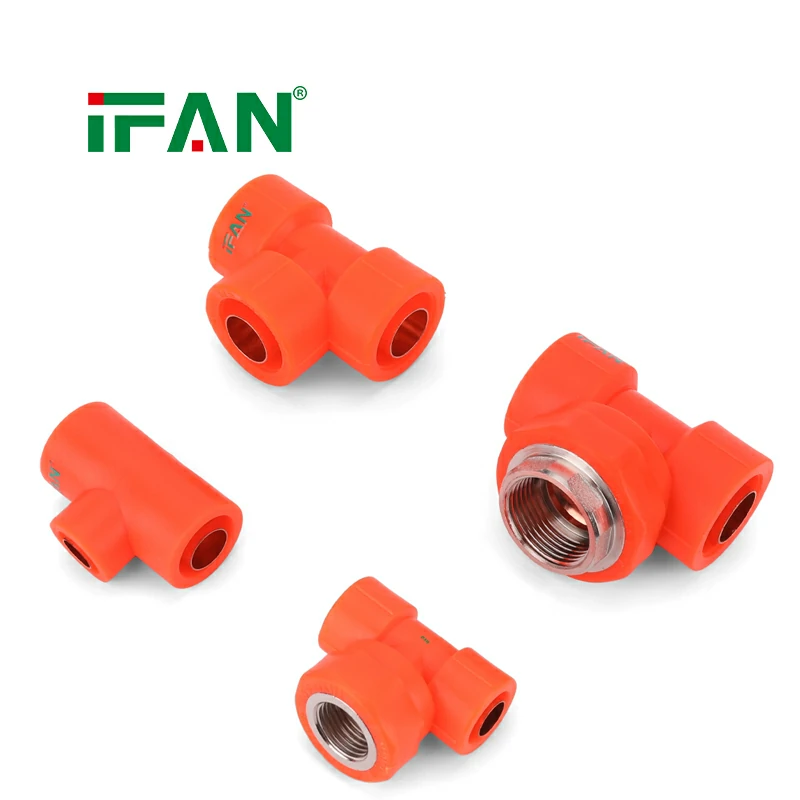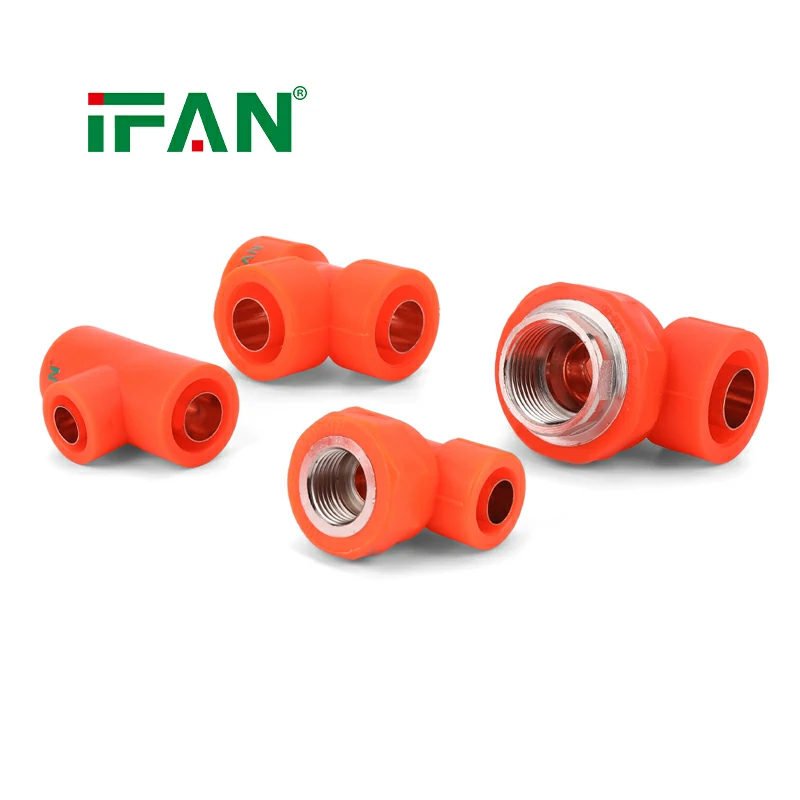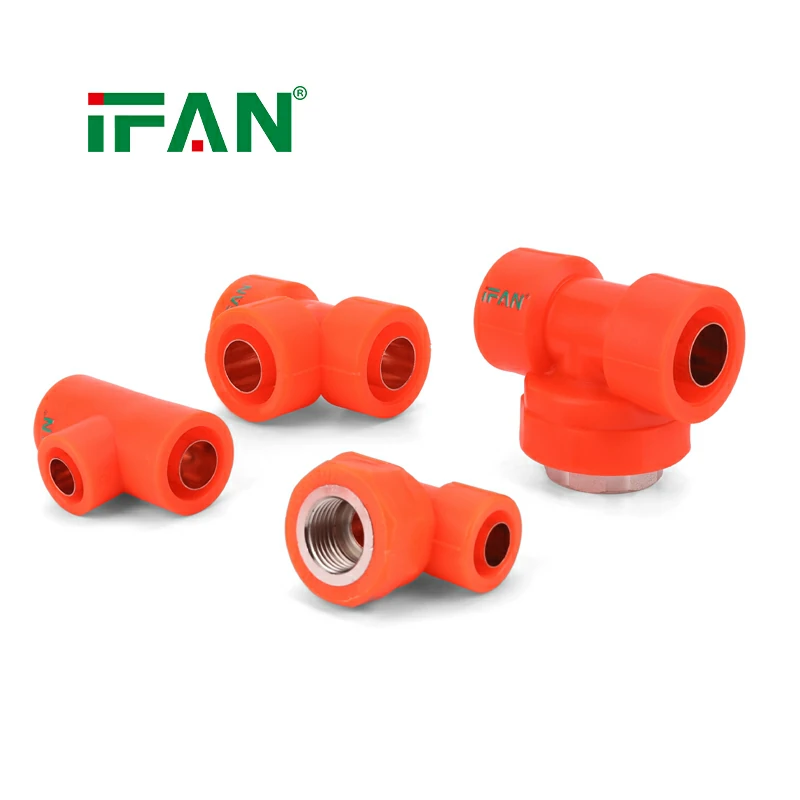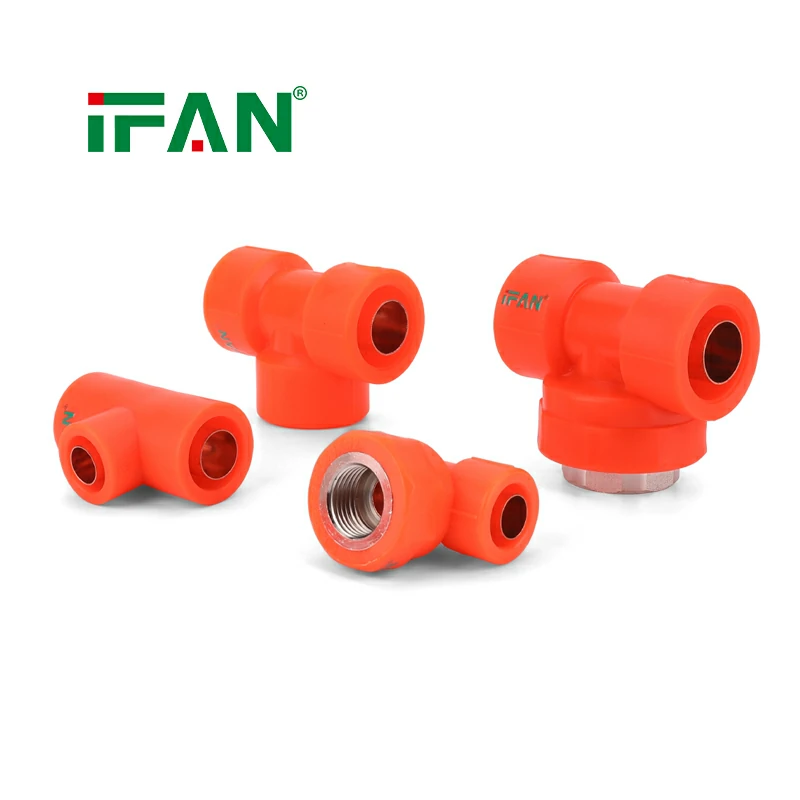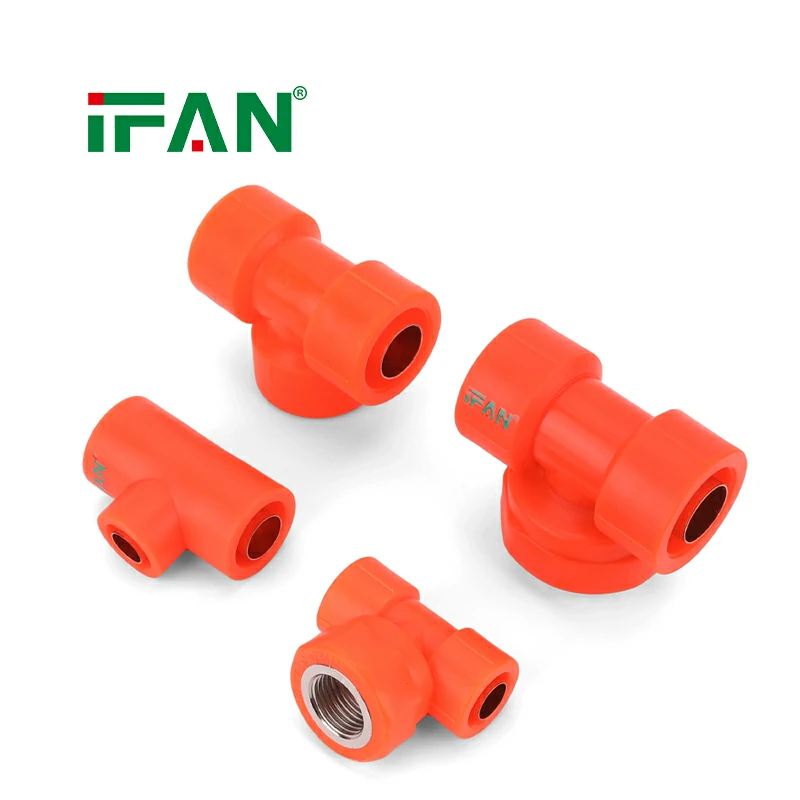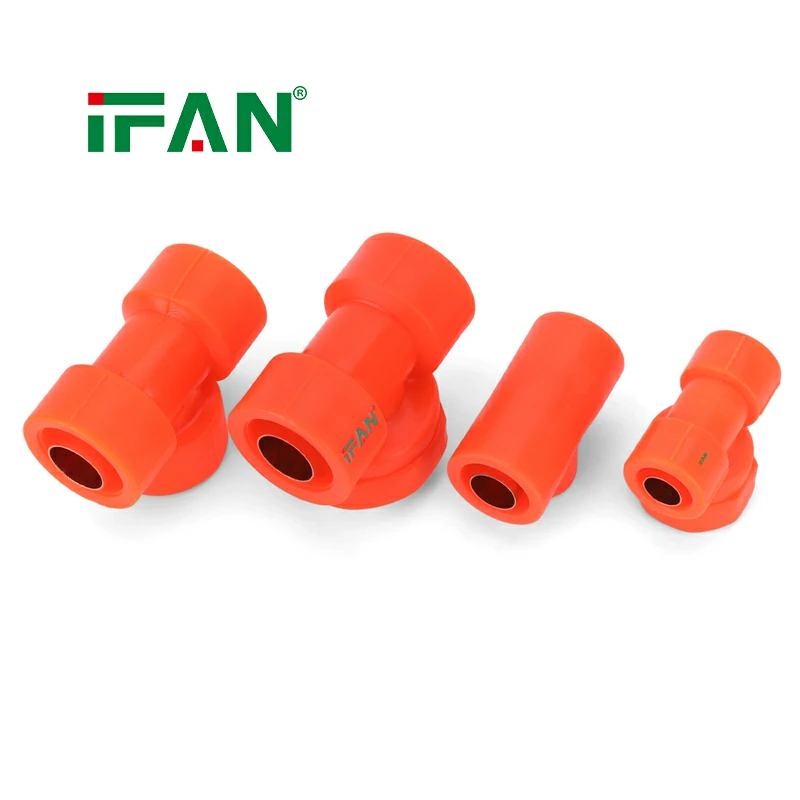










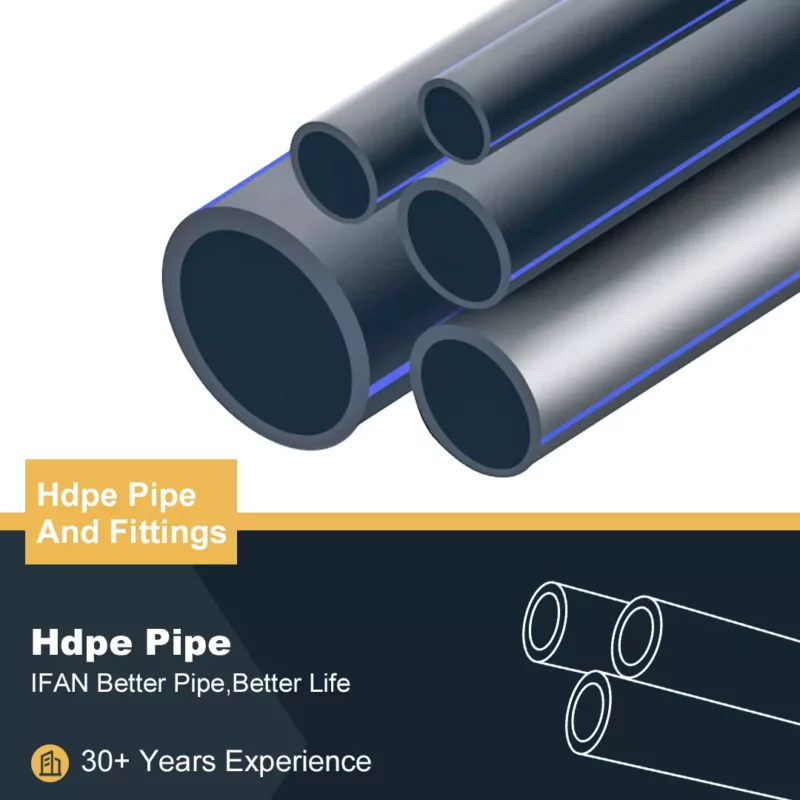
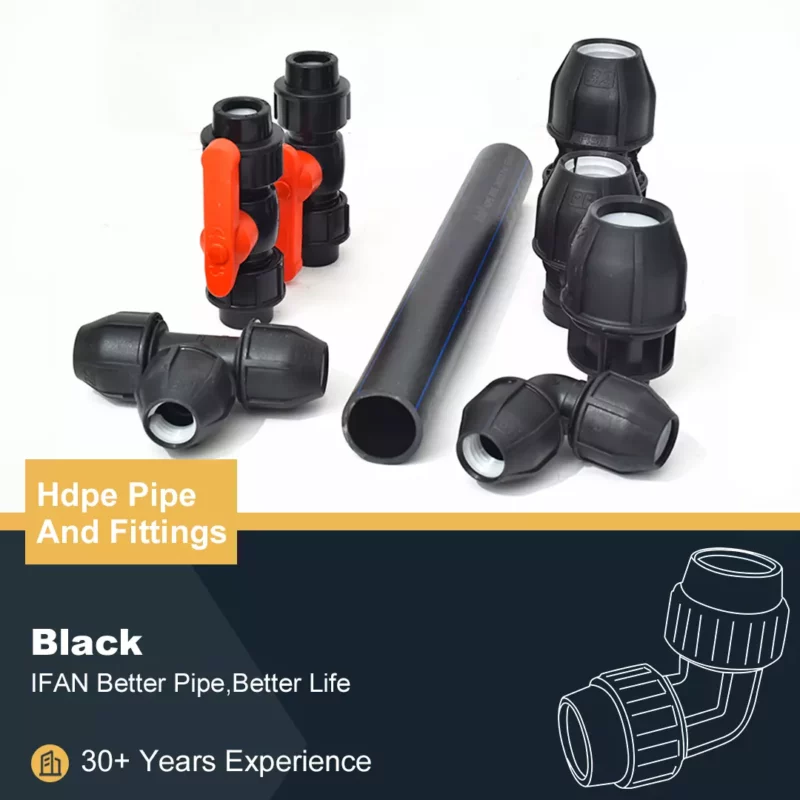
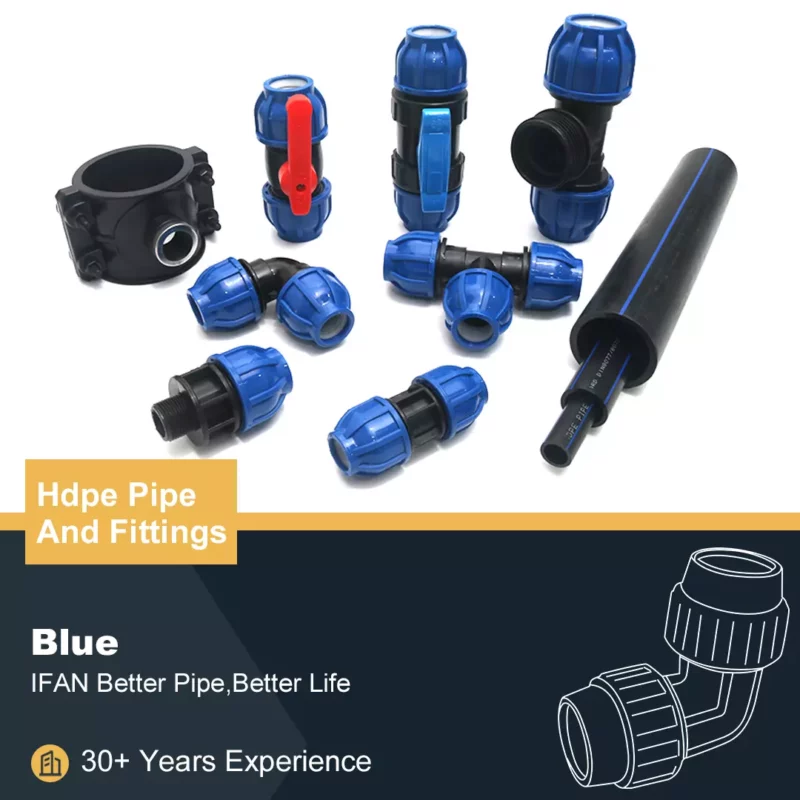
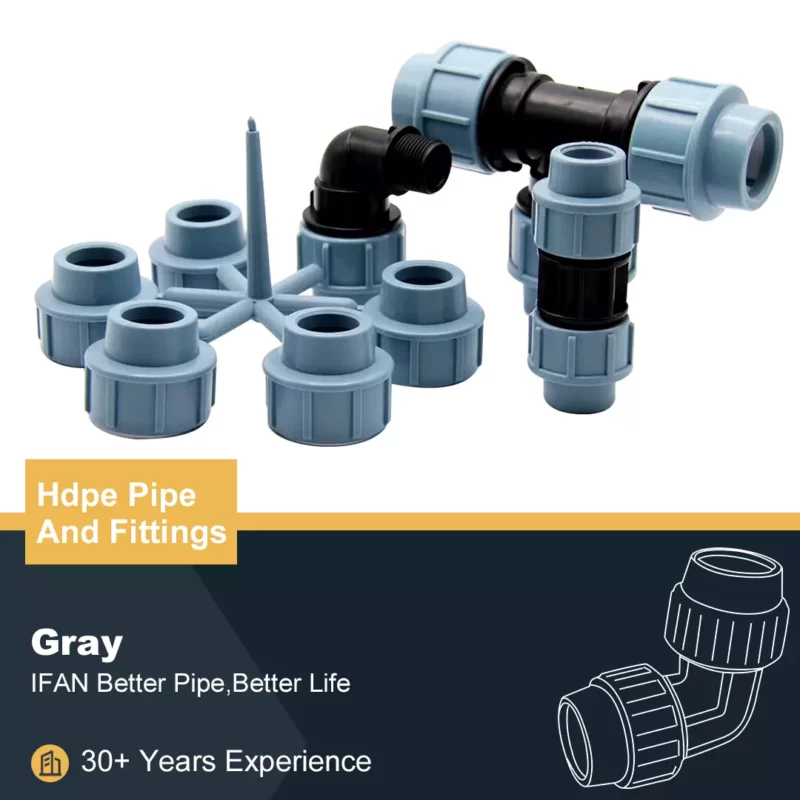




PPR pipes provide a durable and efficient solution for water supply systems. These pipes resist high temperatures, pressure, and chemical exposure. Many construction projects rely on PPR pipe for safe and reliable plumbing networks.
Types of PPR Pipes
Manufacturers create various types of PPR pipe to suit different applications. Single-layer pipes work well for standard plumbing needs. Multi-layer pipes offer additional strength for high-pressure systems. Fiber-reinforced PPR pipes enhance resistance to temperature fluctuations. Pre-insulated PPR pipes help maintain water temperature in heating systems.
Advantages of PPR Pipe
PPR pipe resist corrosion, preventing rust and scaling. Their smooth inner surface reduces friction, allowing efficient water flow. These pipes withstand both hot and cold water applications, making them versatile. Their lightweight nature simplifies transportation and installation.
Installation Process
Plumbers cut PPR pipe to the required length before connecting them. They use heat fusion to weld the pipes and fittings securely. Proper alignment ensures a leak-free and strong connection. Regular maintenance checks help extend the lifespan of the plumbing system.
Applications of PPR Pipe
Residential buildings, commercial facilities, and industrial plants use PPR pipe for water supply systems. These pipes work efficiently in heating systems and air conditioning networks. Hospitals and laboratories prefer PPR due to its hygienic and non-toxic properties. Many construction projects incorporate PPR for long-lasting plumbing infrastructure.
Conclusion
PPR pipes provide durability, strength, and efficiency in water supply systems. Their resistance to temperature and chemical exposure makes them a preferred choice. Many builders and engineers rely on PPR pipes for safe and long-term plumbing solutions.
If you have read this article and have any questions, please feel free to contact IFAN. Below is our contact information:
Whatsapp:+86 13373827623
Email:[email protected]