

Understand the Basics
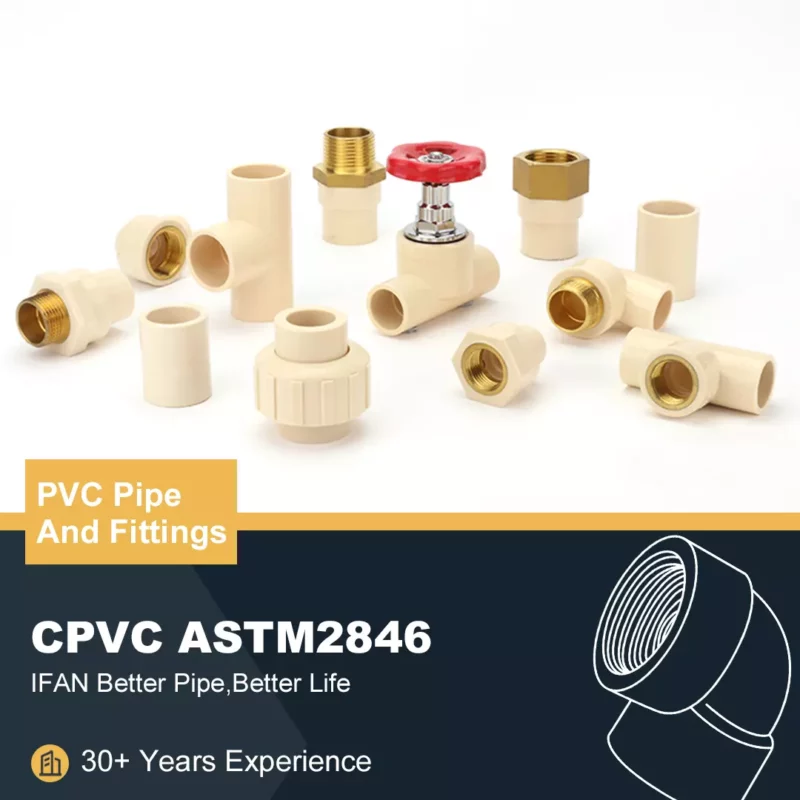
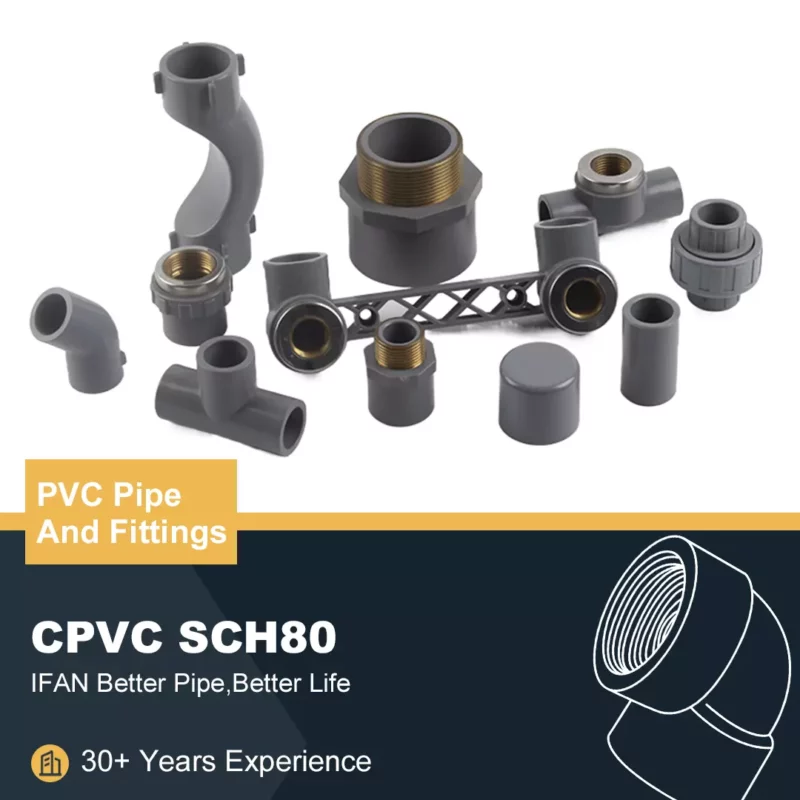
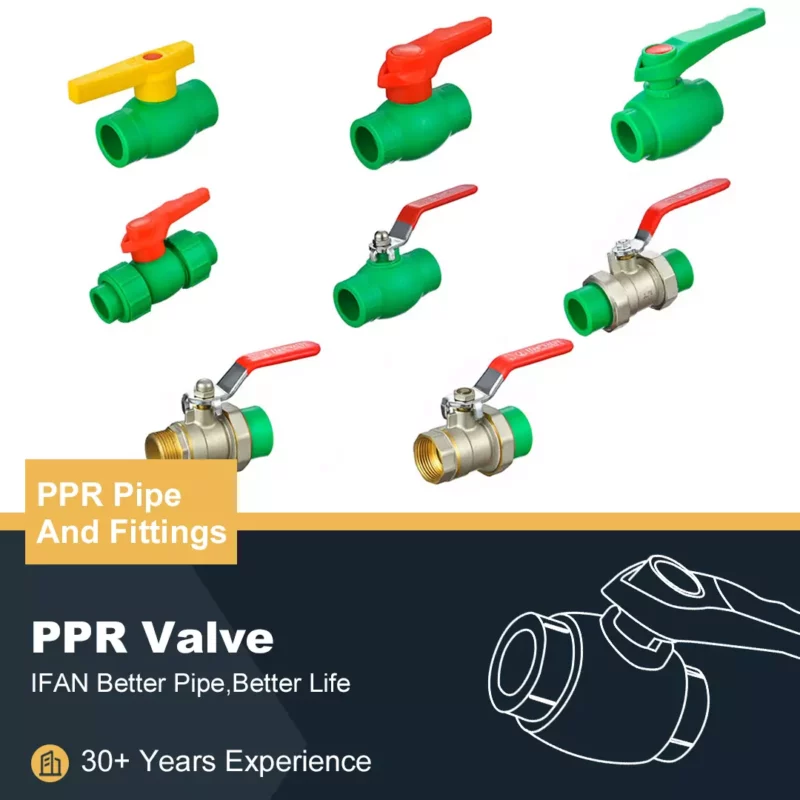
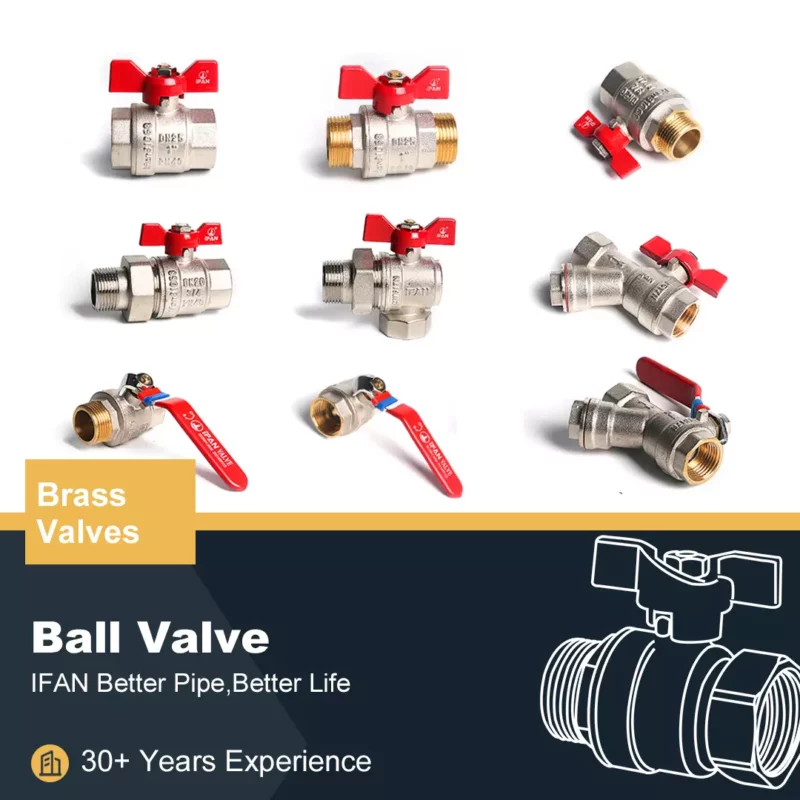
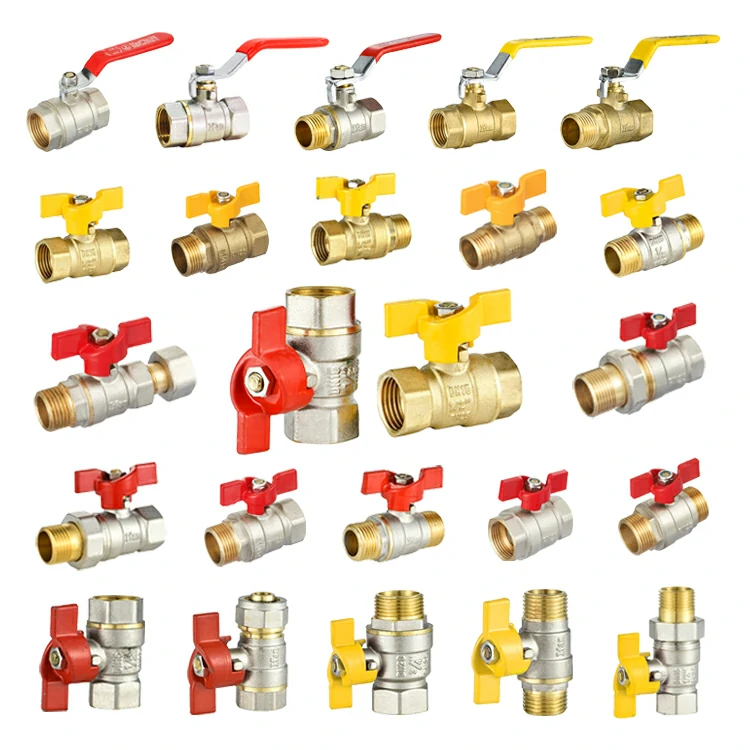
PVC and Brass ball valve control fluid flow. Each type offers unique advantages. Choosing the right one depends on usage needs.
Material Differences
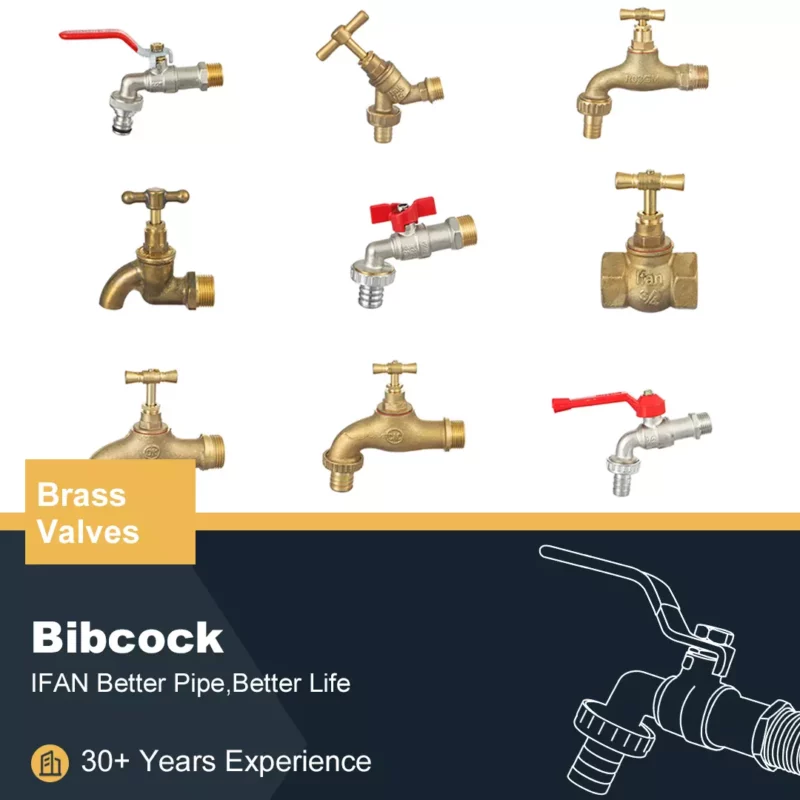
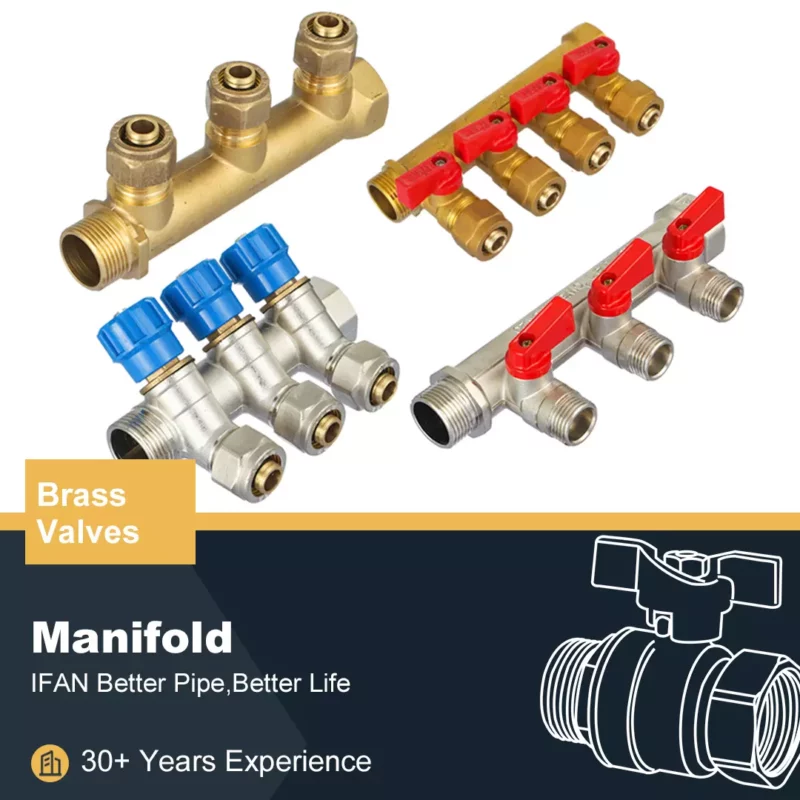
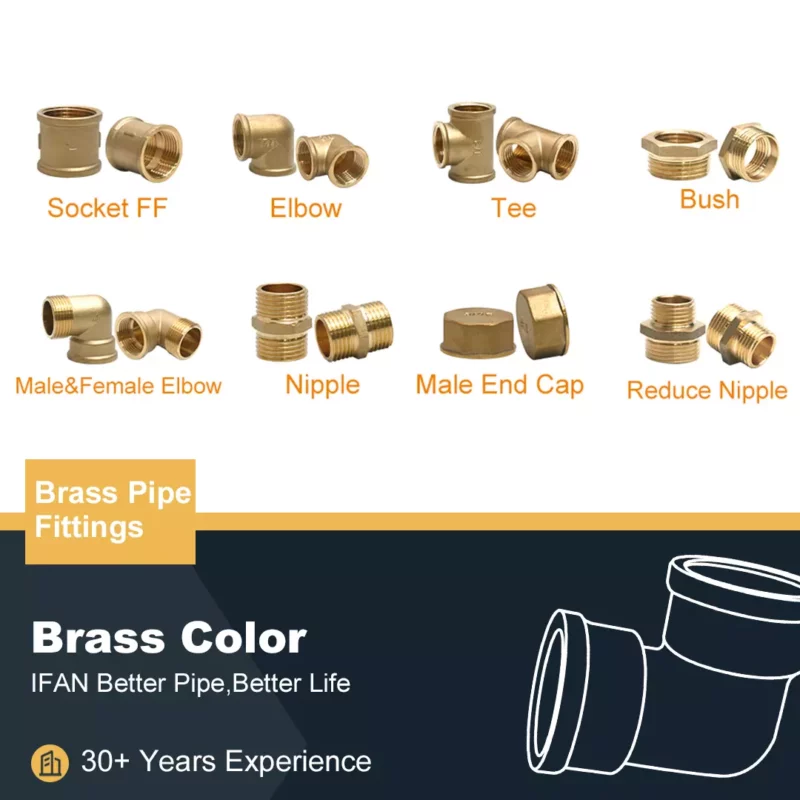
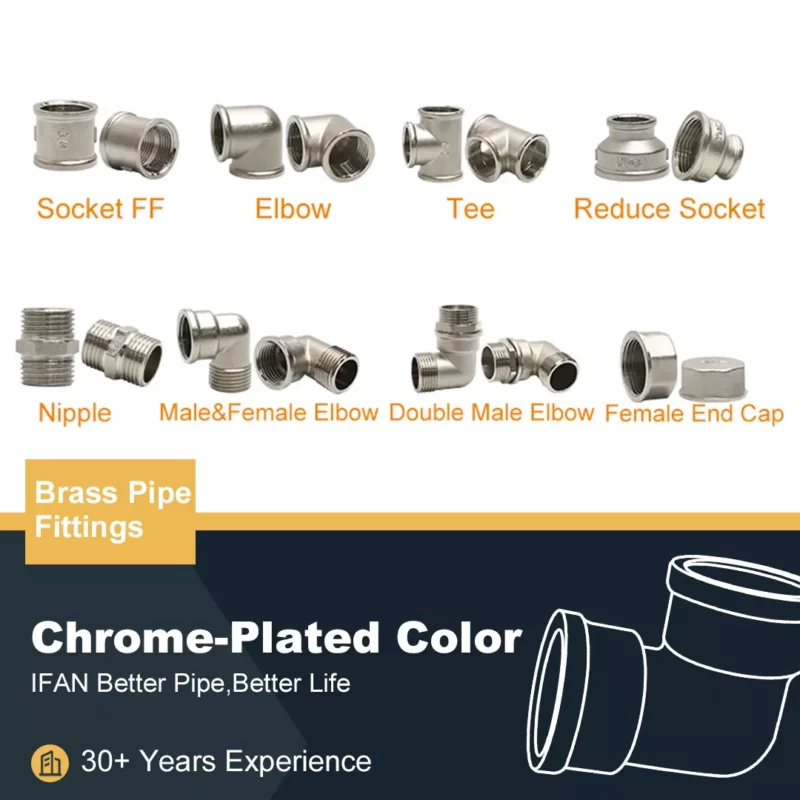
Brass Ball Valve use a metal alloy. PVC valves use plastic. Brass offers strength, while PVC provides corrosion resistance.
Durability and Strength
Brass Ball Valve handle high pressure. PVC valves work best in low-pressure systems. Brass lasts longer under extreme conditions.
Corrosion Resistance
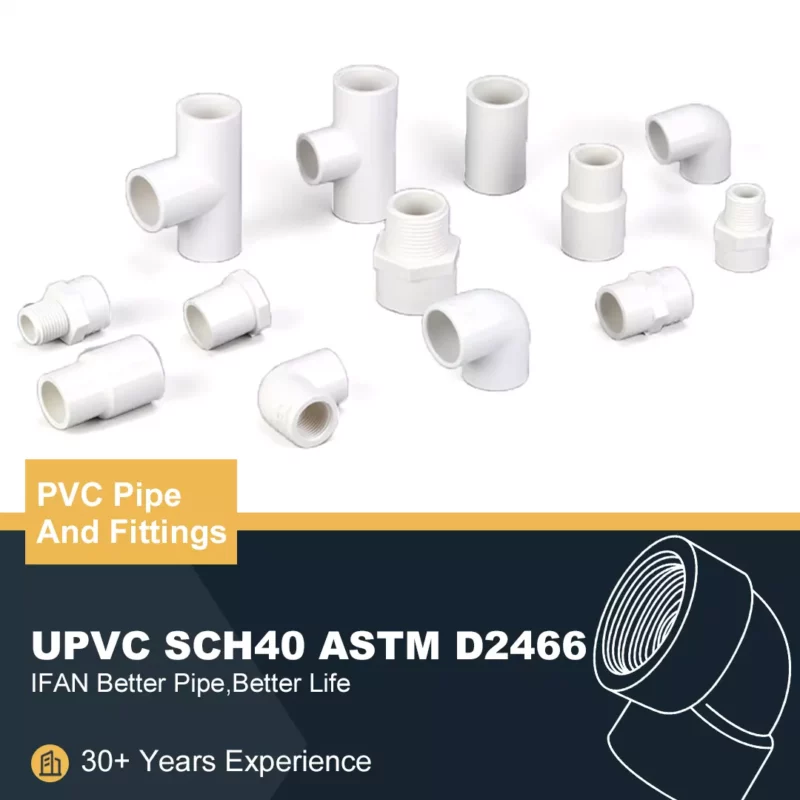
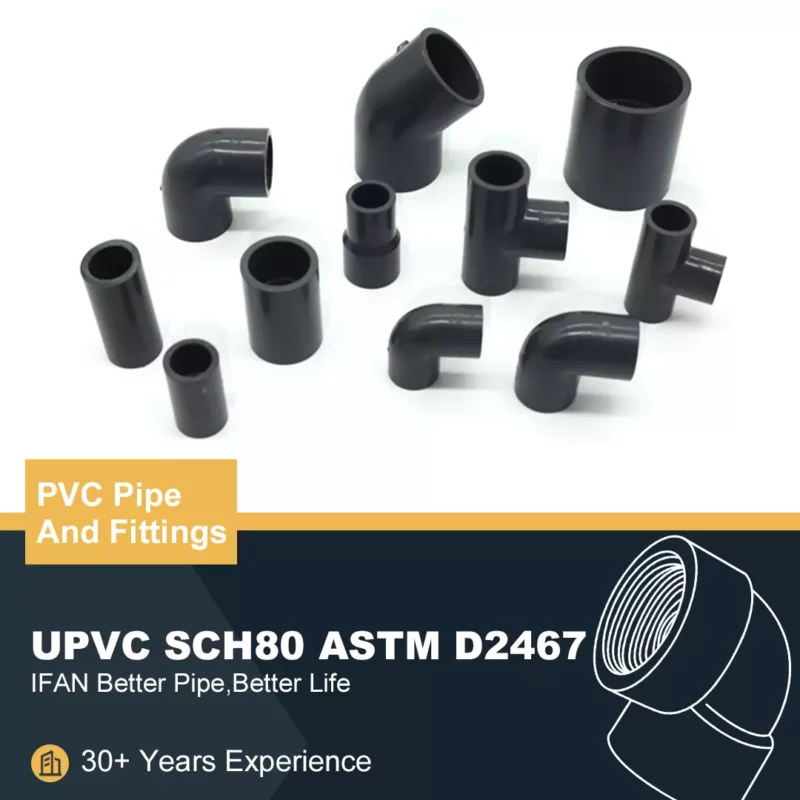
PVC resists corrosion from chemicals. Brass may corrode in certain environments. Choose PVC for chemical-heavy applications.
Temperature Resistance
Brass withstands high temperatures. PVC softens under extreme heat. Use brass for hot water and steam applications.
Installation and Maintenance
PVC valves install easily. Brass valves need more effort. Regular maintenance keeps both functioning well.
Cost Comparison
Brass valves cost more than PVC. PVC offers a budget-friendly option. Higher investment in brass provides long-term benefits.
Environmental Impact
Brass comes from recyclable materials. PVC manufacturing impacts the environment. Choose brass for sustainability.
Best Applications
Brass suits industrial and plumbing needs. PVC works well for irrigation and drainage. Consider application before purchasing.
Conclusion
Brass and PVC ball valves serve different purposes. Choose brass for durability. Select PVC for cost-effective, chemical-resistant needs.
If you have read this article and have any questions, please feel free to contact IFAN. Below is our contact information:
Whatsapp:+86 13373827623
Email:[email protected]