
Introduction
A reliable piping system depends on components that are easy to install and maintain. UPVC pipe fittings offer a simple installation process, making them a preferred choice for residential, commercial, and industrial plumbing applications. These fittings are lightweight, durable, and corrosion-resistant, ensuring long-term performance with minimal effort.
This article explores the easy installation process of UPVC pipe fitting, highlighting their key advantages and step-by-step installation guidelines. Whether used for water supply, drainage, or industrial fluid systems, these fittings provide an efficient and cost-effective solution.
What Are UPVC Pipe Fitting?
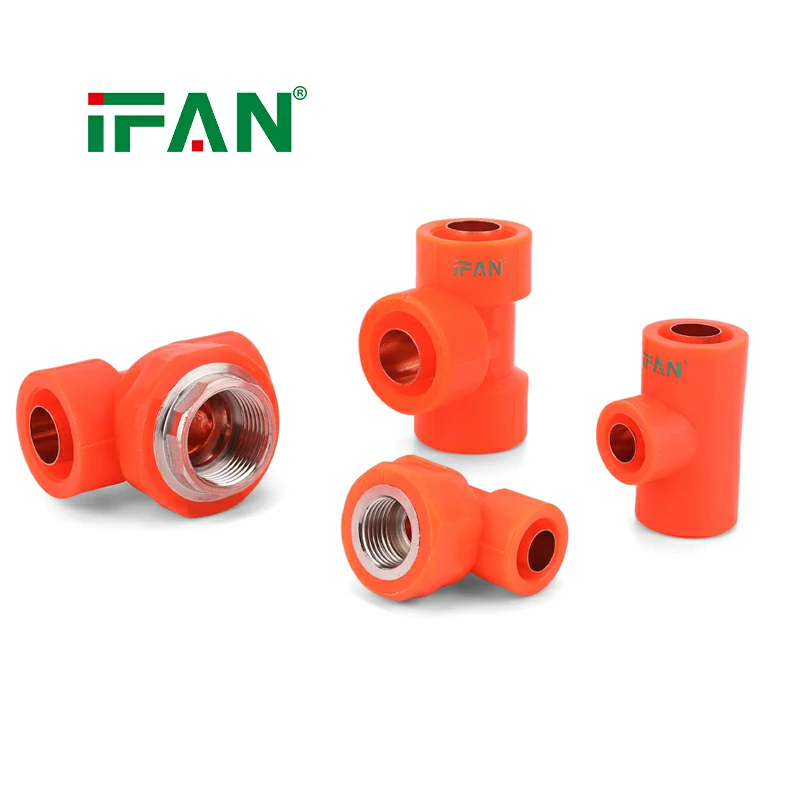
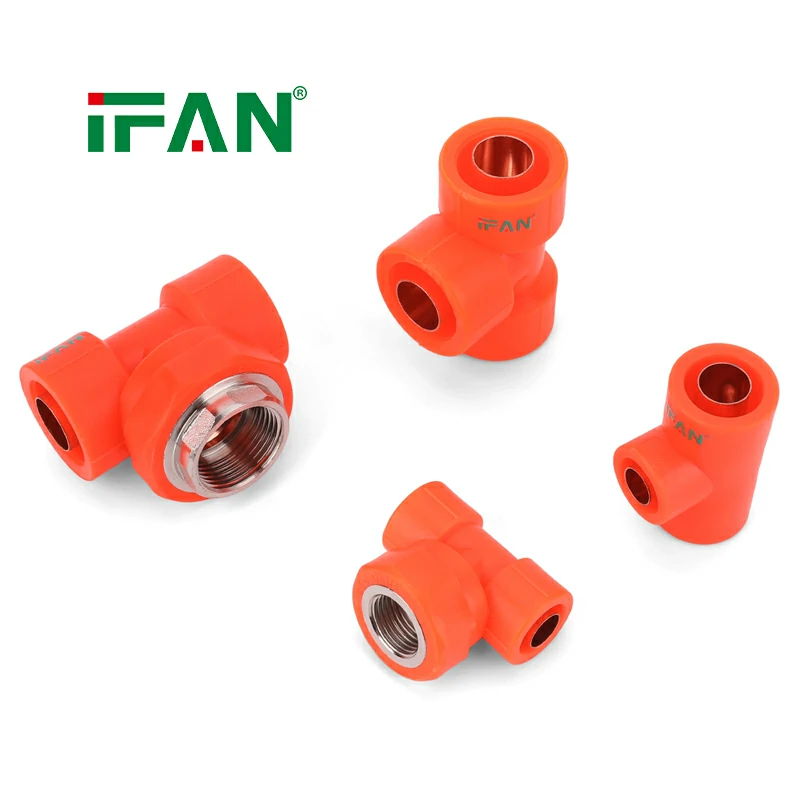
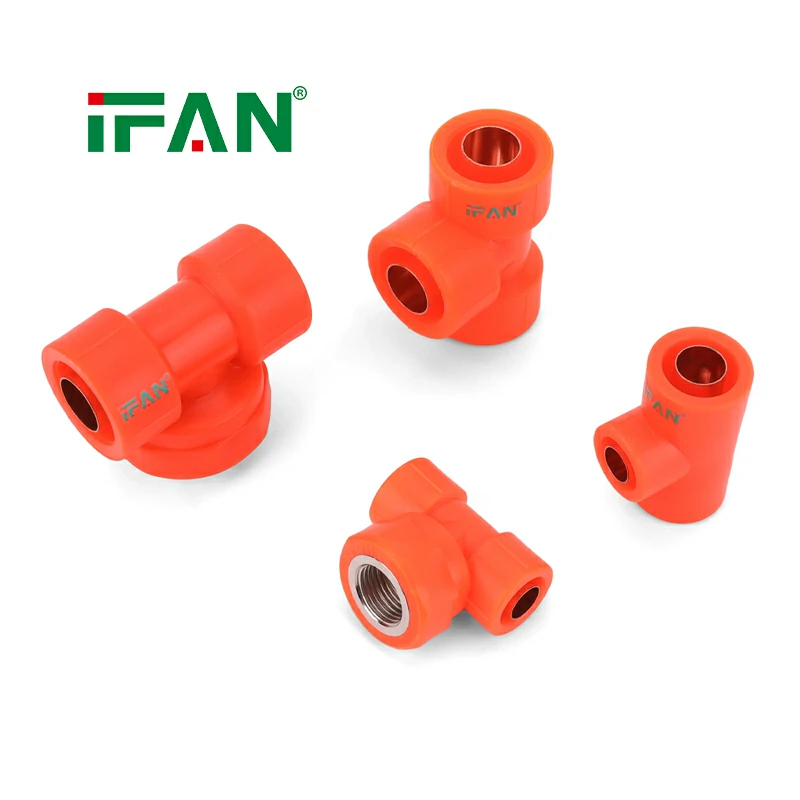
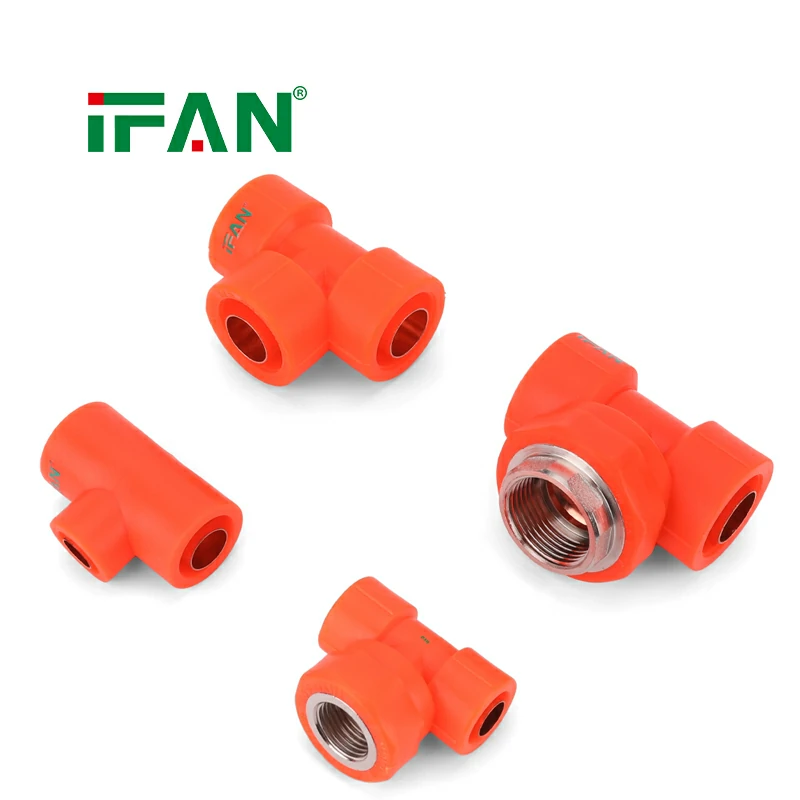
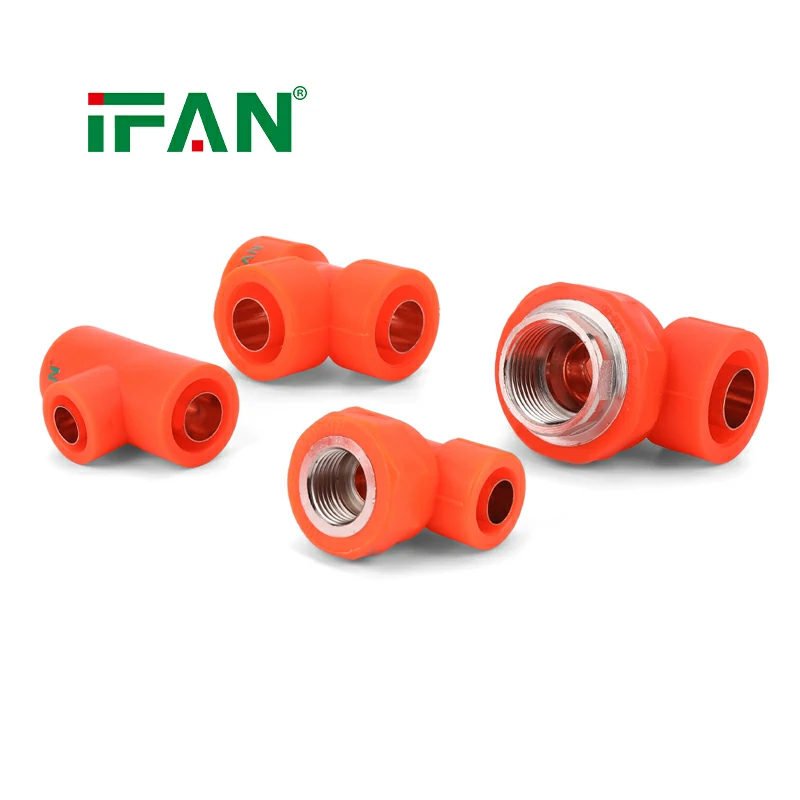
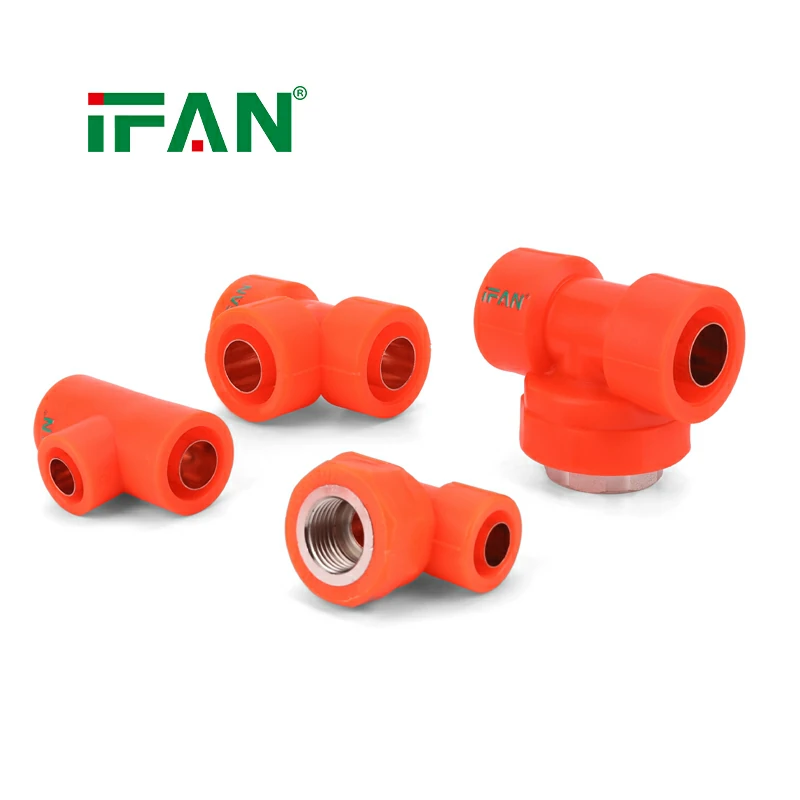
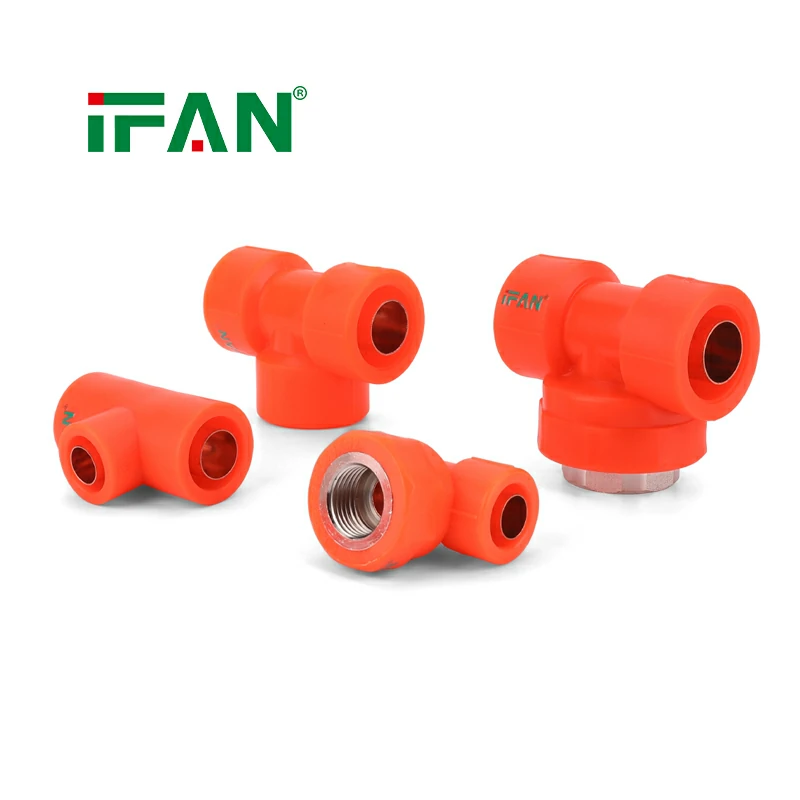
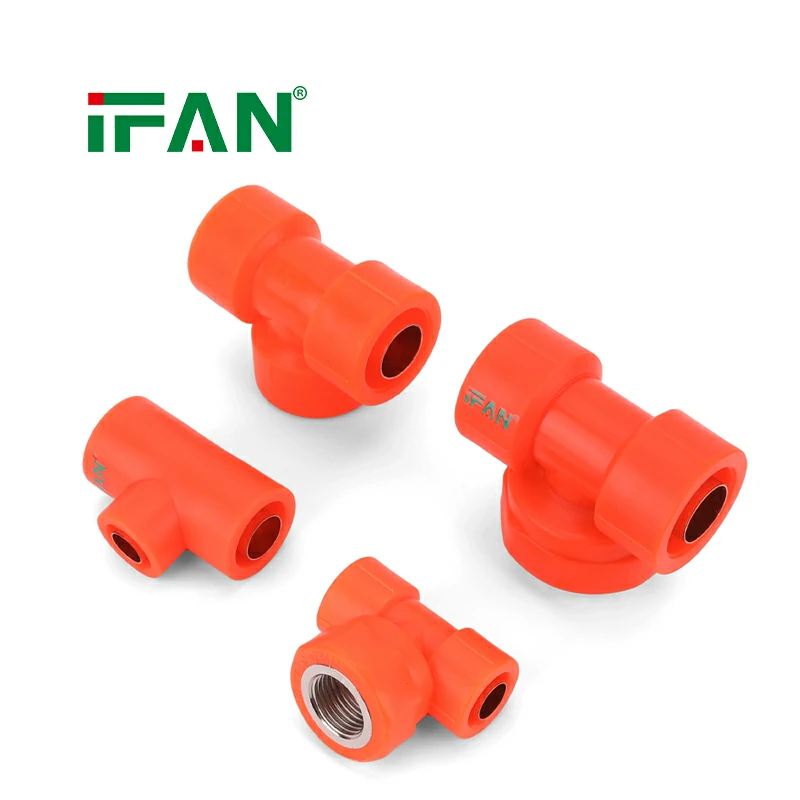
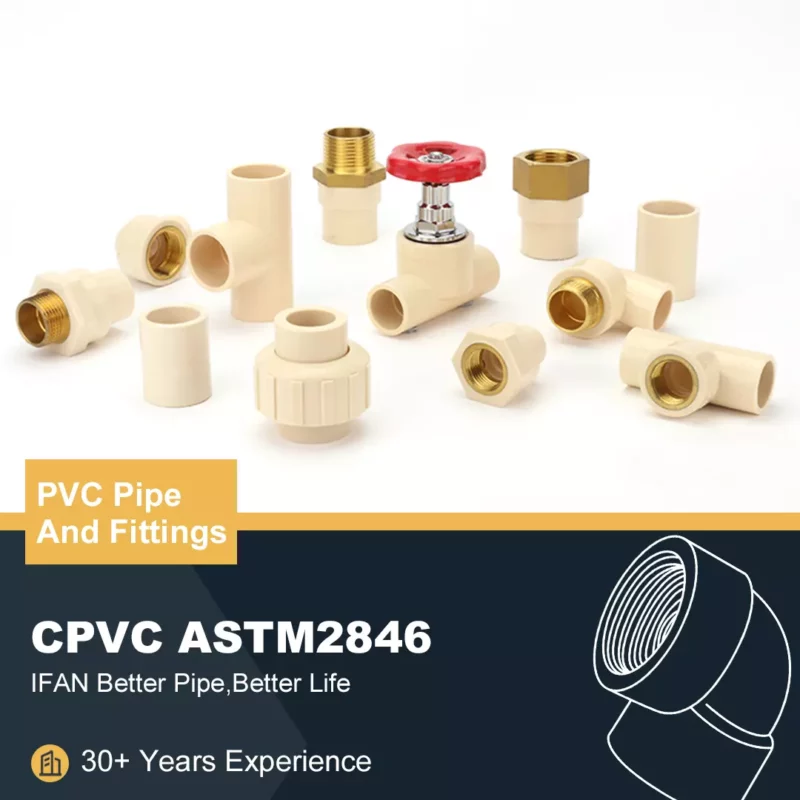
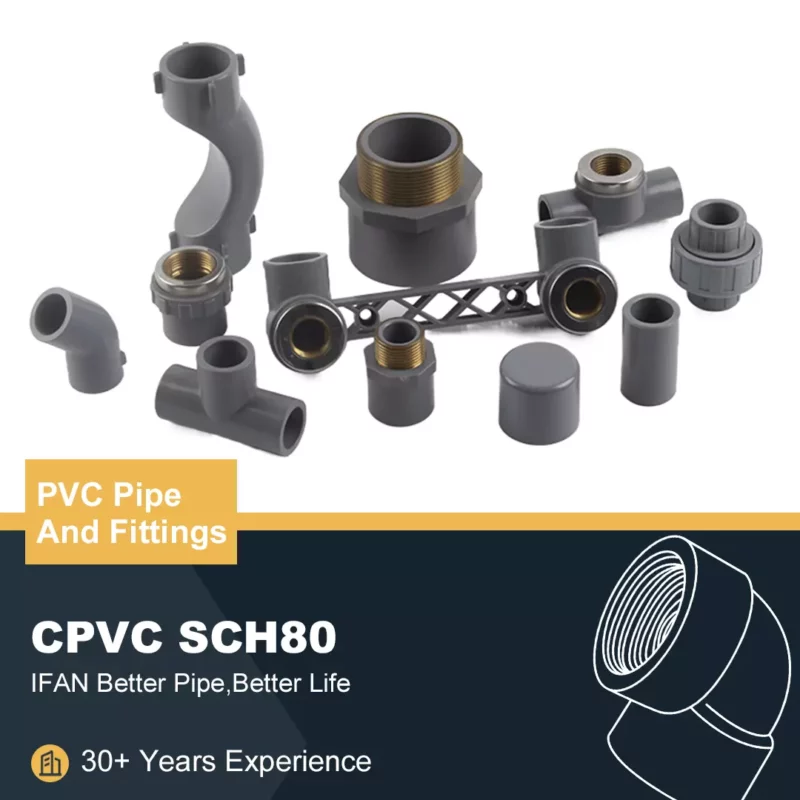
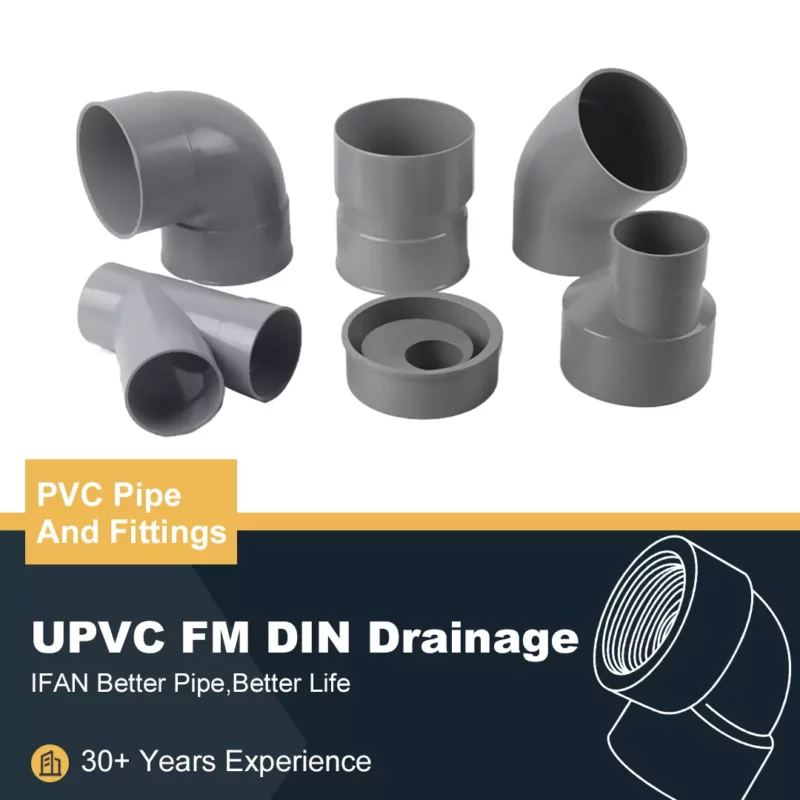
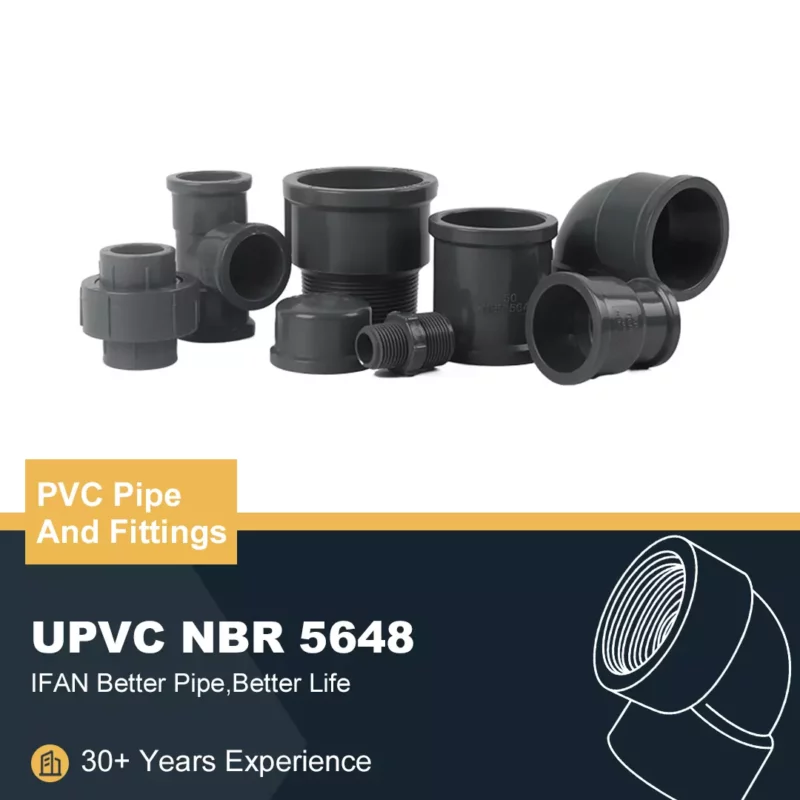
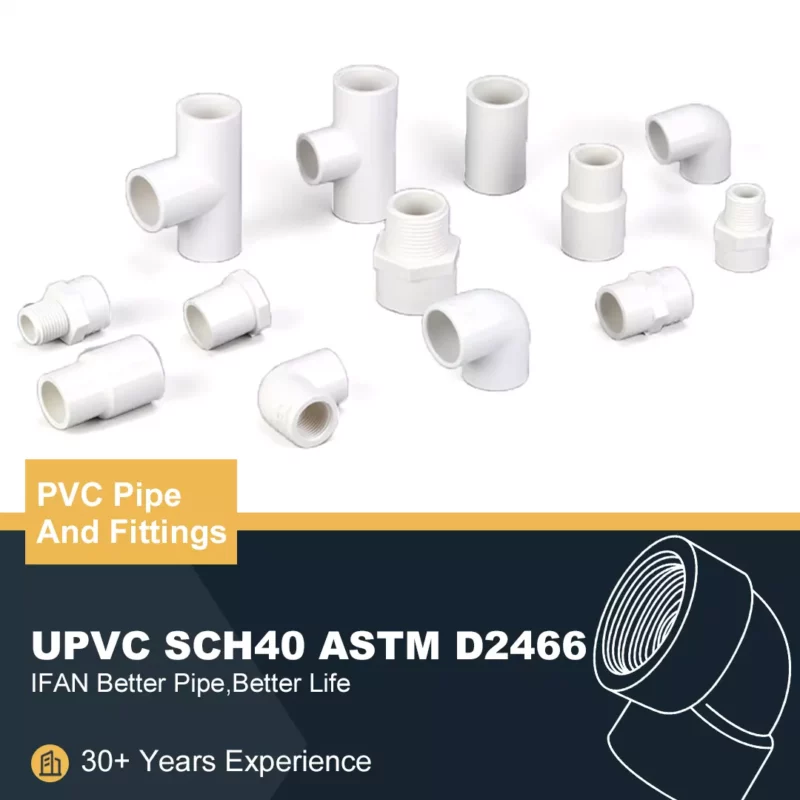
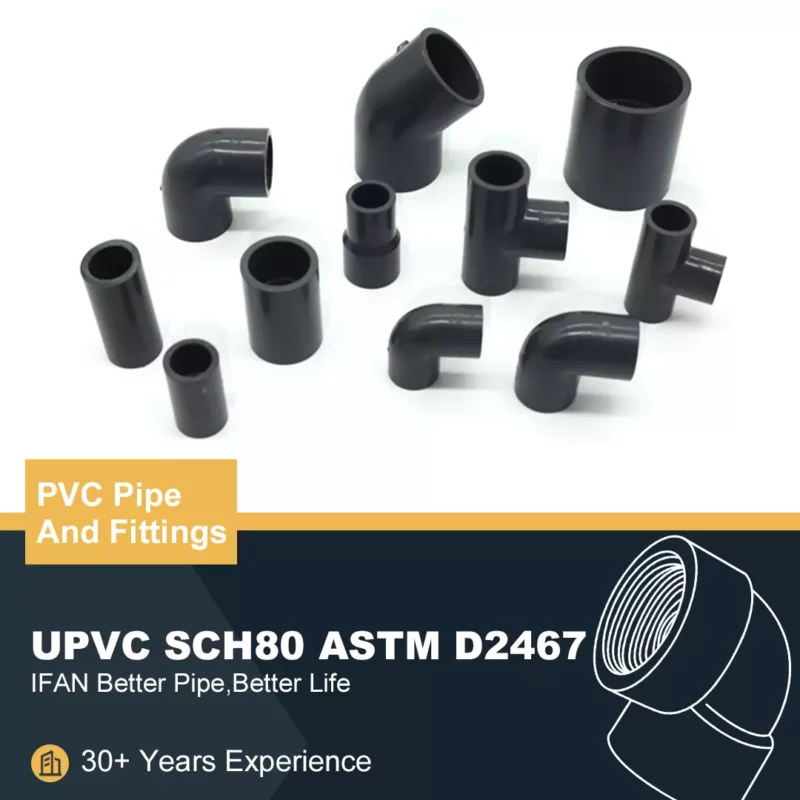
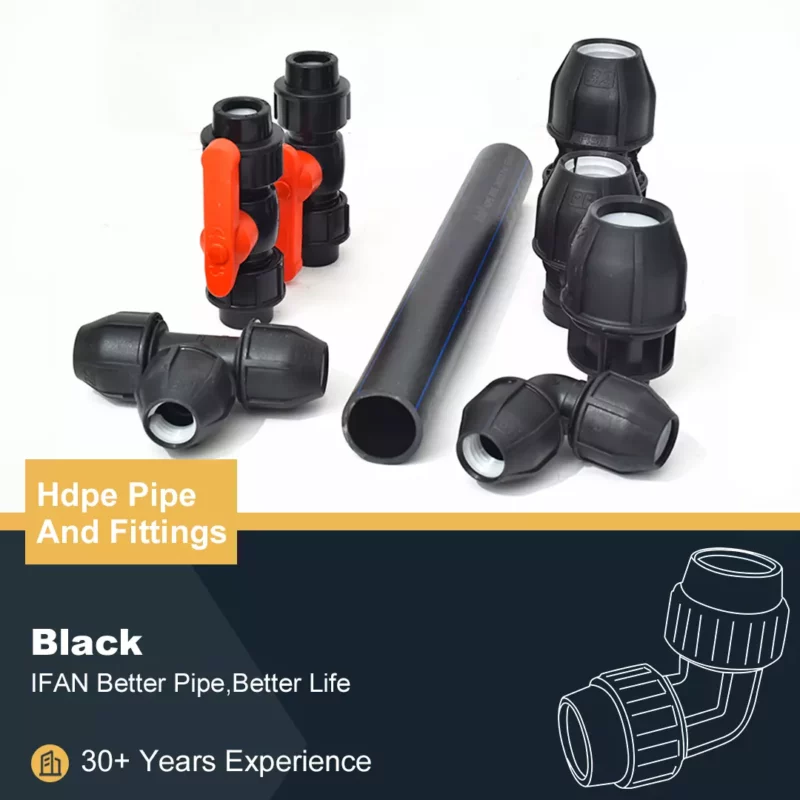
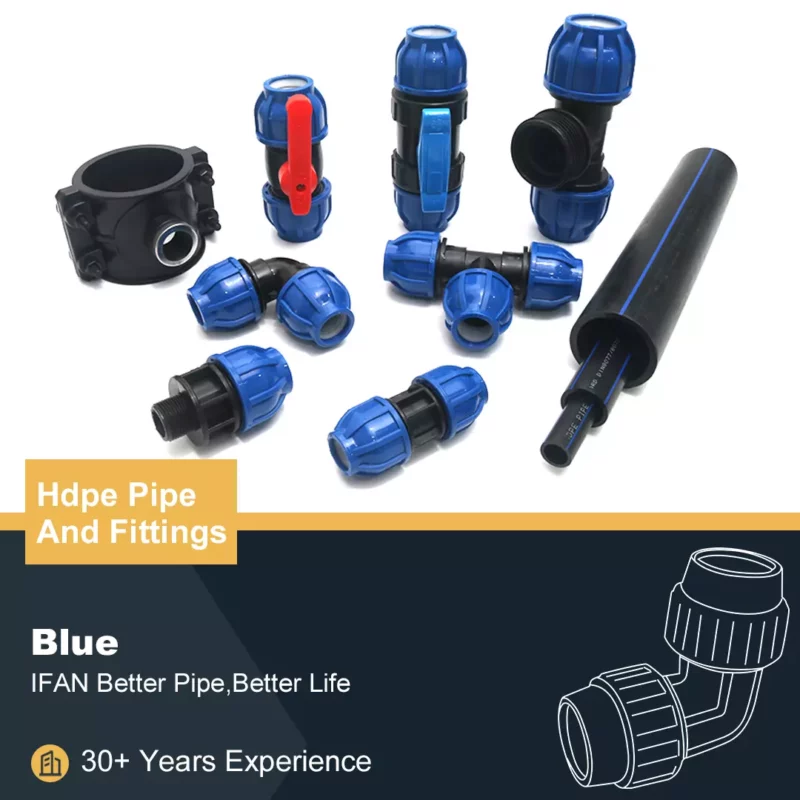
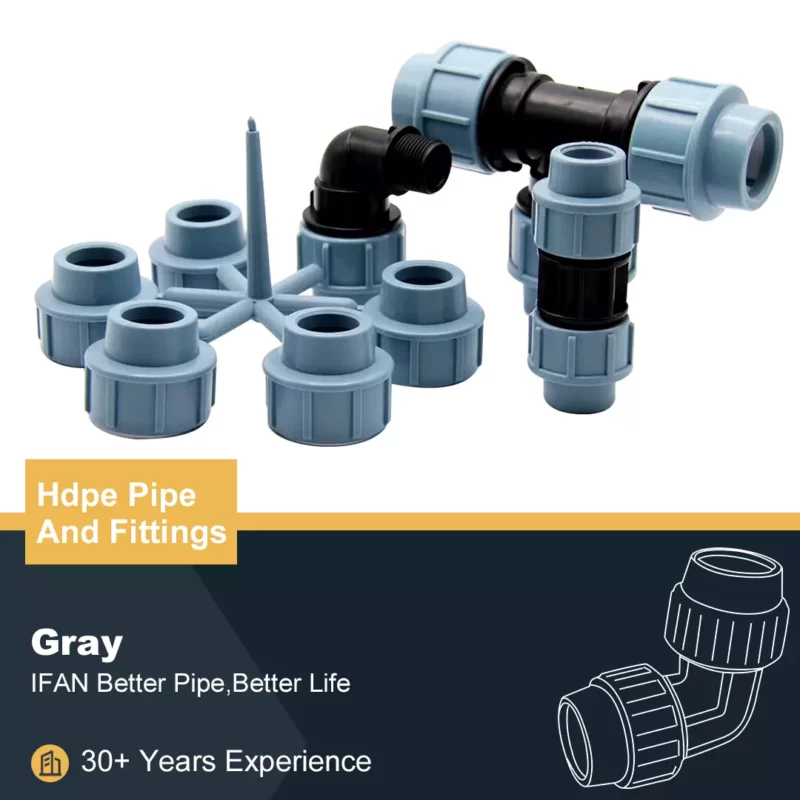
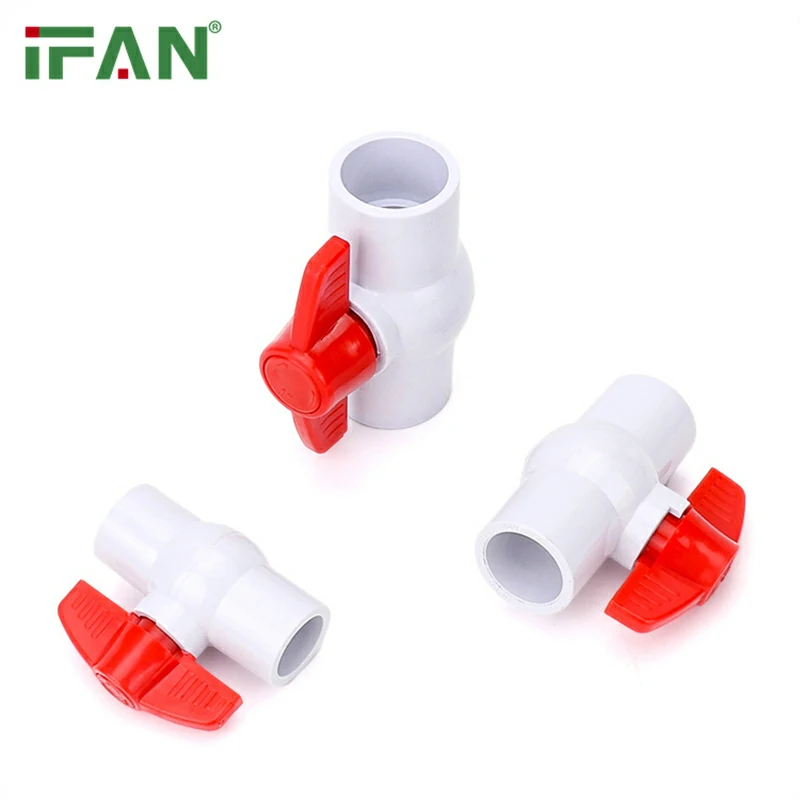
UPVC pipe fittings are made from unplasticized polyvinyl chloride (UPVC), a strong and rigid material. Unlike traditional metal fittings, UPVC pipe fittings do not rust, corrode, or degrade when exposed to water or chemicals.
These fittings are widely used in plumbing, irrigation, wastewater management, and industrial fluid systems. Their lightweight nature and simple joining methods make installation quick and hassle-free.
Key Features of UPVC Pipe Fitting
1. Lightweight Construction
UPVC pipe fitting are much lighter than metal fittings. This reduces transportation costs and makes handling easier during installation.
2. Simple Joining Methods
These fittings use solvent cement bonding, push-fit connections, or threaded joints, eliminating the need for welding or specialized tools.
3. Corrosion Resistance
Unlike metal fittings, UPVC pipe fitting do not rust or react with water and chemicals, ensuring long-lasting performance.
4. Leak-Proof Connections
The secure joining methods create tight, leak-proof seals, preventing water loss and system failures.
5. Cost-Effective Solution
Since UPVC pipe fitting require minimal labor and maintenance, they offer a cost-efficient alternative to traditional metal piping systems.
Step-by-Step Installation Process
1. Gathering Necessary Tools and Materials
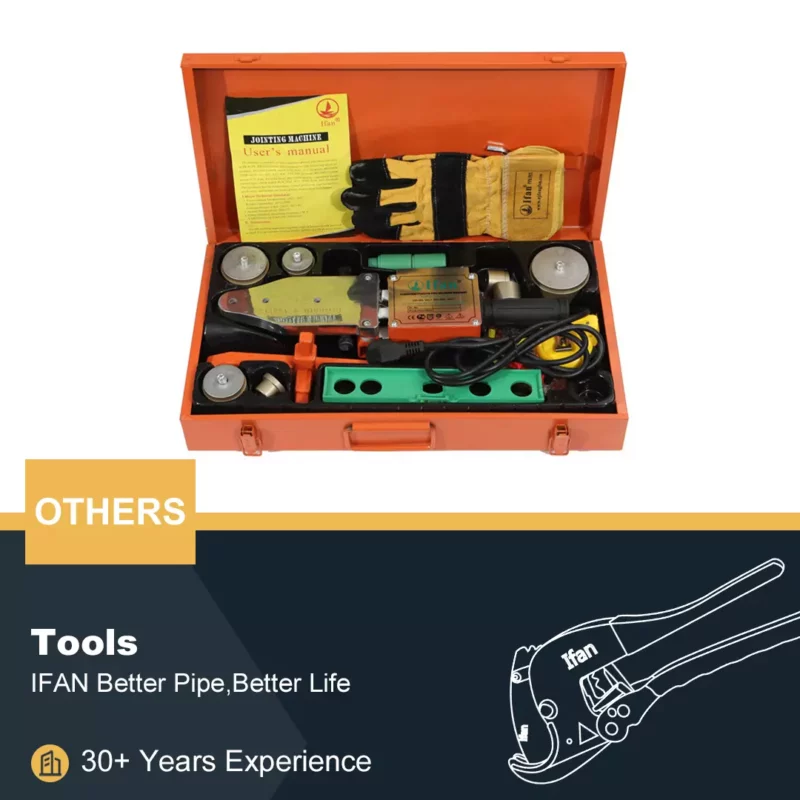
Before installation, ensure all required materials are available. These include:
- UPVC pipes and fittings
- Solvent cement and primer (for solvent weld joints)
- Pipe cutter or hacksaw
- Measuring tape and marker
- Cleaning cloth
2. Measuring and Cutting the Pipes
Accurate measurements are crucial for a secure installation. Follow these steps:
- Measure the required length of UPVC pipes.
- Use a pipe cutter or hacksaw to cut the pipe evenly.
- Remove burrs and rough edges with sandpaper or a deburring tool to ensure smooth connections.
3. Cleaning and Preparing the Fittings
Before assembling, ensure that UPVC pipe fitting are clean and dry:
- Wipe the inside of the fittings and the outside of the pipe ends with a clean cloth.
- Use a primer (if required) to prepare the surfaces for bonding.
4. Applying Solvent Cement
For a strong and permanent connection, solvent cement welding is commonly used:
- Apply a thin layer of solvent cement to both the pipe end and the fitting’s socket.
- Quickly insert the pipe into the fitting, ensuring it reaches the full depth of the socket.
- Hold in place for a few seconds to allow the adhesive to set.
- Wipe away any excess cement with a clean cloth.
5. Allowing for Proper Curing Time
After applying solvent cement, allow sufficient curing time before testing the system. Typically, this takes 15–30 minutes for handling and 24 hours for full strength.
6. Checking for Leaks
Once the installation is complete, perform a leak test:
- Turn on the water supply and check for any signs of leakage at the joints.
- If leaks occur, reapply solvent cement or tighten the connection as needed.
Alternative Installation Methods
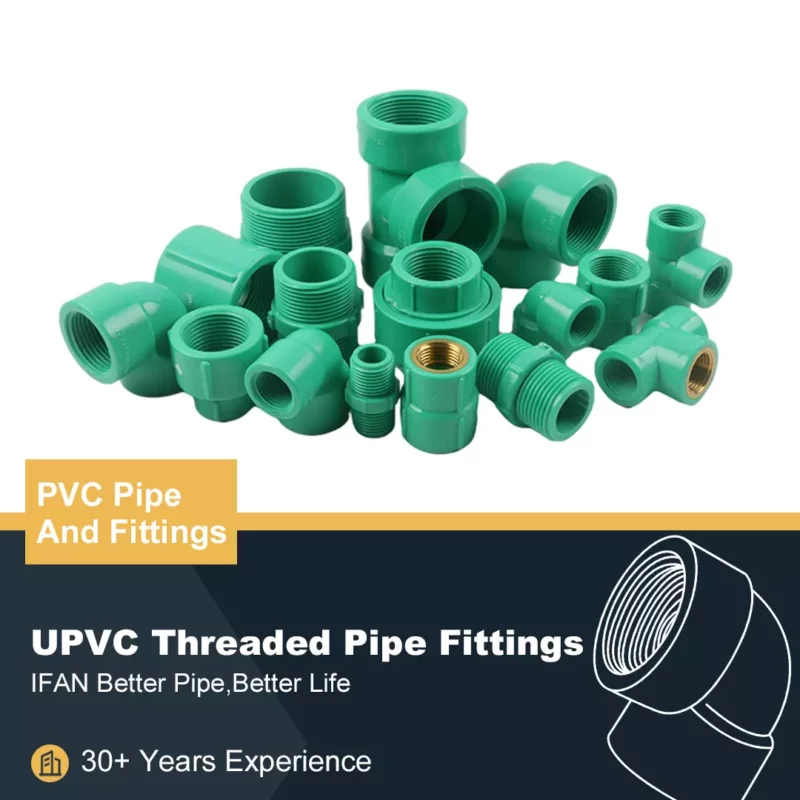
1. Threaded Joints
Some UPVC pipe fitting come with threaded connections for easy assembly and disassembly.
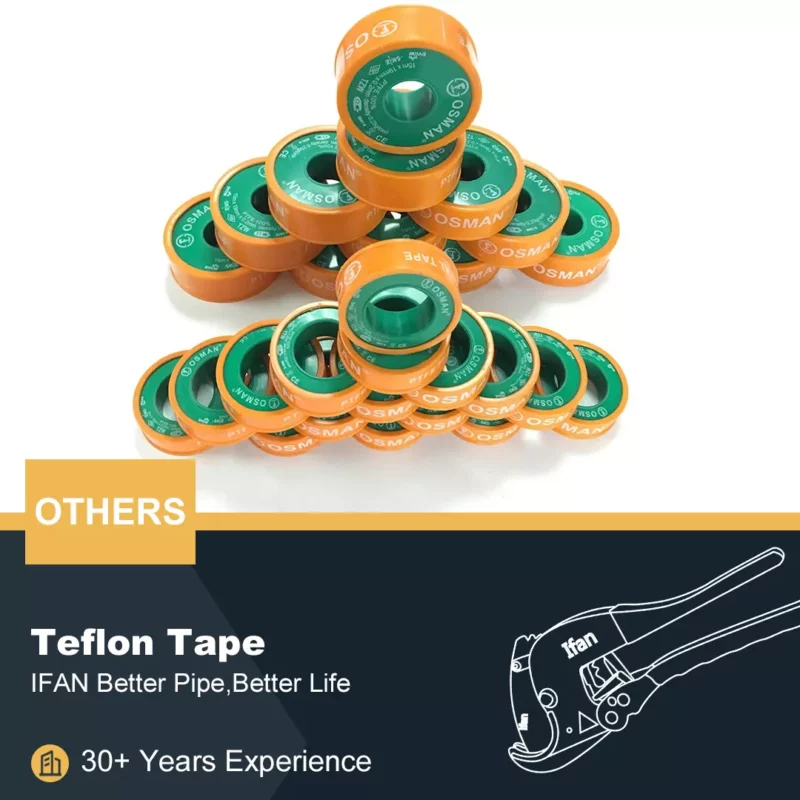
- Wrap PTFE tape around the male threads before screwing the fittings together.
- Hand-tighten first, then use a wrench to secure the connection without over-tightening.
2. Push-Fit Connections
For quick installations, some UPVC pipe fitting use push-fit mechanisms, which require no glue or tools.
- Simply insert the pipe into the fitting until it locks into place.
- Ensure a secure fit by checking for proper alignment.
Advantages of the Easy Installation Process
1. Saves Time and Labor Costs
Since UPVC pipe fitting require no welding or heavy machinery, installation is quick and straightforward, reducing labor expenses.
2. Reduces Risk of Installation Errors
With pre-measured fittings and simple connection methods, there is minimal risk of incorrect assembly.
3. Minimal Maintenance Required
Once installed, UPVC pipe fitting require little upkeep, as they are resistant to rust, leaks, and chemical damage.
4. Suitable for DIY and Professional Use
Both professional plumbers and DIY users can install UPVC pipe fittings with ease, making them accessible for various projects.
Applications of UPVC Pipe Fittings
1. Residential Plumbing Systems
Homeowners use UPVC pipe fittings for water supply lines, drainage systems, and irrigation setups due to their easy installation and durability.
2. Industrial Piping Systems
Industries benefit from UPVC pipe fittings in chemical transport, wastewater management, and ventilation systems, thanks to their corrosion resistance.
3. Agricultural Irrigation
Farmers use UPVC pipe fittings in irrigation networks because of their lightweight construction and ease of connection.
4. Water Treatment Plants
Water treatment facilities rely on UPVC pipe fittings to transport clean and wastewater efficiently while preventing leaks.
5. Swimming Pools and Spa Systems
UPVC pipe fittings are used in swimming pool filtration systems due to their resistance to chlorine and moisture exposure.
Why Choose UPVC Pipe Fittings for Easy Installation?
1. No Specialized Equipment Needed
Unlike metal piping, UPVC pipe fittings do not require welding, soldering, or threading machines.
2. Lightweight and Portable
Their lightweight nature makes transportation and handling easier during installation.
3. Fast and Secure Joints
Using solvent cement, threaded, or push-fit connections, these fittings ensure leak-proof seals in minutes.
4. Long-Lasting and Durable
Once installed, UPVC pipe fittings remain reliable and maintenance-free for years.
5. Cost-Effective Choice
With low material costs and reduced labor expenses, UPVC pipe fitting provide an affordable plumbing solution.
Conclusion
UPVC pipe fittings offer a hassle-free installation process, making them ideal for plumbing, irrigation, and industrial piping systems. Their lightweight design, simple joining methods, and corrosion resistance provide an efficient and long-lasting solution.
By following the step-by-step installation guide, users can quickly assemble UPVC pipe fittings without requiring specialized tools. Their cost-effectiveness, durability, and easy maintenance further enhance their appeal in modern piping applications.
For anyone looking for a fast and efficient piping solution, UPVC pipe fittings are a smart and reliable choice.
If you have read this article and have any questions, please feel free to contact IFAN. Below is our contact information:
Whatsapp:+86 13373827623
Email:[email protected]