


Introduction to PVC Ball Valves
PVC ball valves are widely recognized for their low maintenance requirements. These valves are essential components in various piping systems. Their design and material properties contribute significantly to their durability and efficiency. As industries seek reliable solutions, PVC ball valves stand out as a practical choice. This article will explore the low maintenance features of PVC ball valves and their benefits in various applications.
Understanding PVC Ball Valve Design
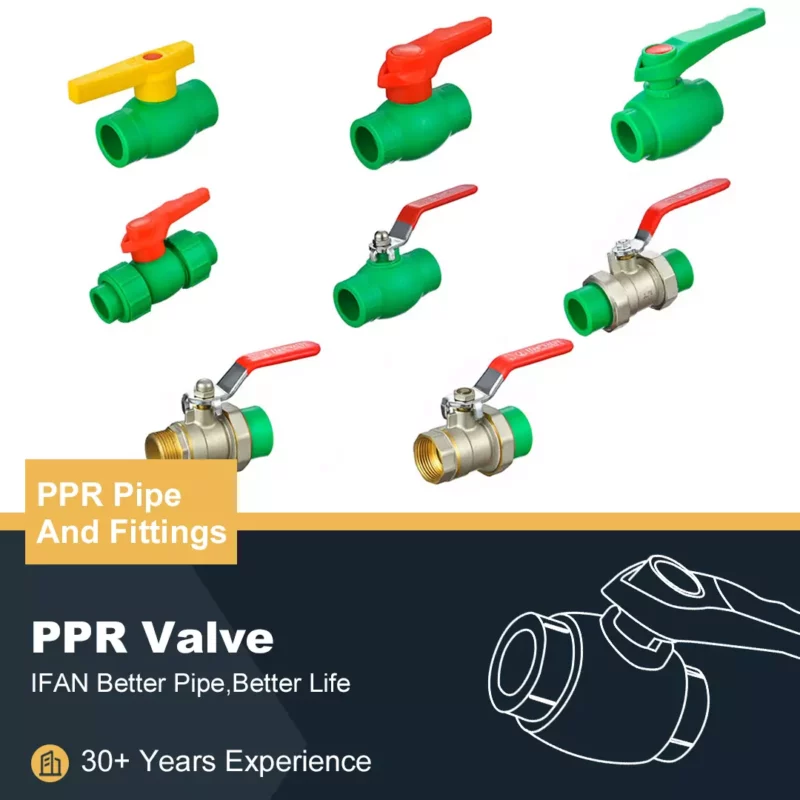
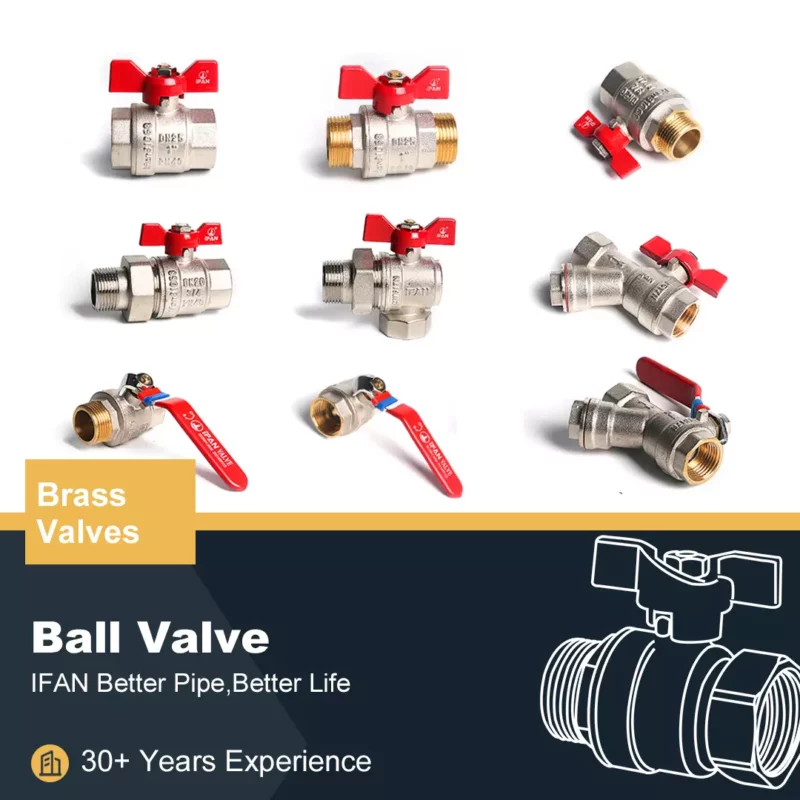
The design of PVC ball valves is simple yet effective. Each valve consists of a spherical ball with a hole through its center. This ball rotates within the valve body to control fluid flow. When the valve is turned, the ball aligns with the flow direction, allowing liquids or gases to pass through. This straightforward mechanism minimizes the chances of malfunction, contributing to low maintenance needs.
Benefits of PVC Material
PVC, or polyvinyl chloride, is a popular material for ball valves. It is lightweight, which makes installation easier. PVC is also resistant to corrosion, ensuring long-lasting performance in various environments. Unlike metal valves, PVC does not rust or corrode over time. This durability reduces the need for frequent replacements and maintenance, making PVC ball valve a cost-effective solution.
Low Wear and Tear
PVC ball valves experience low wear and tear compared to other valve types. The smooth surface of the ball reduces friction during operation. This minimizes the strain on the valve components, leading to longer service life. With less wear, these valves maintain their performance over time. As a result, users can enjoy reliable operation without frequent interventions.
Minimal Inspection Requirements
Another advantage of PVC ball valve is their minimal inspection requirements. Regular visual checks are often sufficient to ensure proper functioning. Users can easily identify any visible issues, such as leaks or cracks. This simplicity reduces the time and effort spent on maintenance tasks. As a result, operators can focus on other essential aspects of their systems.
Resistance to Chemical Damage
PVC ball valve are highly resistant to chemical damage. They can handle a wide range of aggressive substances without degrading. This chemical resistance is crucial in industries like chemical processing and wastewater treatment. By preventing corrosion and chemical reactions, PVC valves ensure safe and efficient operation. Their ability to withstand harsh environments contributes to their low maintenance profile.
Temperature Tolerance
PVC ball valve can operate effectively within a specific temperature range. Typically, they function well in temperatures from 32°F to 140°F (0°C to 60°C). This range makes them suitable for various applications, including water supply and chemical handling. Proper temperature management ensures that the valves maintain their integrity and performance. This reliability further reduces maintenance needs.
User-Friendly Operation
The user-friendly operation of PVC ball valve is another factor contributing to low maintenance. The quarter-turn mechanism allows for quick and easy adjustments. Operators can open or close the valve with minimal effort. This simplicity is particularly beneficial in emergency situations where rapid flow control is needed. Easy operation reduces the likelihood of user errors that can lead to maintenance issues.
Cost-Effectiveness
PVC ball valves are a cost-effective solution for many applications. Their initial purchase price is often lower than that of metal valves. Additionally, their durability and low maintenance needs lead to long-term savings. Investing in reliable valves reduces overall operational costs. This cost-effectiveness makes PVC ball valve popular across various industries.
IFAN International Standard for PVC Tubing
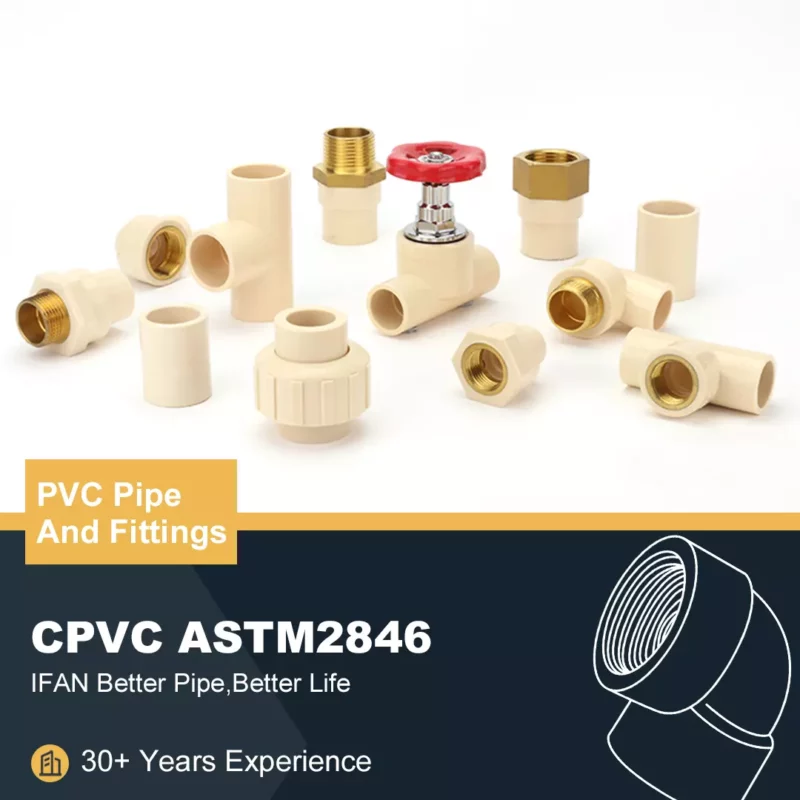
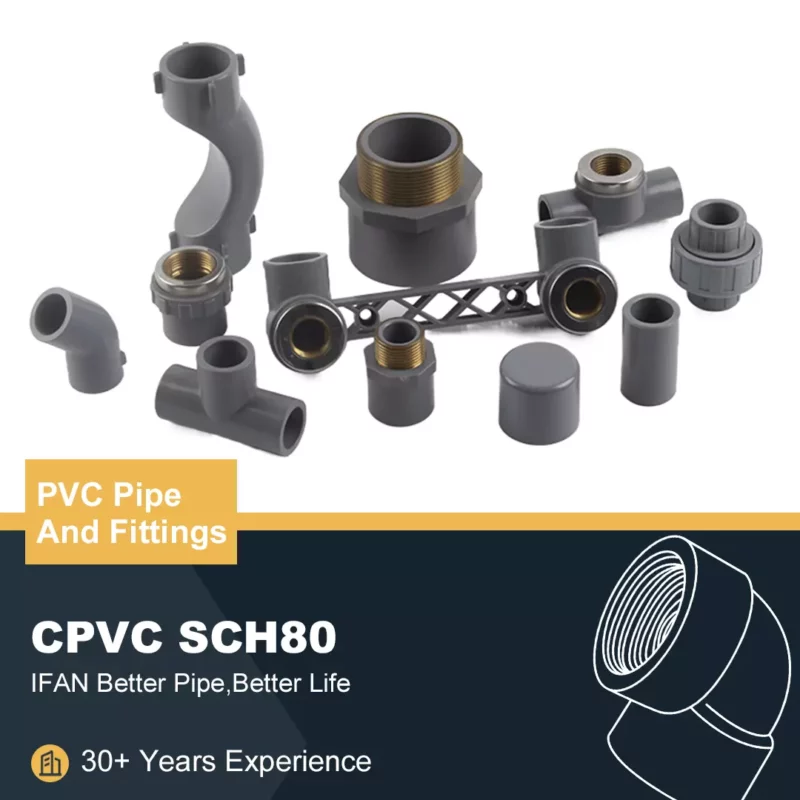
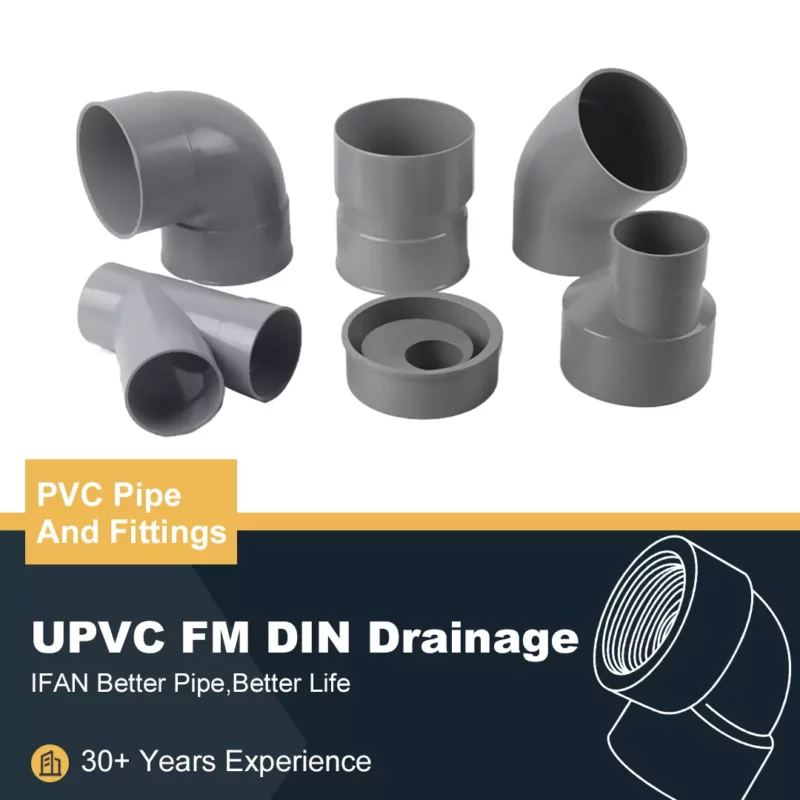
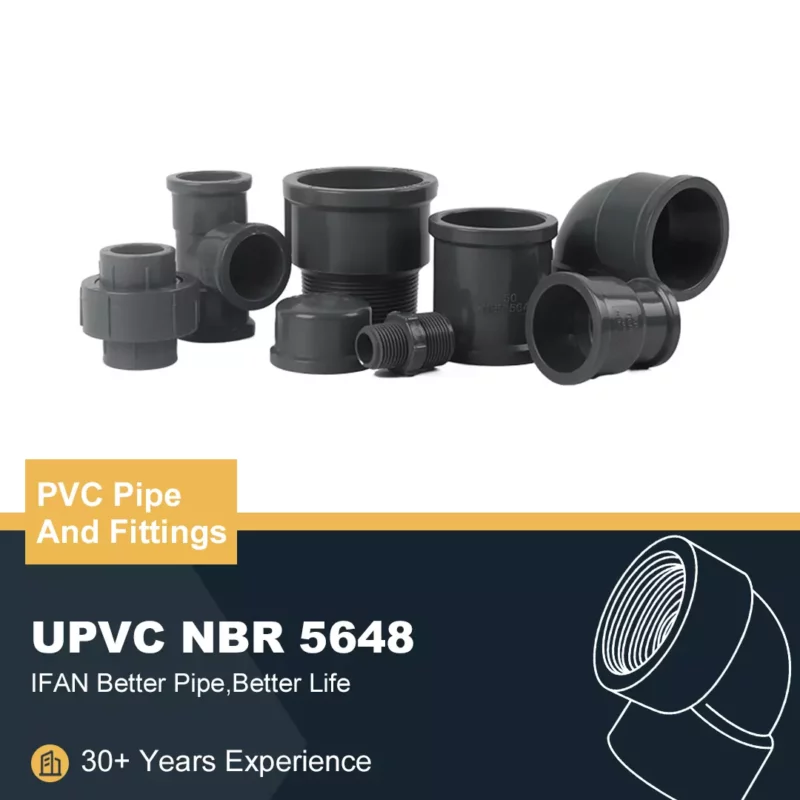
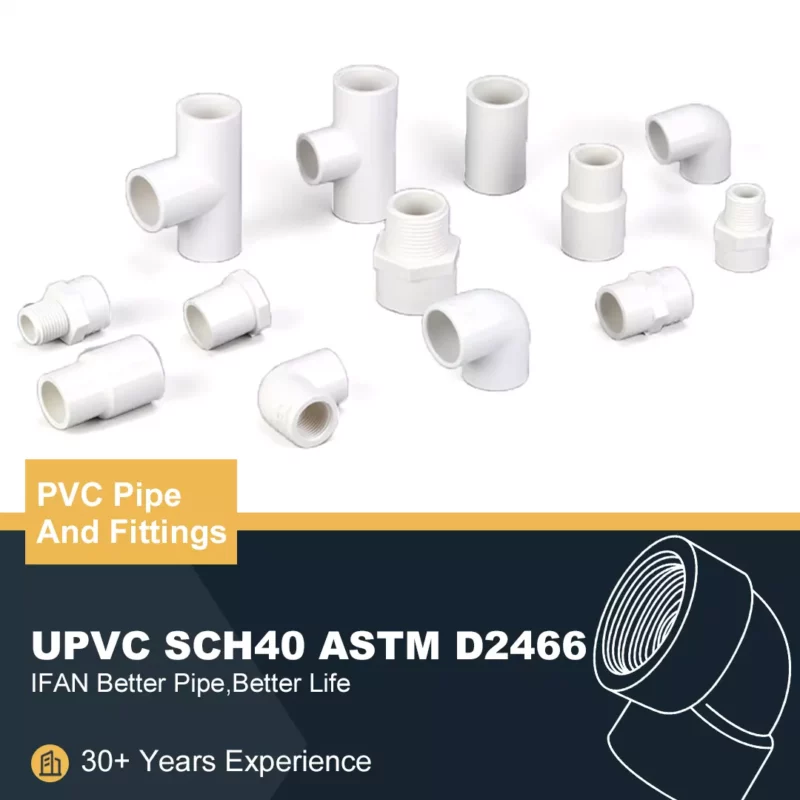
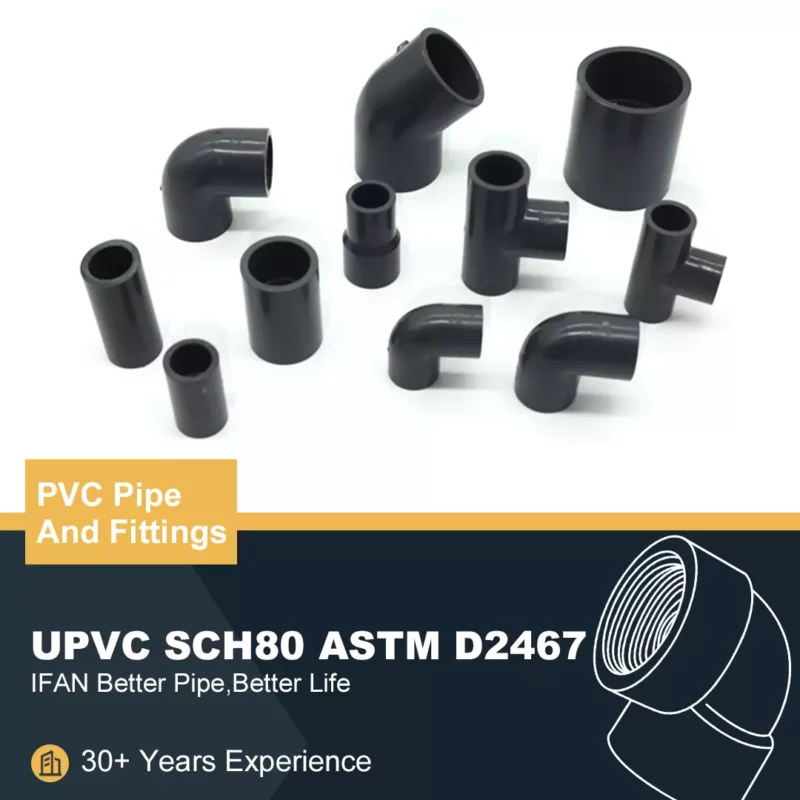
IFAN’s PVC products adhere to a wide range of international standards, ensuring they meet the highest quality and performance criteria. These standards include BS 3505, BS 4346, ASTM D1785 SCH40, ASTM D1785 SCH80, DIN, GB, DWV, ASTM D2665, ASTM D2241, ASTM D2665, ASTM D2729, ASTM F441/F441M, ISO 1452 series, EN ISO 1452, DIN 8061/8062, GB/T 10002 series, AS/NZS 1477, JIS K6741, CSA B137.3, NSF/ANSI 14, and TIS 17-2532/1131-2535. Compliance with these standards ensures that IFAN’s PVC pipes and fittings deliver consistent performance, safety, and reliability in a variety of applications globally.
Environmental Benefits
Using PVC ball valves can have positive environmental impacts. Their durability reduces waste generated from frequent replacements. Additionally, their efficient flow control can lower energy consumption in pumping systems. By minimizing leaks and ensuring smooth operation, these valves contribute to sustainable practices. Choosing PVC ball valve supports eco-friendly initiatives in various industries.
Applications in Various Industries
PVC ball valves are utilized in multiple industries due to their versatility. In the water treatment sector, they control the flow of potable and wastewater efficiently. In agriculture, they regulate irrigation systems, ensuring optimal water distribution. The chemical processing industry benefits from their ability to handle aggressive substances safely. These diverse applications highlight the adaptability of PVC ball valves in meeting industry-specific needs.
Performance in High-Pressure Systems
While PVC ball valves are generally suited for moderate pressure applications, they can perform well in high-pressure systems if selected correctly. It’s crucial to choose valves designed to withstand higher pressures. When properly rated, they can maintain smooth operation even under challenging conditions. This capability makes them a reliable choice for various industrial applications where pressure management is essential.
Innovations in Valve Technology
Recent advancements in valve technology have further enhanced the performance of PVC ball valves. Innovations include improved sealing mechanisms and enhanced materials that increase durability. These developments ensure that PVC ball valves can handle more demanding applications. As technology continues to evolve, we can expect even greater efficiency and reliability in fluid control systems.
Conclusion
In summary, PVC ball valves offer significant advantages due to their low maintenance requirements. Their simple design, combined with the durability of PVC, ensures reliable performance over time. The minimal inspection needs and resistance to chemical damage further enhance their appeal. Additionally, their cost-effectiveness and environmental benefits make them a smart choice for various industries.
If you have read this article and have any questions, please feel free to contact IFAN. Below is our contact information:
Whatsapp:+86 13373827623
Email:[email protected]