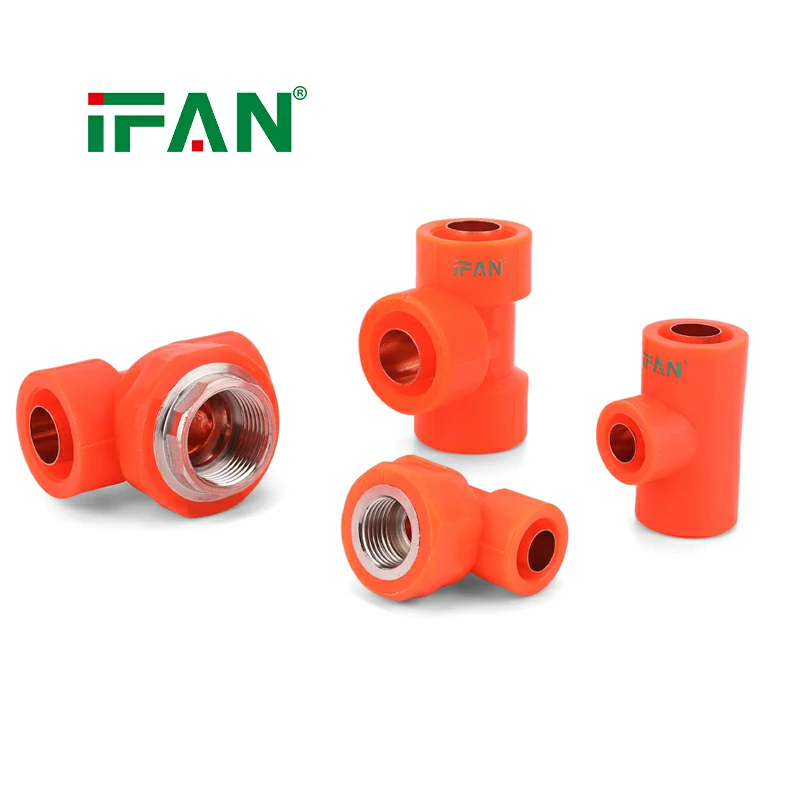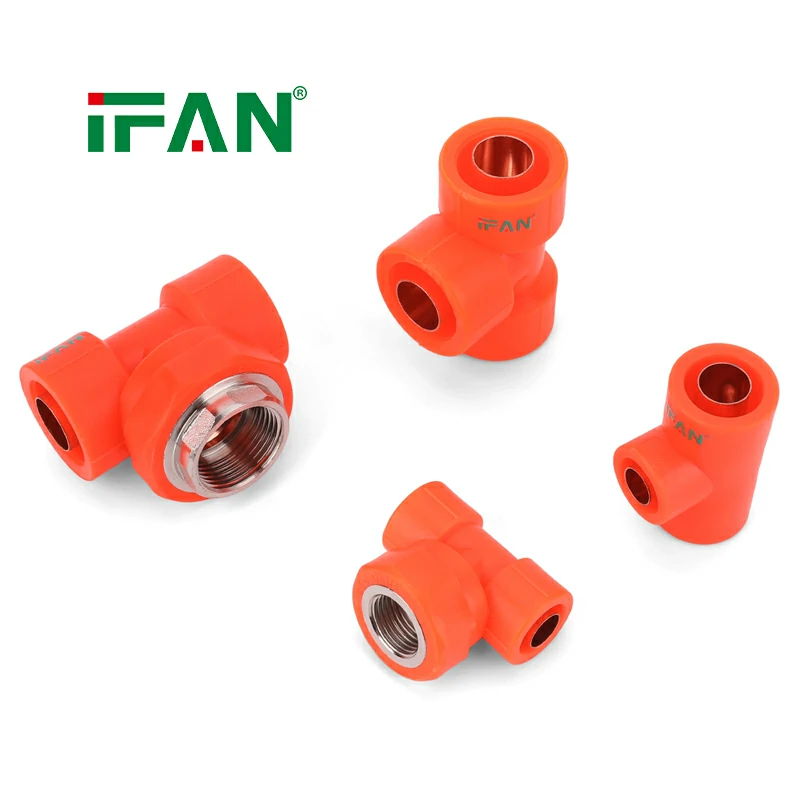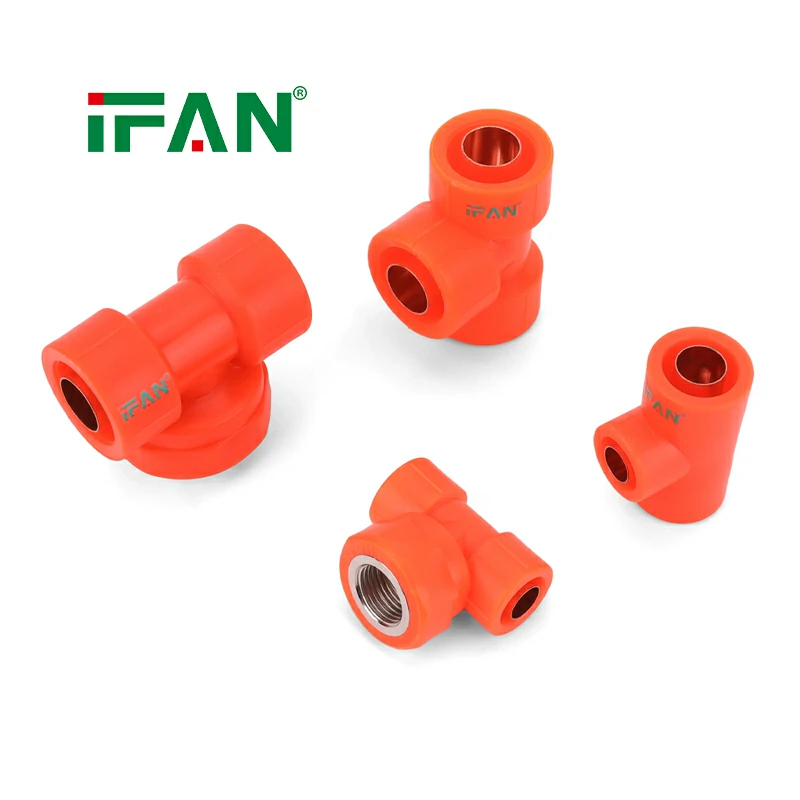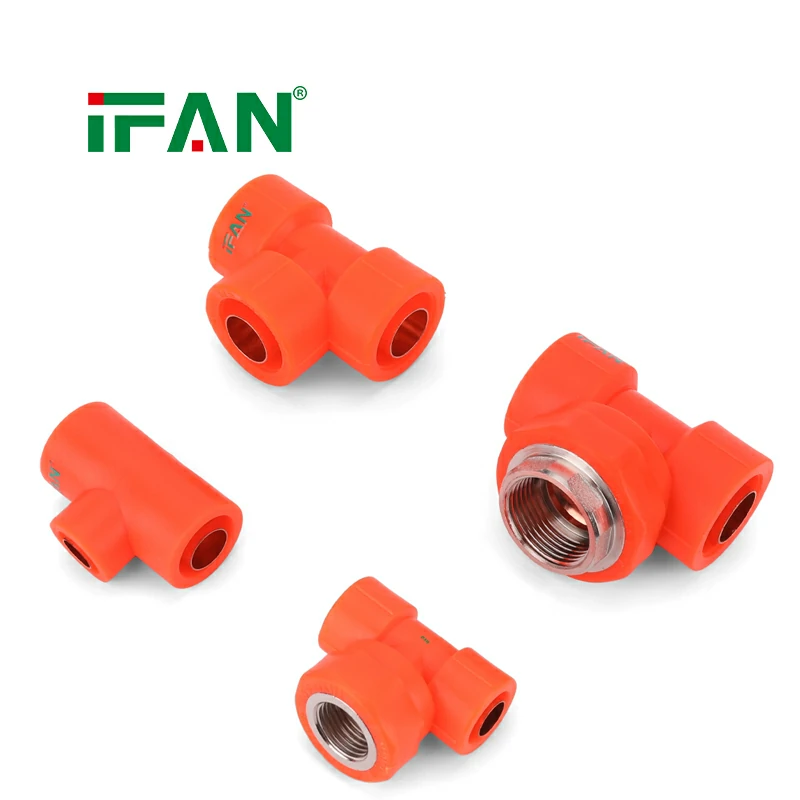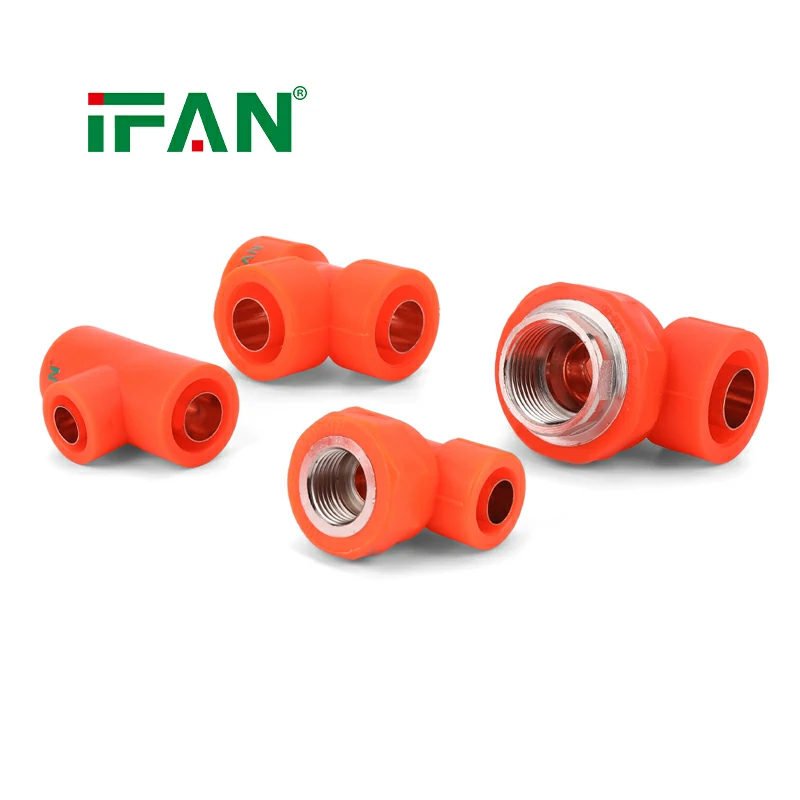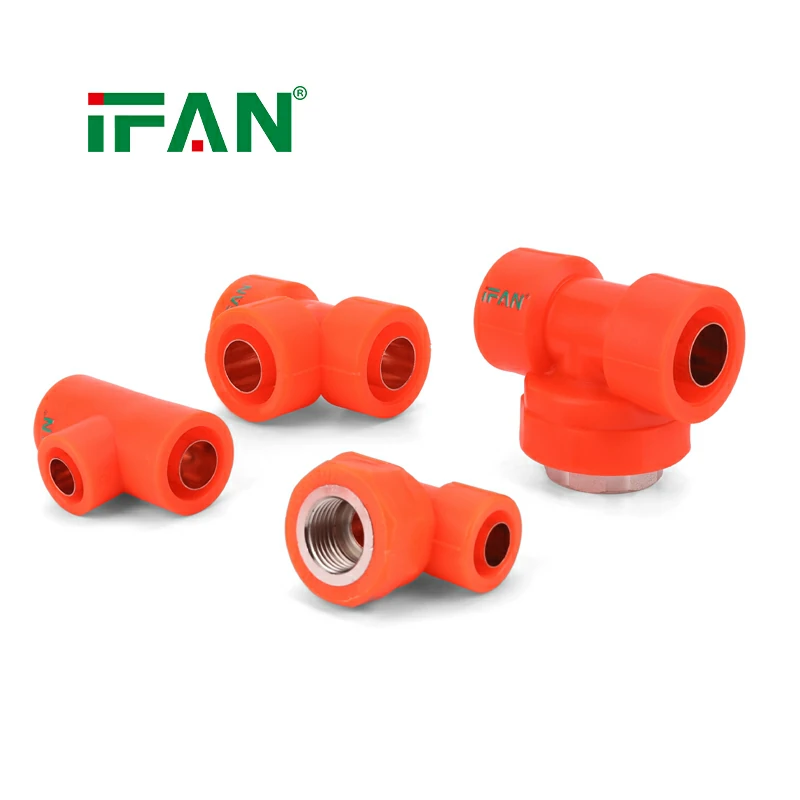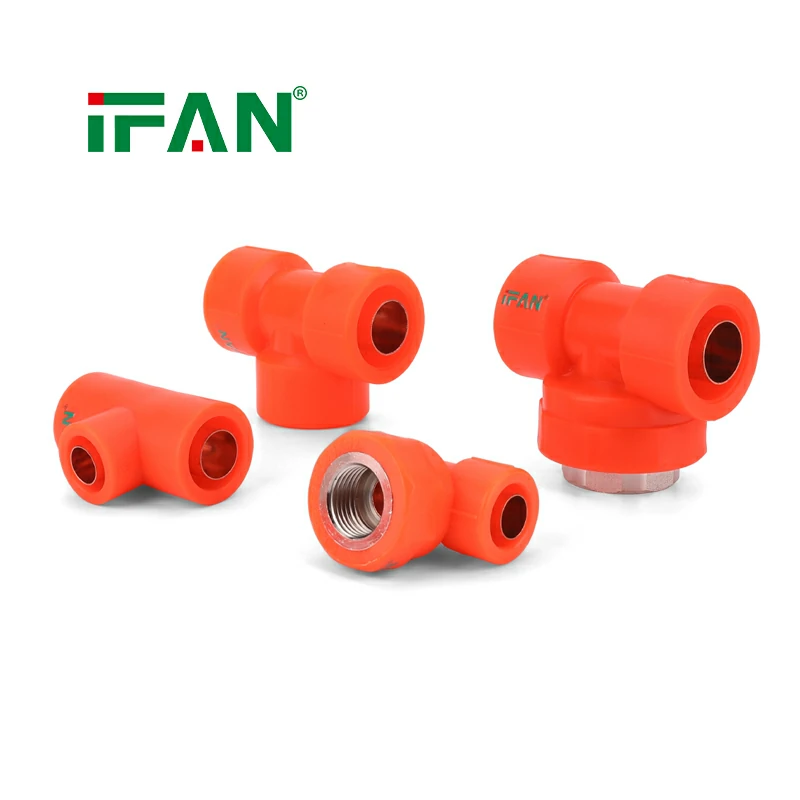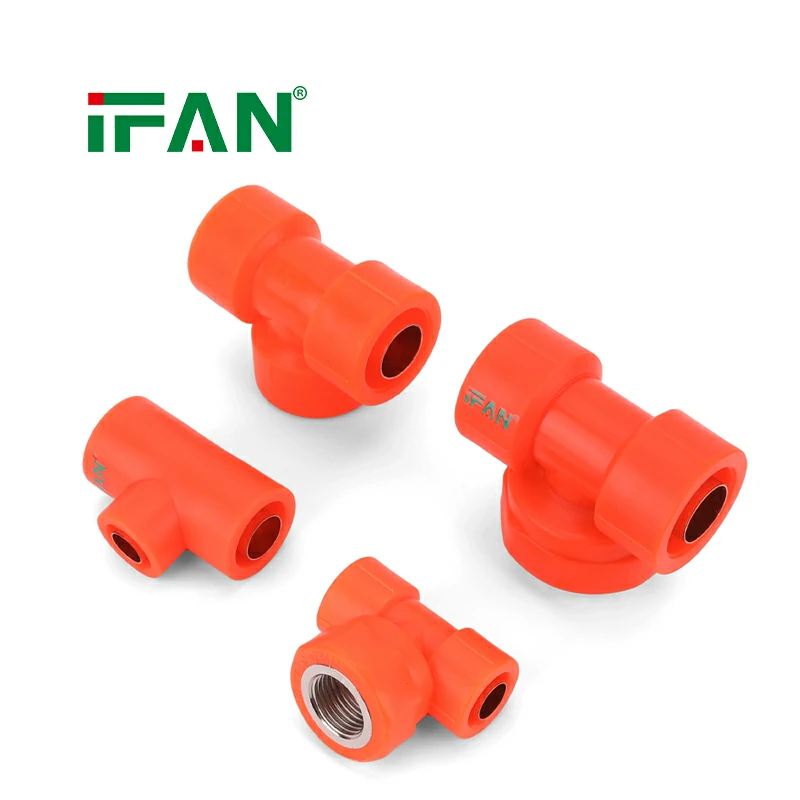
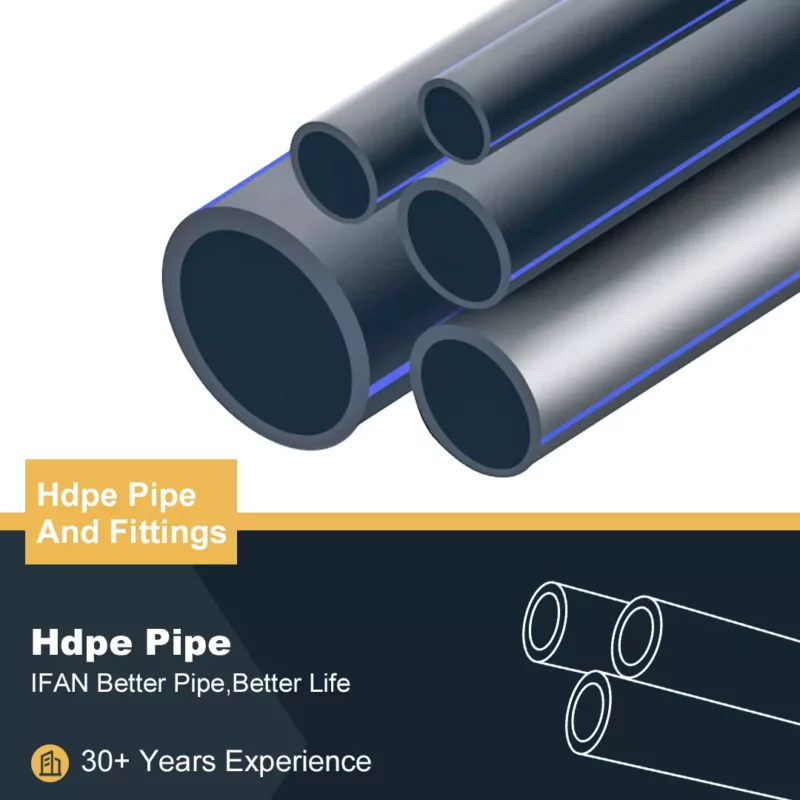
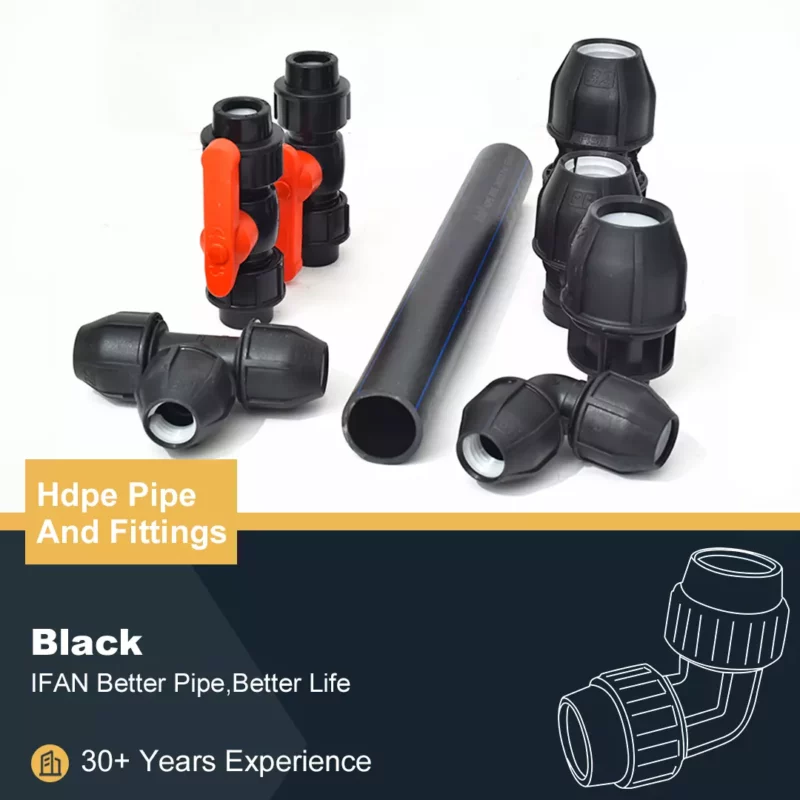
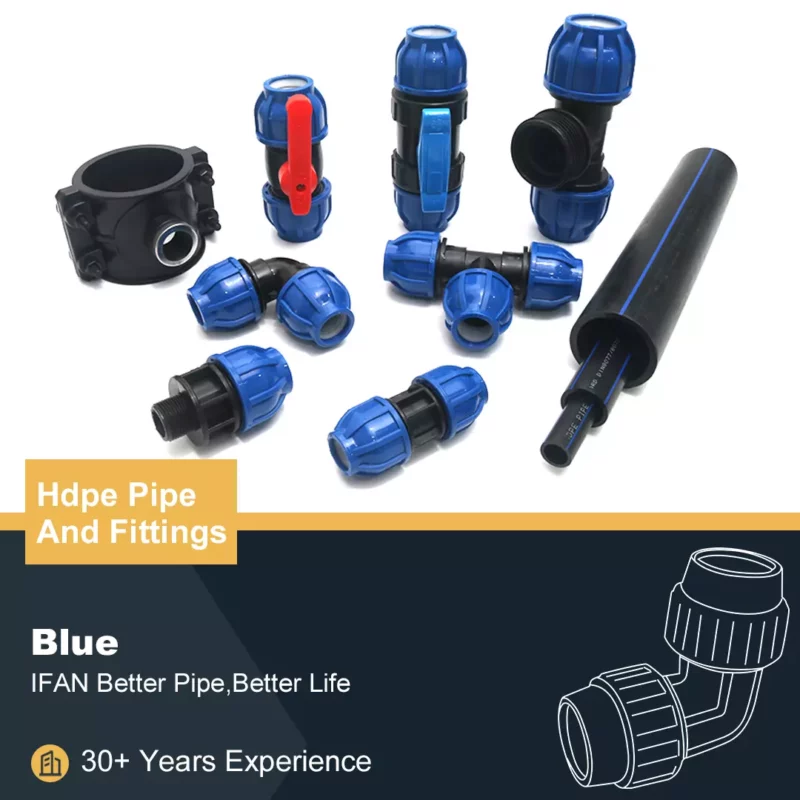
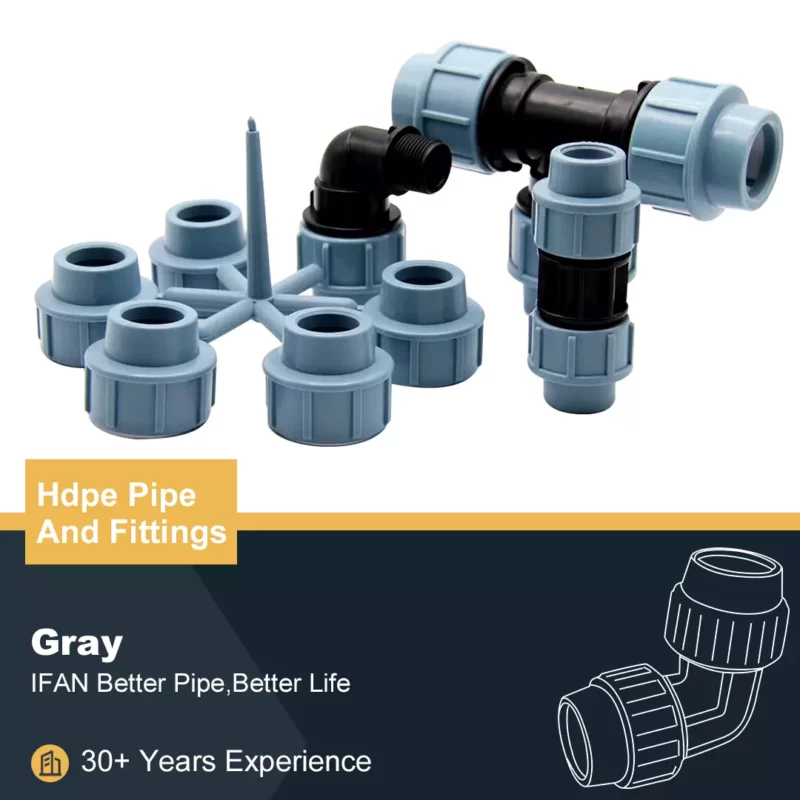



Introduction to HDPE Pipe Fittings
HDPE pipe fittings are recognized for their superior flow efficiency. Made from high-density polyethylene, these fittings offer smooth internal surfaces. This design minimizes friction and enhances fluid movement. As a result, HDPE pipe fittings are ideal for various applications. This article explores the factors contributing to their flow efficiency and the benefits they provide.
The Importance of Flow Efficiency
Flow efficiency is crucial in pipeline systems. Efficient flow reduces energy consumption and operational costs. It also ensures that fluids reach their destination quickly. In industries like water supply and wastewater management, flow efficiency is vital. Improved flow can lead to better system performance and reliability. Therefore, selecting the right fittings is essential for optimal operation.
Smooth Internal Surfaces
One of the key features of HDPE pipe fittings is their smooth internal surfaces. This characteristic significantly reduces turbulence as fluids pass through. A smooth surface minimizes friction, allowing for faster flow rates. Unlike other materials, HDPE does not corrode or scale, maintaining its smoothness over time. This ensures consistent flow efficiency throughout the lifespan of the fittings.
Lightweight Design
HDPE pipe fittings are lightweight, making them easy to handle and install. Their low weight simplifies transportation and reduces labor costs. This ease of installation allows for quicker project completion. In addition, the lightweight nature does not compromise strength. The combination of strength and lightweight design supports efficient flow in various applications.
Resistance to Corrosion
HDPE pipe fittings are highly resistant to corrosion and chemical degradation. This resistance ensures that the fittings maintain their integrity over time. Corrosion can create rough surfaces, leading to increased friction and reduced flow efficiency. By preventing corrosion, HDPE fittings provide a reliable solution for fluid transport. This characteristic is especially important in harsh environments.
IFAN International Standard for HDPE
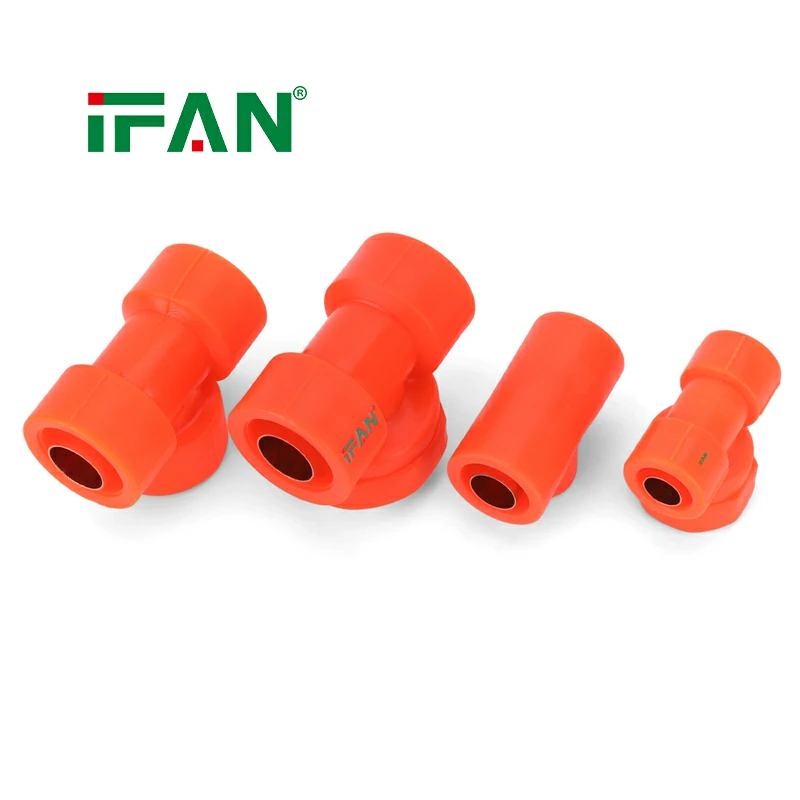
IFAN brand HDPE Pipe Fitting are manufactured according to a wide range of international standards, ensuring high quality and reliability. These standards include ASTM D3035, ASTM D3350, ISO 4427 series, EN 12201 series, DIN 8074/8075, GB/T 13663 series, AS/NZS 4130, JIS K6760, BS 6572, and CSA B137.1. By adhering to these rigorous specifications, IFAN ensures that its HDPE pipe fittings meet global performance and safety requirements, making them suitable for various applications in different industries.
Versatility in Applications
HDPE pipe fittings are versatile and can be used in many applications. They are commonly found in water supply systems, irrigation, and industrial processes. Their ability to handle various fluids makes them suitable for different industries. This versatility contributes to their widespread use and enhances overall flow efficiency. Regardless of the application, HDPE fittings deliver consistent performance.
Energy Savings
Using HDPE pipe fittings can lead to significant energy savings. Improved flow efficiency reduces the energy required to pump fluids. This reduction in energy consumption lowers operational costs. In large-scale systems, these savings can be substantial. Industries benefit from using HDPE fittings, as they contribute to more sustainable operations.
Reduced Maintenance Needs
Another advantage of HDPE pipe fittings is their low maintenance requirements. The durability and resistance to corrosion minimize the need for repairs. This reliability means less downtime for maintenance activities. As a result, systems can operate smoothly without interruptions. Reduced maintenance also contributes to overall cost savings for businesses.
Applications in Water Supply
In water supply systems, HDPE pipe fittings play a crucial role. Their superior flow efficiency ensures that water is delivered quickly and reliably. The smooth internal surfaces minimize pressure loss, enhancing overall system performance. Many municipalities prefer HDPE fittings for their ability to maintain water quality and flow rates. This reliability is essential for public health and safety.
Role in Wastewater Management
HDPE pipe fittings are also vital in wastewater management systems. Their resistance to chemicals and durability ensures safe transport of sewage. The efficient flow characteristics help prevent blockages and backups. By maintaining consistent flow rates, HDPE fittings contribute to effective wastewater treatment. This efficiency is crucial for protecting the environment and public health.
Agricultural Benefits
In agriculture, HDPE pipe fitting are widely used for irrigation systems. Their superior flow efficiency ensures optimal water distribution to crops. This efficiency helps conserve water and improves irrigation effectiveness. Farmers benefit from the reliable performance of HDPE fittings, leading to better crop yields. The ability to maintain consistent flow rates is vital for successful farming.
Industrial Applications
HDPE pipe fitting are commonly used in various industrial applications. Their ability to handle aggressive fluids and high pressures makes them ideal for many processes. Industries rely on HDPE fittings to maintain efficient operations. The smooth internal surfaces and resistance to corrosion contribute to their effectiveness. This reliability supports productivity and reduces operational risks.
Innovations in HDPE Technology
Recent advancements in HDPE technology have further improved flow efficiency. New manufacturing processes enhance the material’s properties and performance. These innovations ensure that HDPE pipe fitting can meet the evolving demands of various industries. Continuous improvements in technology support the long-term viability of HDPE fittings.
Environmental Considerations
Using HDPE pipe fittings also has environmental benefits. Their durability and efficiency contribute to sustainable practices. Reduced energy consumption lowers the carbon footprint of fluid transport systems. Additionally, the long lifespan of HDPE fittings minimizes waste. By choosing HDPE, industries can align their operations with modern environmental goals.
Conclusion
In conclusion, HDPE pipe fittings offer superior flow efficiency due to their design and material properties. The smooth internal surfaces, lightweight design, and resistance to corrosion enhance performance. These fittings are versatile and suitable for various applications, including water supply and wastewater management.
If you have read this article and have any questions, please feel free to contact IFAN. Below is our contact information:
Whatsapp:+86 13373827623
Email:[email protected]