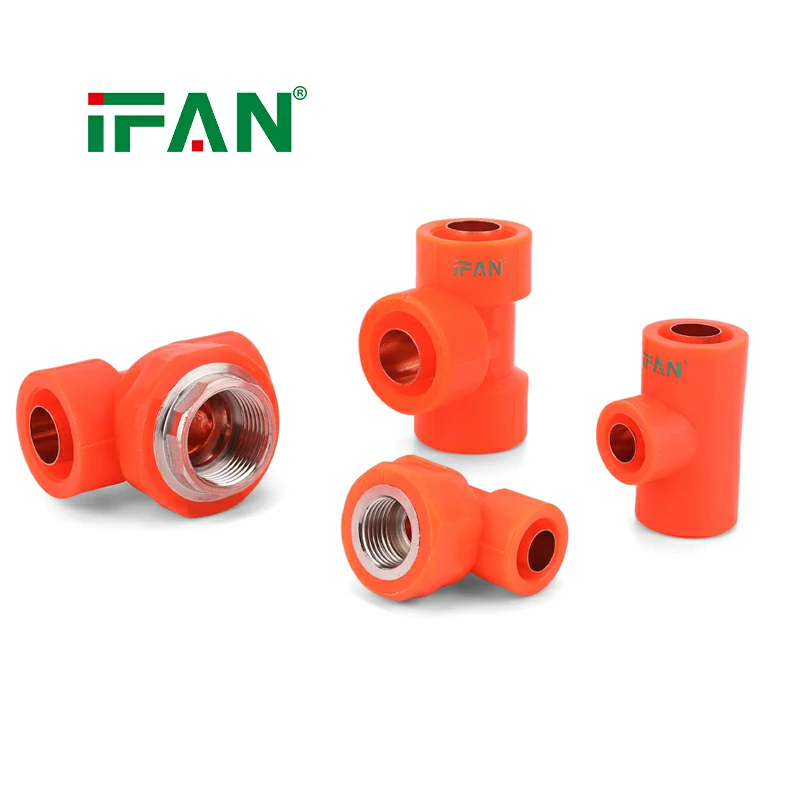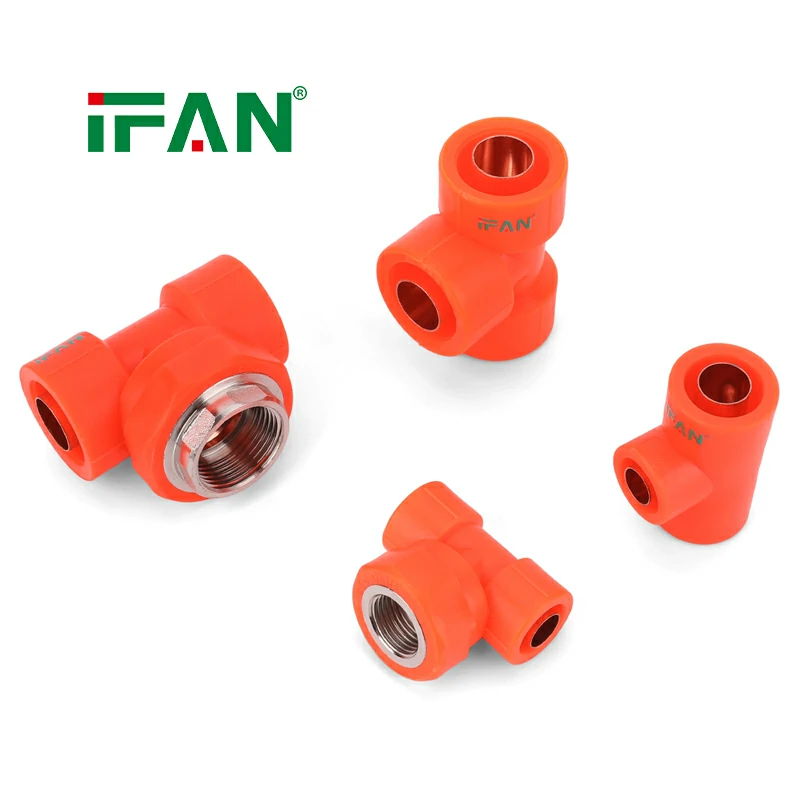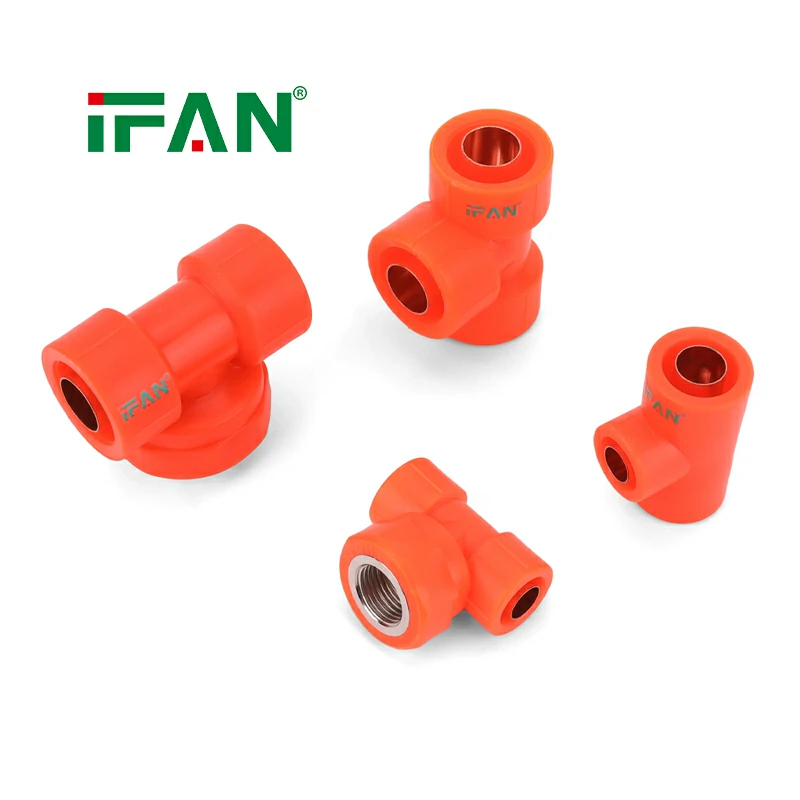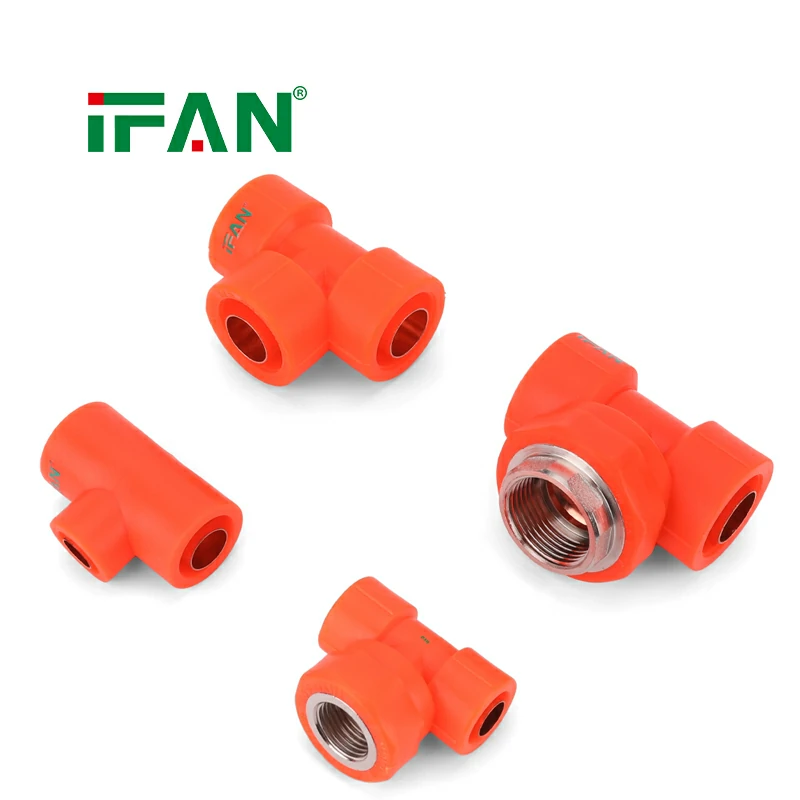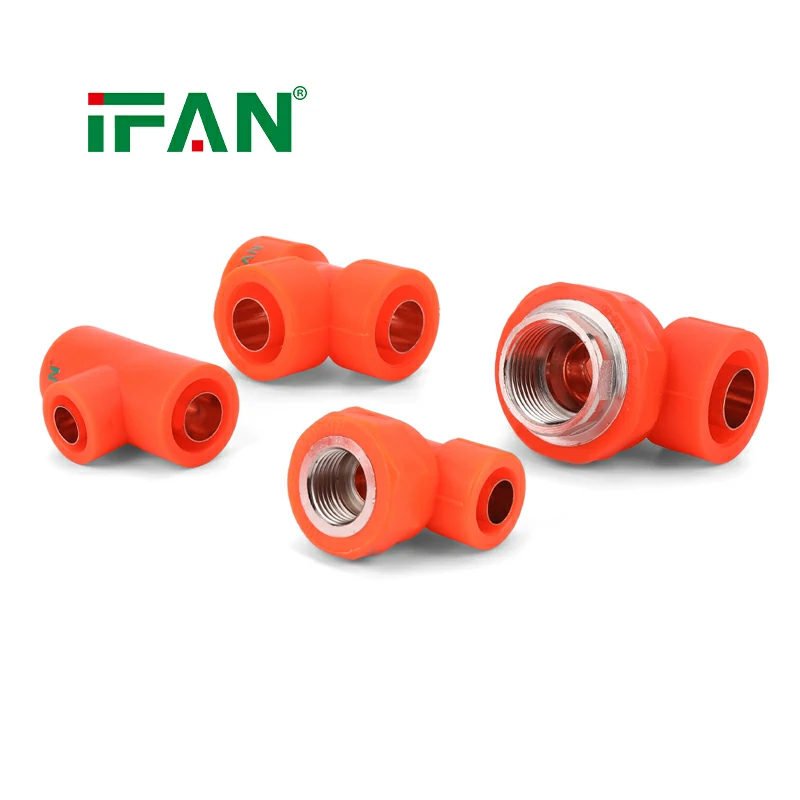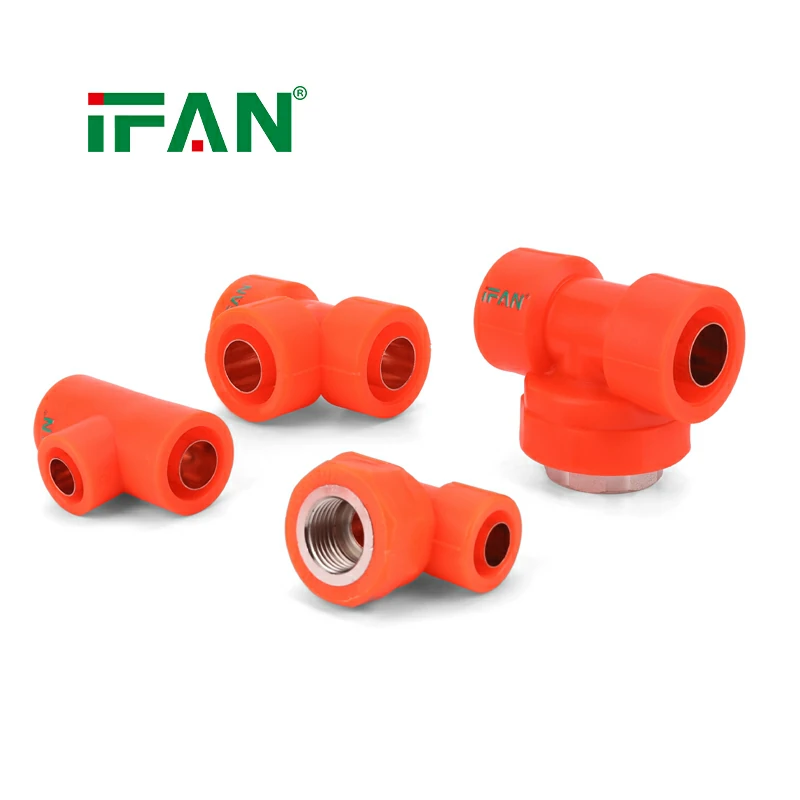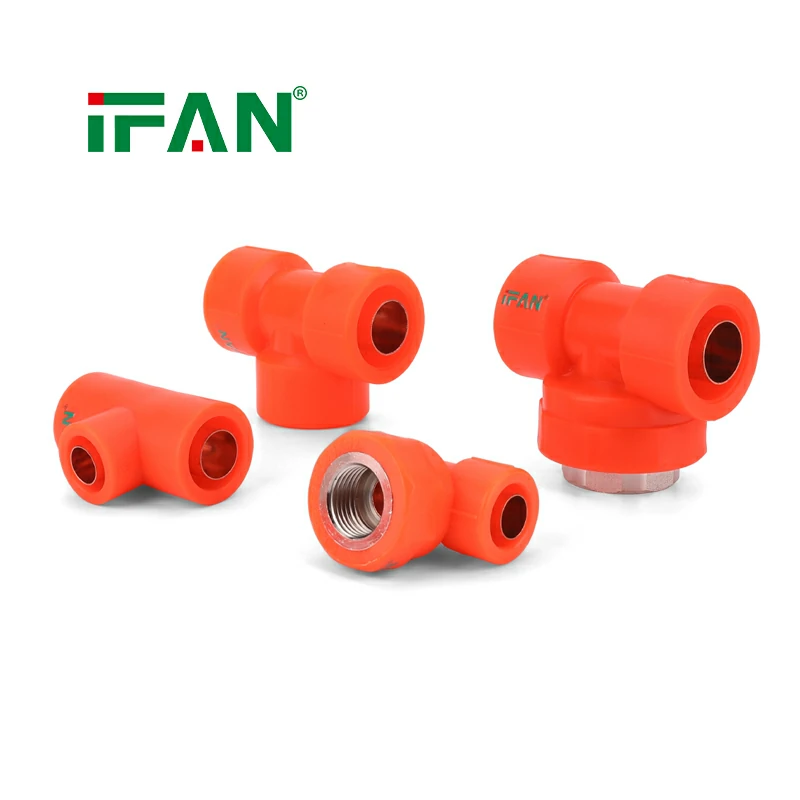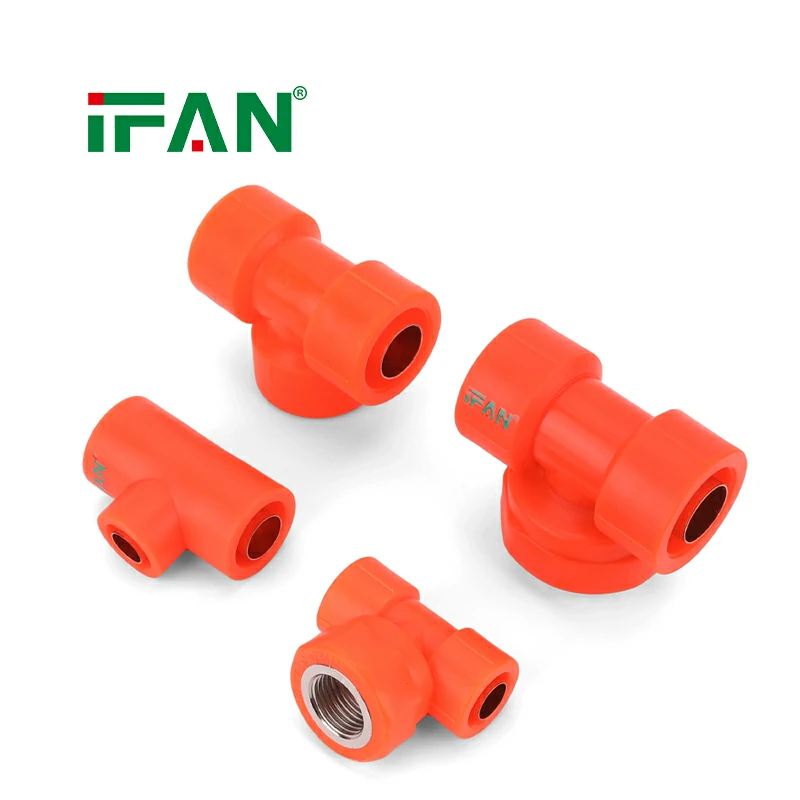
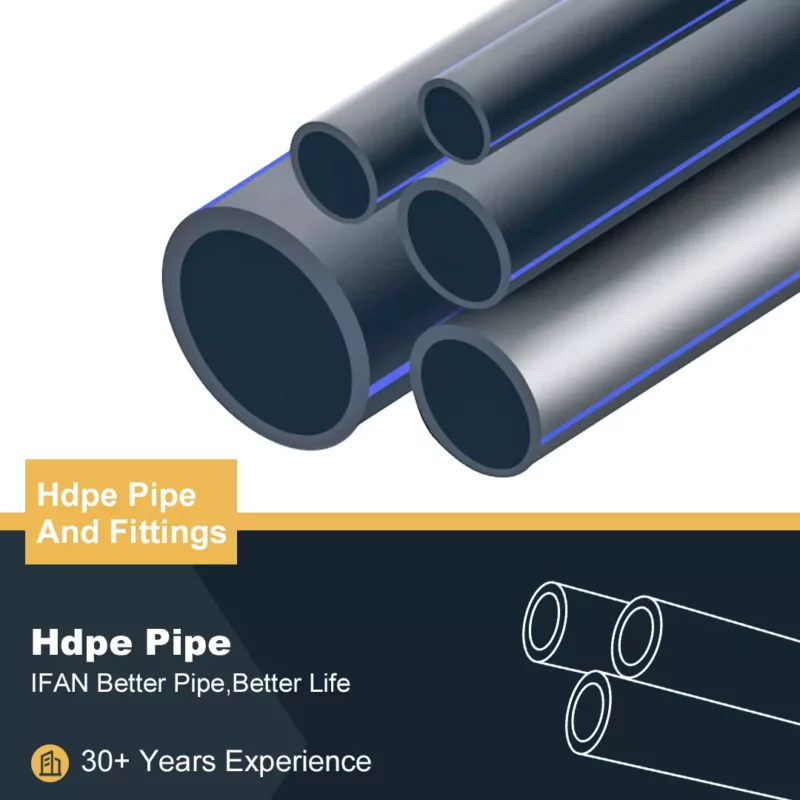
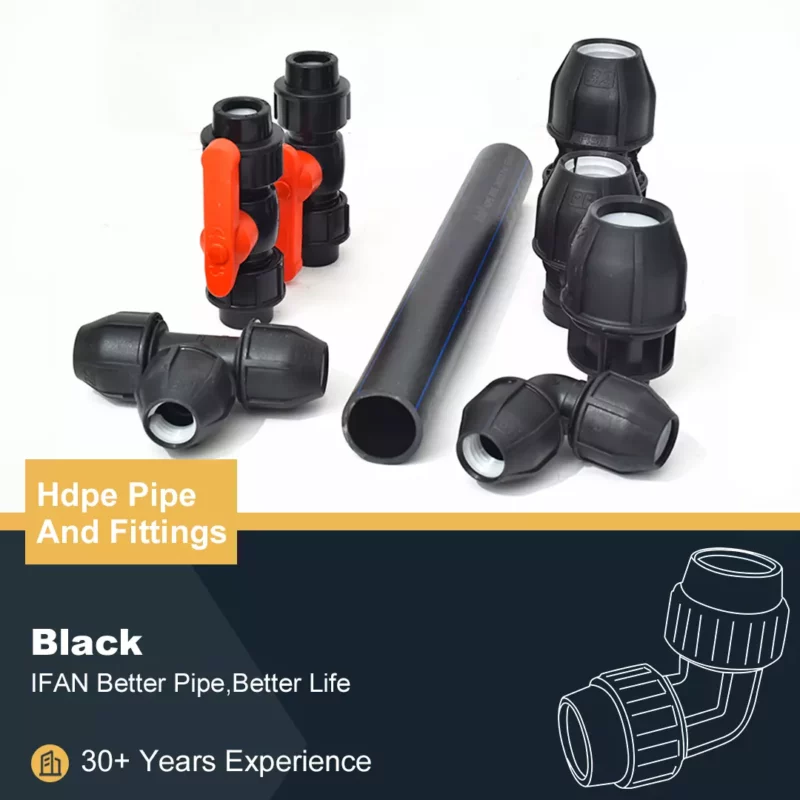
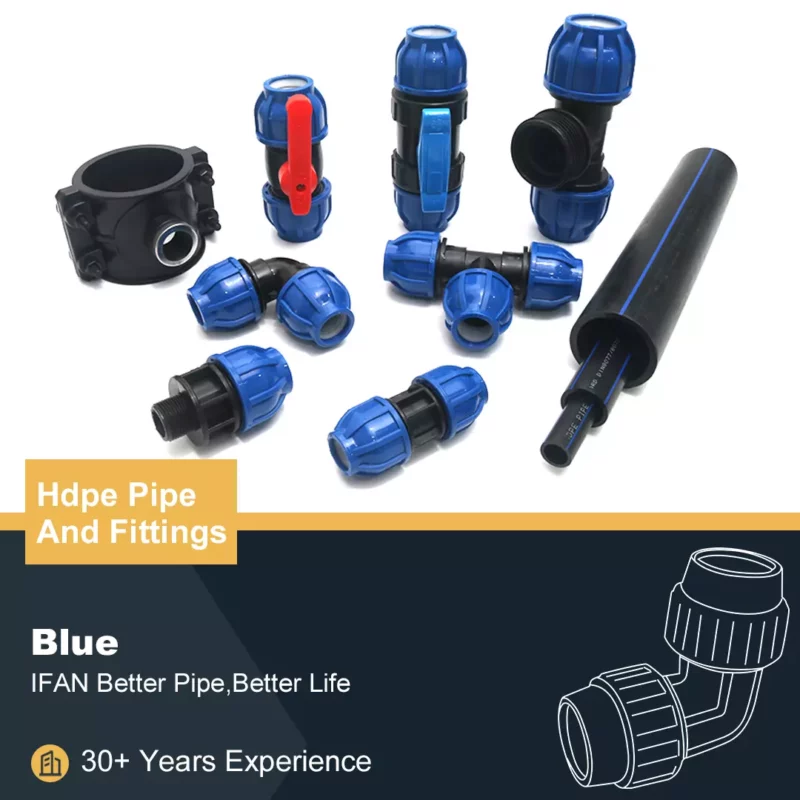
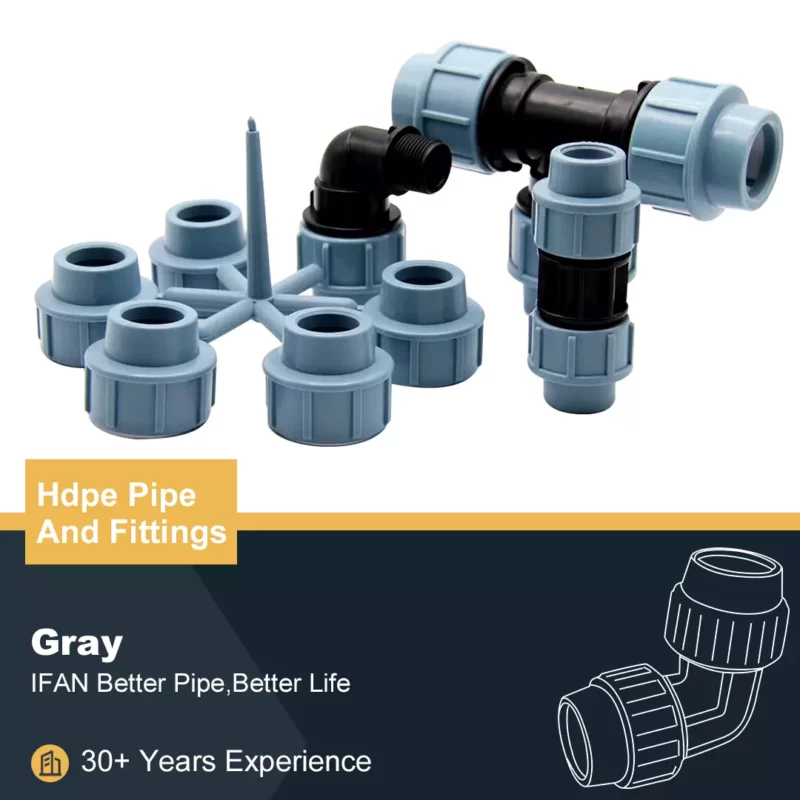

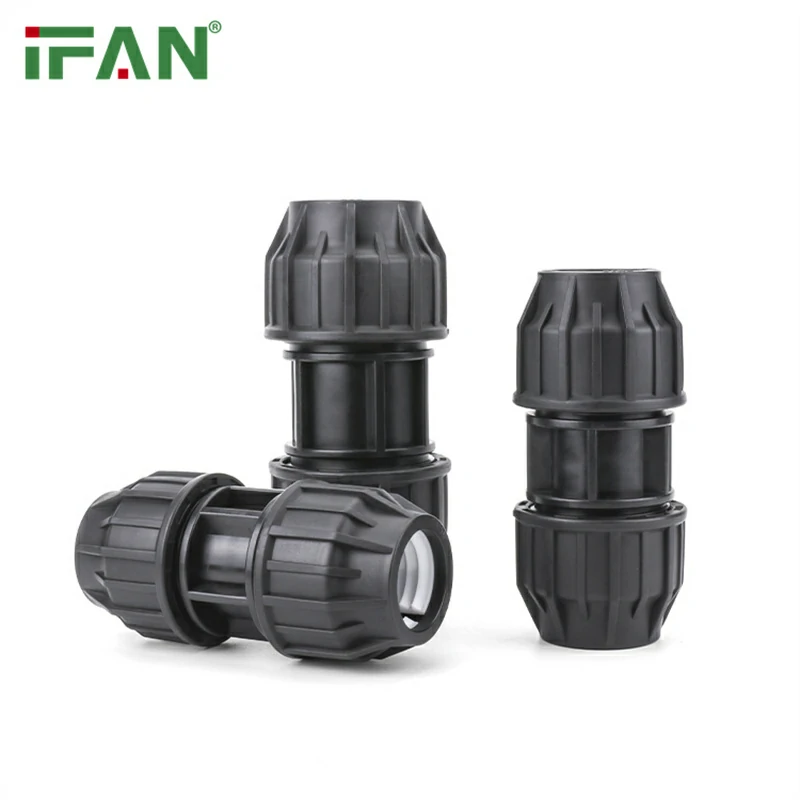
Introduction to HDPE Pipe Fittings
HDPE pipe fittings are becoming increasingly popular in various industries. Made from high-density polyethylene, these fittings offer numerous environmental benefits. Their durability and recyclability make them a sustainable choice. This article explores how HDPE pipe fittings contribute to environmental sustainability. We will discuss their lifecycle, energy efficiency, and impact on waste reduction.
The Lifecycle of HDPE Pipe Fittings
The lifecycle of HDPE pipe fittings begins with the production process. HDPE is derived from petroleum, but advancements in technology have improved its sustainability. Modern manufacturing techniques reduce energy consumption significantly. Additionally, the production process generates fewer greenhouse gas emissions compared to traditional materials. This lower environmental impact is a key advantage of HDPE fittings.
Durability and Longevity
One of the most significant benefits of HDPE pipe fittings is their durability. These fittings can withstand harsh environmental conditions. They resist corrosion, chemicals, and UV radiation. This resilience ensures that HDPE fittings last for decades. The longer lifespan reduces the need for frequent replacements. Fewer replacements mean less waste and lower environmental impact.
Recyclability of HDPE Materials
HDPE is fully recyclable, making it an eco-friendly choice. At the end of their lifecycle, HDPE pipe fittings can be reprocessed into new products. This recycling process helps conserve natural resources. It also reduces the amount of plastic waste in landfills. By choosing HDPE fittings, industries can support a circular economy, promoting sustainability.
Energy Efficiency in Transportation
Transporting HDPE pipe fittings is more energy-efficient than transporting traditional materials. HDPE is lightweight, which reduces fuel consumption during transportation. This lower weight means fewer emissions from vehicles. Additionally, the compact nature of HDPE fittings allows for efficient stacking and storage. These factors contribute to a smaller carbon footprint throughout the supply chain.
Impact on Water Conservation
HDPE pipe fittings play a crucial role in water conservation. Their leak-proof connections prevent water loss in piping systems. This efficiency is essential for municipalities and industries that rely on water. By minimizing leaks, HDPE fittings help conserve this vital resource. Sustainable water management is increasingly important in addressing global water scarcity.
Applications in Wastewater Management
In wastewater management, HDPE pipe fittings are particularly beneficial. They resist corrosion and chemical damage, making them ideal for sewage systems. Their durability ensures long-term performance in challenging environments. Using HDPE fittings in these applications helps maintain system integrity and reduces the risk of leaks. This reliability is essential for protecting water quality and the environment.
Reduced Environmental Impact
The use of HDPE pipe fittings directly contributes to reducing environmental impact. Their long lifespan and recyclability minimize waste generation. Additionally, the energy-efficient production and transportation processes lower carbon emissions. By choosing HDPE fittings, industries can significantly reduce their environmental footprint. This commitment to sustainability aligns with modern environmental goals.
IFAN International Standard for HDPE
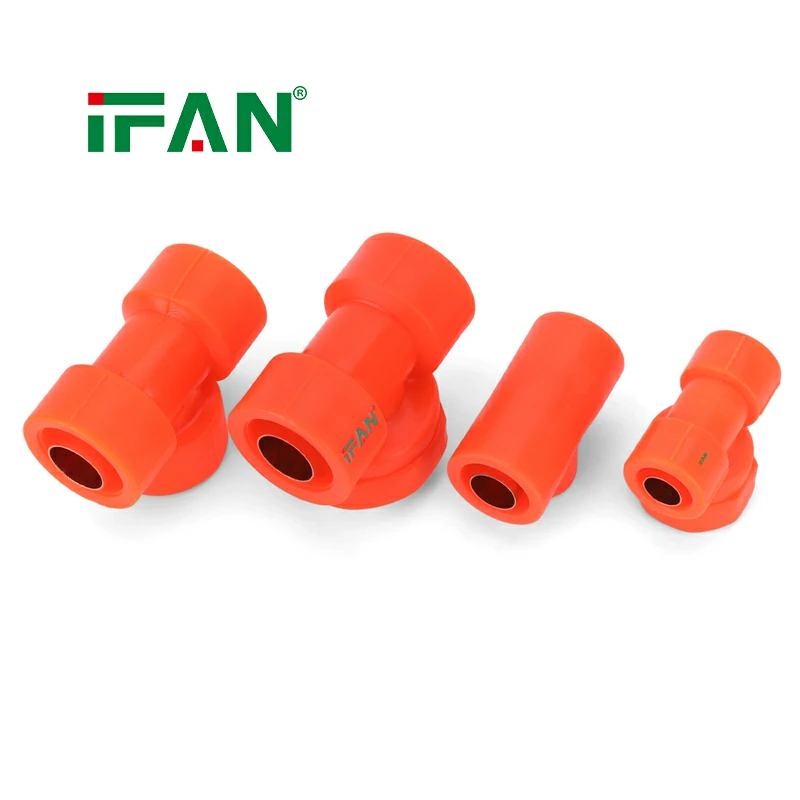
IFAN brand HDPE Pipe Fitting are manufactured according to a wide range of international standards, ensuring high quality and reliability. These standards include ASTM D3035, ASTM D3350, ISO 4427 series, EN 12201 series, DIN 8074/8075, GB/T 13663 series, AS/NZS 4130, JIS K6760, BS 6572, and CSA B137.1. By adhering to these rigorous specifications, IFAN ensures that its HDPE pipe fittings meet global performance and safety requirements, making them suitable for various applications in different industries.
Compliance with Environmental Regulations
HDPE pipe fittings often meet or exceed environmental regulations. Many industries face strict guidelines regarding waste management and material usage. HDPE’s recyclability and low environmental impact make it a compliant choice. Using these fittings can help companies avoid penalties and enhance their reputation. Compliance with regulations supports sustainable business practices.
Innovations in HDPE Technology
Recent innovations in HDPE technology have further enhanced its environmental benefits. Advanced manufacturing processes are now more energy-efficient. New designs improve the performance and lifespan of HDPE fittings. These innovations ensure that HDPE remains a leading choice for sustainable piping solutions. Continuous improvement in technology supports environmental sustainability.
Supporting Sustainable Practices
Using HDPE pipe fitting supports broader sustainable practices within industries. Many companies are adopting green initiatives to reduce their environmental impact. By incorporating HDPE fittings, they can achieve their sustainability goals more effectively. This alignment with environmental objectives enhances corporate social responsibility. Businesses can demonstrate their commitment to sustainability through their material choices.
Community and Environmental Awareness
The adoption of HDPE pipe fitting also promotes environmental awareness in communities. As more industries choose sustainable materials, public awareness grows. This shift encourages other businesses to consider their environmental impact. Communities benefit from reduced pollution and improved resource management. The ripple effect of using HDPE fittings can lead to broader environmental benefits.
Conclusion
In conclusion, HDPE pipe fittings offer significant advantages for environmental sustainability. Their durability, recyclability, and energy efficiency contribute to a reduced environmental impact. By preventing water loss and supporting wastewater management, HDPE fittings play a vital role in resource conservation. Innovations in technology further enhance their sustainability profile. As industries increasingly prioritize eco-friendly practices, HDPE pipe fittings will remain a key component in achieving these goals. Choosing HDPE is not just a practical decision; it is a commitment to a more sustainable future.
If you have read this article and have any questions, please feel free to contact IFAN. Below is our contact information:
Whatsapp:+86 13373827623
Email:[email protected]