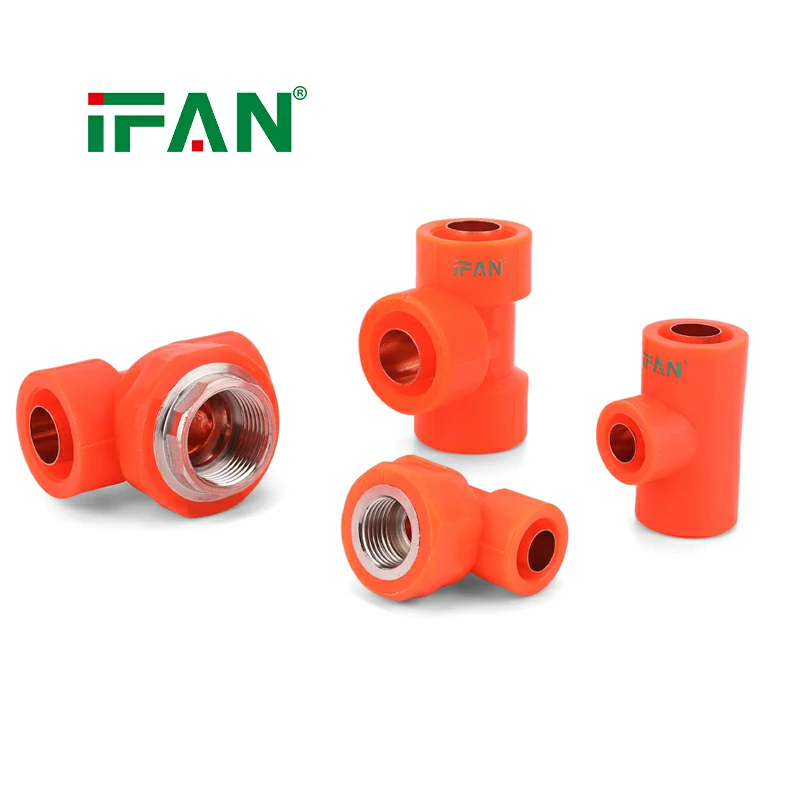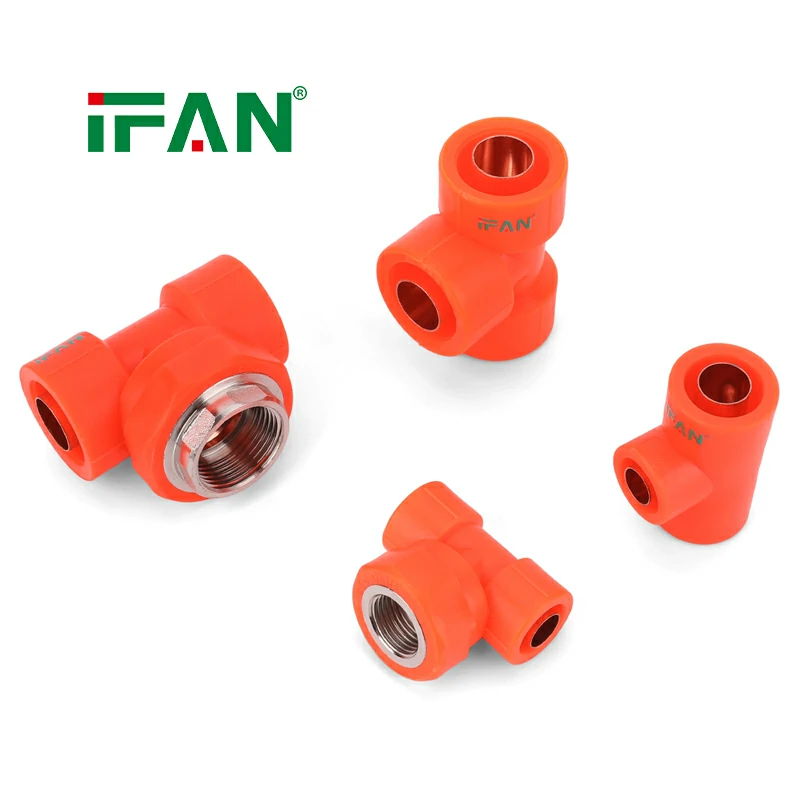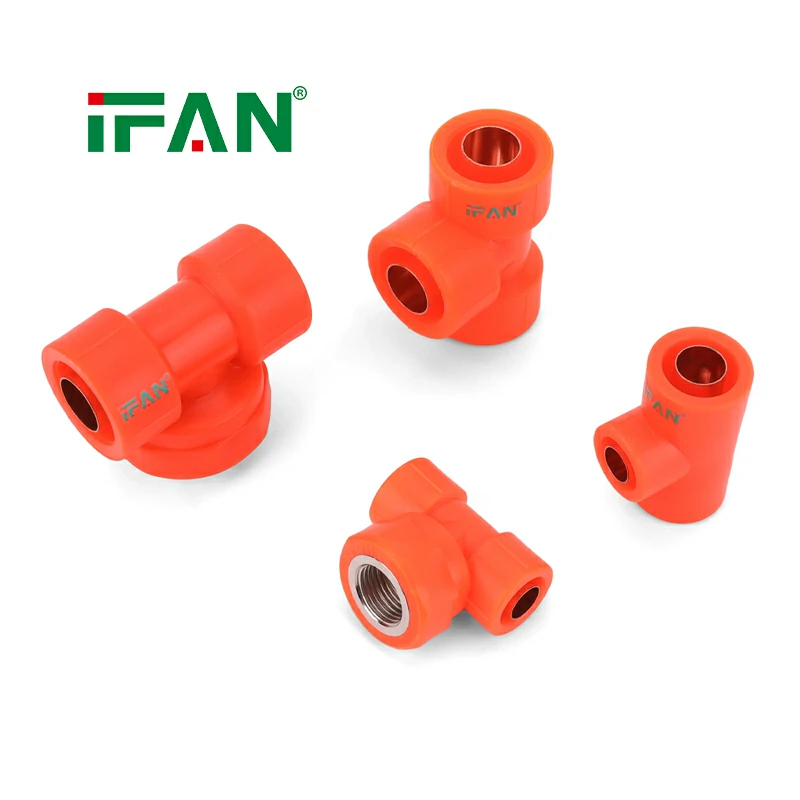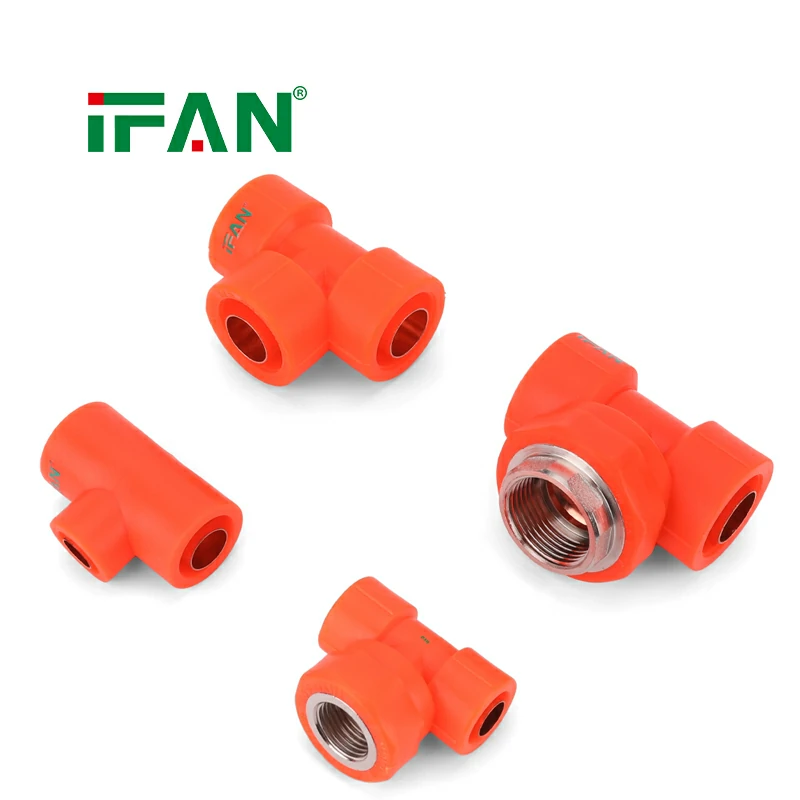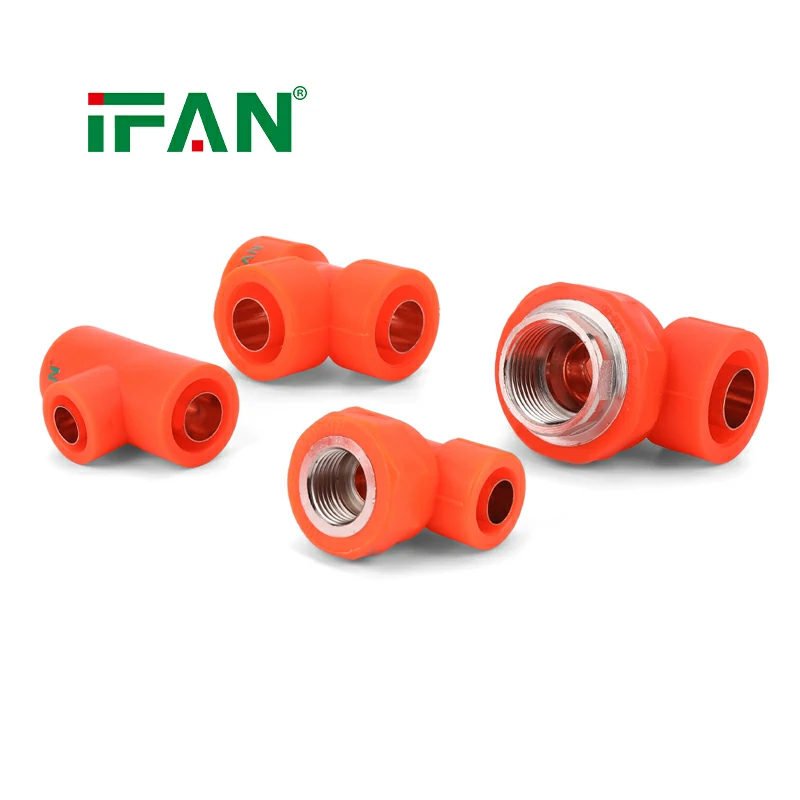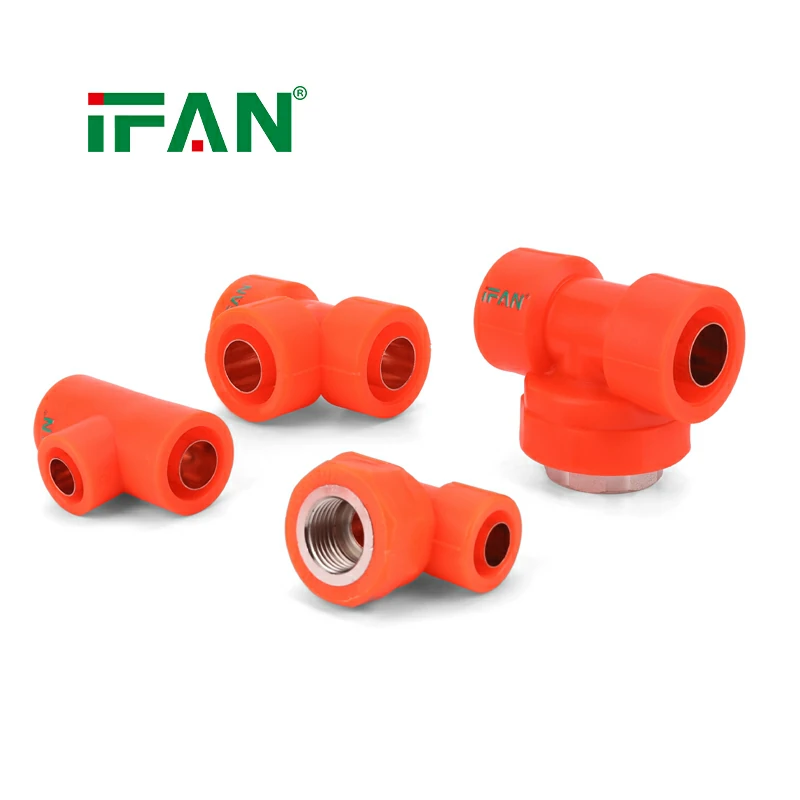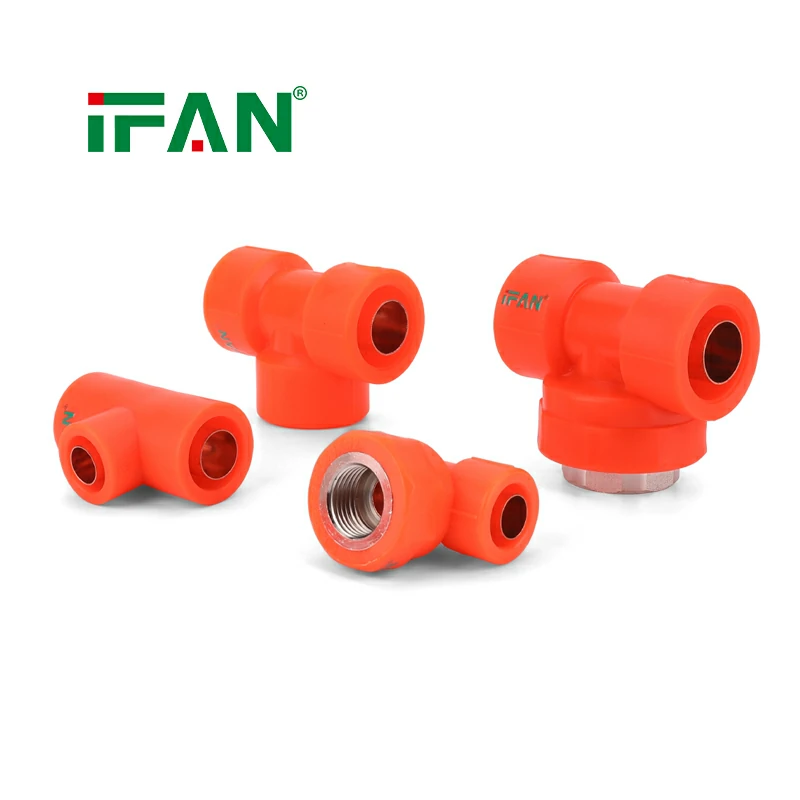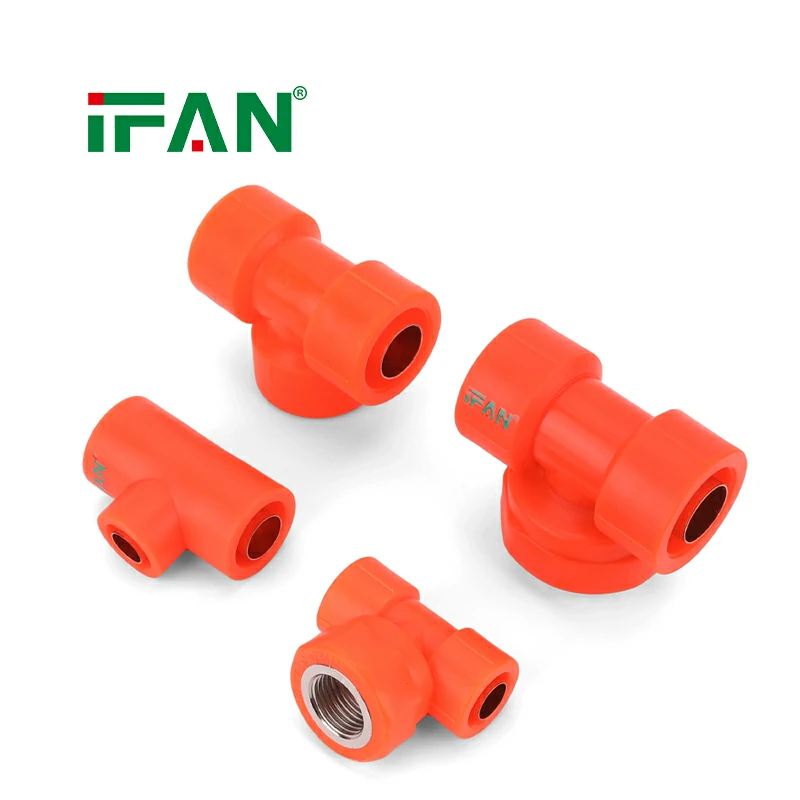

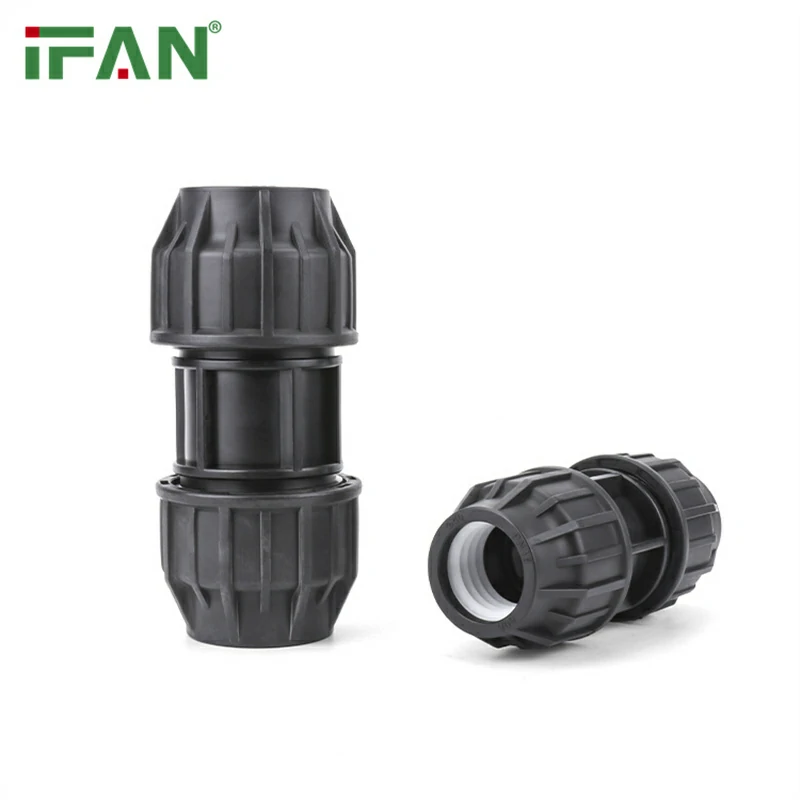
Introduction to HDPE Pipe Fittings
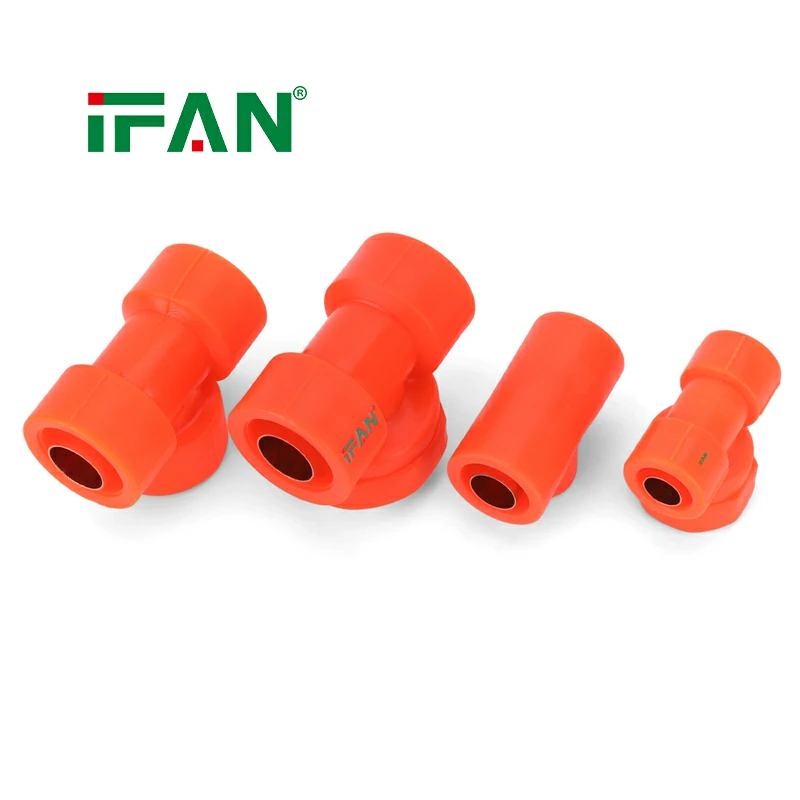
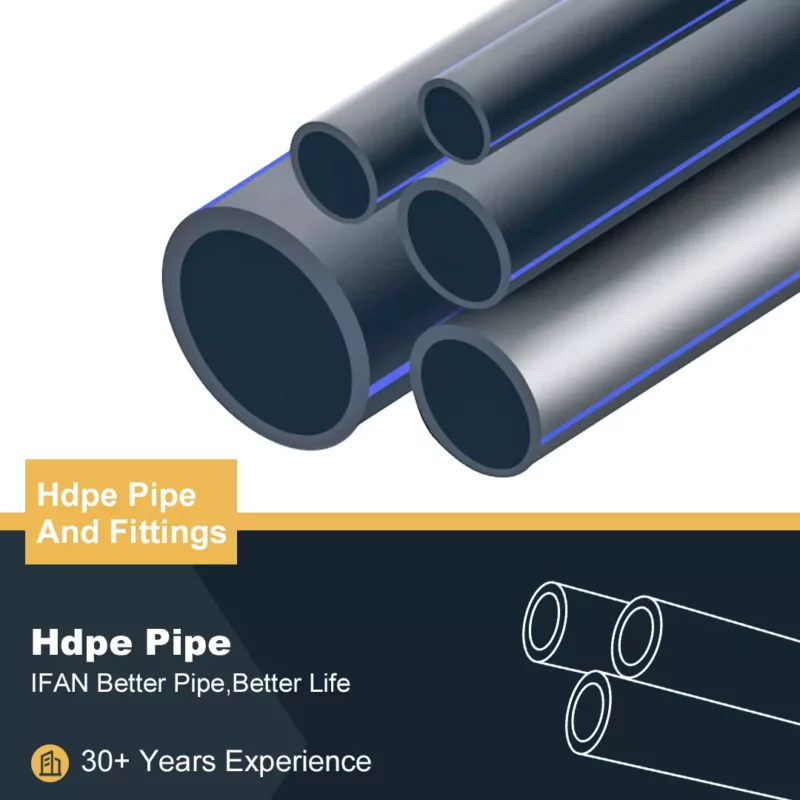
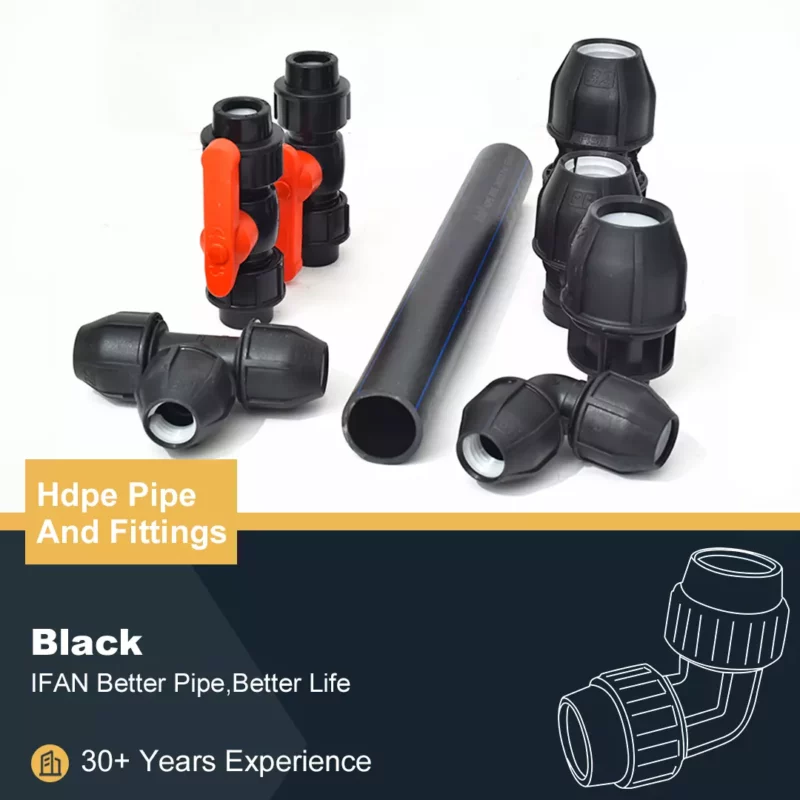
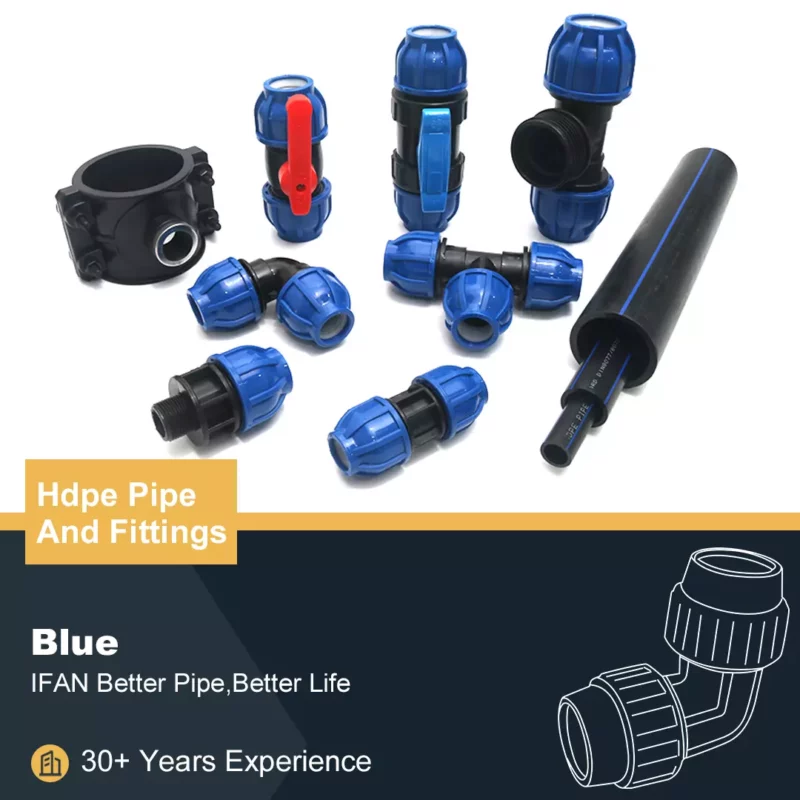
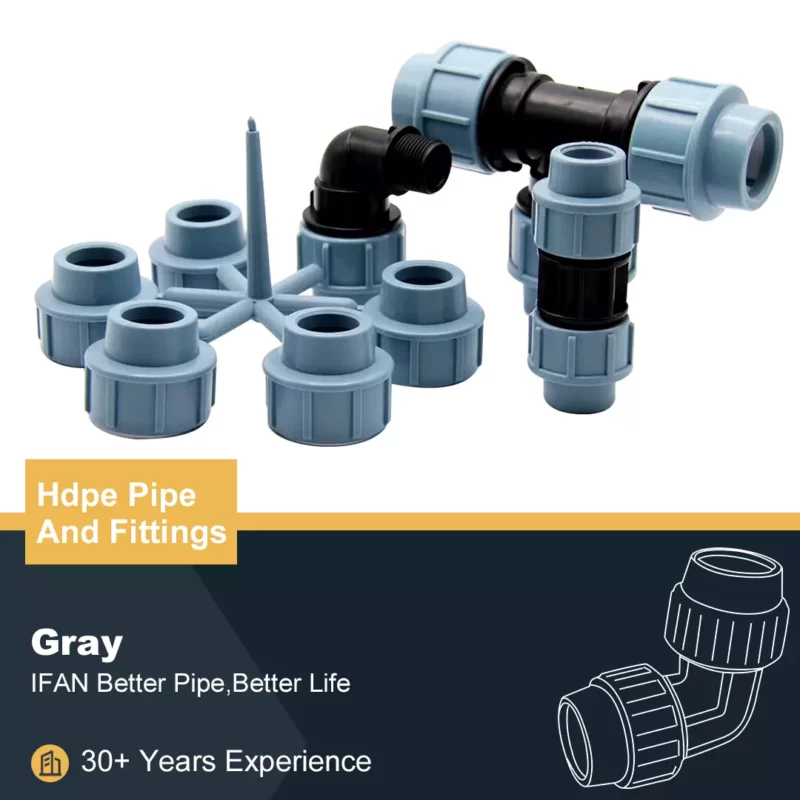
HDPE pipe fittings are essential components in various piping systems. Made from high-density polyethylene, these fittings are known for their impressive durability. One of their most significant advantages is their corrosion resistance. This property makes them ideal for many applications, including water supply, wastewater management, and industrial processes. This article will explore the corrosion-resistant benefits of HDPE pipe fitting and why they are a smart choice for many industries.
Understanding Corrosion Resistance
Corrosion occurs when materials deteriorate due to chemical reactions with their environment. Traditional materials, like metal, are susceptible to rust and corrosion. In contrast, HDPE pipe fitting are immune to these issues. They do not rust or corrode, making them ideal for transporting various fluids. This corrosion resistance ensures long-term performance and reliability in diverse applications.
Longevity of HDPE Pipe Fittings
The corrosion resistance of HDPE pipe fitting contributes significantly to their longevity. These fittings can last for decades without degrading. Their ability to withstand harsh chemicals and environmental conditions ensures they maintain their integrity over time. This durability translates to fewer replacements, reducing overall costs for businesses. Investing in HDPE fittings means fewer disruptions and lower maintenance expenses.
Cost-Effectiveness Over Time
While the initial cost of HDPE pipe fitting may be competitive, their long-term savings are more significant. The absence of corrosion means that there are no additional costs for repairs or replacements. Businesses can save on maintenance and operational costs over time. This cost-effectiveness makes HDPE pipe fitting a wise investment for various industries, including construction and utilities.
Applications in Water Supply
In water supply systems, corrosion resistance is crucial. HDPE pipe fitting are often used to transport potable water. Their non-corrosive nature ensures that the water remains uncontaminated. This characteristic is vital for public health and safety. Additionally, the fittings can handle varying pressure levels without degrading, making them reliable in municipal water systems.
Benefits in Wastewater Management
HDPE pipe fitting are equally beneficial in wastewater management. They can withstand aggressive chemicals found in sewage and industrial effluents. Their resistance to corrosion ensures that the fittings do not break down over time. This durability is essential for maintaining the integrity of wastewater systems. Using HDPE fittings helps prevent leaks and reduces the risk of environmental contamination.
Resistance to Chemical Damage
HDPE pipe fitting are highly resistant to a wide range of chemicals. This resistance makes them suitable for various industrial applications. They can handle acids, bases, and solvents without degrading. This property is particularly important in chemical processing and manufacturing. Industries can rely on HDPE fittings to transport hazardous materials safely and efficiently.
Lightweight and Easy to Handle
Another benefit of HDPE pipe fitting is their lightweight nature. Compared to metal fittings, HDPE is much lighter, making it easier to transport and install. This lightweight characteristic reduces labor costs during installation. Fewer resources are needed for handling and installation, further enhancing cost-effectiveness. The ease of handling allows for quicker project completion.
Environmental Benefits
Using HDPE pipe fitting also supports environmental sustainability. Their corrosion resistance means fewer materials are wasted over time. Additionally, HDPE is recyclable, contributing to eco-friendly practices. By choosing HDPE fittings, industries can reduce their environmental footprint. This commitment to sustainability is increasingly important in today’s construction and infrastructure projects.
IFAN International Standard for HDPE
IFAN brand HDPE Pipe Fitting are manufactured according to a wide range of international standards, ensuring high quality and reliability. These standards include ASTM D3035, ASTM D3350, ISO 4427 series, EN 12201 series, DIN 8074/8075, GB/T 13663 series, AS/NZS 4130, JIS K6760, BS 6572, and CSA B137.1. By adhering to these rigorous specifications, IFAN ensures that its HDPE pipe fittings meet global performance and safety requirements, making them suitable for various applications in different industries.
Compliance with Industry Standards
HDPE pipe fittings comply with various industry standards and regulations. These standards ensure that the fittings meet safety and performance requirements. Compliance is crucial for projects involving public infrastructure. By using certified HDPE fittings, contractors can ensure reliable and safe installations. This adherence to standards enhances the reputation of businesses in the industry.
Innovations in HDPE Technology
Recent advancements in HDPE technology have improved the performance of pipe fittings. New manufacturing processes ensure better quality control and consistency. Innovations focus on enhancing chemical resistance and durability. These advancements ensure that HDPE pipe fittings can handle more demanding applications while maintaining their corrosion-resistant properties.
Performance in Extreme Conditions
HDPE pipe fittings perform well in extreme environmental conditions. They can withstand high temperatures and pressures without degrading. This resilience is particularly important in industrial applications where conditions can change rapidly. The ability to maintain performance under stress makes HDPE fittings a reliable choice for various projects.
User-Friendly Installation
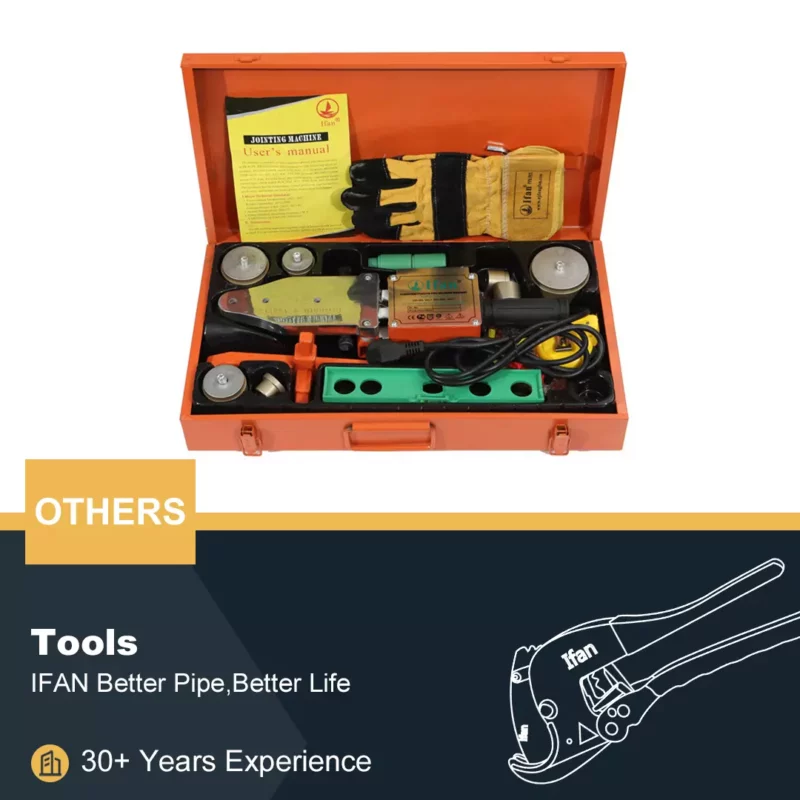
Installing HDPE pipe fittings is user-friendly and efficient. Their design allows for easy joining methods, such as heat fusion. This process creates strong, leak-proof connections that enhance system integrity. Quick and straightforward installation reduces overall project timelines. This efficiency contributes to cost savings and smoother project execution.
Conclusion
In conclusion, HDPE pipe fittings offer significant corrosion-resistant benefits that make them ideal for various applications. Their durability and longevity ensure reliable performance in water supply and wastewater management. The cost-effectiveness of HDPE fittings, combined with their lightweight nature, enhances their appeal. Additionally, their resistance to chemicals and extreme conditions makes them suitable for industrial use. By choosing HDPE pipe fittings, industries can invest in sustainable, reliable solutions that support long.
If you have read this article and have any questions, please feel free to contact IFAN. Below is our contact information:
Whatsapp:+86 13373827623
Email:[email protected]