
Introduction
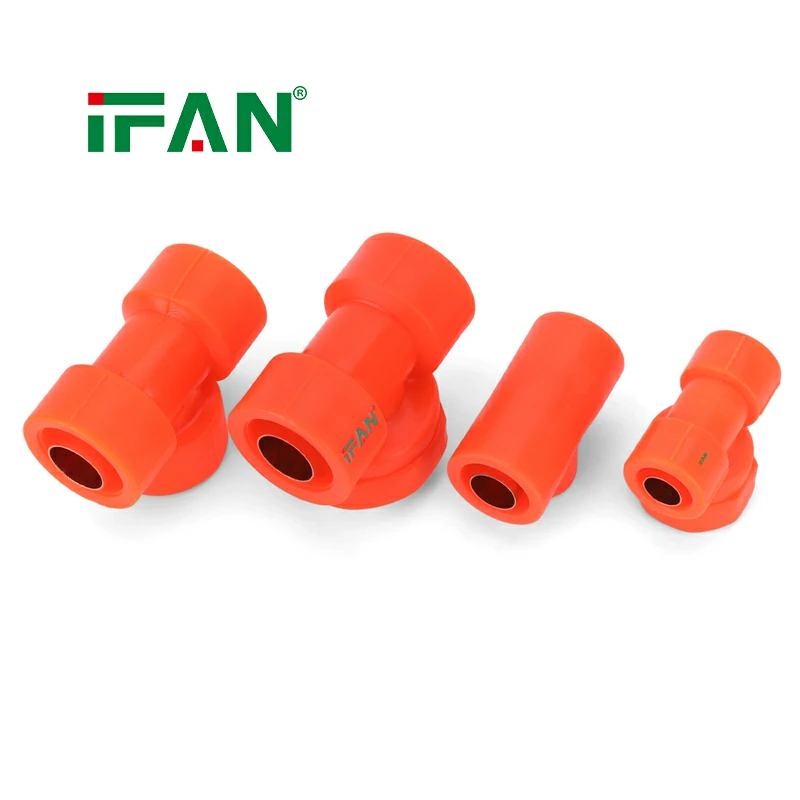
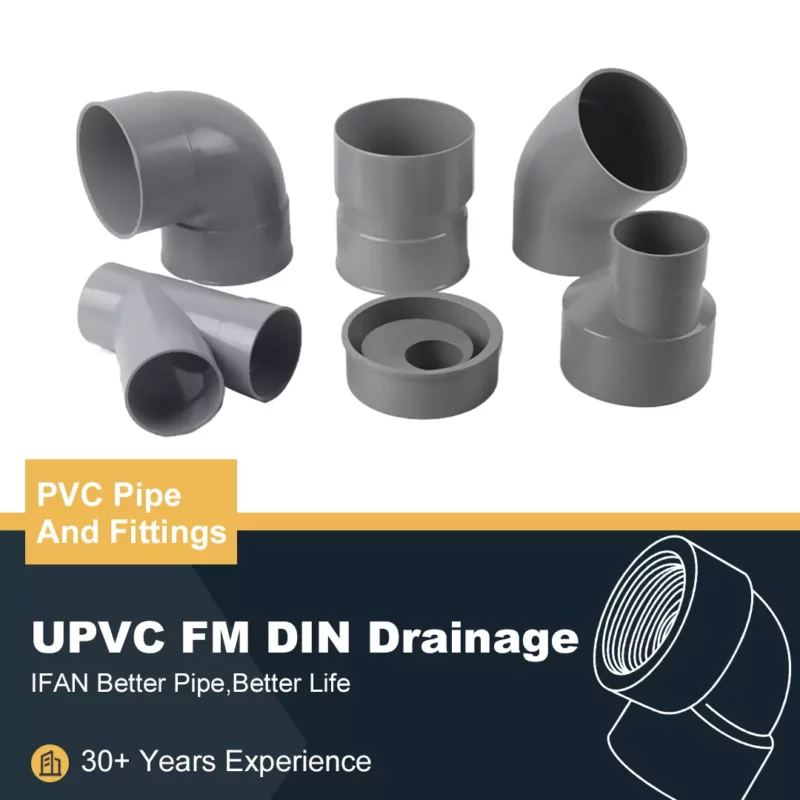
UPVC pipe fittings are widely used in plumbing, industrial, and chemical processing applications due to their outstanding chemical resistance. These fittings offer a durable and reliable solution for transporting various fluids, including corrosive chemicals. Unlike metal fittings, UPVC pipe fittings do not corrode or degrade when exposed to acids, alkalis, and other harsh substances. This article explores why these fittings provide excellent chemical resistance and how they benefit different industries.
What Are UPVC Pipe Fitting?
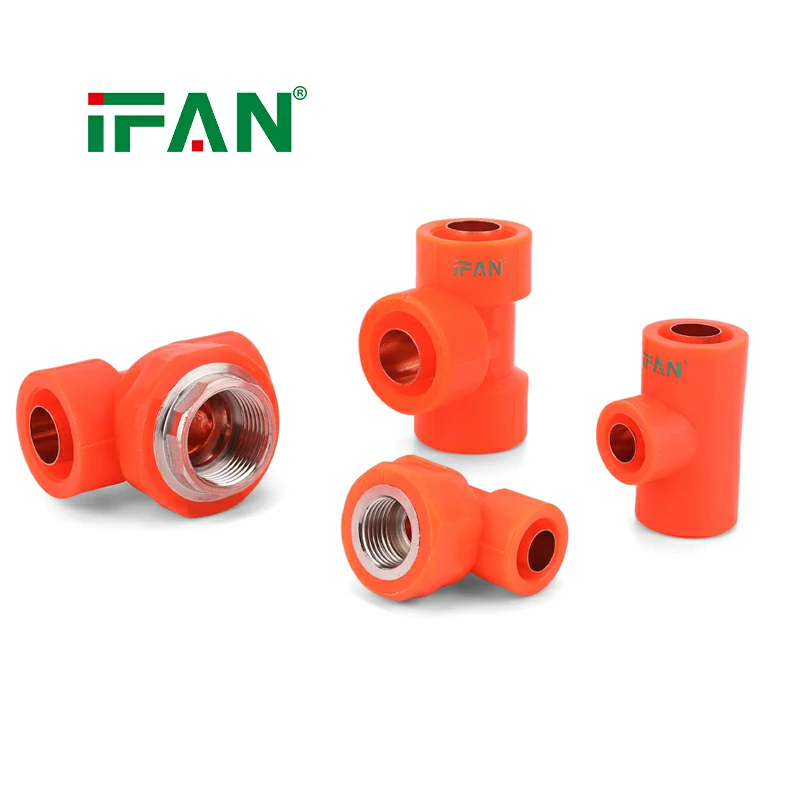
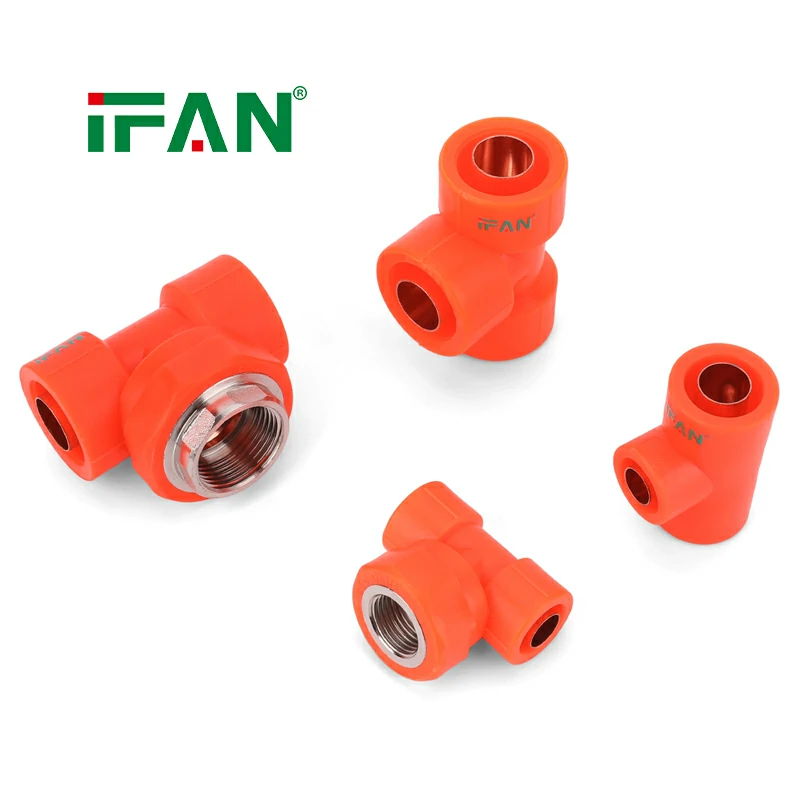
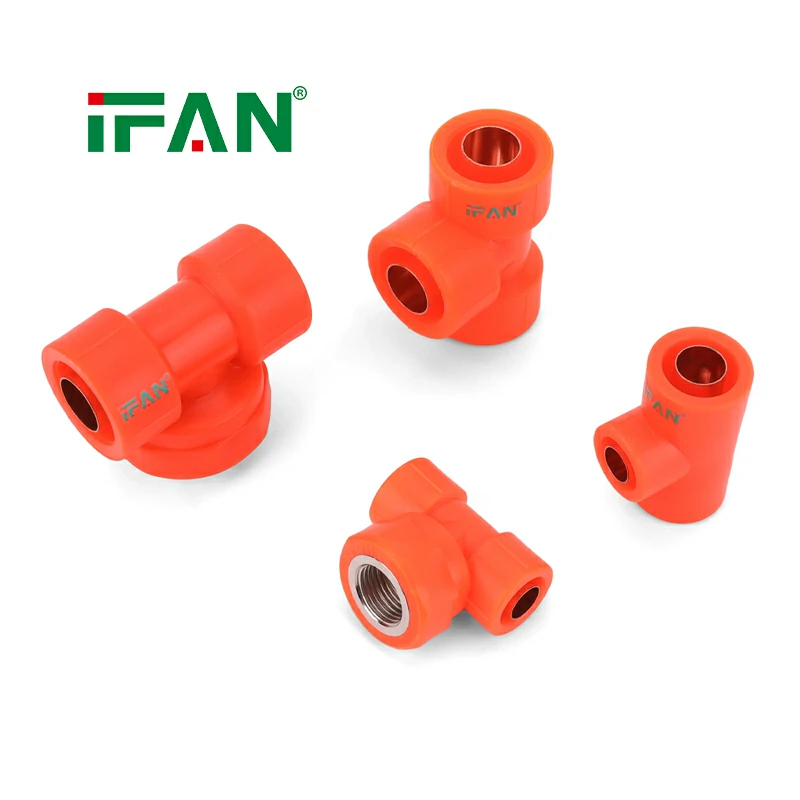
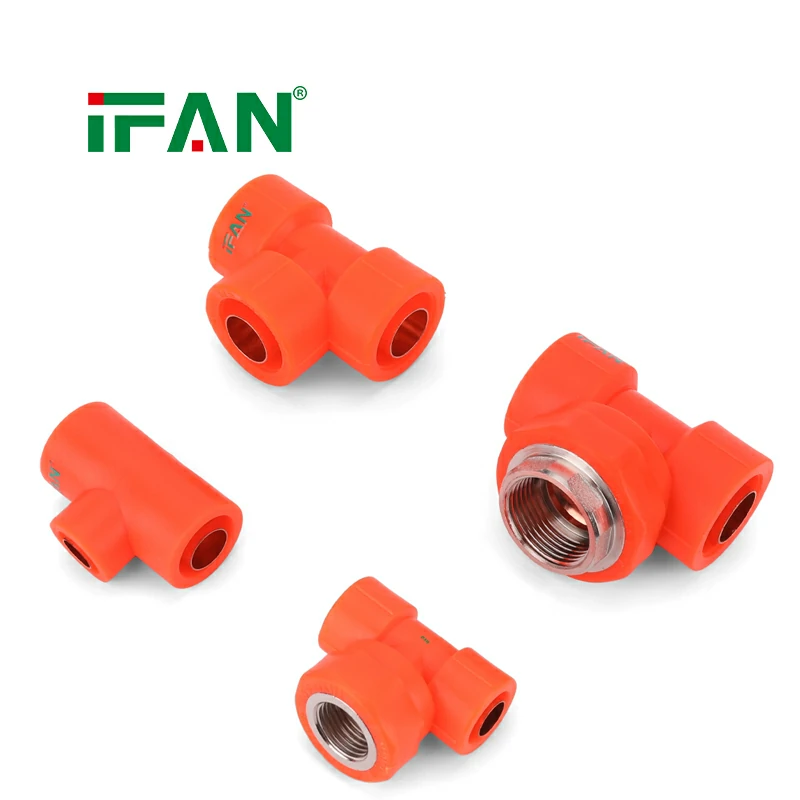
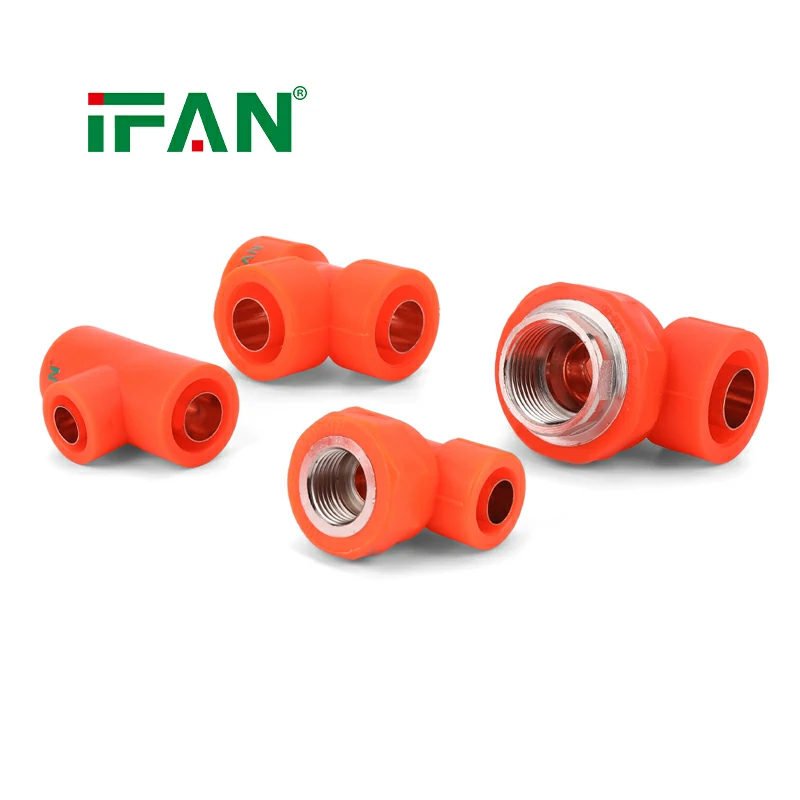
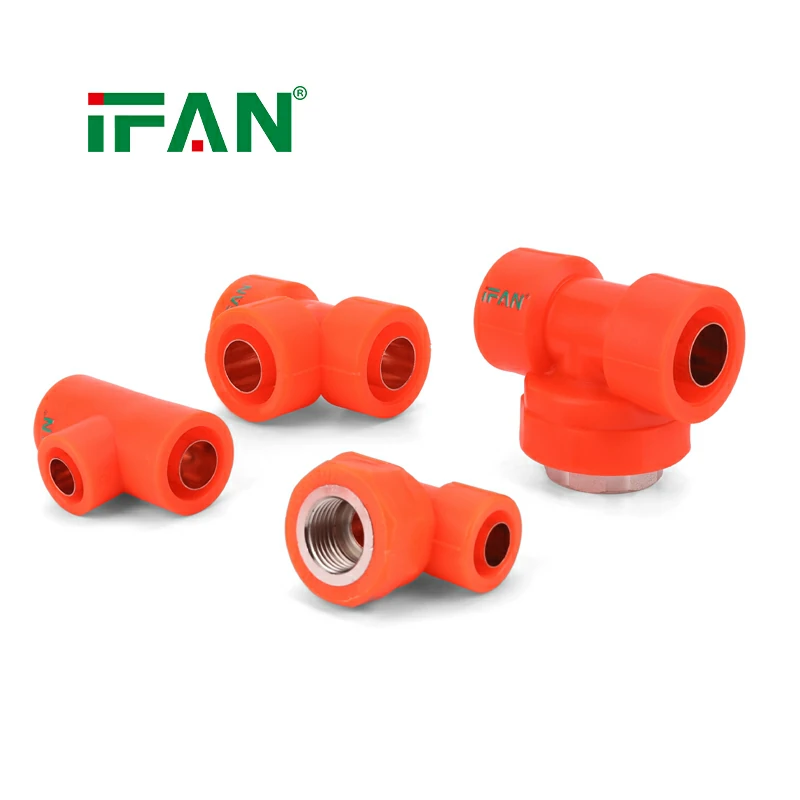
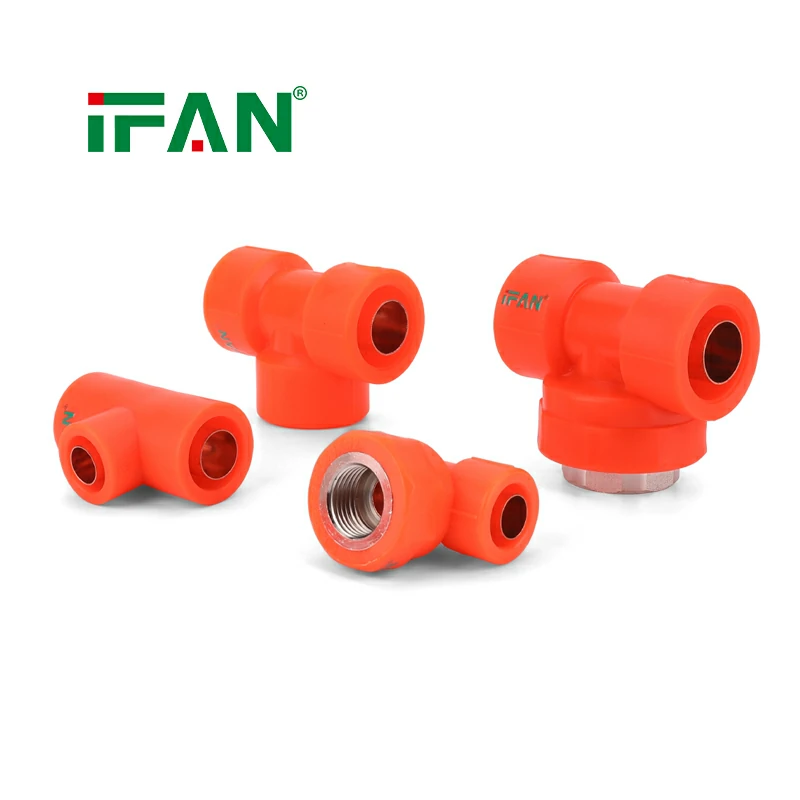
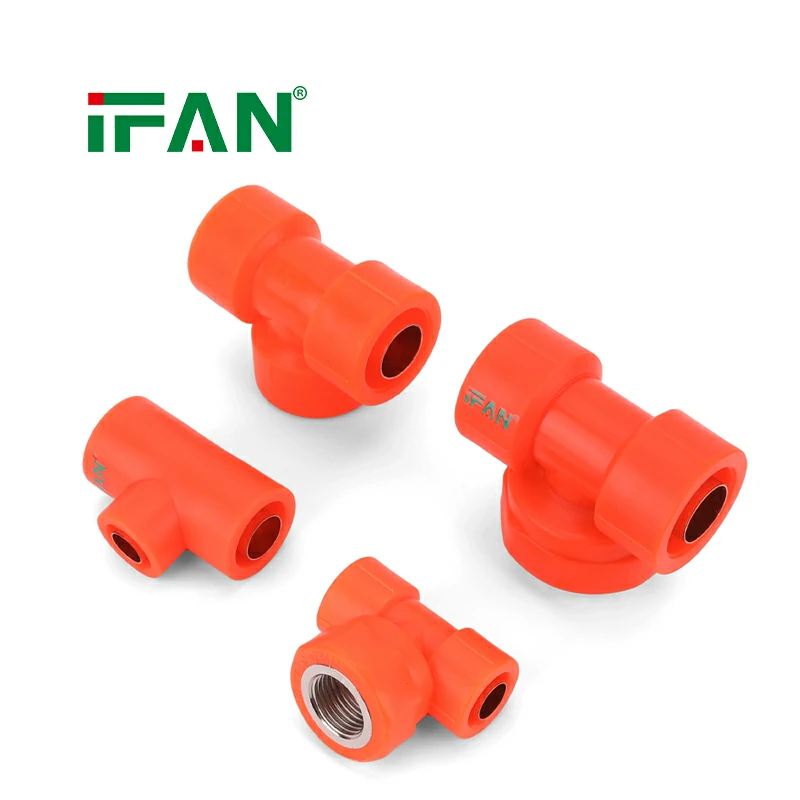
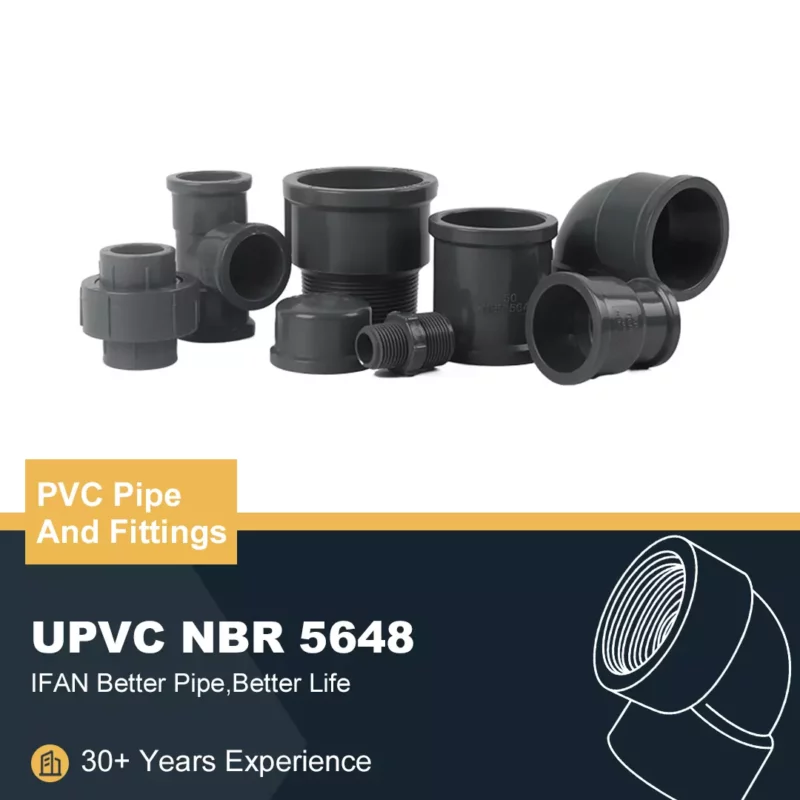
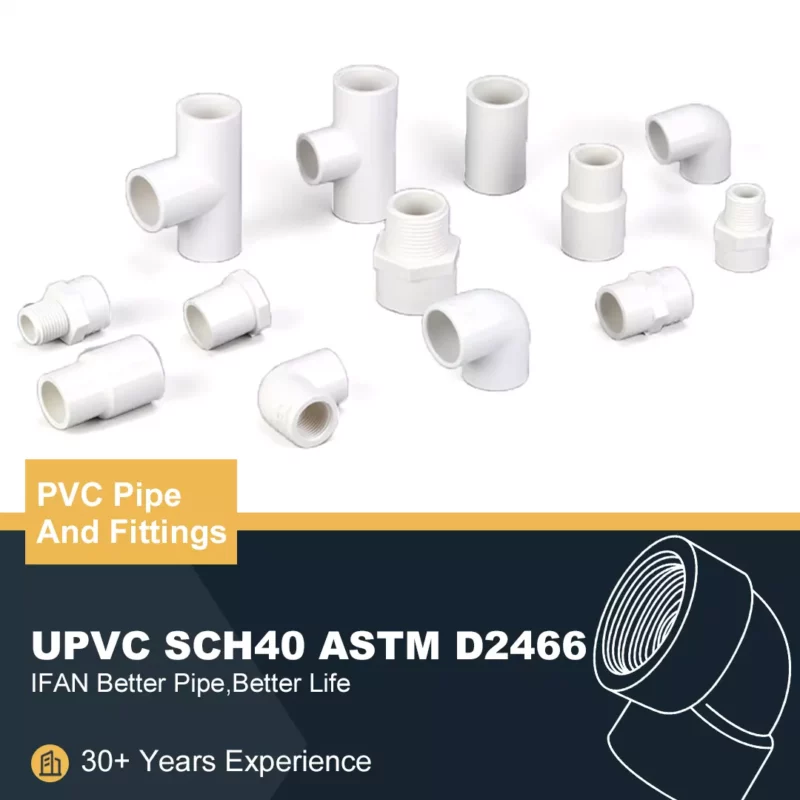
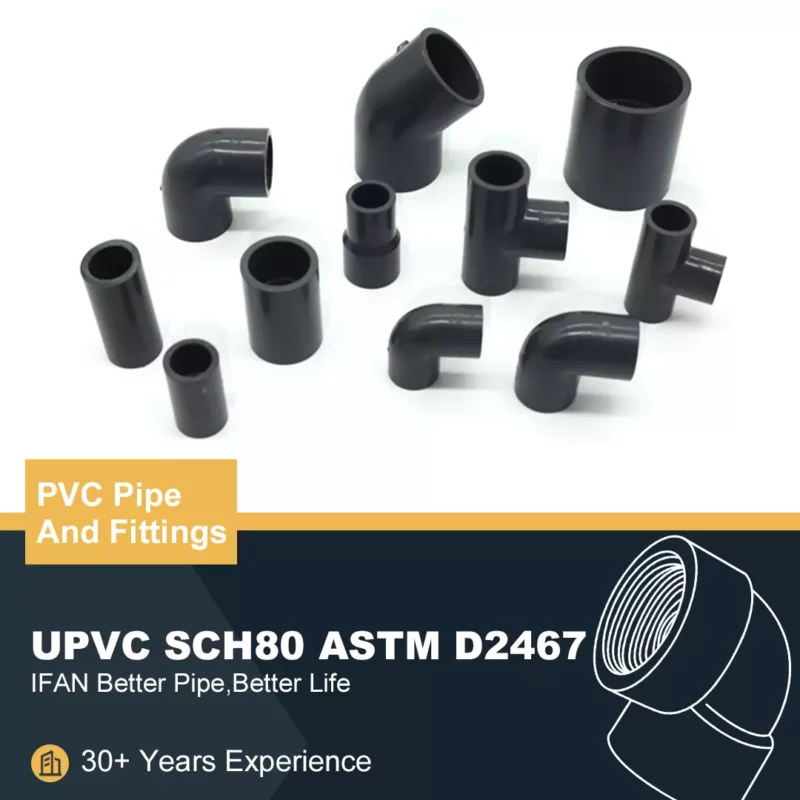
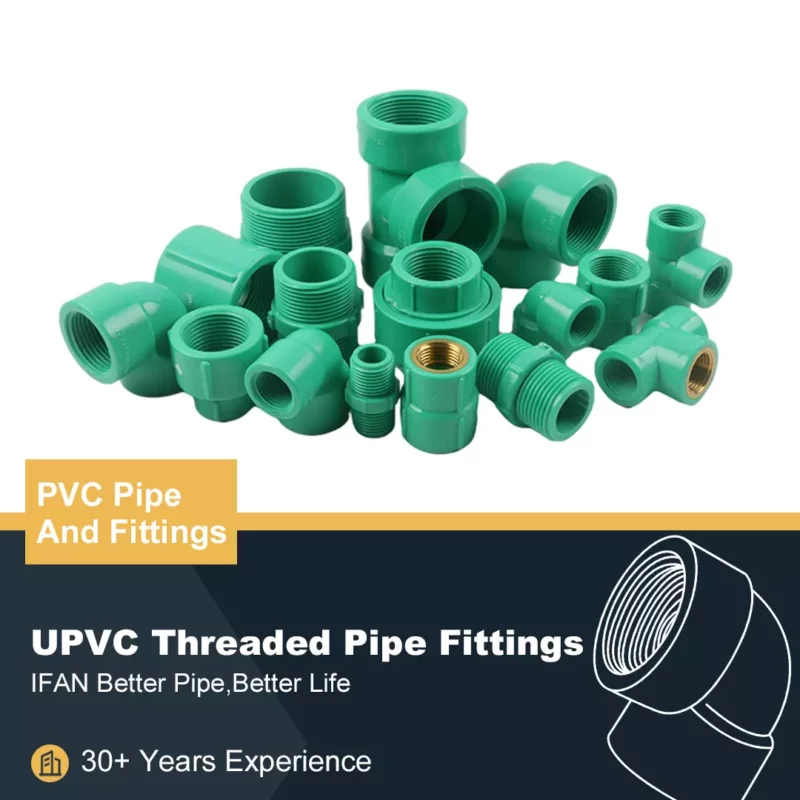
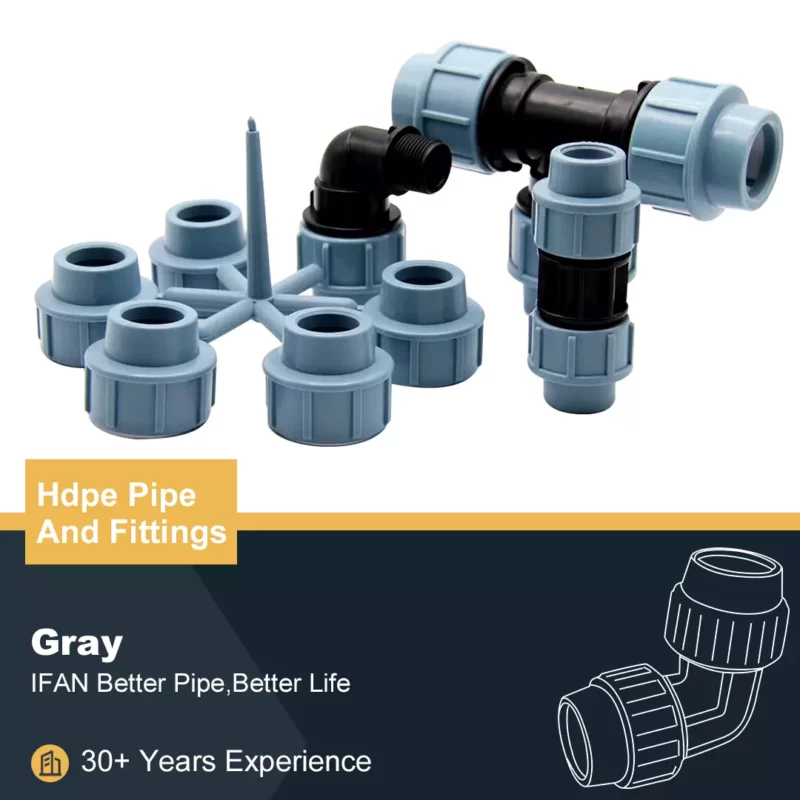
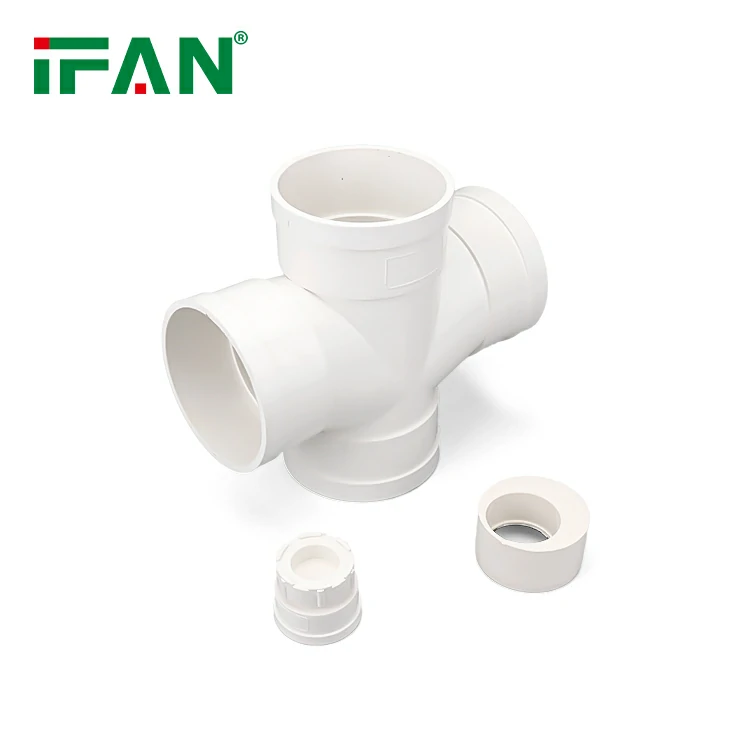
UPVC pipe fittings are made from unplasticized polyvinyl chloride (UPVC), a strong and rigid material. Unlike traditional PVC, UPVC does not contain plasticizers, making it more durable and resistant to chemicals. These fittings are commonly used in water supply systems, wastewater treatment plants, and industrial pipelines. Their ability to withstand chemical exposure makes them a preferred choice in environments where corrosion is a concern.
Key Properties of UPVC Pipe Fitting
- Superior chemical resistance: Withstands acids, alkalis, and salts.
- Non-corrosive: Does not rust or degrade.
- Long lifespan: Lasts for decades without damage.
- Lightweight: Easy to transport and install.
- Low maintenance: Requires minimal upkeep.
Chemical Resistance of UPVC Pipe Fittings
One of the main reasons UPVC pipe fittings are popular is their ability to resist chemical damage. Many industrial applications require pipes and fittings that can handle aggressive substances without deteriorating.
Resistance to Acids and Alkalis
UPVC pipe fitting can withstand strong acids and alkalis without losing their structural integrity. This makes them ideal for chemical processing plants, where exposure to corrosive substances is common. Unlike metal fittings, UPVC does not react with acids, preventing leaks and system failures.
Safe for Industrial Use
In industries where chemicals are frequently transported, UPVC pipe fittings offer a safe and reliable solution. Their non-reactive nature ensures that chemicals remain uncontaminated and that the piping system remains intact over time.
Corrosion Resistance of UPVC Pipe Fittings
Corrosion is a major problem in many piping systems, especially those that use metal components. Over time, rust and chemical reactions can weaken metal fittings, leading to leaks and failures. UPVC pipe fittings eliminate this issue by offering complete corrosion resistance.
No Rust or Metal Degradation
Unlike metal fittings, UPVC pipe fitting do not rust when exposed to moisture, chemicals, or air. This makes them an excellent choice for underground applications and areas with high humidity. The absence of metal degradation also ensures that water and chemicals transported through these pipes remain pure and uncontaminated.
Longer Lifespan Compared to Metal Fittings
Because UPVC pipe fittings do not corrode, they have a much longer lifespan than traditional metal fittings. This reduces replacement costs and minimizes maintenance efforts. Many industries choose UPVC to ensure long-term reliability.
Applications of UPVC Pipe Fitting in Chemical Industries
The superior chemical resistance of UPVC pipe fitting makes them suitable for various industries where exposure to harsh chemicals is unavoidable.
Chemical Processing Plants
In chemical factories, UPVC pipe fitting are used to transport acids, solvents, and other aggressive substances. Their ability to withstand harsh conditions ensures smooth and safe operations.
Wastewater Treatment Facilities
UPVC pipe fitting are widely used in wastewater treatment plants because they resist chemical exposure from sewage and industrial waste. They do not degrade even after prolonged contact with contaminated water.
Pharmaceutical and Laboratory Applications
Pharmaceutical industries and laboratories require fittings that can handle sensitive chemical compounds without contamination. UPVC pipe fittings provide a safe and reliable option for these applications.
Low Maintenance Requirements of UPVC Pipe Fitting
One of the biggest advantages of UPVC pipe fitting is their minimal maintenance needs. Because they resist chemical attacks and corrosion, they require fewer repairs and replacements.
Reduced Repair Costs
Since UPVC pipe fittins do not suffer from rust or chemical degradation, they rarely need repairs. This reduces overall maintenance expenses, making them a cost-effective choice for long-term use.
Minimal Cleaning Requirements
Unlike metal fittings that may accumulate rust and mineral deposits, UPVC pipe fitting remain clean and free from buildup. This ensures efficient fluid flow and reduces the need for frequent cleaning.
IFAN International Standard for PVC Tubing
IFAN’s PVC products adhere to a wide range of international standards, ensuring they meet the highest quality and performance criteria. These standards include BS 3505, BS 4346, ASTM D1785 SCH40, ASTM D1785 SCH80, DIN, GB, DWV, ASTM D2665, ASTM D2241, ASTM D2665, ASTM D2729, ASTM F441/F441M, ISO 1452 series, EN ISO 1452, DIN 8061/8062, GB/T 10002 series, AS/NZS 1477, JIS K6741, CSA B137.3, NSF/ANSI 14, and TIS 17-2532/1131-2535. Compliance with these standards ensures that IFAN’s PVC pipes and fittings deliver consistent performance, safety, and reliability in a variety of applications globally.
Environmental Benefits of UPVC Pipe Fitting
Sustainability is an important factor in modern construction and industrial applications. UPVC pipe fitting offer several environmental benefits that make them a preferred choice over traditional materials.
Non-Toxic and Safe for Water Systems
UPVC pipe fitting do not release harmful chemicals into the environment. They are safe for use in drinking water systems, ensuring that water remains uncontaminated.
Recyclable Material
UPVC is a recyclable material, meaning that old or unused fittings can be processed and reused. This reduces plastic waste and promotes sustainability.
Why Choose UPVC Pipe Fitting Over Other Materials?
There are many types of pipe fittings available, but UPVC pipe fitting offer unique advantages that make them superior in chemical resistance and durability.
Comparison with Metal Fittings
- Metal fittings: Prone to rust and chemical damage.
- UPVC pipe fittings: Non-corrosive and chemical-resistant.
Comparison with Other Plastics
- PVC fittings: Contain plasticizers that may degrade over time.
- UPVC pipe fittings: More rigid and long-lasting.
Conclusion
UPVC pipe fittings are an excellent choice for industries that require superior chemical resistance. Their ability to withstand acids, alkalis, and other corrosive substances makes them ideal for chemical processing, wastewater treatment, and laboratory applications. Unlike metal fittings, they do not corrode, ensuring a longer lifespan and lower maintenance costs. Additionally, their lightweight and recyclable properties make them an environmentally friendly option. For a reliable and durable piping solution, UPVC pipe fittings are the best choice.
If you have read this article and have any questions, please feel free to contact IFAN. Below is our contact information:
Whatsapp:+86 13373827623
Email:[email protected]