

Introduction
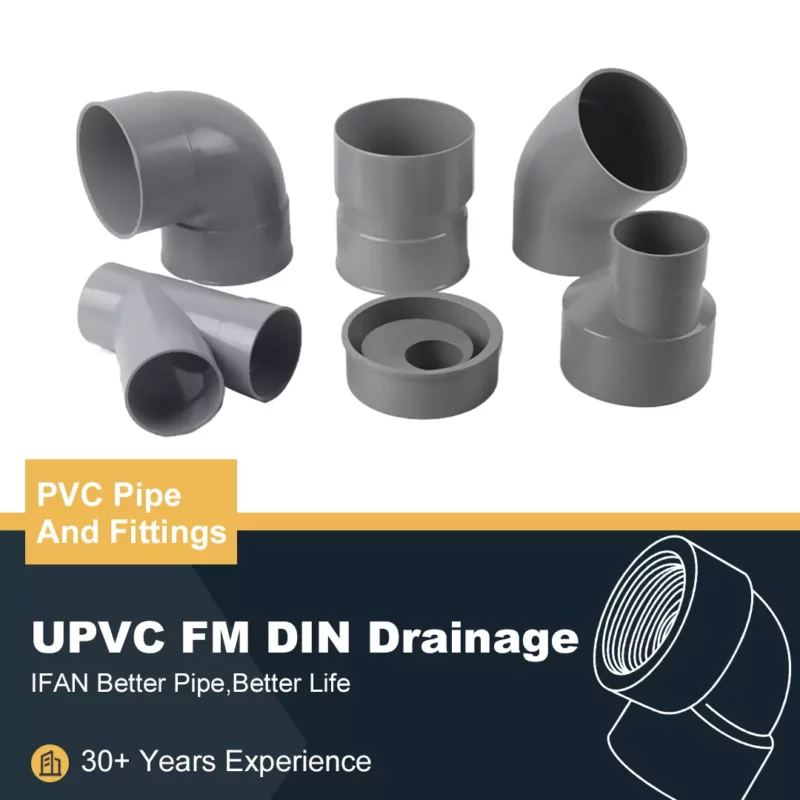
UPVC pipe fittings are widely used in plumbing systems due to their affordability and durability. These fittings offer a cost-effective alternative to traditional metal fittings, making them popular in residential, commercial, and industrial applications. Their lightweight nature, ease of installation, and resistance to corrosion contribute to long-term cost savings. This article explores the cost-effectiveness of UPVC pipe fittings, their benefits, applications, and why they are an ideal choice for modern plumbing solutions.
What Are UPVC Pipe Fittings?
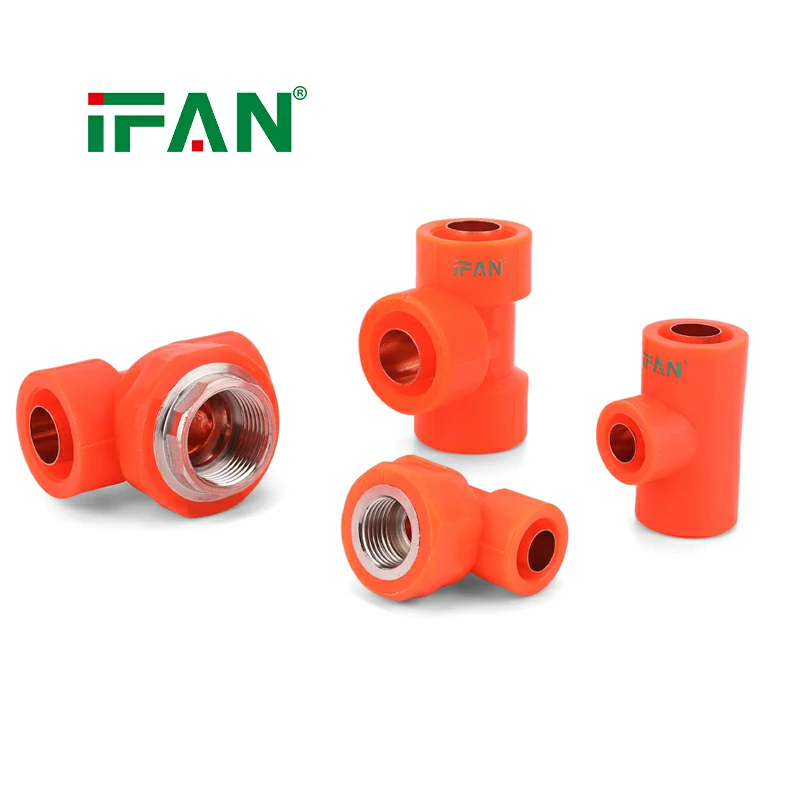
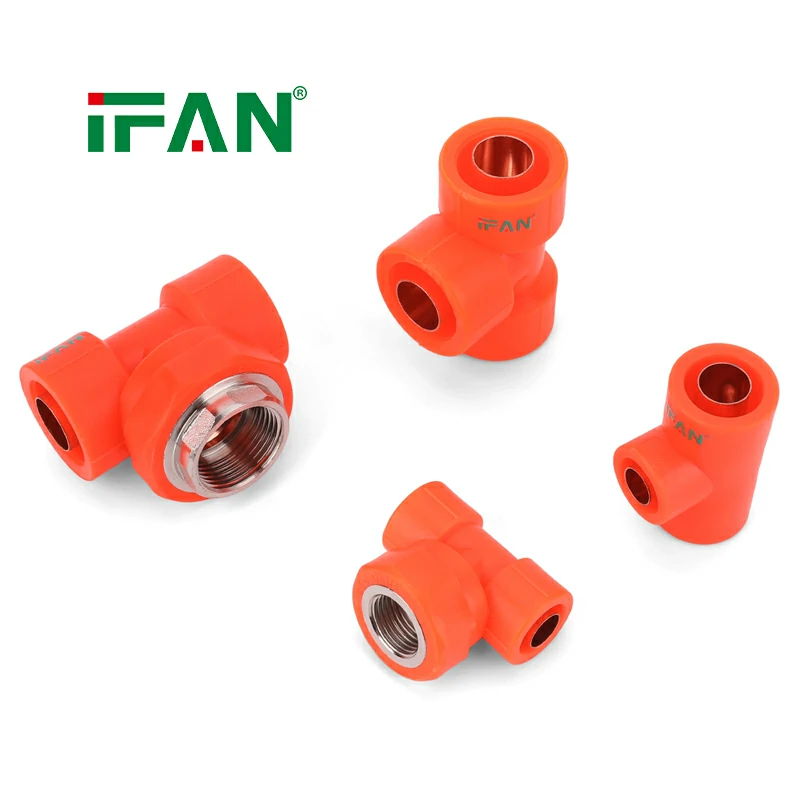
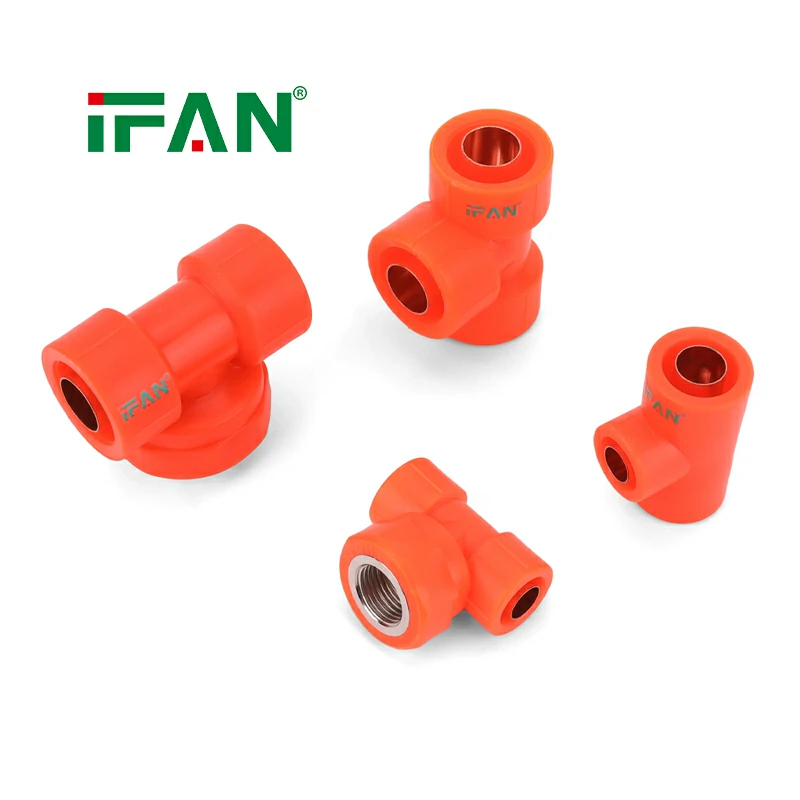
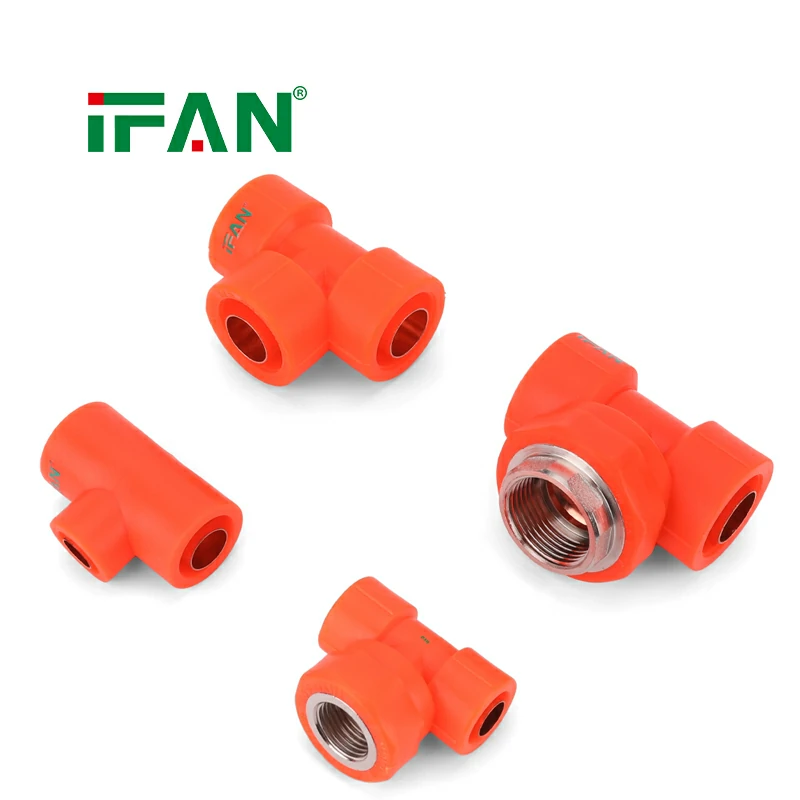
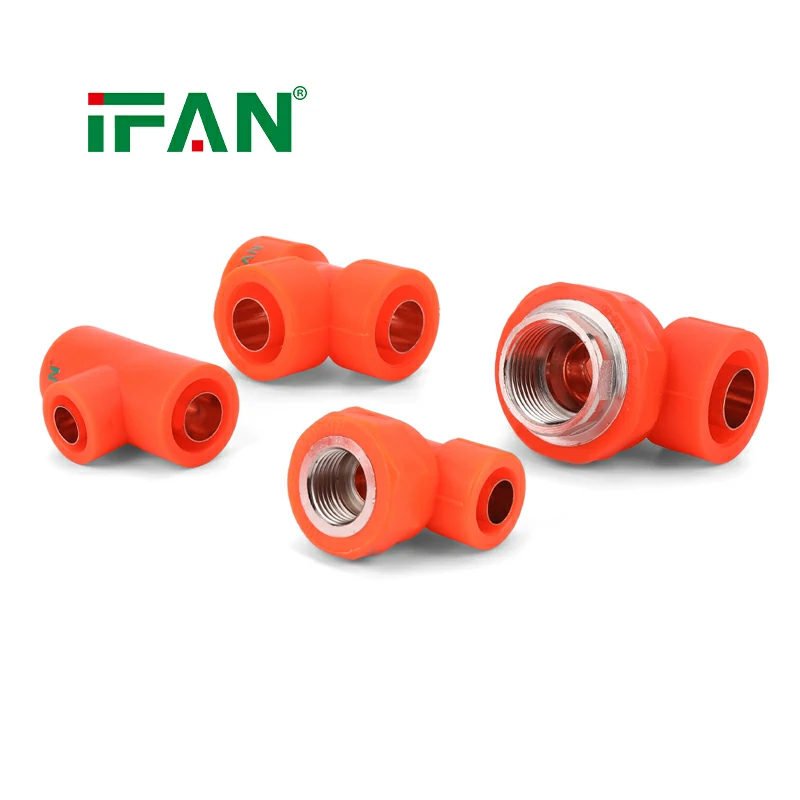
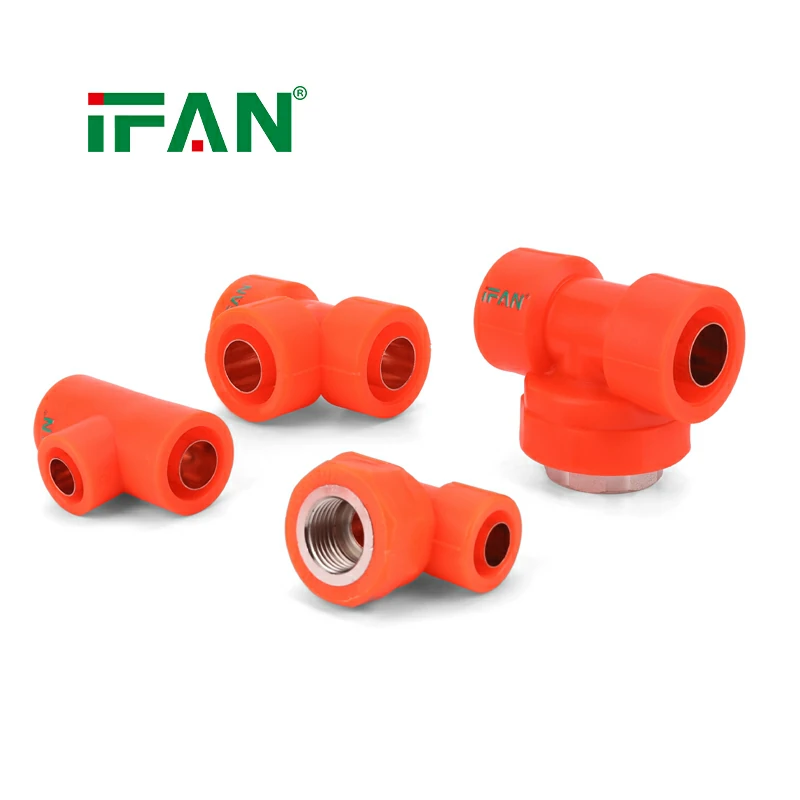
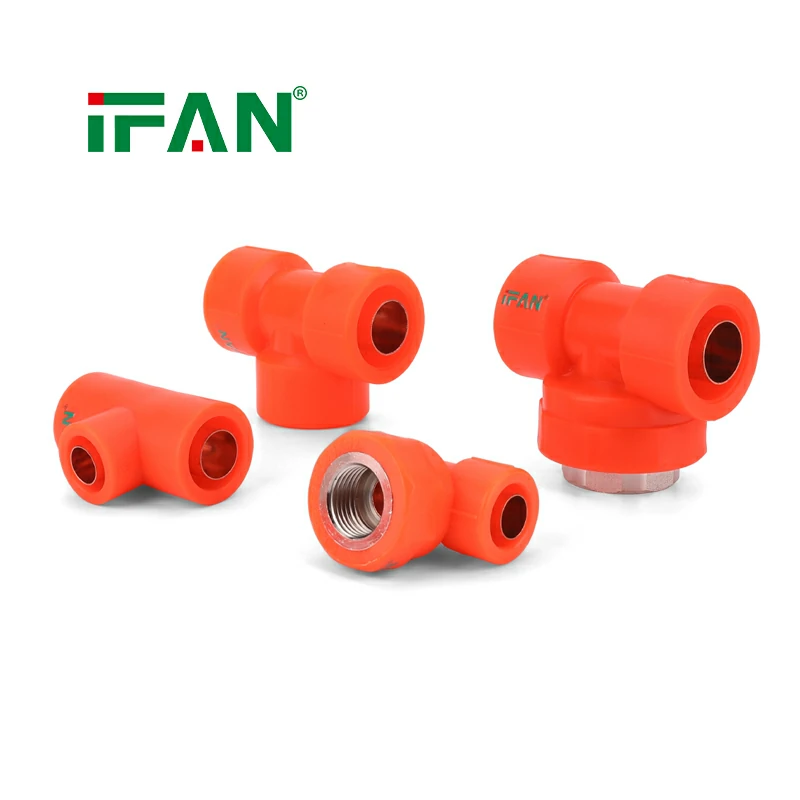
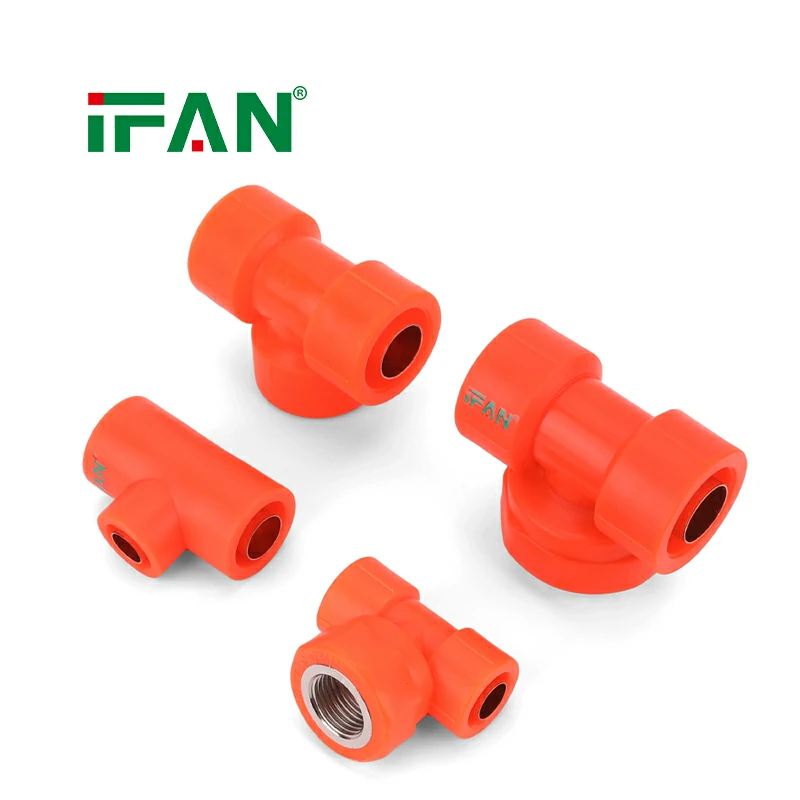
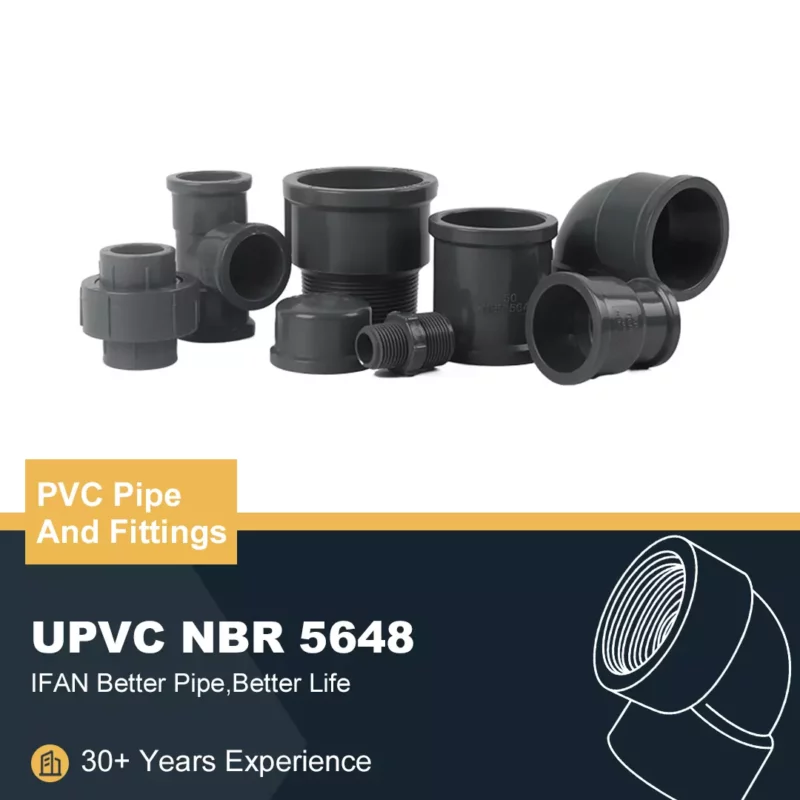
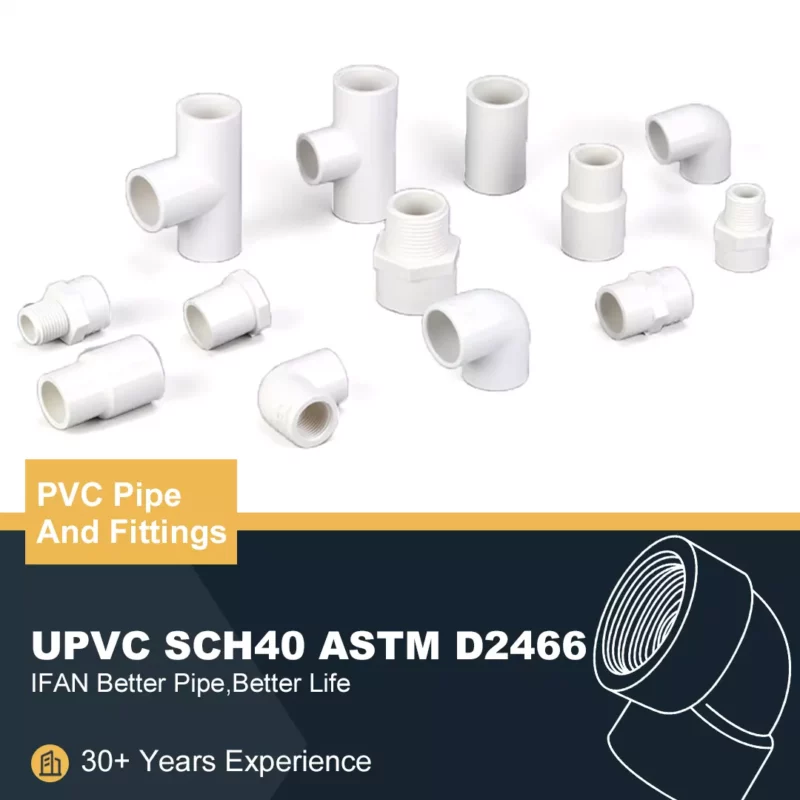
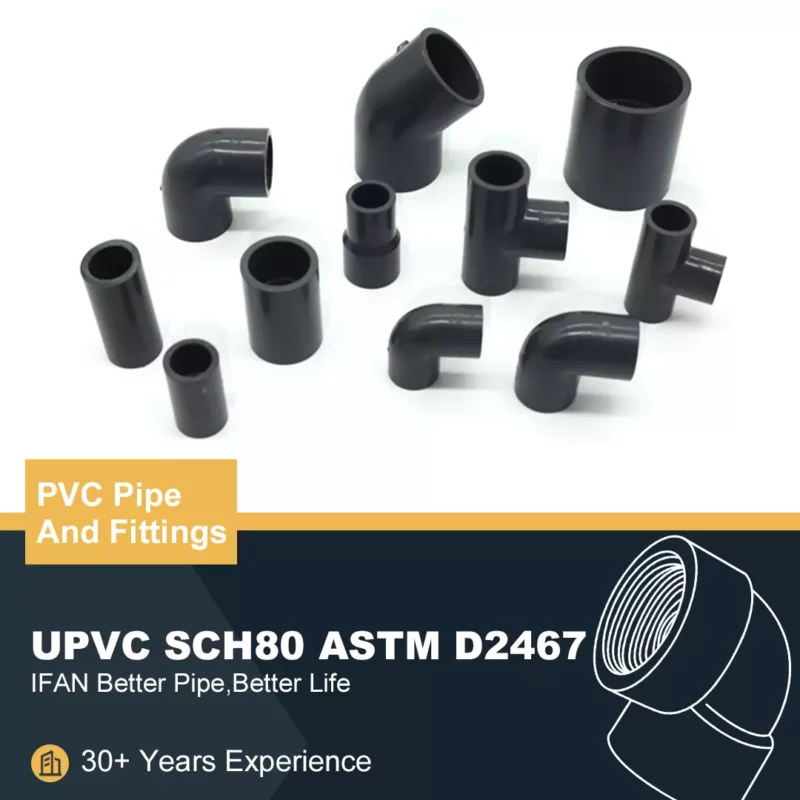
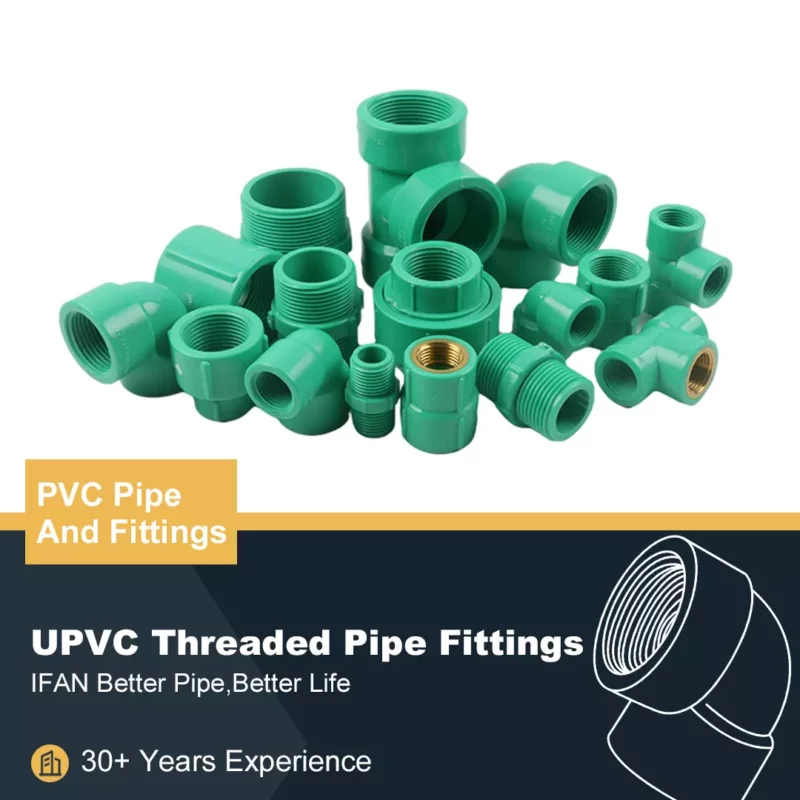
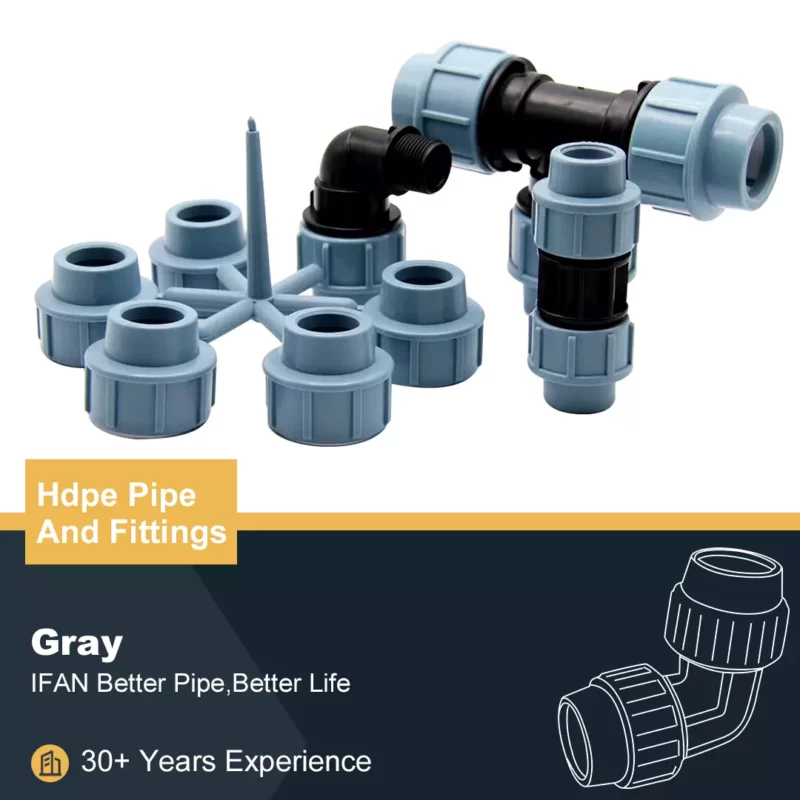
UPVC pipe fittings are made from unplasticized polyvinyl chloride, a rigid and durable material. Unlike metal fittings, UPVC does not contain plasticizers, ensuring high strength and resistance to degradation. These fittings are commonly used in water supply, drainage, and irrigation systems.
Key Features of UPVC Pipe Fittings
- Affordable: Cost-effective compared to metal fittings.
- Lightweight: Easy to handle and transport.
- Corrosion-resistant: Does not rust or degrade over time.
- Leak-proof connections: Ensures a secure plumbing system.
- Easy installation: Reduces labor costs and time.
Why UPVC Pipe Fittings Are Cost-Effective
Choosing UPVC pipe fittings over other materials provides several financial benefits. These fittings reduce both initial investment and long-term maintenance costs.
Lower Material Costs
UPVC pipe fittings are significantly cheaper than metal fittings. The raw materials used in UPVC production are widely available, reducing manufacturing costs.
Reduced Installation Expenses
The lightweight nature of UPVC pipe fittings makes them easier to install. Unlike metal fittings, which require welding or threading, UPVC fittings use solvent cement for quick and simple assembly. This reduces labor costs and installation time.
Minimal Maintenance Requirements
Once installed, UPVC pipe fitting require little to no maintenance. Unlike metal fittings, they do not corrode or rust, eliminating the need for costly repairs or replacements.
Long-Term Durability
UPVC pipe fitting have a long lifespan, often exceeding Long-term durability according to standards. Their resistance to chemicals, moisture, and environmental factors ensures a reliable plumbing system with minimal maintenance.
Energy Efficiency
The smooth interior surface of UPVC pipe fitting reduces friction, improving water flow efficiency. This minimizes energy consumption in pumping systems, reducing operational costs.
Applications of UPVC Pipe Fitting
Due to their cost-effectiveness, UPVC pipe fitting are widely used in various industries.
Residential Plumbing
Homeowners prefer UPVC pipe fitting for water supply and drainage systems. Their affordability and durability make them an ideal choice for residential use.
Commercial and Industrial Plumbing
Businesses and industries use UPVC pipe fitting for large-scale water distribution. Their resistance to chemicals and low maintenance requirements ensure a reliable system.
Irrigation Systems
Farmers and agricultural engineers use UPVC pipe fitting for irrigation networks. Their lightweight nature simplifies installation, and their corrosion resistance ensures long-term efficiency.
Chemical and Wastewater Treatment
UPVC pipe fitting are widely used in chemical processing and wastewater treatment plants. Their resistance to acids, alkalis, and harsh chemicals makes them a suitable choice.
Comparison: UPVC vs. Other Plumbing Materials
When selecting plumbing materials, comparing costs and performance is essential. Here’s how UPVC pipe fitting compare to other options.
UPVC vs. Metal Fittings
- Cost: UPVC is significantly cheaper than metal.
- Installation: UPVC is easier to install and requires no welding.
- Corrosion: Metal rusts over time, while UPVC remains corrosion-free.
UPVC vs. PVC Fittings
- Durability: UPVC is more rigid and durable than PVC.
- Strength: UPVC offers higher pressure resistance.
- Cost: Both materials are cost-effective, but UPVC lasts longer.
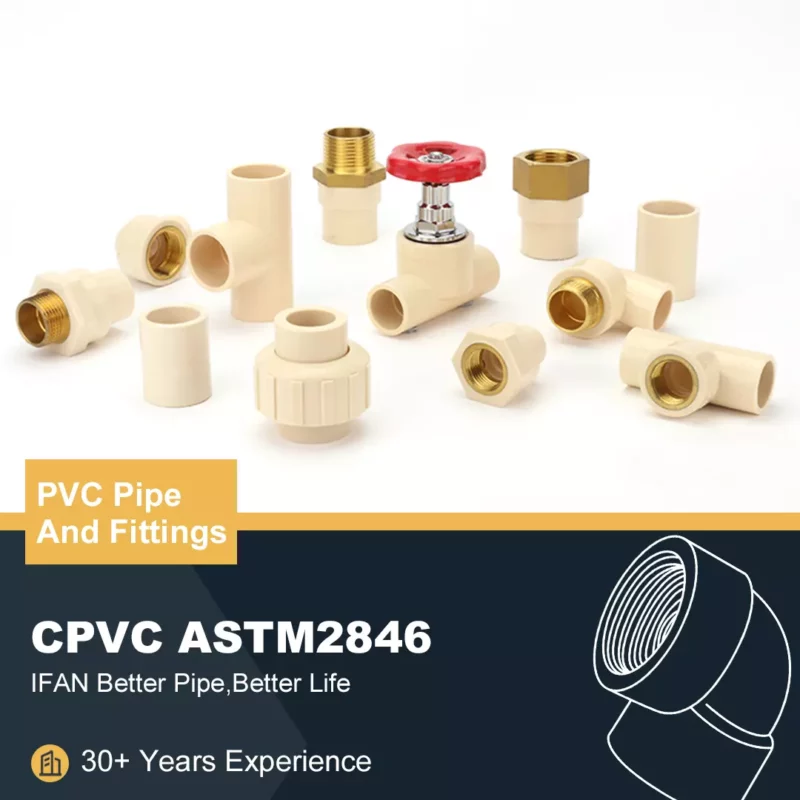
UPVC vs. CPVC Fittings
- Temperature Resistance: CPVC can handle higher temperatures, but UPVC is more cost-effective.
- Usage: UPVC is ideal for cold water applications, while CPVC is used for hot water.
- Affordability: UPVC is cheaper than CPVC.
Installation Process of UPVC Pipe Fitting
Installing UPVC pipe fittings is simple and does not require advanced skills. Following proper installation steps ensures a leak-free and long-lasting system.
Step 1: Measure and Cut the Pipe
Use a measuring tape to determine the required pipe length. Cut the pipe using a pipe cutter for a clean edge.
Step 2: Clean and Deburr the Pipe Ends
Remove burrs and rough edges using a deburring tool. Clean the pipe ends with a dry cloth to ensure proper adhesion.
Step 3: Dry-Fit the Fittings
Before applying solvent cement, dry-fit the UPVC pipe fitting to check alignment.
Step 4: Apply Solvent Cement
Apply a thin, even layer of solvent cement to both the pipe and fitting. Ensure complete coverage for a strong bond.
Step 5: Connect the Pipe and Fitting
Insert the pipe into the fitting and twist slightly for an even cement distribution. Hold the connection for a few seconds until it sets.
Step 6: Allow Proper Curing Time
Let the joint dry for at least 15 minutes before handling. For pressurized systems, wait 24 hours before testing.
Step 7: Test for Leaks
Run water through the system and check for leaks. If needed, reapply solvent cement and reconnect.
Advantages of Using UPVC Pipe Fittings
Beyond cost-effectiveness, UPVC pipe fittings offer several additional benefits.
Lightweight and Easy Handling
The lightweight nature of UPVC pipe fittings simplifies transportation and installation. Unlike metal fittings, they do not require heavy equipment.
IFAN International Standard for PVC Tubing
IFAN’s PVC products adhere to a wide range of international standards, ensuring they meet the highest quality and performance criteria. These standards include BS 3505, BS 4346, ASTM D1785 SCH40, ASTM D1785 SCH80, DIN, GB, DWV, ASTM D2665, ASTM D2241, ASTM D2665, ASTM D2729, ASTM F441/F441M, ISO 1452 series, EN ISO 1452, DIN 8061/8062, GB/T 10002 series, AS/NZS 1477, JIS K6741, CSA B137.3, NSF/ANSI 14, and TIS 17-2532/1131-2535. Compliance with these standards ensures that IFAN’s PVC pipes and fittings deliver consistent performance, safety, and reliability in a variety of applications globally.
Corrosion and Chemical Resistance
Unlike metal fittings, UPVC pipe fittings do not corrode, making them ideal for long-term use. Their resistance to chemicals ensures durability in industrial applications.
Environmentally Friendly
UPVC pipe fittings are recyclable and have a lower environmental impact than metal fittings. Their long lifespan reduces waste generation.
Reliable and Leak-Proof Connections
Solvent-welded joints provide strong and leak-free connections. Unlike mechanical fittings, UPVC connections do not loosen over time.
Maintenance Tips for UPVC Pipe Fittings
To maximize the lifespan of UPVC pipe fittings, follow these maintenance tips.
Regular Inspections
Check for leaks and damages periodically. Early detection prevents costly repairs.
Avoid Excessive Pressure
Ensure the system operates within recommended pressure levels. Excessive pressure can weaken joints.
Proper Cleaning
Clean pipes and fittings periodically to prevent buildup. Use non-abrasive cleaning solutions.
Conclusion
UPVC pipe fittings provide a cost-effective plumbing solution suitable for residential, commercial, and industrial applications. Their affordability, ease of installation, and durability make them a preferred choice over metal and other plastic fittings. With minimal maintenance and long-term reliability, UPVC pipe fittings ensure an efficient and economical plumbing system. Whether for home plumbing, irrigation, or industrial pipelines, these fittings offer unmatched value and performance.
If you have read this article and have any questions, please feel free to contact IFAN. Below is our contact information:
Whatsapp:+86 13373827623
Email:[email protected]