

Introduction
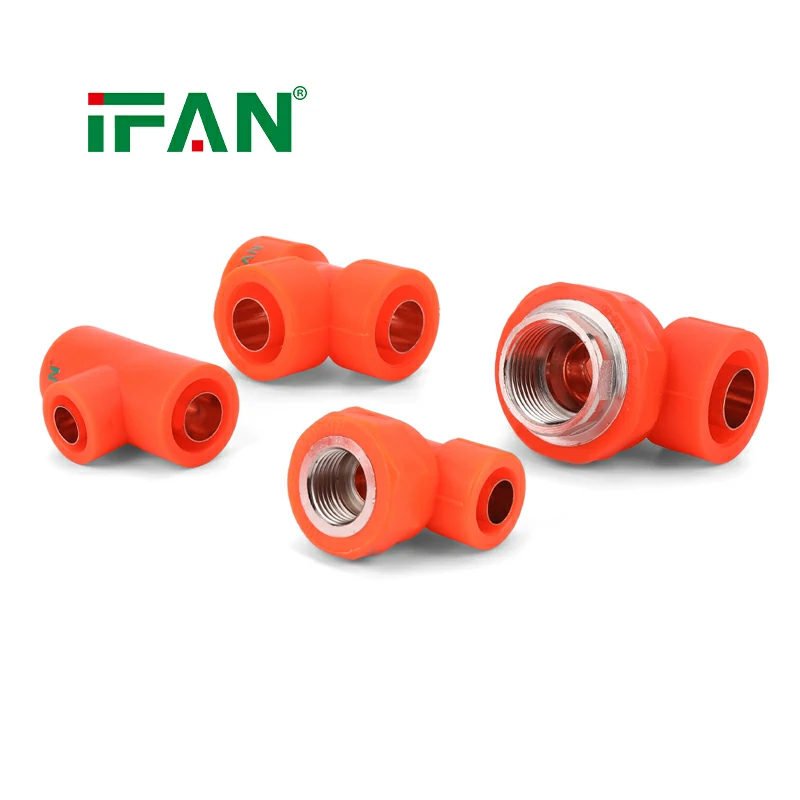
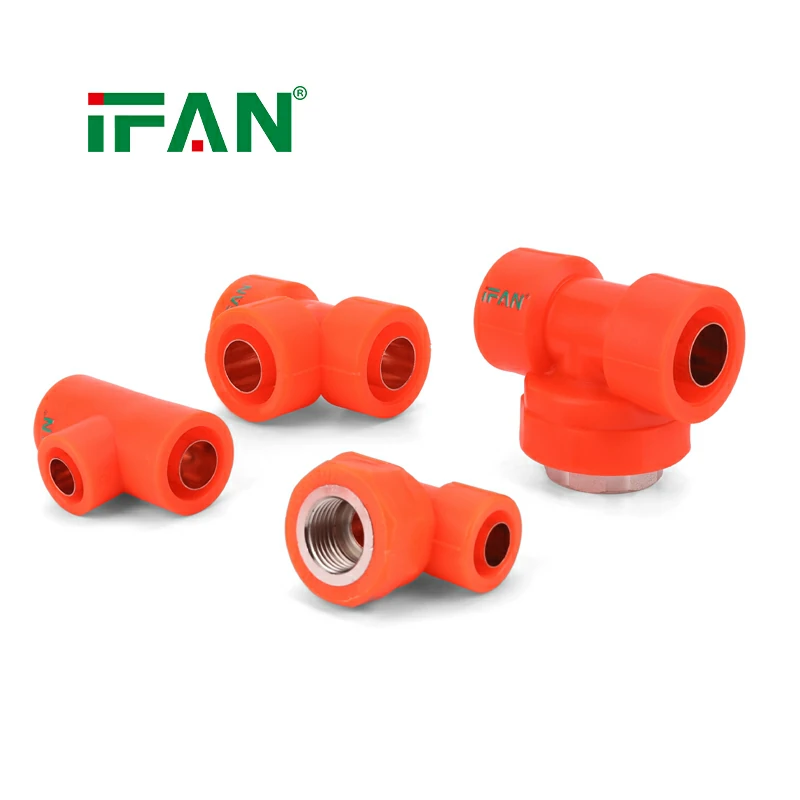
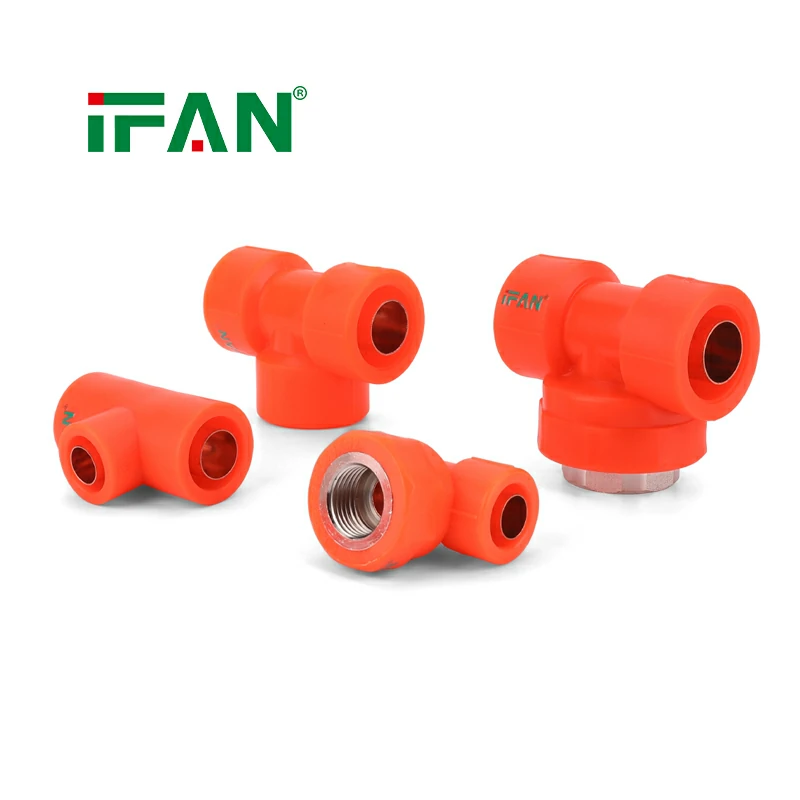
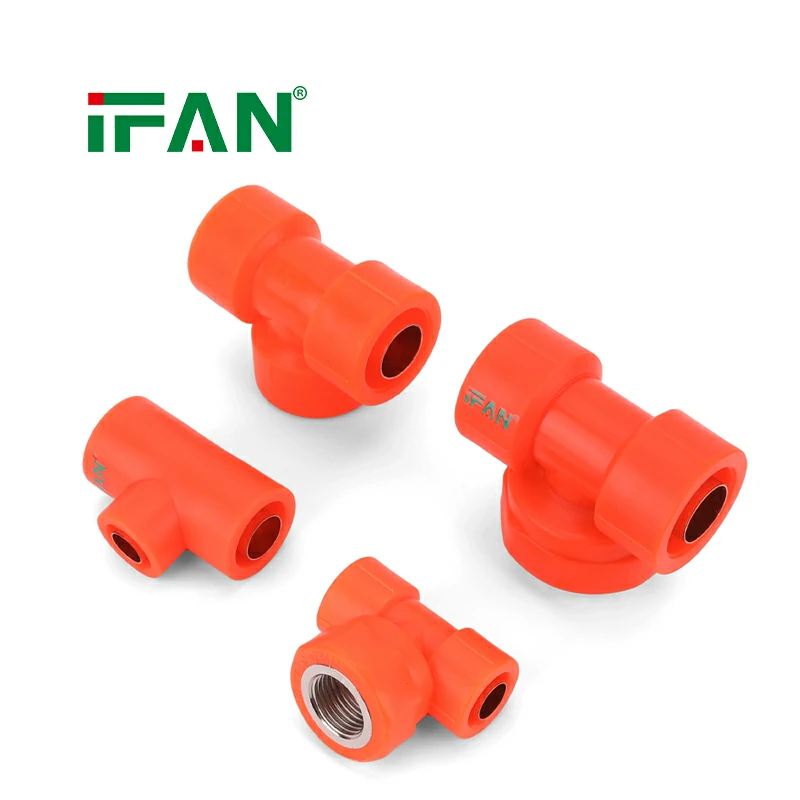
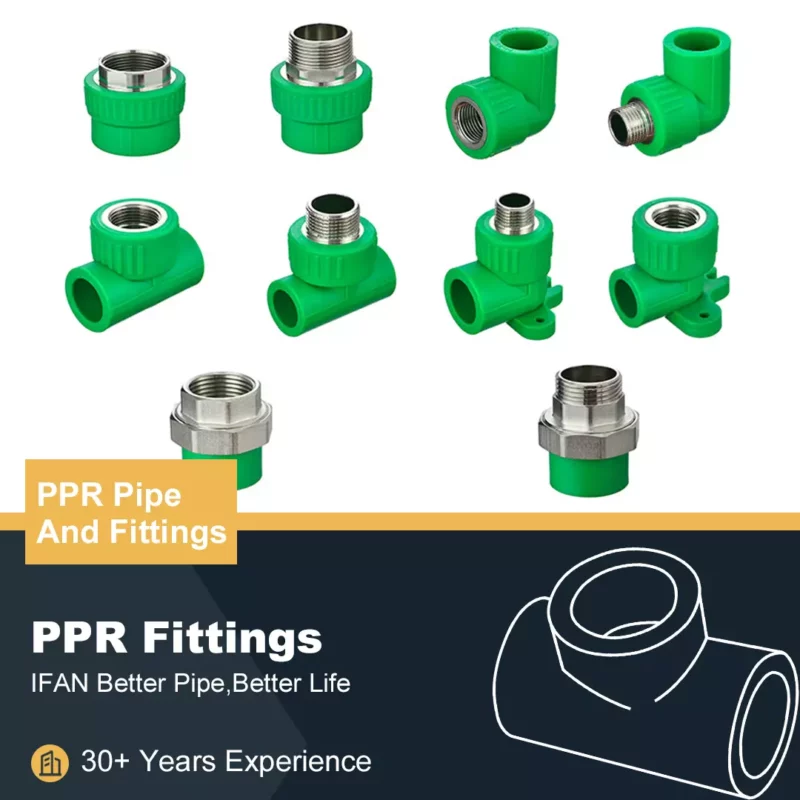
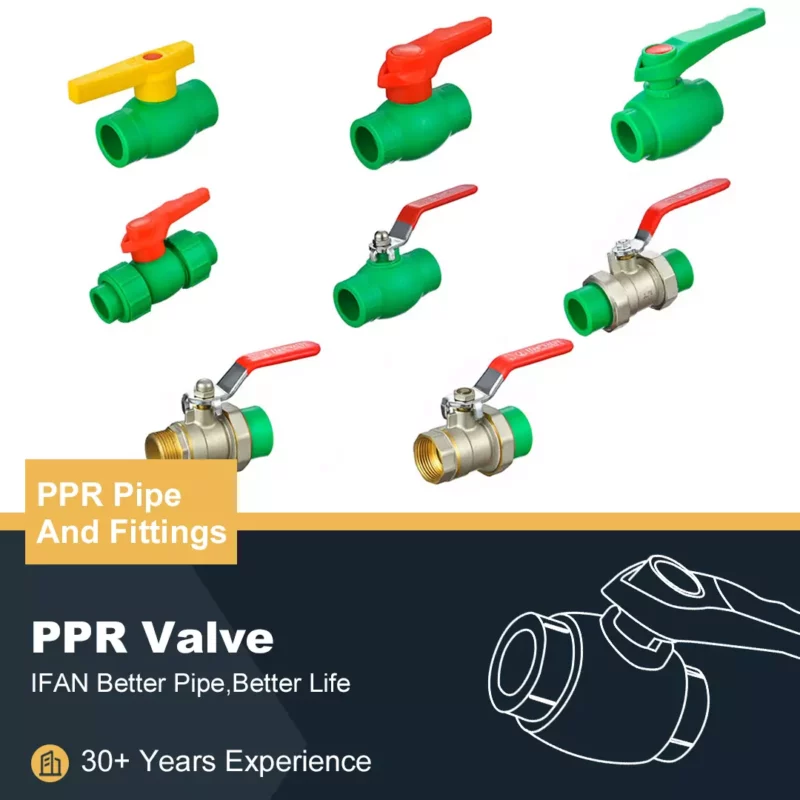
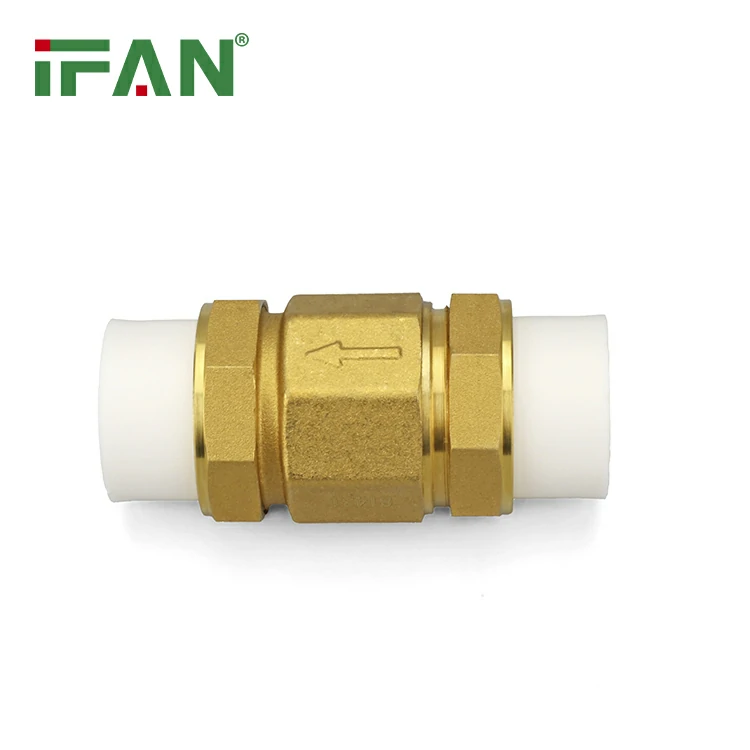
A PPR check valve is a crucial component in plumbing systems, ensuring unidirectional water flow and preventing backflow. Made from polypropylene random copolymer (PPR), these valves offer a combination of lightweight design and durability. Their resistance to corrosion, ease of installation, and long lifespan make them an excellent choice for residential, commercial, and industrial applications. This article explores the advantages of the PPR check valve, focusing on its lightweight and durable design.
What Is a PPR Check Valve?
A PPR check valve is a type of non-return valve designed to allow water to flow in one direction. It prevents backflow, ensuring the integrity of plumbing systems. The valve operates automatically, using a disc or flap mechanism that closes when the water flow reverses. PPR check valves are commonly used in potable water systems, heating networks, and industrial pipelines.
Lightweight Design for Easy Handling
One of the primary benefits of a PPR check valve is its lightweight nature. Unlike metal valves, which are heavy and require additional support, PPR check valves are easy to handle and install. Their reduced weight simplifies transportation, lowers labor costs, and minimizes the need for specialized equipment during installation.
Advantages of Lightweight Construction
The lightweight design of a PPR check valve provides several key advantages:
- Easier Installation: Requires less effort to transport and fit into plumbing systems.
- Lower Shipping Costs: Reduces expenses associated with transporting heavy materials.
- Less Structural Stress: Minimizes pressure on piping systems, reducing the risk of damage.
- Improved Safety: Decreases the risk of injury during installation and maintenance.
Durability for Long-Term Performance
A PPR check valve is designed for durability, ensuring long-term performance in various applications. The polypropylene material is resistant to impact, corrosion, and wear, making it suitable for demanding environments. Unlike metal valves that can rust or degrade over time, PPR check valves maintain their structural integrity for years.
Resistance to Corrosion and Chemicals
Corrosion can significantly reduce the lifespan of plumbing components. PPR check valves are highly resistant to rust, chemical reactions, and scaling, making them ideal for water supply systems. Their chemical resistance allows them to function effectively in harsh environments, including those with high acidity or alkalinity.
High-Temperature and Pressure Tolerance
PPR check valves can withstand temperatures up to 95°C, making them suitable for hot water applications. They also perform well under high-pressure conditions, ensuring reliability in both residential and industrial plumbing systems. Their ability to maintain strength and function under extreme conditions enhances their durability and efficiency.
Energy Efficiency and Flow Optimization
The smooth internal surface of a PPR check valve reduces friction and minimizes pressure loss. This ensures efficient water flow, reducing energy consumption and operational costs. Unlike metal valves, which may develop internal scaling over time, PPR check valves maintain a consistent and smooth water passage.
Applications of PPR Check Valves
PPR check valves are used in various industries and plumbing systems, including:
- Potable Water Systems: Ensuring safe drinking water by preventing contamination.
- Heating Systems: Protecting boilers and radiators from reverse flow damage.
- Irrigation Systems: Maintaining steady water pressure and preventing contamination.
- Industrial Pipelines: Providing reliable flow control in chemical and processing plants.
Cost-Effective Solution for Plumbing Systems
A PPR check valve offers an affordable alternative to traditional metal valves. Its lower material cost, reduced installation time, and minimal maintenance requirements make it a budget-friendly choice. Long-term savings result from its durability, as replacements and repairs are rarely needed.
Leak Prevention and System Protection
A PPR check valve ensures a secure, leak-free connection, protecting plumbing systems from damage caused by backflow. The precision-molded components provide a tight seal, reducing water waste and improving system efficiency. This leak prevention feature makes it an essential part of any plumbing network.
Environmental Benefits and Sustainability
PPR check valves are environmentally friendly due to their recyclable nature. They contribute to sustainable plumbing solutions by reducing waste and lowering energy consumption. Their long lifespan minimizes the need for frequent replacements, reducing the environmental impact of plumbing systems.
Comparison with Other Check Valves
Compared to PVC and metal check valves, PPR check valves offer several advantages:
- Lighter than Metal Valves: Easier to transport and install.
- More Durable than PVC Valves: Better resistance to temperature and pressure fluctuations.
- Corrosion-Free: Unlike metal valves, they do not rust or degrade in harsh conditions.
Conclusion
A PPR check valve is a reliable, lightweight, and durable solution for preventing backflow in plumbing systems. Its corrosion resistance, high-temperature tolerance, and long lifespan make it a superior choice for both residential and industrial applications. With easy installation, minimal maintenance, and energy-efficient operation, PPR check valves offer a cost-effective and environmentally friendly plumbing solution.
If you have read this article and have any questions, please feel free to contact IFAN. Below is our contact information:
Whatsapp:+86 13373827623
Email:[email protected]