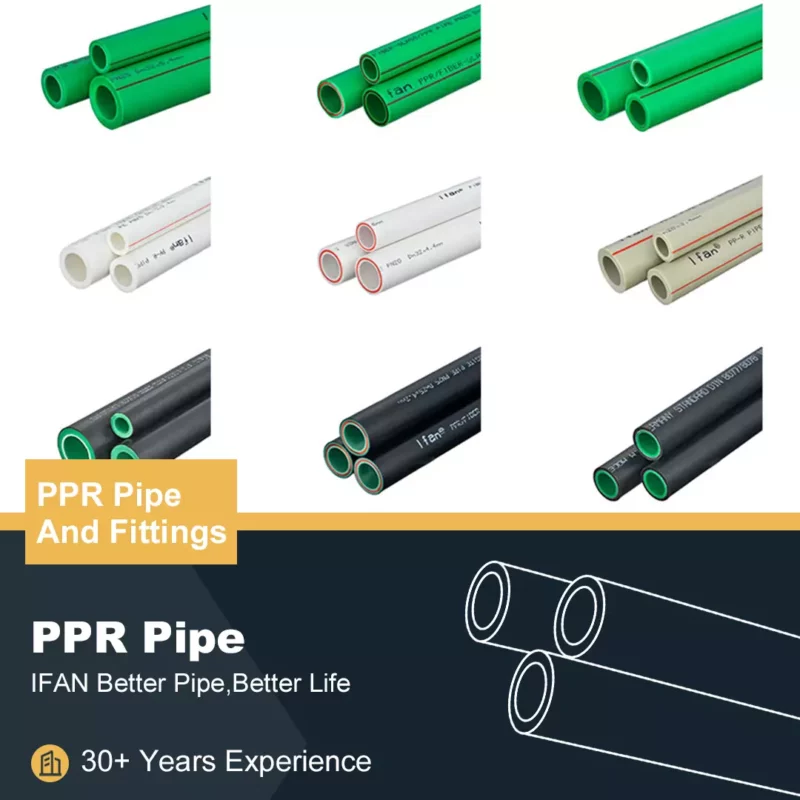


Introduction to CPVC Pipe Fittings
CPVC pipe fittings are essential components in modern plumbing systems. Made from chlorinated polyvinyl chloride, these fittings are known for their durability. One of the standout features of CPVC pipe fittings is their low maintenance requirements. In this article, we will explore why CPVC fittings require minimal upkeep and the benefits this brings to homeowners and businesses.
What Are CPVC Pipe Fittings?
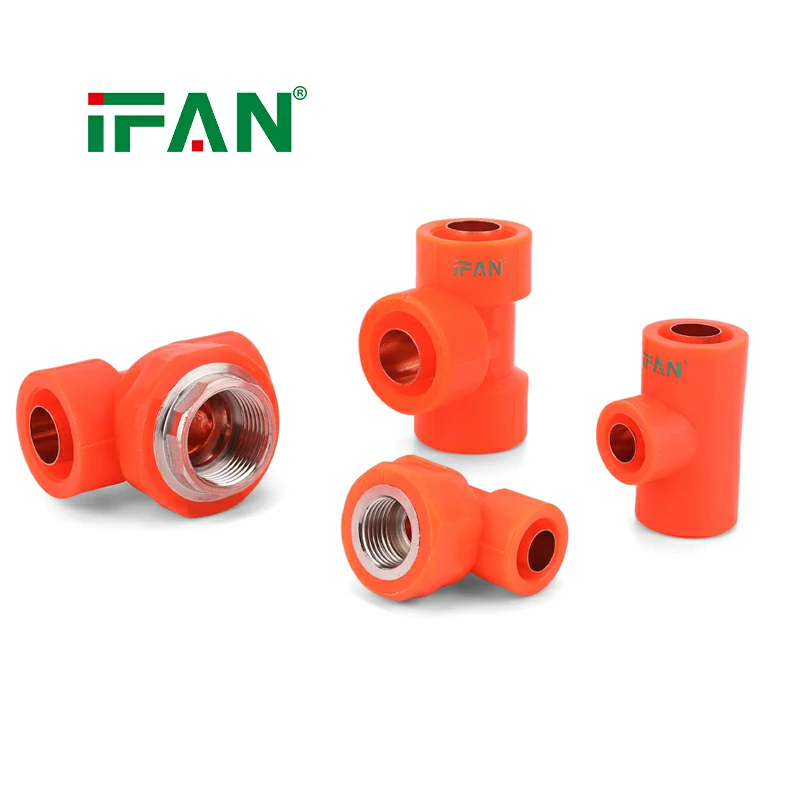
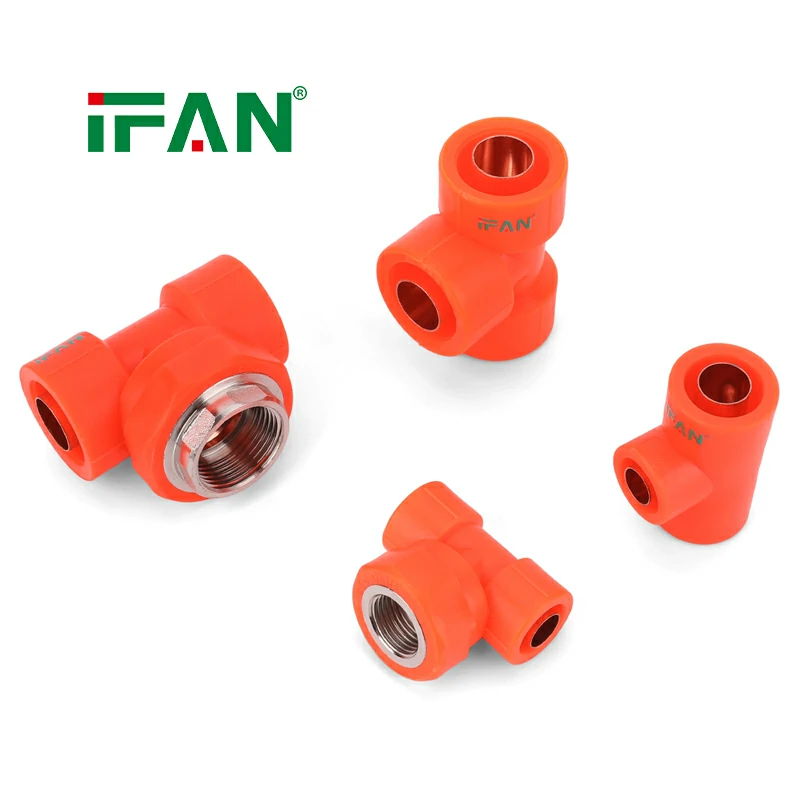
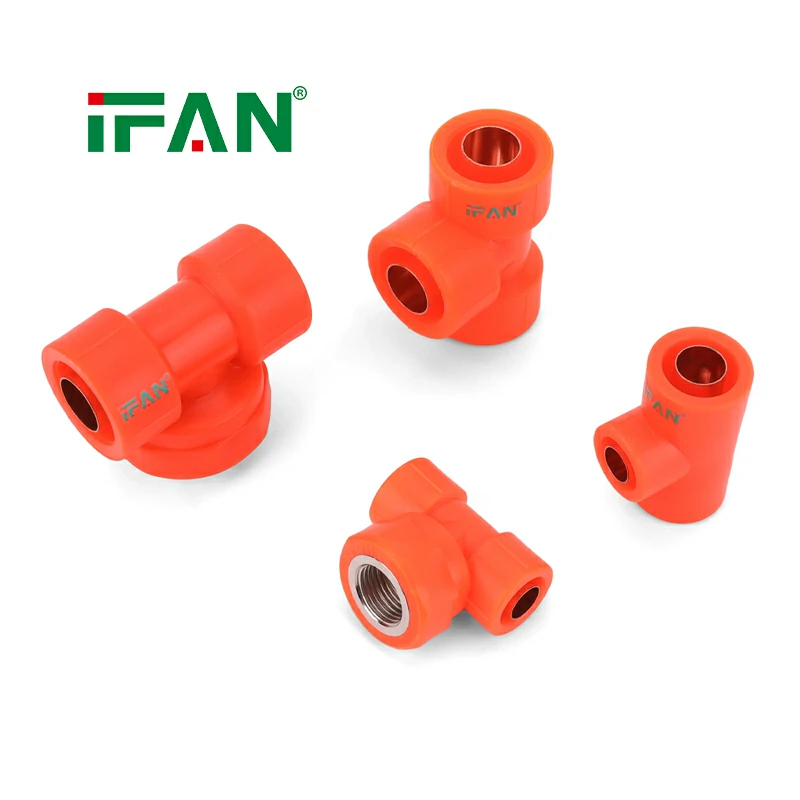
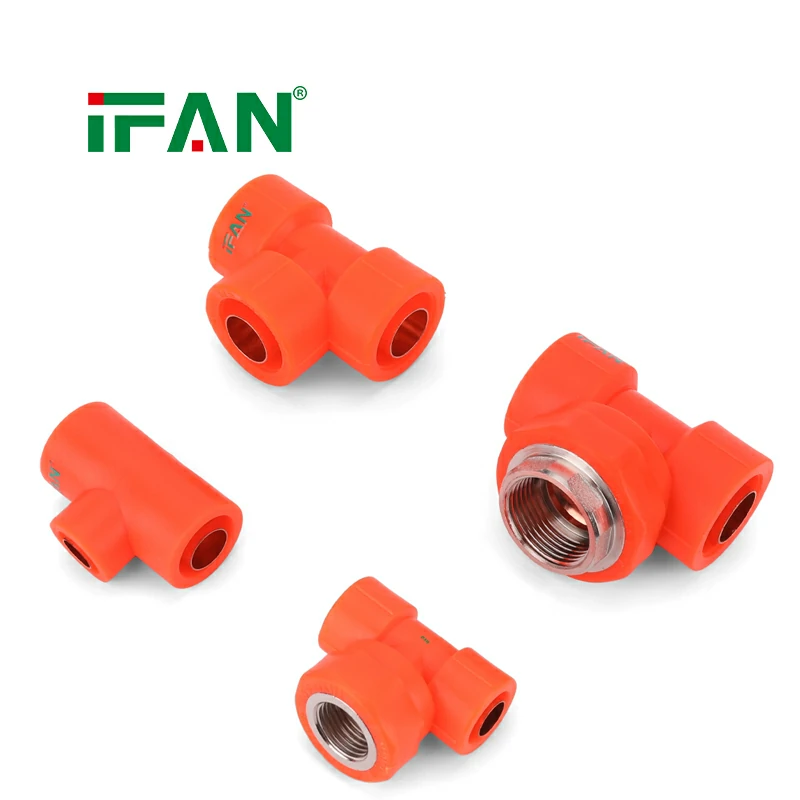
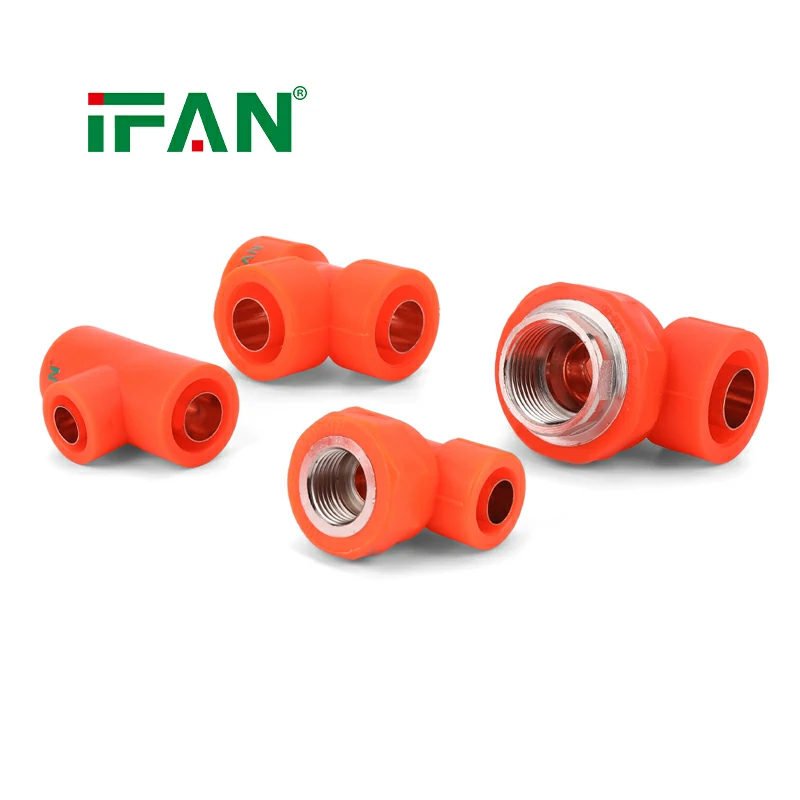
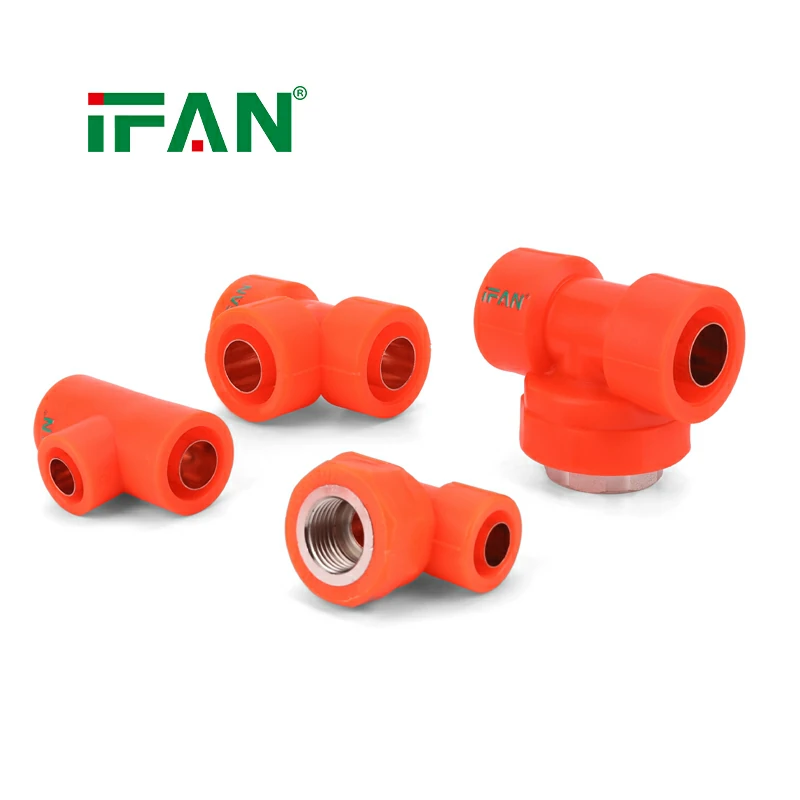
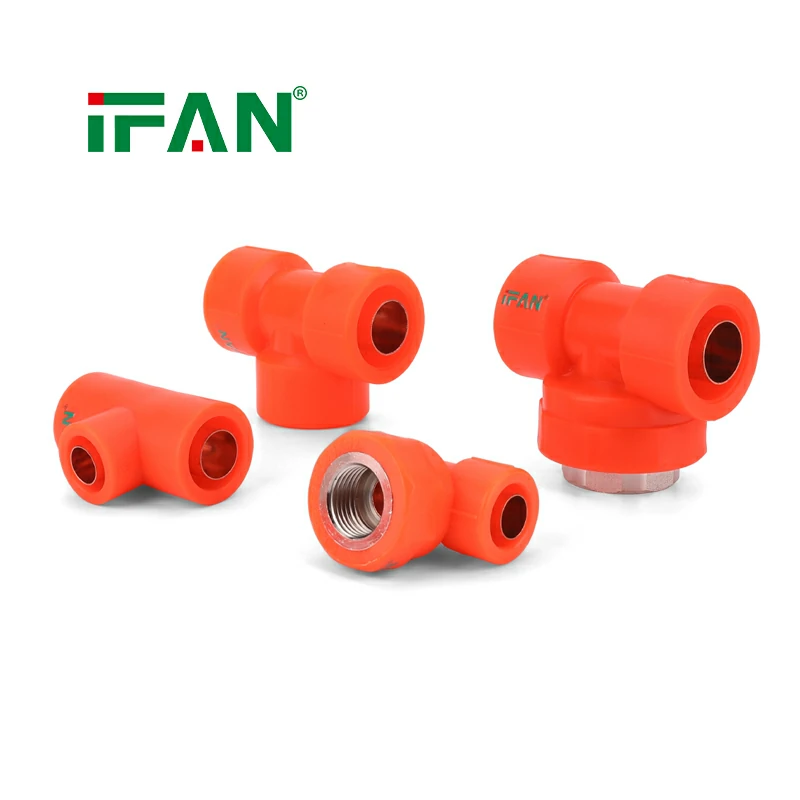
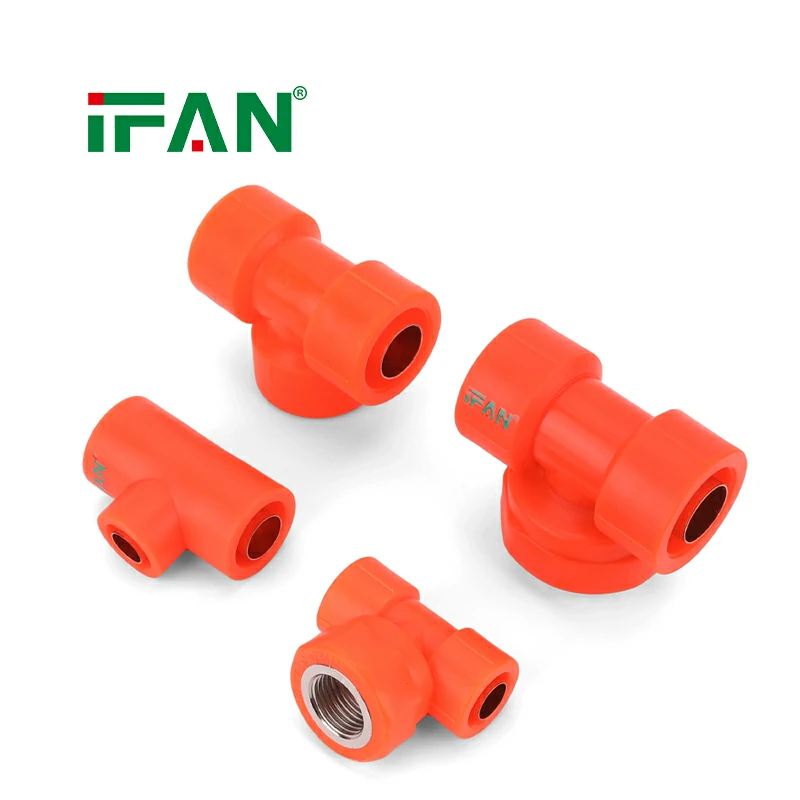
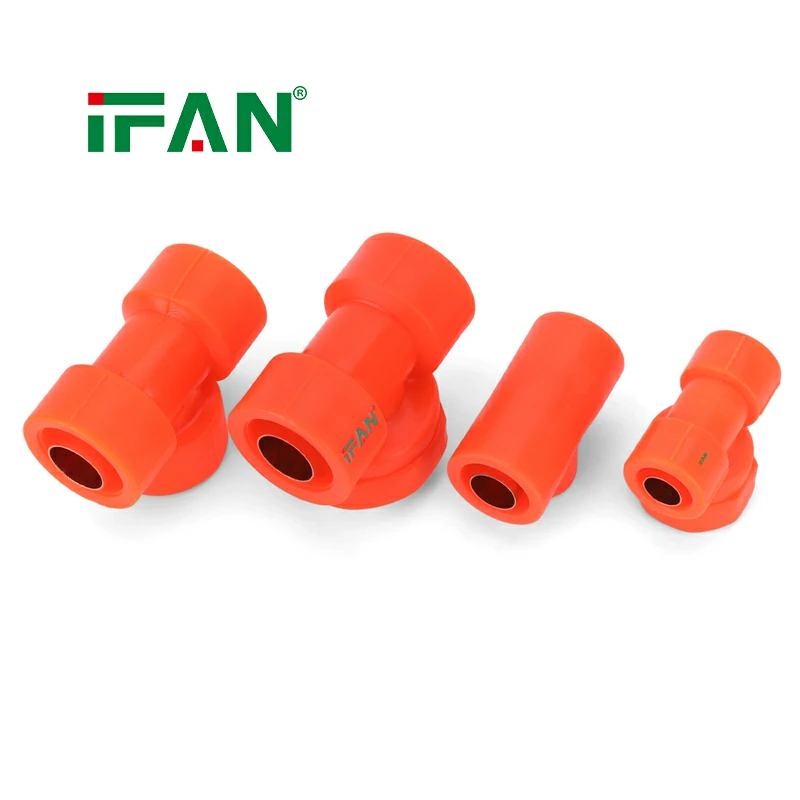
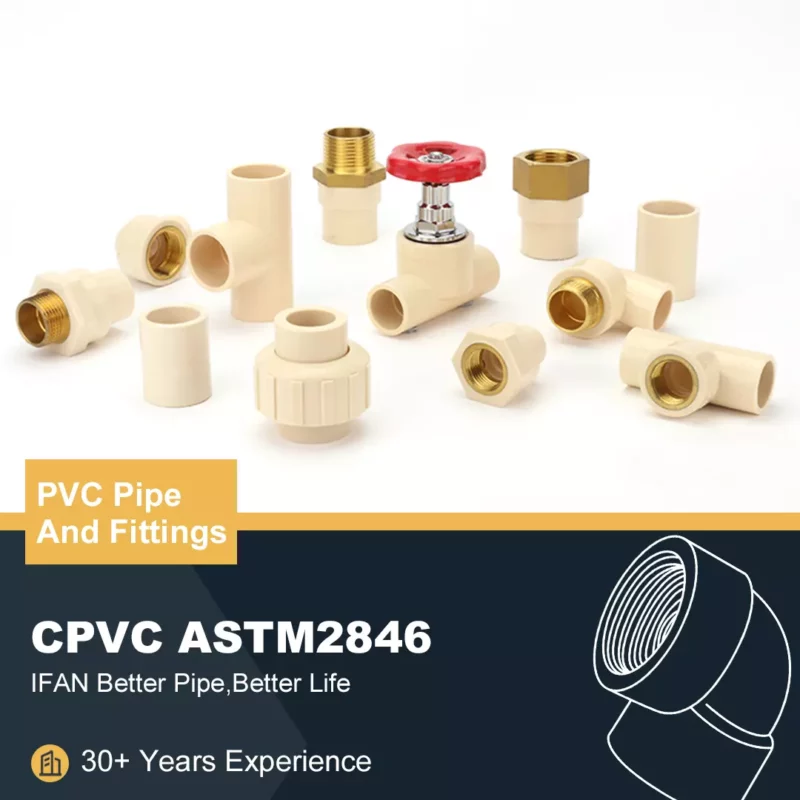
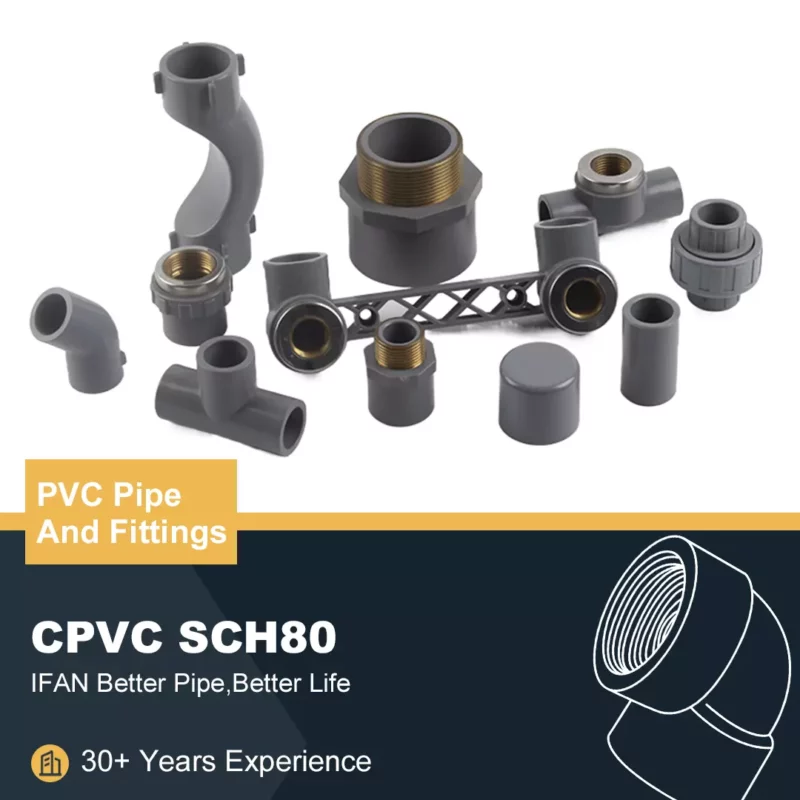
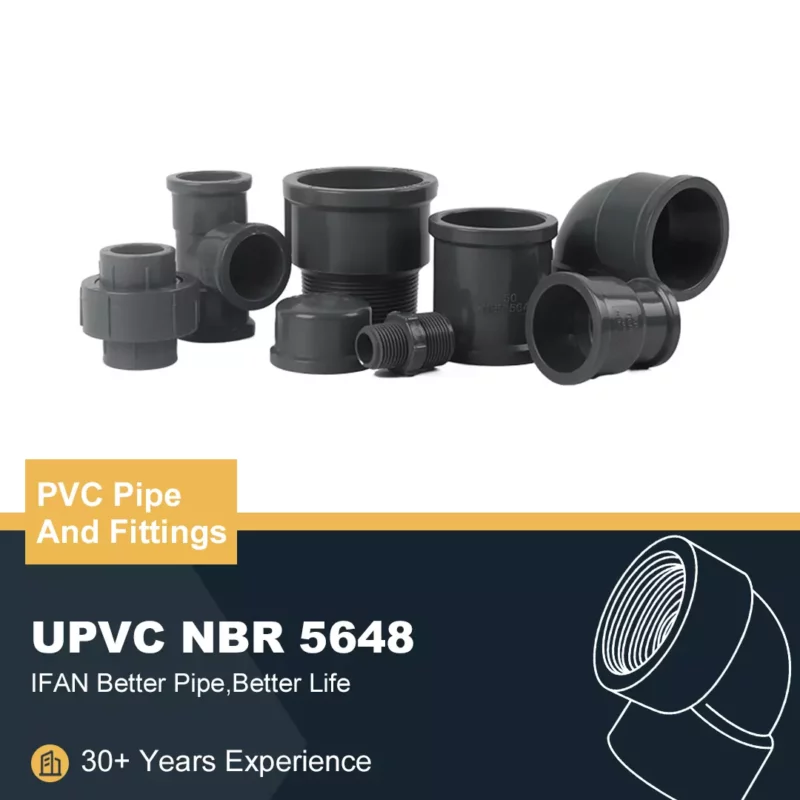
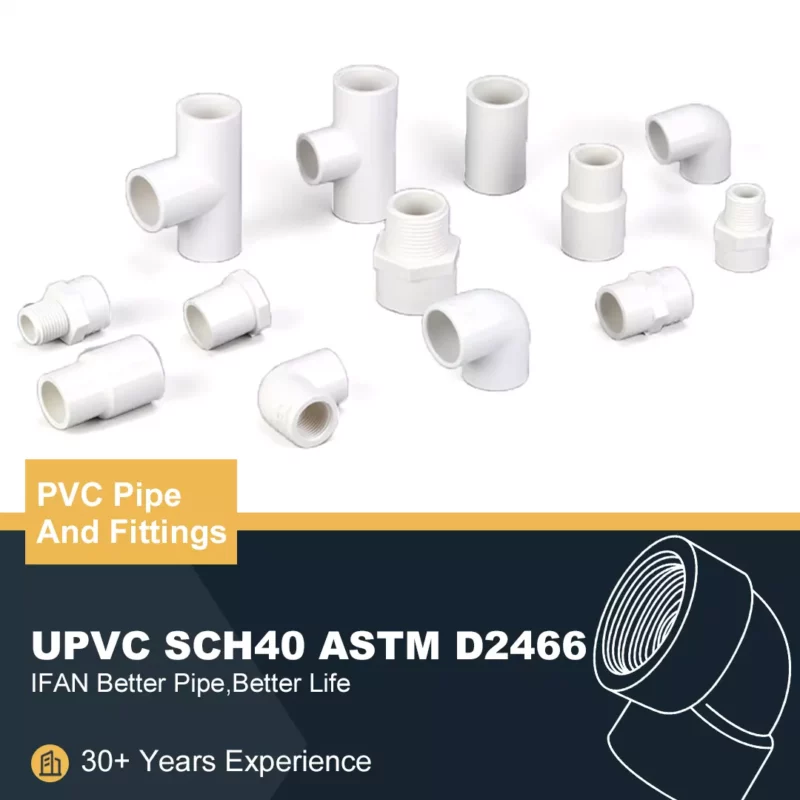
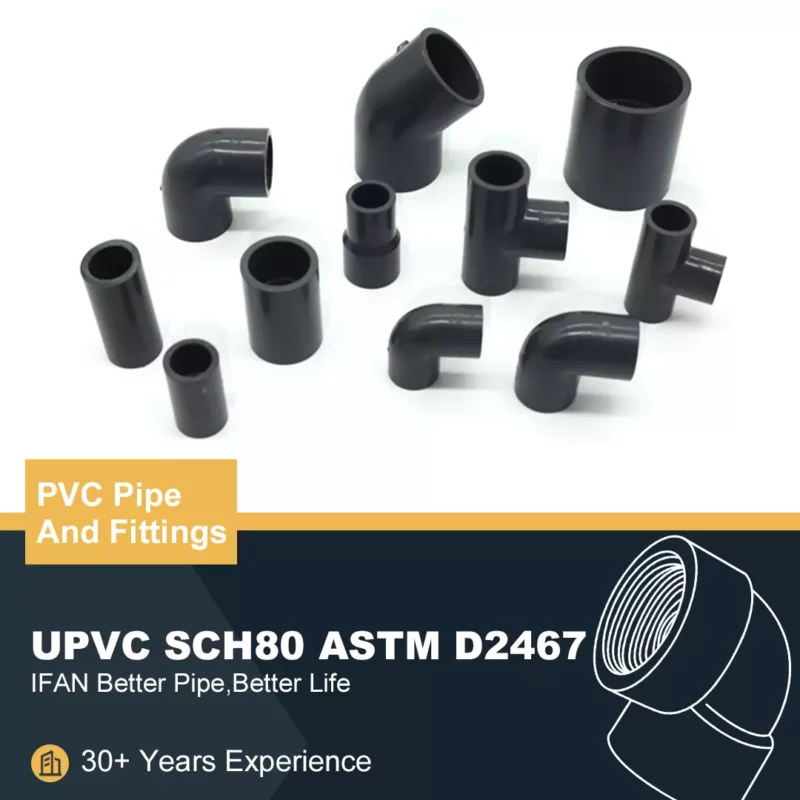
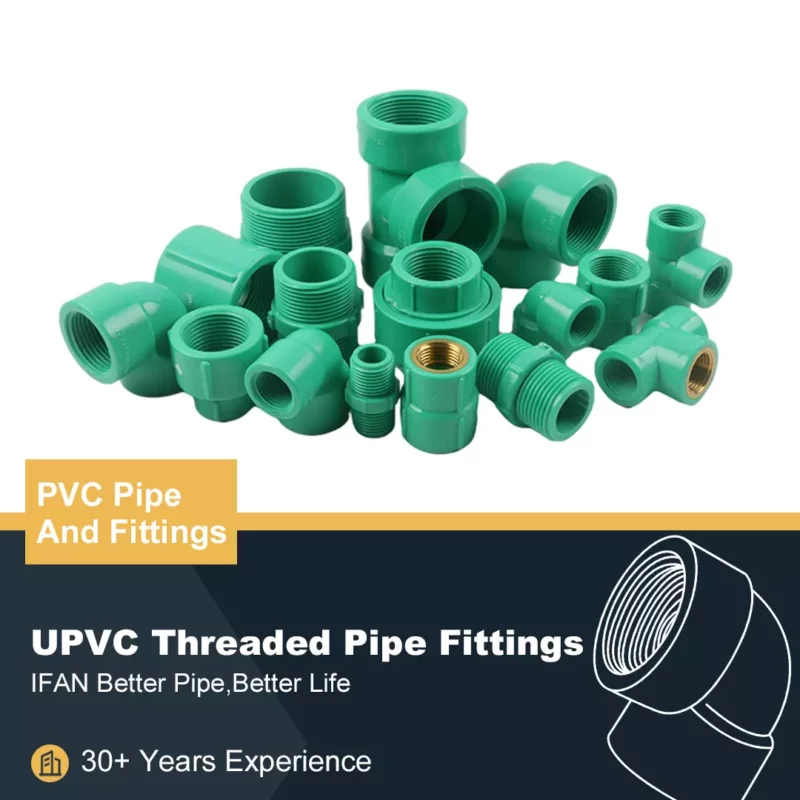
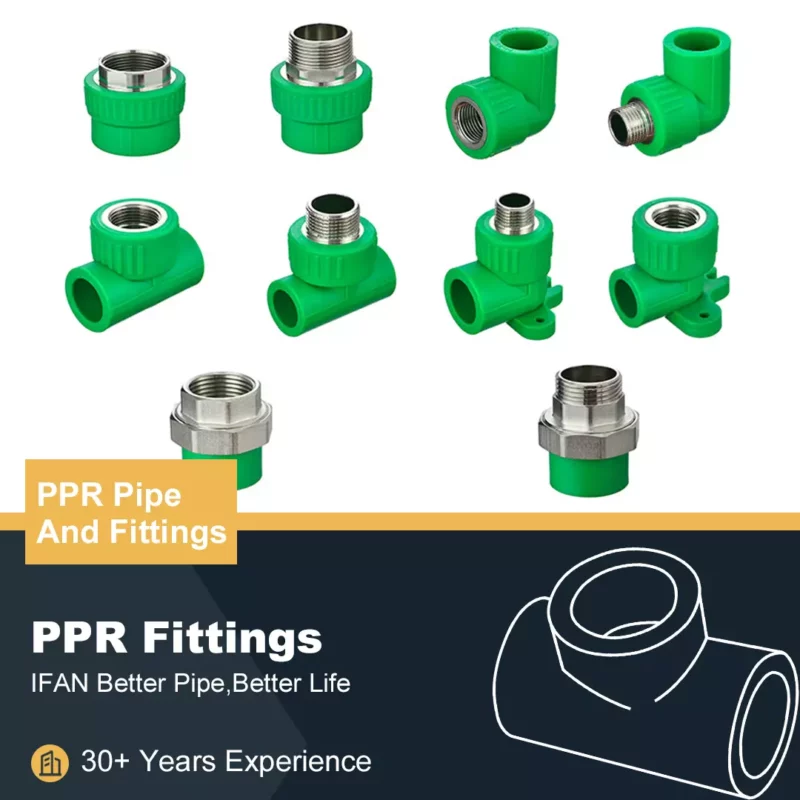
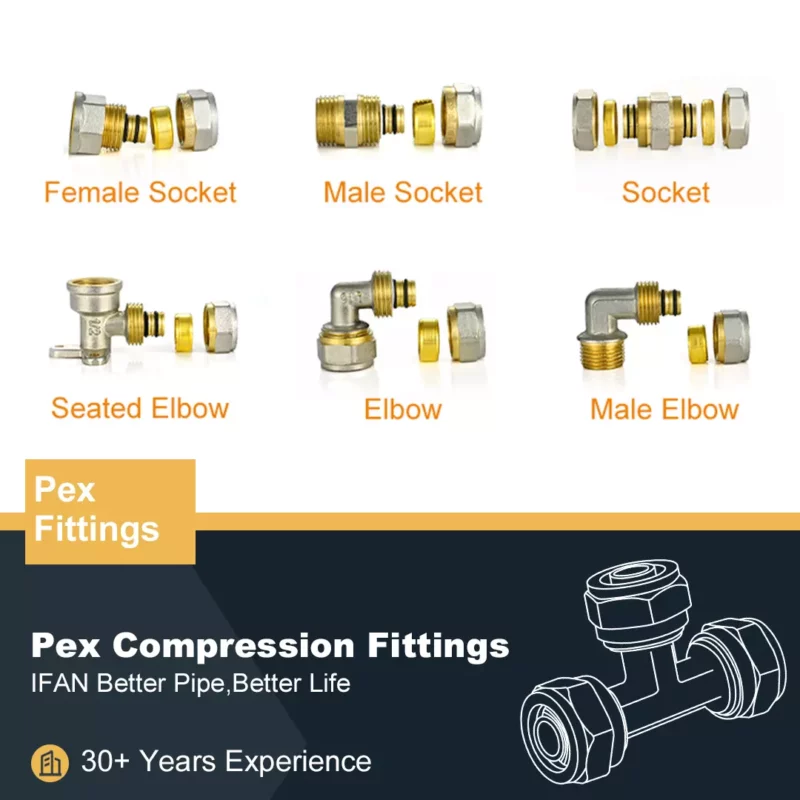
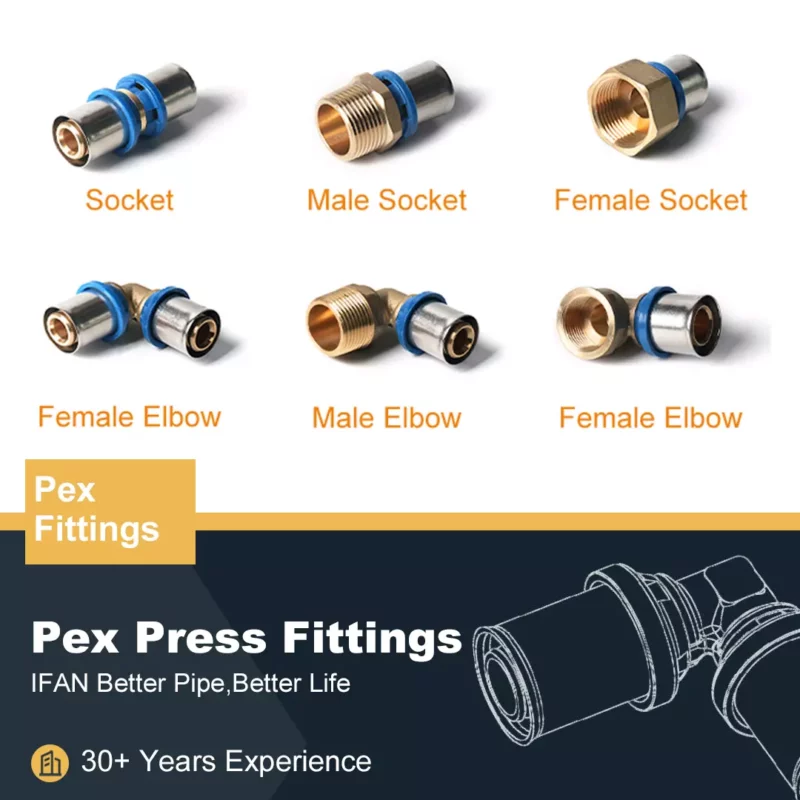
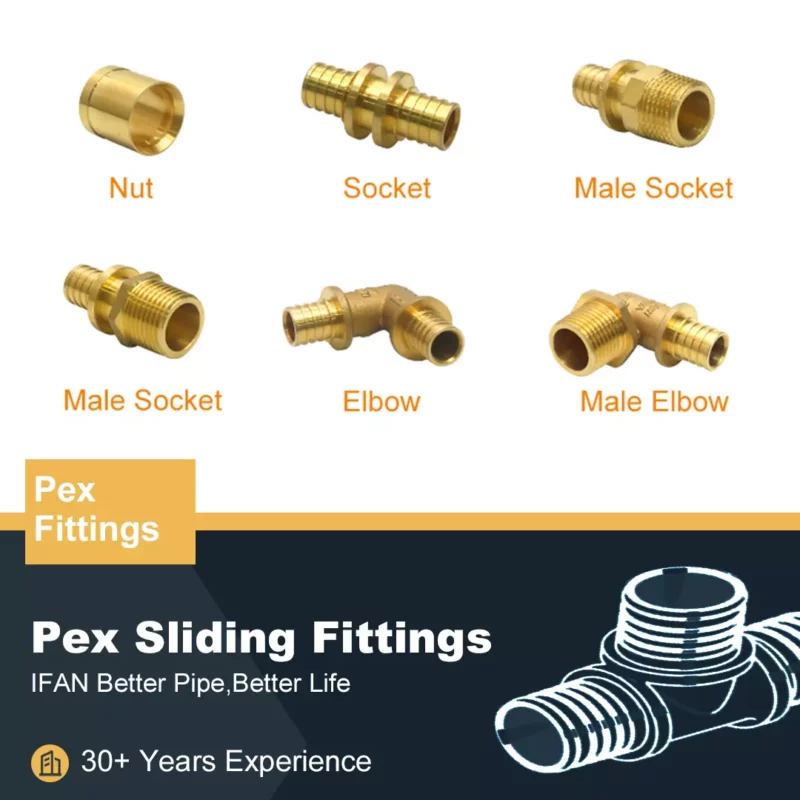
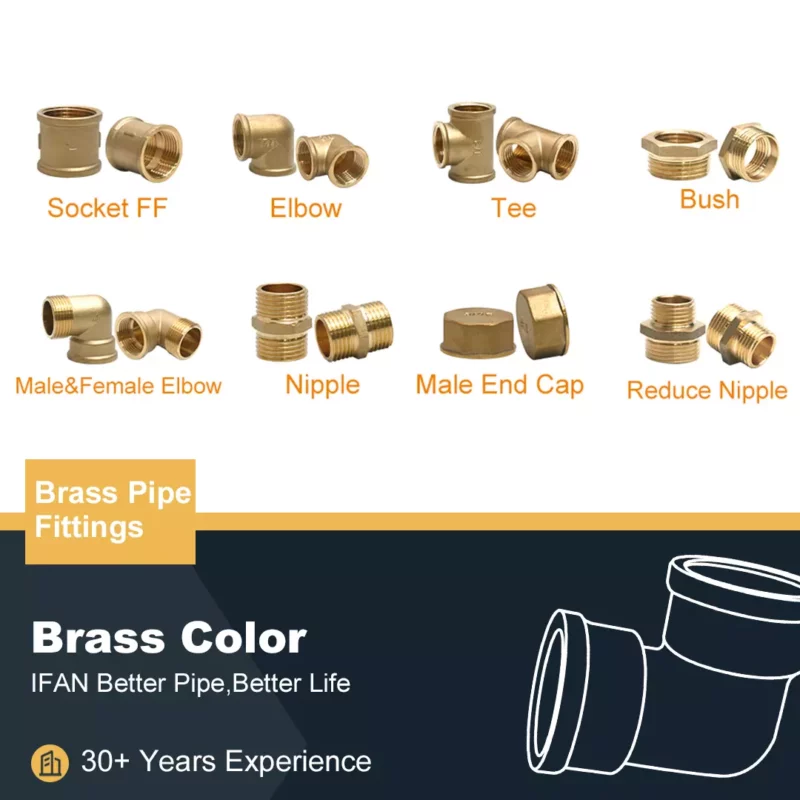
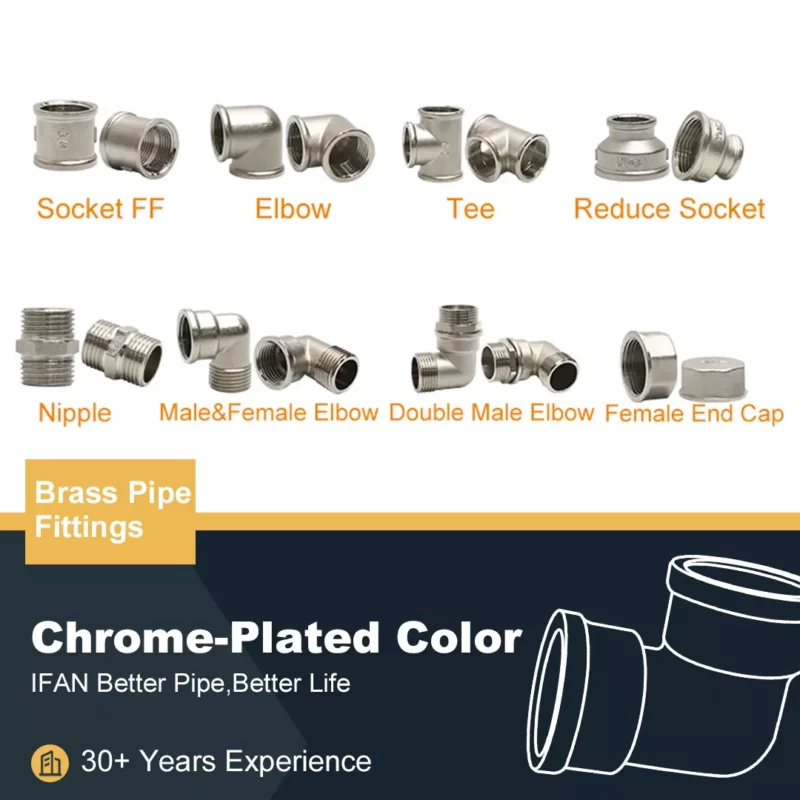
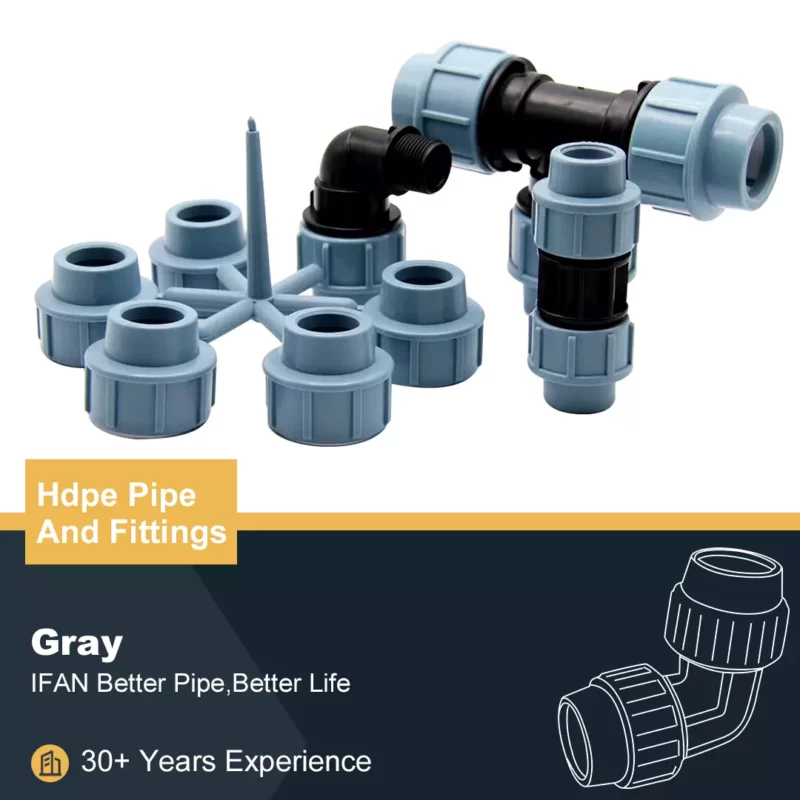
CPVC pipe fittings are designed to connect different sections of piping. They come in various shapes, such as elbows, tees, and couplings. These fittings are engineered to withstand high pressures and temperatures. Their robust construction ensures reliable performance in diverse applications. CPVC fittings are widely used in both residential and commercial plumbing systems.
Durability and Longevity
One reason CPVC pipe fittings require little maintenance is their durability. These fittings resist corrosion, scaling, and chemical damage. Unlike metal fittings, CPVC does not rust or corrode over time. This resistance to environmental factors contributes to their longevity. Homeowners can expect CPVC fittings to last for decades with minimal intervention.
Resistance to Leaks
CPVC pipe fittings are designed to minimize the risk of leaks. Their strong joints and connections ensure a secure fit. This design reduces the likelihood of water escaping from the system. Fewer leaks mean less need for repairs and maintenance. Homeowners can enjoy peace of mind knowing their plumbing is reliable.
Low Risk of Clogging
Another advantage of CPVC pipe fittings is their smooth interior surface. This smoothness helps prevent the buildup of debris and sediment. As a result, the risk of clogging is significantly reduced. Fewer clogs mean less frequent cleaning and maintenance. This feature is particularly beneficial for busy households and commercial establishments.
Easy Installation
CPVC pipe fittings are easy to install, which contributes to their low maintenance needs. They can be joined using solvent cement, creating a strong bond. This installation method does not require special tools or equipment. Quick and straightforward installation saves time and effort for plumbers and contractors alike.
Minimal Inspection Requirements
Once installed, CPVC pipe fittings do not require frequent inspections. Their resistance to corrosion and chemical damage means they are less likely to develop issues. Homeowners can conduct occasional checks, but extensive inspections are usually unnecessary. This low inspection frequency is a significant advantage for busy individuals.
Cost-Effectiveness Over Time
While the initial cost of CPVC pipe fittings may be comparable to other materials, their low maintenance needs make them cost-effective. Fewer repairs and replacements lead to lower overall expenses. Homeowners and businesses can save money in the long run. The long lifespan of CPVC fittings enhances their value, making them a smart investment.
Compatibility with Other Materials
CPVC pipe fittings are compatible with various plumbing materials. They can be easily connected to PVC and other types of pipes. This compatibility allows for flexibility in plumbing designs. Plumbers can mix and match materials as needed, simplifying installation and reducing potential maintenance issues.
Applications in Different Settings
CPVC pipe fitting are used in various settings, including residential, commercial, and industrial applications. They are commonly found in water supply lines, drainage systems, and HVAC applications. Their low maintenance requirements make them ideal for high-traffic environments. Businesses benefit from the reliability and longevity of CPVC fittings.
Environmental Considerations
The low maintenance needs of CPVC pipe fittings also have positive environmental implications. Fewer repairs and replacements mean less waste in landfills. Additionally, the manufacturing process of CPVC requires less energy than metal fittings. This lower environmental impact makes CPVC a more sustainable choice for plumbing systems.
IFAN International Standard for PVC Tubing
IFAN’s PVC products adhere to a wide range of international standards, ensuring they meet the highest quality and performance criteria. These standards include BS 3505, BS 4346, ASTM D1785 SCH40, ASTM D1785 SCH80, DIN, GB, DWV, ASTM D2665, ASTM D2241, ASTM D2665, ASTM D2729, ASTM F441/F441M, ISO 1452 series, EN ISO 1452, DIN 8061/8062, GB/T 10002 series, AS/NZS 1477, JIS K6741, CSA B137.3, NSF/ANSI 14, and TIS 17-2532/1131-2535. Compliance with these standards ensures that IFAN’s PVC pipes and fittings deliver consistent performance, safety, and reliability in a variety of applications globally.
Safety and Health Benefits
CPVC pipe fitting are safe for use in plumbing systems. They are approved for drinking water applications, ensuring compliance with health standards. Unlike some materials, CPVC does not leach harmful substances into the water supply. This safety aspect is crucial for residential and commercial users. Knowing that the water supply is safe adds to the long-term value of CPVC fittings.
Future Trends in CPVC Technology
As plumbing technology advances, CPVC pipe fitting are also evolving. Manufacturers are developing new formulations to enhance performance and durability. Future innovations may lead to even better resistance to heat and chemicals. Staying informed about these trends helps users make informed choices about their plumbing systems.
Conclusion
In conclusion, CPVC pipe fittings offer significant advantages due to their low maintenance requirements. Their durability, resistance to leaks, and minimal inspection needs make them a preferred choice. The compatibility with other materials and cost-effectiveness further enhance their appeal.
If you have read this article and have any questions, please feel free to contact IFAN. Below is our contact information:
Whatsapp:+86 13373827623
Email:[email protected]