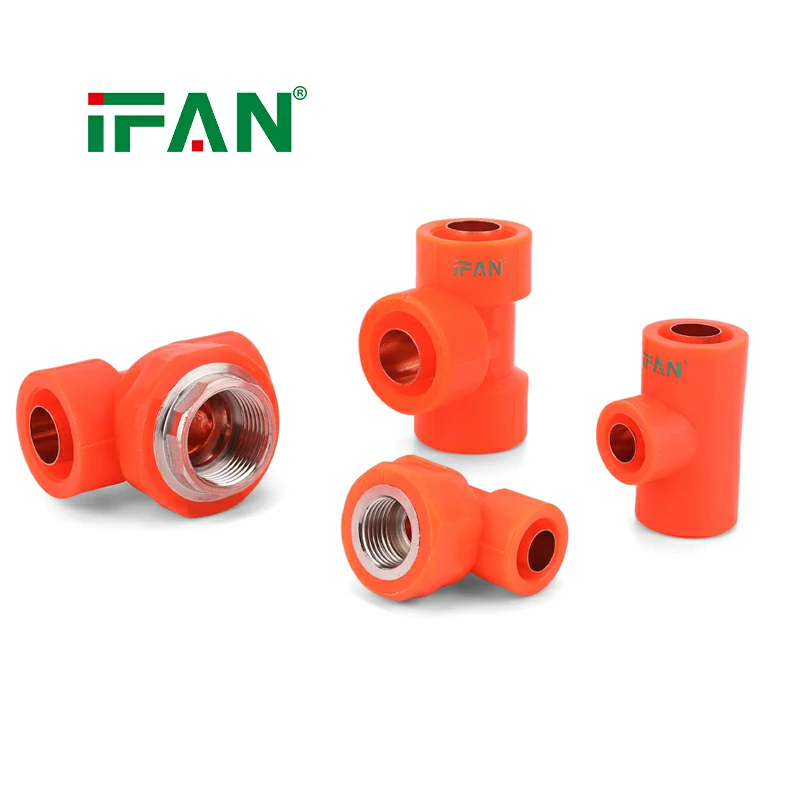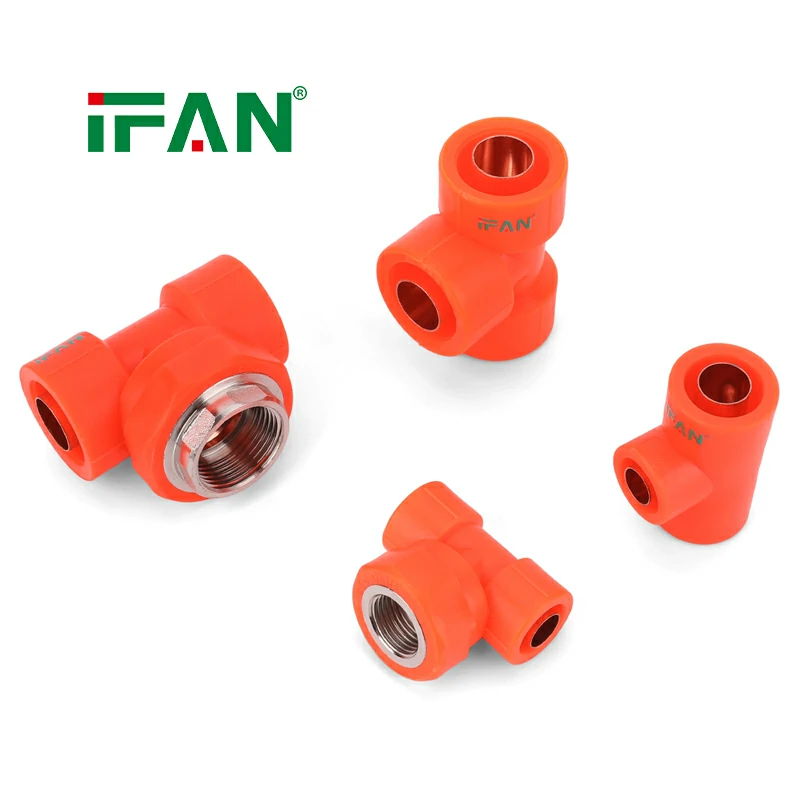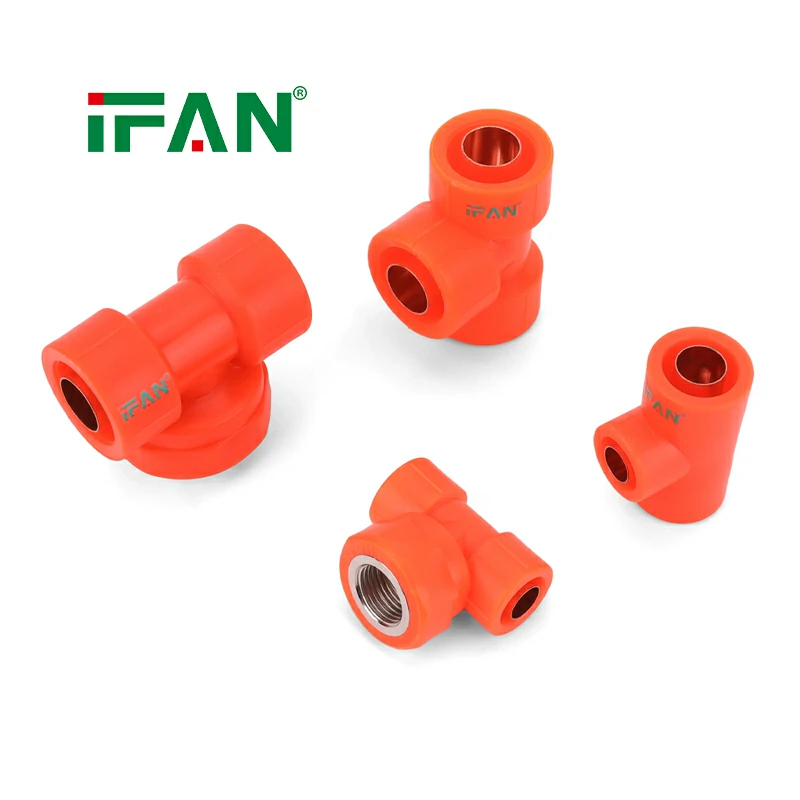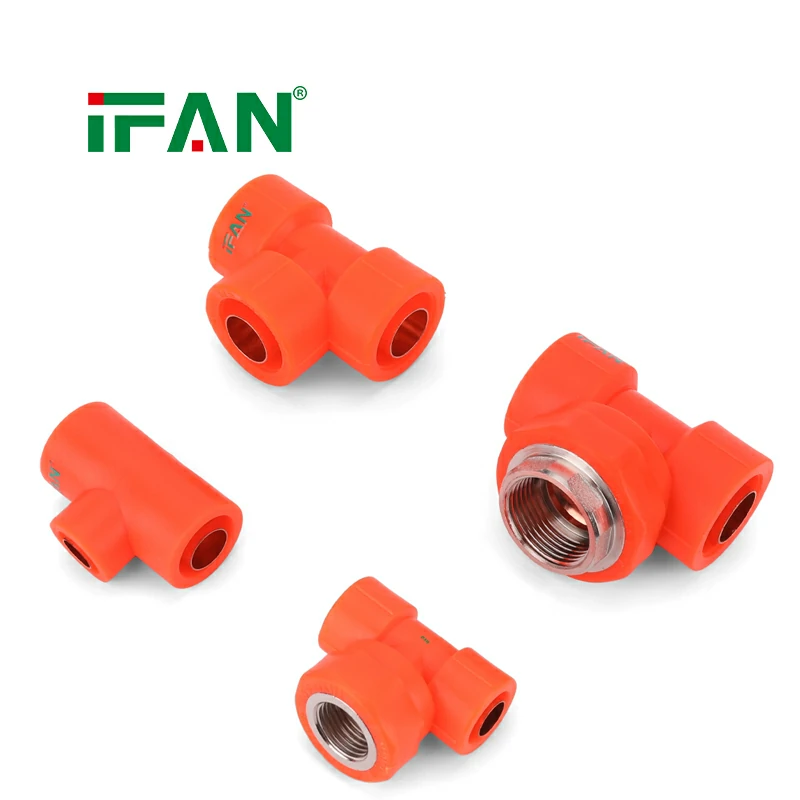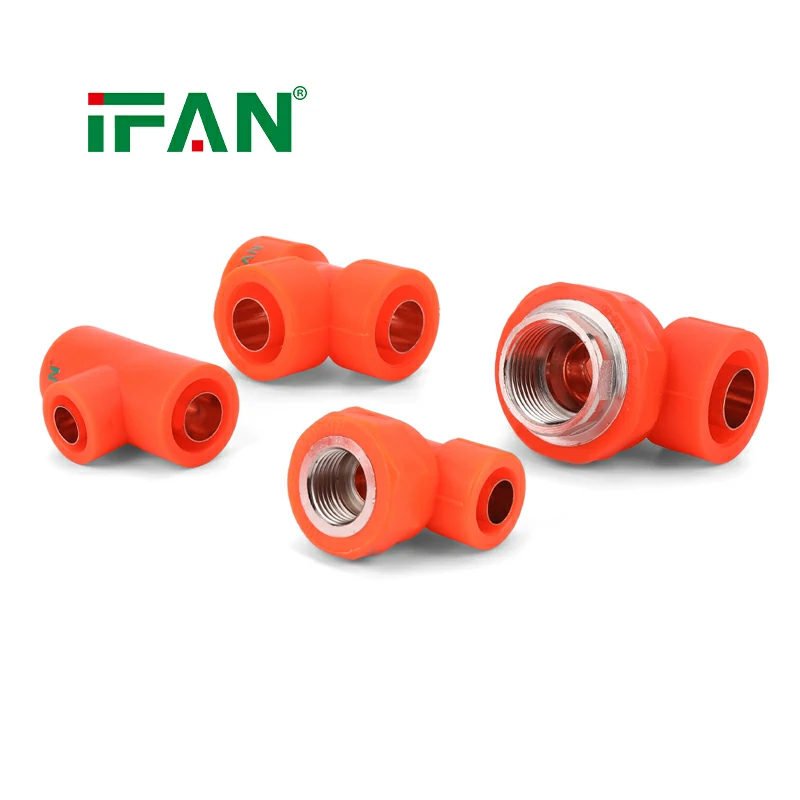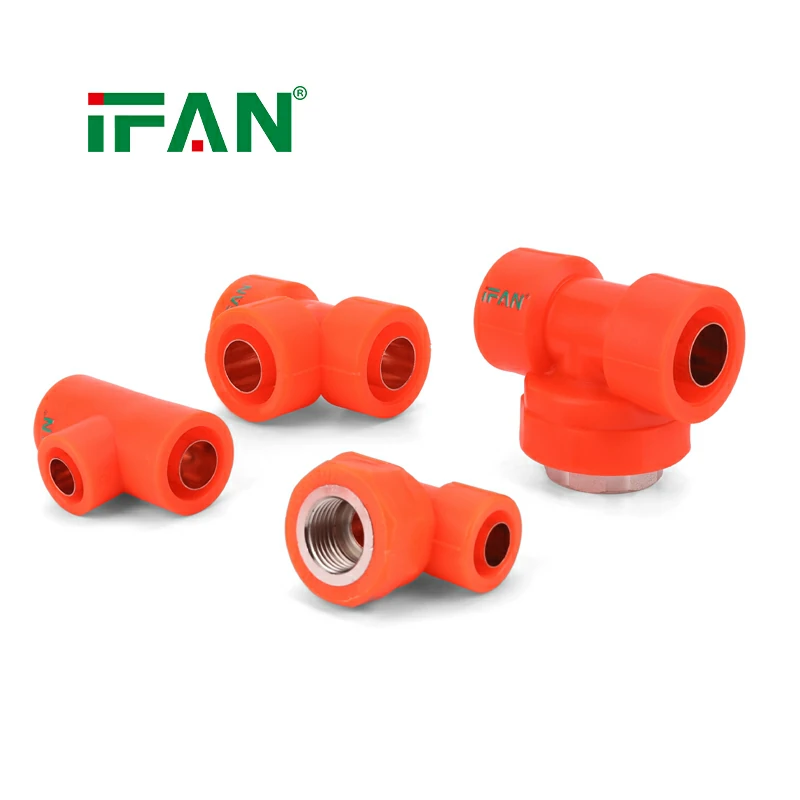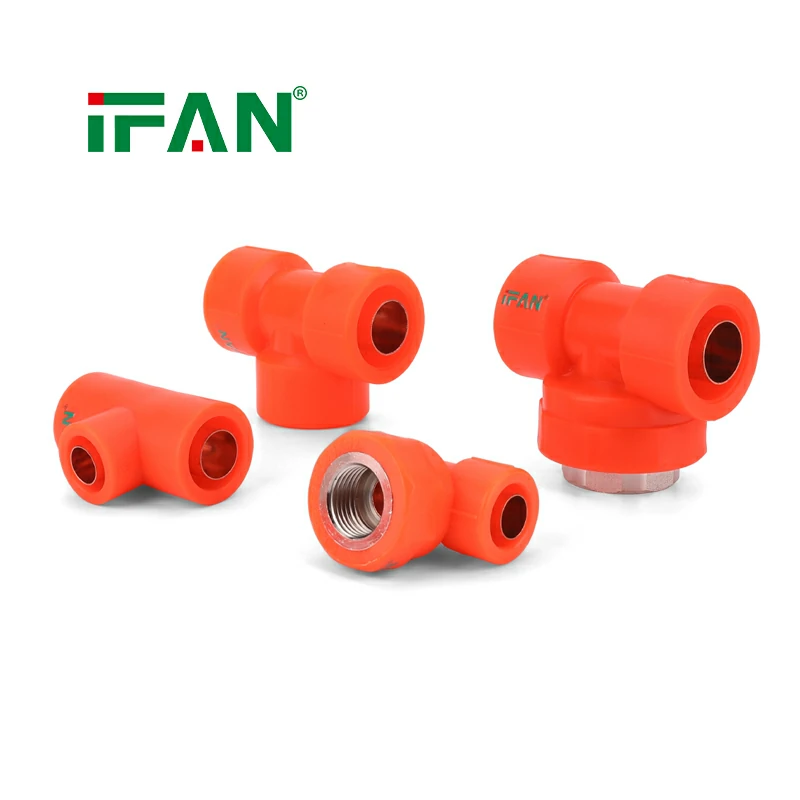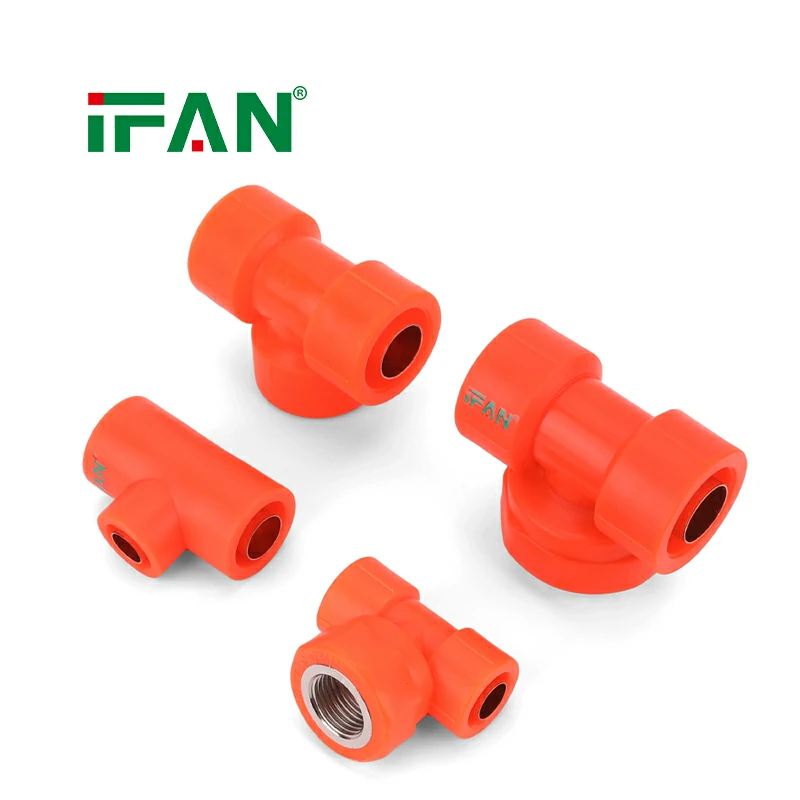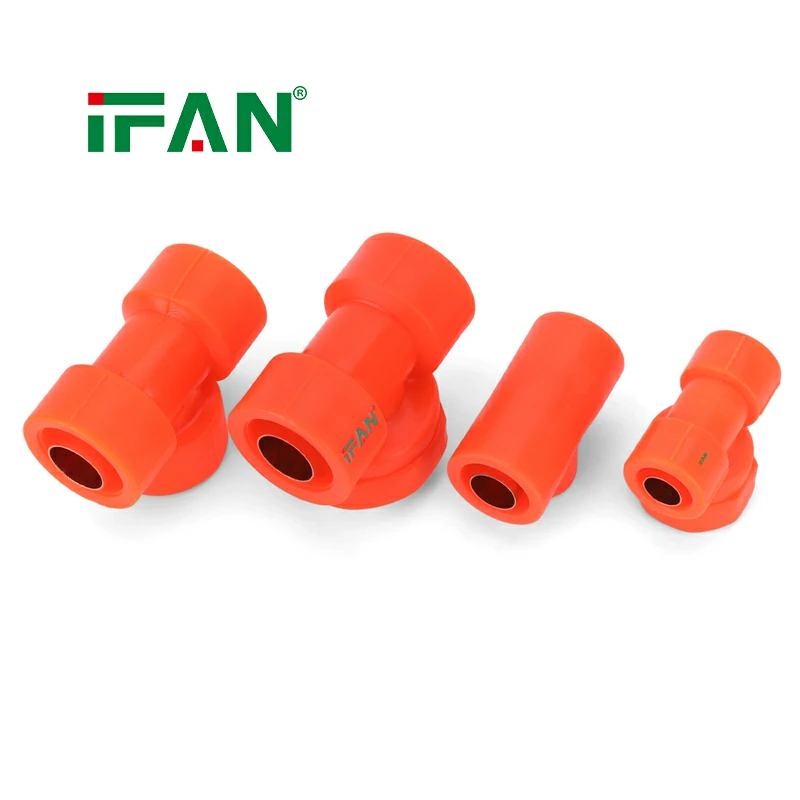
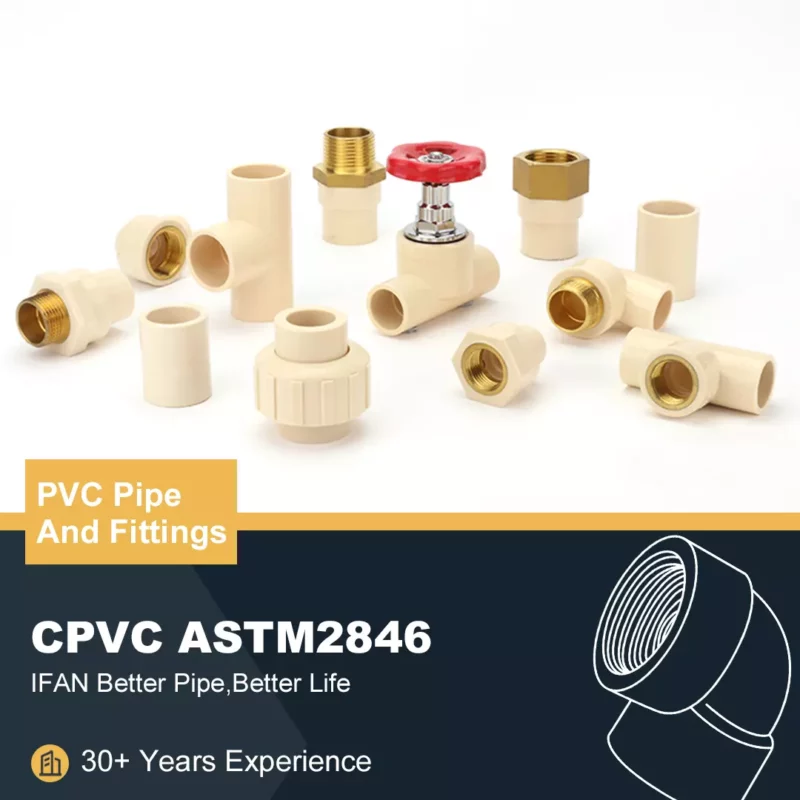
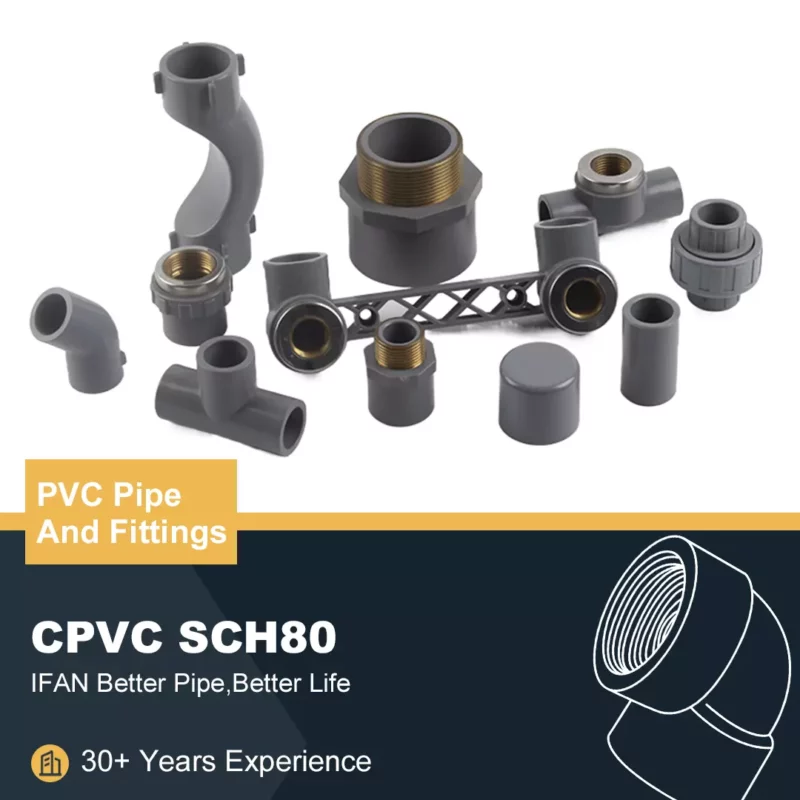
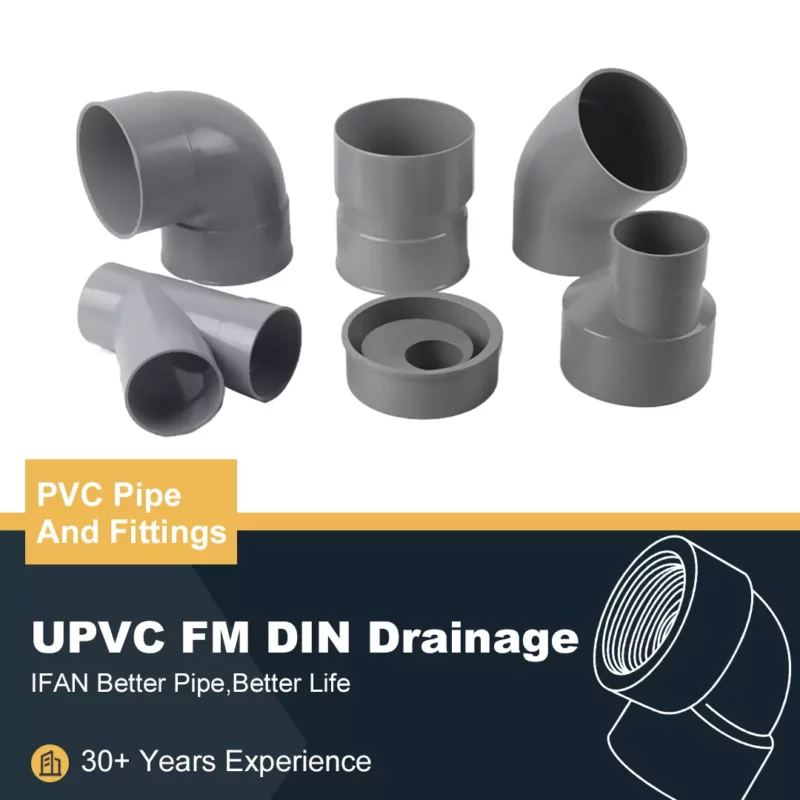
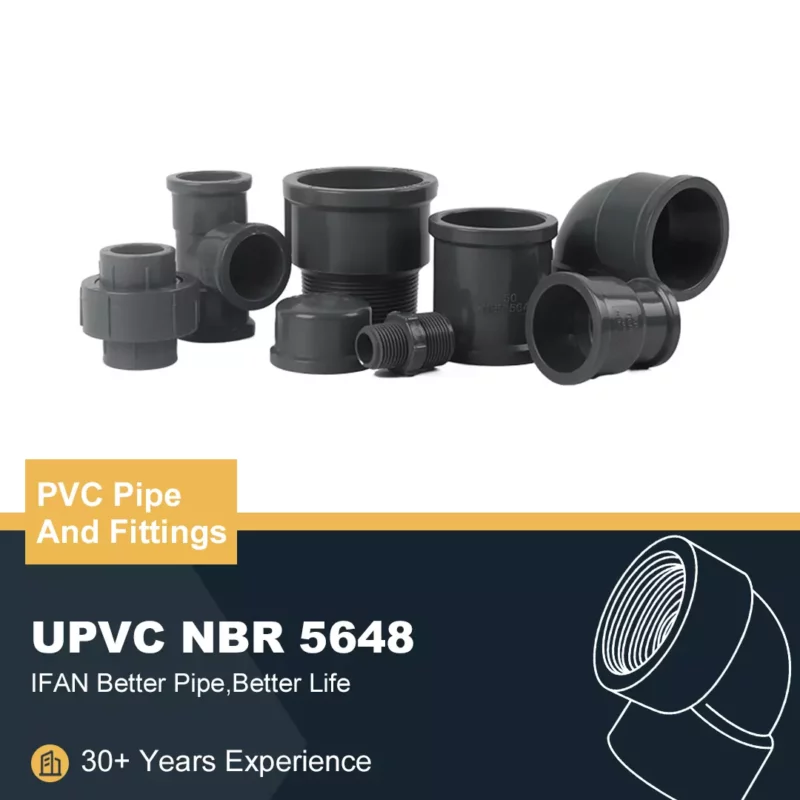
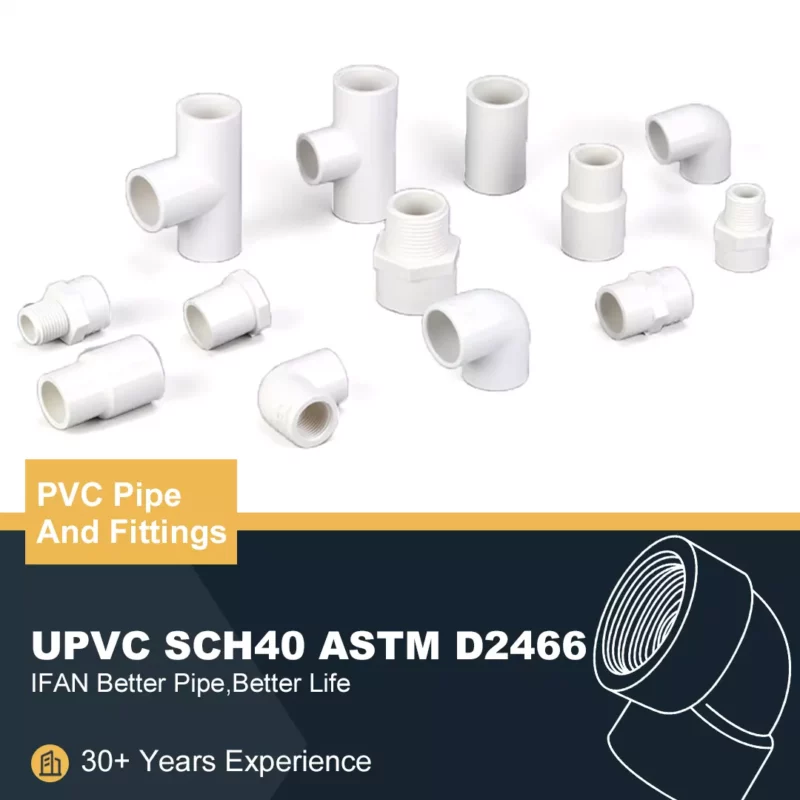
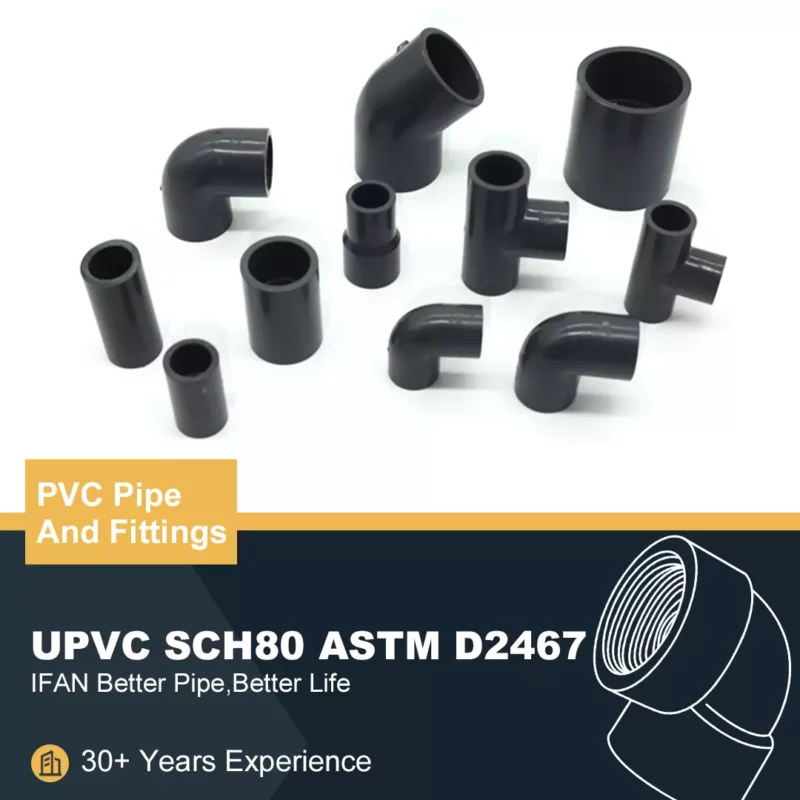
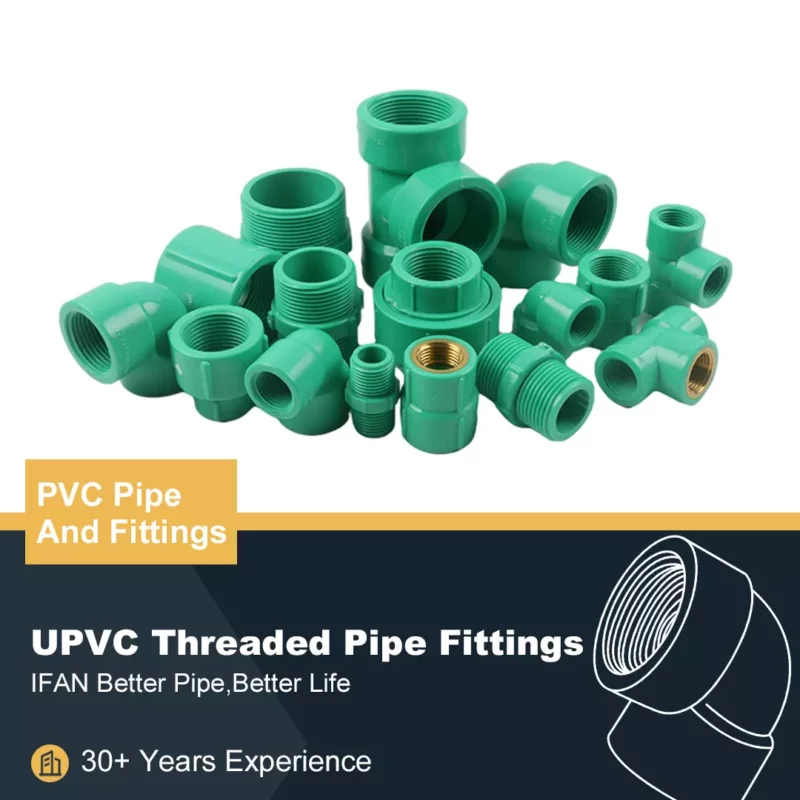
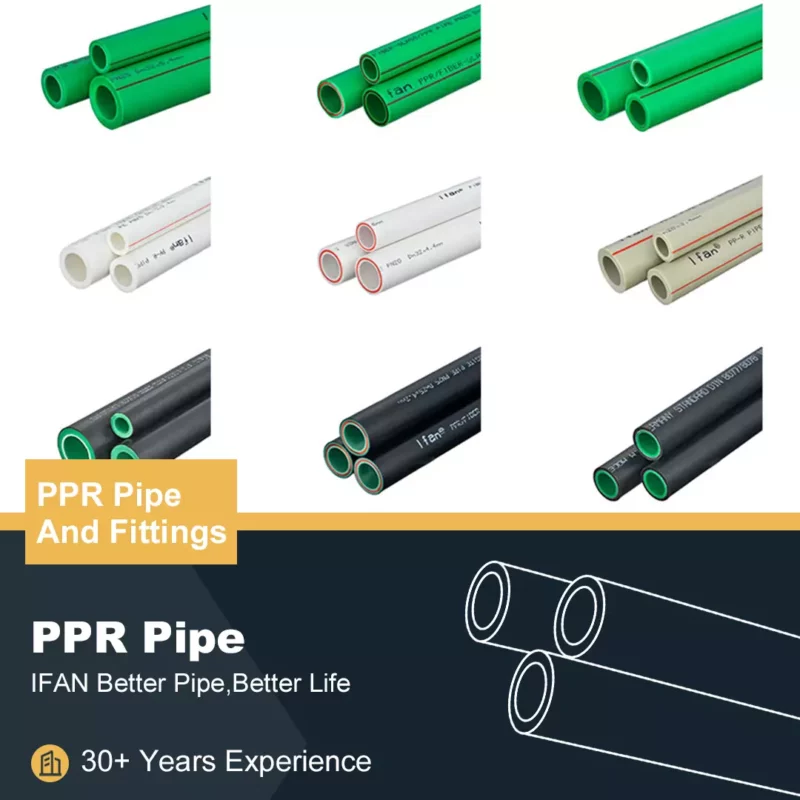
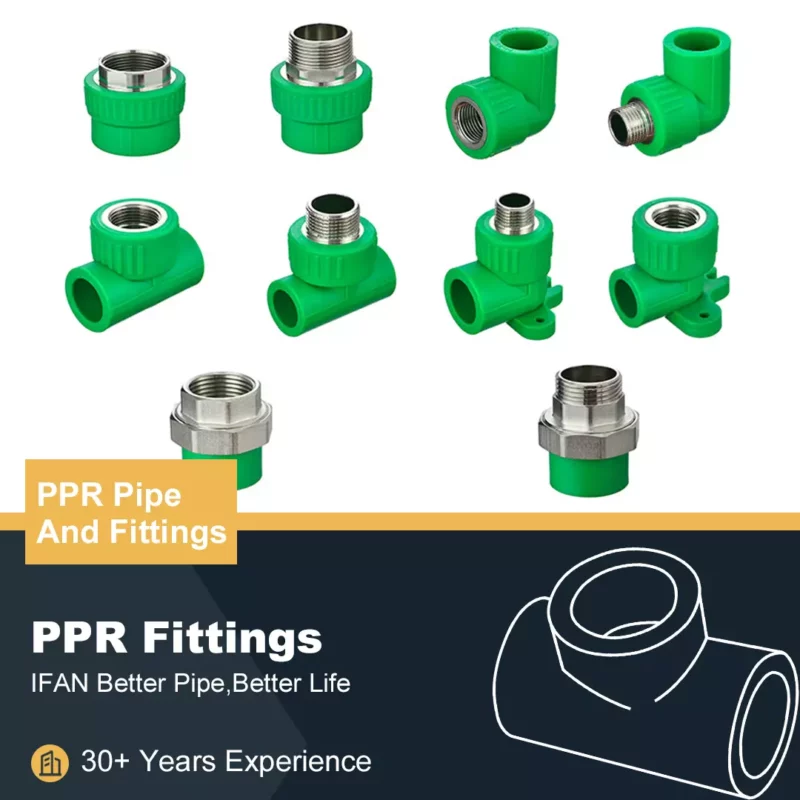
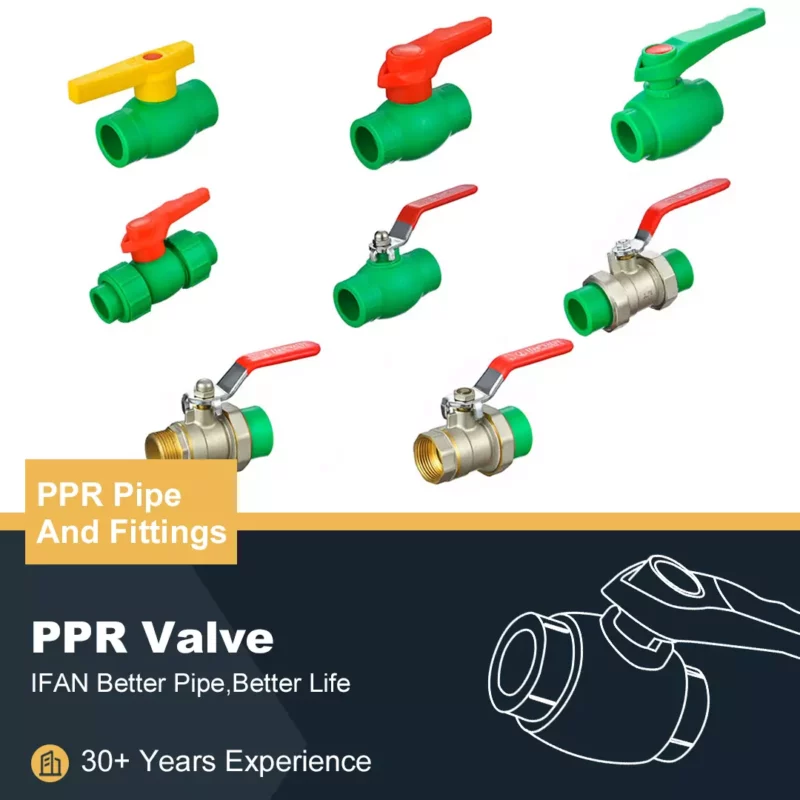
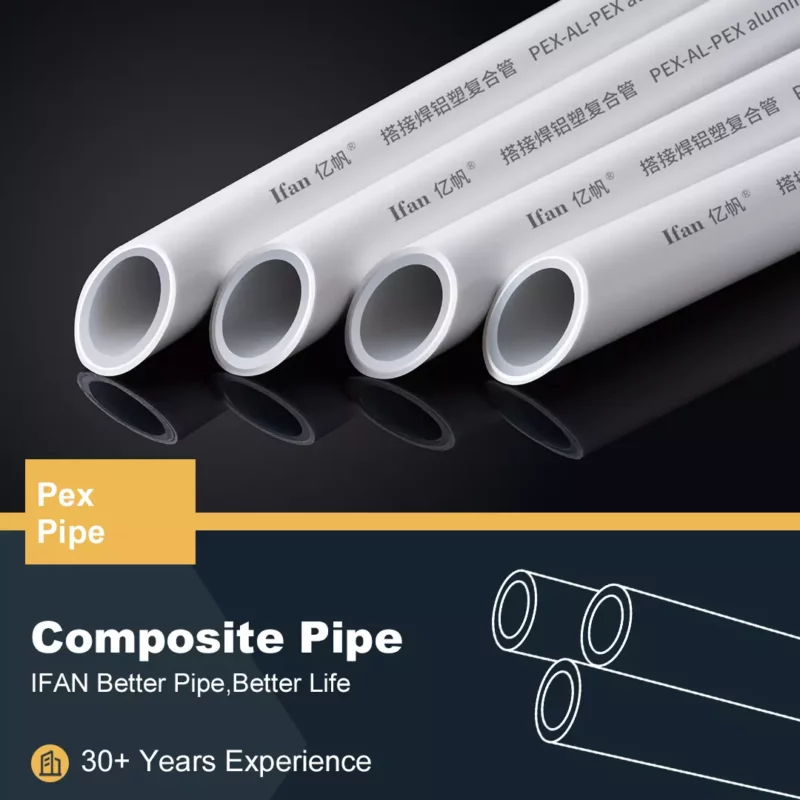
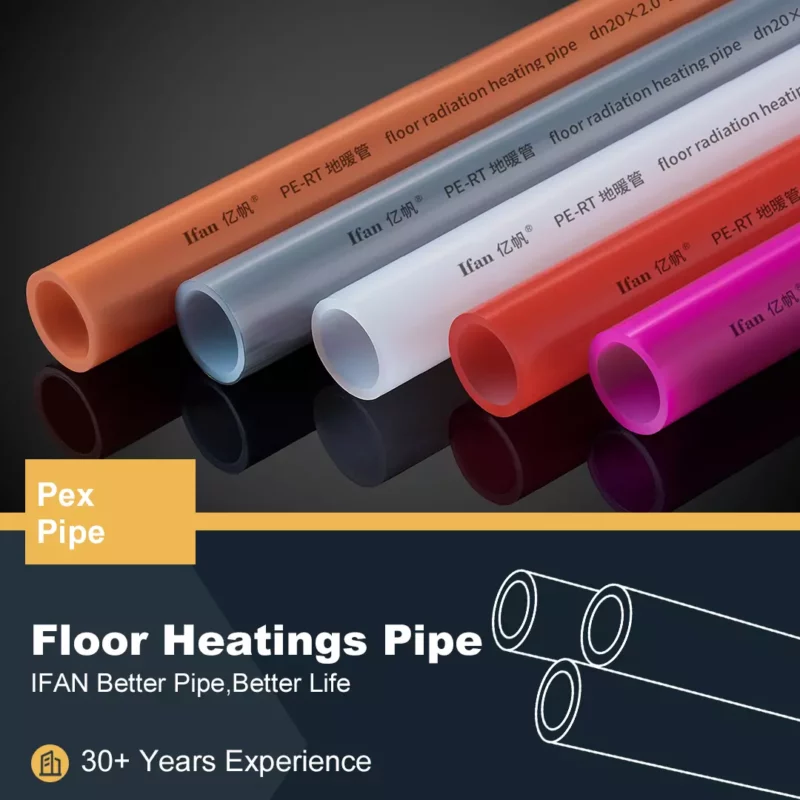



Introduction to PPH Pipe Fittings
PPH pipe fittings, made from polypropylene homopolymer, are gaining popularity in various industries. Their unique properties make them an excellent choice for plumbing solutions. One of the most significant advantages of PPH pipe fittings is their low maintenance requirements. This feature makes them appealing for both residential and industrial applications. Understanding the benefits of low maintenance can help users make informed decisions about their plumbing needs.
Durability and Longevity
PPH pipe fittings are known for their durability. They resist corrosion, which is a common issue in many plumbing systems. This resistance ensures that PPH fittings maintain their integrity over time. Unlike metal fittings, PPH does not rust or degrade when exposed to moisture. This durability translates into a longer lifespan, reducing the need for frequent replacements. Consequently, users can save time and money on maintenance and repairs.
Chemical Resistance
Another reason PPH pipe fittings require minimal maintenance is their chemical resistance. These fittings can withstand harsh chemicals without degrading. This property is particularly valuable in industries such as chemical processing and wastewater management. PPH fittings do not react with the substances they transport, ensuring safe and reliable operation. This resistance reduces the risk of leaks and failures, further minimizing maintenance needs.
Easy Installation
The installation process for PPH pipe fittings is straightforward and user-friendly. Their lightweight nature makes them easy to handle and transport. This ease of installation contributes to lower maintenance requirements. Fewer complications during installation mean less potential for errors that could lead to future issues. Many professionals appreciate how quickly PPH fittings can be installed, allowing for efficient project completion.
Minimal Cleaning Requirements
PPH pipe fittings have smooth surfaces that are easy to clean. This characteristic minimizes the buildup of residues and contaminants. In industries where hygiene is essential, such as food and beverage, this feature is particularly beneficial. Regular cleaning of PPH fittings is often quick and requires minimal effort. This low cleaning requirement contributes to their overall low maintenance profile.
Resistance to Biofouling
Biofouling is a common problem in plumbing systems, especially in water treatment and marine applications. PPH pipe fittings resist biofouling due to their smooth surfaces and chemical properties. This resistance helps maintain optimal flow rates and reduces the need for frequent cleaning. Consequently, users can enjoy reliable performance without the hassle of constant maintenance. This feature is especially advantageous for facilities that require consistent operation.
Cost-Effectiveness
The low maintenance requirements of PPH pipe fitting lead to significant cost savings. Fewer repairs and replacements mean lower operational costs over time. Additionally, the durability of PPH fittings reduces the need for frequent purchases. Many businesses find that investing in PPH fittings pays off in the long run. This cost-effectiveness makes them an attractive option for various applications.
Compatibility with Other Materials
PPH pipe fittings are compatible with various materials, including metals and other plastics. This compatibility allows for seamless integration into existing plumbing systems. Users can easily replace old fittings with PPH options without major modifications. This adaptability also contributes to low maintenance requirements, as users can select the best fittings for their specific needs.
Applications in Various Industries
PPH pipe fittings are used across multiple industries, including chemical processing, food and beverage, and agriculture. Their low maintenance requirements make them suitable for applications where reliability is crucial. In chemical processing, for example, PPH fittings can handle corrosive substances without degrading. In agriculture, they effectively transport fertilizers and water with minimal upkeep. This versatility highlights the benefits of PPH fittings in different settings.
Environmental Benefits
The low maintenance requirements of PPH pipe fitting also have environmental benefits. Their long lifespan reduces waste generated from frequent replacements. Additionally, PPH is a recyclable material, which aligns with sustainable practices. By choosing PPH fittings, users contribute to environmental conservation while enjoying reliable performance. This eco-friendliness enhances the appeal of PPH in various applications.
Safety Considerations
Safety is a critical concern in plumbing systems. PPH pipe fittings are non-toxic and do not leach harmful chemicals into fluids. This safety feature is essential for applications involving drinking water and food products. Users can trust that PPH fittings maintain the integrity of the substances they transport. This reliability further reduces maintenance concerns related to contamination or leaks.
Future Trends in PPH Technology
As technology advances, the performance of PPH pipe fitting is expected to improve. Manufacturers are exploring new materials and additives to enhance durability and chemical resistance. These innovations may lead to even lower maintenance requirements in the future. Staying informed about these developments can help users make better choices for their plumbing needs.
Conclusion
In conclusion, PPH pipe fitting offer significant advantages, particularly in their low maintenance requirements. Their durability, chemical resistance, and ease of installation make them ideal for various applications. The minimal cleaning needs and resistance to biofouling further enhance their appeal. By choosing PPH fittings, users can enjoy reliable performance while saving time and money on maintenance.
If you have read this article and have any questions, please feel free to contact IFAN. Below is our contact information:
Whatsapp:+86 13373827623
Email:[email protected]