


Introduction
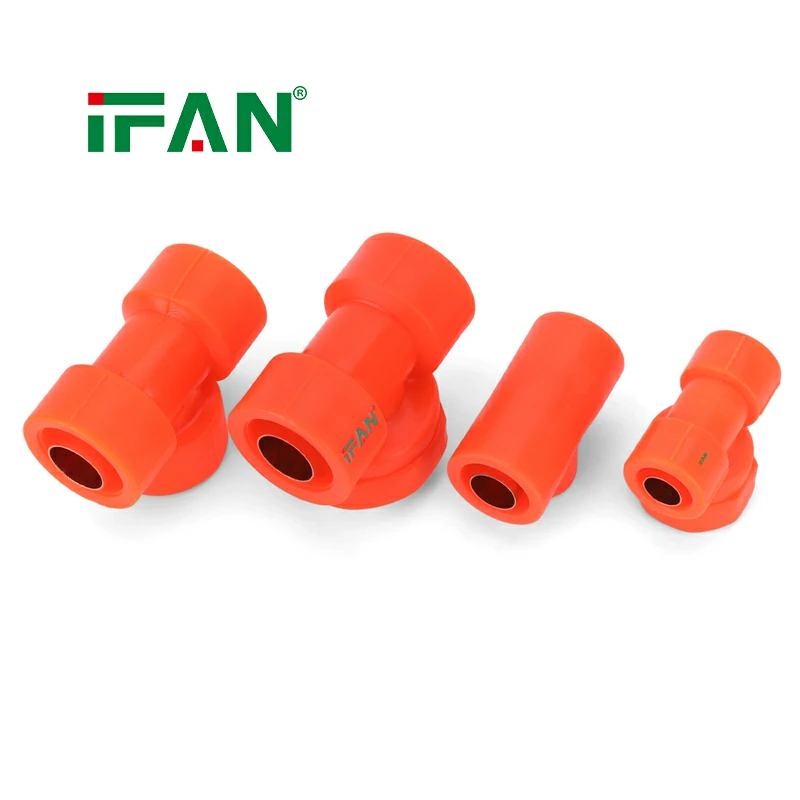
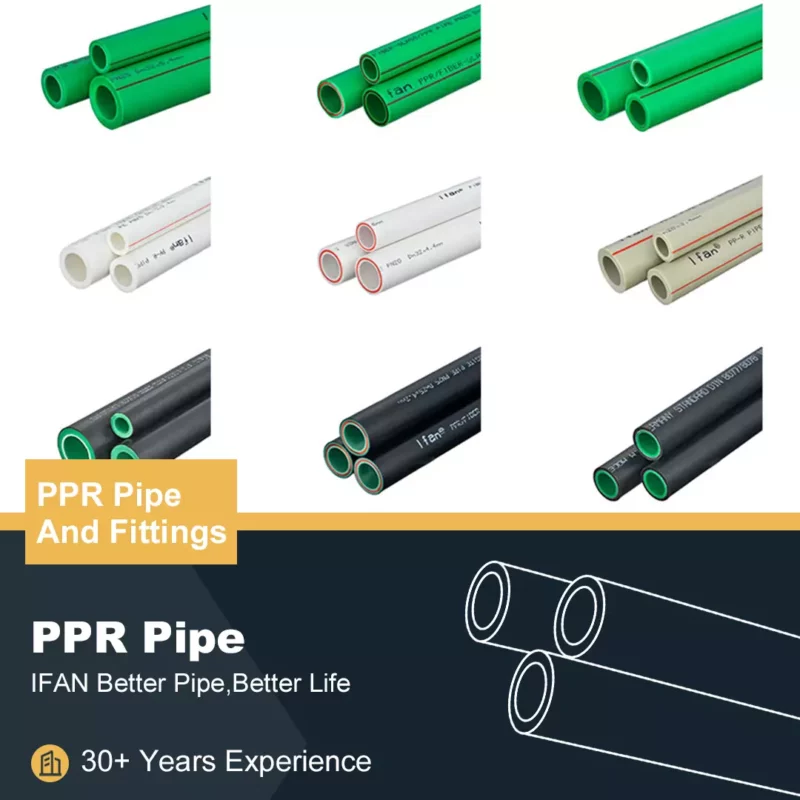
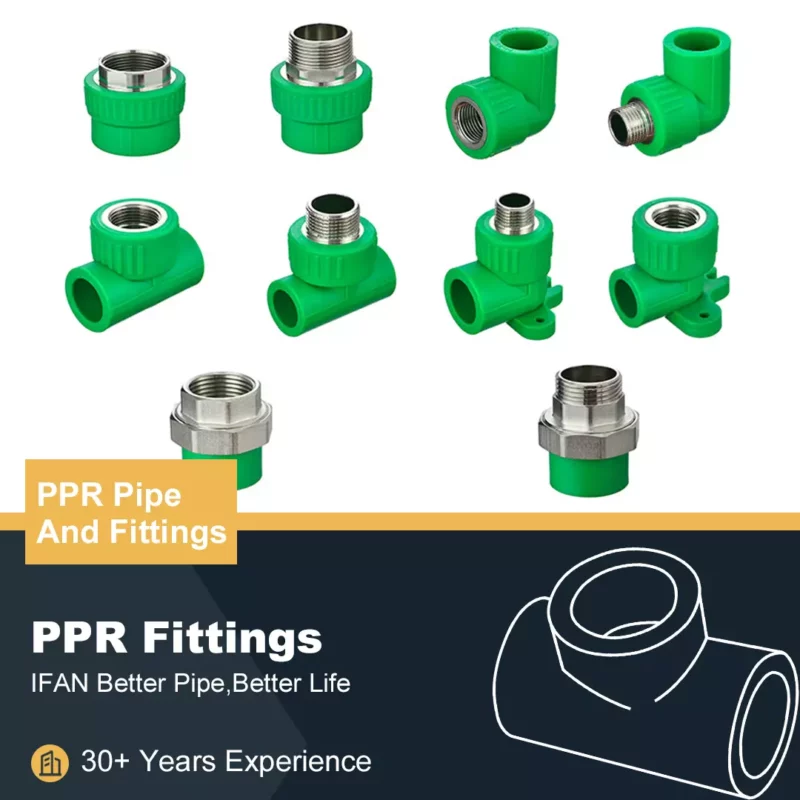
PPR (Polypropylene Random Copolymer) pipes are known for their remarkable insulation properties, making them an ideal choice for various applications. Whether for plumbing, heating systems, or industrial processes, the insulation properties of PPR pipes contribute to energy efficiency, comfort, and cost savings. This article will explore the insulation features of PPR pipes, how they help maintain temperature control, and the benefits they offer in different systems.
Thermal Insulation and Energy Efficiency
One of the most notable benefits of PPR pipe is their excellent thermal insulation. These pipes help maintain the temperature of water or fluids inside the pipe, preventing significant heat loss or gain. This is especially crucial in hot water systems, where energy efficiency is a concern. PPR pipes reduce the need for additional insulating materials, which can lower overall system costs. By maintaining consistent temperatures within the pipes, PPR pipe help save energy and reduce heating or cooling requirements.
Temperature Retention for Hot Water Systems
In hot water systems, maintaining the temperature of water as it travels through the pipes is essential. PPR pipes naturally retain heat better than many other types of piping materials. Their thermal insulation properties help prevent the loss of heat during transport, which reduces the energy required to maintain the desired temperature. This is particularly beneficial in residential or commercial heating systems, where energy savings are a priority. By reducing heat loss, PPR pipe make heating systems more efficient, ultimately lowering energy consumption and reducing utility bills.
Resistance to Temperature Fluctuations
PPR pipes are designed to withstand fluctuations in temperature, maintaining their performance and insulation properties under varying conditions. Unlike some other materials, which may expand or contract with temperature changes, PPR pipes remain stable. Their resistance to temperature fluctuations ensures that the pipes can handle both cold and hot water systems without compromising their integrity. This stability makes PPR pipe suitable for both residential and industrial applications, where the temperature of the transported fluids may change frequently.
Reduced Condensation Issues
Condensation is a common issue in plumbing systems, especially when cold water runs through pipes in warm, humid environments. Condensation can lead to water damage, mold, and rust. PPR pipe help mitigate condensation problems due to their excellent insulation properties. The pipes maintain the temperature of the water inside without allowing the outer surface to become too cold, thus preventing condensation from forming. This makes PPR pipe an ideal choice for systems where moisture control is important, such as in buildings with high humidity or climate-controlled environments.
Insulation in Cold Water Systems
In cold water systems, maintaining the temperature of water is equally important, especially in areas with warm climates. PPR pipe help keep cold water cool by reducing the amount of heat gained from the surrounding environment. This is particularly important in industrial applications, where the temperature of fluids may need to be tightly controlled. By preventing temperature fluctuations and heat gain, PPR pipe help ensure that cold water remains at the desired temperature until it reaches its destination.
Cost-Effectiveness of PPR Pipe Insulation
The insulation properties of PPR pipe contribute to their overall cost-effectiveness. Because PPR pipes retain heat and prevent temperature fluctuations, there is less need for external insulation materials. This reduces both the initial installation costs and long-term maintenance expenses. For example, in hot water systems, using PPR pipe with built-in insulation reduces the need for additional insulation foam or wraps, saving time and money during installation. The long-term energy savings also contribute to the cost-effectiveness of using PPR pipes in construction and plumbing projects.
Noise Reduction and Acoustic Insulation
PPR pipes are also known for their ability to reduce noise in water transport systems. Water flowing through pipes can sometimes generate sound, especially in high-pressure systems or during temperature changes. The insulation properties of PPR pipes help absorb and reduce this noise, providing quieter operation. This is especially beneficial in residential buildings, where excessive noise from plumbing systems can be a disturbance. By improving the acoustic properties of water pipes, PPR pipe contribute to a more comfortable and quieter living environment.
Insulated PPR Pipe Systems for Industrial Use
In industrial applications, where fluid temperatures are critical, PPR pipe are often used in insulated systems to maintain specific temperature conditions. These systems are designed to transport hot or cold fluids without significant temperature changes during transit. PPR pipe can be used with external insulation wraps or coatings to further enhance their thermal properties. This combination of PPR pipe and external insulation provides an effective solution for industries that require precise temperature control, such as the food and beverage industry or chemical processing plants.
Durability and Longevity of Insulation Properties
The insulation properties of PPR pipes are long-lasting and do not degrade over time, unlike some other materials that may lose their thermal efficiency as they age. PPR pipe maintain their insulating performance throughout their long lifespan, which can exceed Long-term durability according to standards. This durability makes them an excellent investment for systems where temperature control is essential. Whether used in residential plumbing, industrial systems, or heating networks, PPR pipe continue to provide reliable insulation throughout their service life.
Benefits of Reduced Heat Loss in Heating Systems
For heating systems, the insulation properties of PPR pipes are essential in reducing energy waste. In many systems, a significant amount of energy is lost as heat during fluid transportation. PPR pipe minimize this heat loss, ensuring that the water or fluid inside the pipes remains at the desired temperature. This leads to more efficient heating systems, reduced energy consumption, and lower operational costs. For large buildings, residential homes, and industrial facilities, PPR pipe offer a practical solution for reducing heating costs.
Sustainable and Eco-Friendly Insulation
PPR pipes contribute to sustainable building practices by improving energy efficiency. The reduced energy consumption in systems using PPR pipes helps lower overall carbon footprints. Additionally, PPR pipe themselves are recyclable, making them an environmentally friendly option. The long lifespan and resistance to thermal degradation further enhance their sustainability. By choosing PPR pipe, builders and property owners can reduce the environmental impact of their projects while still achieving excellent insulation performance.
Conclusion
The insulation properties of PPR pipes make them an essential component in a wide range of applications, from residential plumbing to industrial systems. These pipes offer excellent thermal insulation, energy efficiency, and durability, making them a cost-effective and reliable choice for maintaining consistent temperatures in fluid transport systems. Their ability to prevent heat loss, resist temperature fluctuations, and reduce condensation makes them an ideal option for both hot and cold water systems. Furthermore, PPR pipes provide noise reduction benefits and contribute to sustainable building practices.
If you have read this article and have any questions, please feel free to contact IFAN. Below is our contact information:
Whatsapp:+86 13373827623
Email:[email protected]