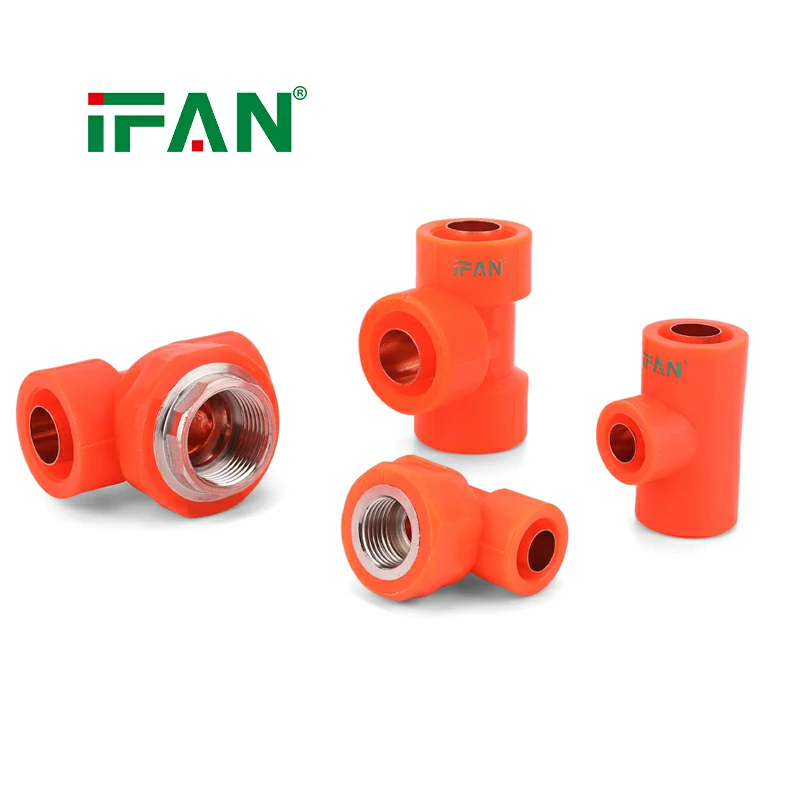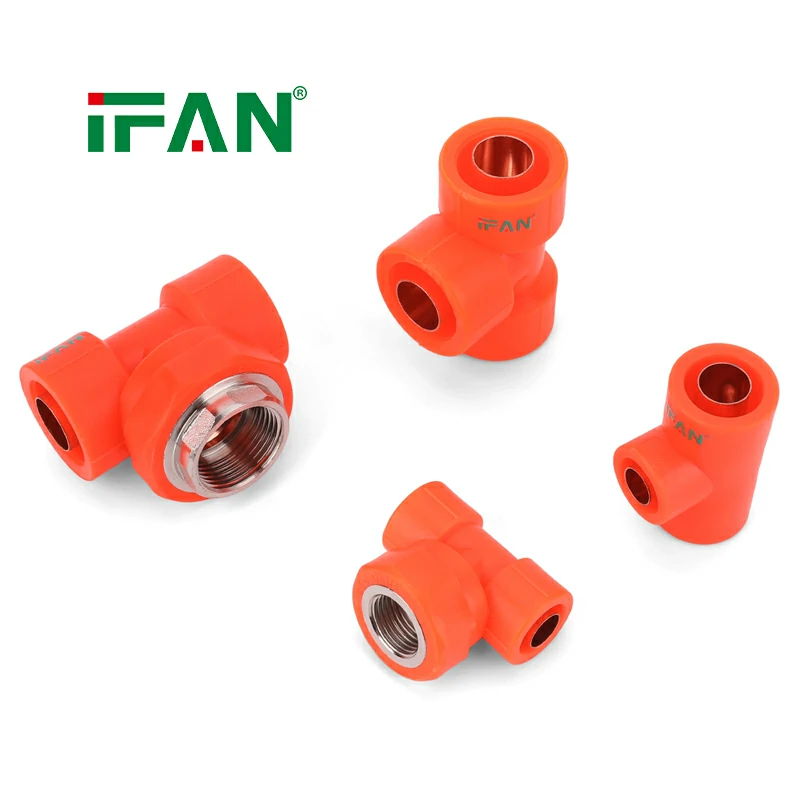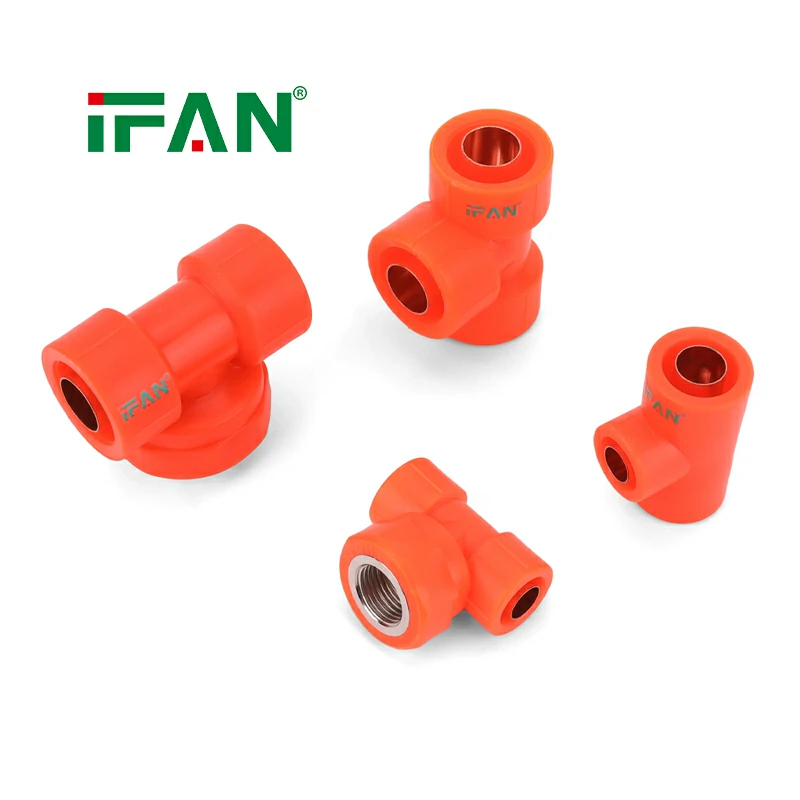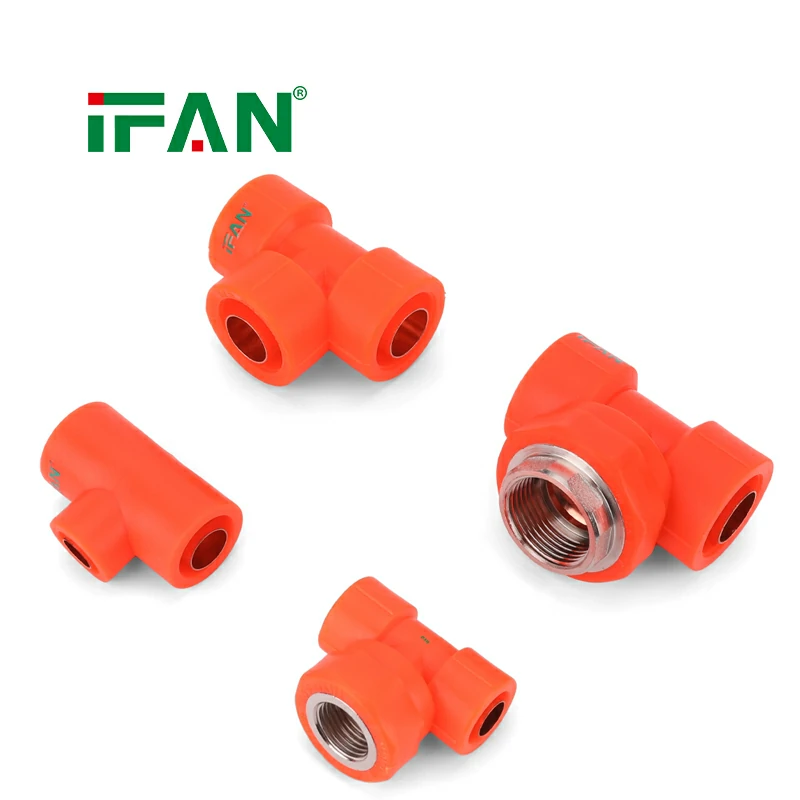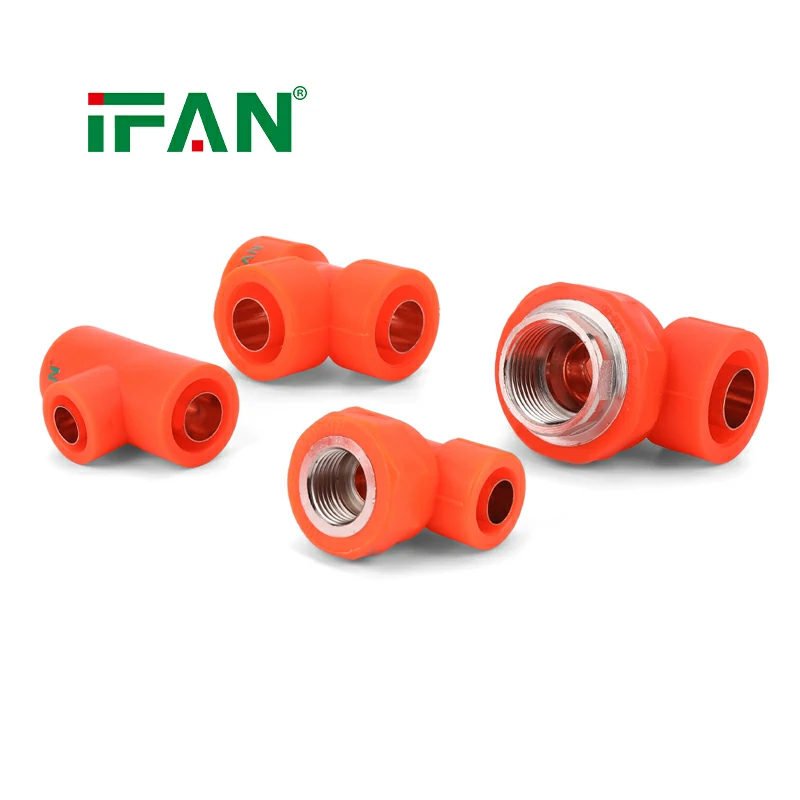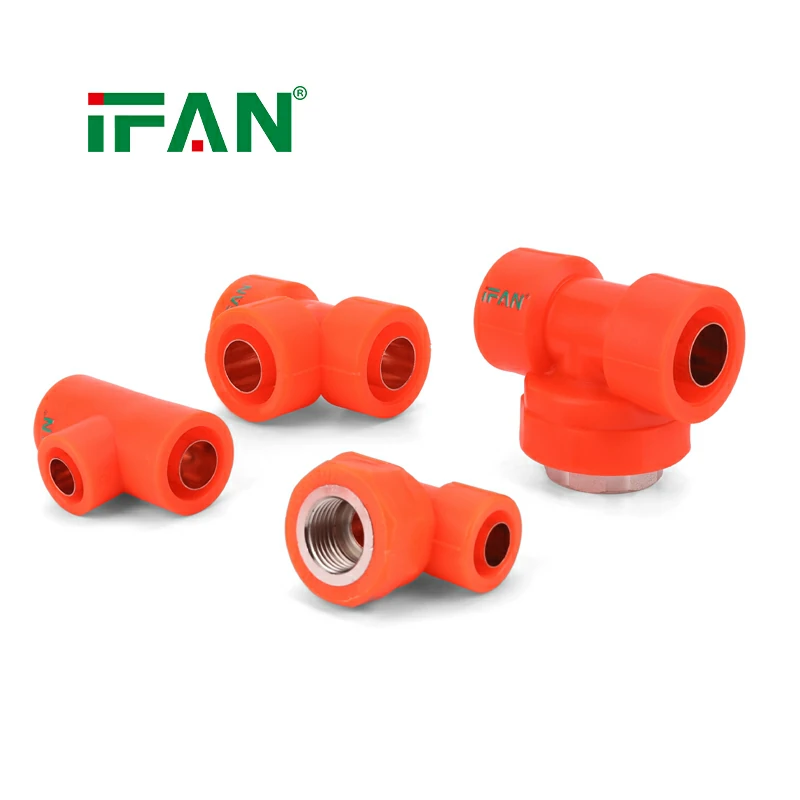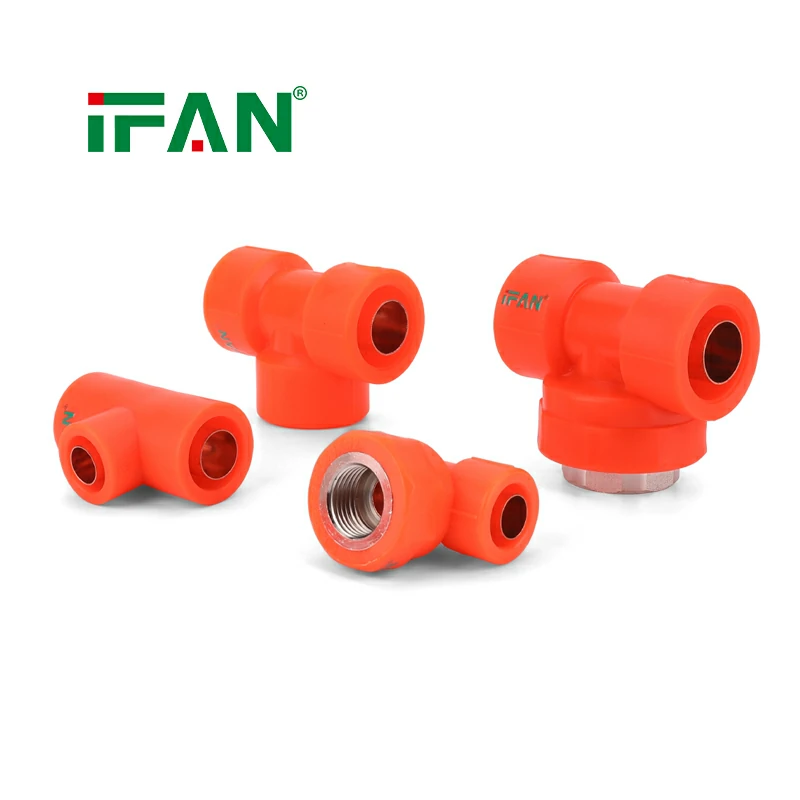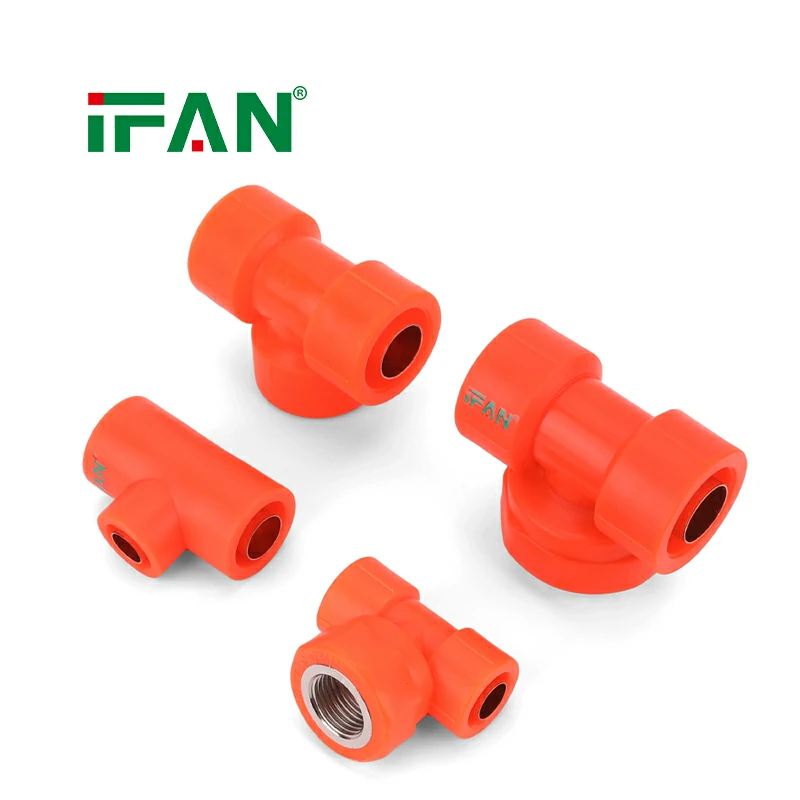


Introduction to PPR Pipe Fittings
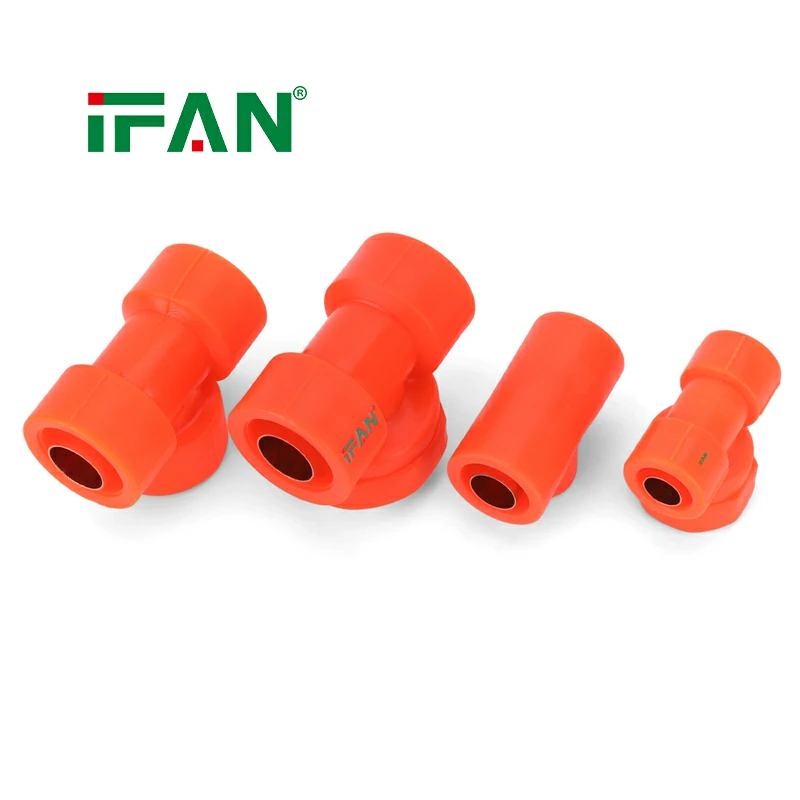
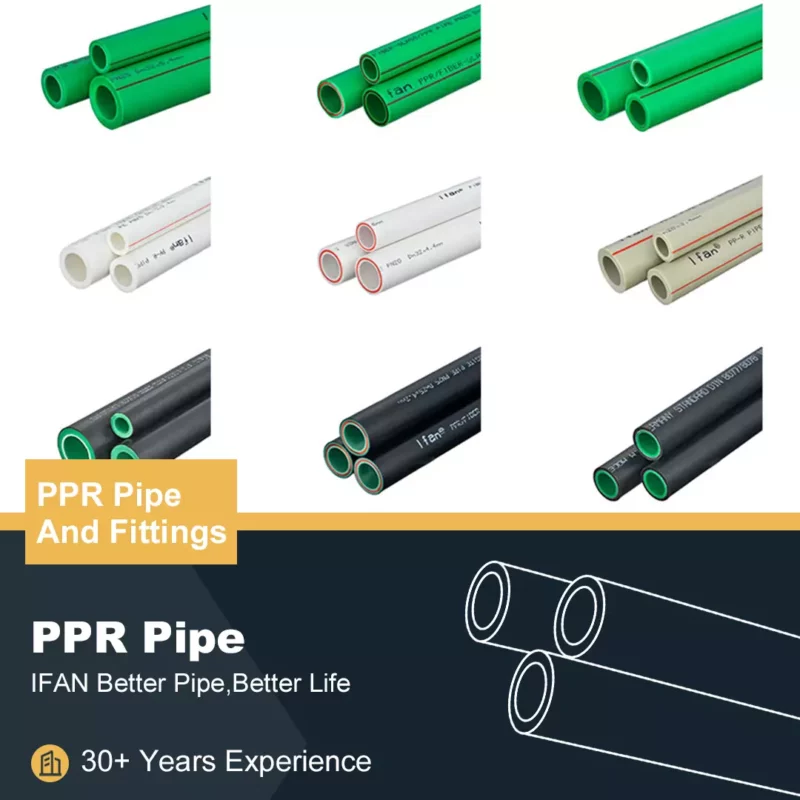
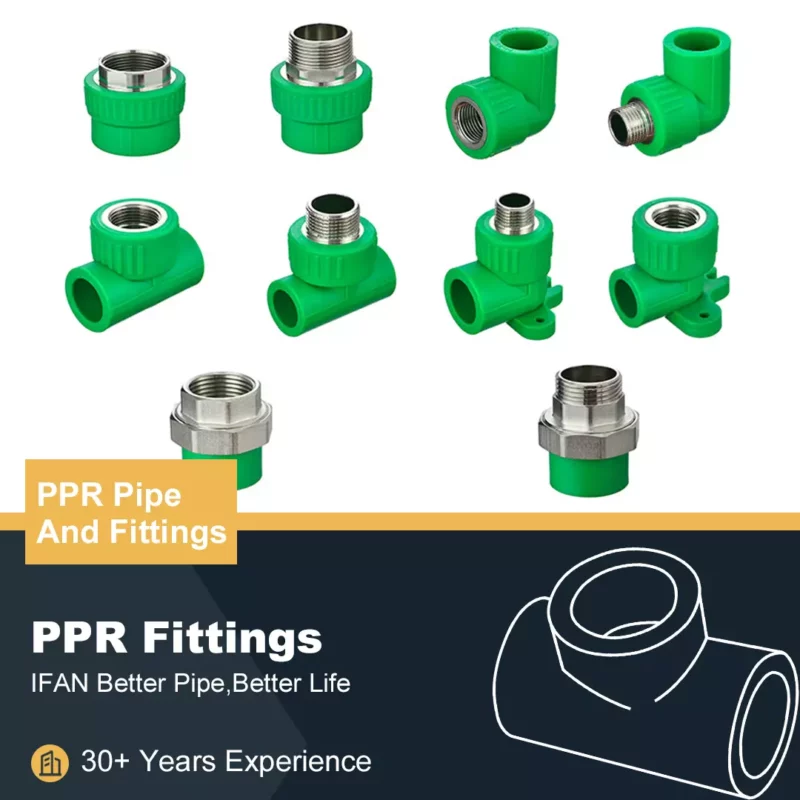
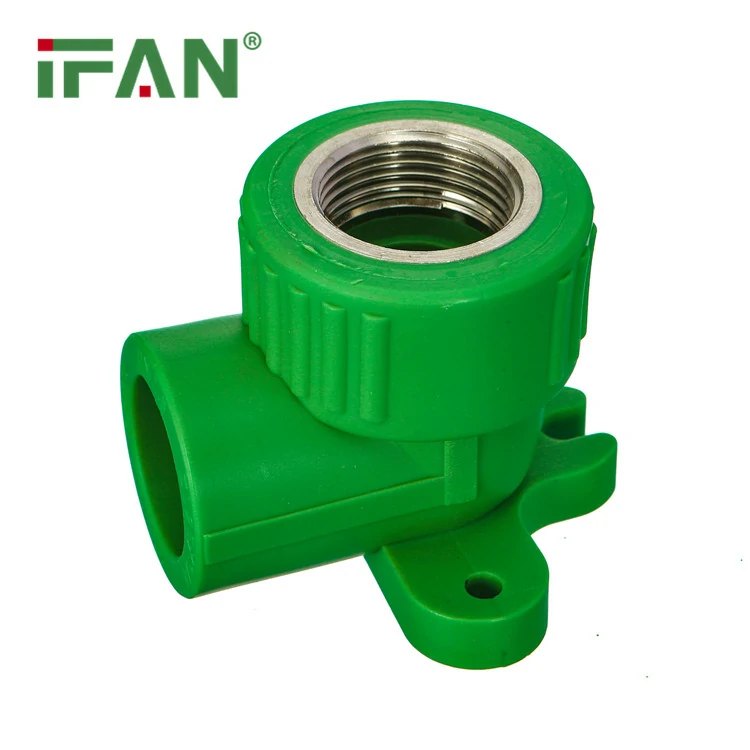
PPR pipe fittings are widely used in plumbing and industrial applications. Their high-temperature resistance is a significant advantage. This property allows them to transport hot water and other fluids safely. Understanding this feature helps in making informed choices for plumbing systems.
Temperature Tolerance
PPR pipe fittings can withstand temperatures up to 95 degrees Celsius (203 degrees Fahrenheit). This capability makes them suitable for various applications. Traditional materials like PVC often fail at elevated temperatures. Such failures can lead to leaks and system failures. In contrast, PPR fittings maintain their structural integrity even under high temperatures.
Molecular Structure and Stability
The high-temperature resistance of PPR fittings comes from their unique molecular structure. The random copolymer composition enhances thermal stability. This stability prevents deformation or softening when exposed to heat. As a result, PPR fittings can handle demanding applications without damage. This characteristic is crucial for maintaining system reliability.
Lightweight and Easy to Handle
Another advantage of PPR pipe fittings is their lightweight nature. Compared to metal fittings, PPR fittings are significantly lighter. This makes them easier to handle and install. The lightweight characteristic reduces labor costs during installation. Workers can maneuver and assemble PPR fittings quickly, even in tight spaces.
Chemical Resistance
PPR pipe fittings also offer excellent resistance to chemical corrosion. In many applications, hot water may contain various dissolved substances. PPR’s chemical resistance ensures that the fittings do not degrade over time. This durability contributes to the longevity of plumbing systems. Homeowners and businesses benefit from reduced maintenance and replacement costs.
Simple Installation Process
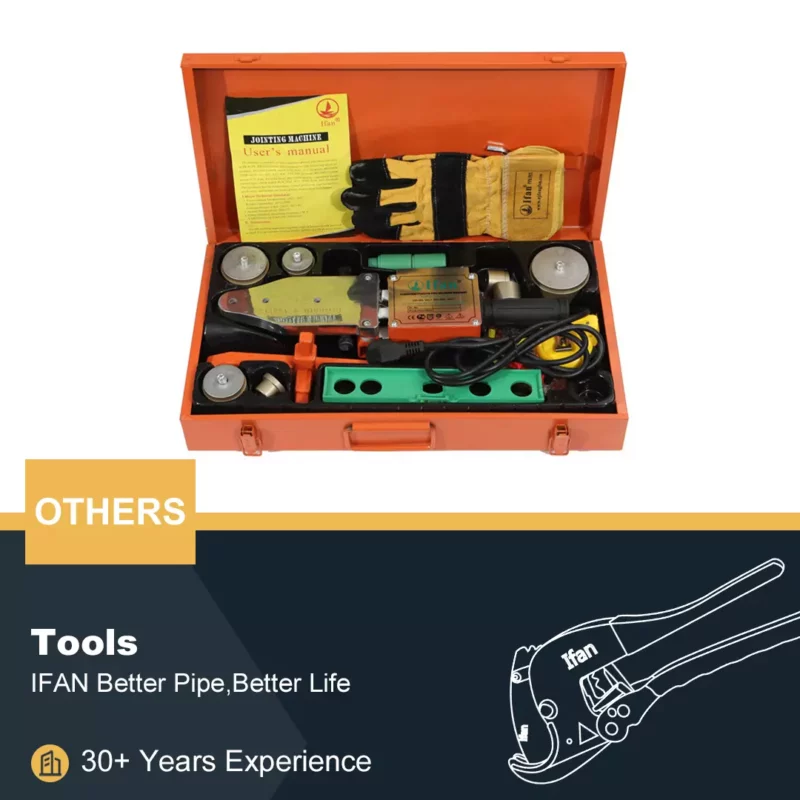
The installation process for PPR pipe fittings is straightforward. They can be joined using a heat fusion method. This method creates a strong and leak-proof bond. It involves heating the pipe and fitting ends before joining them together. The result is a seamless connection that enhances overall performance. This technique is particularly beneficial for high-temperature applications.
Energy Efficiency
In addition to their high-temperature resistance, PPR pipe fittings are energy-efficient. Their insulating properties help maintain the temperature of the fluid being transported. This means less energy is required to heat water. Lower utility bills are a significant benefit for homeowners and businesses. Efficient heating leads to reduced costs over time.
Environmental Benefits
Moreover, PPR pipe fittings are environmentally friendly. They are made from recyclable materials, which reduces their environmental impact. As sustainability becomes a priority, choosing PPR fittings supports eco-friendly practices. This aspect appeals to environmentally conscious consumers and businesses alike.
Resistance to Scaling
PPR fittings are resistant to scale and deposits. In hot water systems, mineral buildup can reduce efficiency. However, the smooth inner surface of PPR fittings minimizes the risk of scaling. This feature ensures that plumbing systems operate efficiently over time. Regular inspections are still essential, but issues related to scaling are significantly lower.
Versatility in Applications
The versatility of PPR pipe fittings is another advantage. They can be used in various applications, including residential, commercial, and industrial settings. Whether for hot water supply, heating systems, or irrigation, PPR fittings adapt to different needs. This flexibility makes them a popular choice among contractors and engineers.
Cost-Effectiveness
In terms of cost-effectiveness, PPR pipe fittings are attractive. While the initial investment may be comparable to other materials, their durability leads to long-term savings. Fewer replacements and repairs translate to reduced costs over time. This financial benefit is especially appealing for large-scale projects.
Low Thermal Conductivity
PPR pipe fittings have low thermal conductivity. This property helps maintain the temperature of the fluid being transported. For hot water systems, this means water stays hot longer. Reduced energy consumption is a significant benefit for homeowners. Consistent hot water supply is achieved without constant reheating.
Safety Considerations
Safety is a critical factor when considering high-temperature resistance. PPR pipe fittings do not release harmful substances when exposed to heat. This feature is particularly important for drinking water systems. Consumers can have peace of mind knowing their water supply remains safe and uncontaminated.
Longevity and Durability
The longevity of PPR pipe fittings is noteworthy. With proper installation and maintenance, these fittings can last for decades. Their resistance to high temperatures, chemicals, and corrosion contributes to their extended lifespan. This durability ensures plumbing systems remain reliable and efficient over time.
Conclusion
In conclusion, the high-temperature resistance of PPR pipe fitting offers numerous advantages. Their ability to withstand elevated temperatures makes them ideal for various applications. Lightweight, chemically resistant, and easy to install, PPR fittings provide a reliable plumbing solution. Additionally, their energy efficiency and environmental benefits make them an attractive choice. With a long lifespan and low maintenance requirements, PPR pipe fittings are an excellent investment. Embracing PPR technology leads to a more efficient and sustainable future in plumbing systems.
If you have read this article and have any questions, please feel free to contact IFAN. Below is our contact information:
Whatsapp:+86 13373827623
Email:[email protected]